Cherub Angelfish
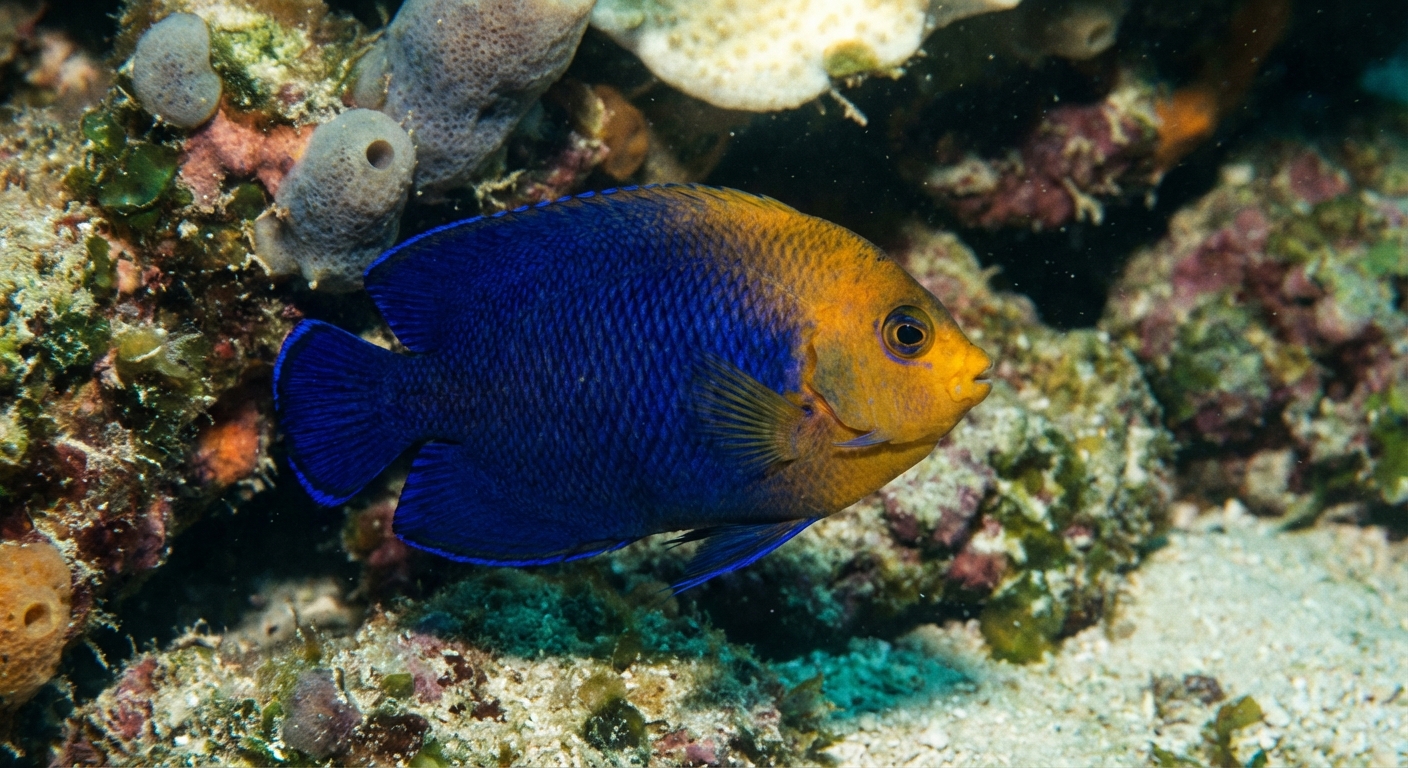
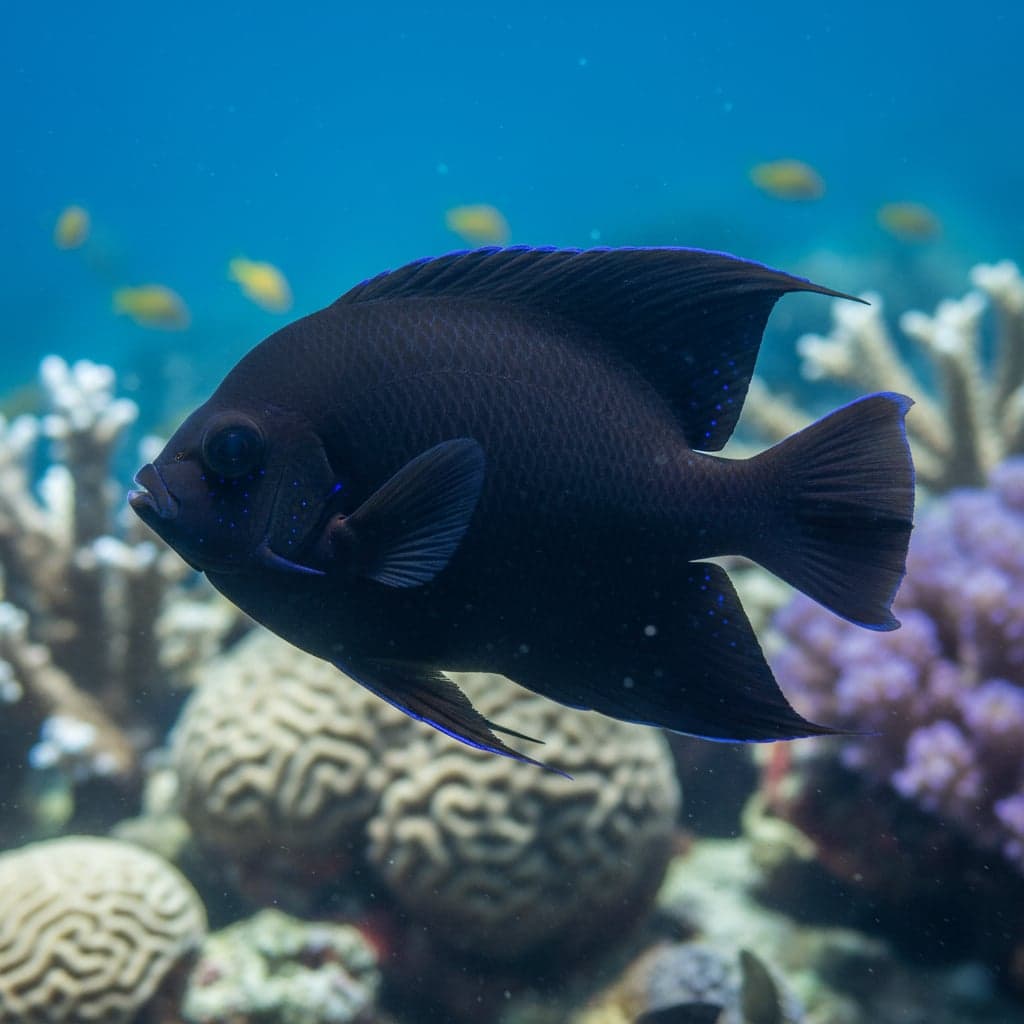
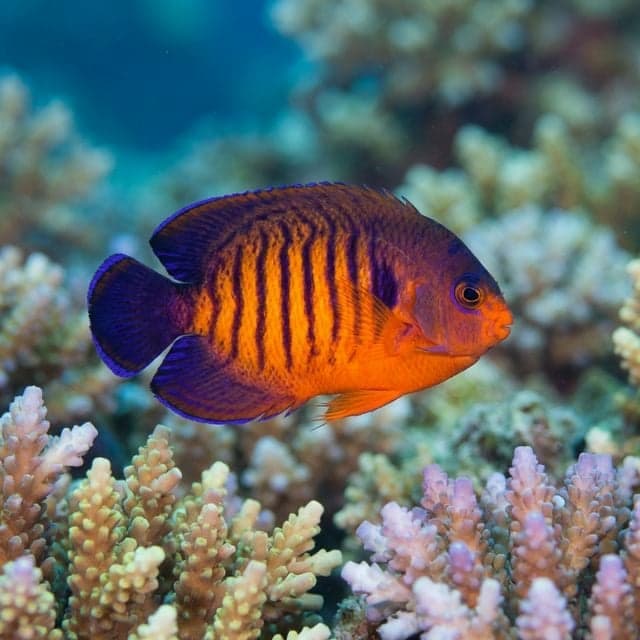
The Cherub Angelfish (Centropyge argi) is a tiny deep-blue and orange Caribbean dwarf angel — hardy and nano-friendly, but feisty for its size.

Cherub Angelfish
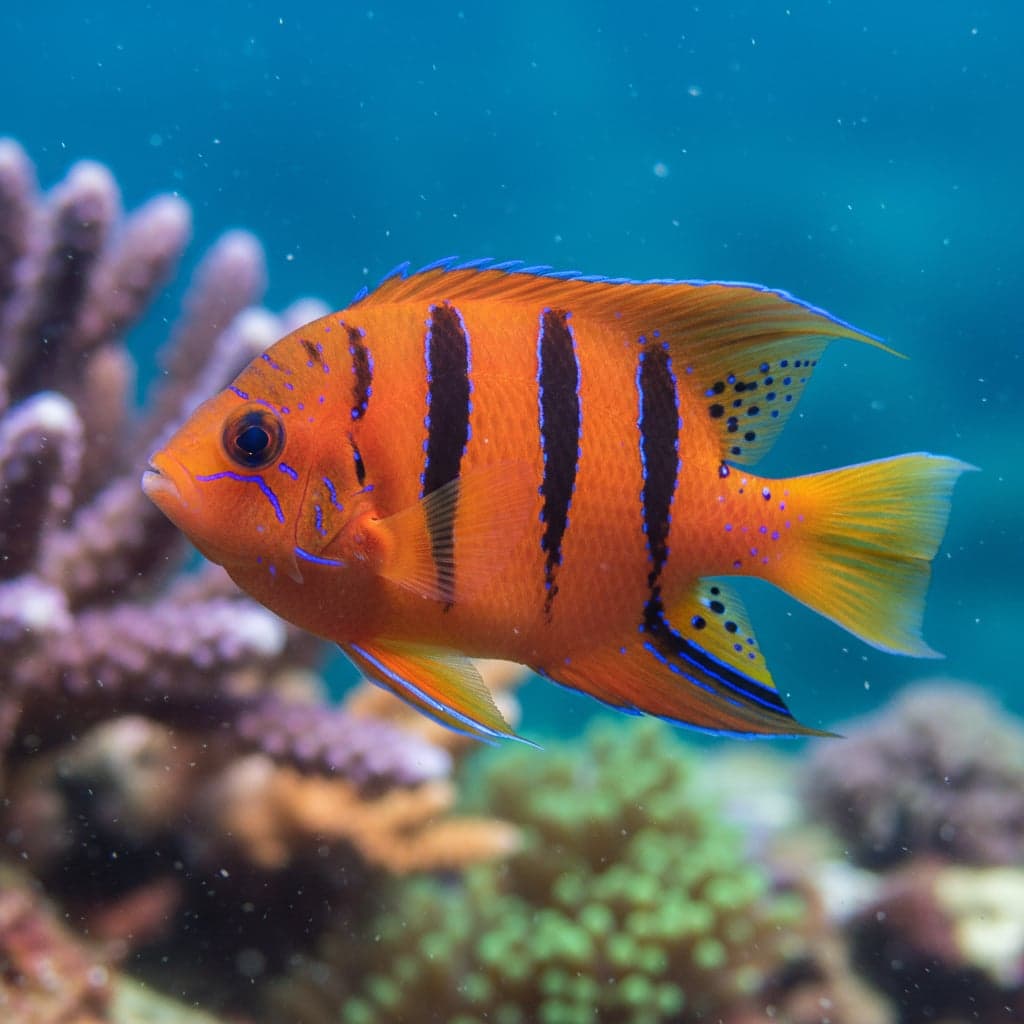
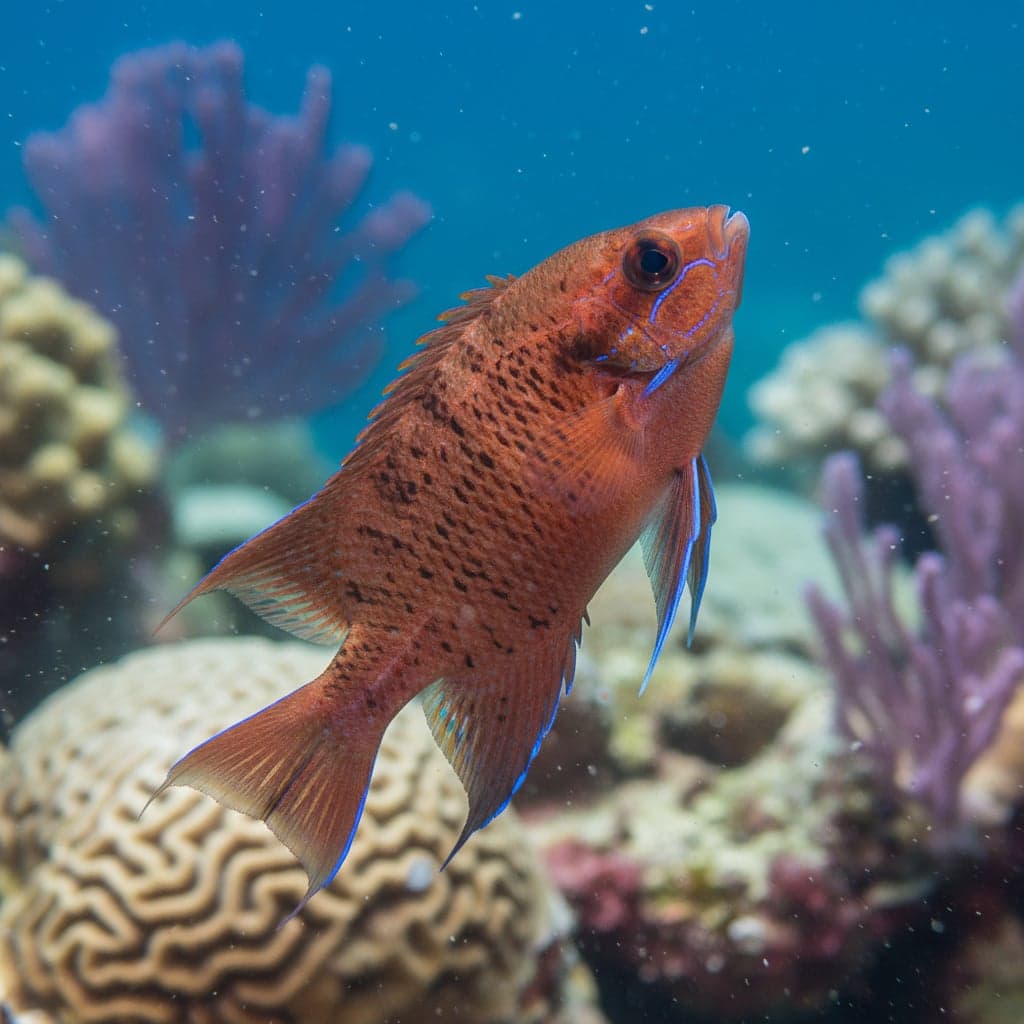
The Cherub Angelfish (Centropyge argi), also called the pygmy or Atlantic pygmy angelfish, is the smallest of the dwarf angels — a deep royal-blue body lit by a bright orange-yellow face and chest. Despite its tiny size it has all the personality of a full-grown angel, and its hardiness and small footprint make it one of the few angelfish genuinely suited to nano reefs.
That big-fish attitude in a small body is the real planning constraint. The Cherub is bold and territorial relative to its size; “nano-friendly” describes volume, not a promise of community manners. Keep one dwarf angel per small system unless you have the space and aquascape to split territories honestly.
Natural Habitat & Origin
Centropyge argi occurs in the Caribbean and western Atlantic, living close to rubble and reef structure at moderate depths, darting between rocks and grazing algae and associated microfauna. It is a secretive fish that stays near cover, retreating into crevices when threatened — not a mid-water showpiece that patrols open sand all day.
In the aquarium recreate grazing surface and shelter: abundant live rock with holes and crevices to claim as territory, natural film algae on rock faces, and enough broken sightlines that one bold fish cannot dominate every cave. A sterile new tank with bare rock forces the angel onto prepared foods alone and raises acclimation stress.
Care Requirements
Stable marine water: salinity about 1.024–1.026, pH 8.1–8.4, temperature 24–26°C (75–79°F). Adults reach only about 7 cm (about 3 inches). Around 75 litres (20 US gallons) can work for a single specimen with dense rock — a rare true nano option among angels — but maturity of the system matters more than the sticker volume. Established algae and stable parameters beat a brand-new cube.
Quarantine is still mandatory. Dwarf angels are not immune to marine ich (Cryptocaryon irritans) or marine velvet (Amyloodinium ocellatum); stressed imports are classic carriers. Observe and prove feeding in QT before the display. Copper and related therapeutics belong in a hospital tank, not on a mixed reef — see medications and quarantine protocol.
Use the Aquarium Tracker to log salinity, temperature and your change schedule; chronic nitrate and neglect show up as dull colour and poor appetite long before the fish stops working the rock.
Diet & Feeding
Omnivore with a strong grazing habit. Wild fish rasp algae and pick associated microfauna from rock. In captivity build the staple around marine angelfish and herbivore preparations — spirulina, nori or other marine algae, and algae-based pellets or flakes — supplemented with frozen mysis and enriched blends. A tank with healthy algal growth on live rock is a real asset between meals.
Do not treat greens as optional garnish. A Cherub forced onto meat alone often loses condition or becomes a worse coral nipper out of boredom and hunger. Frequent small offerings suit continuous grazers better than one large feed. Marine diets cover balanced omnivore planning. Body shape tells the truth: a pinched profile after weeks of “it picks at flakes” is a diet problem to fix in QT or hospital.
Behavior & Temperament
Semi-aggressive and territorial, bold for such a small fish. It can harass smaller or more timid tankmates — especially other dwarf angels — and will defend a favourite cave with surprising energy. Keep only one Centropyge per tank unless the system is large and rockwork creates clear, separate territories. Add it after calmer fish are established so it cannot claim the entire aquascape first.
It spends its time working the rocks, grazing and patrolling its patch. Hunger, crowding or a second angel in a nano turns mild feistiness into nonstop chasing. Net and handle carefully; like other angels it can be flighty when pursued.
Tank Mates
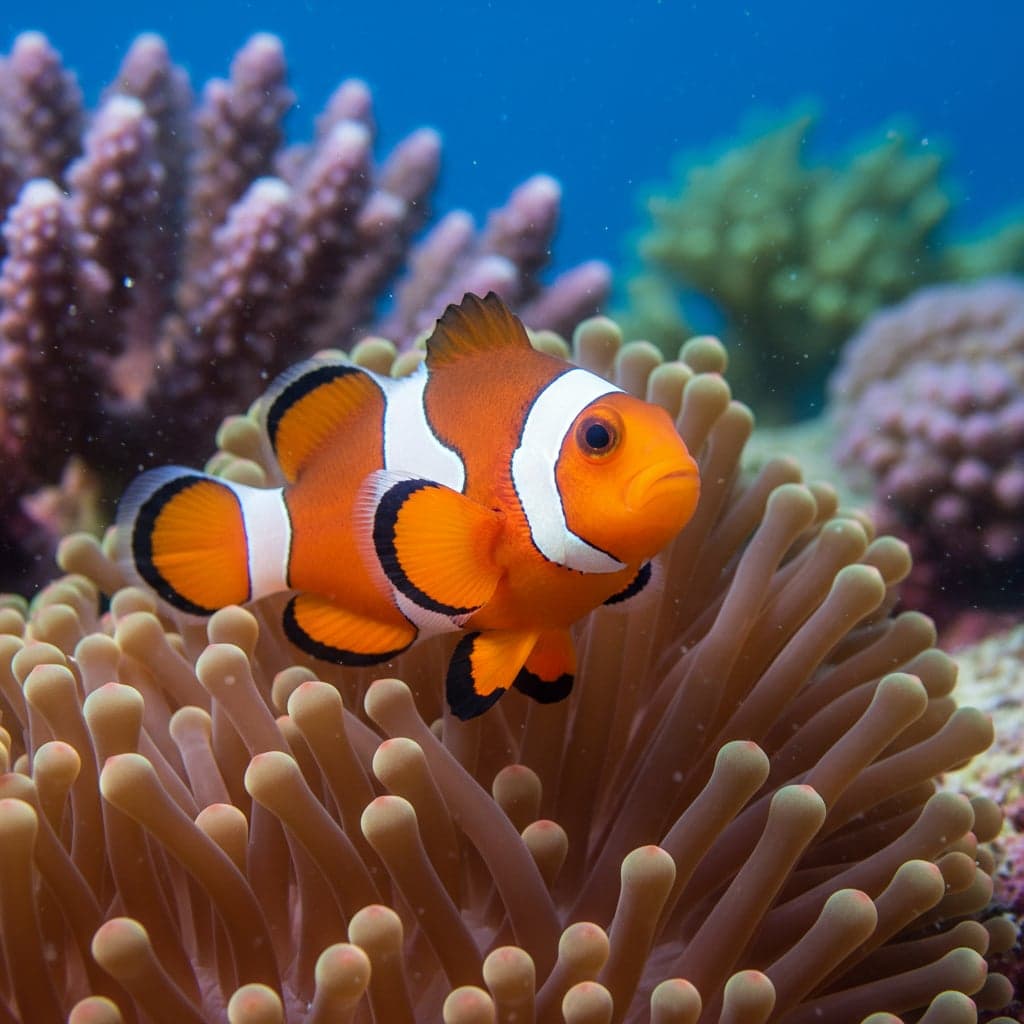
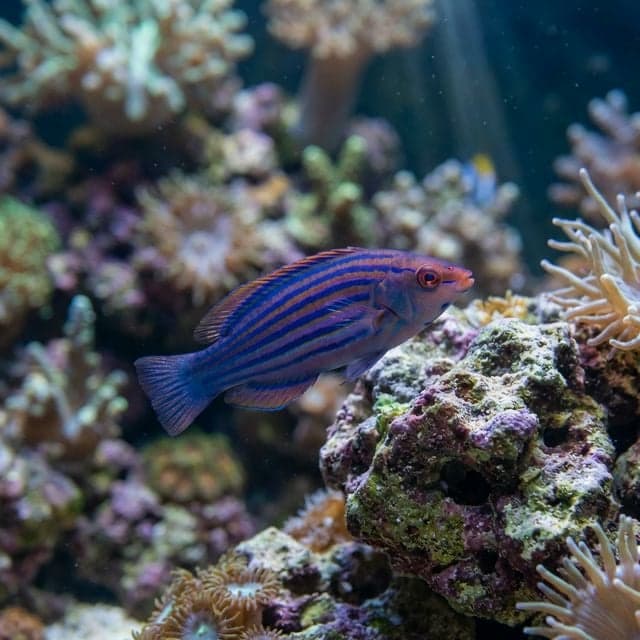
Good companions are peaceful to semi-aggressive reef fish that occupy different niches: common clownfish, gobies, blennies, wrasses, cardinalfish and similar. Avoid other dwarf angels in smaller tanks and very timid fish it might bully into starvation. Large aggressive predators or food hogs are a poor match for a 7 cm angel that needs to graze in peace.
In a reef, treat coral compatibility with caution. Like most dwarf angels it may nip coral polyps or clam mantles; many specimens are well behaved, some are not, and behaviour can change with diet quality and individual personality. Soft corals and LPS are often safer bets than prized Acropora forests if you are risk-averse. It does not eat ornamental shrimp the way a dottyback might, but stress from chasing still harms the community.
Breeding
The Cherub Angelfish is a protogynous hermaphrodite and pelagic spawner. It has been bred in captivity by dedicated hobbyists, and tank-raised specimens are occasionally available, though rearing the larvae is demanding and not a casual home project. Most trade specimens remain wild-collected. Pair formation and dusk spawning rises are specialist territory; do not expect a nano reef to become a production system.
Common Health Issues
Hardy for an angel, but still prone to marine ich and marine velvet when stressed by capture, shipping or poor oxygen. Lateral line and appetite issues track vitamin-poor diets and chronic dirty water. Quarantine every fish. Keep greens constant, rock mature, and nitrates in check.
A Cherub that refuses algae and hammers corals is not “just being an angel” — fix diet and stress before blaming the species. Give it cover, grazing film and honest tankmates, and this tiny Atlantic dwarf is one of the best character angels for a small reef. Undersize the rockwork, skip QT, or stack two Centropyge in 75 litres and the nano advantage disappears into aggression and disease stories.