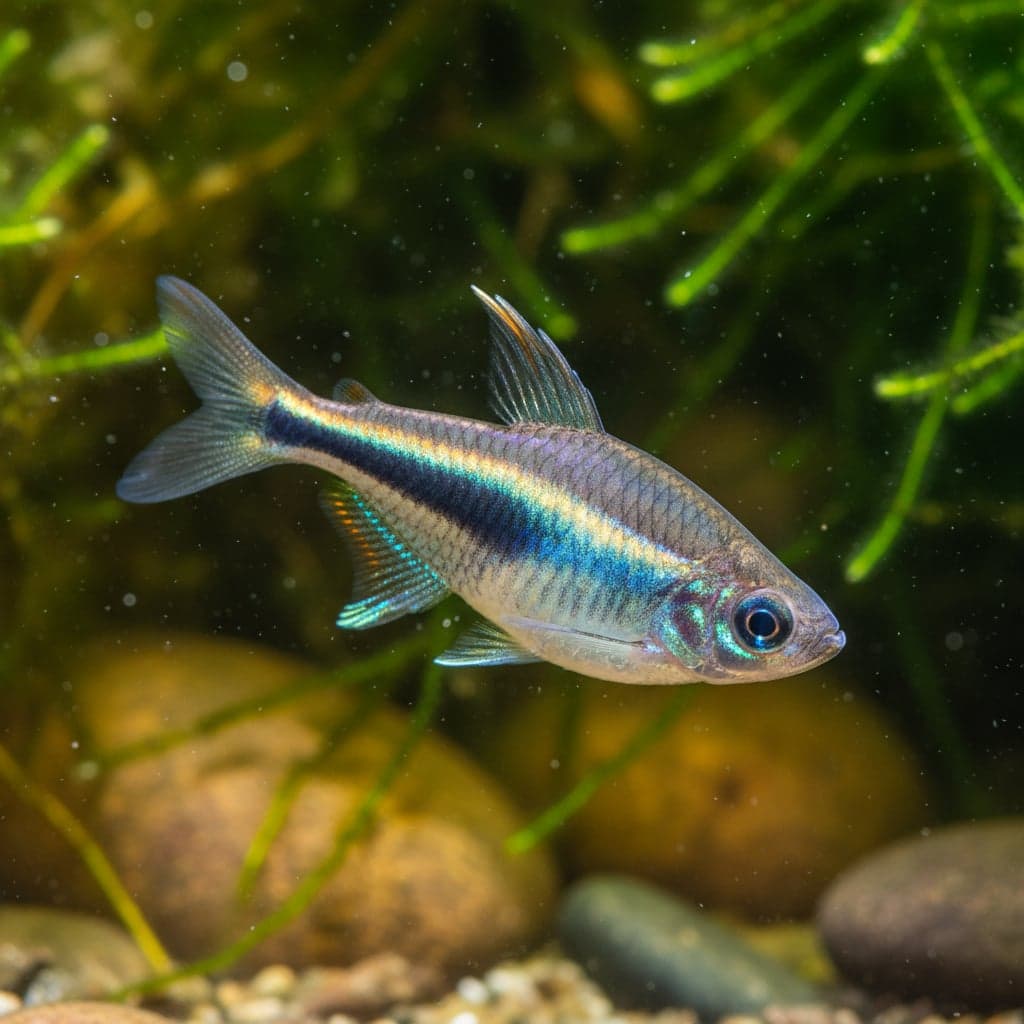
The Chili Rasbora: Boraras brigittae
One of the smallest aquarium fish. A striking ruby-red nano fish that thrives in blackwater conditions and heavily planted setups.
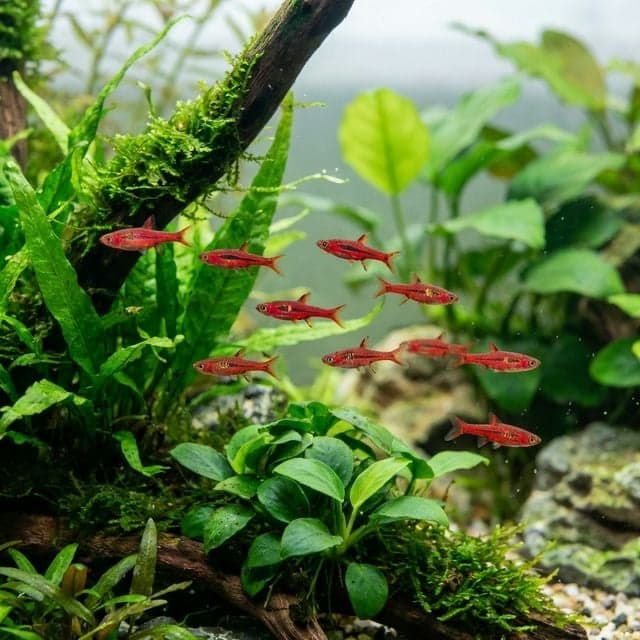
Chili Rasbora
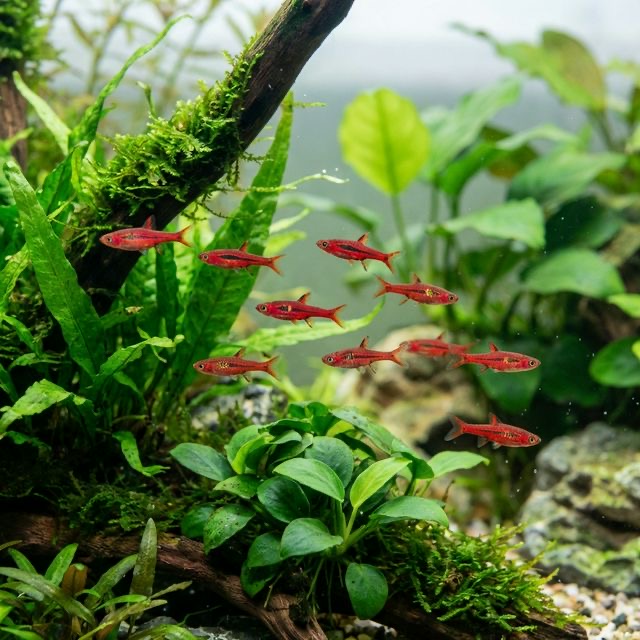
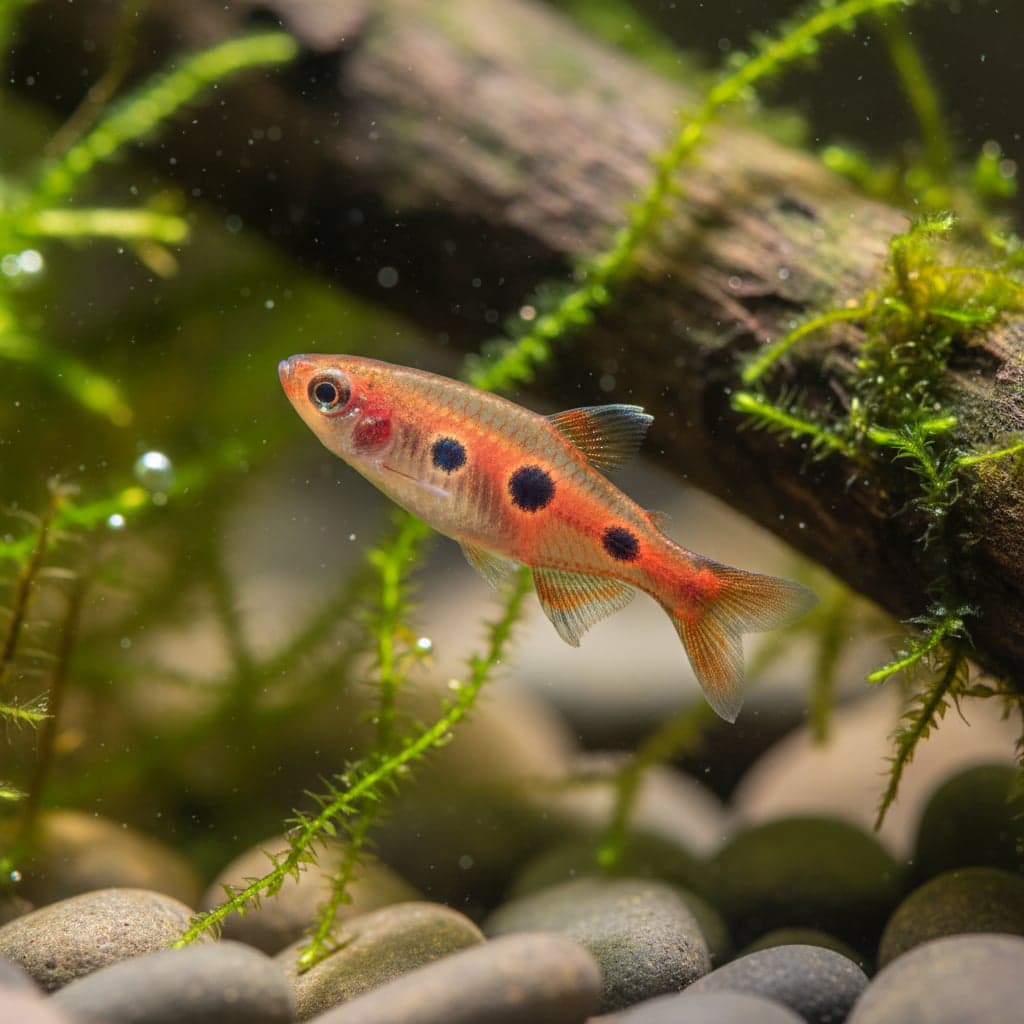
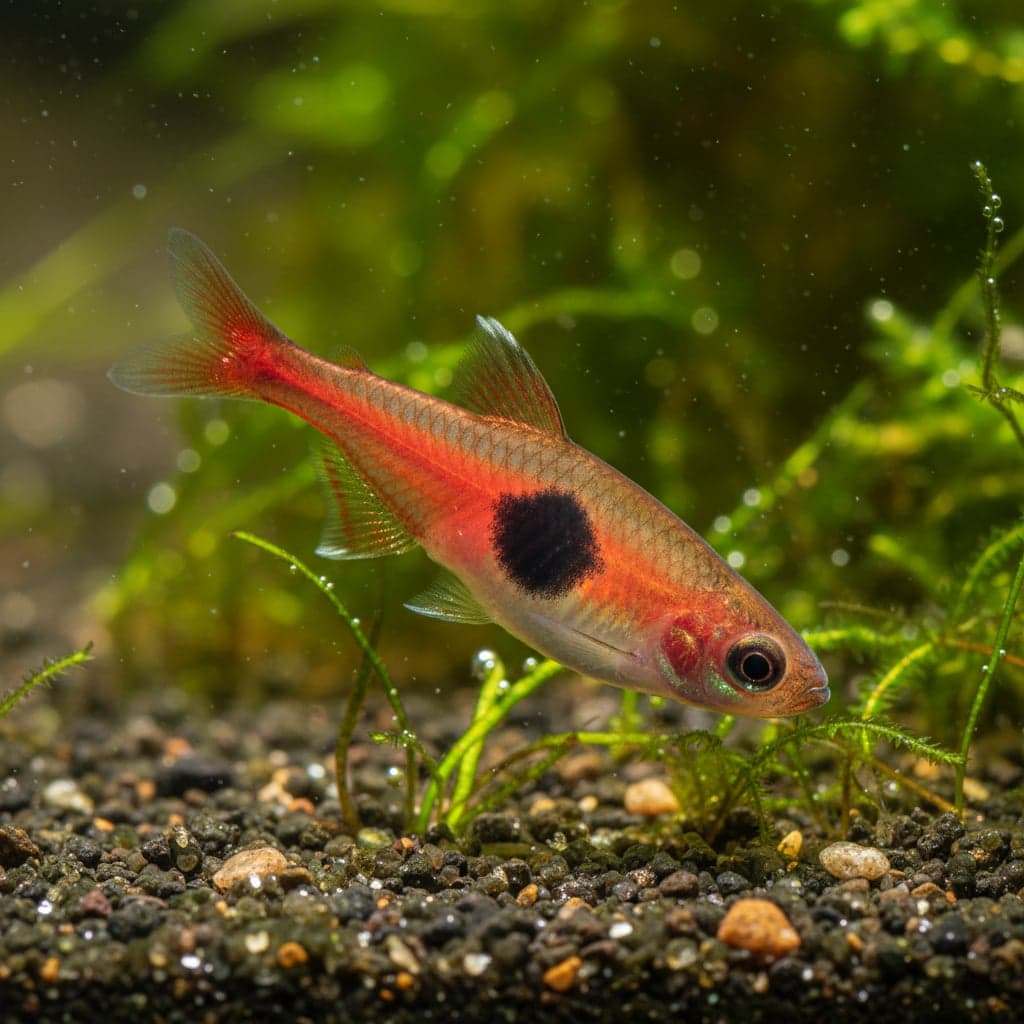
The Chili Rasbora (Boraras brigittae) is a small yet striking freshwater fish that captivates aquarists with its vibrant colors and lively behavior. This tiny gem, typically growing to about 1.5–2 cm (roughly 0.6–0.8 inches), features a stunning array of hues, including a deep red coloration that contrasts beautifully with its distinctive black stripe running from the snout to the tail. Its small size and visually appealing appearance make it a popular choice for nano tanks and community aquariums alike. Beyond its aesthetic value, the Chili Rasbora holds significance in the aquarium hobby due to its peaceful nature and adaptability to a variety of environments, making it an excellent choice for both novice and seasoned aquarists.
Beyond their visual charm, Chili Rasboras are fascinating social creatures. They thrive in groups, displaying mesmerizing schooling behavior that adds dynamic movement to the tank. Their active disposition and compatibility with a variety of other species enhance their desirability as a staple in community tanks, where they highlight the tranquil atmospheres that many hobbyists strive to achieve. Properly cared for, these fish not only contribute to the beauty of the aquarium but also serve as a testament to the delicate ecosystems that freshwater habitats represent.
Natural Habitat & Origin
Chili Rasboras hail from the tropical waters of Southeast Asia, particularly found in the dense, slow-moving streams and tributaries of the Indonesian islands of Sumatra and Borneo. These fish thrive in blackwater environments enriched with tannins that leach from decomposing plant material, which gives the water a dark, tea-like appearance. This specific biotope provides not only a unique aesthetic but also an essential ecological niche, characterized by soft, acidic water that is often low in nutrients. In their natural habitat, Chili Rasboras can be found cohabiting with various invertebrates and other small fish, which collectively contribute to the biodiversity and health of the ecosystem.
The water conditions in their native streams are typically characterized by pH levels ranging from 4.0 to 6.0, with temperatures between 75°F and 80°F (24°C to 27°C). These parameters reflect their preference for specific environmental conditions where the water is softer, slightly acidic, and enriched with organic material. Understanding these natural habitats enables aquarists to replicate optimal conditions within their tanks, ensuring the health and longevity of the Chili Rasbora.
Care Requirements
When setting up an aquarium for Chili Rasboras, it's essential to mimic their natural habitat to promote their well-being. The ideal tank size for a small group of Chili Rasboras is at least 10 gallons; however, a larger volume can offer better water stability and additional swimming space. These fish prefer soft, slightly acidic to neutral water with a pH between 4.0 and 7.0 and a temperature range of 75°F to 82°F (24°C to 28°C). Water hardness should ideally be kept between 1-10 dGH.
For substrate, a dark fine gravel or sand is highly recommended as it reflects their natural environment and enhances their colors. As for lighting, a softer, subdued light is preferable, often achieved through the use of floating plants or tall plants that provide shade. A heavily planted aquarium with options such as Cryptocoryne, Java Fern, or Amazon Swords not only mimics their natural surroundings but also provides hiding spots that help reduce stress. Regular maintenance, including water changes and monitoring for nitrate levels, is crucial to ensure the fish remain healthy and vibrant.
Diet & Feeding
Chili Rasboras are omnivorous, thriving on a varied diet that includes high-quality flake food, small pellets, and live or frozen offerings like daphnia, brine shrimp, and micro-worms. Their small mouths require finely crushed flakes or specially formulated tiny pellets to ensure they receive adequate nutrition without difficulty. It is important to provide a diverse diet to maintain their vibrant colors and robust health.
Feeding should be done multiple times throughout the day in small amounts, which allows for their natural foraging behaviors to emerge. Offering different food types can help stimulate their interest and ensure a balanced diet, promoting growth and encouraging active behavior. Care should be taken to prevent overfeeding, which can lead to water quality issues and stress among the fish.
Behavior & Temperament
Chili Rasboras are known for their peaceful temperament and sociable nature, making them an ideal addition to community tanks. They exhibit strong schooling behavior, ideally residing in groups of six or more to ensure a sense of security and proper social interactions. In the tank, they tend to occupy the mid to upper levels of the water column, where they gracefully dart around in schools, creating a lively display of colors.
As a peaceful species, they pose no threats to tank mates, but they can become skittish in smaller tanks or when kept alone. Providing adequate hiding spots with plants or decorations can alleviate stress and allow them to exhibit more natural behaviors. In general, their small size and gentle temperament make them an excellent choice for community tanks with other small, non-aggressive fish.
Tank Mates
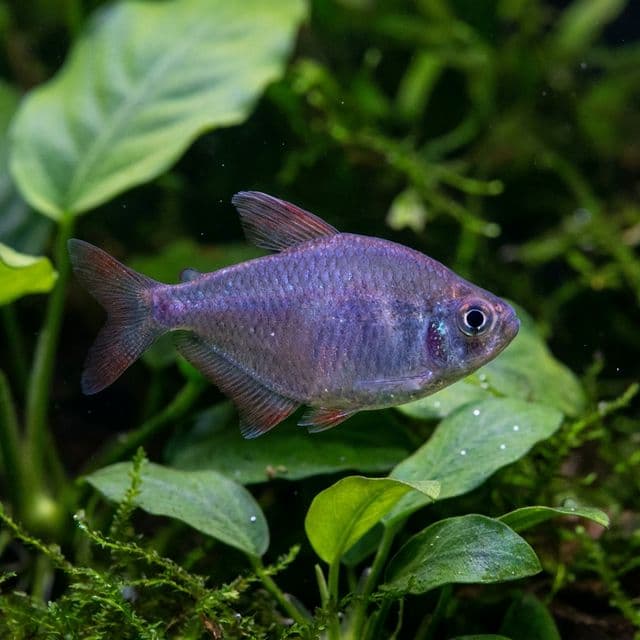
When selecting tank mates for Chili Rasboras, it is essential to choose species that are similarly sized and share comparable temperaments. Compatible species include other small schooling fish such as Neon Tetras, Ember Tetras, Corydoras Catfish, and other Rasboras. They can also coexist with a variety of peaceful shrimp species, like Cherry Shrimp and Amano Shrimp, as well as snails.
Conversely, it is crucial to avoid larger or aggressive fish that may view the Chili Rasbora as potential prey or display territorial behavior. Avoid species like Cichlids, Barbs, and larger livebearers, which can stress or harass these delicate fish and cause their population to dwindle. By carefully curating tank mates, aquarists can create a harmonious community that showcases the beauty of the Chili Rasbora.
Breeding
Breeding Chili Rasboras in captivity can be an enjoyable and rewarding experience. To encourage spawning, it is essential to create a separate breeding tank with soft, slightly acidic water (pH around 5.5 to 6.5) and a temperature of about 78°F (25.5°C). Providing spawning materials such as fine leaved plants or spawning mops will create suitable sites for the eggs.
During spawning, males will exhibit more vibrant colors, and the courtship ritual includes chasing and dancing. The female will lay adhesive eggs among the plants, typically up to 100 eggs at a time. After spawning, it is advisable to remove the adults to prevent them from eating the eggs. The eggs will hatch within 24-36 hours, and the fry should begin swimming freely after 4-5 days. A suitable starter food for the fry includes infusoria or micro-worms, ensuring they receive adequate nutrition for healthy development.
Common Health Issues
Chili Rasboras are generally hardy, but they can be prone to some diseases common in freshwater fish. Issues such as ich (ichthyophthirius multifiliis) and fin rot can occur, especially in poorly maintained water conditions or when fish experience stress. To prevent these health problems, regular water management, including frequent water changes, is crucial.
Additionally, maintaining appropriate tank conditions, ensuring no abrupt changes in temperature or chemistry, further reduces stress-related illness. Quarantine new fish before adding them to the school, and treat ich or fin rot promptly with nano-safe medications. A varied micro-diet and a stable, planted setup keep Chili Rasboras colorful, active, and healthy for years.