Chilumba: Tropheops sp. Chilumba
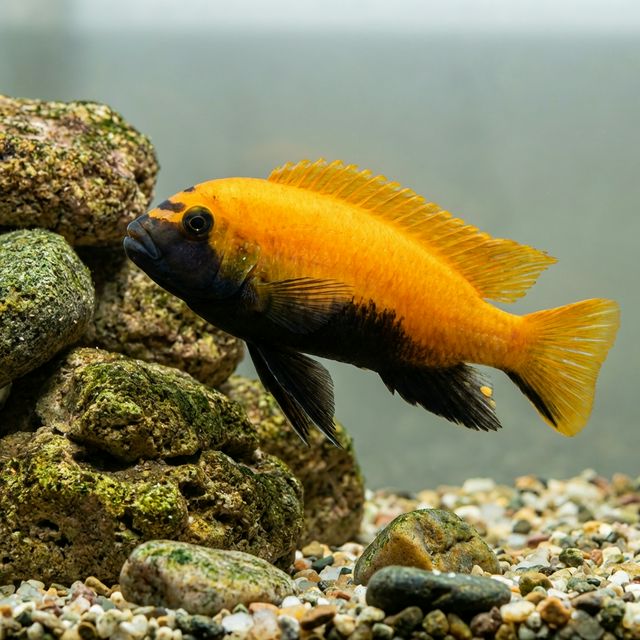
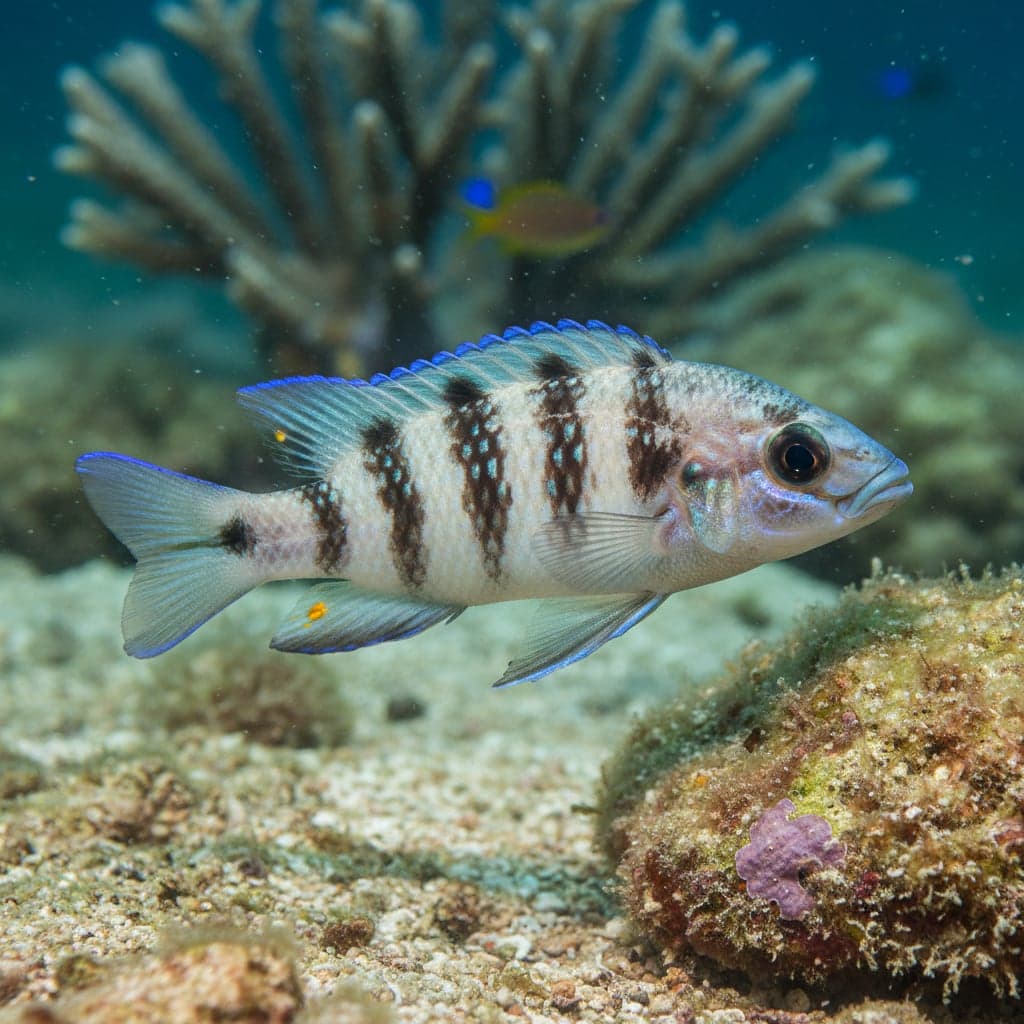
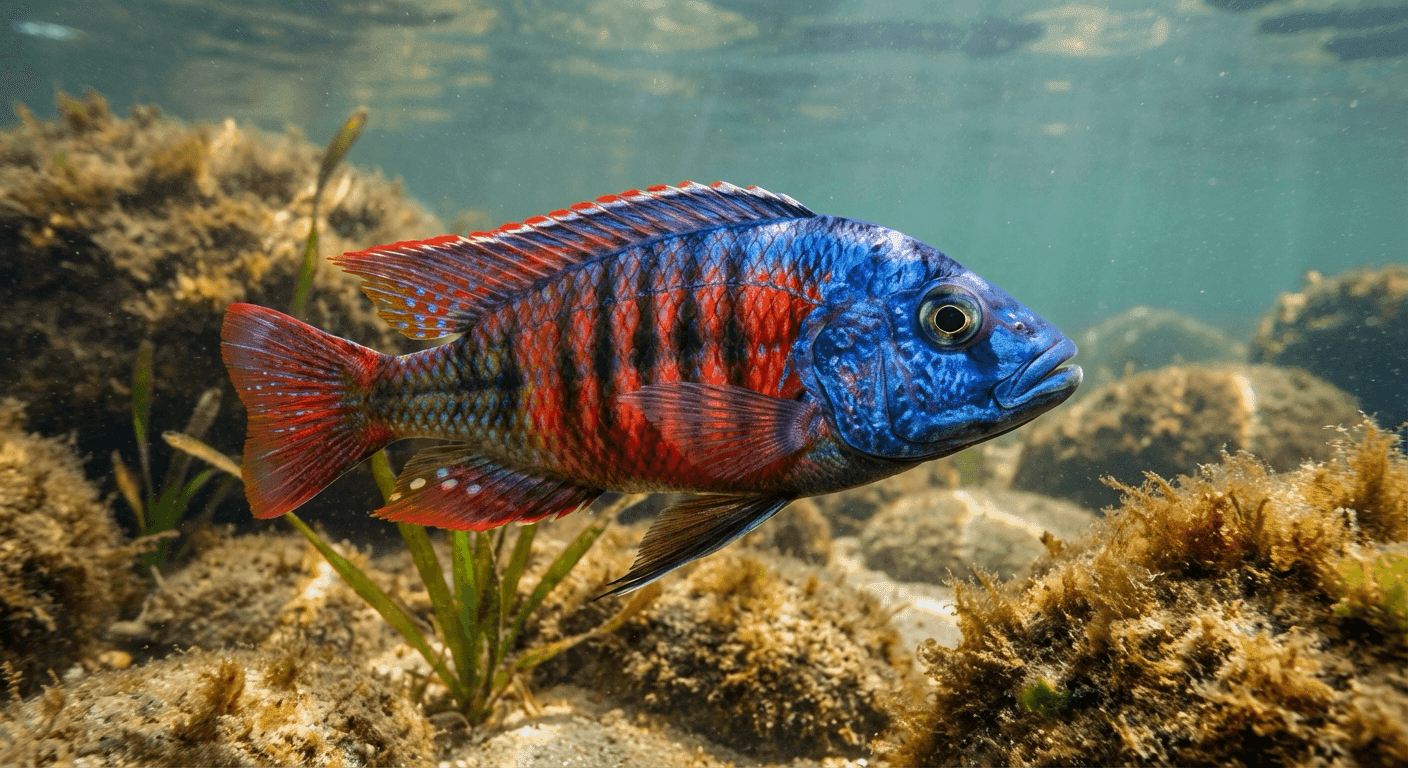
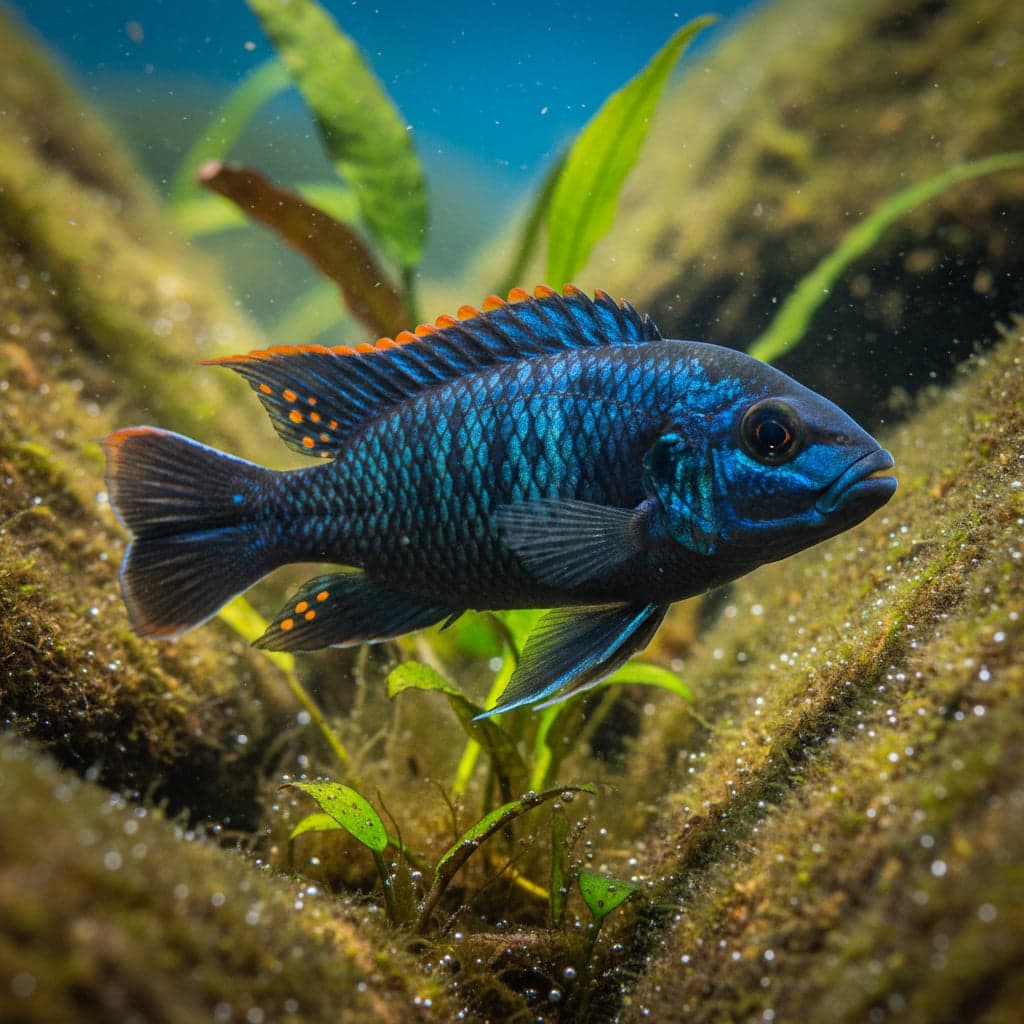
A robust Mbuna from Chilumba, Lake Malawi. Males are blue/yellow and very aggressive.
Also known as: Tropheops chilumba · Tropheops sp. Chilumba · Chilumba cichlid
Tropheops sp. Chilumba
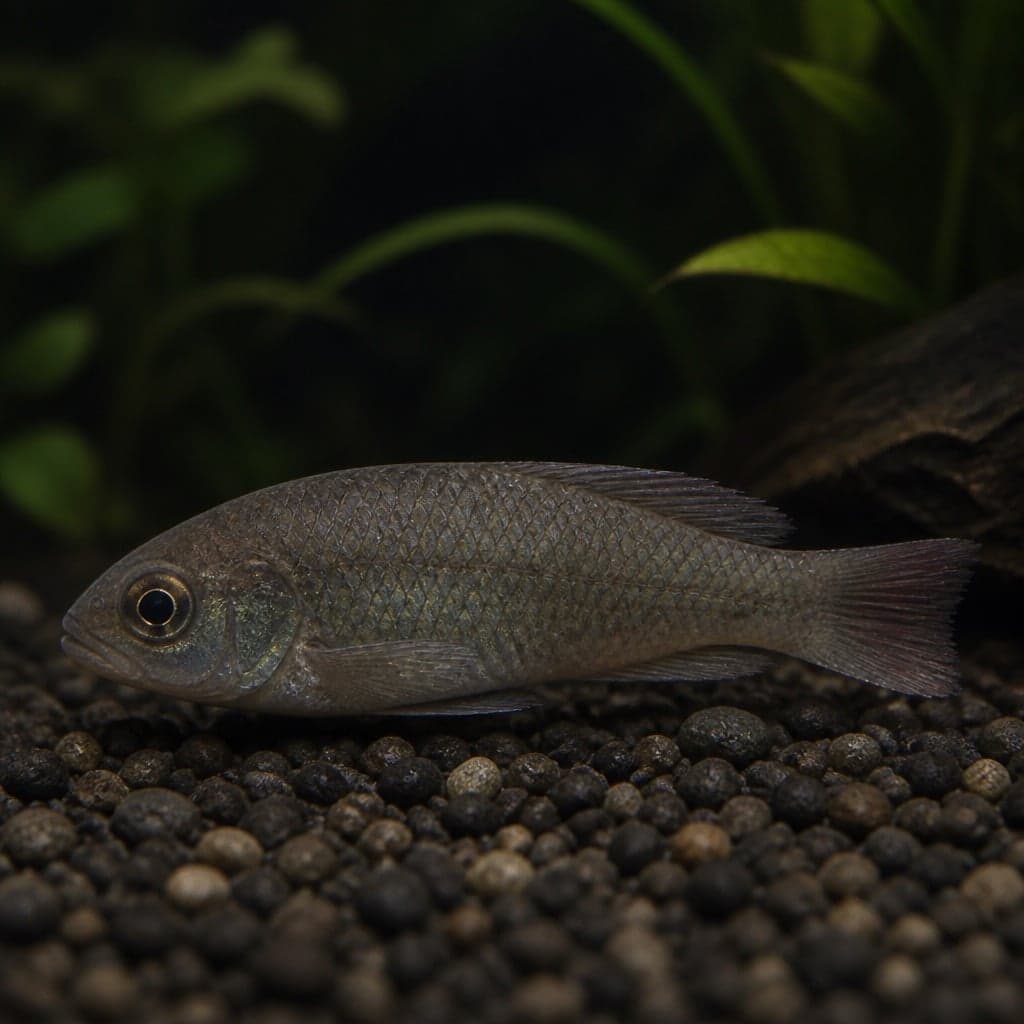
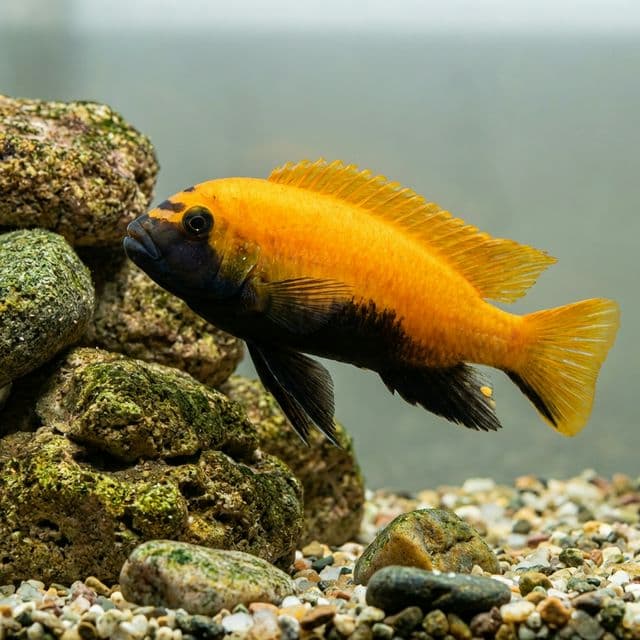
Tropheops sp. Chilumba, commonly known as the Chilumba cichlid, is a visually striking freshwater fish native to the rocky shores of Lake Malawi in East Africa. This species is renowned among aquarium enthusiasts for its vibrant coloration, which includes a stunning range of blues, yellows, and blacks, often displaying a mesmerizing iridescence. The intricate patterns and unique body shape, characterized by a slightly elongated form and a prominent dorsal fin, make the Chilumba a standout in both community tanks and specialized cichlid setups. The species is significant in the aquarium hobby not only for its aesthetic appeal but also for its engaging behavior and adaptability, which appeal to both novice and advanced aquarists alike.
In addition to its beauty, Tropheops sp. Chilumba plays a vital role in the biodiversity of Lake Malawi. Cichlids in this region have evolved under unique ecological pressures, contributing to their dynamic behaviors and varied breeding strategies. Aquarium keepers appreciate the Chilumba not just for its looks but also for the opportunities it offers in terms of study and observation of natural behaviors in a controlled environment. The species represents the rich biodiversity endemic to Lake Malawi, serving as a reminder of the importance of conservation efforts aimed at protecting these unique aquatic ecosystems.
Natural Habitat & Origin
Tropheops sp. Chilumba originates from the rocky substrate habitats of Lake Malawi, specifically around the Chilumba region, which influences its natural behaviors and environmental adaptations. The waters of this great African rift lake are characterized as clear and mineral-rich, providing optimal conditions for the growth of a diverse range of aquatic plants and microorganisms that serve as food for many species. The waters are generally alkaline, with a pH range from 7.5 to 8.5, and are also noted for their moderate hardness levels. In its natural environment, the Chilumba cichlid can often be found in areas with plenty of hiding spots among rocks, which serve as both shelter and spawning sites.
The environmental context of Tropheops sp. Chilumba is essential for creating a suitable habitat in aquariums. Mimicking its natural habitat by ensuring stable water conditions and incorporating similar elements can significantly contribute to the fish’s overall health and behavior. Understanding its natural habitat allows aquarists to provide an enriching environment, helping maintain the species’ vibrant coloration and active behaviors.
Care Requirements
To successfully care for Tropheops sp. Chilumba, certain water parameters and tank conditions must be maintained to reflect its natural habitat. The ideal temperature range for this species is between 24°C to 28°C (75°F to 82°F), which replicates the warm conditions of Lake Malawi. The pH level should be maintained between 7.5 and 8.5, ensuring the water remains alkaline. The hardness of the water should fall within 10 to 20 dGH, supporting the health of this hardy cichlid.
When it comes to tank setup, a minimum size of 75 gallons is recommended to offer enough swimming space and territorial integrity, as Tropheops sp. Chilumba can exhibit aggressive behaviors, especially when breeding. The substrate should consist of fine sand or gravel to reflect the rocky lakebed, and plenty of rocks, caves, and crevices should be incorporated to provide hiding spots and territories. A moderate level of lighting is beneficial, as this fish tends to thrive in well-lit environments; however, it’s important to provide shaded areas to mimic its natural habitat. While live plants can be included, they should be hardy species that can withstand occasional disturbances, as cichlids are known for rearranging tank decor.
Diet & Feeding
Tropheops sp. Chilumba is an omnivorous fish, requiring a balanced diet to maintain its vibrant coloration and overall health. In captivity, a diverse diet consisting of high-quality pellets and flakes is essential; specifically, food formulations designed for cichlids can provide the necessary nutrients. Additionally, offering frozen or live foods such as brine shrimp, bloodworms, and daphnia can greatly enhance their diet and mimic the natural feeding habits found in the wild. Feeding should be done in moderation, avoiding overfeeding to prevent water quality issues, and ideally, the fish should be fed small amounts two to three times a day.
It's essential to provide a varied diet that incorporates both plant material and protein sources. The inclusion of spirulina flakes can promote optimal health, support color enhancement, and assist in digestion. By ensuring that Tropheops sp. Chilumba receives a well-rounded diet, aquarists can impressively maintain its health, coloration, and overall vigor.
Behavior & Temperament
The behavior and temperament of Tropheops sp. Chilumba are notable for their assertiveness, typical of cichlid species. They are semi-aggressive and can display territorial behavior, particularly during breeding seasons. In aquariums, it is important to establish a dynamic that allows this species to assert dominance without causing excessive stress to other fish. As such, keeping a single male with several females can help mitigate aggression and encourage natural social interactions, as males will establish territories, while females will seek out safe spawning sites.
In terms of social behavior, Tropheops sp. Chilumba is not a schooling fish; however, they do appreciate having tank mates to interact with. They typically occupy the mid to upper levels of the aquarium, but they also frequently venture down to the substrate to forage and explore. Providing ample structures such as caves and rocky formations within the tank can help reduce potential aggression and create a more harmonious environment.
Tank Mates
Choosing compatible tank mates for Tropheops sp. Chilumba is crucial to prevent aggressive behaviors and ensure a balanced aquarium community. Suitable species include other African cichlids, such as those from the Mbuna and Utaka categories, as well as other robust freshwater fish like rainbowfish and larger barbs. Ensure that tank mates are of a similar size to prevent predation and that their temperamental characteristics align; having semi-aggressive fish can complement the Chilumba’s territorial nature.
On the other hand, species to avoid include smaller or more delicate fish like tetras and guppies, which can become stressed or preyed upon due to the asserted behaviors of the Chilumba. Additionally, avoid overly aggressive species that might challenge the cichlid’s dominance or provoke unnecessary conflict in the tank environment. Ensuring a thoughtful selection of tank mates will promote a thriving and peaceful community that allows the vibrant colors and behaviors of Tropheops sp. Chilumba to shine.
Breeding
Breeding Tropheops sp. Chilumba in captivity can be a rewarding experience, but it requires specific conditions to encourage successful spawning. This species exhibits mouthbrooding behavior, where fertilized eggs are carried in the female's mouth until they hatch. To trigger the breeding cycle, maintaining optimal water quality and parameters is essential, alongside the introduction of a compatible breeding pair within a designated spawning area filled with smooth rocks for shelter.
During the breeding process, the male will exhibit courtship behaviors, displaying his vibrant colors and performing various dances to attract the female. After successful mating, the female will lay eggs, typically in the range of 20 to 100, which she will then collect in her mouth for incubation. The fry are usually released after approximately three weeks. To ensure a successful breeding experience, providing a separate breeding tank can protect the female and fry from aggression once the young are released. After the fry are free-swimming, offer finely crushed flakes or baby brine shrimp until they grow large enough for standard cichlid foods.
Common Health Issues
Mbuna such as Tropheops sp. Chilumba are generally hardy but remain vulnerable to ich, Malawi bloat, and bacterial infections when diet or water quality is neglected. Avoid excessive animal protein, keep alkaline parameters stable, and perform regular water changes. Quarantine new fish and watch for clamped fins, bloating, or loss of appetite so treatment can begin promptly.