Chinese Golden Zebra Loach: Sinibotia pulchra
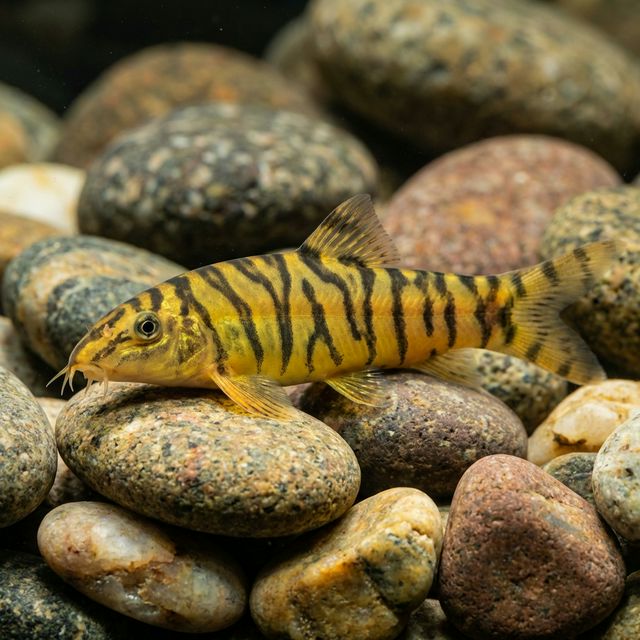
A beautiful loach with golden and black vertical bands. Peaceful and good snail eater.

Chinese Golden Zebra Loach
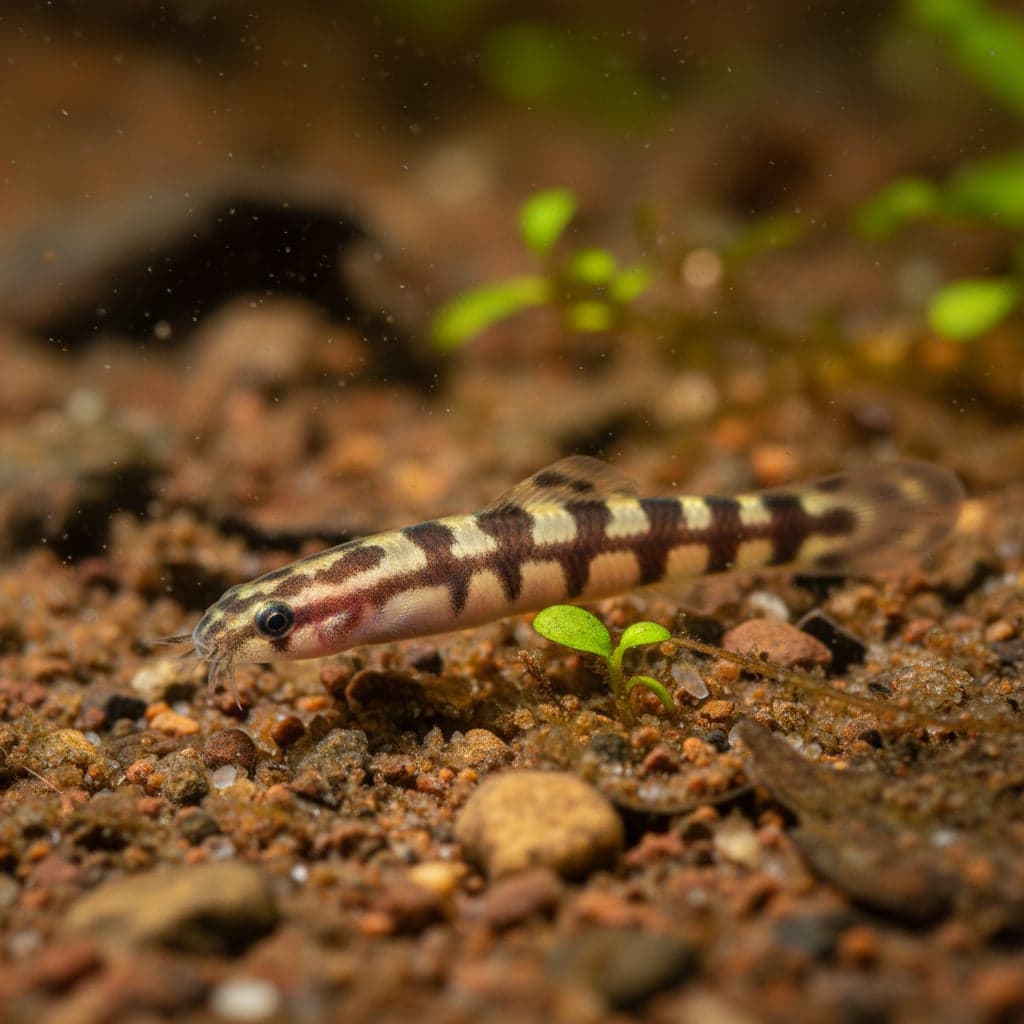
The Chinese Golden Zebra Loach, scientifically known as Sinibotia pulchra, is a strikingly beautiful freshwater fish that captivates aquarists with its unique coloration and lively behavior. This species showcases a vibrant gold hue adorned with dark, zebra-like stripes, making it a standout addition to any aquarium. Recognized for its active nature and charming antics, the Chinese Golden Zebra Loach not only enhances the aesthetic appeal of home aquatic environments but also plays a significant role in the aquarist community, where its care and breeding have become focal points for fish enthusiasts. Its engaging behavior and compatibility with other species make it a popular choice among both novice and experienced keepers.
In addition to its visual allure, the Chinese Golden Zebra Loach serves as an important species in the aquarium hobby for several reasons. First, its natural behaviors, including burrowing and foraging, encourage a more interactive and dynamic aquarium ecosystem. Second, its resilience and adaptability to various conditions offer aquarists opportunities to learn about aquatic husbandry. Those who maintain these fish often report positive experiences, fostering a greater appreciation for biodiversity and the complexities of freshwater habitats. The Chinese Golden Zebra Loach not only appeals to the eye but also enriches our understanding of aquatic life, making it a prized specimen for many enthusiasts.
Natural Habitat & Origin
The Chinese Golden Zebra Loach originates from the freshwater rivers and streams of China, particularly in the southern regions where it commonly inhabits shallow waters enriched with dense vegetation. These fish are typically found in areas characterized by soft, slightly acidic waters, which provide a nurturing environment for their growth and development. The natural habitat often includes blackwater conditions, where decomposition and organic materials yield low light levels and softer water parameters. This ecological backdrop fosters a rich biodiversity, allowing the Chinese Golden Zebra Loach to thrive in its native ecosystem.
As these fish dwell in slower-moving water bodies, the surrounding environment generally consists of sandy or soft substrates that help replicate their natural habitat within an aquarium setting. Their preference for well-planted areas with rocky crevices highlights the importance of creating suitable conditions in captivity, as these elements not only serve as shelter and protection but also facilitate their natural behaviors of foraging and exploring.
Care Requirements
To ensure the well-being of the Chinese Golden Zebra Loach, specific water parameters must be maintained. The ideal pH range is between 6.0 to 7.5, with a temperature preference of 22°C to 28°C (72°F to 82°F), and water hardness around 5 to 15 dGH. Maintaining stable water quality is crucial as fluctuations can stress these sensitive fish. Regular water changes and the use of a high-quality filtration system are recommended to keep the environment conducive for their health.
Setting up their tank requires careful consideration to mimic their natural habitat. A minimum tank size of 75 gallons is recommended, allowing ample space for swimming and exploration. A sandy substrate is ideal, as it offers both comfort and suitability for their burrowing behavior. Additionally, incorporating driftwood, rocks, and a variety of live plants not only enhances the tank’s aesthetics but also provides essential hiding spots and stimulation. Dim lighting can help replicate the shaded environments of their native waters, ensuring these loaches feel secure and comfortable.
Diet & Feeding
As omnivores, Chinese Golden Zebra Loaches have a diverse diet that includes a variety of food types that should be incorporated into their feeding routine. A balanced diet is crucial for their health and well-being, comprising high-quality flake foods, sinking pellets, and frozen or live offerings. They will eagerly consume insects, bloodworms, and small crustaceans if available, which mimic their natural feeding habits in the wild. It's essential to ensure that their diet includes plenty of fiber to aid digestion, such as blanched vegetables like zucchini or cucumber.
Feeding should be done two to three times a day, offering smaller portions to prevent overfeeding and to mimic their natural foraging behavior. Ensuring a varied diet not only promotes optimal growth and development but also enhances coloration and provides mental stimulation. Observing their feeding habits can also be a source of entertainment for aquarium enthusiasts.
Behavior & Temperament
The Chinese Golden Zebra Loach exhibits friendly and engaging social behavior, often showcasing playful interactions with tank mates. This species thrives in groups and is typically at its best when kept in schools of three or more, allowing them to express their natural behaviors effectively. Expression of schooling habits often leads to playful chasing and burrowing activities that can be quite entertaining for observers. While generally peaceful, they may display slight territorial tendencies if space is cramped, particularly among males during certain situations.
In terms of placement within the tank, Chinese Golden Zebra Loaches can often be found occupying the lower to mid levels, where they explore the substrate searching for food. Their active nature encourages movement and interaction within the tank, making them a captivating species to observe. When provided with adequate space and environmental complexity, these loaches display a vibrant range of behaviors, making them a joy for aquarists to maintain.
Tank Mates
When selecting tank mates for the Chinese Golden Zebra Loach, it is essential to choose peaceful species that share similar environmental requirements. Compatible tank mates include community staples such as tetras, rasboras, and small catfish species. Additionally, larger species such as gouramis and peaceful cyprinids can coexist well with these loaches. It’s important to avoid aggressive or extremely territorial species, as well as very small fish that could be mistaken for food.
Species that are best avoided include fin-nippers like some barbs, aggressive cichlids, or other large and predatory fish that may pose a threat to the loach’s well-being. Ensuring a harmonious community tank not only promotes a healthy ecosystem but also allows the loaches to thrive without stress, contributing to an overall well-balanced aquarium environment.
Breeding
Breeding Chinese Golden Zebra Loaches in captivity is considered quite challenging, primarily due to their specific spawning requirements. In their natural habitat, these fish seek out shallow, flowing waters during the breeding season, where they can lay eggs among fine vegetation. To successfully encourage breeding in an aquarium setting, a separate breeding tank with optimal conditions must be established. This setup should include slightly cooler water temperatures (around 20°C to 24°C or 68°F to 75°F) and increased water flow, mimicking their natural spawning conditions.
The female Chinese Golden Zebra Loach will lay adhesive eggs, which need to be collected and transferred to a hatching tank if the breeding occurs in a community setting, as adults may eat their eggs. Hatching usually takes place within a few days, and the fry can be fed infusoria or powdered food until they are large enough to accept small particles of food. Successful breeding requires patience, attention to detail, and a commitment to replicating their natural environment as closely as possible.
Common Health Issues
Chinese Golden Zebra Loaches can be resilient, but like all fish, they are susceptible to certain health issues if not properly cared for. Common diseases include ich (white spot disease) and bacterial infections, which often arise from poor water quality or stress. Preventative measures should always be implemented, including maintaining optimal water parameters, regular tank maintenance, and avoiding overstocking.
Routine monitoring for signs of illness, such as changes in behavior, appetite loss, or visible lesions, allows early intervention before problems escalate. Quarantining new arrivals and keeping copper-based medications away from these sensitive loaches further supports long-term health.