Chisumulae: Labidochromis chisumulae
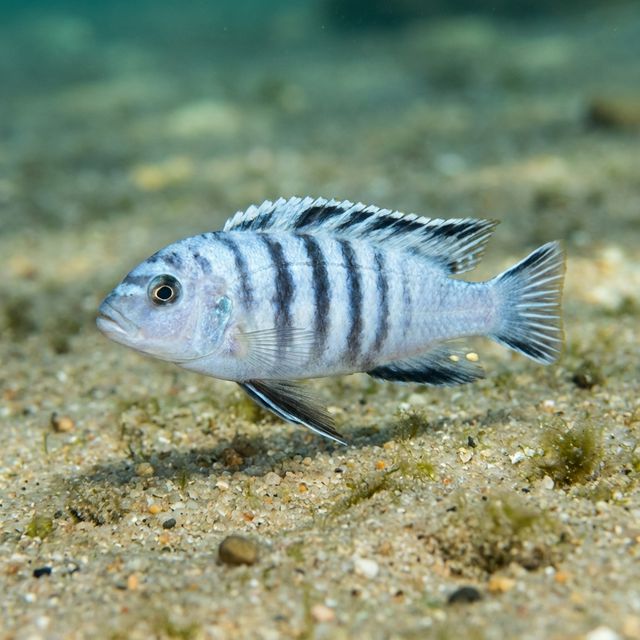
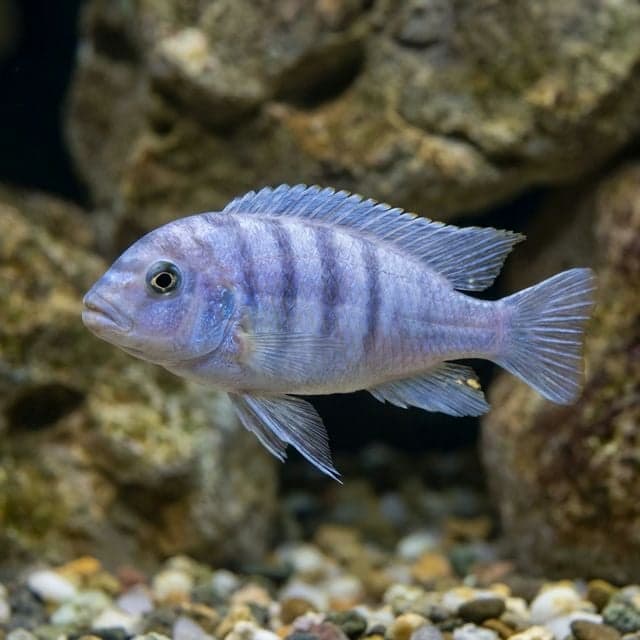
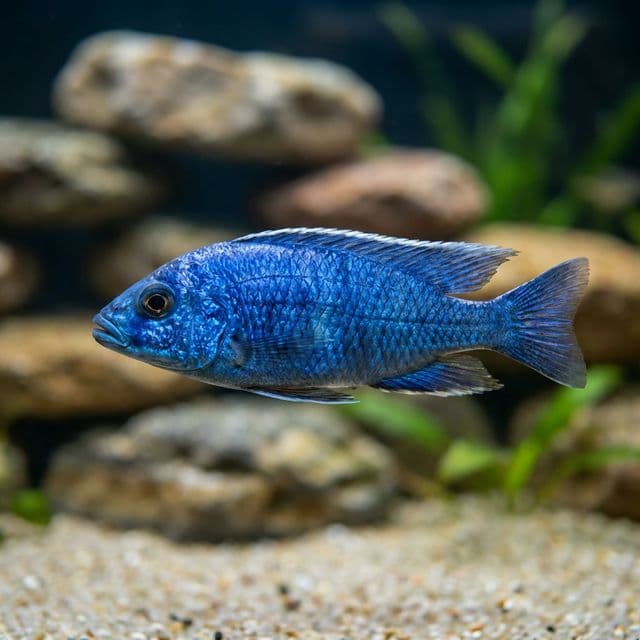
A smaller Mbuna, sometimes called the Clown Labidochromis. Males are white with purple/blue bars.
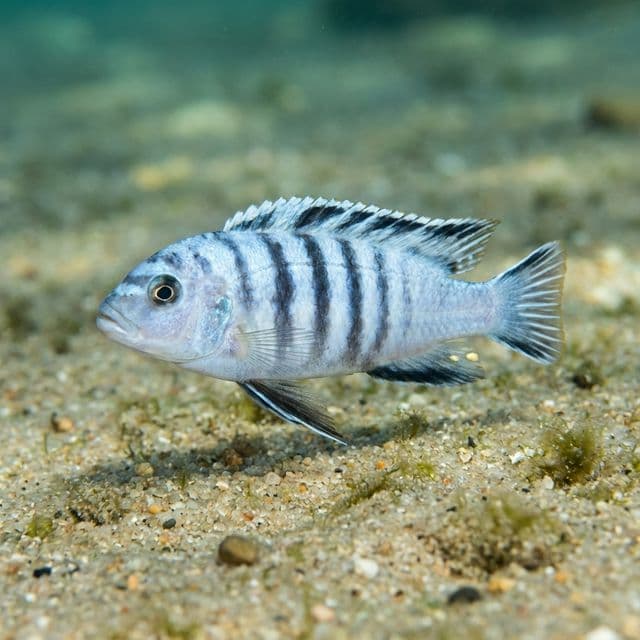
Chisumulae
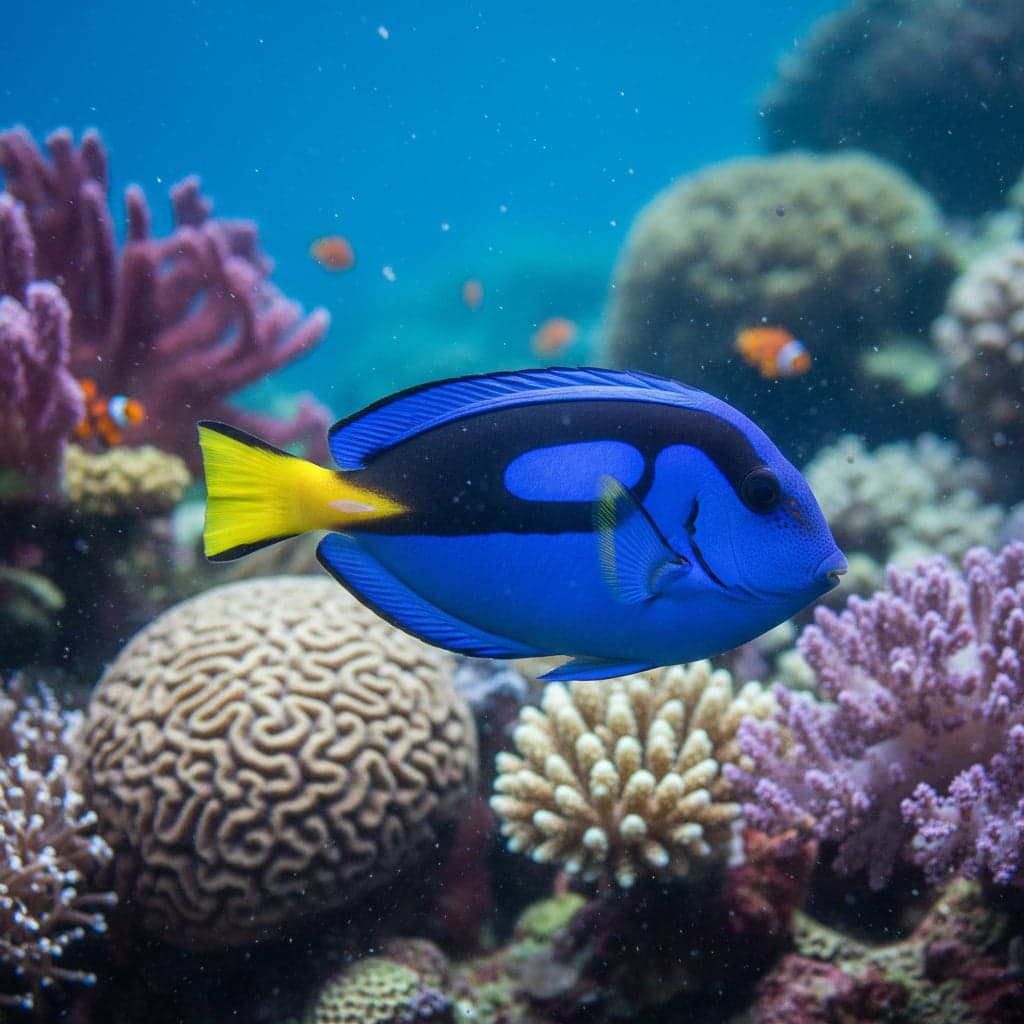
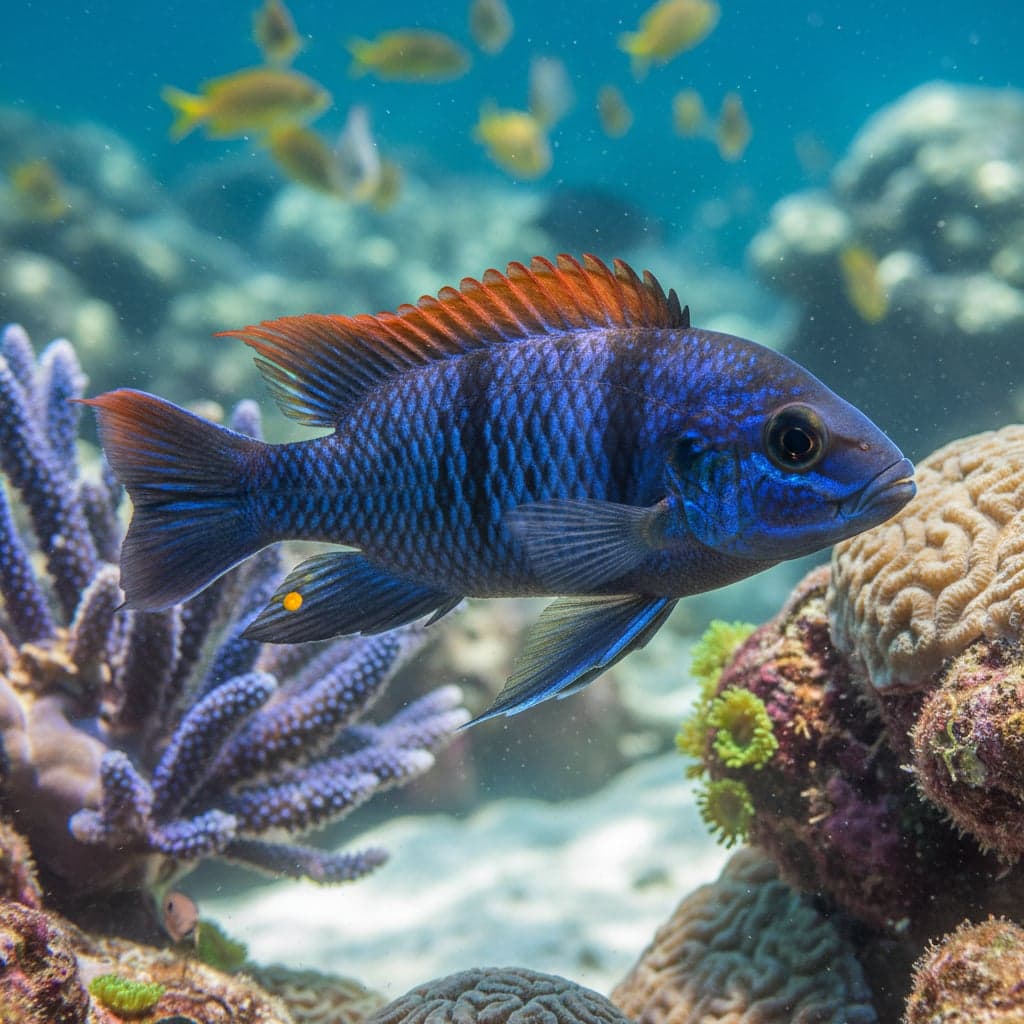
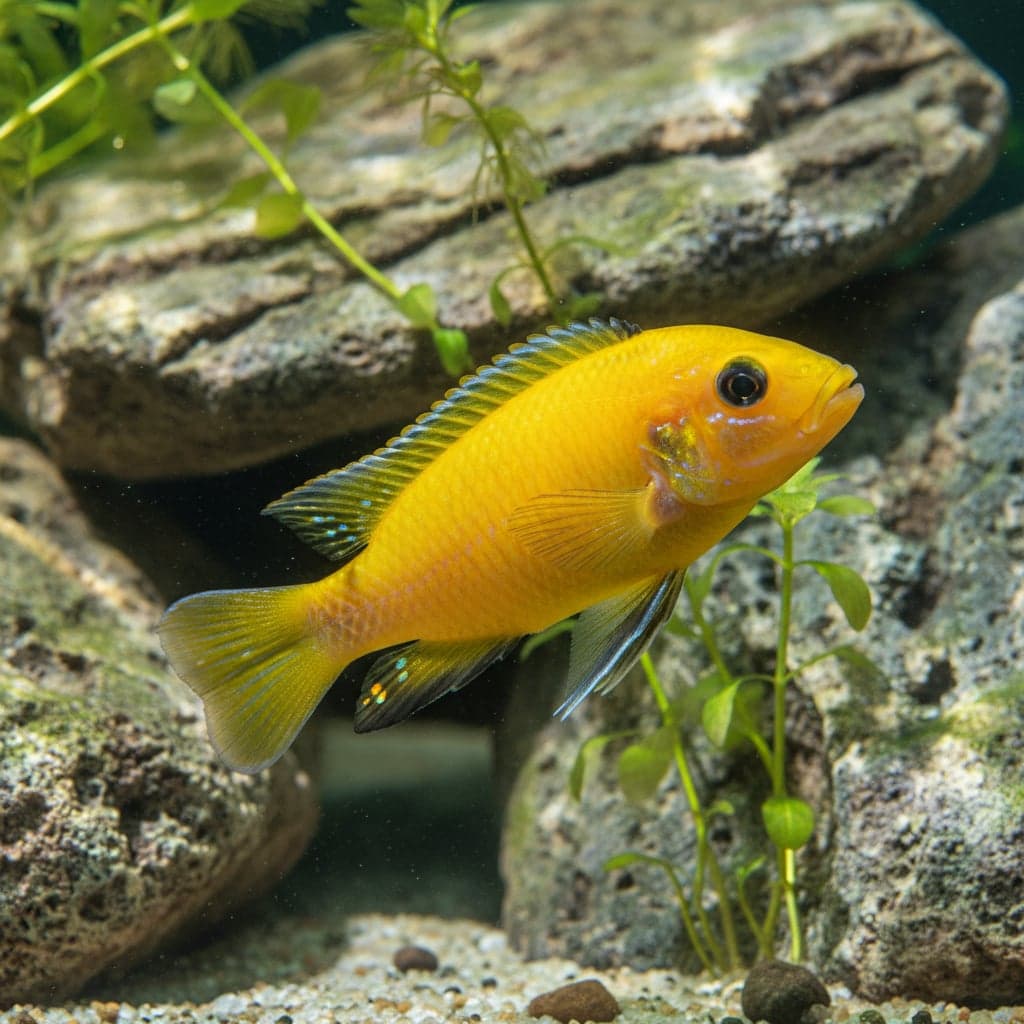
The Chisumulae, or Labidochromis chisumulae, is a captivating freshwater fish that hails from the beautiful waters of Africa's Lake Malawi. Renowned for its striking coloration, this cichlid features vibrant yellow and blue hues, making it a favorite among aquarium enthusiasts. With a streamlined body and elegant fins, the Chisumulae not only adds a splash of color to any tank but also showcases a fascinating dynamic of movement as it navigates its environment.
Beyond their aesthetic appeal, Chisumulae hold notable significance in the aquarium hobby due to their relatively manageable care requirements and engaging personality. As part of the cichlid family, these fish exhibit intriguing behaviors and social interactions, which can provide endless entertainment for aquarists. Their adaptability to various tank conditions further enhances their popularity, making them an excellent choice for both novice and experienced fish keepers alike.
Natural Habitat & Origin
Chisumulae originate from the rocky shores and lagoons of Lake Malawi, located in East Africa. This large freshwater lake is known for its unique biodiversity and exemplary water conditions. The fish inhabit areas characterized by clean, well-oxygenated waters, typically found among submerged rocks and sandy substrates, which provide both shelter and breeding grounds. Chisumulae prefer relatively stable environments, where they can forage and hide from potential predators.
Lake Malawi's water chemistry is generally alkaline, with a pH range of 7.5 to 8.5. The hardness is similarly elevated, typically between 10 to 20 dGH, presenting an ideal habitat for this species. The clarity of the water, often described as clear to slightly turbid, helps facilitate their natural hunting behaviors and social interactions, which are critical components of their overall well-being.
Care Requirements
When caring for Chisumulae, maintaining proper water parameters is crucial for their health and vitality. The ideal temperature range for these fish is between 76°F to 82°F (24°C to 28°C), with a pH level maintained around 7.5 to 8.5. Furthermore, a hardness level of 10 to 20 dGH will mimic their natural habitat and promote optimal health.
In terms of tank setup, a minimum aquarium size of 30 gallons is recommended to accommodate their active nature and territorial behavior. A substrate of crushed coral or fine sand is preferred, as it allows for natural burrowing and nesting behaviors. Adding rocks, caves, and plenty of open swimming space can create a multi-layered environment that encourages exploration. Moderate to high lighting is ideal, along with hardy plants such as Anubias or Java Fern that can thrive in such conditions.
Diet & Feeding
Chisumulae are omnivorous, and their diet in captivity should reflect this dietary variety. They benefit from a balanced diet that includes high-quality flake or pellet foods supplemented with frozen or live foods like brine shrimp, daphnia, or bloodworms. Offering a variety of foods ensures they receive essential nutrients and maintains their vibrant colors. Feeding should be done 2-3 times a day in small portions to prevent overfeeding and maintain water quality.
It's important to avoid foods high in protein, as excessive protein can lead to health issues. Instead, incorporate spirulina-based foods or vegetable matter periodically to meet their nutritional needs.
Behavior & Temperament
Chisumulae exhibit a semi-aggressive temperament, typical of many cichlid species. They are social fish and thrive in groups; however, males can become territorial, especially during breeding. To mitigate aggression, it's best to keep groups of one male to several females in a larger tank. These fish generally occupy mid to upper levels of the aquarium; they are known to spend time near rocks and caves, which serve as both territory and hiding spots.
In a well-structured environment, Chisumulae can coexist peacefully with compatible species, but a careful monitoring of interactions is recommended to address any territorial disputes that may arise.
Tank Mates
Choosing the right tank mates for Chisumulae is essential for a harmonious aquarium environment. Compatible species include other Malawi cichlids like Pseudotropheus and Mbuna types, as well as peaceful species like Socolofi or Yellow Lab cichlids. It's crucial to select tank mates that have similar care requirements and temperaments to ensure compatibility.
Species to avoid include aggressive or larger predatory fish, such as certain types of larger cichlids or catfish, which may pose a threat to Chisumulae or may stress them due to aggressive interactions.
Breeding
Breeding Chisumulae in captivity can be a rewarding experience. They are mouthbrooders, meaning that females carry and care for the eggs in their mouths until they are ready to be released. To encourage spawning, provide plenty of hiding spots and a breeding substrate, such as flat stones or caves. A group of at least one male and several females is recommended to stimulate natural breeding behaviors.
Eggs are typically laid on flat surfaces, and the female will collect them in her mouth as she fertilizes them. It’s important to provide minimal disturbances during this breeding period, as the female will require privacy and a stress-free environment for successful spawning and raising the fry.
Common Health Issues
Chisumulae can be susceptible to several health issues, particularly if water quality is not maintained. Common diseases include ich (white spot disease), fin rot, and Malawi bloat, which is often caused by overfeeding. Regular water changes, maintaining water quality and parameters, and a balanced diet can significantly reduce the risk of these ailments.
Ensuring that tank decorations are smooth and free of sharp edges is essential to prevent injuries that could lead to infections. Quarantining new arrivals before introducing them to the main tank can also help prevent the introduction of diseases, ensuring a healthier aquarium environment.