Choat's Leopard Wrasse
A 15cm leopard wrasse that feeds on tiny live prey and often starves in captivity. Needs a mature tank, a deep sand bed and expert care.
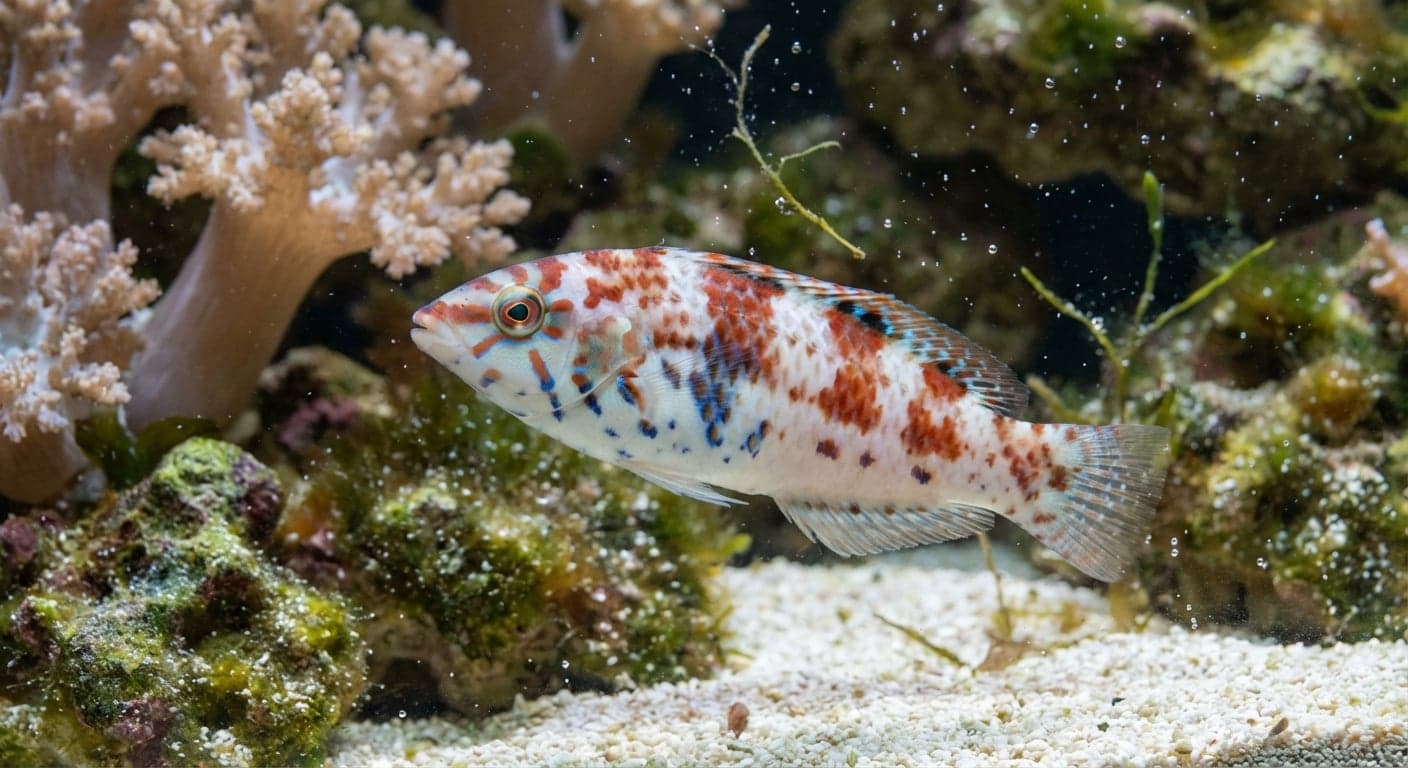
Choat's Leopard Wrasse
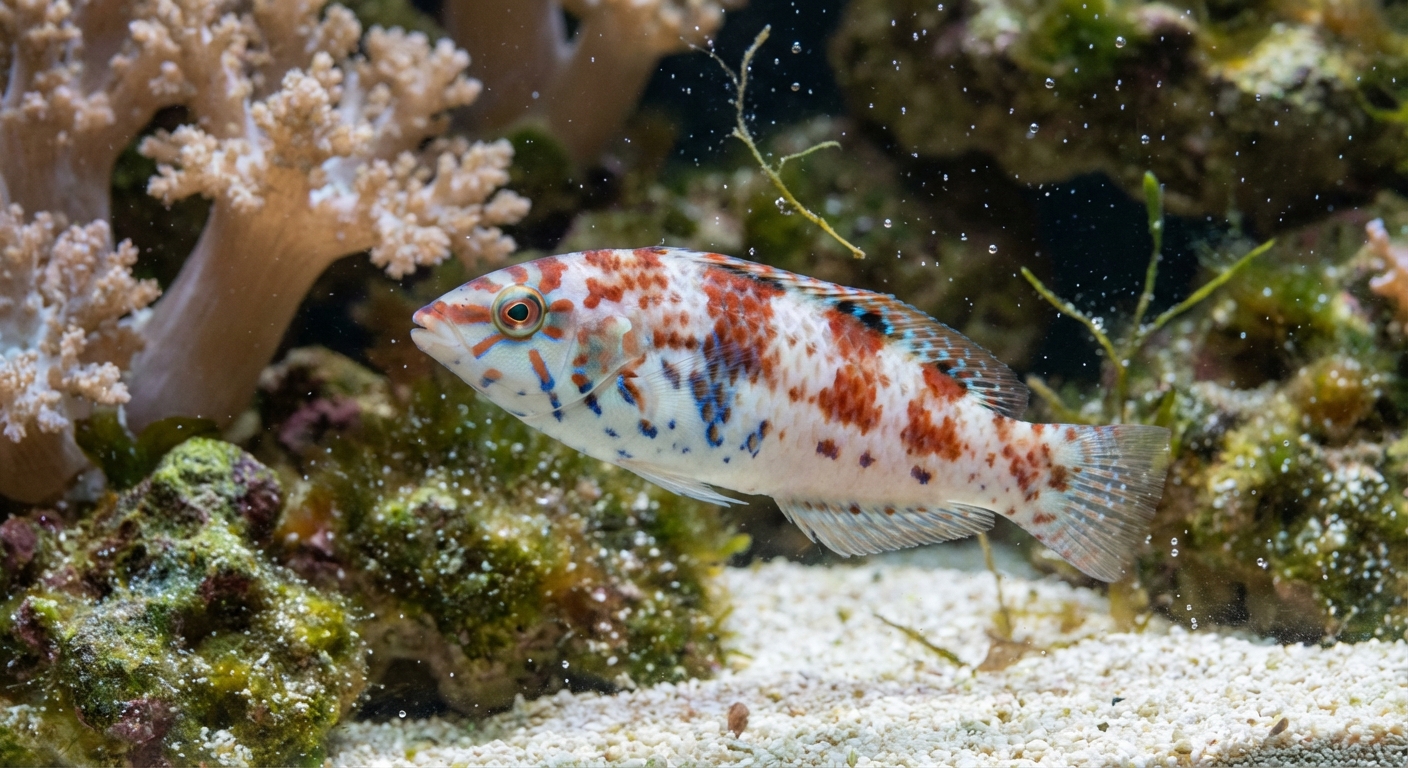
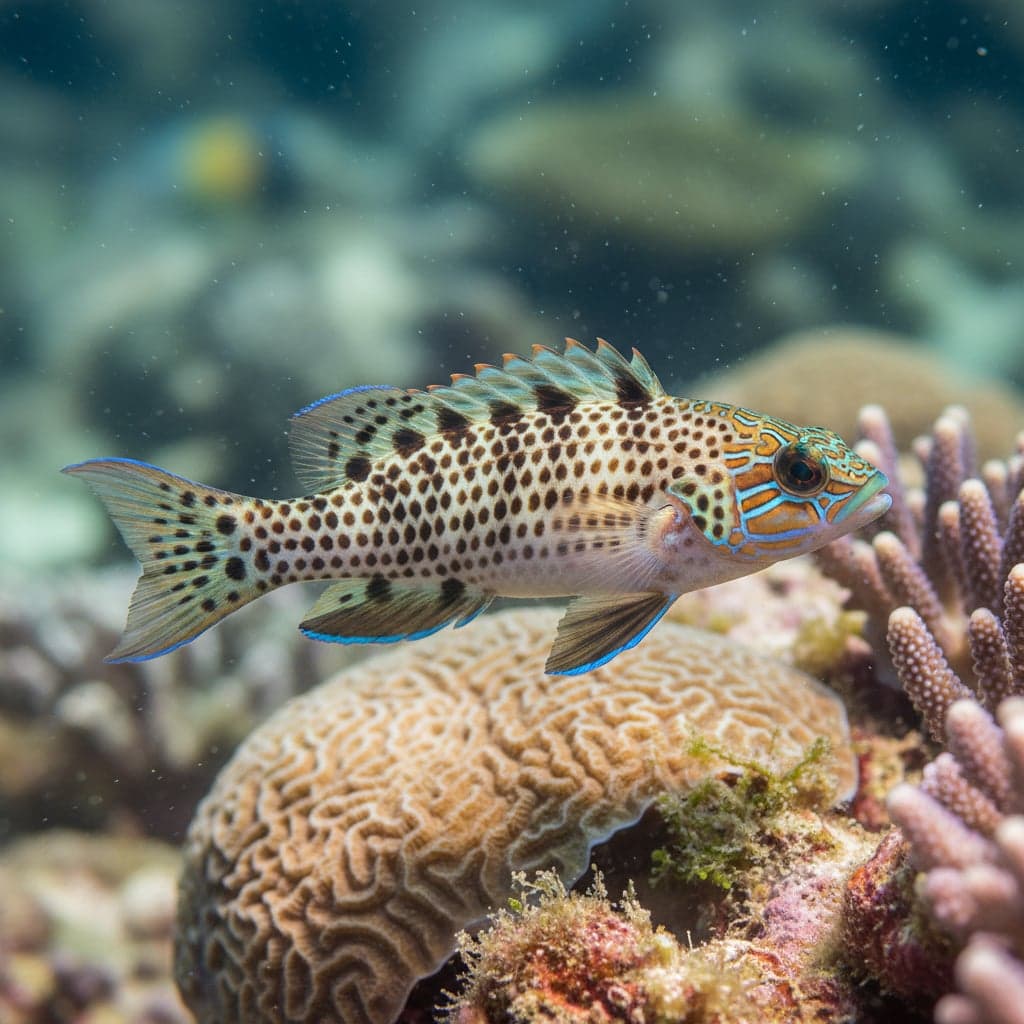
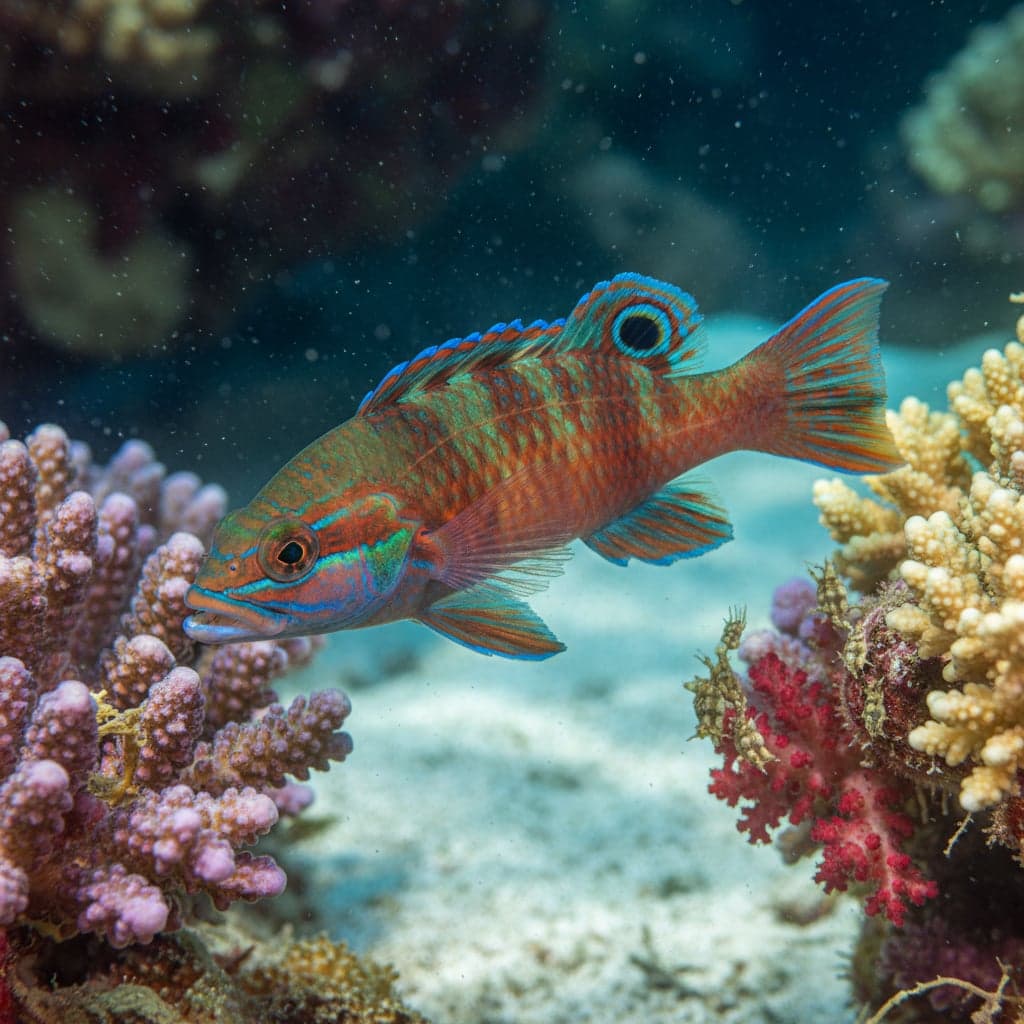
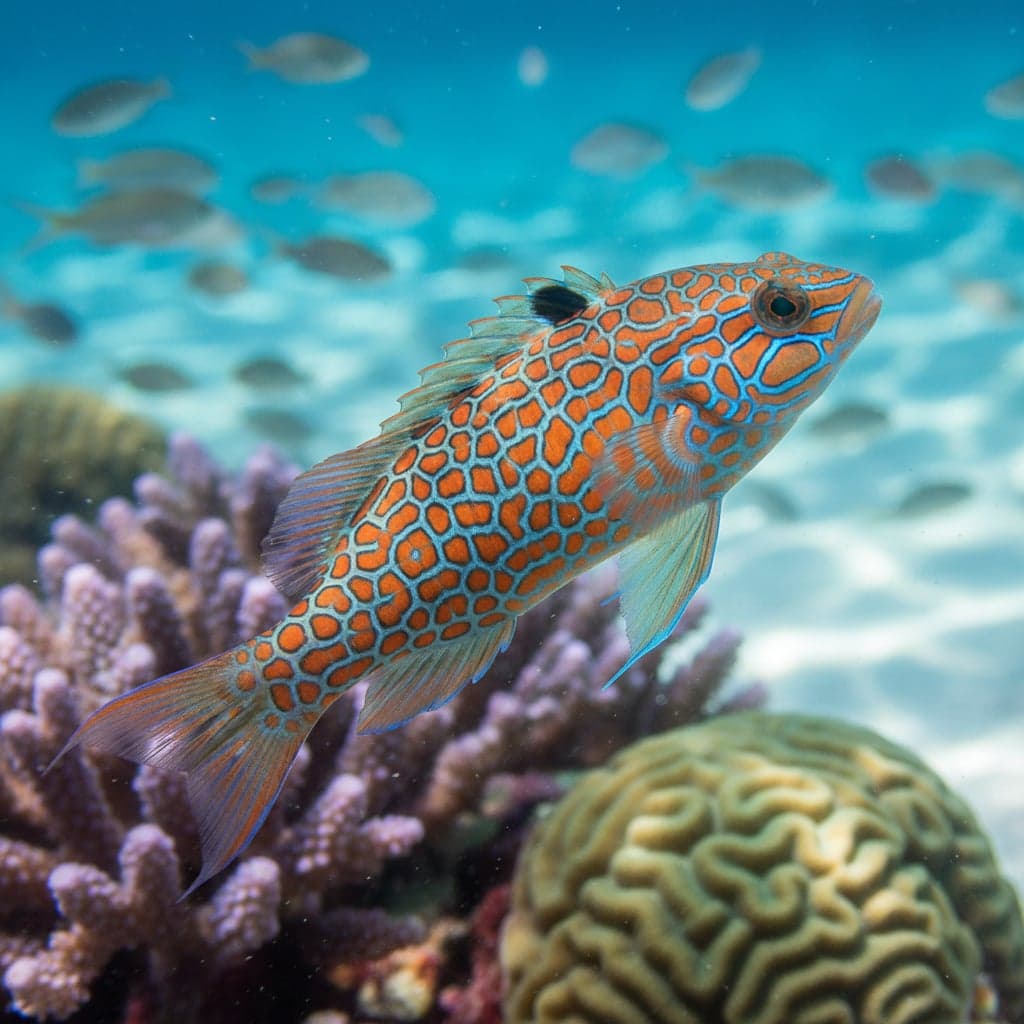
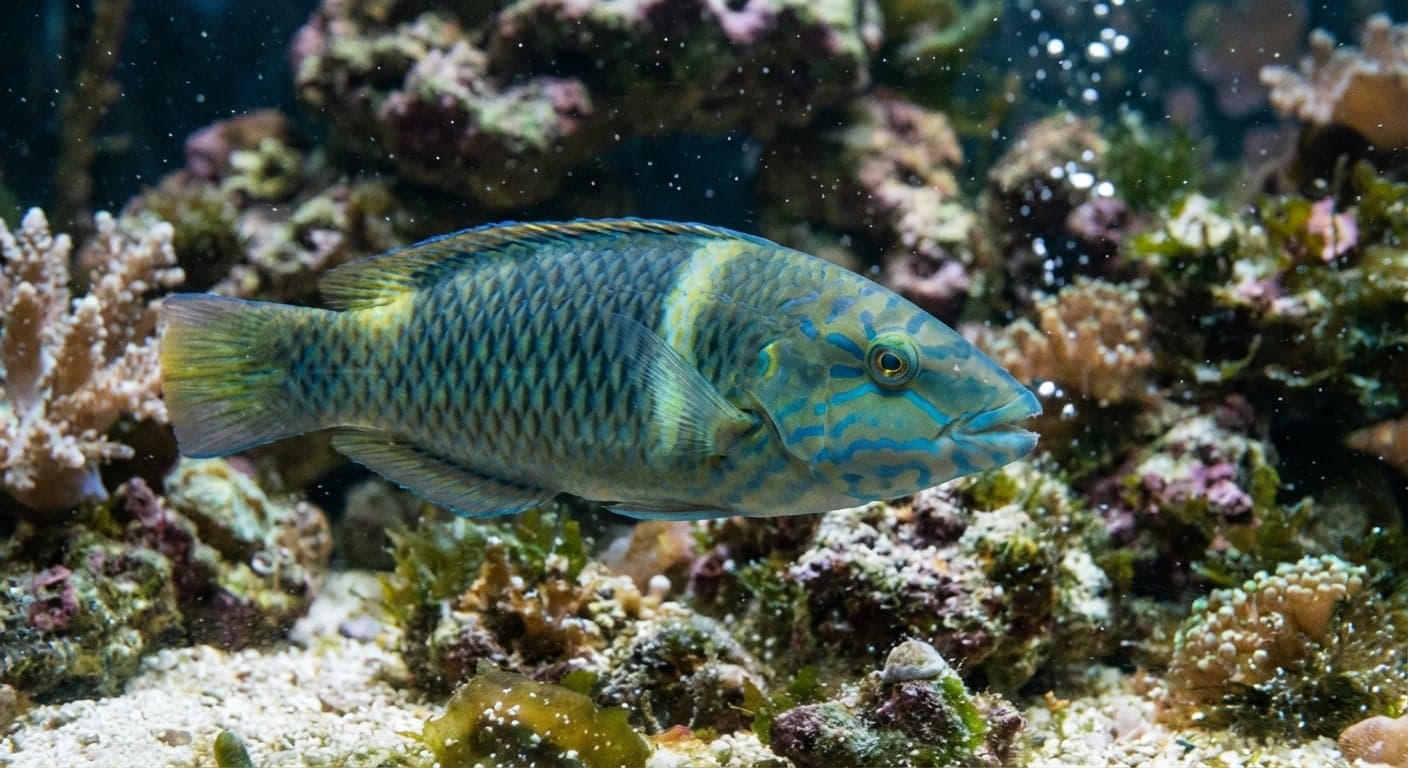
The Choat's Leopard Wrasse, scientifically known as Macropharyngodon choati, is a stunning reef fish native to the warmer waters of the Indo-Pacific region. Known for its vibrant coloration and intricate patterns, this species showcases a dazzling mix of blues, greens, and yellows, making it an alluring addition to any marine aquarium. Its scales often reflect light in a way that draws the eye, creating a beautifully dynamic display as it swims in and out of the rockwork. This aesthetic appeal, combined with its interesting behavior, has secured the Choat's Leopard Wrasse a prominent place among marine aquarium enthusiasts.
In the aquarium hobby, the Choat's Leopard Wrasse holds substantial significance due to its relatively peaceful nature and adaptability to captive environments. While some wrasses can be territorial and aggressive, the Choat's Leopard Wrasse tends to exhibit a calmer temperament, making it suitable for community tanks. As a natural part of the reef ecosystem, these fish contribute to the health of coral reefs by controlling pests such as flatworms and small invertebrates, further enhancing their value for hobbyists focused on creating balanced and sustainable aquatic environments.
Natural Habitat & Origin
The Choat's Leopard Wrasse is primarily found in the warm, shallow waters of the Indo-Pacific, including reefs around Australia, New Caledonia, and the Solomon Islands, where it thrives amongst coral reefs and rocky substrates. This fish typically inhabits clear waters, where it can easily camouflage itself within the vibrant corals, hunting for food and avoiding predators. The reef environment provides an abundant source of invertebrates, which constitute a significant part of its diet. This natural habitat plays a crucial role in its behavior and well-being when introduced to the aquarium setting.
These wrasses are commonly spotted at depths ranging from 2 to 30 meters and are usually found in areas with sandy substrates interspersed with coral growth. The clear waters of their natural habitat support a robust ecosystem, allowing for a rich interaction with various marine species. Understanding the complexity of their native habitats can help aquarists replicate conditions that cater to the Choat's Leopard Wrasse's needs in captivity.
Care Requirements
To successfully care for the Choat's Leopard Wrasse, specific water parameters must be maintained. Ideal conditions include a pH range of 8.1 to 8.4, a temperature between 75°F to 80°F (24°C to 27°C), and moderate water hardness of 8 to 12 dKH. Keeping the water pristine and well-filtered is essential, as these fish thrive in stable environments with minimal fluctuations in their aquatic parameters.
When setting up a tank for a Choat's Leopard Wrasse, a minimum size of 50 gallons is recommended to provide ample space for swimming and exploration. The substrate should include a mix of sand and small rocks to emulate their natural habitat, allowing for burrowing behavior. Lighting should be moderate to bright, as these fish enjoy well-lit areas to search for food while still having shaded spots to retreat. Adding live rock and coral fragments can also create hiding spots and contribute to a natural aesthetic, ensuring the fish feels safe and secure.
Diet & Feeding
The Choat's Leopard Wrasse is primarily carnivorous, feeding on a diet composed of small invertebrates in the wild, including copepods, amphipods, and flatworms. In captivity, providing a varied diet is crucial for their health and well-being. High-quality flakes and pellets designed for carnivorous marine fish can be supplemented with frozen foods such as mysis shrimp, brine shrimp, and finely chopped seafood like shrimp and fish. Live foods, while not strictly necessary, can also be offered for enrichment, promoting natural hunting behaviors.
Feeding the Choat's Leopard Wrasse several small meals throughout the day is preferable to ensure they receive adequate nutrition. It's essential to monitor their feeding behavior, as some individuals may be shy and need time to adjust to new foods in a new environment. A varied diet will help prevent nutritional deficiencies and promote vibrant colors and healthy growth.
Behavior & Temperament
In terms of behavior, the Choat's Leopard Wrasse is known for its generally peaceful temperament, making it a suitable candidate for community tanks. These fish are typically solitary or found in pairs rather than in large schools, so they do not exhibit the aggressive territorial behavior seen in other wrasse species. They often engage in foraging throughout the tank, actively searching for food in the substrate and rockwork.
Vertical placement in the tank is an interesting aspect of their behavior; they can be found both near the bottom and mid-water column, giving them flexibility in navigating their environment. While the Choat's Leopard Wrasse isn't highly aggressive, care should still be taken when introducing them to their new home, as they may show slight signs of shyness initially, especially if housed with more boisterous tank mates.
Tank Mates
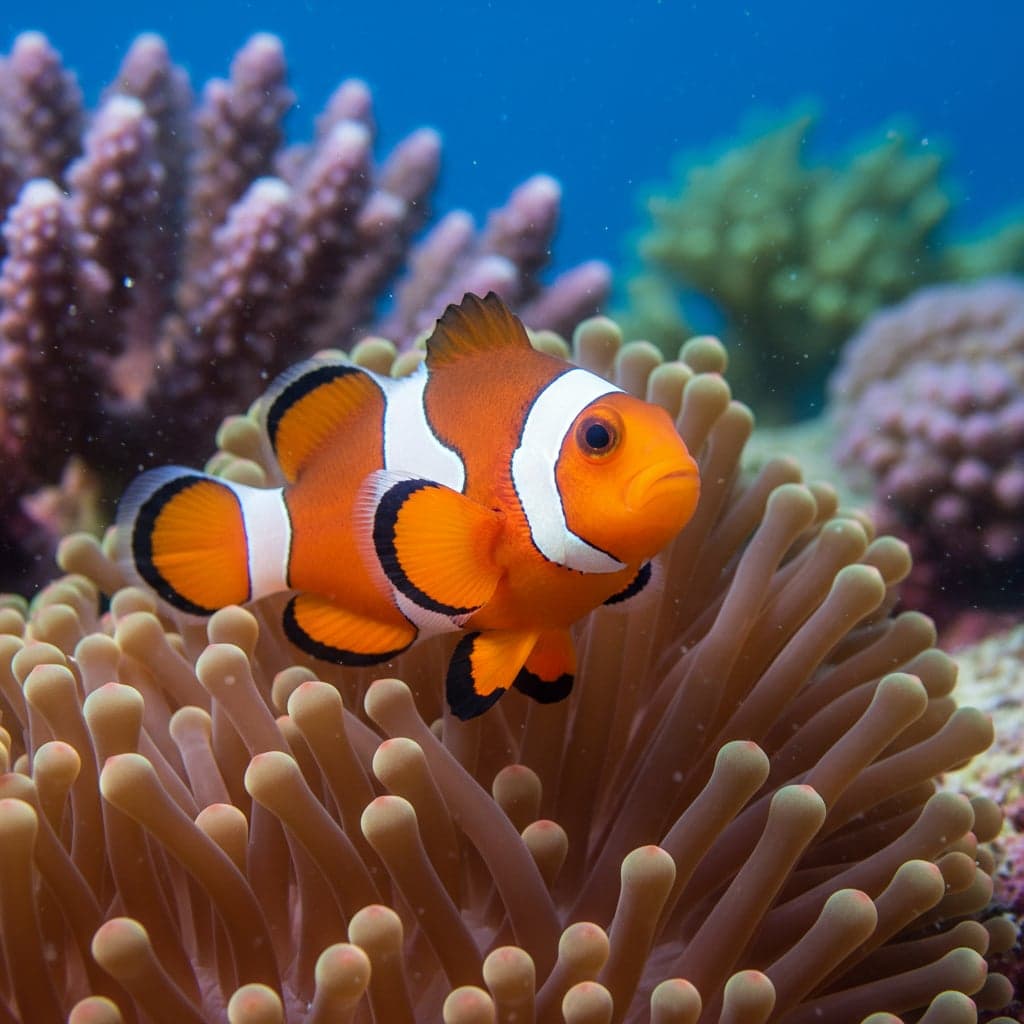
When selecting tank mates for the Choat's Leopard Wrasse, consider species that are docile and non-aggressive. Ideal companions include small community fish such as dartfish, clownfish, gobies, and other gentle wrasses. Strive to avoid housing them with more aggressive species like large tangs or triggerfish, which may intimidate or harass the wrasse. Additionally, keeping multiple wrasses of the same species within the same tank can lead to aggressiveness, so it's best to introduce them in pairs or as a single individual.
Also, providing plenty of hiding spaces with rock formations allows the Choat's Leopard Wrasse to establish its territory without conflict. Ensuring a diverse community of fish will also aid in maintaining harmony and reducing stress among tank inhabitants.
Breeding
Breeding the Choat's Leopard Wrasse in captivity presents challenges, as these fish do not often exhibit breeding behaviors in aquarium settings. However, under ideal conditions, spawning can occur when fish feel secure in their environment. Successful breeding usually requires the presence of a male and female pair. Spawning happens in open water, where eggs are released and fertilized externally.
To encourage breeding, aquarists should provide a spacious, well-aerated aquarium with stable water conditions and plenty of hiding spots. Maintaining a consistent temperature and ensuring that the fish are well-fed will also contribute to a successful breeding environment. Unfortunately, due to the complexities of spawning in captivity, most hobbyists opt to source juvenile or adult Choat's Leopard Wrasse from specialty retailers rather than attempting to breed them.
Common Health Issues
Choat's Leopard Wrasse can be prone to various health issues, including marine ich (Cryptocaryon irritans), flukes, and bacterial infections. To prevent these common diseases, maintaining pristine water quality and a stable environment is paramount. Quarantining new arrivals before introducing them to a display tank can also minimize the risk of introducing parasites.
Regularly observing the fish for any signs of distress or illness—such as changes in behavior, loss of appetite, or abnormal swimming patterns—can help catch potential issues early. Additionally, offering a well-balanced diet rich in vitamins can support the immune system and contribute to overall health, ensuring the Choat's Leopard Wrasse thrives in your aquarium environment.