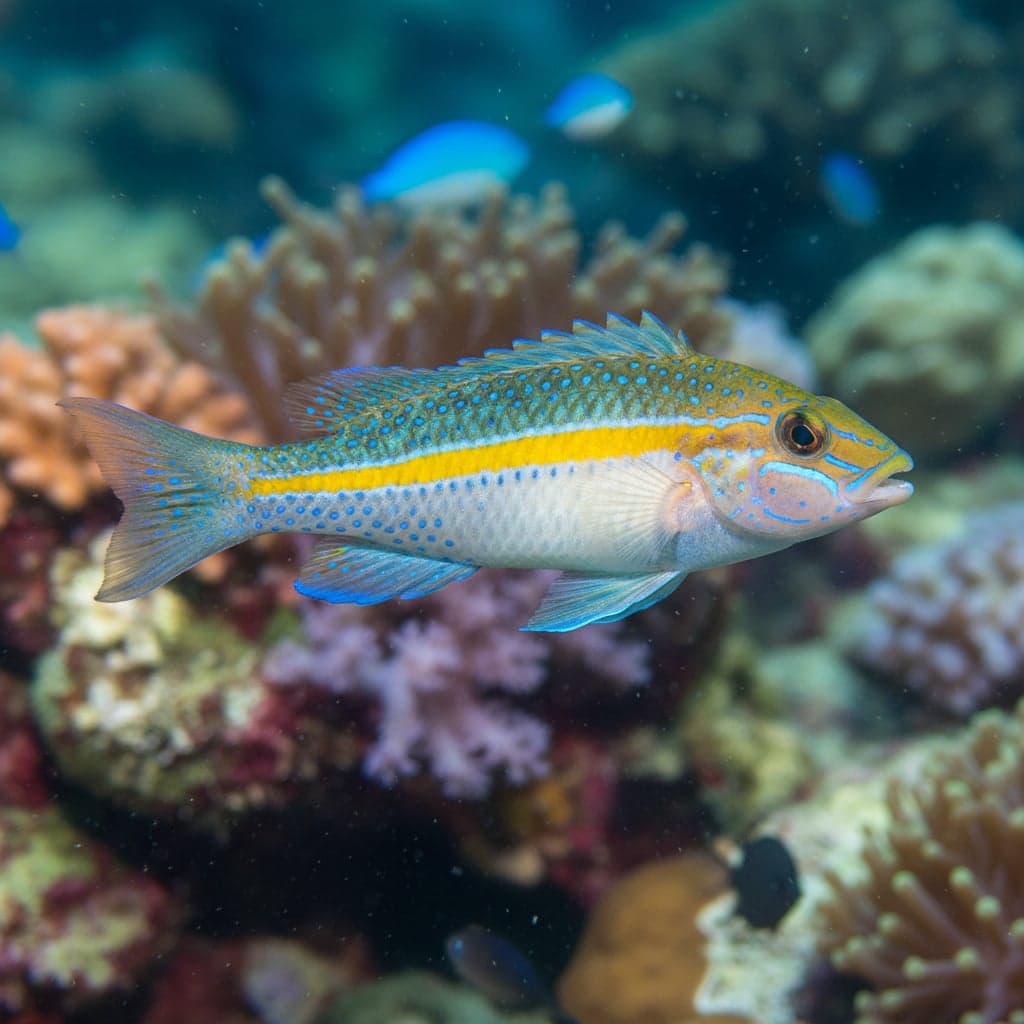
Christmas Wrasse
A 30cm wrasse that hunts snails and crustaceans across the rock. Reef safe with corals, not with invertebrates, and it sleeps buried in sand.
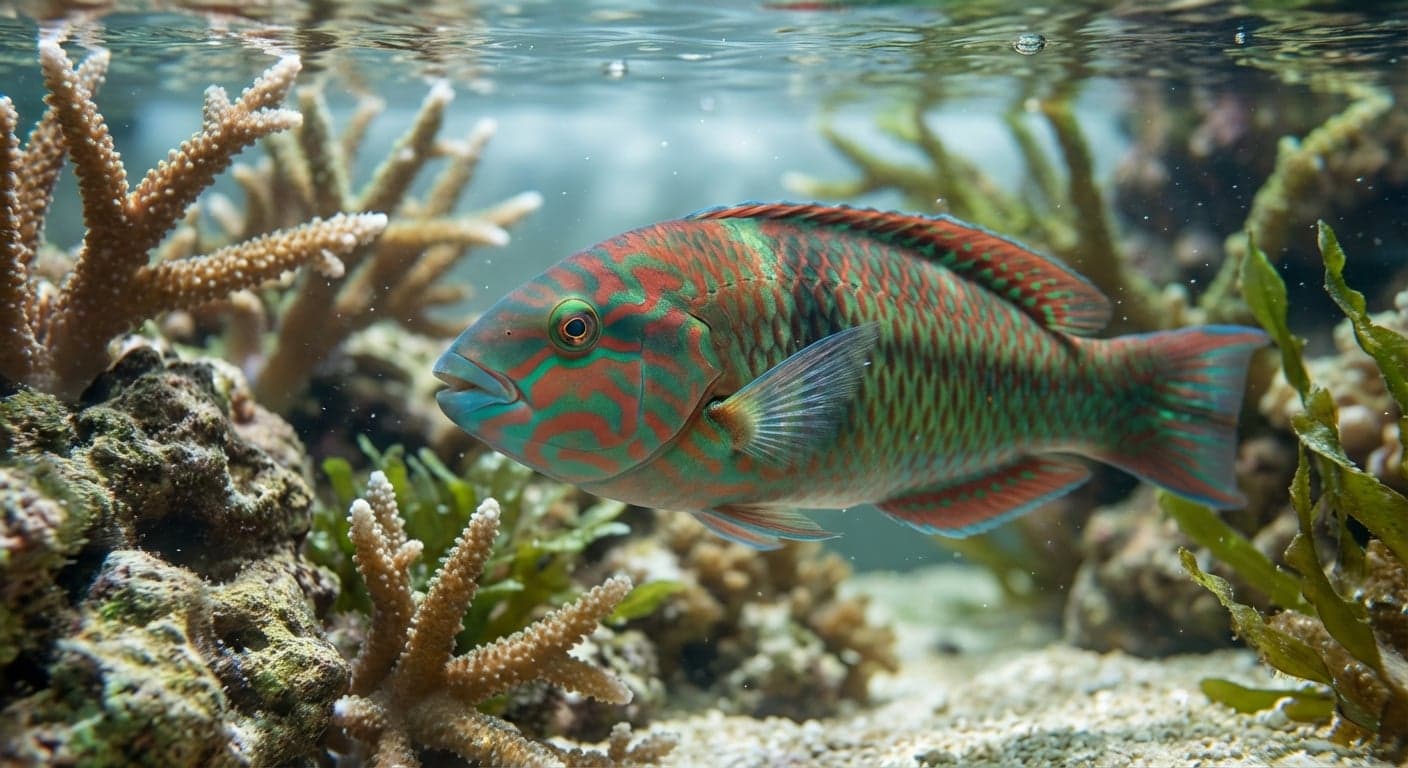
Christmas Wrasse
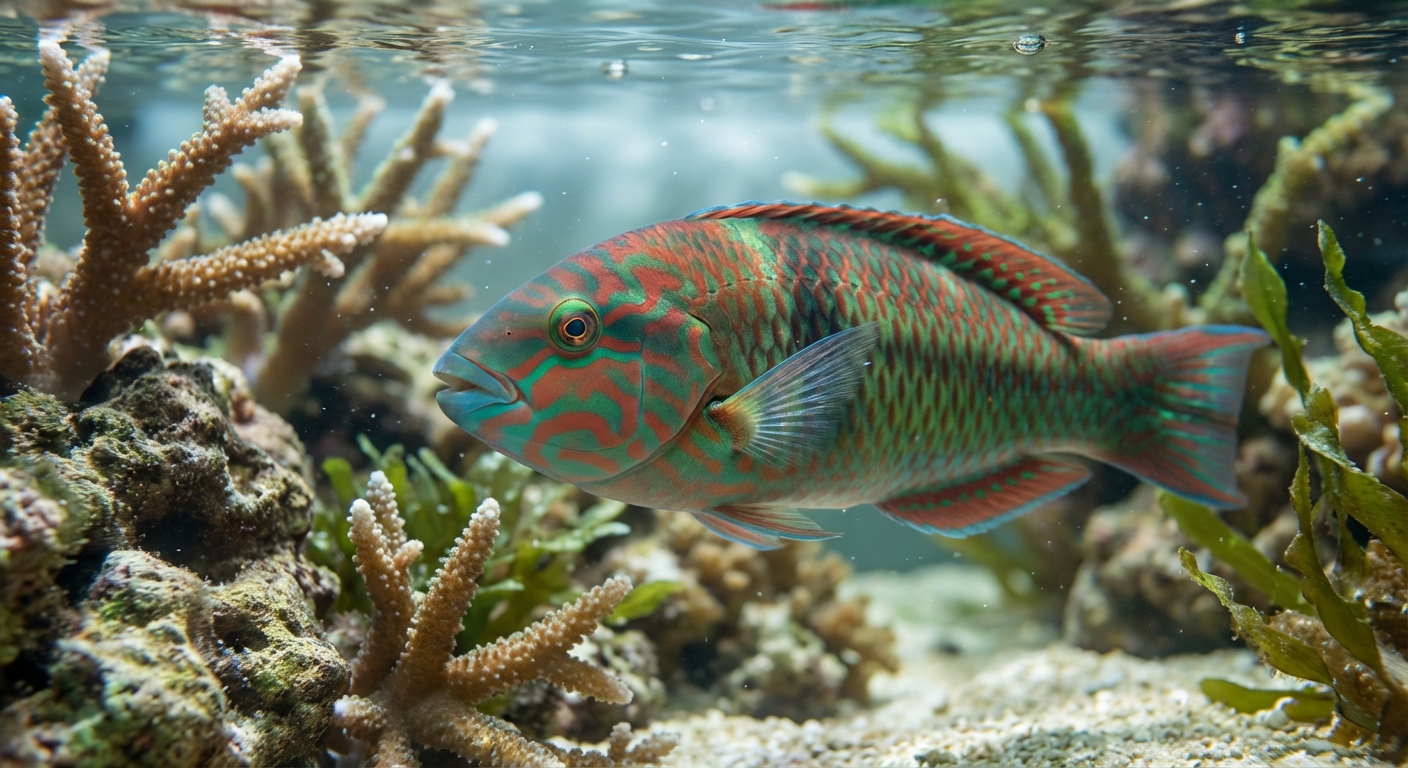
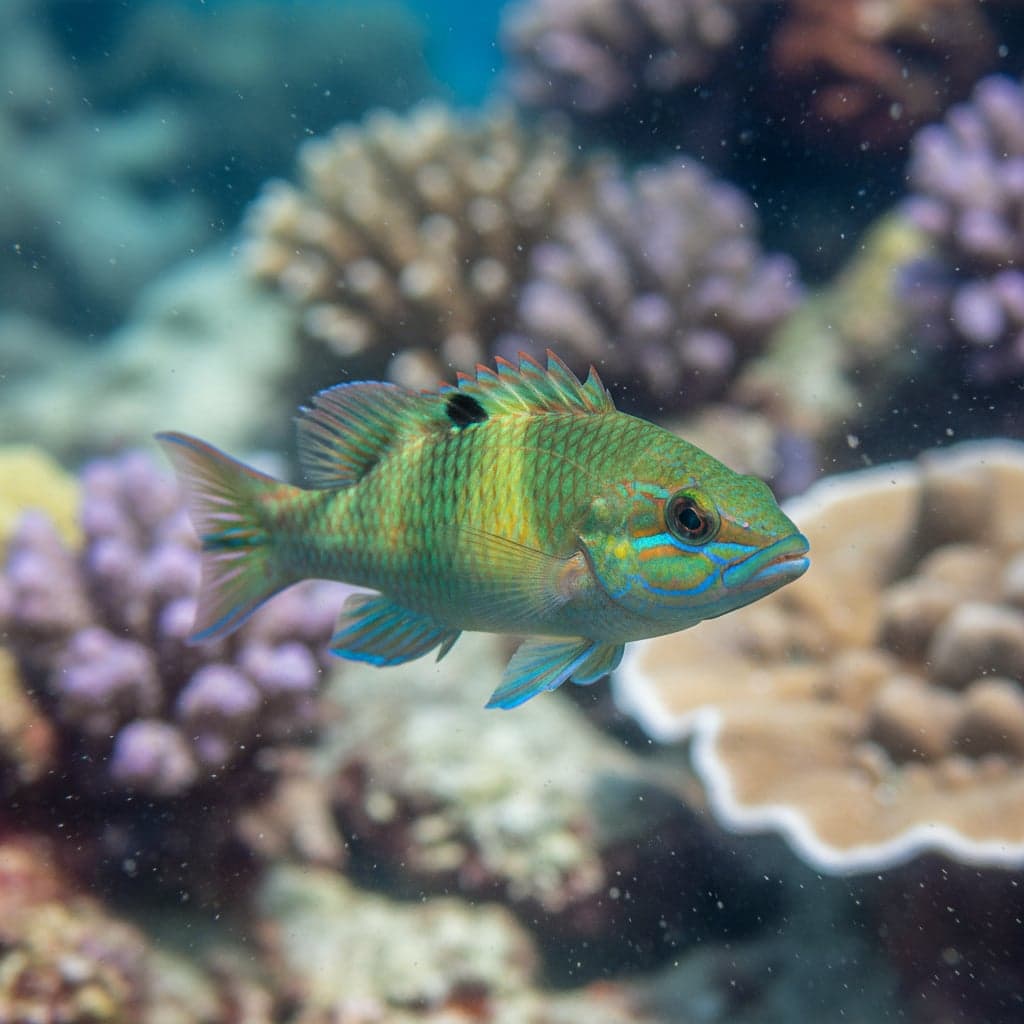
The Christmas Wrasse (Halichoeres CLITTAE) is a visually stunning fish that captures the hearts of aquarists with its vibrant display of colors and dynamic behavior. This species is native to the Indo-Pacific region and showcases a breathtaking palette of deep reds, greens, and blues, which not only adds an artistic flair to any marine tank but is also a testament to its health and vitality. The males are particularly remarkable, often displaying striking patterns and colors during courtship, making them a focal point for both seasoned aquarists and those new to the hobby. The Christmas Wrasse is also significant in the aquarium trade as it serves a dual purpose of beautifying the underwater landscape while also contributing to the overall ecological balance by feeding on pests such as bristle worms.
Beyond its decorative appeal, the Christmas Wrasse holds a critical role in reef ecosystems. Its natural behavior involves foraging among the rocks and coral, which aids in the control of algae and parasites that can disrupt the balance of a tank environment. This fish is a frequent choice for reef aquarists not only due to its striking beauty but also because it embodies the spirit of a thriving marine habitat, drawing attention to the importance of preserving our oceans and the wildlife within. As such, the Christmas Wrasse is not merely an aquarium inhabitant; it is a symbol of aquatic health and vibrancy.
Natural Habitat & Origin
The Christmas Wrasse is primarily found in the warm, shallow waters of the Indo-Pacific region, specifically around coral reefs from the Red Sea to the Society Islands, including the Philippines, Fiji, and the waters of Australia. This species demonstrates a preference for clear waters, often residing in lagoons or on the outer edges of reef systems. The environment provides a rich tapestry of crevices, coral structures, and rocky substrates, which serve as both habitat and hunting grounds. These areas are not only teeming with life but also offer the essential resources required for feeding and breeding.
These fish thrive in environments with stable water quality, typically found at depths ranging from 3 to 30 meters. The warm waters play a crucial role in their metabolism and overall behavior, making it essential for hobbyists to replicate these conditions in captivity to ensure their health and well-being. The natural habitat also contributes to their lively disposition, as the dynamic ecosystem encourages their curious and sometimes playful behavior.
Care Requirements
When keeping a Christmas Wrasse, certain water parameters must be closely monitored to ensure optimal health. The ideal pH level for these fish ranges between 8.1 and 8.4, with a temperature maintained between 24°C to 27°C (75°F to 81°F). Additionally, the water hardness should be maintained between 8 to 12 dGH. It's integral to provide excellent water quality, as this species is sensitive to changes in their environment.
For their tank setup, a minimum aquarium size of 700 litres (185 gallons) is recommended for this 30cm Halichoeres claudia — adults need serious swimming room to patrol rock and sand, not a mid-size reef. The substrate should consist of fine sand, as they enjoy burrowing and foraging. Live rock and plenty of hiding spots created by structures of rocks and corals will mimic their natural habitat, encourage exploration, and provide shelter. Adequate lighting is also crucial, as it promotes the growth of beneficial algae and coralline algae where the wrasse can graze. Adding proper filtration is vital to uphold water quality and clarity, emulating the clean, pristine conditions of their natural habitat.
Diet & Feeding
The Christmas Wrasse is considered an omnivore with a varied diet that consists of small invertebrates, algae, and zooplankton in the wild. When kept in an aquarium, it's important to replicate their diverse diet to keep them healthy and vibrant. High-quality marine flakes, pellets designed for carnivorous fish, and frozen or live foods such as brine shrimp and mysis shrimp can be offered to ensure a balanced nutritional intake. A mix of these food types will promote their natural foraging instincts and ensure their needs are met.
Feed the Christmas Wrasse 2 to 3 times per day, providing only what they can consume within a few minutes to prevent overfeeding and subsequent water quality issues. Incorporating green offerings like spirulina or marine algae sheets can also benefit their diet while catering to their grazing tendencies. Ensuring variety in their diet is key to keeping the Christmas Wrasse healthy and thriving in captivity.
Behavior & Temperament
The Christmas Wrasse is known for its active and inquisitive personality, making it a delightful addition to community tanks. They generally exhibit peaceful behavior but can display territorial tendencies, especially during breeding or when established in a tank. While they are often seen swimming at various heights in the water column, they tend to be more active near the substrate where they forage and hide.
In terms of schooling habits, Christmas Wrasses are not typically regarded as shoaling fish; they prefer to establish their territory and can do well in pairs or small groups depending on the size of the aquarium. It's important to introduce them carefully to avoid aggression between males or to introduce them to a well-established tank with hiding spots.
Tank Mates
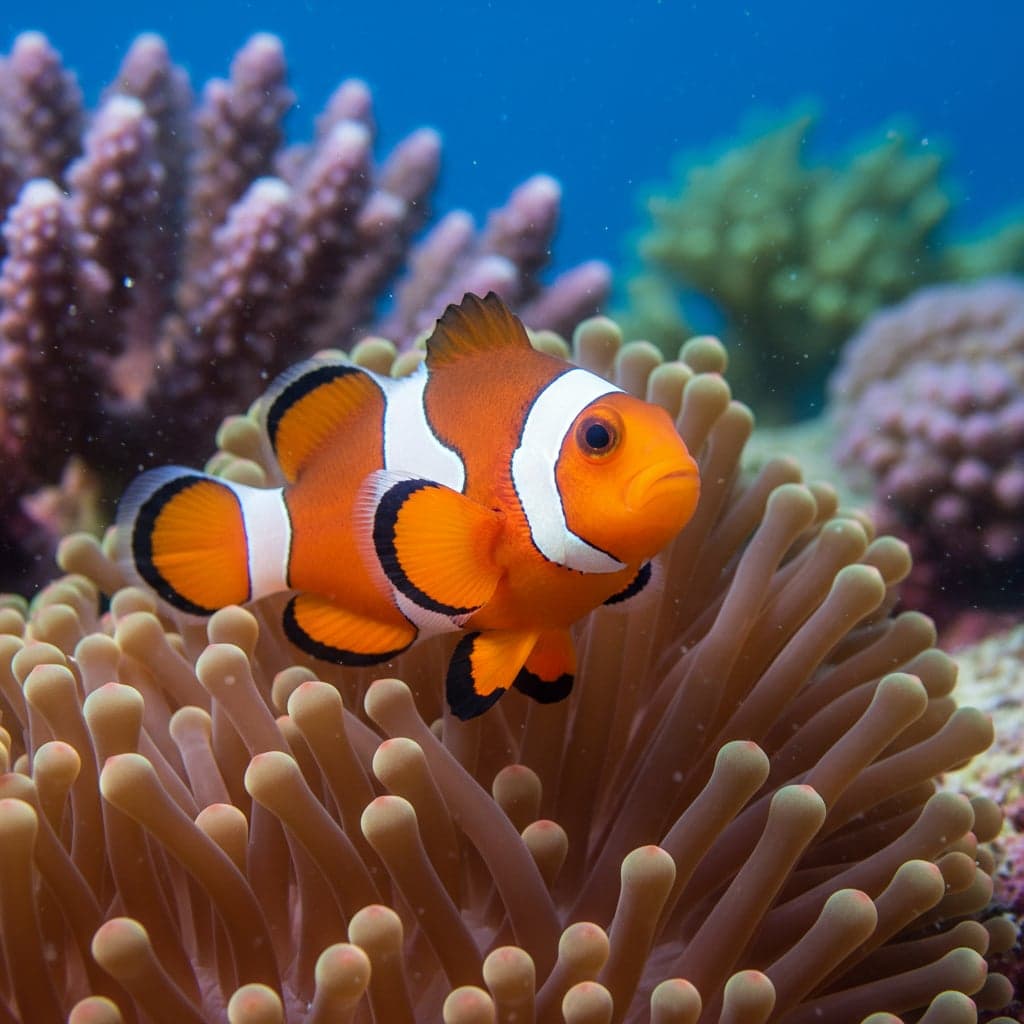
A well-planned community tank can accommodate a Christmas Wrasse with proper selection of tank mates. Compatible species include other peaceful wrasses, clownfish, tangs, and certain types of gobies. Be cautious when pairing them with other fish that exhibit territorial behavior or are similar in morphology to avoid aggression. Species to avoid include other aggressive wrasses, large fast swimmers like certain triggers, and smaller fish that may be considered as food.
Carefully monitoring interactions between different species during the initial introduction phase is crucial to minimize stress and aggression. Providing ample hiding spots and visual barriers can also help facilitate peaceful cohabitation. Ultimately, the key to a harmonious aquarium lies in choosing compatible species that can coexist without outcompeting one another for resources.
Breeding
Breeding Christmas Wrasses in captivity can be challenging, but understanding their spawning behavior is essential for successful reproduction. In the wild, these fish are known to exhibit courtship displays, consisting of males swimming around females, developing vibrant colors to attract potential mates. Successful spawning usually occurs during a full moon when they ascend to shallower areas to lay eggs.
To encourage breeding in captivity, a larger aquarium housing one male and several females is recommended. Maintaining stable water parameters and simulating natural conditions can prompt spawning behaviors. Providing breeding caves or flat surfaces within the aquarium can also serve as ideal locations for egg laying. Post-spawning, the male may show enhanced displays of color, actively guarding a designated area until the eggs hatch, typically within 24 hours. Careful monitoring of eggs is essential, as they can be susceptible to fungal infections.
Common Health Issues
While generally resilient, Christmas Wrasses may be prone to certain health issues in captivity. Common ailments include marine ich, velvet disease, and other parasitic infections, which can result from stress or poor water quality. To minimize these risks, ensure stable conditions and maintain exceptional water quality.
Preventive measures such as quarantine procedures for new arrivals, regular tank cleanings, and monitoring fish behavior can help catch potential health issues early. Additionally, a diet rich in nutrients supports immune system health, making the fish less susceptible to illness. By being proactive about aquarium maintenance and establishing a routine care schedule, hobbyists can enjoy healthy, flourishing Christmas Wrasses for years to come.