Clark's Clownfish
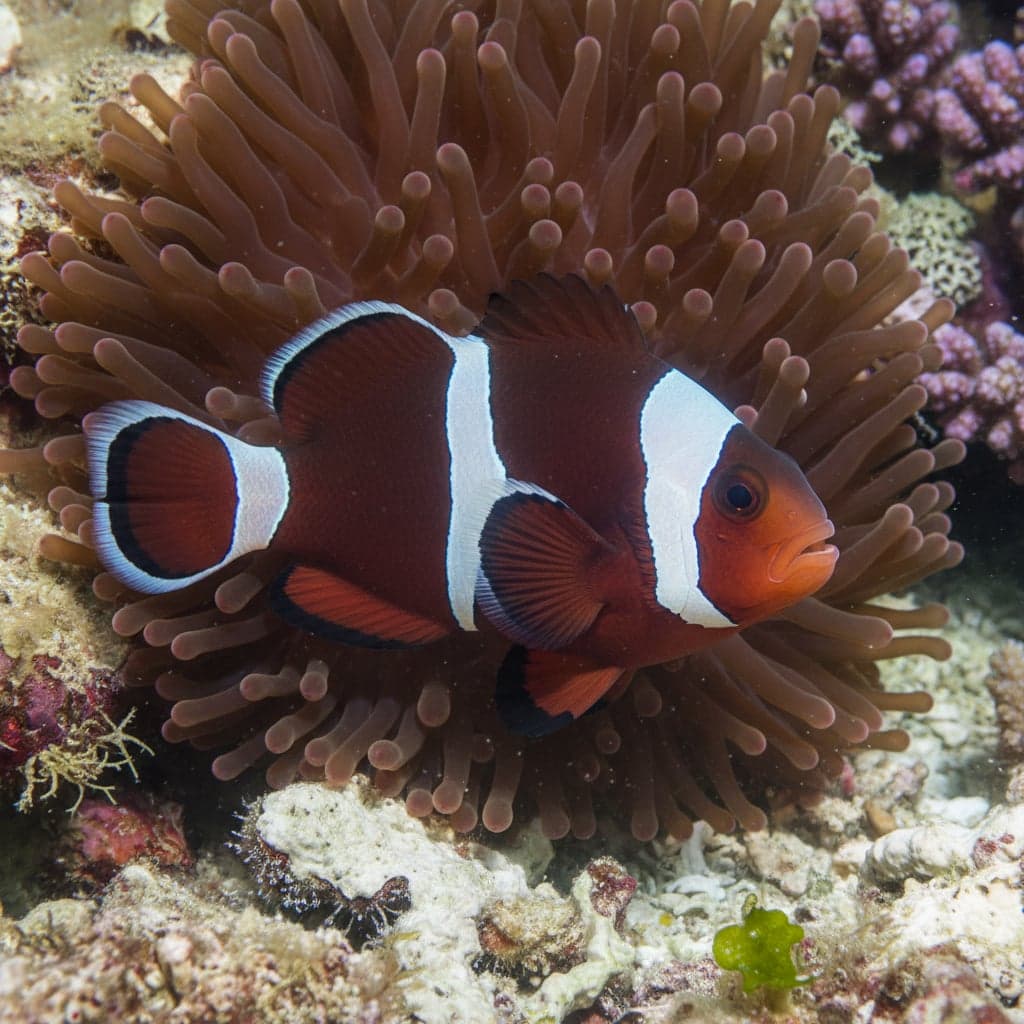
A 14cm clownfish, the largest and most aggressive of the common species. Hardy and hosts many anemones, but it bullies smaller tank mates.

Clark's Clownfish
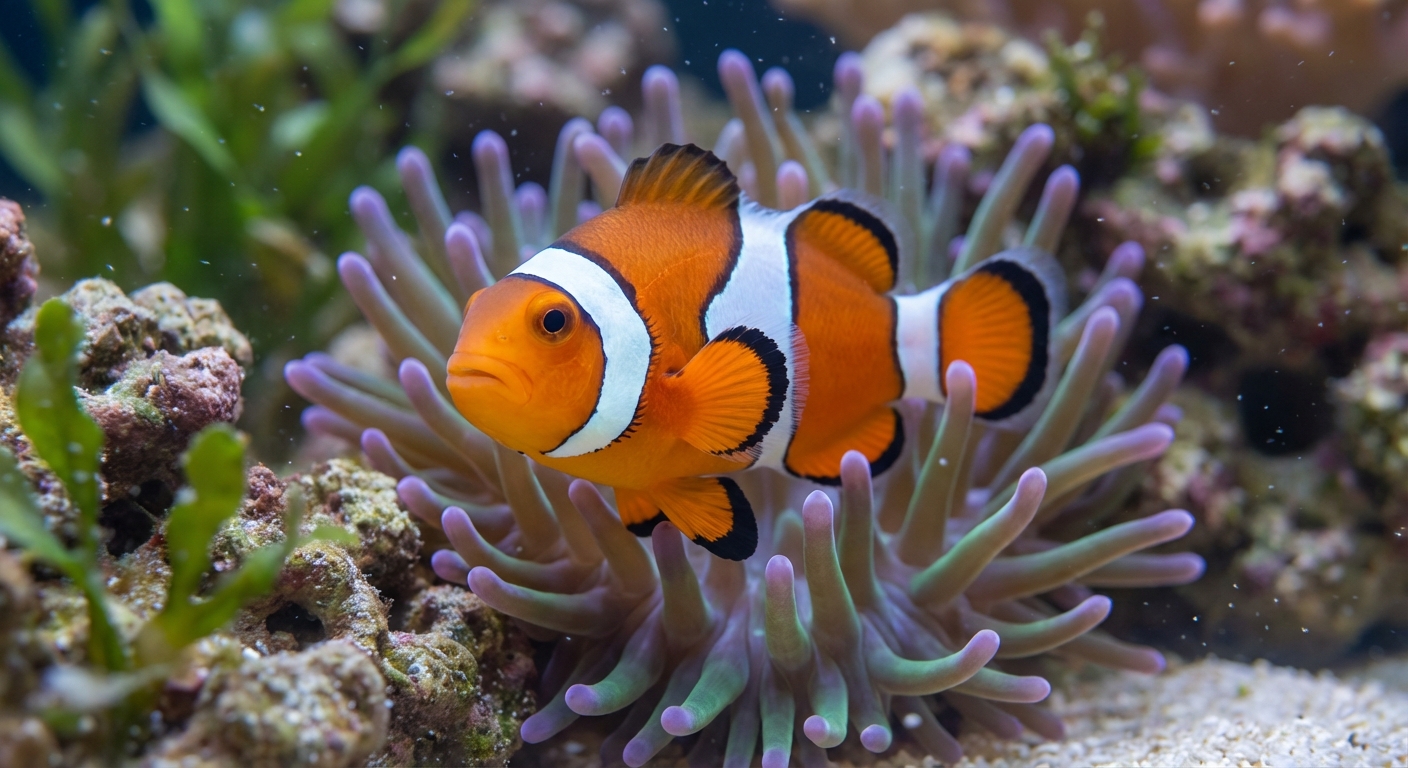
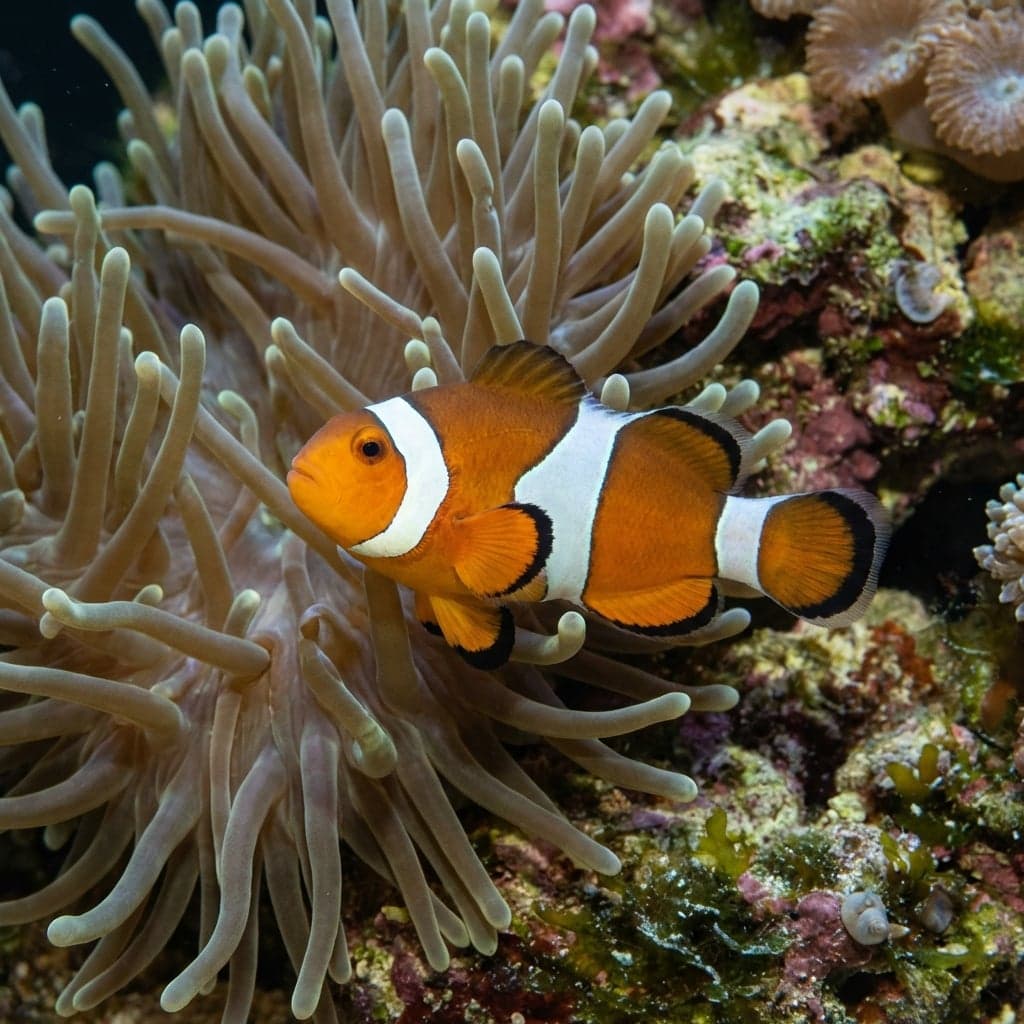
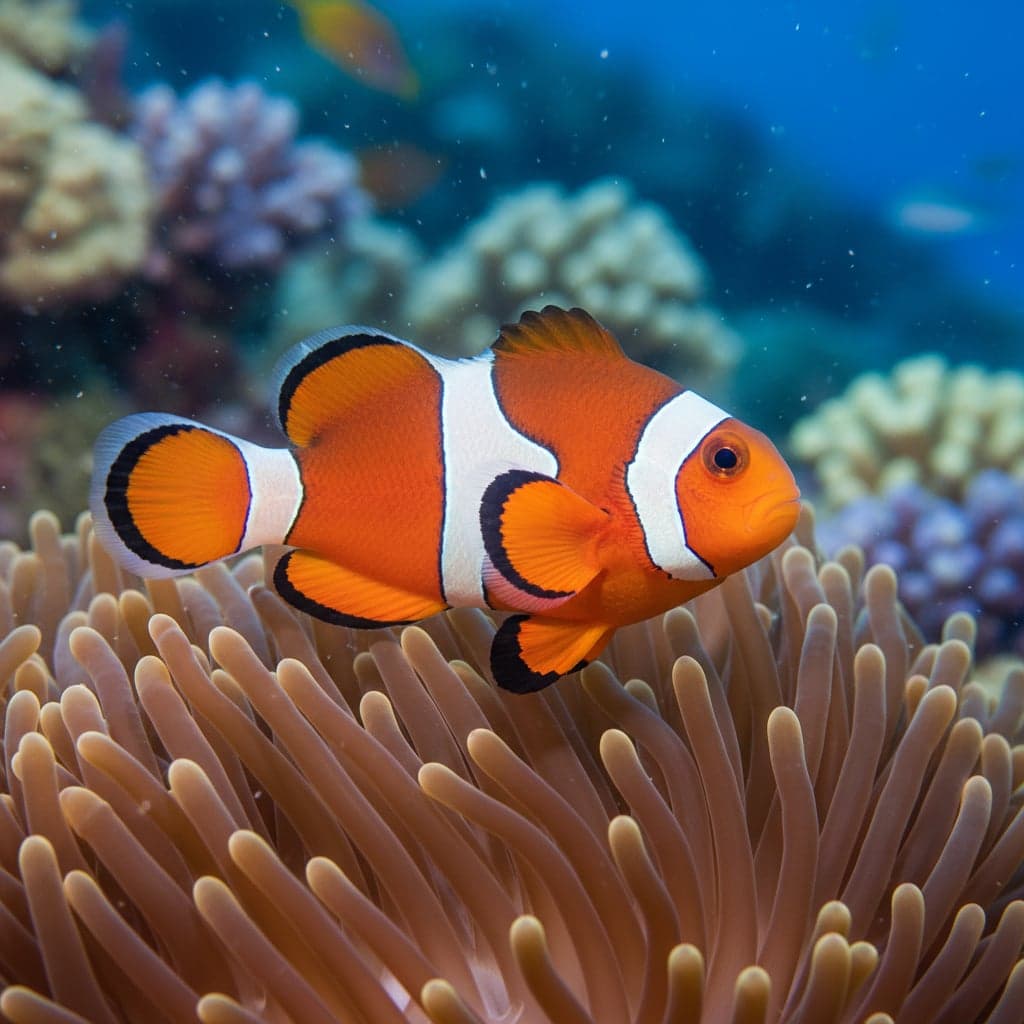
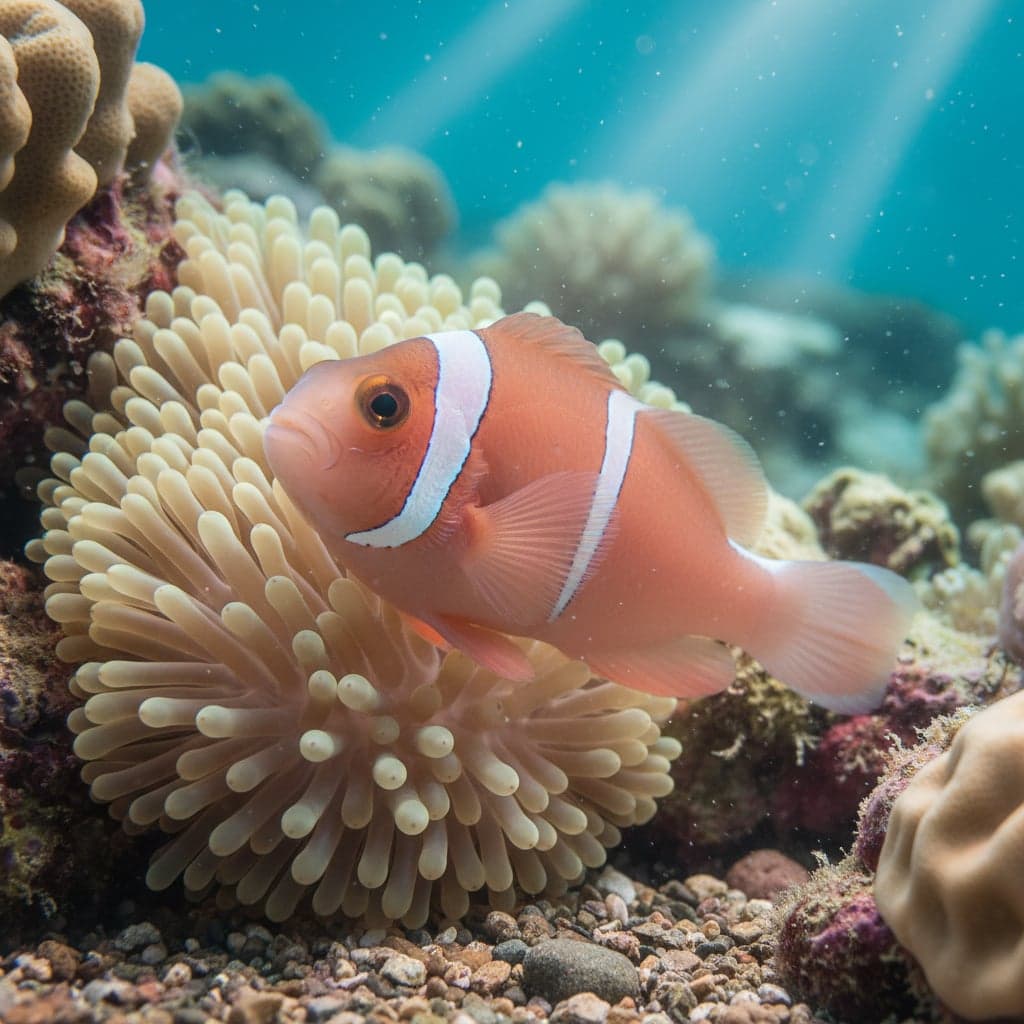
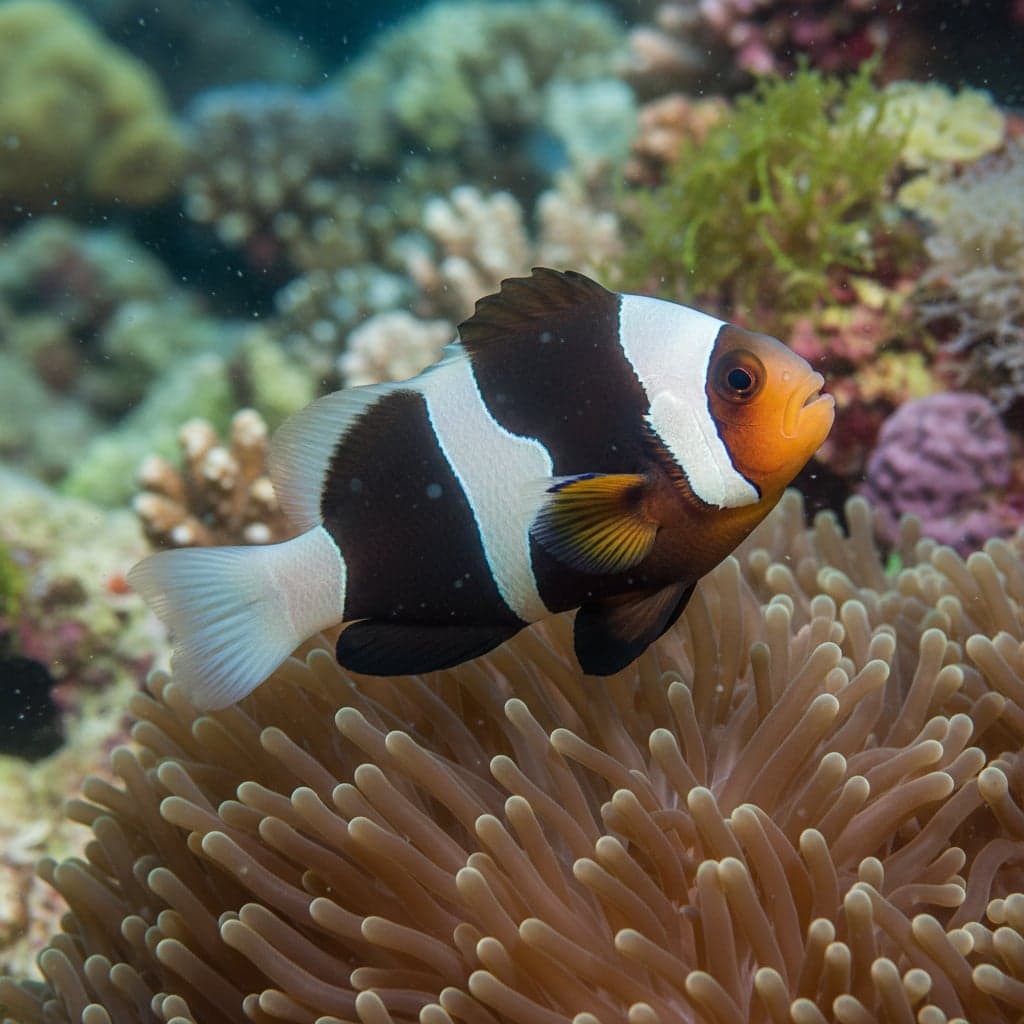
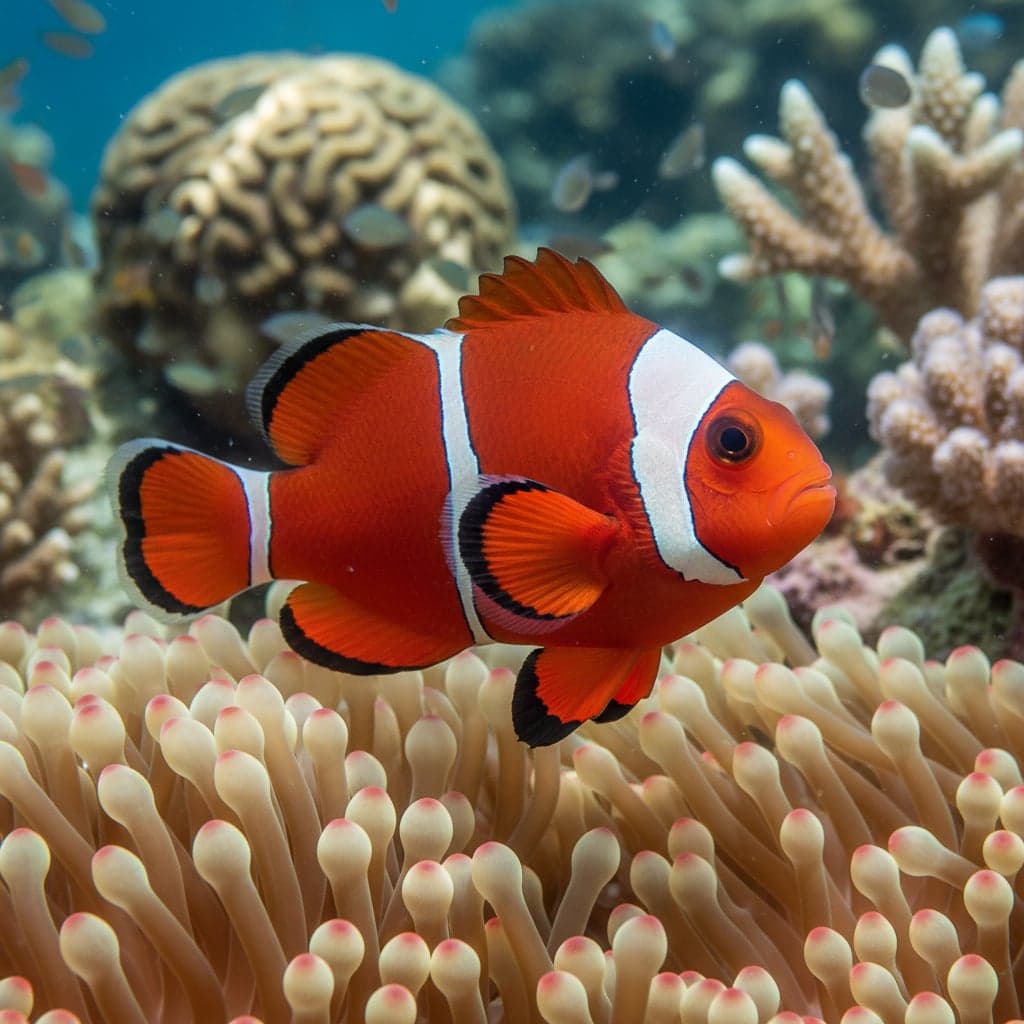
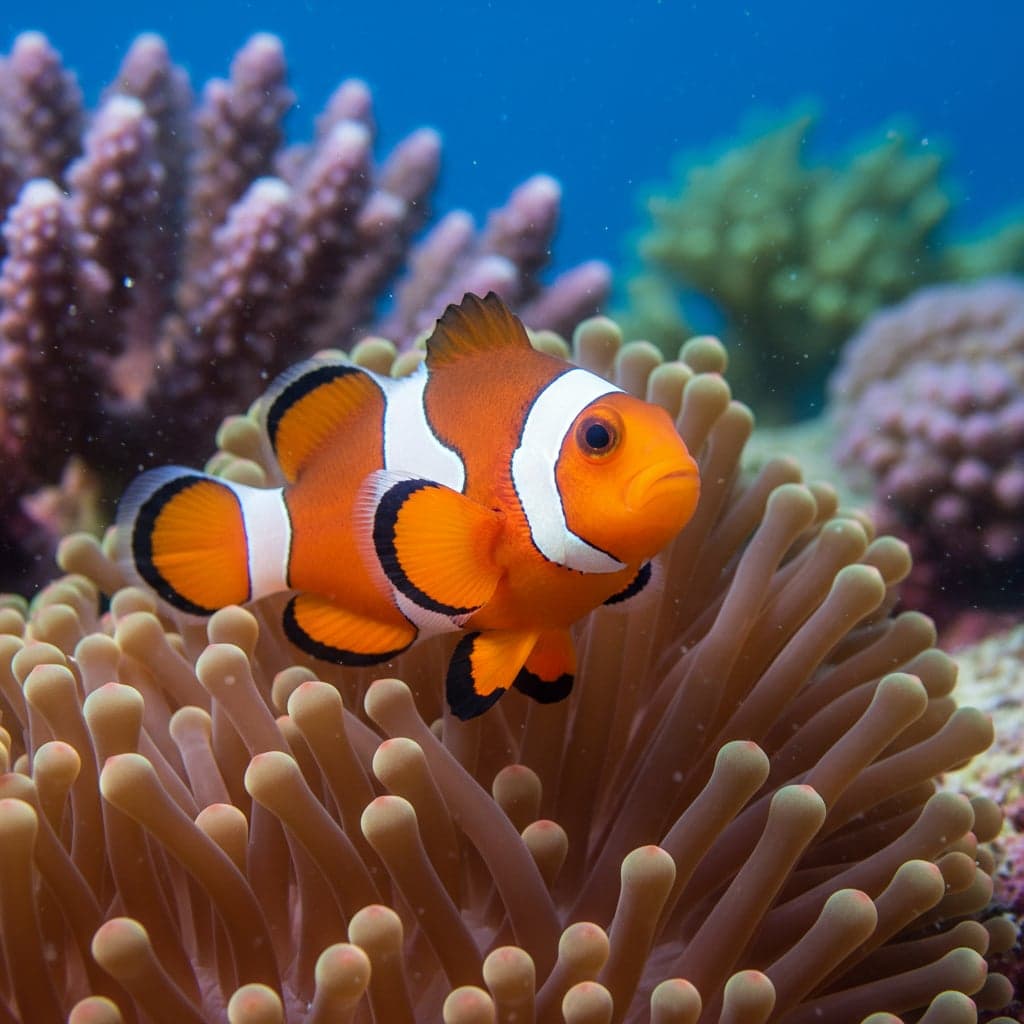
Clark's Clownfish (Amphiprion clarkii), a popular species in the aquarium trade, is known for its vibrant coloration and engaging behavior. These fish exhibit a striking orange body adorned with three distinctive white bands, edged in black, which create a mesmerizing contrast. Their unique color pattern and their natural symbiotic relationship with sea anemones contribute to their allure, making them favorites among aquarists and marine enthusiasts alike. Clark's Clownfish serve as an iconic example of the diverse ecosystems found within coral reefs, illustrating the beauty and complexity of marine life.
The significance of Clark's Clownfish extends beyond their aesthetic appeal; they form essential parts of their environmental niche. As a hardy species, they adapt well to various aquarium conditions, making them suitable for both novice and experienced hobbyists. Their captivating personality and charming antics—such as their playful interactions with anemones—also foster engagement and interest in marine biodiversity. By caring for Clark's Clownfish, aquarists contribute to the conservation awareness of reef habitats, highlighting the need to protect these critical ecosystems.
Natural Habitat & Origin
Clark's Clownfish is native to the warm waters of the western Pacific and Indian Oceans, specifically around areas like the Solomon Islands, Papua New Guinea, and the Great Barrier Reef. This species prefers to inhabit lagoons and coral reefs where they find shelter among anemones, which offer protection from predators. The waters they inhabit are typically clear, allowing for ample sunlight to penetrate and support the growth of coral and other aquatic flora, thus sustaining the diverse ecosystem that Clark's Clownfish rely on.
In their natural environment, these fish thrive in both sheltered and open areas of the reef, showcasing their adaptability. Clark's Clownfish are often found in pairs or small groups and maintain a symbiotic relationship with specific types of sea anemones, such as Entacmaea quadricolor or Heteractis magnifica. This relationship provides them with protection while allowing the anemones to obtain nutrients from the clownfish's waste, demonstrating a fascinating example of mutualism.
Care Requirements
To maintain optimal health and longevity for Clark's Clownfish in captivity, certain water parameters should be observed. A pH range of 7.8 to 8.5, a temperature between 75°F to 82°F (24°C to 28°C), and a general hardness (GH) of 8 to 12 dGH are ideal for their well-being. The tank should be adequately filtered to maintain water quality, as stable conditions are crucial for these fish.
When setting up a suitable tank, a minimum size of 120 litres (32 gallons) is recommended for this 14cm Amphiprion clarkii — the largest of the common clownfish needs more territory than smaller species. The substrate should consist of fine sand or small pebbles to reflect their natural habitat characteristics. Lighting should mimic natural daylight cycles, while live rock and coral elements not only serve as climbing surfaces but also create hiding spots. Incorporating marine plants can enhance the visual appeal and offer additional shelter.
Diet & Feeding
Clark's Clownfish are omnivores, thriving on a varied diet that includes both plant and animal matter. In captivity, a balanced diet should consist of high-quality flakes, pellets, and frozen or live foods like brine shrimp and mysis shrimp. Offering a variety of food types ensures that they receive all necessary nutrients, promoting their health and vibrancy. It's important to avoid overfeeding, as this can lead to health issues such as obesity and poor water quality.
To maintain proper nutrition and stimulate natural foraging behaviors, it is advisable to feed them multiple small meals throughout the day rather than one large feeding. Including marine algae and spirulina in their diet can also support digestive health and enhance their colors.
Behavior & Temperament
Clark's Clownfish are known for their engaging and active behavior, typically exhibiting a semi-aggressive disposition, especially during breeding periods. In the aquarium, they can establish their territories, and while they may display some aggression towards other clownfish or less-dominant tank mates, they often coexist peacefully in species-specific groups. They tend to form strong pair bonds and will stay close to their anemone or hiding spots, making them relatively easy to observe in a home aquarium.
Socially, they may engage in playful pursuits with each other or investigate their surroundings, often darting in and out of anemones. Clark's Clownfish generally inhabit the lower to mid-level areas of the tank, establishing their territories near their chosen anemone or decor, which enhances the dynamic aesthetic of the aquarium environment.
Tank Mates
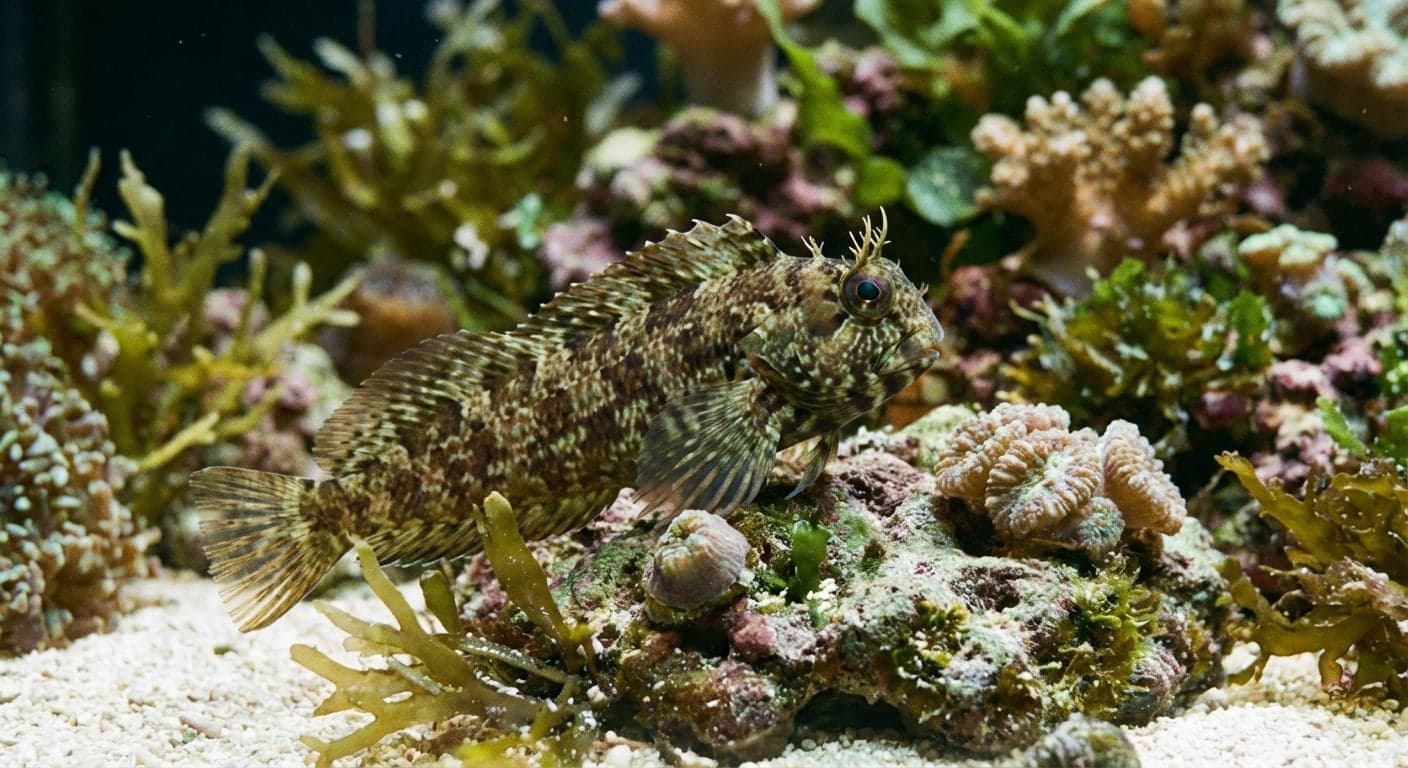
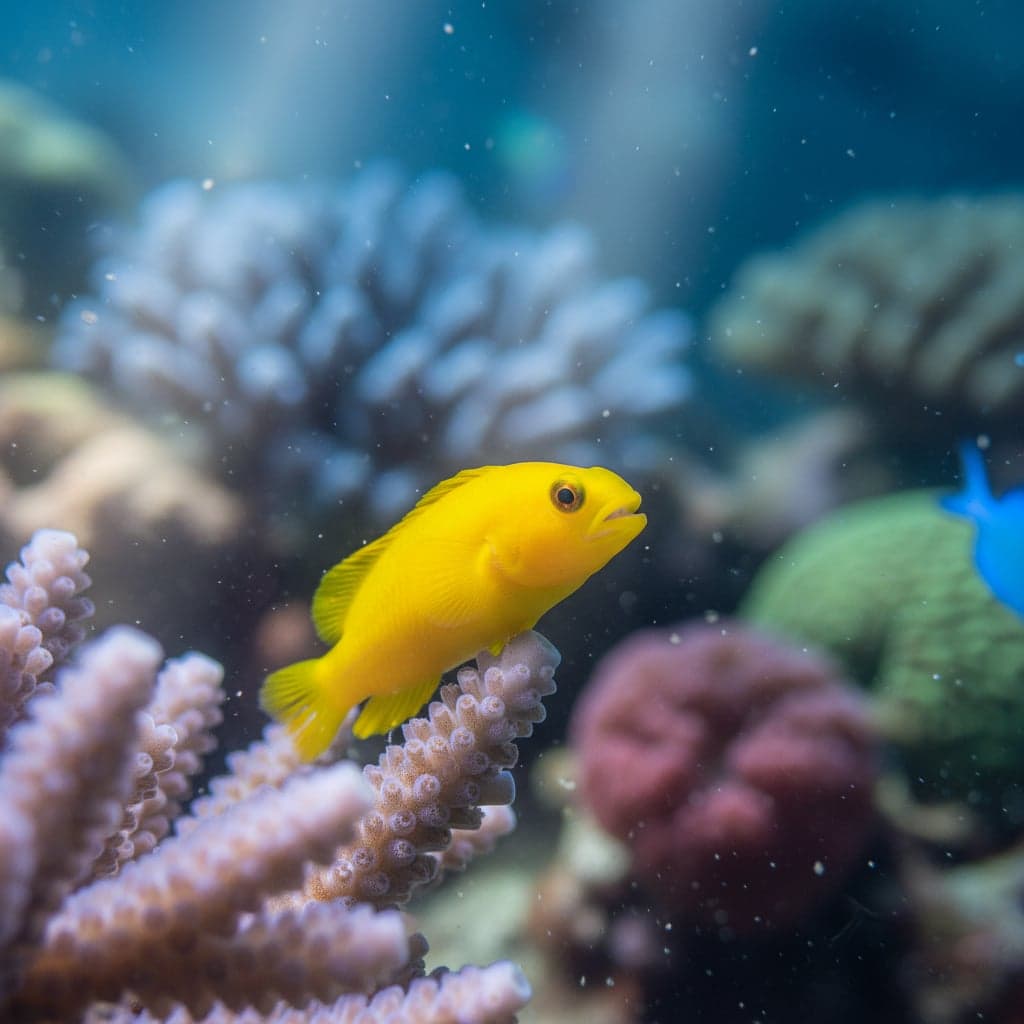
When selecting tank mates for Clark's Clownfish, it is essential to choose compatible species to minimize aggression and stress. Suitable companions include peaceful fish such as gobies, blennies, and small wrasses, as well as other marine species that enjoy similar water parameters. Additionally, they can thrive alongside some species of damselfish, sharing the same habitat without excessive aggression.
Species to avoid include other clownfish, as they can be territorial and aggressive, and larger predatory fish, which may view Clark's Clownfish as prey. It's advisable to conduct thorough research on potential tank mates to ensure a harmonious aquarium environment, maintaining focus on compatibility and tank dynamics.
Breeding
Clark's Clownfish are known to breed readily in captivity under the right conditions, often showing strong spawning behaviors when they feel secure. To encourage successful breeding, provide a stable environment with optimal water parameters and suitable nesting sites, such as flat, smooth surfaces near their anemone. The courtship involves a series of ritualized behaviors, including body quivering and nuzzling.
Once spawning occurs, typically laying eggs that can number in the hundreds, both parents will exhibit protective behaviors over the eggs, guarding and aerating them until they hatch. Breeders should maintain stable water quality and consider raising the fry in a separate tank, providing appropriate food for the larvae, such as infusoria or specially formulated fry foods, to ensure their survival and healthy growth.
Common Health Issues
Clark's Clownfish are relatively hardy, but they can be susceptible to common marine ailments. One prevalent health issue is ich, a parasitic infection characterized by white spots on the skin and gills. To prevent ich, it's crucial to maintain optimal water quality and minimize stress in the aquarium environment. Other issues may include marine velvet disease, fin rot, and bacterial infections, all of which can result from poor living conditions.
Preventative measures involve routine water testing, proper tank maintenance, and ensuring that any new additions to the tank are quarantined before introduction. Regular monitoring for signs of stress or illness can help mitigate these issues, promoting the overall health of Clark's Clownfish in captivity.