Cleaner Wrasse
An 11cm wrasse that eats parasites off other fish and usually starves in captivity within months. Leave it on the reef — the honest answer.
Cleaner Wrasse
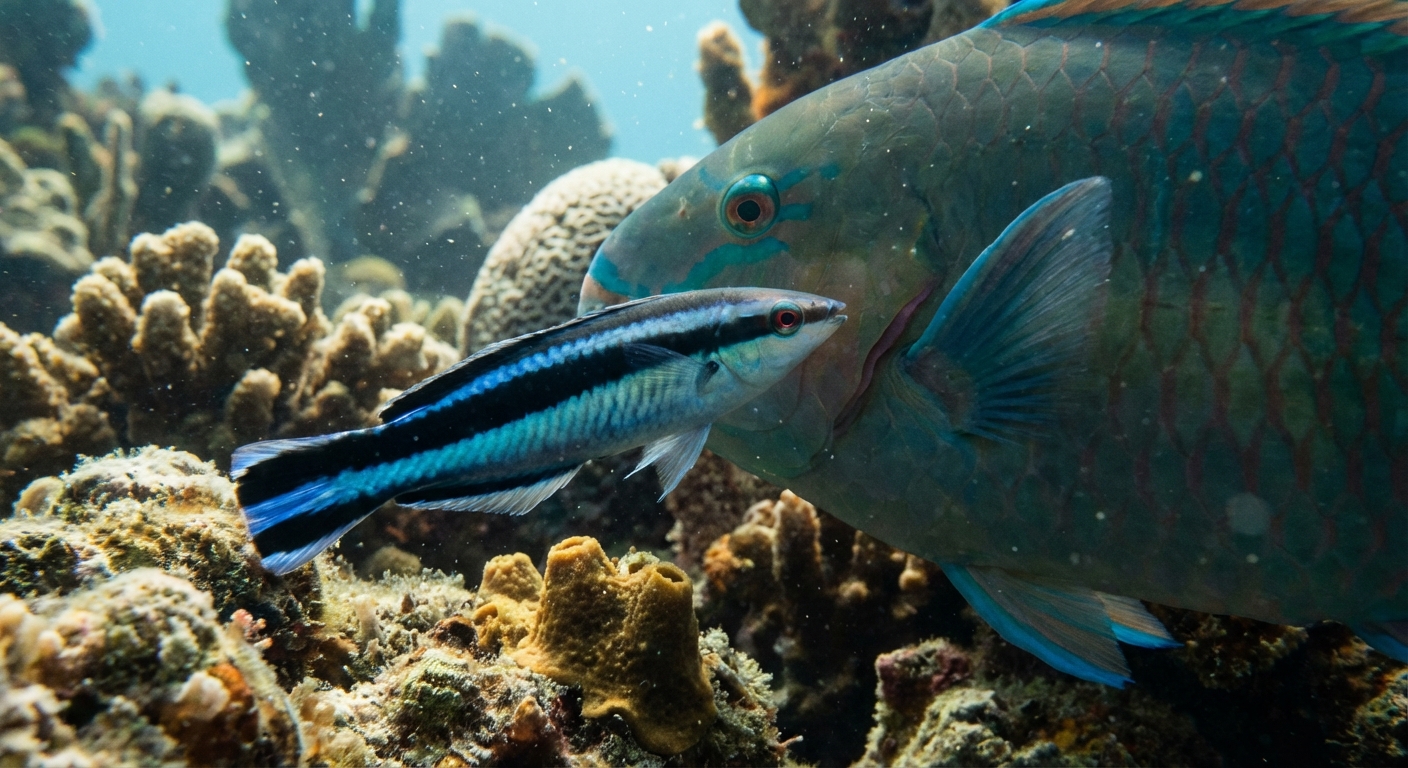
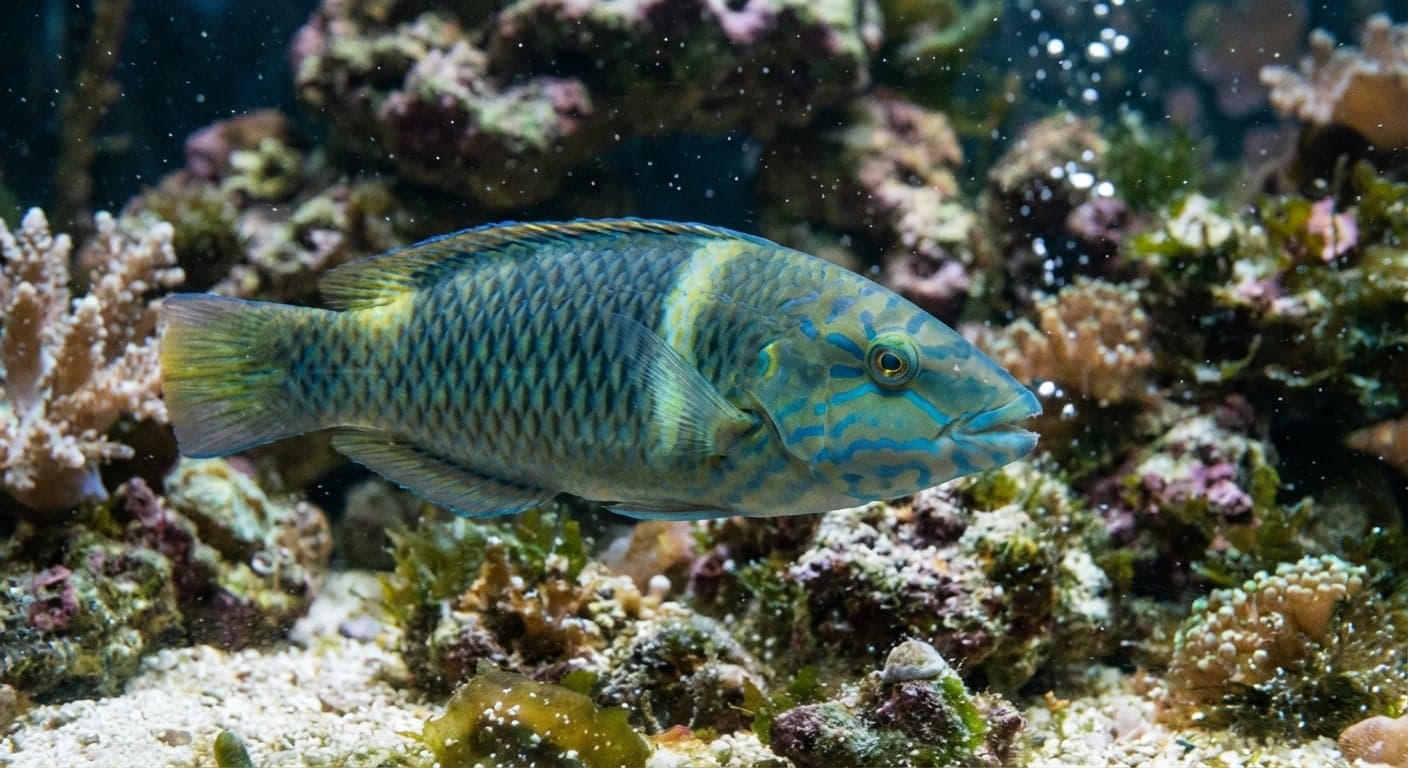
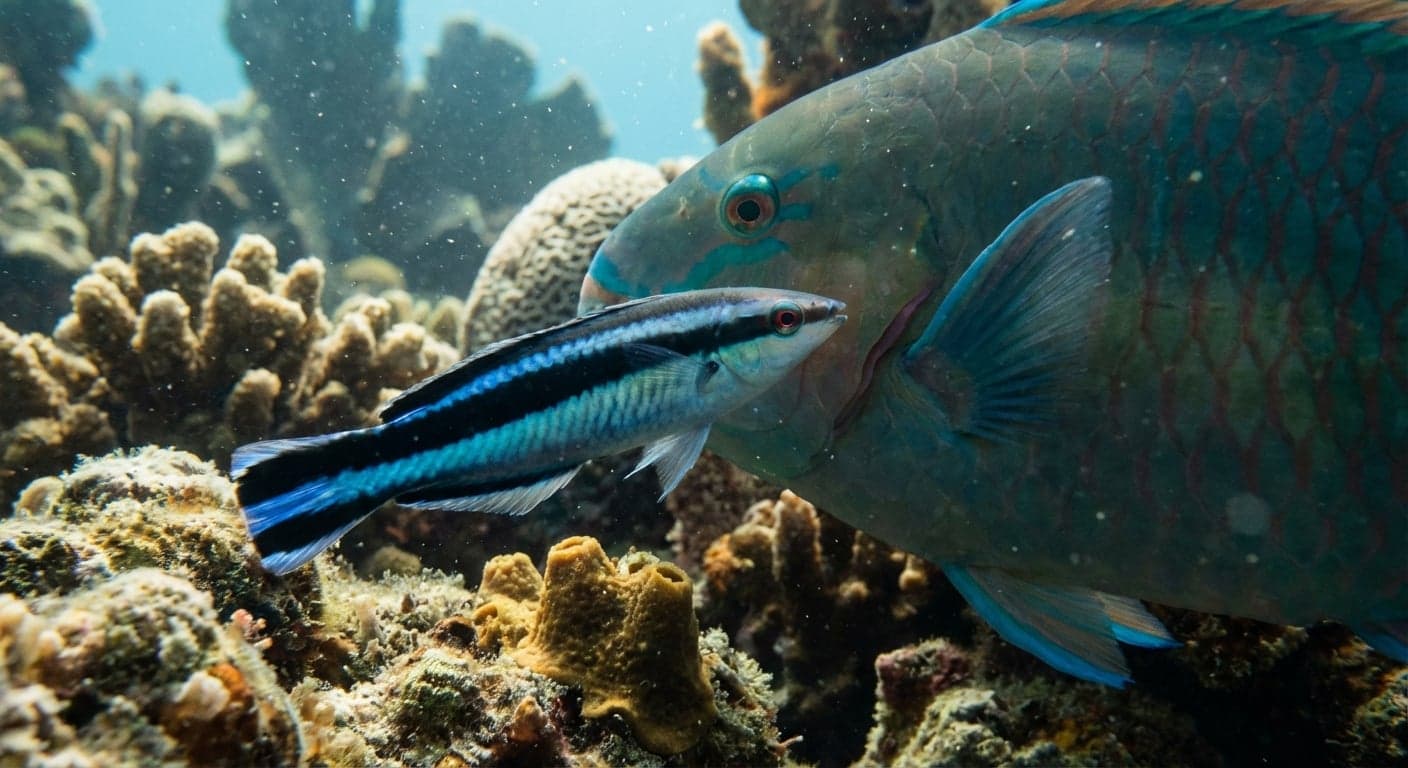
The Cleaner Wrasse (Labroides dimidiatus) is a vibrant and essential species often found in the marine aquarium trade, recognized for its striking appearance and remarkable symbiotic behavior. Characterized by its elongated body and distinctive coloration, the Cleaner Wrasse features a bright blue or greenish hue accented by a black stripe that runs along its side. This visual charm has made it a popular choice among aquarists seeking to add a lively splash of color to their marine tanks. Moreover, the Cleaner Wrasse holds a crucial ecological role, functioning as a "cleaner" fish that engages in mutualistic interactions with larger fish. By removing parasites, dead skin, and other debris from these host fish, they provide significant health benefits while simultaneously ensuring their own survival.
In the aquarium hobby, Cleaner Wrasses are often admired not only for their aesthetic appeal but also for their fascinating behaviors. As they actively clean larger fish, they are a constant source of entertainment and interest, showcasing the intricate relationships that can form between species in a marine ecosystem. While providing ecological benefits, they also contribute to the overall health of a reef ecosystem within an aquarium setting. However, potential aquarium owners should be well-informed about their specific care requirements and compatibility with other species to ensure a thriving environment.
Natural Habitat & Origin
Cleaner Wrasses are predominantly found in the warm, shallow waters of the Indo-Pacific region, including the Red Sea and parts of the eastern African coastline. Their geographical range extends to locations like the Great Barrier Reef and surrounding areas, where they inhabit rocky reefs and coral structures. This species thrives in clear, clean waters with abundant coral formations, which provide both shelter and feeding opportunities. Typically, Cleaner Wrasses prefer depths ranging from 1 to 50 meters, where they establish cleaning stations frequented by various larger fish species seeking parasite removal.
The environmental conditions of their natural habitat play a significant role in their health and behavior. Cleaner Wrasses thrive in stable salinity environments with high water quality, making their availability as captive specimens crucial to the aquarium hobby. Understanding these geographical nuances not only aids aquarists in replicating their ideal habitat but also emphasizes the importance of sourcing ethically captured fish to support sustainable practices within the aquarium trade.
Care Requirements
When it comes to providing optimal care for Cleaner Wrasses, certain water parameters and tank setups are essential for their well-being. Ideally, the water pH should range between 8.1 and 8.4, with a salinity of 1.020 to 1.025 specific gravity. The temperature should be maintained within the range of 74°F to 82°F (23°C to 28°C), ensuring a stable environment mimicking the tropical conditions of their natural habitat. The water hardness should be kept between 8 to 12 dKH (degrees of carbonate hardness) to replicate their native waters effectively.
In terms of tank setup, a minimum tank size of 50 gallons is recommended to provide adequate swimming space and establish a safe territory. The substrate should consist of fine sand or small gravel to simulate the ocean floor while facilitating the natural foraging behaviors of the fish. Incorporating live rock and coral structures will not only enhance aesthetics but also create hiding places and cleaning stations for cleaner fish. Moderate lighting is preferable, imitating the natural light conditions of a reef environment, and the introduction of marine plants can offer additional shelter and a visually appealing backdrop.
Diet & Feeding
Cleaner Wrasses are primarily carnivorous, feeding on small invertebrates, zooplankton, and parasites found on larger fish. In captivity, it is crucial to provide a varied diet that mimics their natural feeding habits. High-quality marine flakes and pellets can serve as a staple diet, but it’s recommended to include supplementary offerings such as frozen or live foods like brine shrimp, mysis shrimp, and chopped seafood. By providing a diverse diet, aquarists can ensure the Cleaner Wrasse receives vital nutrients necessary for health, growth, and vibrant coloration.
Regular feeding should occur at least two to three times daily, with small portions to prevent overfeeding—a common issue in aquariums. Offering a range of food types mimics their natural foraging behavior, promoting a more active lifestyle. Additionally, it’s important to monitor their feeding habits and ensure they are consuming food effectively, as stress or dietary deficiencies can lead to health problems.
Behavior & Temperament
The Cleaner Wrasse is generally a peaceful species, known for its unique symbiotic behavior with other fish. It is a social creature that thrives in small groups when housed in larger aquariums; however, caution should be exercised regarding tank mates to prevent territorial disputes. In their natural environment, they are often observed at "cleaning stations," where they engage with various larger fish, showcasing their non-aggressive nature and importance in the reef ecosystem.
These fish typically inhabit the mid to upper levels of the tank, exhibiting a semi-pelagic swimming style that allows them to easily interact with their cleaning clientele. While Cleaner Wrasses tend to be community-friendly, they can exhibit territorial aggression towards member species of their own kind if not provided with ample space. Therefore, providing sufficient hiding spots and territories can help minimize clashes.
Tank Mates
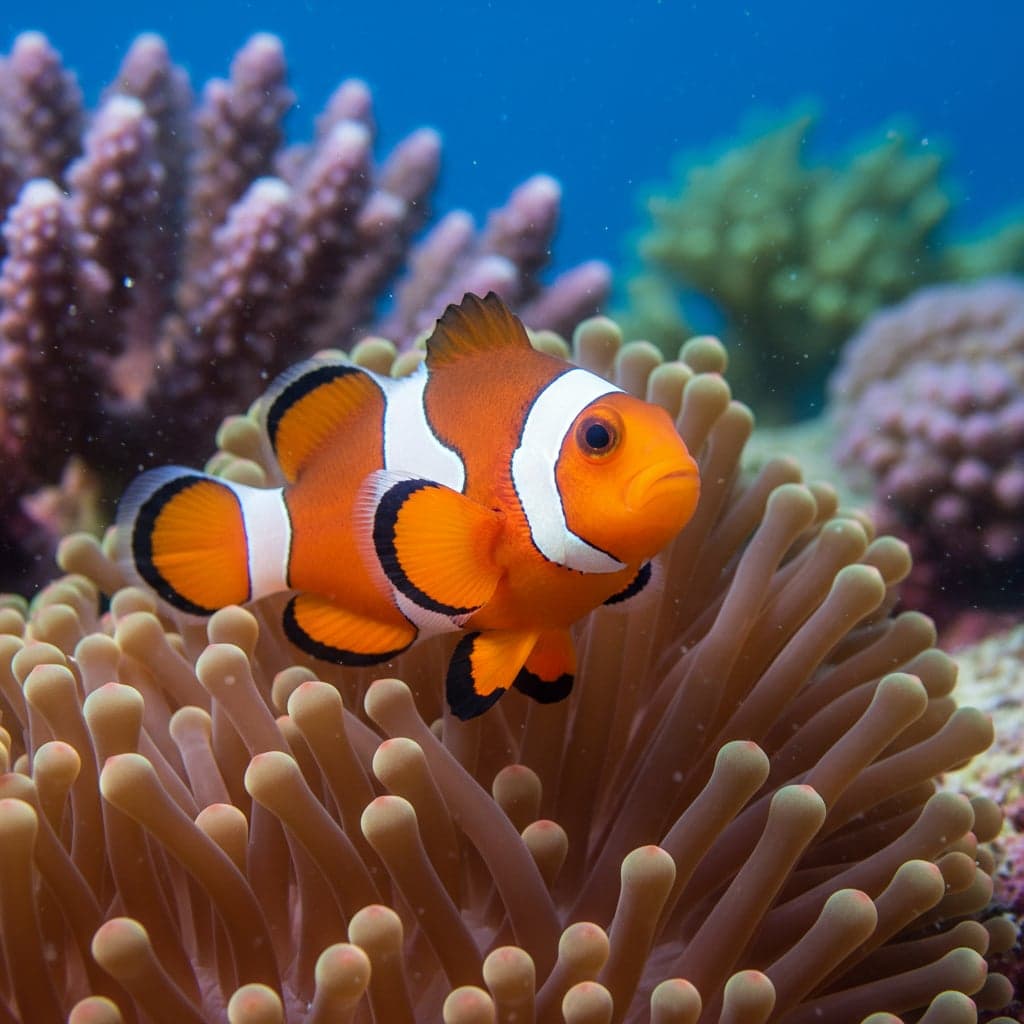
Choosing compatible tank mates for Cleaner Wrasses is crucial to maintaining a harmonious aquarium environment. Ideal companions include small to medium-sized fish such as Clownfish, Damselfish, and Tangs, which typically exhibit peaceful behavior and do not threaten the Cleaner Wrasse's cleaning role. Furthermore, having a diverse community of fish can provide a robust social structure, enhancing the overall health of the aquarium.
Conversely, aquarists should avoid pairing Cleaner Wrasses with aggressive or substantially larger fish, which might intimidate or even prey on them. Additionally, other wrasses of similar size should be avoided, as they may compete for territory and resources, leading to stress and aggression within the tank. Understanding specific species' behaviors and temperaments will ensure a balanced community tank, promoting the longevity and well-being of the Cleaner Wrasse.
Breeding
In captivity, breeding Cleaner Wrasses can be a complex and challenging endeavor. They are known to exhibit specific spawning behaviors, typically referred to as "spawning aggregations," in which multiple males and females come together within a designated area during the breeding season. Successful breeding conditions in captivity would require numerous inhabitants and a larger tank size to accommodate their social dynamics.
To replicate their breeding environment, it is essential to maintain ideal water parameters and provide ample hiding spots for females to retreat during the spawning process. Implementing a diet that enhances spawning readiness, such as high-quality foods rich in nutrients, can also assist in preparing the fish for successful breeding. However, breeding Cleaner Wrasses in aquariums remains relatively uncommon, and significant dedication to mimicking natural conditions is paramount for success.
Common Health Issues
Cleaner Wrasses are susceptible to various health issues commonly found in marine environments. One of the most prevalent concerns is the risk of ectoparasitic infections, such as marine ich (Cryptocaryon irritans), which can severely affect their health and well-being. Regular water quality testing and maintaining stable parameters can help mitigate such risks. Additionally, stress from inappropriate tank mates or poor conditions can lead to decreased immune function, making them more vulnerable to diseases.
Preventative measures include quarantining new arrivals to monitor for illness prior to introducing them to the main tank, providing adequate swimming room, and ensuring they transition reliably to prepared foods. Because Cleaner Wrasses have high metabolisms, nutritional depletion or starvation is a frequent hidden health risk if there are insufficient client fish or inadequate feedings. Offering varied, vitamin-soaked foods multiple times daily alongside stable salinity (1.020–1.025 SG) and temperature (24–26°C) will keep their immune defenses robust and sustain their active cleaning behaviors.