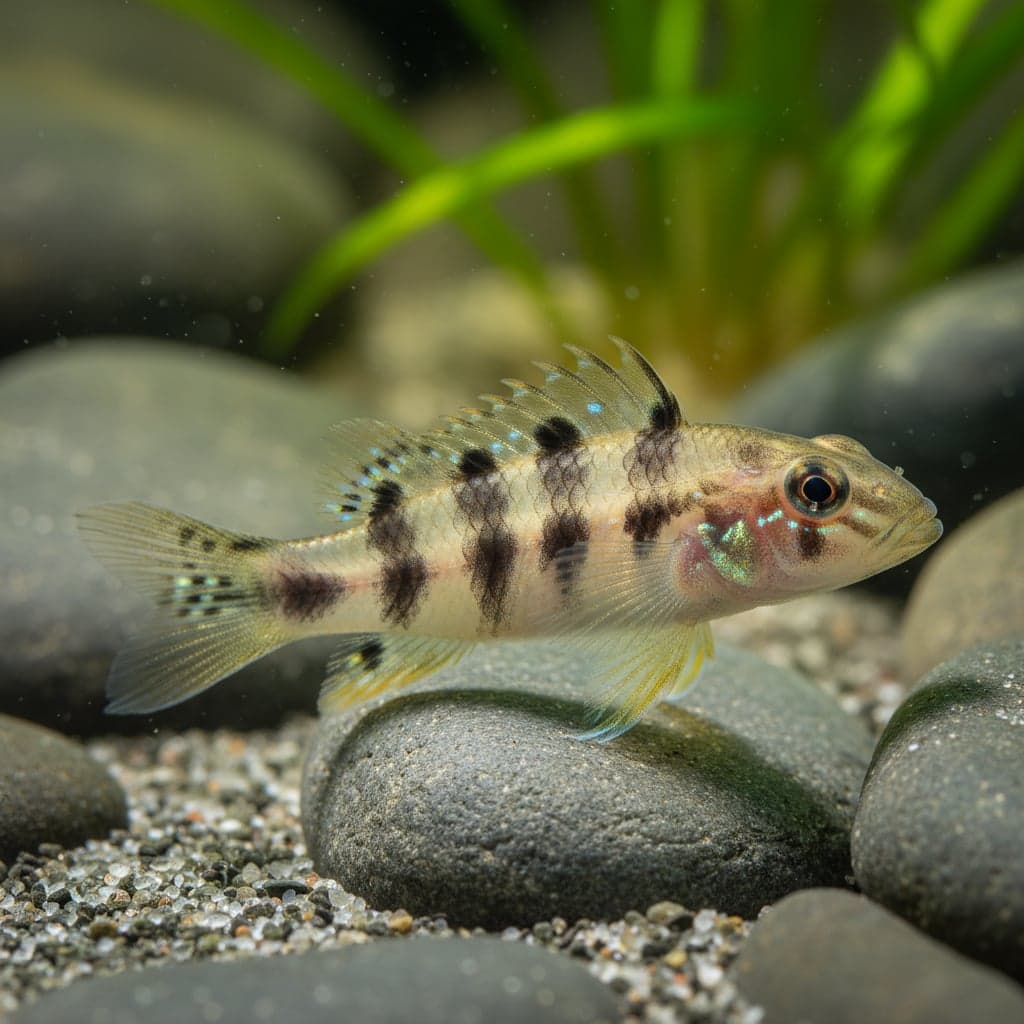
Clown Goby Cichlid: Eretmodus cyanostictus
A Tanganyikan cichlid that hops along rocks like a goby. Has a reduced swim bladder and stays on the bottom.
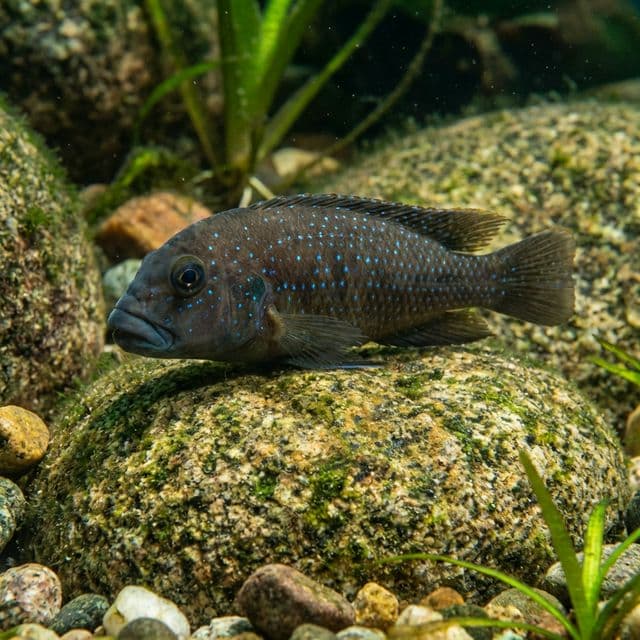
Clown Goby Cichlid
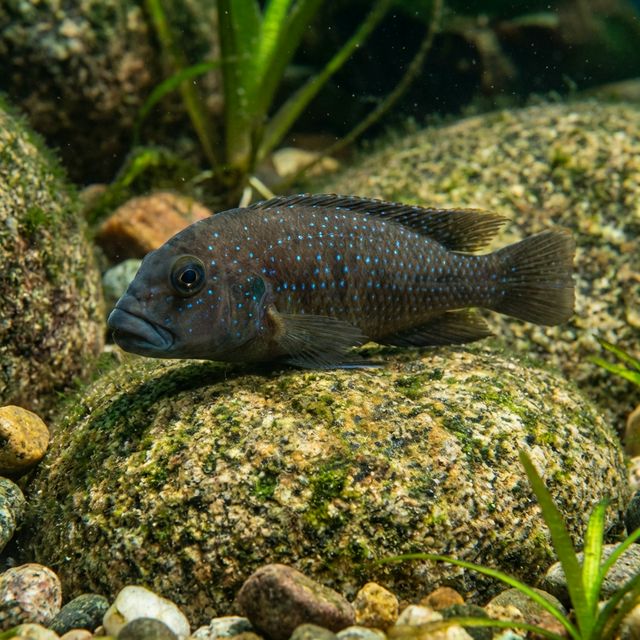
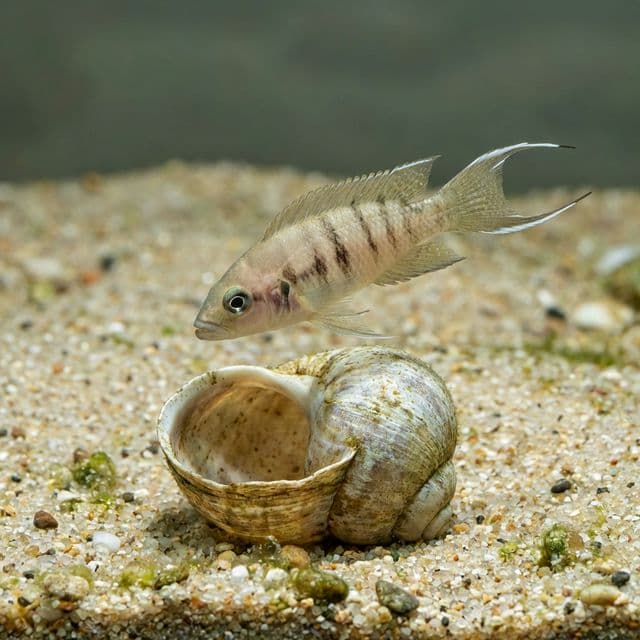
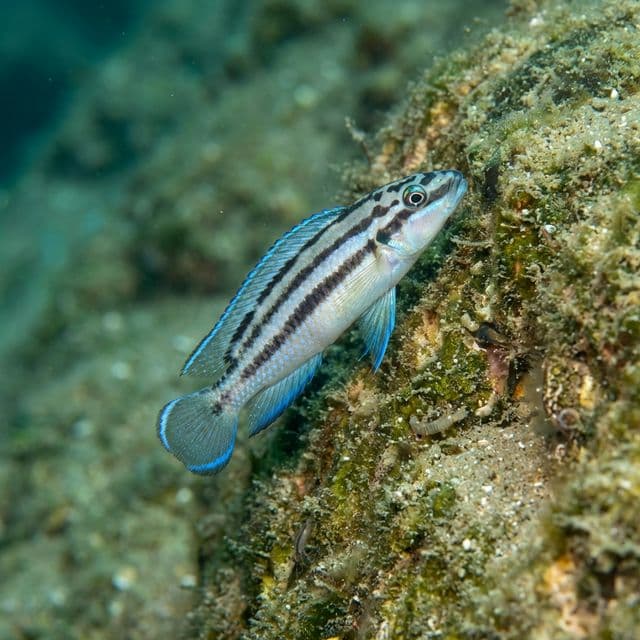
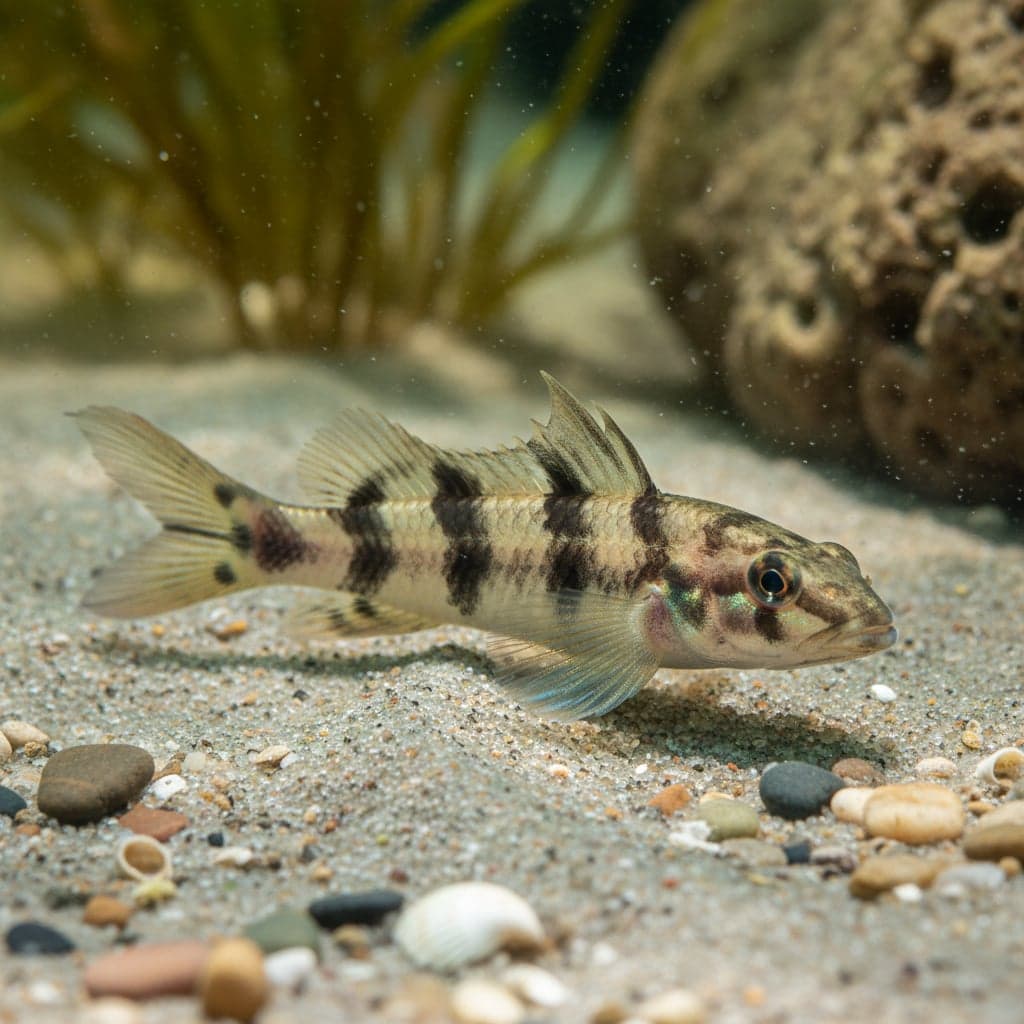
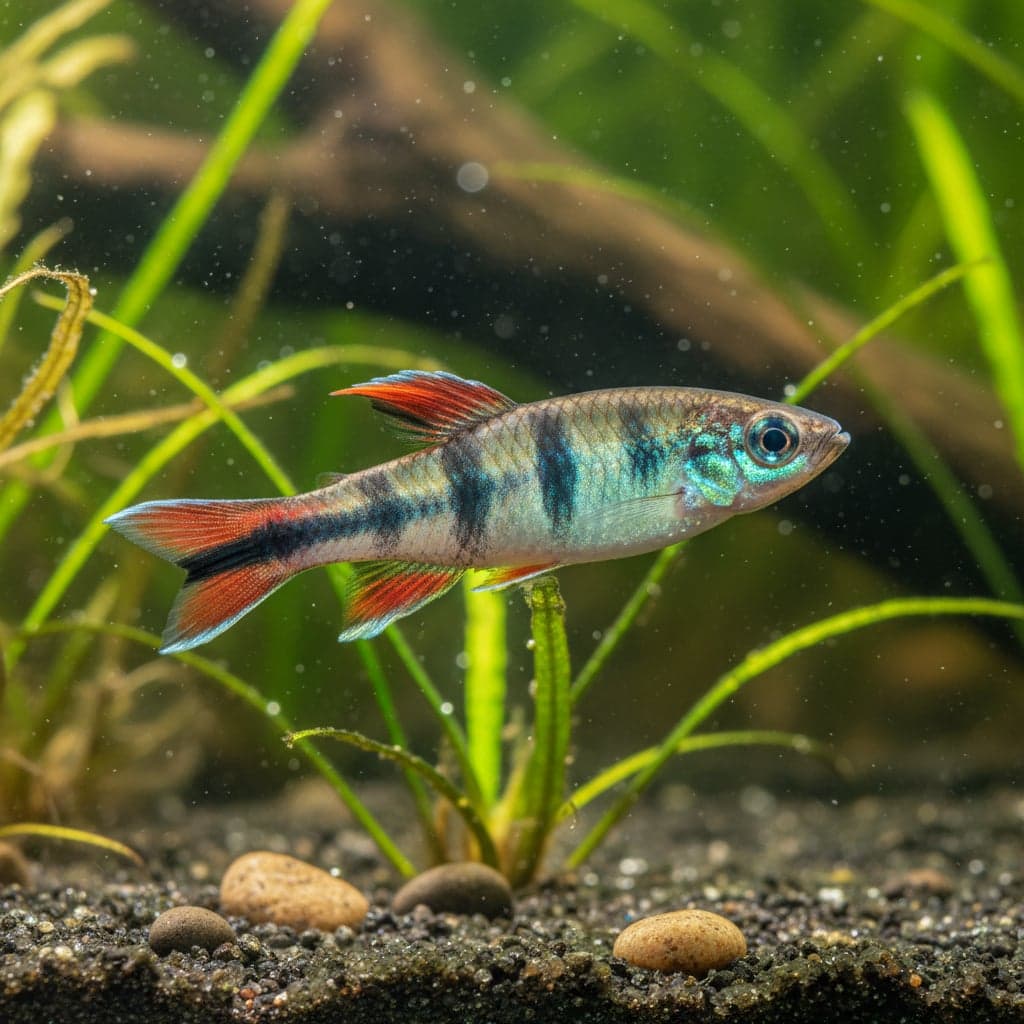
The Clown Goby Cichlid, scientifically known as Eretmodus cyanostictus, is a captivating freshwater fish that stands out for both its vibrant coloration and unique body shape. This species exhibits a stunning array of hues, predominantly showcasing bright yellow and blue spots against a translucent body, which makes them a visual delight in any aquarium setup. Their striking appearance is further complemented by a relatively small size, usually ranging from 3 to 4 inches in length, making them an ideal choice for aquarists looking to add a splash of color without requiring a large tank.
This species is not only valued for its stunning aesthetics but also for its fascinating behavior and adaptability, which have made it a favorite among aquarium enthusiasts. The Clown Goby Cichlid is known for its unique positioning in the tank, often found perching on rocks or plants, displaying its curious and energetic nature. Their significance in the aquarium hobby lies in their relatively easy care requirements and compatibility with a variety of other species, enticing both novice aquarists and seasoned fish keepers alike.
Natural Habitat & Origin
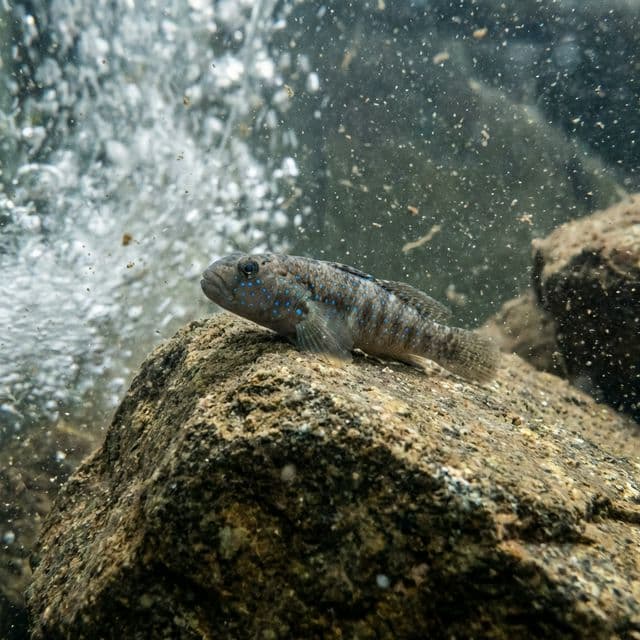
The Clown Goby Cichlid hails from the rocky shores of Lake Tanganyika in East Africa, one of the oldest and deepest freshwater lakes in the world. This geographical origin shapes the fish’s natural habitat, characterized by a varied environment of rocky outcrops and sandy substrates in clear waters. The Clown Goby Cichlid thrives in freshwater with low to moderate current and is often found dwelling in crevices and caves within rocky formations, where it can hide from potential predators.
The environmental context of Lake Tanganyika significantly influences the care requirements for this species in captivity. The waters of the lake are typically alkaline to neutral, with stable temperatures conducive to the fish's health and well-being. The Clown Goby Cichlid has adapted to life in this unique ecological niche, making it essential for aquarists to recreate similar conditions in their tanks to ensure the species thrives.
Care Requirements
To properly care for the Clown Goby Cichlid, maintaining appropriate water parameters is crucial. The ideal pH for this species ranges from 7.8 to 9.0, with a water temperature between 75°F and 80°F (24°C to 27°C). Hardness should be around 10-20 dGH to replicate its natural habitat. As for the tank setup, a minimum tank size of 30 gallons is recommended, allowing enough space for swimming and territorial displays.
The substrate should consist of fine sand or smooth gravel, as this mimics the clifftop environments of their natural habitat. Aquascaping with plenty of rocks, caves, and hiding spots will not only provide security for the Clown Goby Cichlid but also stimulate their natural behavioral patterns. Lighting should be moderate to bright, as this encourages plant growth and offers a lively environment. Adding hardy aquatic plants that can adapt to varying light conditions will enhance the overall aesthetics and health of the aquarium.
Diet & Feeding
The Clown Goby Cichlid is an omnivorous species, requiring a balanced diet to thrive. In captivity, it is essential to offer a varied diet that includes high-quality flake food, pellets designed for cichlids, and an assortment of frozen or live foods such as brine shrimp, daphnia, and bloodworms. This diversity ensures that the fish receives all necessary nutrients, promoting healthy growth and vibrant coloration.
Feed the Clown Goby Cichlid small portions multiple times a day to mimic their natural foraging behavior. Avoid overfeeding, as this can lead to water quality issues and health problems. Incorporating vegetable matter, such as spirulina or blanched spinach, will further diversify their diet and contribute to their overall well-being.
Behavior & Temperament
Clown Goby Cichlids are known for their intriguing social behavior and exhibit a semi-aggressive disposition, particularly when establishing territory. They are relatively peaceful towards species of similar size but can show aggression during mating or when competing for hiding spots. In terms of schooling habits, they do not require a large group to feel secure; however, keeping a small group of 2 to 5 individuals often results in more dynamic social interactions.
These fish display a unique vertical placement in the tank, often occupying upper and mid-water levels, while also using rock structures as perches. Providing ample hiding spaces will reduce stress and territorial disputes, but be prepared to observe some displays of aggression, especially if several males are housed together.
Tank Mates
When selecting tank mates for the Clown Goby Cichlid, consider species that are similarly sized and non-aggressive to minimize territorial conflicts. Compatible species include other cichlids, such as Lamprologus and Julidochromis, as well as larger Tetras and peaceful barbs. It's crucial to avoid housing them with overly aggressive species or those that may outcompete them for food and space.
On the flip side, avoid keeping the Clown Goby Cichlid with smaller fish such as guppies or those that are prone to fin-nipping, as their smaller size may lead to stress or aggression. Additionally, solitary fish or aggressive species can create an unsuitable environment for the Clown Goby Cichlid.
Breeding
Breeding Clown Goby Cichlids in captivity can be a rewarding endeavor, though it requires specific conditions to encourage spawning behavior. The ideal breeding environment should consist of a separate breeding tank with a substrate of fine sand, ample hiding spots for the female, and stable water parameters resembling their natural habitat—alkaline pH and warm temperature.
During the breeding process, a male will establish a territory and attract a female by displaying colorful patterns and courting behaviors. The female will typically lay eggs on flat surfaces, including rocks or plants. After spawning, the male guards the eggs vigilantly, providing protection from potential threats. Once the eggs hatch, it is vital to provide well-balanced nutrition for the fry and maintain impeccable water quality to ensure their survival.
Common Health Issues
Clown Goby Cichlids may be prone to a few common health issues that can affect freshwater fish, such as Ich (Ichthyophthirius multifiliis), fin rot, and velvet disease. Maintaining optimal water parameters is the first line of defense against these issues. Regular water changes, proper filtration, and monitoring for signs of stress or illness will help to prevent outbreaks.
Quarantine new additions to the aquarium before introducing them to avoid cross-contamination of diseases. Additionally, a varied diet supplements their immune system and promotes resilience. If health issues arise, promptly isolating affected fish and treating the entire tank with the recommended medications is crucial for recovery.