Clown Killifish: Epiplatys annulatus
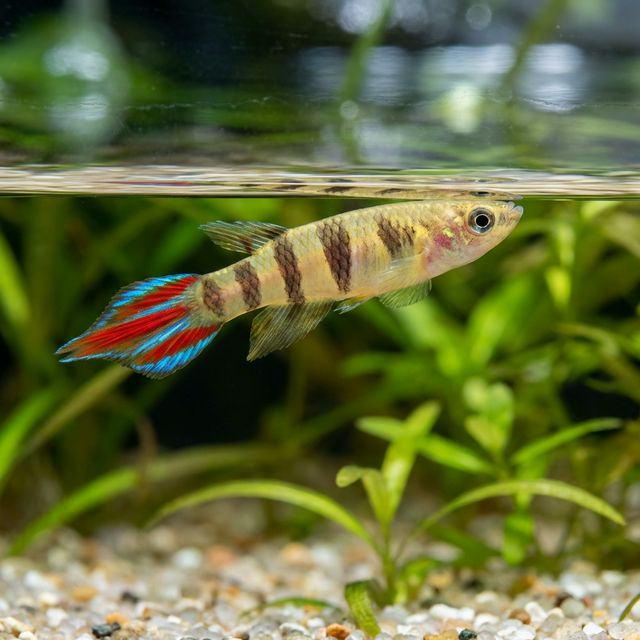
A tiny, rocket-shaped surface dweller with vivid red, yellow and blue stripes. A nano tank star.

Clown Killifish
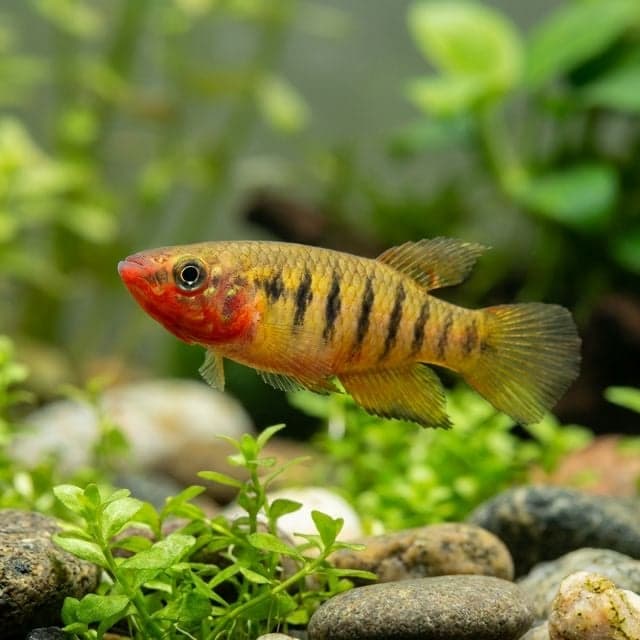
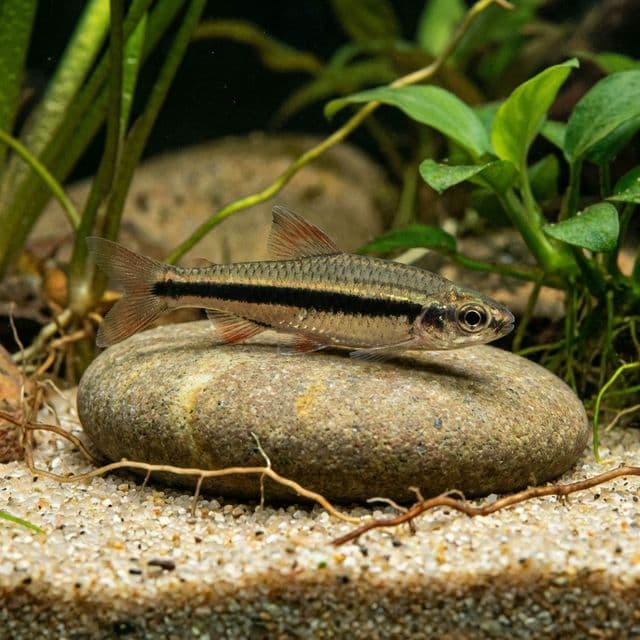
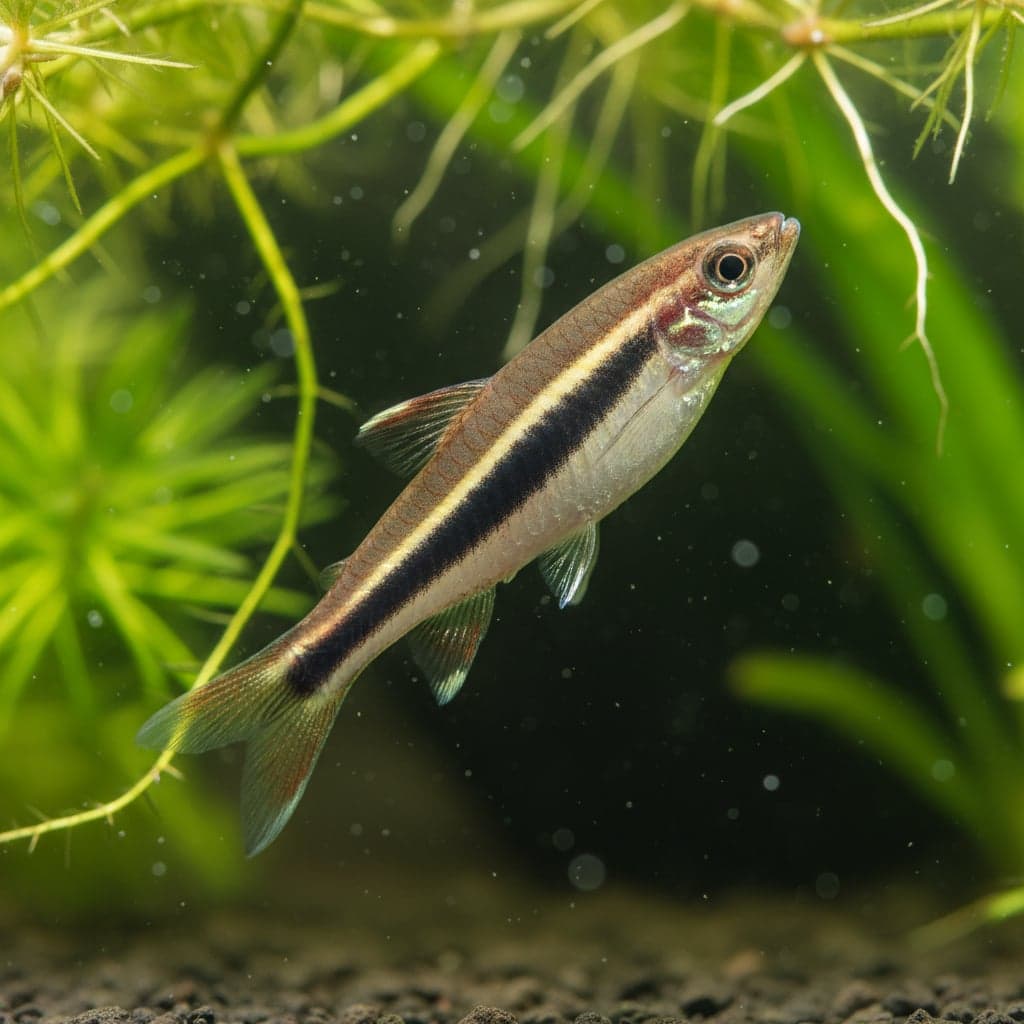
The Clown Killifish, scientifically known as Epiplatys annulatus, is a captivating freshwater species that originates from the aquatic environments of West Africa. Known for its striking colors and playful demeanor, this small killifish typically reaches a length of about 1.2 inches (3 cm), making it an ideal addition for nano aquariums. Their bodies are adorned with brilliant shades of orange, yellow, and blue, presenting an iridescent shimmer under proper lighting. This visual appeal, combined with their active swimming patterns, makes Clown Killifish a favorite among both novice and experienced aquarists.
In the aquarium hobby, Clown Killifish are valued not only for their aesthetic qualities but also for their unique behavior. They hold station just under the surface, often motionless among floating plants, and dart forward to take food from the film. Their ease of care and compatibility with various tank setups contribute significantly to their rising popularity within the aquarist community. Moreover, their peaceful temperament allows them to thrive in community tanks, providing a lively addition to any aquarium setup.
Natural Habitat & Origin
Clown Killifish are predominantly found in the regions of West Africa, particularly in countries like Nigeria, Cameroon, and the Democratic Republic of Congo. They inhabit various freshwater environments, including slow-moving streams, swamps, and shallow pools. These areas are typically characterized by blackwater conditions, influenced by decomposing organic materials such as leaves and plant matter, which impart a dark hue to the water.
The natural habitat of Clown Killifish is rich in vegetation, with ample hiding spots provided by floating plants and dense undergrowth. This type of environment is essential for their survival, as it offers both shelter from potential predators and a foraging ground for food. The water in these regions tends to be soft to moderately hard, with acidic to neutral pH levels, making it critical for aquarists to replicate these conditions for optimal health and behavior.
Care Requirements
To successfully maintain Clown Killifish in an aquarium, certain water parameters must be met. The ideal temperature range for this species is between 72°F to 78°F (22°C to 26°C), with a pH between 6.0 and 7.5. Water hardness should be kept between 2 to 15 dGH, ensuring a suitable environment for their well-being. Moreover, regular water changes, along with proper filtration, are crucial to maintaining water quality and stability.
Tank setup for Clown Killifish should ideally include a minimum tank size of 10 gallons to provide adequate swimming space and territory. A substrate of fine gravel or sand mimics their natural environment, and the inclusion of live plants, such as Java moss or floating ferns, is highly beneficial. These plants not only offer hiding spots but also help to diffuse lighting and create shaded areas. Moderate lighting is preferred, ideally supplemented by floating plants to mimic their shady, natural habitats.
Diet & Feeding
Clown Killifish are omnivores and require a varied diet to thrive. In captivity, they can be fed high-quality flakes or small pellets formulated for community fish. These should be supplemented with protein-rich foods such as brine shrimp, daphnia, and other frozen or live offerings to ensure a balanced diet. Regular feeding should be done multiple times a day, providing small amounts to avoid overfeeding and water quality issues. It is essential to vary their diet to promote optimal health, growth, and vibrant coloration.
Behavior & Temperament
The Clown Killifish is known for its peaceful demeanor, often coexisting well with a variety of community fish. They are social creatures that prefer to be in small groups of at least 4-6 individuals, allowing them to display their natural schooling behavior. However, it is important to monitor their interactions, as they may exhibit slight territorial tendencies, especially during breeding season.
In terms of vertical placement, these fish stay in the top few centimetres of the water, among floating plants and overhanging vegetation. Their playful nature and active swimming patterns make them a lively inhabitant, constantly engaging with their surroundings.
Tank Mates
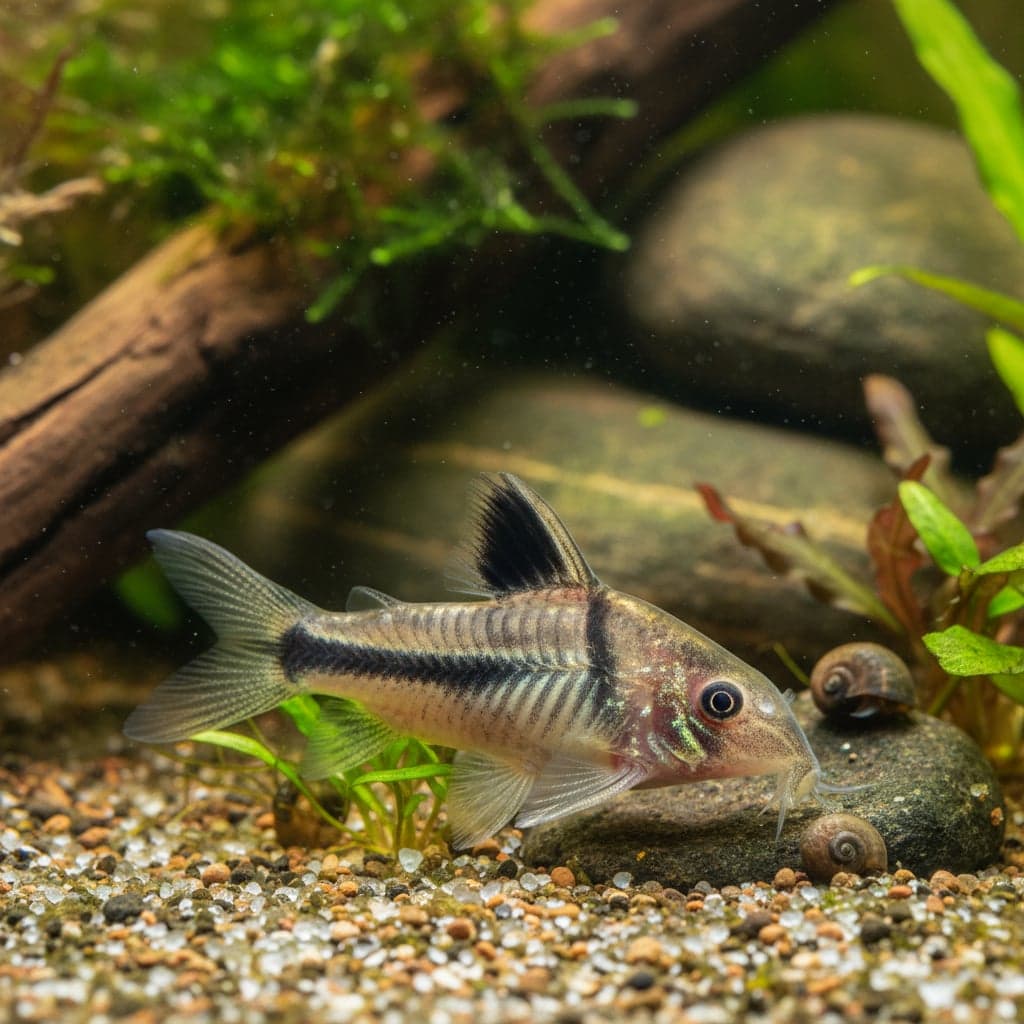
When selecting tank mates for Clown Killifish, it is essential to choose peaceful species that thrive in similar water conditions. Compatible tank mates include small tetras (like Neon Tetras and Ember Tetras), other killifish species, small rasboras, and peaceful dwarf cichlids. Avoid larger, aggressive fish that may outcompete them for food or potentially harm them, such as cichlids or fin-nippers like some barbs. Additionally, avoid dwarf gouramis and other top-dwelling species that may stress or intimidate the Clown Killifish.
Breeding
Breeding Clown Killifish in captivity can be a rewarding endeavor, although it requires specific conditions. To encourage spawning, it is recommended to set up a separate breeding tank with soft, slightly acidic water and ample hiding spots, such as spawning mops or finely leaved plants. The female will lay eggs on these surfaces, which are adhesive and require careful handling.
After spawning, the adults should be removed to prevent egg predation, as the hatchlings are quite vulnerable. The eggs typically hatch within 10-14 days, and once the fry are free-swimming, they can be fed infusoria or finely crushed flakes. Consistent, high-quality care during this initial growth phase is crucial for ensuring the fry's survival and development.
Common Health Issues
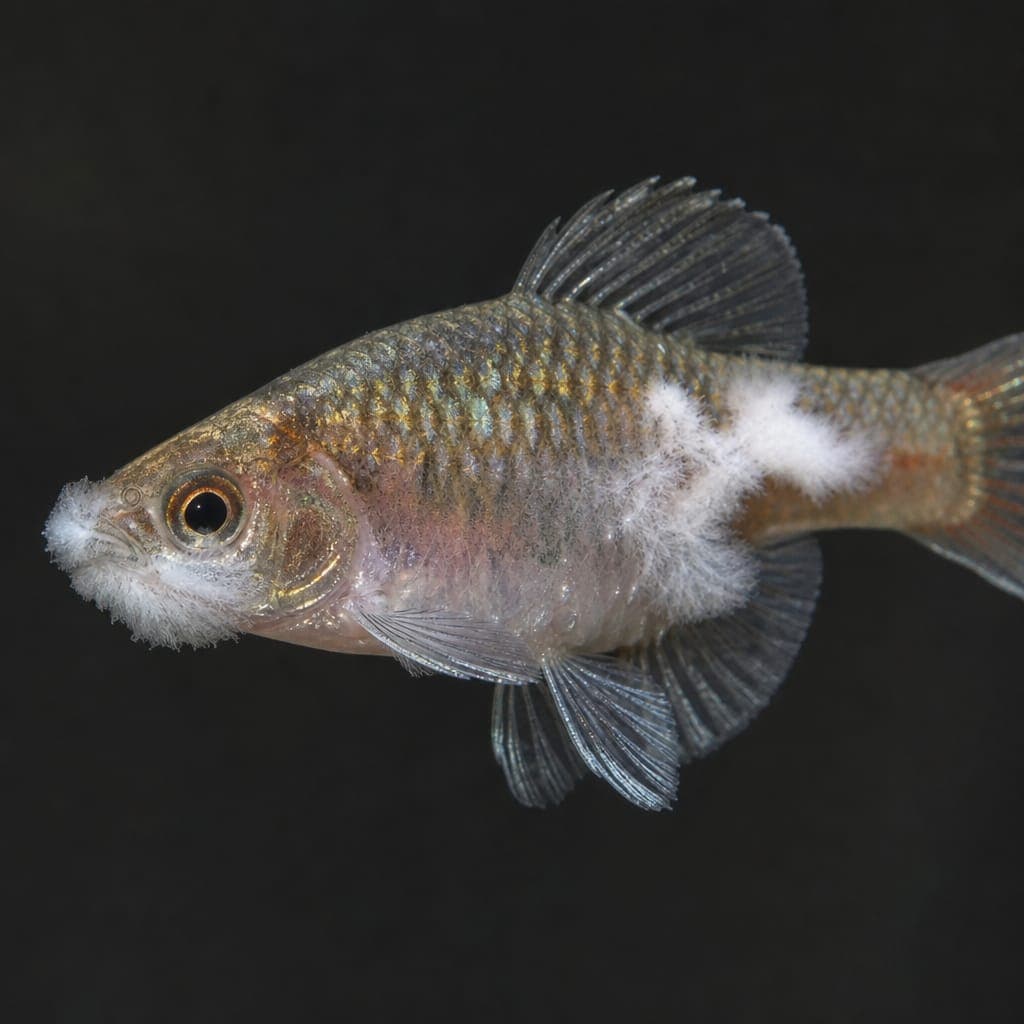
Clown Killifish are generally resilient, but they can be prone to specific health issues typical of freshwater fish. Common ailments include ich, fin rot, and fungal infections. To prevent these diseases, maintaining optimal water quality is paramount, alongside a stable environment. Regular monitoring of water parameters, ensuring proper tank hygiene, and minimizing stressors are vital for their health.
Additionally, quarantine any new arrivals before introducing them to the main tank to prevent introducing pathogens. Regular feeding of a balanced diet, along with routine water changes, will also support their immune systems, reducing the likelihood of common health issues and ensuring a thriving aquarium ecosystem.