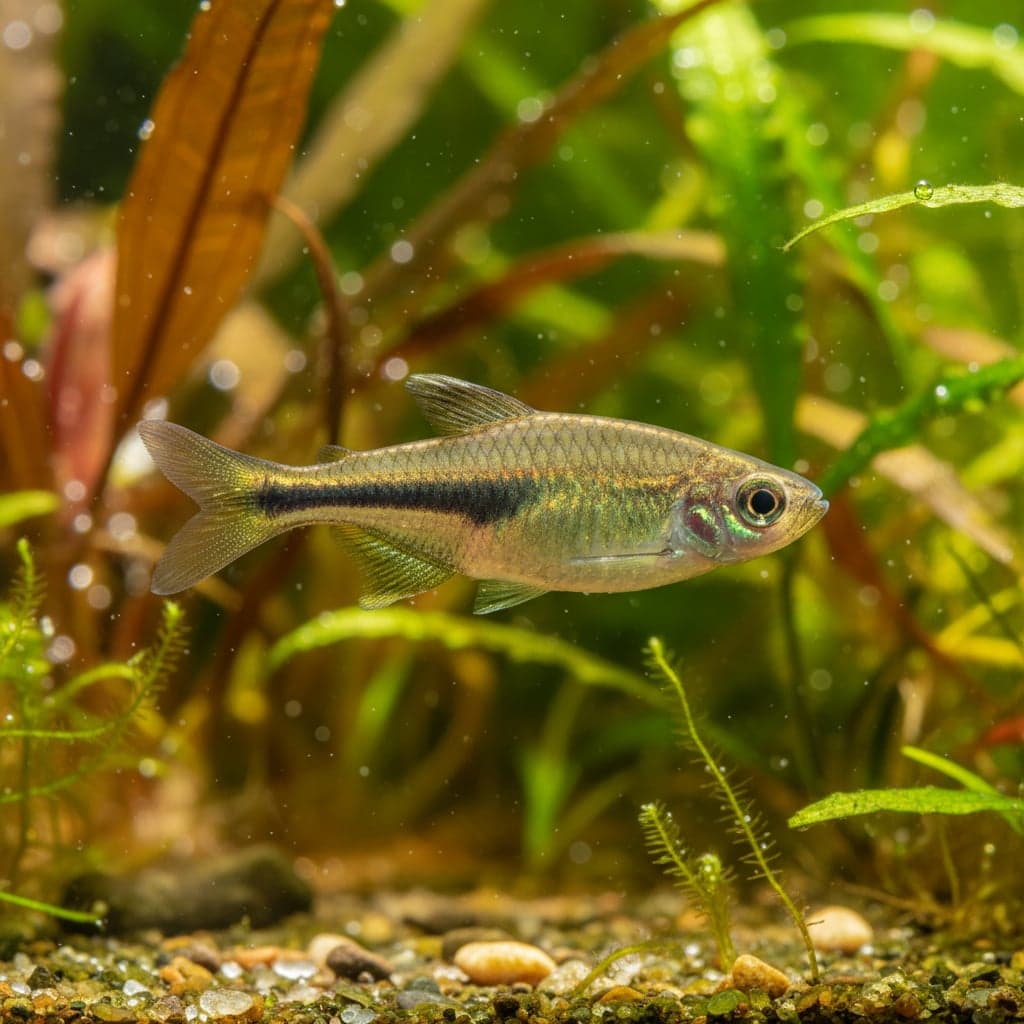
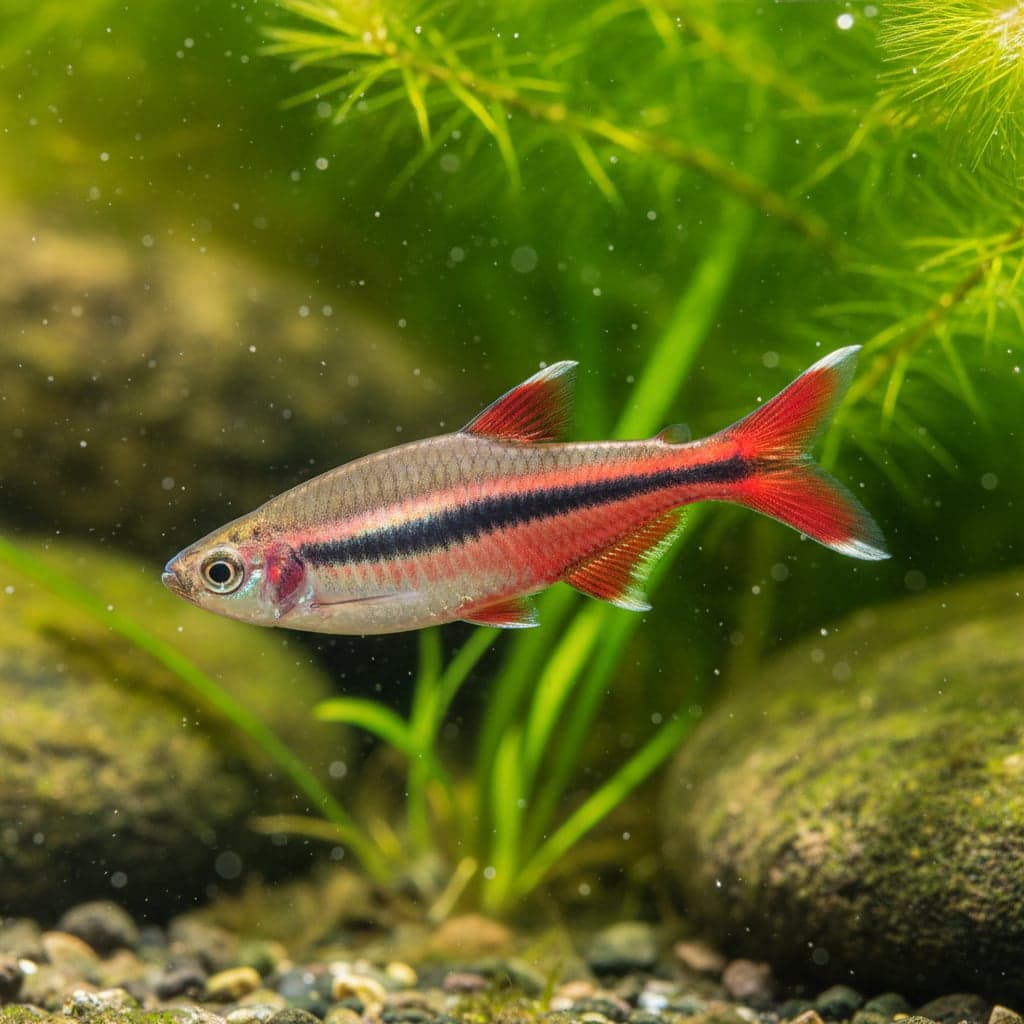
Clown Rasbora: Rasbora kalochroma
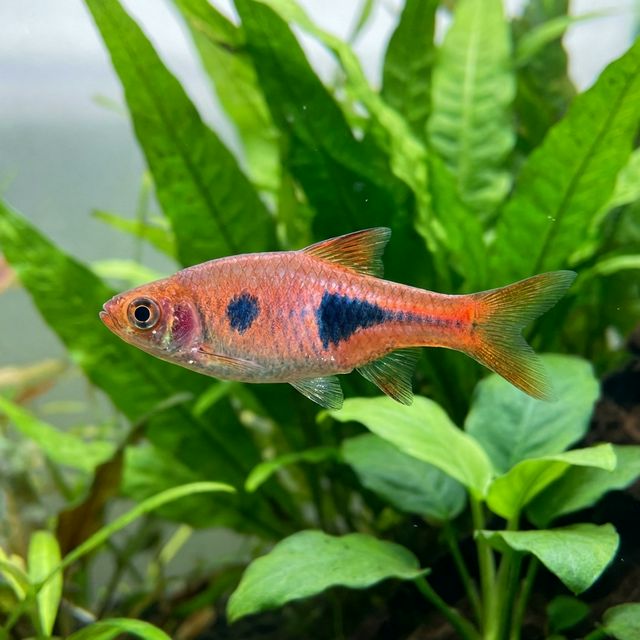
A large, striking rasbora with two large black spots and rosy-red body. From peat swamp forests.
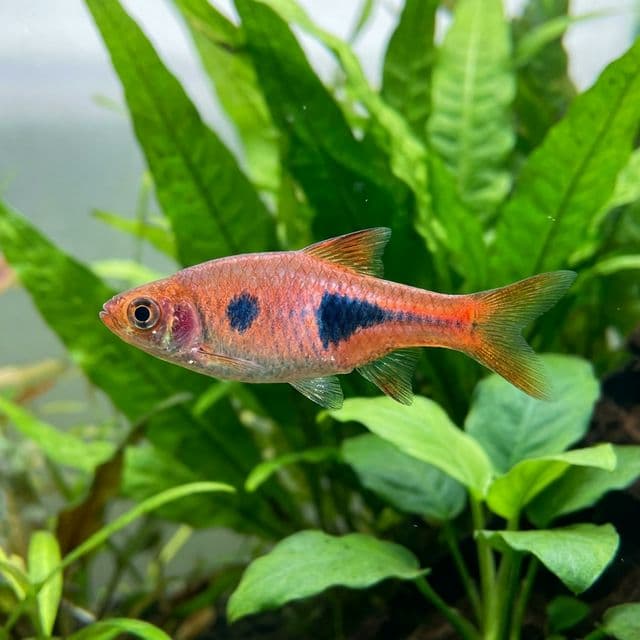
Clown Rasbora
The Clown Rasbora (Rasbora kalochroma) is a strikingly vibrant freshwater fish that has captured the hearts of aquarists around the globe. This small, peace-loving species exhibits a uniquely colorful appearance characterized by iridescent orange and yellow body coloration, complemented by bold black bands. These distinct markings not only enhance their visual appeal but also make them an intriguing addition to a well-planned aquarium environment. Measuring around 3 inches in length, Clown Rasboras thrive best when kept in groups, creating a dynamic display of movement and color, which adds life to any community tank.
In addition to their captivating aesthetics, Clown Rasboras hold significant value in the aquarium hobby for their ease of care and compatibility with other species. Their playful and social nature makes them ideal for hobbyists looking to create a peaceful community aquarium. Moreover, their adaptability to various water conditions lends flexibility in tank management. Given their popularity, ensuring ethical access and respiration measures for wild populations becomes increasingly crucial as more enthusiasts discover this vibrant species.
Natural Habitat & Origin
Clown Rasboras are native to Southeast Asia, primarily found in the soft, acidic waters of Borneo and Sumatra. In their natural habitat, these fish inhabit slow-moving rivers, swamps, and peat swamps characterized by dense vegetation. The water in these areas is often stained brown from organic materials, known as blackwater, creating a low-light environment that promotes the growth of shrubbery and aquatic plants. The Clown Rasbora thrives in such habitats where the water temperature averages between 75°F and 82°F, with a pH typically ranging from 5.5 to 7.0. Understanding their natural environment helps aquarists recreate similar conditions to ensure the health and well-being of this captivating species.
Care Requirements
Providing the appropriate care for Clown Rasboras involves replicating their natural habitat as closely as possible. The minimum tank size for a school of these fish should be at least 20 gallons, allowing ample swimming space and hiding spots. Essential water parameters comprise a soft hardness between 4-12 dGH, an overall pH of 5.5 to 7.0, and a temperature range of 75°F to 82°F. In terms of tank setup, a dark substrate mimicking their native environment aids in showcasing their vibrant colors. Additionally, incorporating live plants, driftwood, and rocks for shading will create a more natural ambiance. Moderate lighting is ideal, as it reflects their shady habitat while promoting plant growth.
Diet & Feeding
As an omnivorous species, the Clown Rasbora enjoys a varied diet that includes high-quality flakes, pellets, and both frozen and live foods. A balanced diet consisting of brine shrimp, daphnia, and micro worms supports their growth and vitality. While commercially available fish flakes and pellets are suitable, ensuring they contain adequate protein and vegetable matter is crucial. To enhance their coloration and overall health, try supplementing their diet with fresh vegetables, such as blanched spinach or zucchini, on occasion. Regular feeding schedules of small amounts multiple times a day will ensure they receive the proper nutrients without overfeeding, which can lead to water quality issues.
Behavior & Temperament
The Clown Rasbora exhibits a peaceful temperament, making it an excellent choice for community tanks. They are shoaling fish that thrive in groups of six or more, as this enhances their natural behavioral patterns, including social interactions and schooling habits. As active mid-to-top-level swimmers, Clown Rasboras make the most of their tank space by often occupying vertical columns of water, giving them ample room to explore. While generally non-aggressive, providing sufficient hiding spots can reduce any potential territorial behavior, especially during breeding.
Tank Mates
When selecting tank mates for Clown Rasboras, aim for other peaceful species that share similar water parameter preferences. Suitable companions include small tetras (like Neon Tetras), other Rasboras, small gouramis, and community-friendly catfish (like Corydoras). Avoid aggressive or larger fish that may outcompete or intimidate the Clown Rasbora, such as cichlids or fast-moving larger barbs. It's critical to ensure that each species has enough space and hiding spots in the tank to promote a tranquil and balanced community.
Breeding
Breeding Clown Rasboras in captivity can be rewarding but requires specific conditions to be successful. To initiate spawning, aquarists should provide a breeding tank with soft, slightly acidic water (pH 6.0-6.5). A lower lighting intensity will encourage spawning behavior, along with the addition of fine-leaved live plants for egg deposition. It is advisable to separate breeding pairs from the main tank to prevent other fish from consuming the eggs. Spawning typically occurs early in the morning, with a female laying up to 200 eggs, which hatch within 24 to 36 hours. Once fry are free-swimming, they can be fed infusoria or finely crushed flakes until they are large enough to consume more substantial foods.
Common Health Issues
Although Clown Rasboras are generally resilient, they can be susceptible to specific health issues typical in freshwater aquariums. Common diseases include ich (white spot disease), fin rot, and velvet disease, often caused by poor water quality or stress. Preventative measures include maintaining stable water parameters, regular tank cleanings, and ensuring proper quarantine procedures for new arrivals. Regularly observing your fish can help catch signs of potential problems early, enabling prompt treatment to keep your Clown Rasboras healthy and thriving in their aquatic environment.