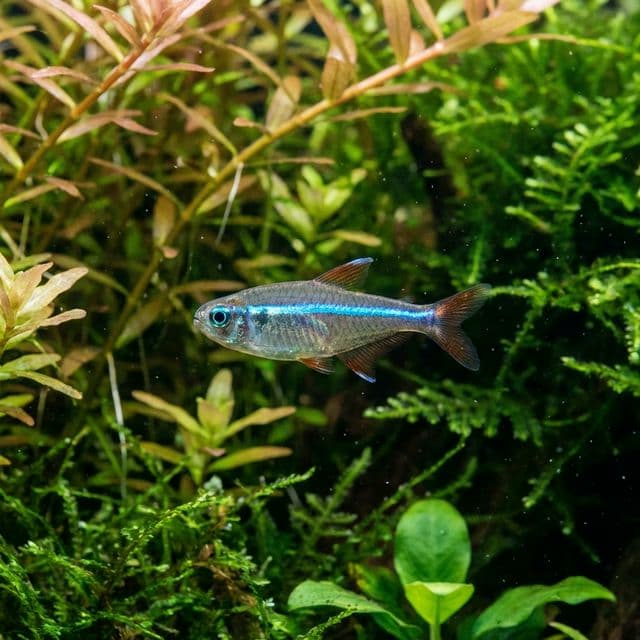
Colombian Tetra: Hyphessobrycon columbianus
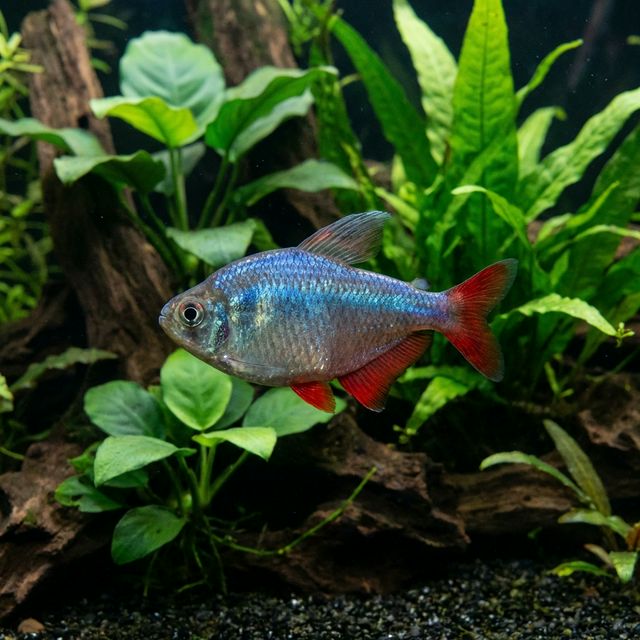
A robust, beautiful tetra with a metallic blue body and bright red tail. Hardy community fish.
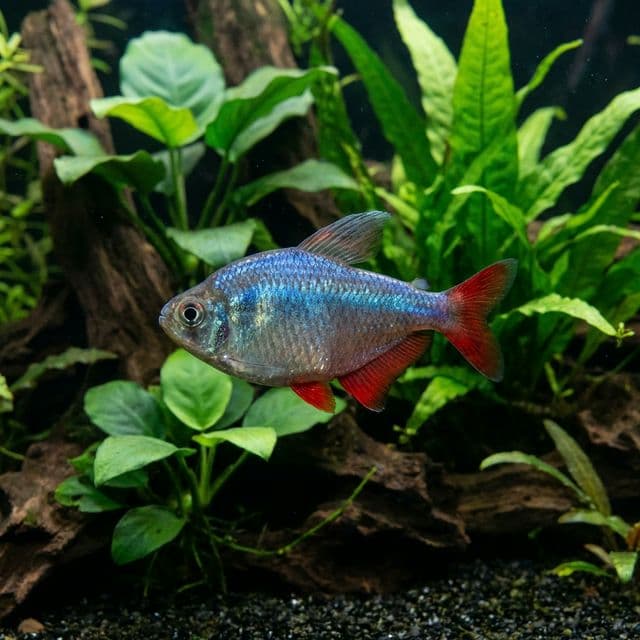
Colombian Tetra
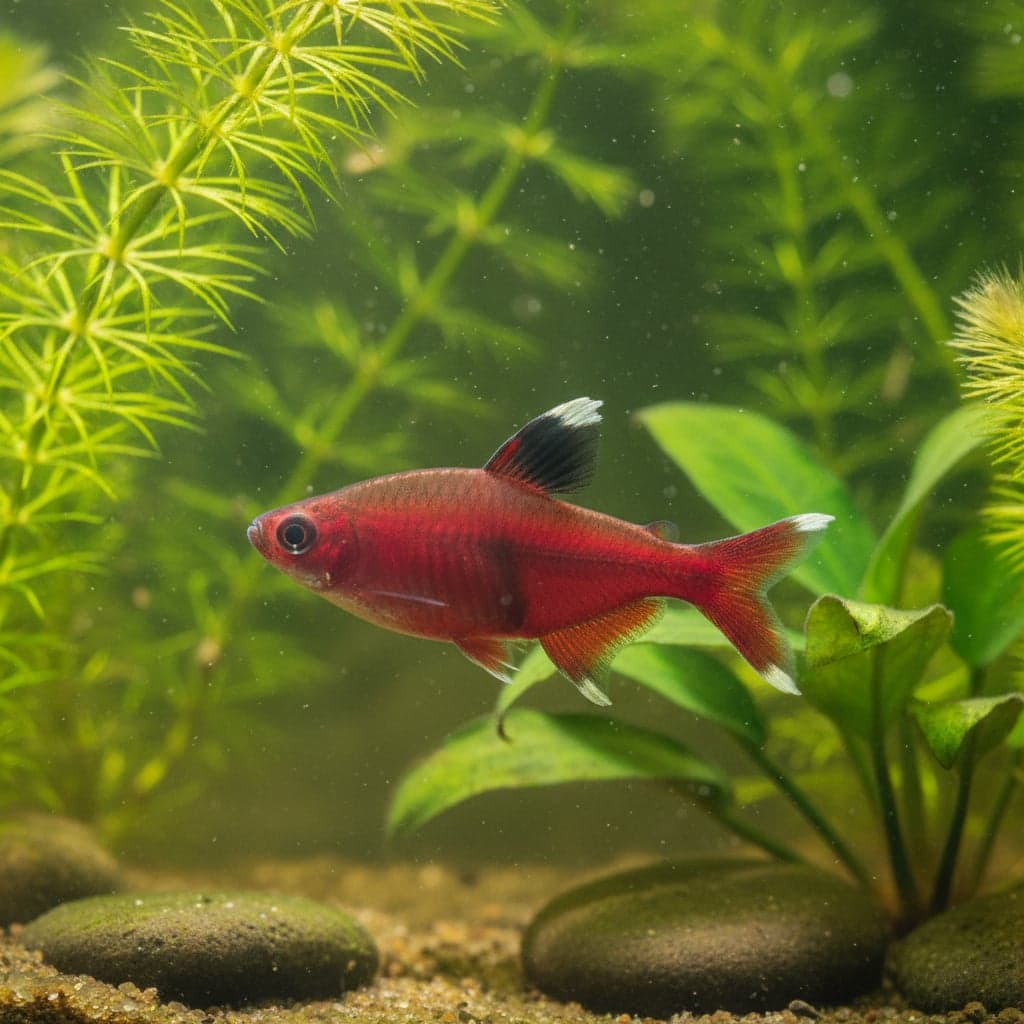
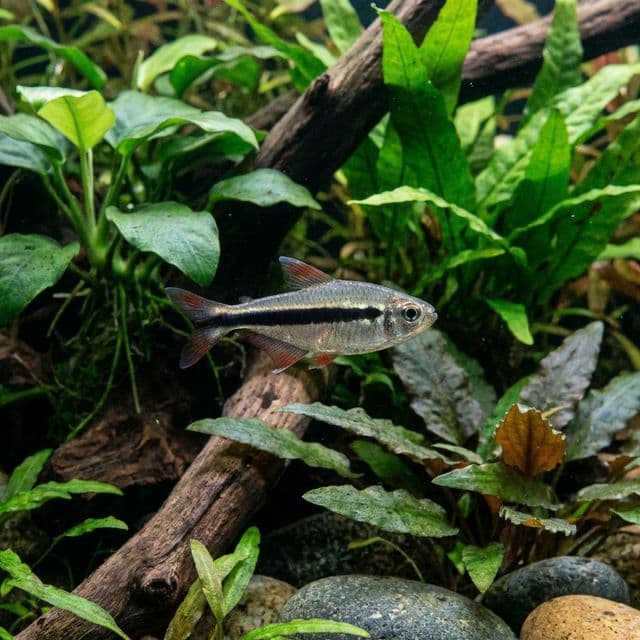
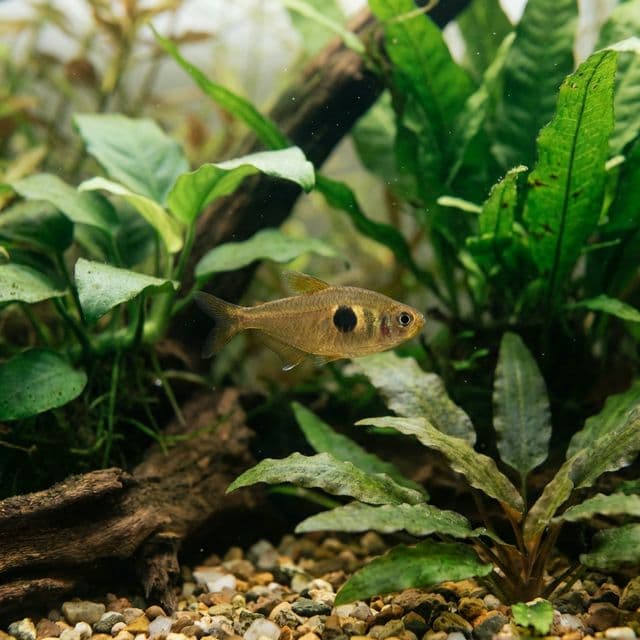
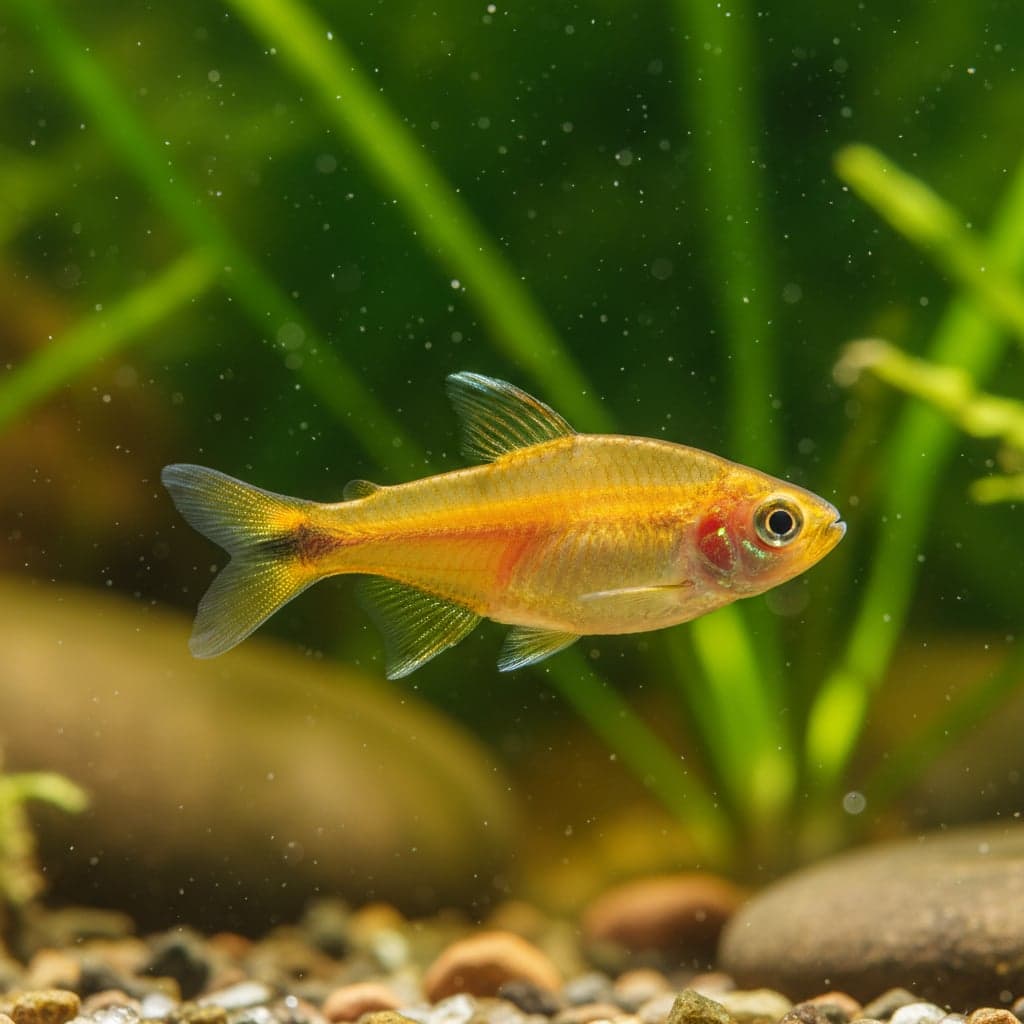
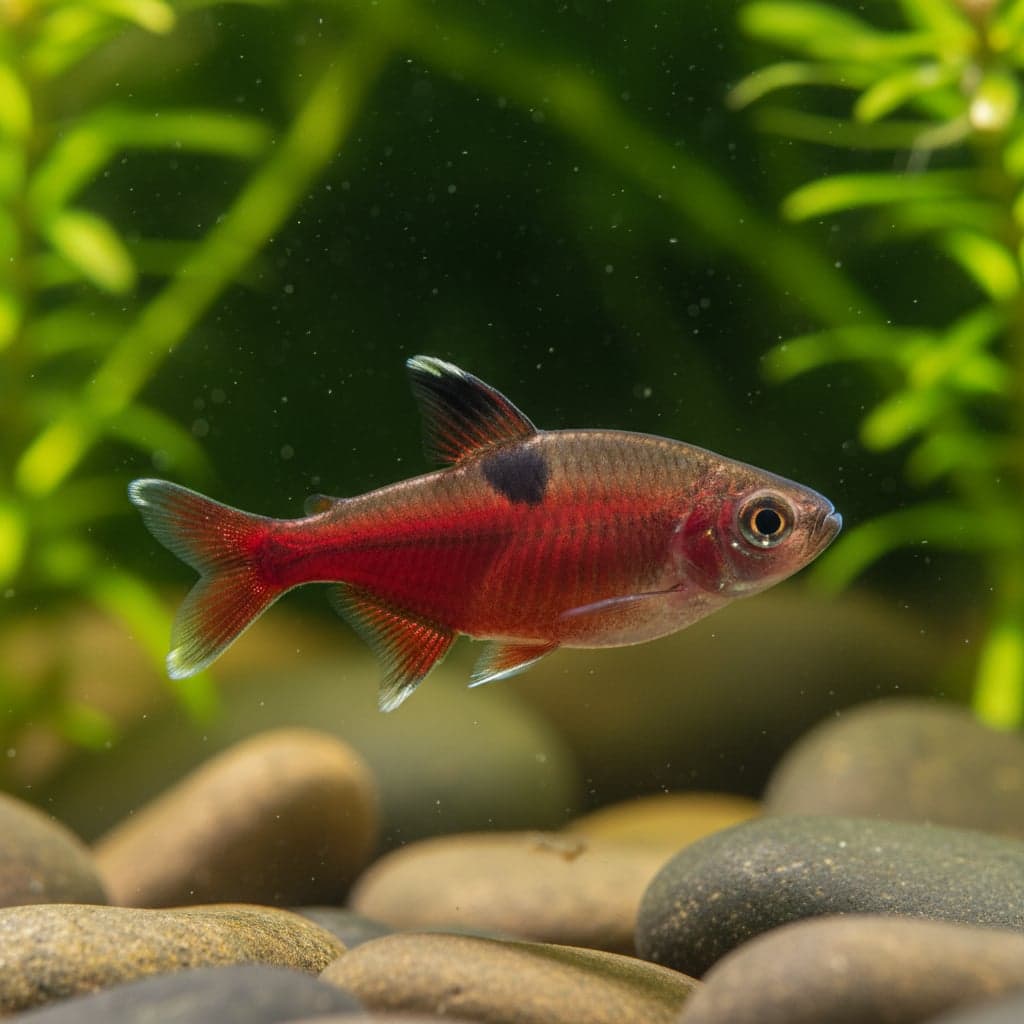
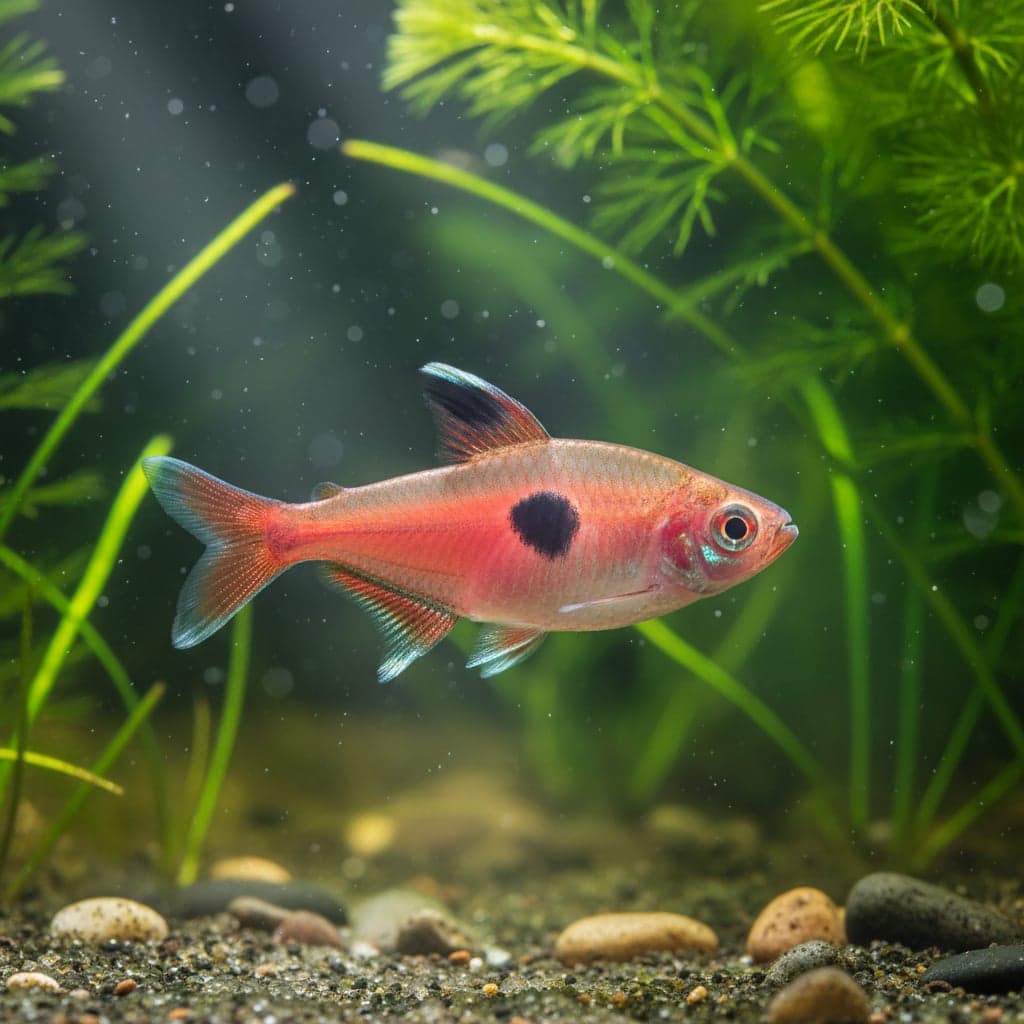
The Colombian Tetra, scientifically known as Hyphessobrycon columbianus, is a captivating freshwater fish that has garnered popularity among aquarium enthusiasts due to its striking appearance and lively behavior. With a remarkable body shape that resembles a diamond, the Colombian Tetra showcases a vibrant palette of colors, primarily featuring a shimmering silver body adorned with a spectrum of blue, green, and yellow hues. The most notable feature is the iridescent blue stripe that runs horizontally from its nose to its base fin, making it a fascinating addition to community tanks and biotope setups alike.
Beyond its aesthetic appeal, the Colombian Tetra holds a significant place in the aquarium hobby. This species is not only a striking display of nature's beauty but also represents the biodiversity found in South American waterways. Its active schooling behavior and relatively tranquil nature make it an ideal candidate for beginners and seasoned aquarists alike. As more people embrace home aquariums, the Colombian Tetra continues to be a favorite choice due to its hardy disposition and compatibility with a wide range of tank mates.
Natural Habitat & Origin
The Colombian Tetra hails from the diverse freshwater ecosystems of Colombia and parts of Venezuela. It naturally inhabits slow-moving rivers, streams, and floodplain habitats characterized by blackwater regions, where the water is stained dark due to the presence of organic materials like decomposed leaves and wood. This unique environment creates a rich, acidic habitat that is essential for the growth of various aquatic plants, providing shelter and food sources for the Colombian Tetra and its fellow inhabitants. The temperatures in these natural habitats typically range from 23°C to 28°C (73°F to 82°F), making it crucial for aquarists to replicate these conditions in captivity.
In their native habitats, Colombian Tetras thrive in warm, low-light environments that mimic the dappled sunlight filtering through dense vegetation along the water's surface. As such, aquarists should strive to create a biotope that reflects these elements, utilizing dark substrates to replicate the rich silt found in the wild and incorporating live plants and driftwood to provide hiding spaces and stimulation for these active fish.
Care Requirements
When keeping Colombian Tetras, attention to water parameters is vital for their health and well-being. It is recommended to maintain a pH range of 6.0 to 7.5, with a temperature between 24°C and 27°C (75°F to 81°F). The water hardness should ideally be kept between 4-15 dGH. A well-cycled aquarium, ideally at least 20 gallons, is suggested to provide ample swimming space for schooling fish, as well as to maintain stable water conditions.
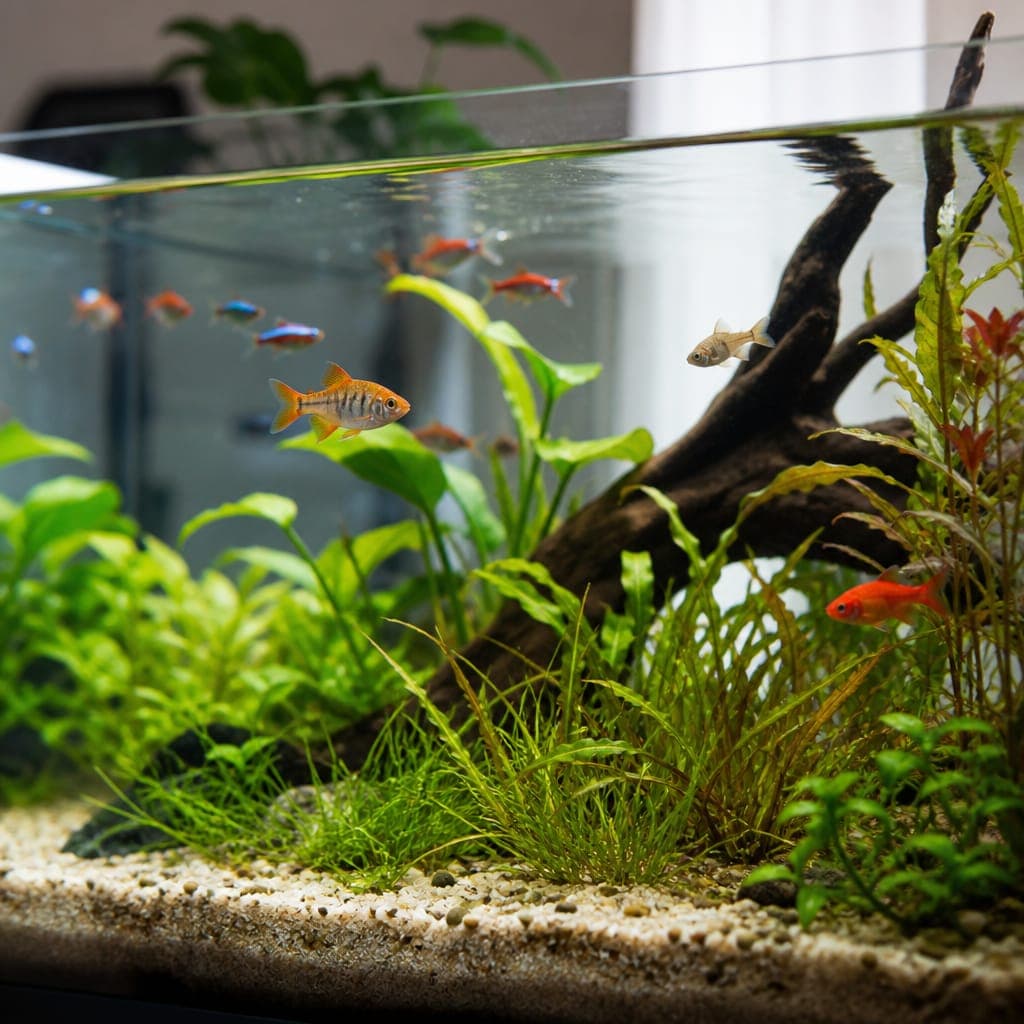
For tank setup, consider using a dark substrate to mimic their natural environment, which will enhance their colors and create a more comfortable atmosphere. Incorporate plenty of plants, such as Java fern or Amazon sword, to provide shelter, along with driftwood that can serve as both decor and resting spots. Lighting should be moderate to low, as bright light can stress these fish; consider using floating plants to diffuse the light and provide shade. Additionally, a good filtration system is crucial to maintain water clarity and quality, as Colombian Tetras are sensitive to poor water conditions.
Diet & Feeding
Colombian Tetras are omnivorous, and their diet in captivity should reflect their natural foraging behavior. A balanced diet consisting of high-quality flakes or small pellets formulated for tropical fish can provide the base nutrition they require. Additionally, incorporating a variety of live or frozen foods, such as brine shrimp, daphnia, and bloodworms, can enhance their diet and bring out their vibrant colors. It is recommended to feed them multiple small meals throughout the day rather than a single large feeding, as this helps promote better digestion and mimics their natural feeding habits.
To ensure optimal health and coloration, consider supplementing their diet with plant-based options such as spirulina flakes or blanched vegetables like zucchini and spinach. These offer essential nutrients and can encourage natural foraging behaviors. Always ensure that any uneaten food is promptly removed to maintain water quality.
Behavior & Temperament
Colombian Tetras are known for their active and social nature, preferring to group together in schools of six or more individuals. This schooling behavior not only promotes their safety in the wild but also creates a dynamic and engaging display in the aquarium. These fish are generally peaceful and can coexist well with other non-aggressive species, making them suitable for community tanks. However, they can display some territorial behavior, especially if kept in smaller groups or tanks.
In terms of vertical placement, Colombian Tetras tend to inhabit mid to upper levels of the tank. They will often venture toward the surface for food, but they also enjoy swimming amongst the plants and driftwood, making the entire tank an active playground. Observing their social interactions and playful demeanor can be a rewarding experience for aquarists.
Tank Mates
Choosing compatible tank mates for the Colombian Tetra is essential for a harmonious aquarium environment. Ideal companions include other peaceful species such as Neon Tetras, Corydoras Catfish, Guppies, and various types of Rasboras. They also do well with smaller to medium-sized fish that exhibit similar temperaments, such as the Zebra Danio or the Cherry Shrimp.
Conversely, it is advisable to avoid keeping Colombian Tetras with aggressive or fin-nipping species. Fish like Cichlids, aggressive barbs, or certain larger tetras may intimidate or harass them, leading to stress or injury. Additionally, avoid keeping them with very small fish that may be viewed as prey. Maintaining a community of compatible species will contribute to a thriving aquarium ambiance.
Breeding
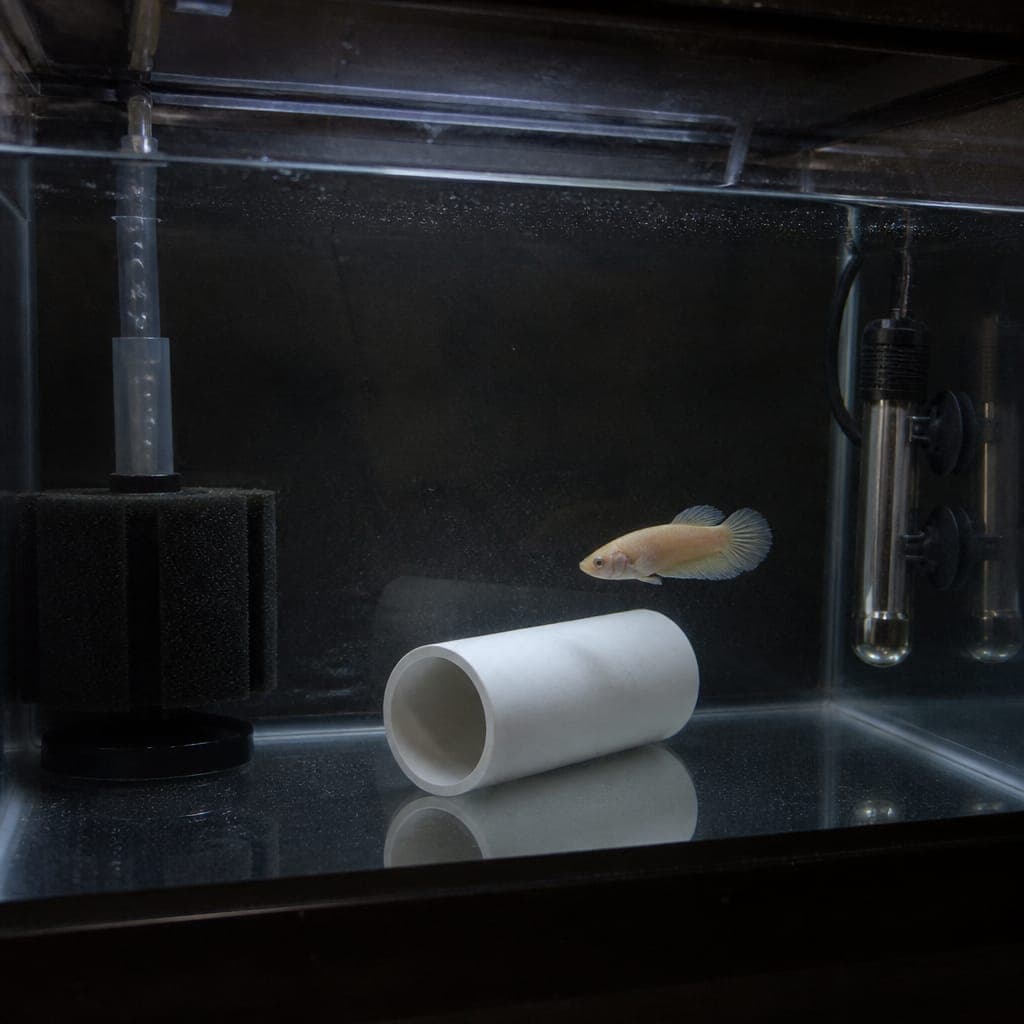
Breeding Colombian Tetras in captivity can be a rewarding venture, though it requires specific conditions to ensure successful spawning. To initiate breeding, a separate breeding tank is recommended, ideally containing soft, slightly acidic water with a pH of around 6.0 and a temperature of approximately 26°C (78°F). Providing dense vegetation, such as spawning mops or fine-leaved plants, will offer the required hiding spots for the eggs.
During breeding, the male Colombian Tetra will exhibit bright colors and engage in courtship behavior, which involves swimming alongside the female and showing off their iridescent fins. Once the female is ready, she will scatter dozens of adhesive eggs on the plants or substrate. After spawning, it is crucial to separate the adults from the eggs as they may eat them. The eggs typically hatch within 24-36 hours, and the fry will become free-swimming a few days later, requiring infusoria or finely crushed flakes for initial feeding.
Common Health Issues
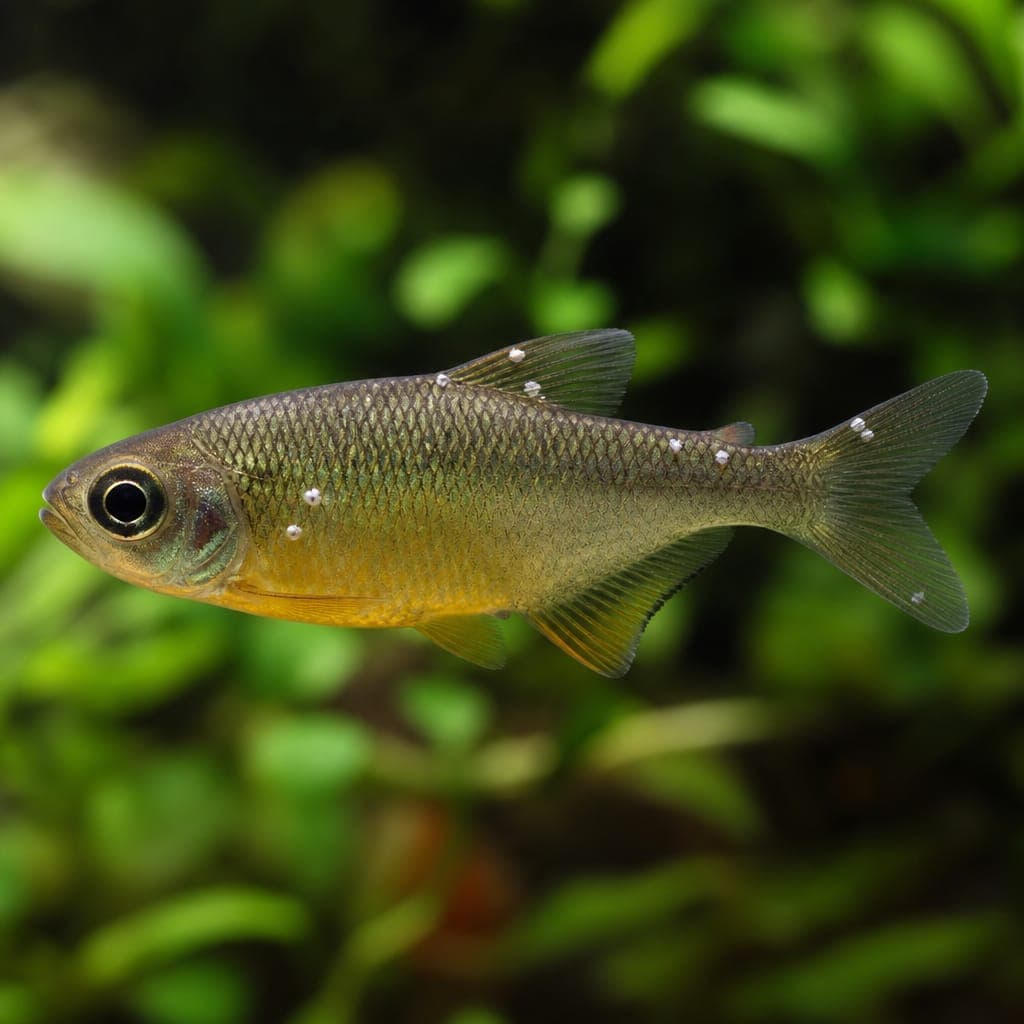
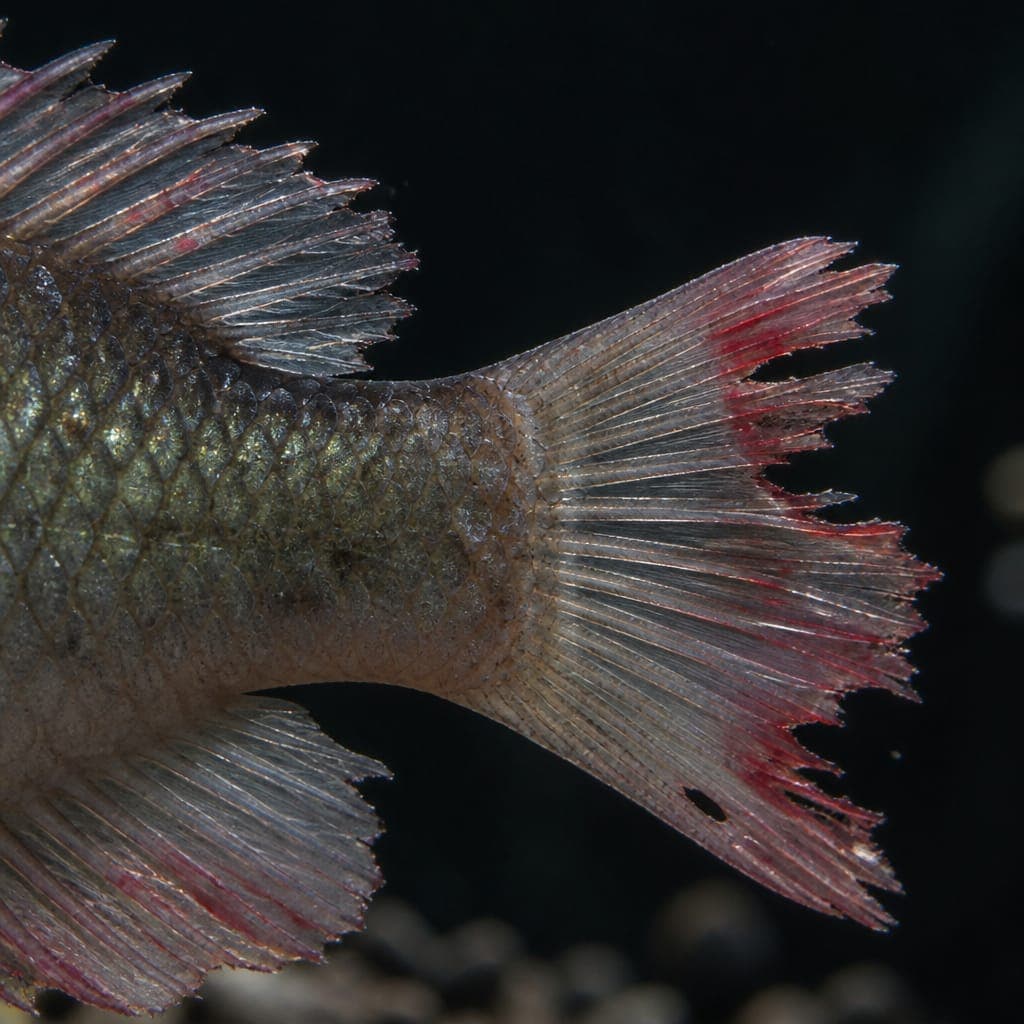
Like many aquarium fish, Colombian Tetras may be susceptible to various health problems, particularly if water quality is not adequately maintained. Common issues include ich (white spot disease), fin rot, and various forms of bacterial infections. Preventative measures include maintaining stable water parameters, ensuring a clean and well-filtered environment, and avoiding overcrowding in the tank.
Other common maladies can arise from stress or insufficient nutrition, so providing a balanced diet and ensuring compatible tank mates are crucial. Regular monitoring for signs of illness, such as abnormal swimming behavior, changes in appetite, or physical abnormalities, can lead to early intervention and treatment, significantly improving the odds of recovery. Keeping a well-maintained, stable aquarium with consistent water changes and a quarantine protocol for new fish will keep Colombian Tetras healthy and brightly colored for years.