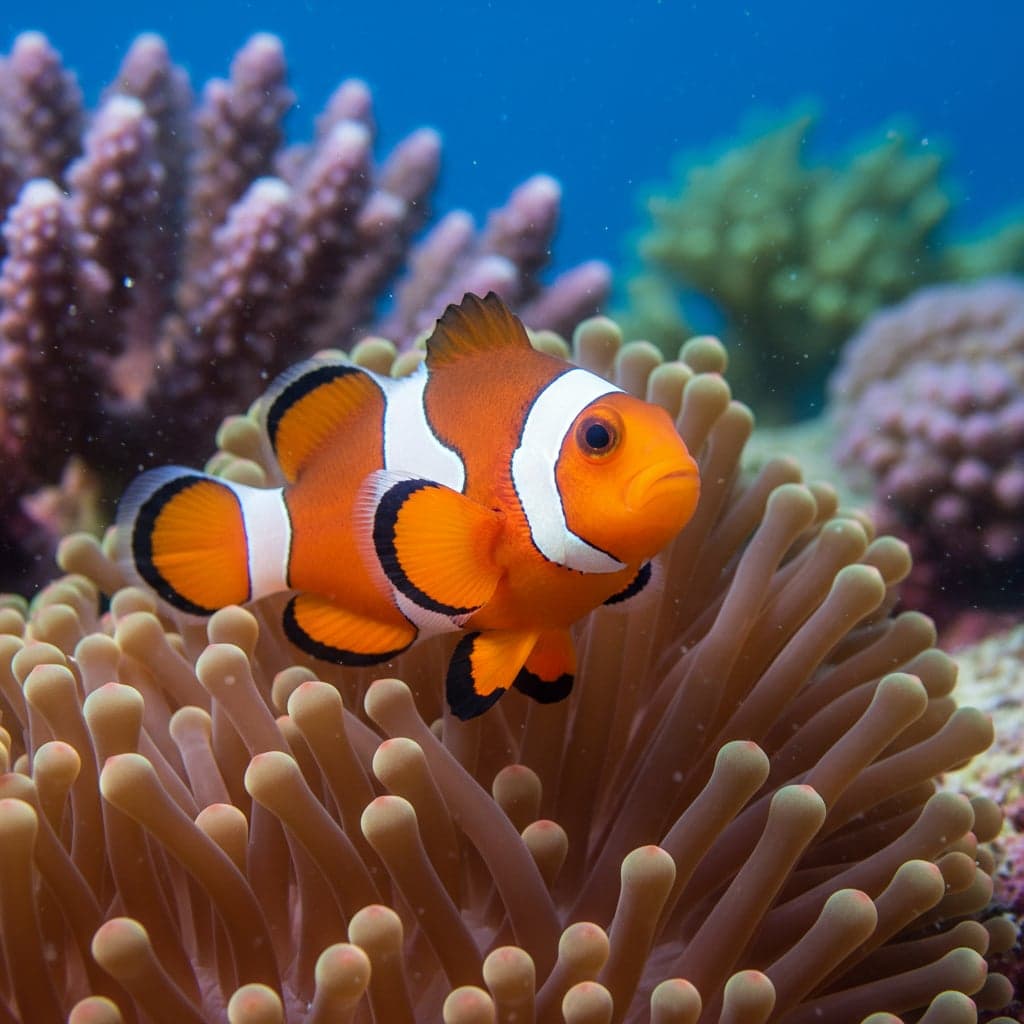
Common Clownfish
The 8cm clownfish everyone pictures. Hardy, widely captive-bred, and it does not need an anemone — one of the few genuinely beginner-friendly marine fish.
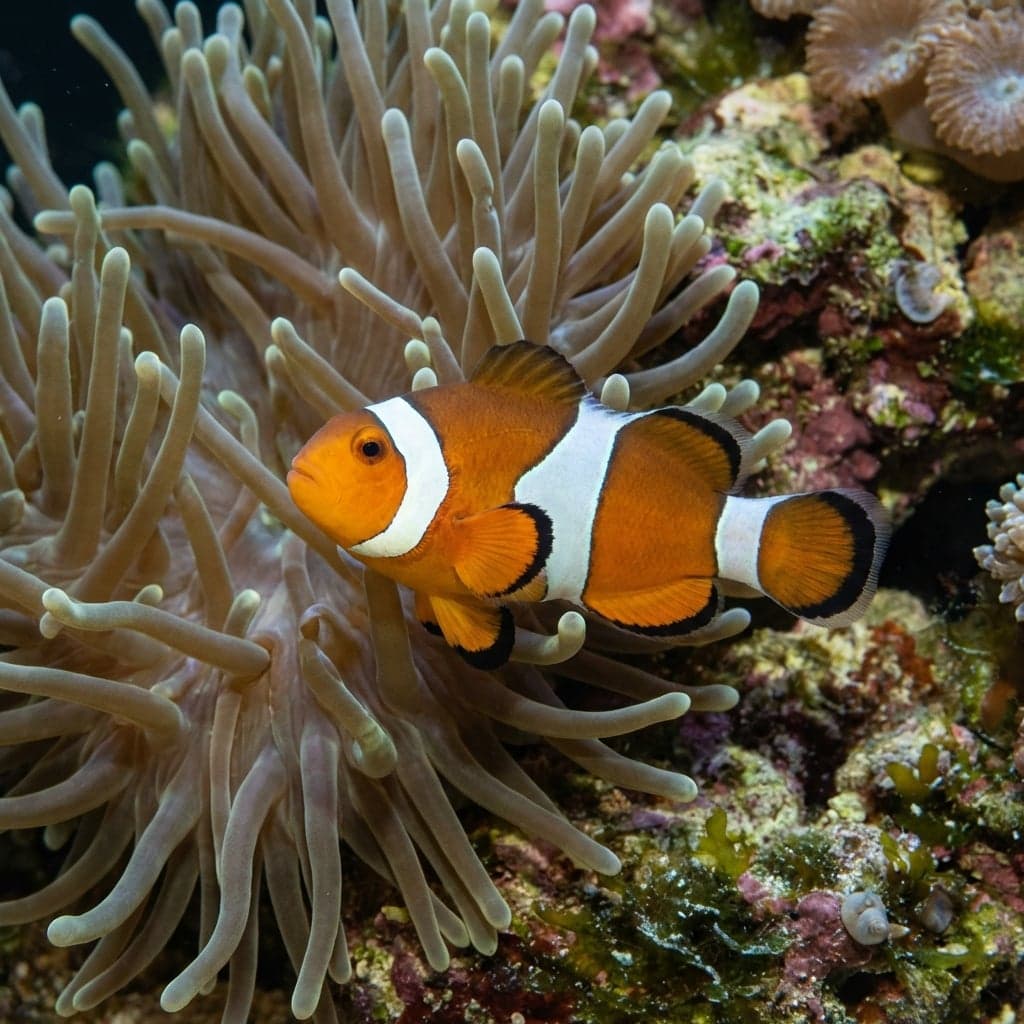
Common Clownfish
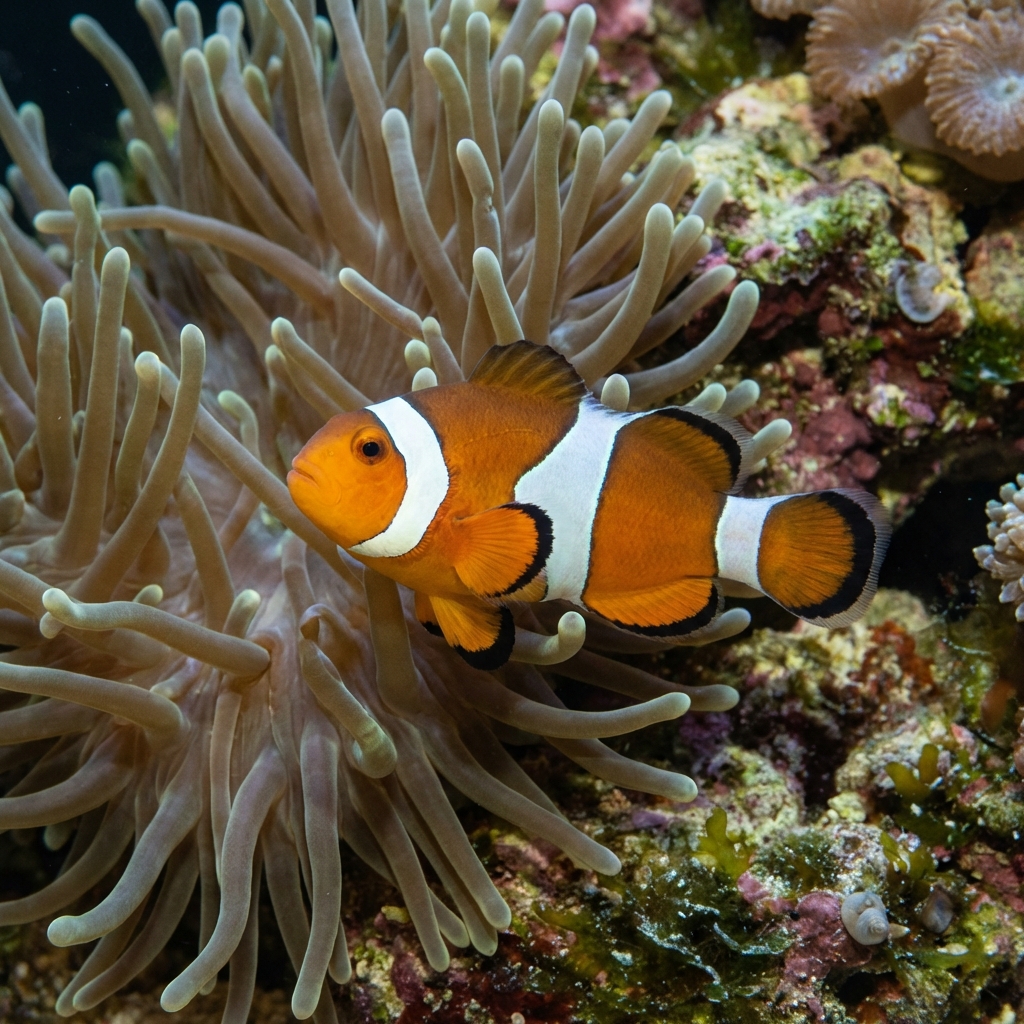
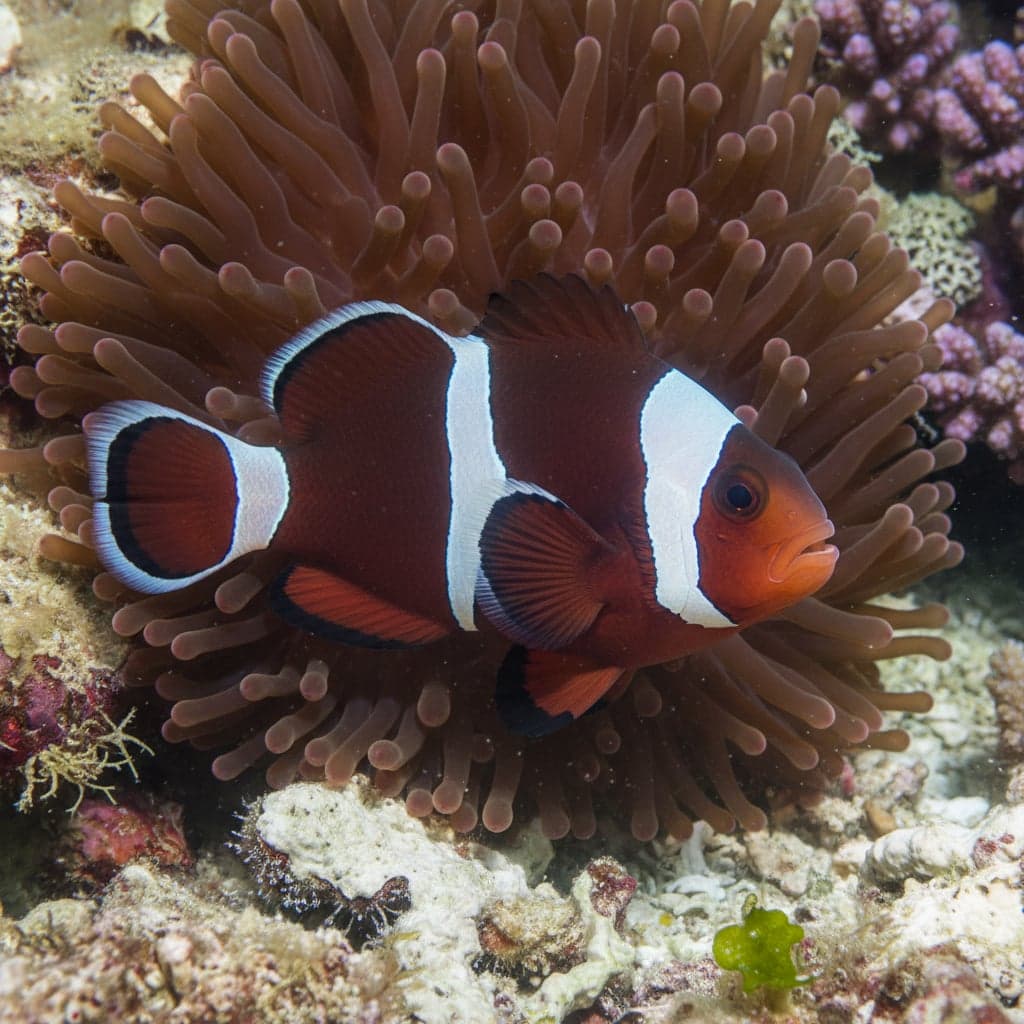
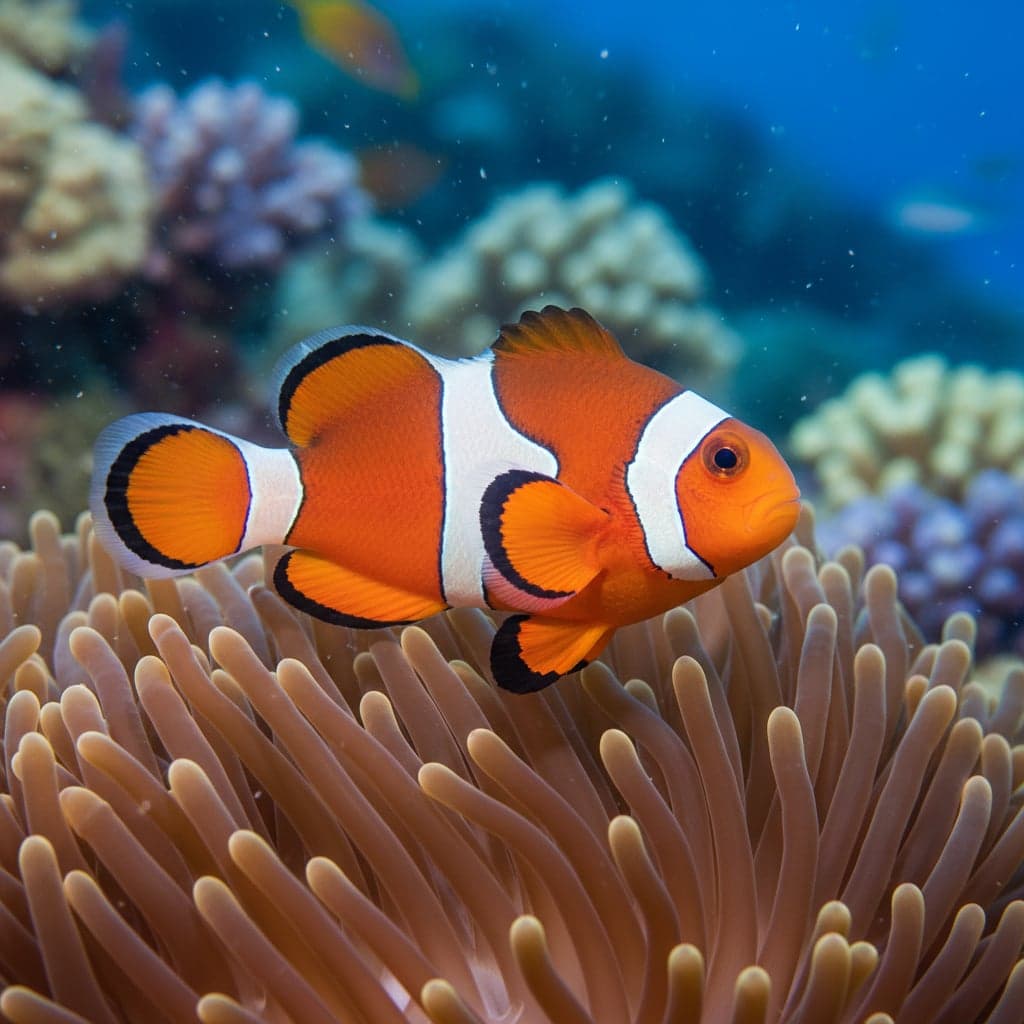
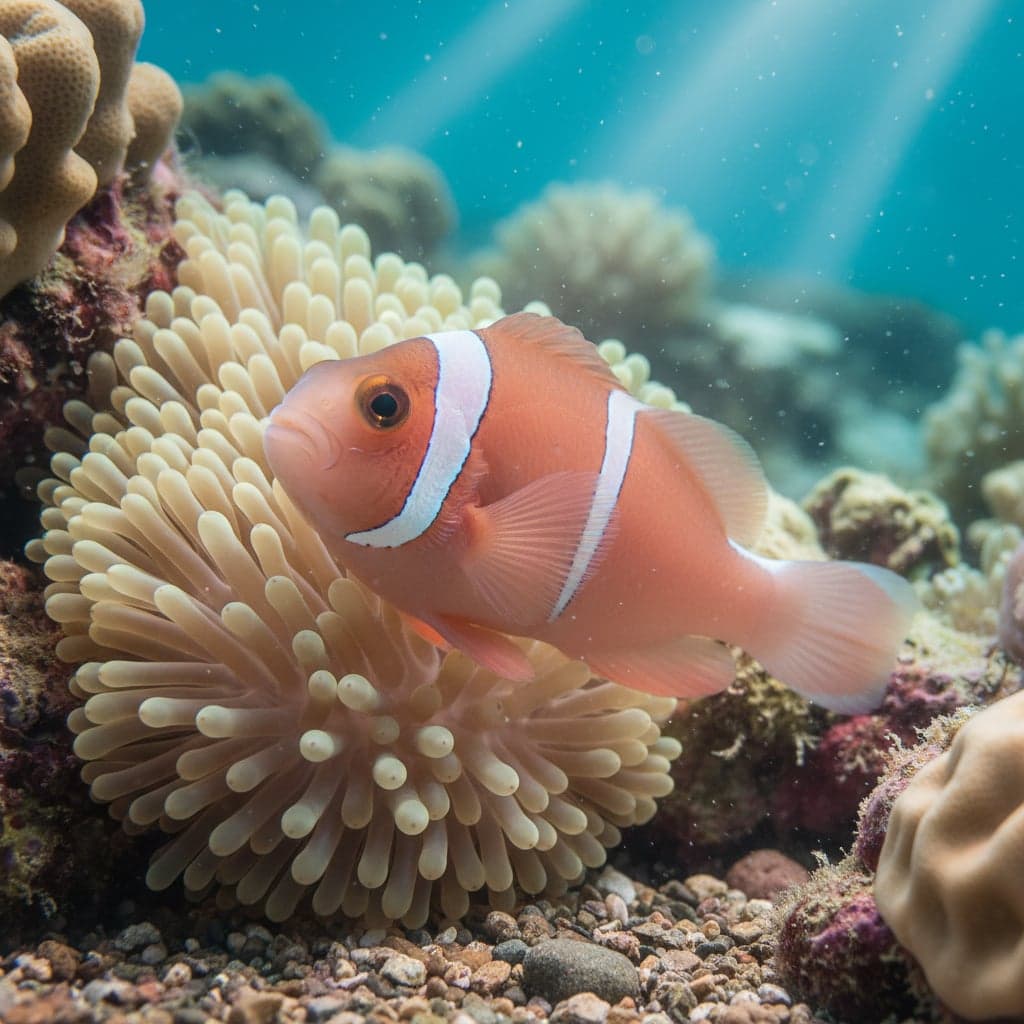
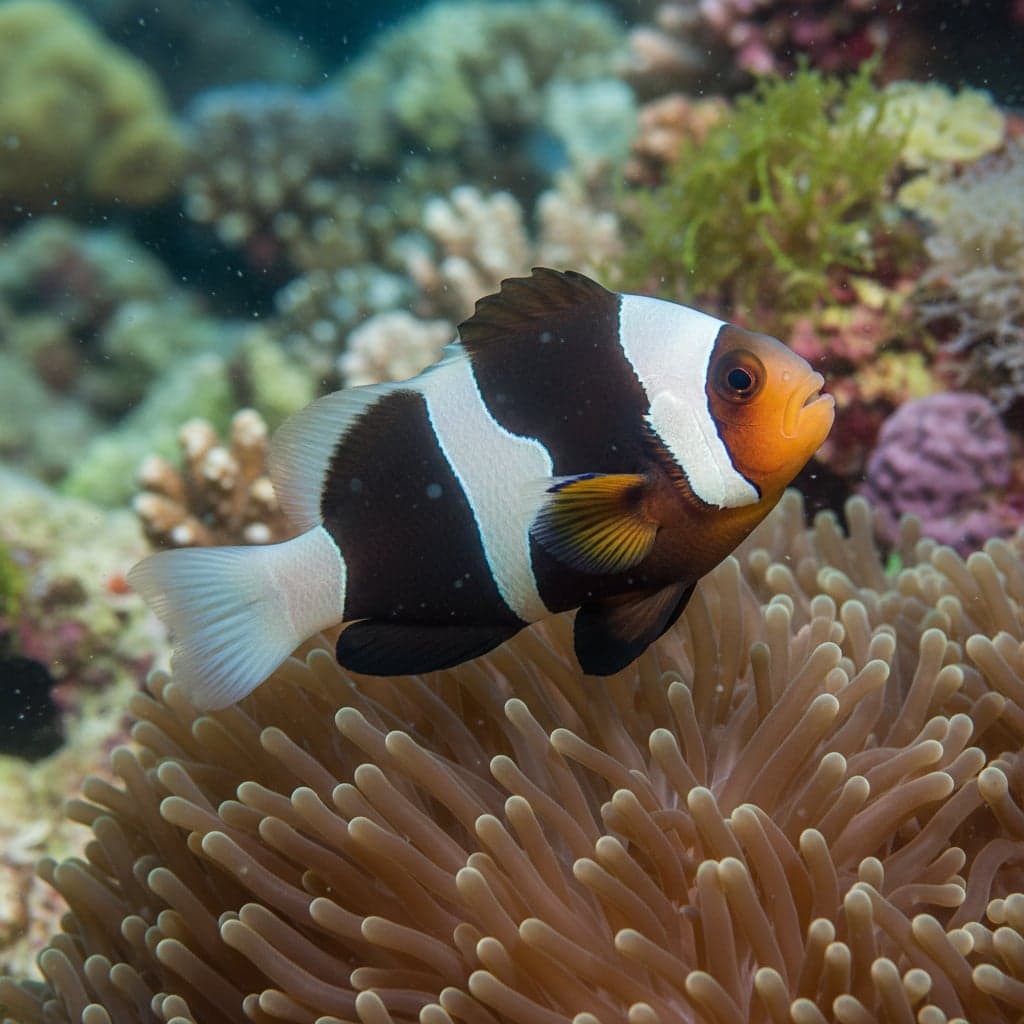
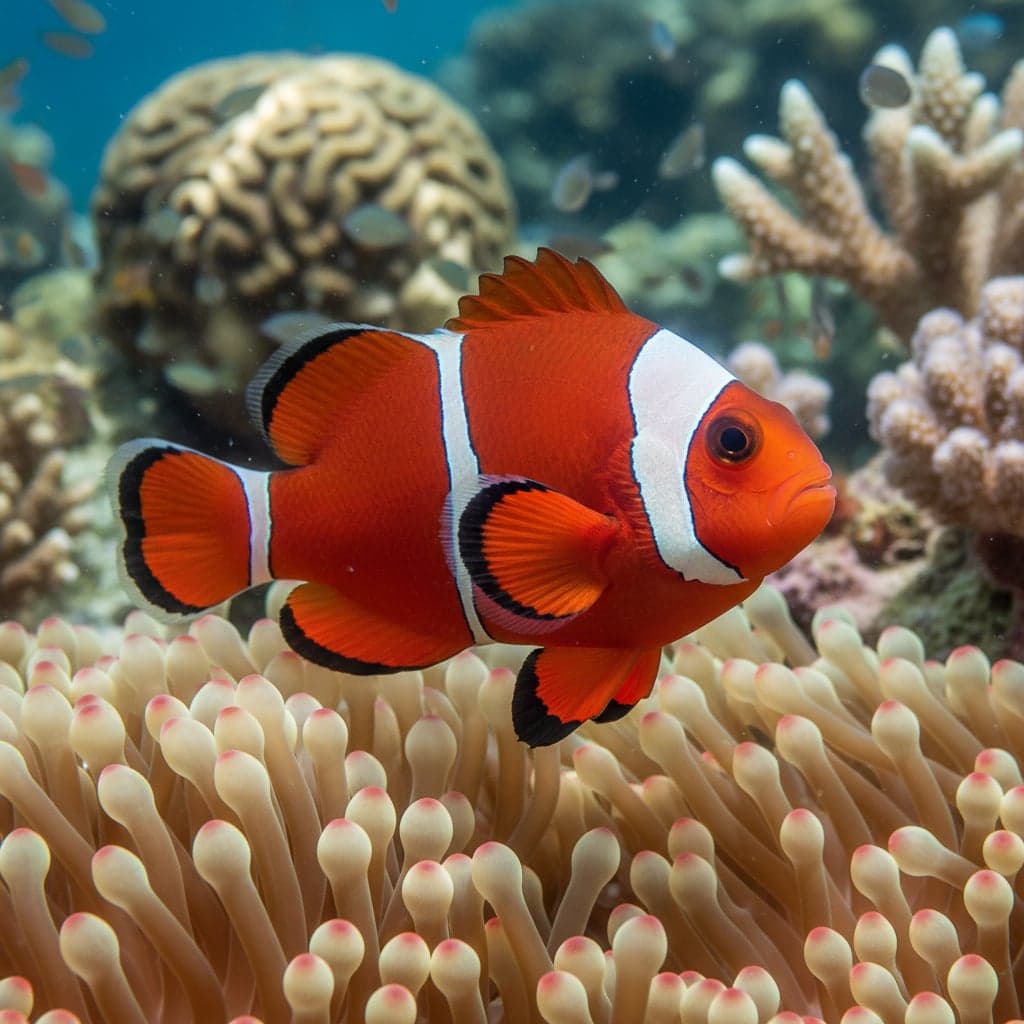
The Common Clownfish, scientifically known as Amphiprion ocellaris, is perhaps one of the most recognizable marine fish, thanks to its vibrant orange color and distinctive black stripes. These fish have a unique appearance, resembling small swimming ornaments in any aquarium setting. Their bright hues, ranging from deep orange to pale yellow with striking black margins, create an eye-catching display that appeals to novice and veteran aquarists alike. Not only is the Common Clownfish captivating to the eye, but it also plays an integral role in the marine ecosystem and the aquarium hobby. They have a symbiotic relationship with anemones, offering protection and, in return, gaining safety from predators.
In the aquarium hobby, the Common Clownfish holds substantial significance as a beginner-friendly species that can adapt well to captive conditions. Its endearing personality, characterized by curious behavior and playful interactions, makes it a favorite among fishkeepers. Furthermore, the availability of captive-bred specimens has reduced the pressure on wild populations, promoting sustainable practices in the marine aquarium community. With proper care and appropriate tank conditions, the Common Clownfish can thrive, offering both aesthetic beauty and a fascinating glimpse into marine life.
Natural Habitat & Origin
The Common Clownfish is indigenous to the warm, shallow waters of the Pacific Ocean, primarily found around the reefs of the Great Barrier Reef and the Marine Protected Areas of Southeast Asia. This species tends to inhabit clear waters, often residing among the tentacles of sea anemones. These anemones serve as both shelter and a hunting ground for the Common Clownfish, exhibiting a unique mutualistic relationship that is vital for its survival. In the wild, the Common Clownfish darts in and out of the anemone’s protective tentacles, which provide refuge from larger predators while granting the anemone nutrients from leftover food and organic waste.
Typically found in coral reefs and lagoons, the Common Clownfish thrives in water temperatures ranging from 75°F to 82°F. The environment consists of a diverse range of organisms, from reef structures to other marine life, contributing to their rich habitat. Observations show that these fish tend to stay close to their anemones, creating a confined yet dynamic living situation that benefits both parties involved.
Care Requirements
To maintain optimal health and vitality, the Common Clownfish requires specific water parameters. Ideal conditions include a pH of 7.8 to 8.4, a temperature of 75°F to 82°F, and a hardness of 8-12 dGH. When setting up a tank for this species, a minimum size of 75 litres (20 gallons) is recommended for a pair — these 8cm beginner marine fish need stable water and modest territory more than a long swimming run. The substrate can vary from fine sand to larger gravel, with an emphasis on providing hiding spots and natural decor. Live rock and ceramic structures help mimic their natural habitat while promoting beneficial bacteria growth.
In terms of lighting, moderate intensity is ideal, complemented by the addition of live plants or corals if desired. Although the Common Clownfish can adapt to various environments, maintaining excellent water quality through regular water changes and filtration is crucial. Creating a stress-free environment with stable parameters will encourage active behavior and reduce susceptibility to disease.
Diet & Feeding
The Common Clownfish is omnivorous, thriving on a varied diet that includes both plant and animal matter. In captivity, it is essential to replicate a balanced nutrition plan, incorporating high-quality flakes or pellets designed specifically for marine species. Additionally, feeding frozen or live foods such as brine shrimp, mysis shrimp, and finely chopped seafood can be highly beneficial for their health and growth.
It is advisable to feed these fish two to three times a day in small amounts, ensuring they consume all food within a few minutes. This feeding routine helps avoid overfeeding, which can lead to water quality issues and health problems. Periodic inclusion of vegetable matter, such as spirulina or algae sheets, ensures that they receive essential nutrients for optimal health.
Behavior & Temperament
Common Clownfish are known for their vibrant personalities and intriguing behavior. The species is generally territorial and enjoys establishing ownership over its chosen host anemone or any other hiding spot within the tank. They exhibit curious and interactive qualities, often approaching their keeper during feeding times. This behavior makes them an engaging species for fish lovers, especially in community tanks where they can showcase their vibrant presence.
While these fish can coexist peacefully with compatible tank mates, their temperament can differ based on individual personalities. Common Clownfish typically prefer to establish a hierarchy, especially in groups, and may show signs of aggression towards similar species. They exhibit vertical swimming patterns, often hovering near the substrate and the upper portions of the tank, as they alternately search for food and explore their environment.
Tank Mates
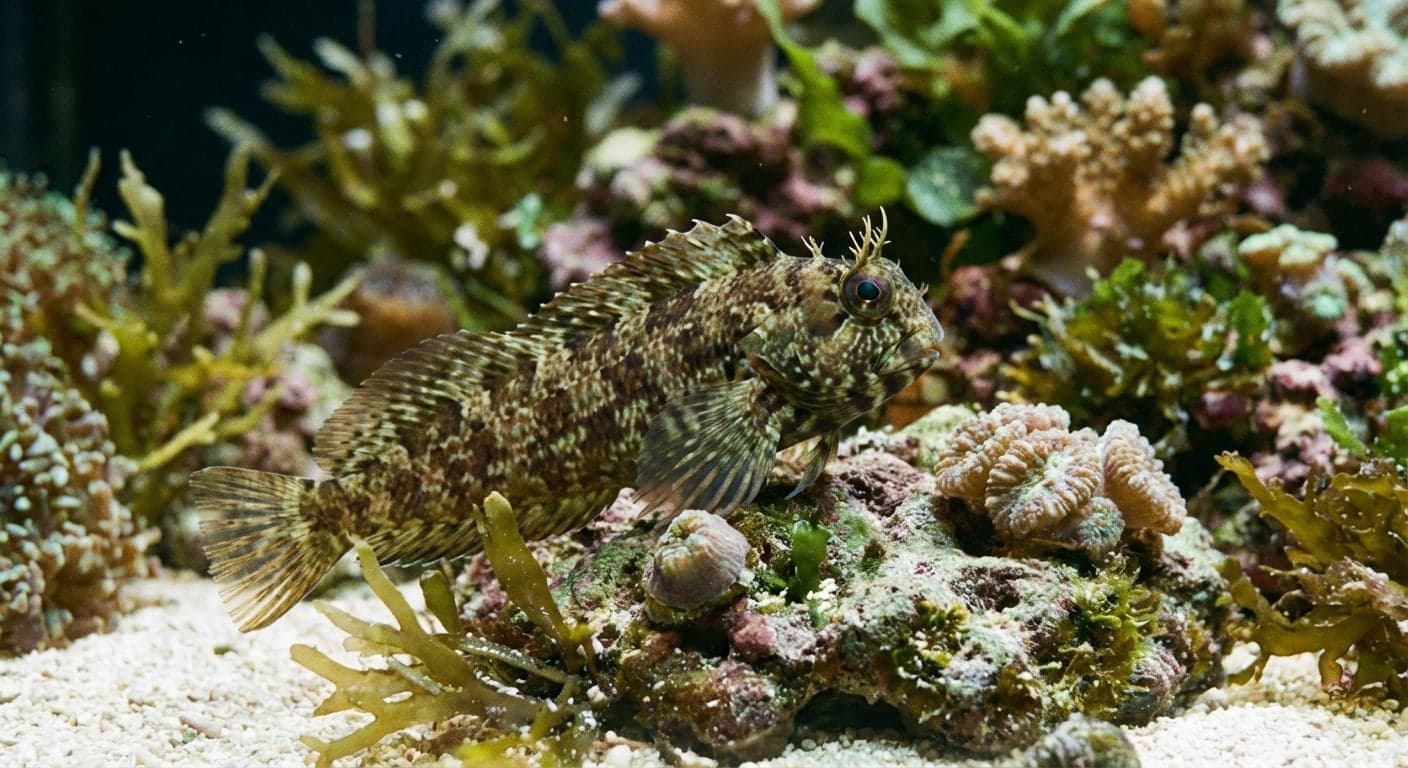
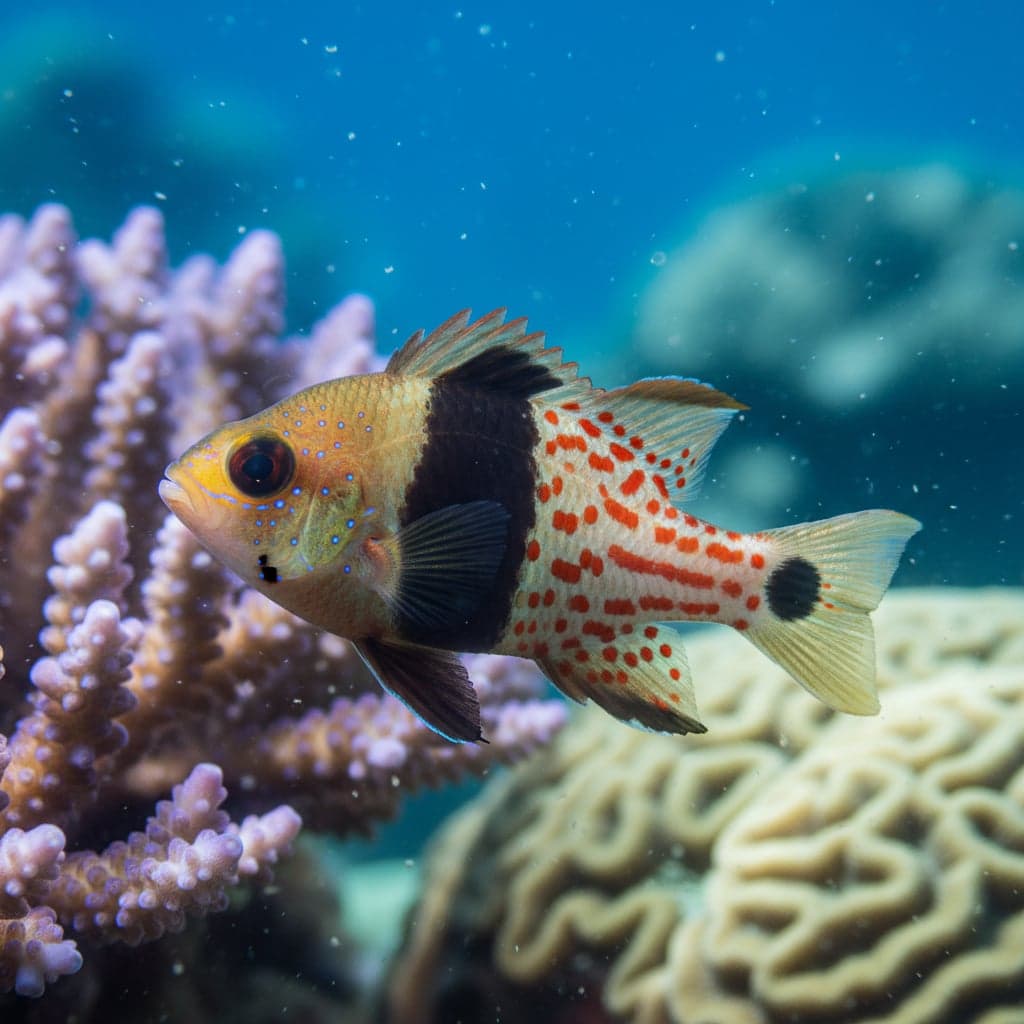
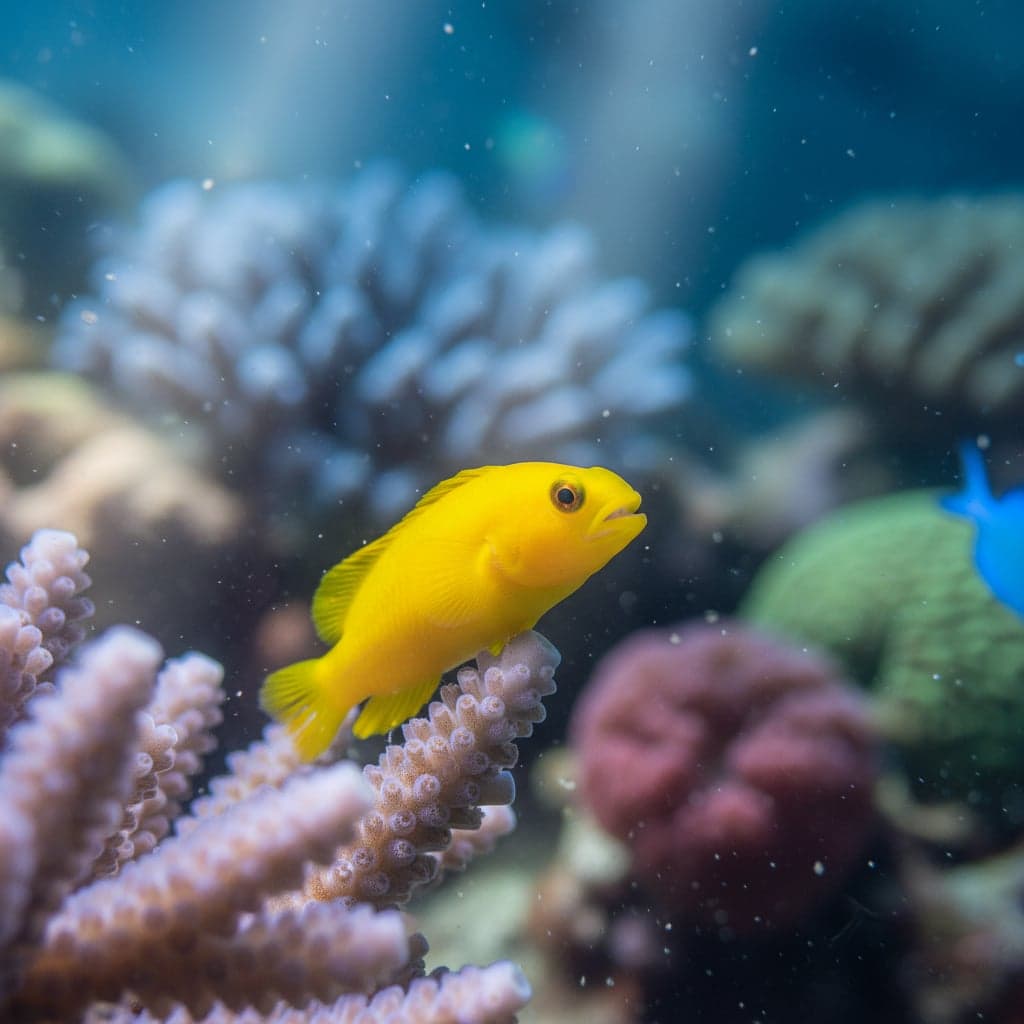
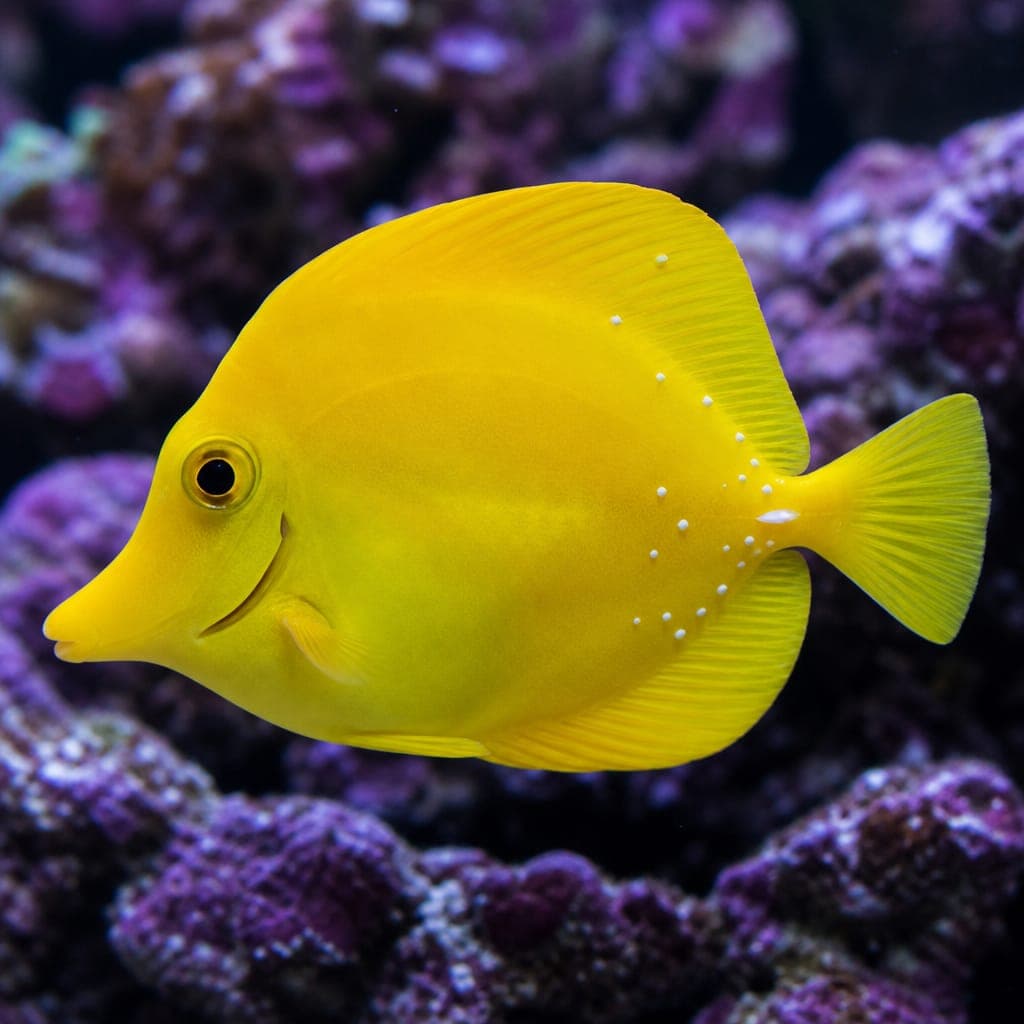
When selecting tank mates for the Common Clownfish, it is essential to consider species that will coexist harmoniously. Compatible tank mates include smaller, peaceful fish such as Gobies, Blennies, and certain types of Tangs. Additionally, other non-aggressive reef-safe species like smaller Wrasses and Dartfish can also make good companions.
However, avoid housing the Common Clownfish with larger, more aggressive species, such as certain types of Triggers or Groupers, as well as similar clownfish species to prevent territorial disputes. Ideally, create a diverse community that supports the clownfish's behavior and maintains a peaceful environment.
Breeding
Breeding Common Clownfish in captivity is an exciting endeavor that many aquarists seek to undertake. When preparing for breeding, it's essential to provide a suitable spawning site, ideally a flat surface near the host anemone or a ceramic tile. The breeding pair will exhibit courtship behavior, which includes various displays and movements. A stable environment with optimal water parameters, as previously mentioned, is crucial for successful breeding.
Once the female lays fertilized eggs, which can number in the hundreds, the male will take on the responsibility of guarding and aerating the eggs. This nurturing behavior can lead to a successful hatching process, typically occurring in 6-10 days. Raising the fry requires specialized care, starting with infusoria or newly-hatched brine shrimp as their primary food source until they are large enough to consume more substantial feed.
Common Health Issues
Despite being hardy, Common Clownfish can still fall prey to several health issues, including ich (marine white spot disease), fin rot, and clownfish disease caused by the uronema parasite. Preventing these diseases involves maintaining excellent water quality, a stable environment, and a proper diet. It is crucial to monitor water parameters closely and conduct regular water changes.
Quarantine new fish before introducing them to the main tank, and observe existing fish for any signs of illness. Routine health checks and maintaining a balanced diet can significantly reduce the risk of disease outbreaks. Regularly clean the tank to remove uneaten food and debris, further protecting the overall health of the aquatic environment. By adhering to these preventative measures, aquarists can ensure their Common Clownfish remain healthy and vibrant.