The Congo Tetra: Phenacogrammus interruptus
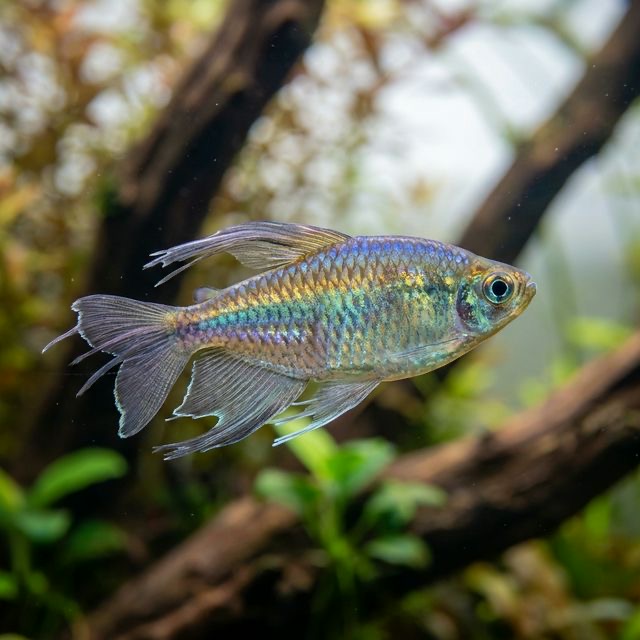
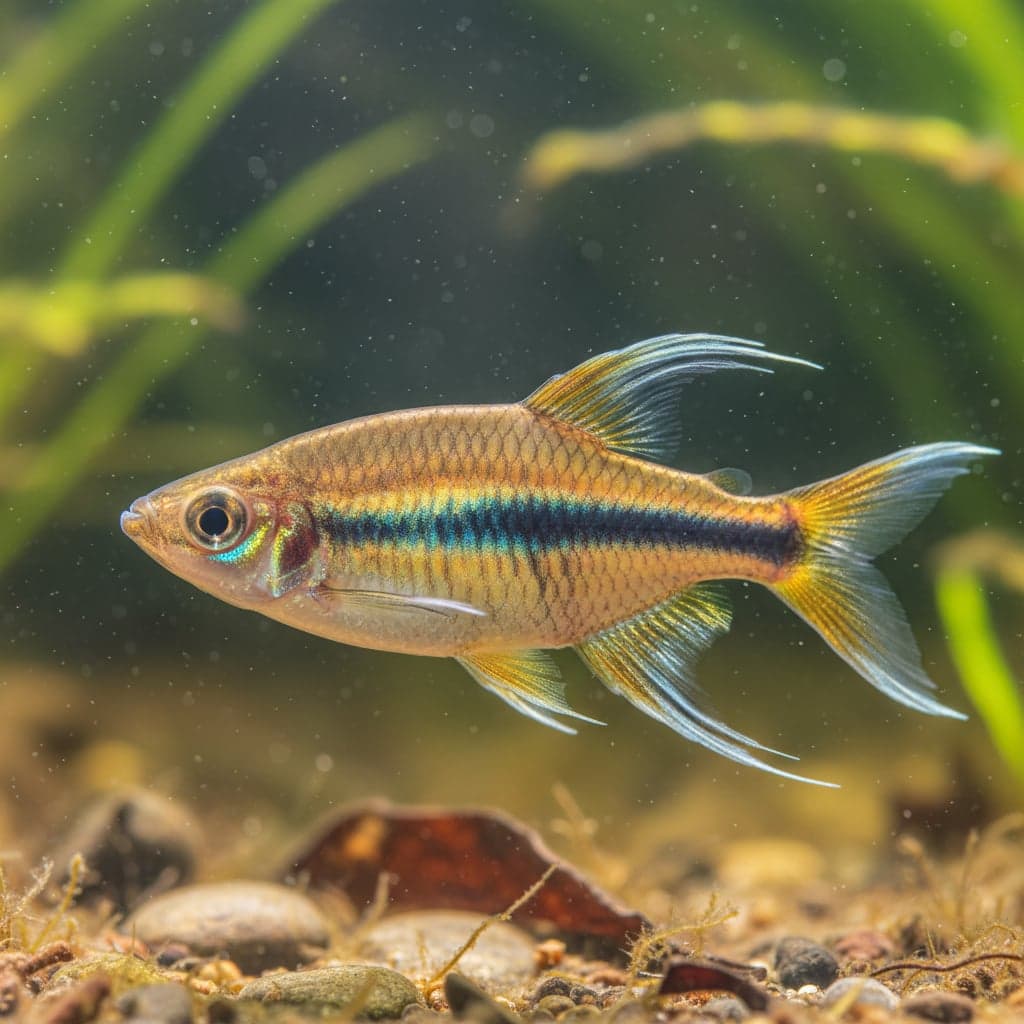
A large, iridescent tetra with flowing fin extensions. Males shimmer in rainbow blues, greens, and oranges under aquarium lighting.
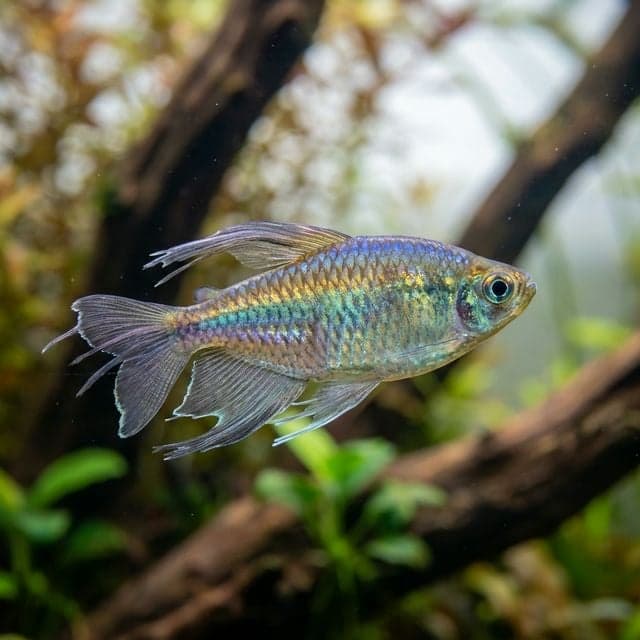
Congo Tetra
The Congo Tetra, scientifically known as Phenacogrammus interruptus, is a stunning addition to the aquarium hobby, cherished for its vibrant coloration and active disposition. This medium-sized freshwater fish typically exhibits a striking assortment of iridescent hues, often showcasing shades of blue, green, and yellow. Under the right lighting conditions, their scales shimmer with a pearlescent glow, creating an enchanting visual display that captivates both novice and experienced aquarists alike. The male Congo Tetra, in particular, boasts a more pronounced fin structure along with brighter colors, making them stand out even more in community tanks.
Beyond their aesthetic appeal, the Congo Tetra holds significant ecological and aquatic value. Found in the wild in various freshwater habitats, it plays an essential role in the ecosystem, contributing to the biodiversity of its native regions. In the aquarium trade, these fish have become increasingly popular due to their hardiness and ease of care, making them suitable for community tanks. Their lively and playful nature, combined with their striking appearance, makes them a favorite choice for those looking to create a vibrant underwater world.
Natural Habitat & Origin
The Congo Tetra originates from the Congo River Basin in Central Africa, an area characterized by its diverse aquatic ecosystem and rich biodiversity. This species is typically found in slow-moving streams and floodplain lakes, environments that often have a soft substrate and an abundance of aquatic vegetation. The waters are usually slightly acidic to neutral, with a pH range of 6.0 to 7.5, and exhibit low to moderate hardness levels. The fish thrive in blackwater environments rich in decaying plant matter, creating a habitat with dim lighting and stained waters that are aromatic with organic debris.
Natural habitats of the Congo Tetra are dense with submerged plants and wood, providing ample hiding spots and breeding grounds. These ecological characteristics not only provide safety but also establish social structures that the Congo Tetra efficiently navigates. In aquaria, replicating these conditions is crucial for ensuring the health and well-being of this beautiful species, emphasizing the importance of water quality and habitat complexity.
Care Requirements
When it comes to care requirements, the Congo Tetra is relatively straightforward, making it appropriate for both beginners and seasoned hobbyists. The ideal water parameters for keeping Congo Tetras are a pH range of 6.0 to 7.5, a temperature of 23°C to 28°C (73°F to 82°F), and a hardness level between 1 to 12 dGH. These fish prefer a well-maintained environment with good water quality, thus regular water changes and filtration are advisable.
In terms of tank setup, the Congo Tetra thrives in a minimum tank size of 20 gallons, which allows for swimming space and social interaction. A soft, dark substrate complements their natural habitat, while subdued lighting simulates their native environment, promoting more comfortable behavior. Incorporating dense plants such as Java fern, Amazon sword, and floating plants can create shaded areas and hiding spots necessary for their comfort and security. The presence of driftwood or rocks can enhance the aesthetic appeal and mimic their natural habitat effectively.
Diet & Feeding
The Congo Tetra is an omnivorous species, providing flexibility in dietary options. In captivity, these colorful fish thrive on a varied diet that includes high-quality flakes, granules, and pellets formulated for tropical fish. They benefit from live or frozen food sources, such as bloodworms, brine shrimp, and daphnia, which can enhance their coloration and vitality. A balanced diet ensures the Congo Tetra remains healthy and exhibits their vibrant colors.
Feeding should be done multiple times a day in small portions to accommodate their active foraging nature. As schooling fish, they also enjoy nibbles that mimic their natural behavior of hunting and grazing. It’s crucial to avoid overfeeding as it can lead to water quality issues, so algae and plant matter should also be included in their diet for a well-rounded nutritional profile.
Behavior & Temperament
Congo Tetras are sociable and lively fish known for their schooling behavior. They thrive in groups of six or more, which promotes a sense of security and allows them to exhibit natural behaviors. Within a shoal, you can observe their playful nature as they dart through the water, displaying their striking colors, often grouping close together when excited. Their non-aggressive demeanor makes them ideal for community tanks, where they coexist peacefully with many other species.
In terms of tank placement, Congo Tetras are mid to upper-level swimmers. They frequently occupy the open water column, making it necessary to have sufficient swimming space. However, they will also venture to the bottom or near plants when they feel threatened or during resting periods. Therefore, providing ample space, with plenty of plants and hiding spots is essential for their well-being.
Tank Mates
Finding suitable tank mates for Congo Tetras requires consideration of their peaceful temperament and schooling nature. Compatible species include other tetras, rasboras, danios, and peaceful cichlids like the Apistogramma. They thrive in community setups, and mixing with similarly sized, non-aggressive species can lead to a vibrant display in your aquarium.
Conversely, tank mates to avoid include larger aggressive fish or those known to fin nip, such as certain species of barbs or cichlids. Fish that exhibit aggressive behaviors can stress Congo Tetras, lead to health issues, or result in fatalities. Ensuring a peaceful environment with carefully selected species will result in a well-balanced community.
Breeding
Breeding Congo Tetras can be a rewarding but somewhat challenging process in captivity due to their specific spawning conditions. To induce breeding, it is crucial to provide a separate breeding tank equipped with soft, slightly acidic water (pH 6.0 to 6.5) and a temperature around 28°C (82°F). The introduction of fine-leaved plants or spawning mops offers suitable locations for the female to lay their eggs, as the fish prefer to breed among vegetation.
During the breeding process, males will court females through a display of vibrant colors and increased activity. Once the female is ready, she may scatter a few dozen eggs among the plants. Post-spawning, the adults should be removed to prevent them from eating the eggs. The eggs typically hatch within 24 to 36 hours, after which the fry can be fed with infusoria or finely crushed flakes until they grow large enough to accept more substantial foods.
Common Health Issues
Congo Tetras are generally hardy, but they may still be susceptible to specific health issues common to freshwater fish. Diseases such as ich (Ichthyophthirius multifiliis) and fin rot can pose problems, particularly if water quality is compromised. Signs of such diseases include clamped fins, white spots on the body, or frayed fins.
To prevent health issues, maintaining excellent water quality through regular changes, filtration, and monitoring of water parameters is crucial. Quarantining new arrivals before adding them to an established tank can also help reduce the risk of introducing diseases. Additionally, providing a balanced diet and ensuring a stress-free environment can go a long way in promoting the overall health and longevity of Congo Tetras in your aquarium.