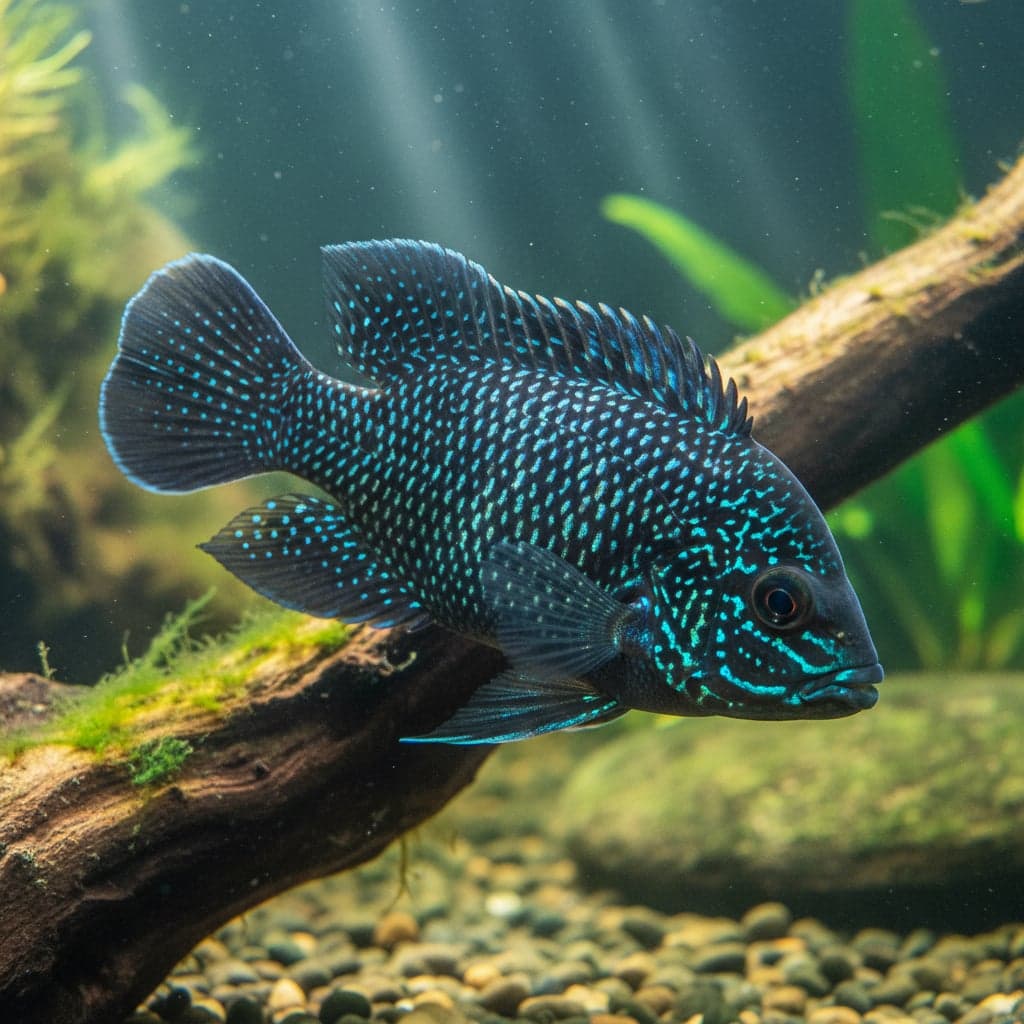
The Convict Cichlid: Amatitlania nigrofasciata
A small but fiercely tough cichlid named for its black-and-white prison stripes. Famous for being one of the easiest fish to breed in the entire world.
Also known as: zebra cichlid · Amatitlania nigrofasciata
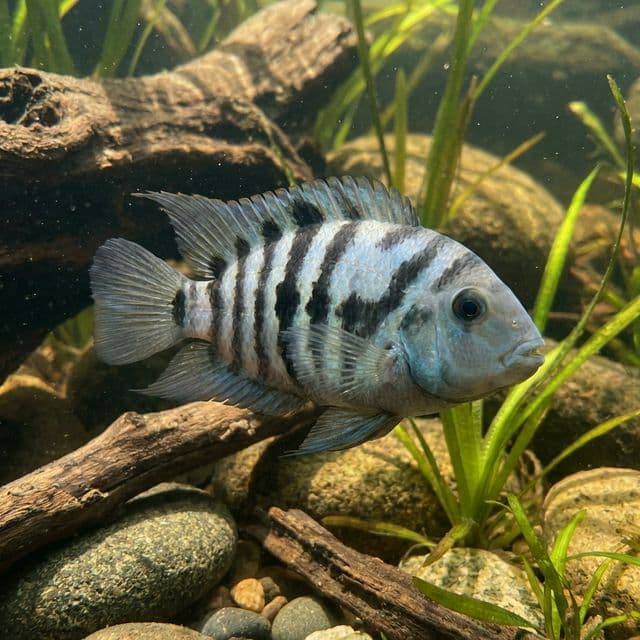
Convict Cichlid
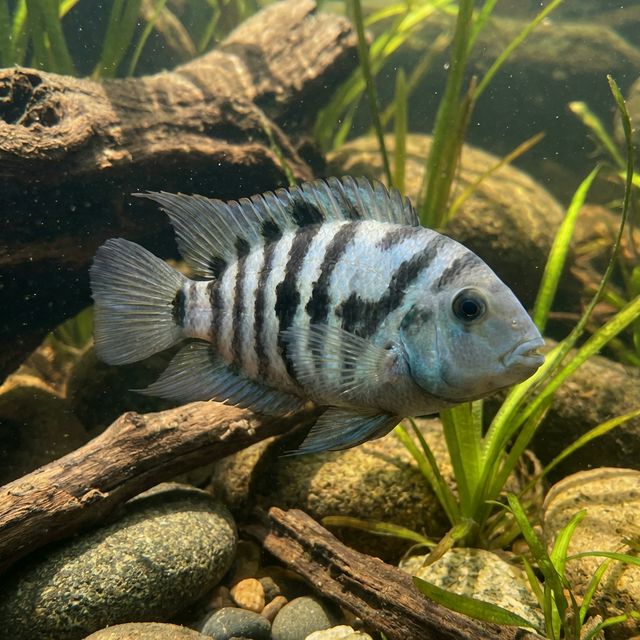
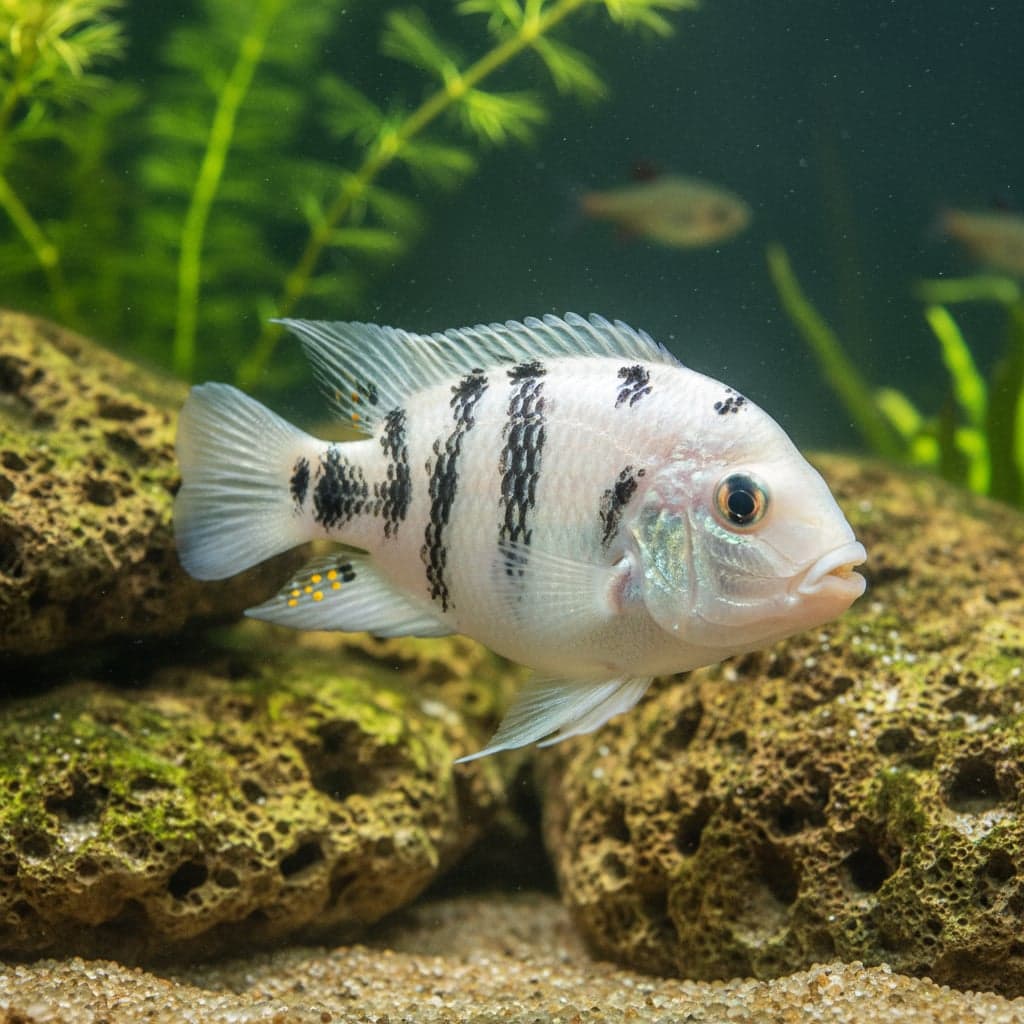
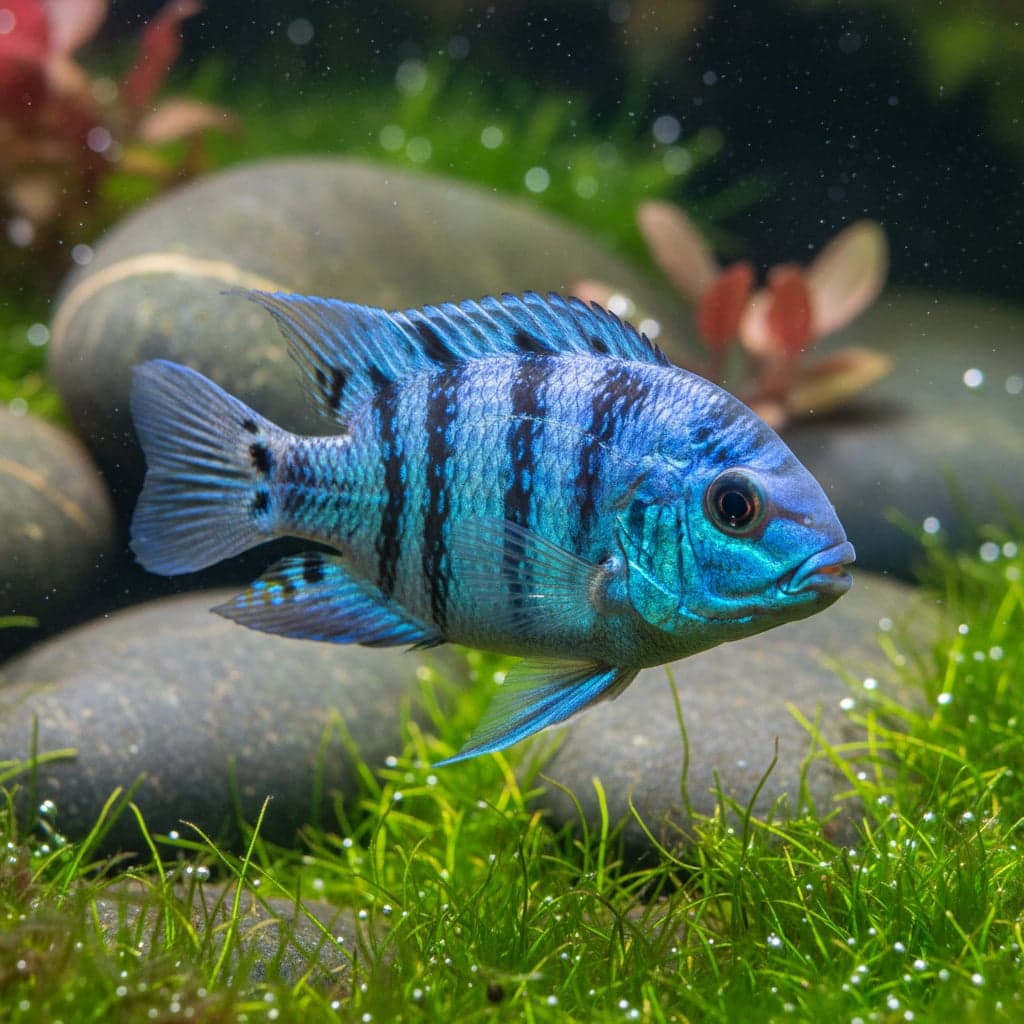
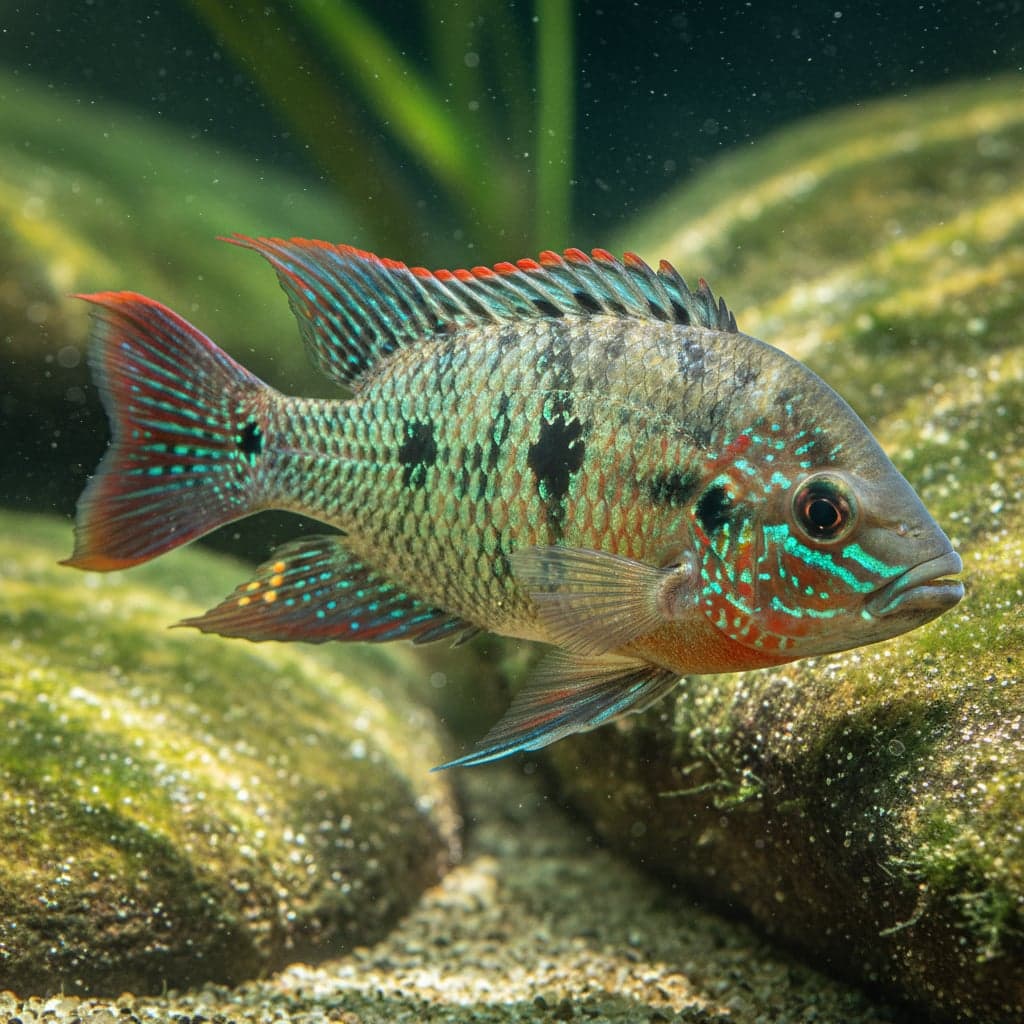
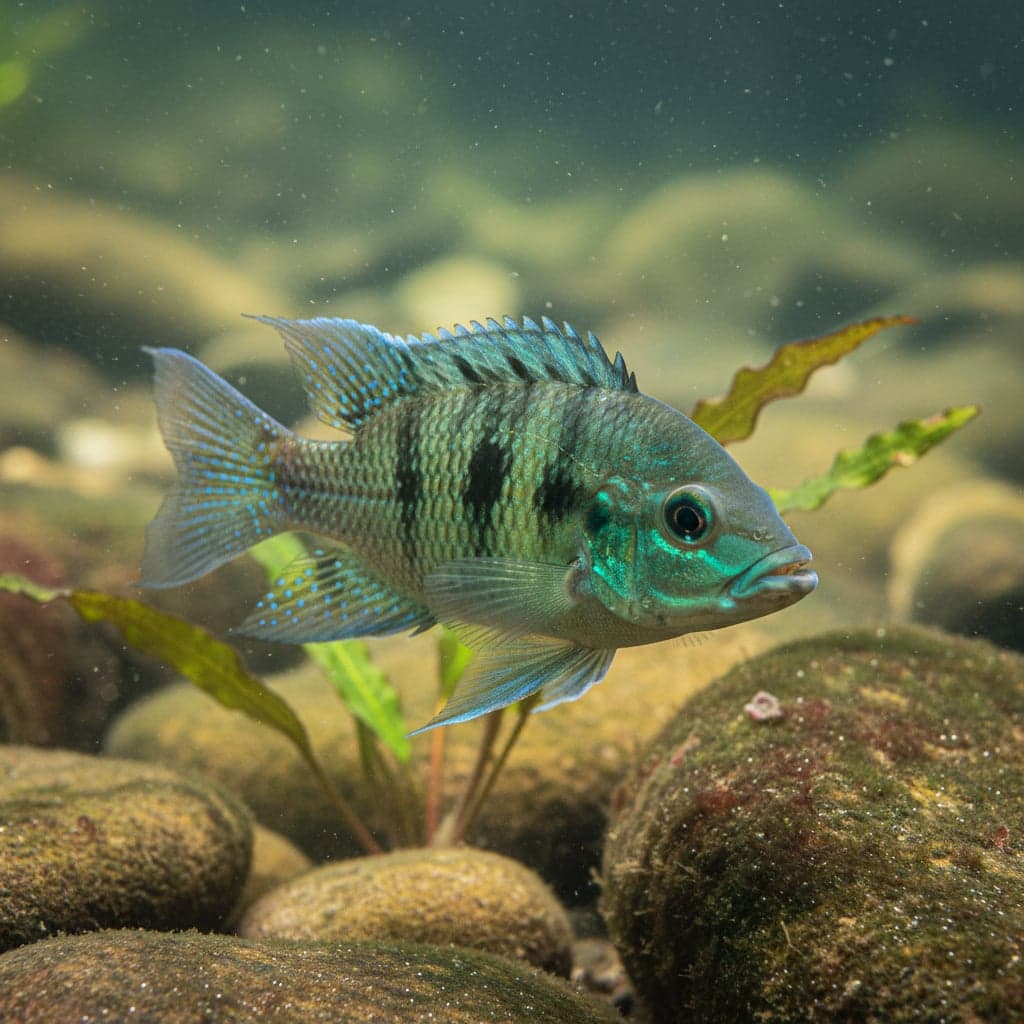
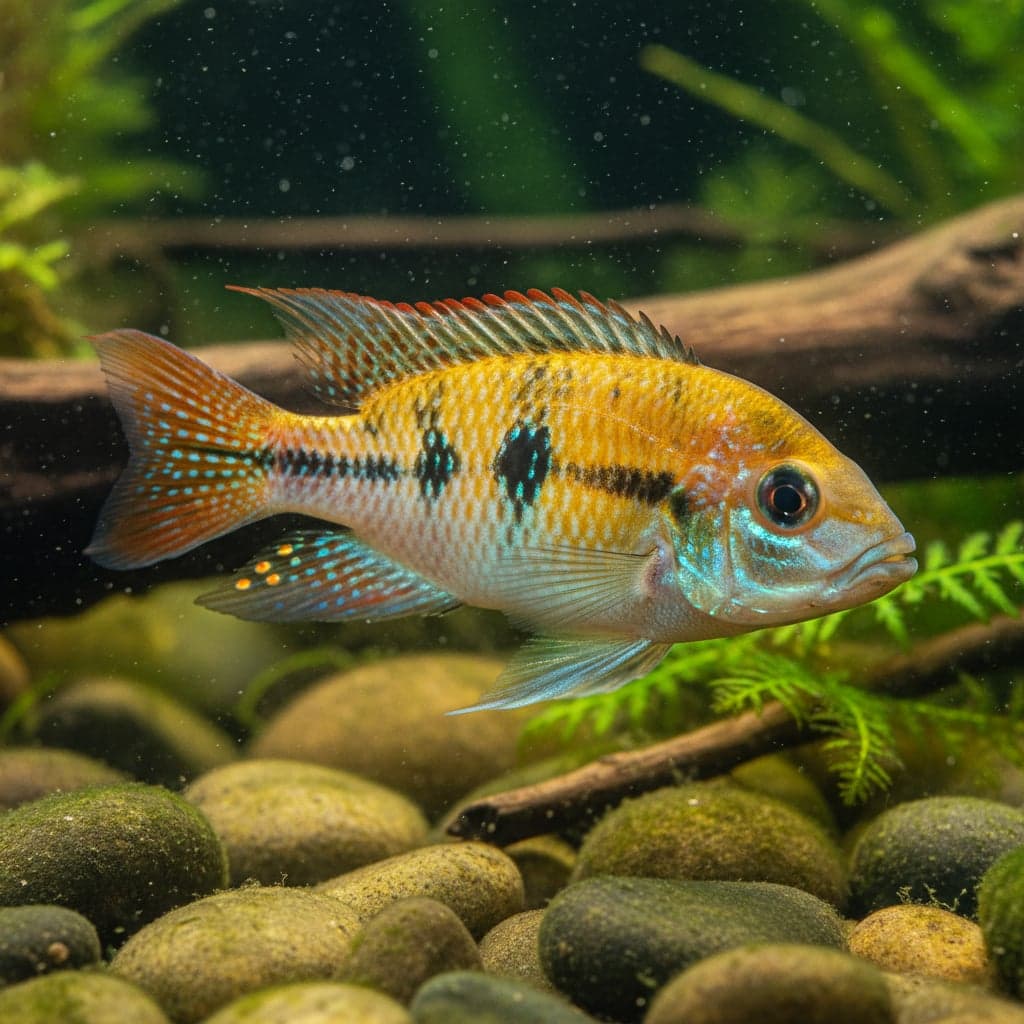
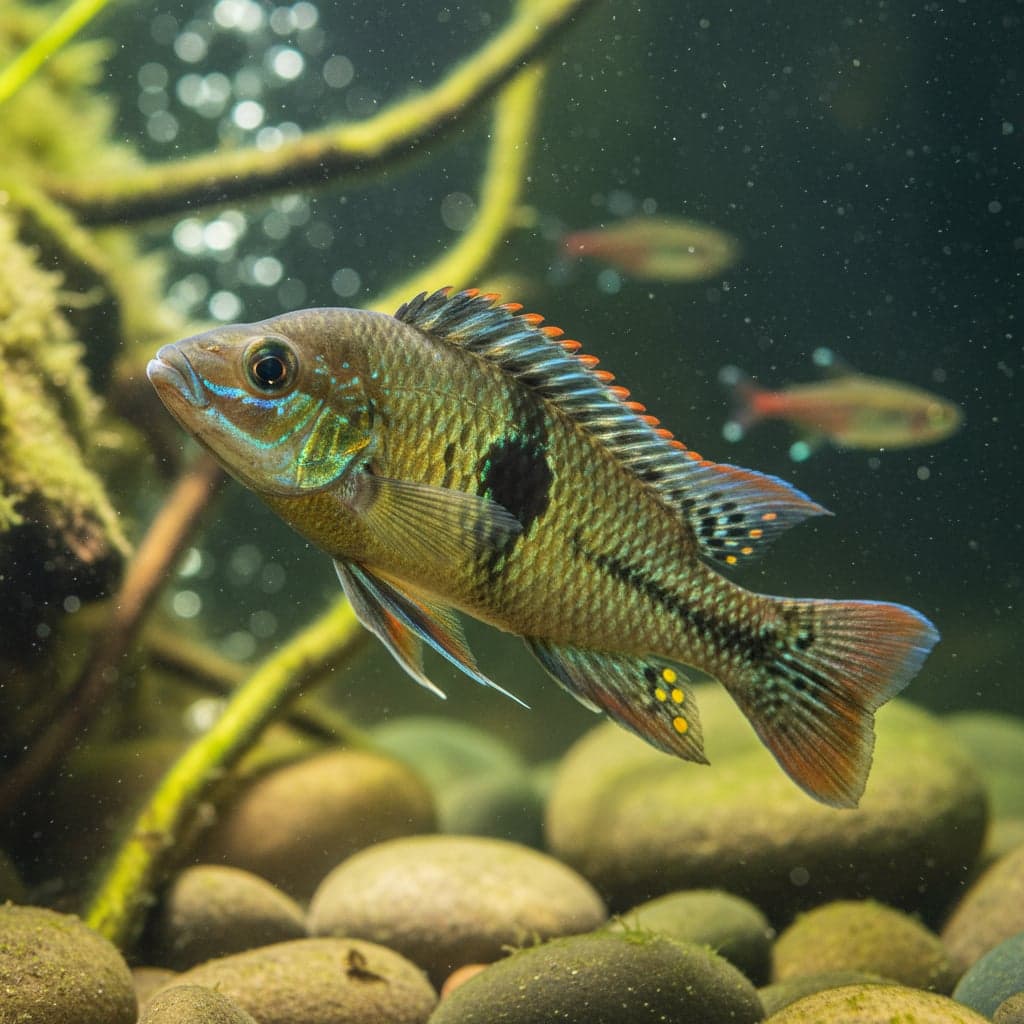
The Convict Cichlid, known scientifically as Amatitlania nigrofasciata, is a striking freshwater fish that is popular among aquarists for both its visual appeal and engaging behavior. With its bold black and white stripes, the Convict Cichlid's appearance is one of its most distinctive features, resembling an underwater convict in both color and pattern. Typically growing to about 4-5 inches in length, this species can bring a fascinating dynamic to any aquarium. Their vibrant coloration and ability to adapt to various tank conditions also contribute to their significance within the aquarium hobby, making them a favored choice for both beginner and experienced fish keepers.
In addition to their attractive looks, Convict Cichlids are known for their inquisitive and interactive nature. They are often described as bold and somewhat territorial, engaging with their owners and interacting with the environment around them. This species plays a vital role in the aquarium trade, not only due to its appealing aesthetic but also for its hardiness and ease of care. As a species that can thrive in a variety of environments, it allows aquarists of all skill levels to enjoy the experience of keeping cichlids.
Natural Habitat & Origin
The Convict Cichlid originates from Central America, specifically from freshwater lakes, rivers, and streams in countries such as Nicaragua and Costa Rica. This species typically inhabits shallow waters with ample hiding spots, such as rock formations and dense vegetation. The natural environment of the Convict Cichlid consists of waters that are generally soft and slightly acidic, with pH levels ranging from 6.0 to 7.5. These fish thrive in warm temperatures, often found in areas where the water temperature fluctuates between 75°F to 82°F (24°C to 28°C). Understanding their native habitat is critical for replicating optimal conditions in the home aquarium.
Convict Cichlids are often found in habitats characterized by a mixture of sandy substrates interspersed with gravel and rocky outcrops. The presence of moderate to strong water flow aids in maintaining water quality, as they are sensitive to environmental changes. Conservation efforts and habitat preservation are crucial to ensure the long-term survival of this species in their natural environment.
Care Requirements
When setting up a tank for Convict Cichlids, specific water parameters are essential for their health and well-being. The ideal pH range for these fish is between 6.5 and 7.5, with a recommended temperature of 75°F to 82°F (24°C to 28°C). The hardness of the water should be kept in the range of 5 to 20 dGH for optimal health. These fish are adaptable but perform best when water conditions are stable.
As for tank setup, a minimum tank size of 30 gallons is recommended for a pair of Convict Cichlids, allowing for adequate swimming space and territory establishment. A sandy or gravel substrate is preferred, as it mirrors their natural habitat. Providing plenty of hiding spots with rocks, caves, and driftwood is crucial, not only for aesthetics but also to promote natural behavior and reduce aggression. Moderate lighting is ideal, as Convict Cichlids appreciate a well-lit tank that also includes shaded areas from plants or decor. Adding live plants is beneficial, as they contribute to water quality and provide additional cover for timid tank mates.
Diet & Feeding
Convict Cichlids are primarily omnivorous, thriving on a varied diet that includes both plant and animal matter. In the wild, they scour their environment for small invertebrates, larvae, and plant material. In captivity, offering a balanced diet is essential for their health and vibrant coloration. High-quality cichlid pellets or flakes should be the foundation of their feeding regimen, supplemented with frozen or live foods such as brine shrimp, bloodworms, and daphnia. Additionally, providing blanched vegetables like zucchini or spinach can enhance their diet and help with digestion.
It is recommended to feed adult Convict Cichlids 2-3 times a day, ensuring that the portions are manageable. This schedule supports their dietary needs without overfeeding, which can lead to water quality issues. Regularly monitoring their nutrition and varying their diet will contribute to healthier, more vibrant fish.
Behavior & Temperament
The behavior of Convict Cichlids is both captivating and complex, marked by their territorial nature. They are known to establish and defend specific areas within the aquarium, making them less suitable for community tanks with smaller or more docile fish. While they may exhibit schooling behavior during the juvenile stage, they will become increasingly solitary and protective as they mature. Convict Cichlids tend to display vibrant coloration and active swimming patterns, especially during breeding season or when defending their territory.
In terms of tank dynamics, these cichlids often feel more secure at various vertical levels within the tank, often exploring lower spaces among rocks and plants before venturing to midwater. Although they can display aggression, particularly during breeding, it's essential to provide sufficient cover and space to minimize conflicts, allowing both their assertive and social behaviors to flourish in the right conditions.
Tank Mates
When considering tank mates for Convict Cichlids, it is crucial to select species that can coexist peacefully in the same environment. Suitable companions include larger cichlid species, such as Jack Dempsey or even other Convict Cichlids for breeding pairs, as long as there is enough space and hiding spots. Other potential tank mates include larger tetras, such as the Buenos Aires tetra, and bottom dwellers like catfish or loaches that will avoid direct territory clashes.
Conversely, small or timid fish should be avoided, as Convict Cichlids are known for their aggressive tendencies, especially during breeding. Species such as guppies, neon tetras, and other small fish may become targets for harassment or aggression, leading to stress or injury. Ensuring a balanced community while understanding the inherent traits of Convict Cichlids is key to a harmonious aquarium environment.
Breeding
Breeding Convict Cichlids can be a rewarding experience, as they are known to be relatively easy to spawn in captivity. To encourage breeding, it is advisable to keep them in pairs within a dedicated breeding tank, preferably with a sandy substrate and a flat surface to serve as a spawning site. Convict Cichlids are ovophilic spawners, meaning they lay eggs on flat surfaces, typically under rocks or in caves.
The mating ritual often involves elaborate displays, including body shaking and fin flaring. Once the eggs are laid, the female will guard them fiercely while the male helps protect the territory. It is common for Convict Cichlids to exhibit pronounced parental care, which adds an enriching dimension to the breeding process. Fry usually hatch in about 3-5 days, requiring careful attention and feeding with specialized fry food or finely crushed flakes once free-swimming.
Common Health Issues
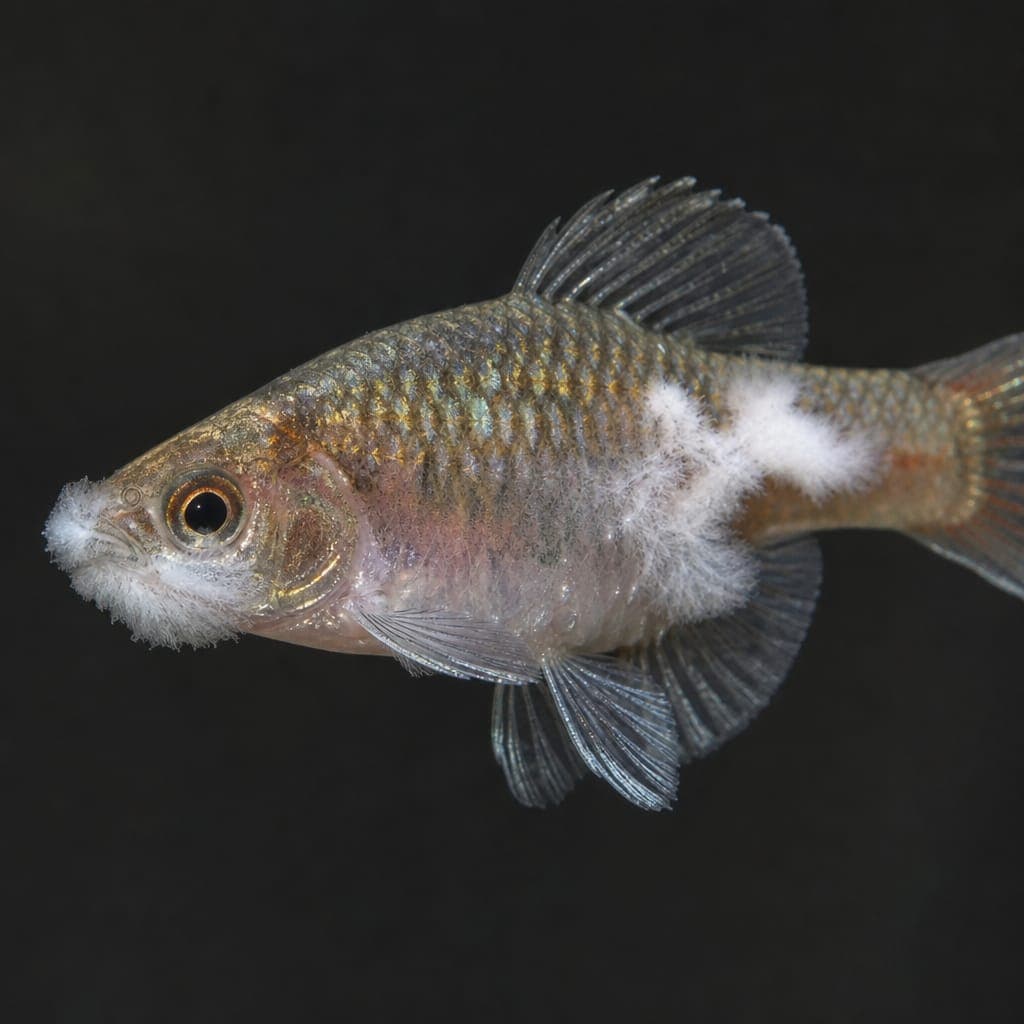
Like many freshwater fish, Convict Cichlids can be susceptible to various health issues if not kept in optimal conditions. Common diseases include Ich (white spot disease), fin rot, and fungal infections. Regular water testing and maintenance are crucial for preventing these health problems. Maintaining stable water parameters, along with routine changes, will go a long way toward preventing outbreaks and keeping these hardy cichlids in peak condition.