Convict Tang
A 27cm shoaling tang that moves in numbers on the reef. Keep it in a group or not at all, and expect to need 900L+.

Convict Tang
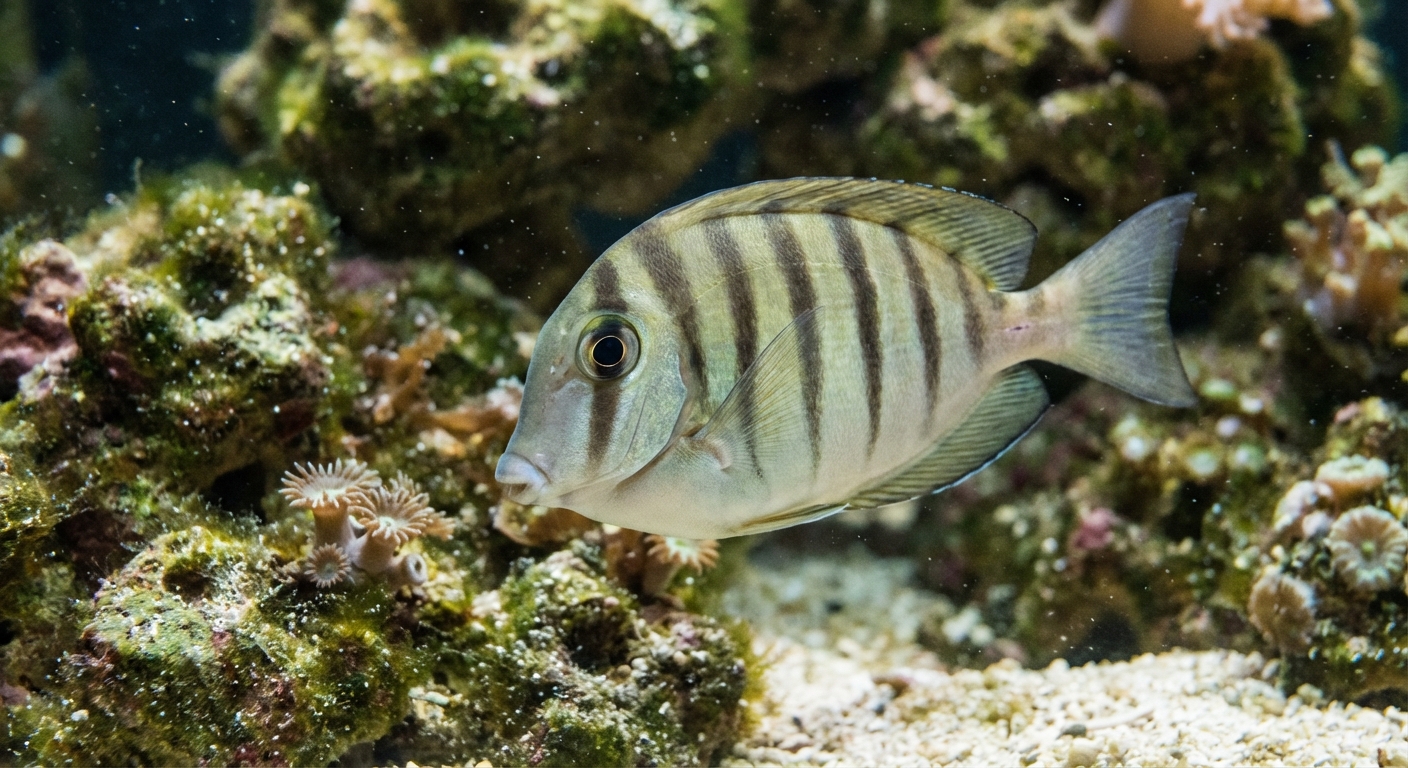
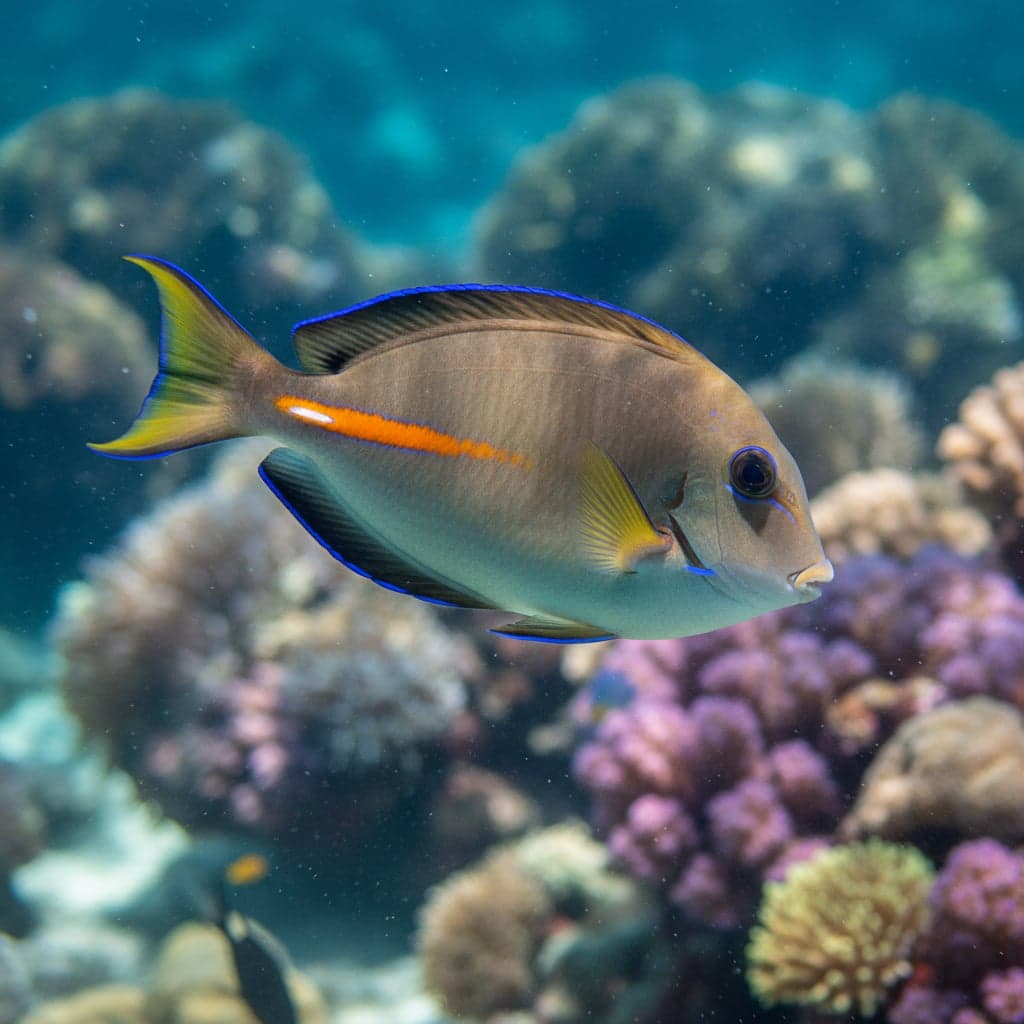
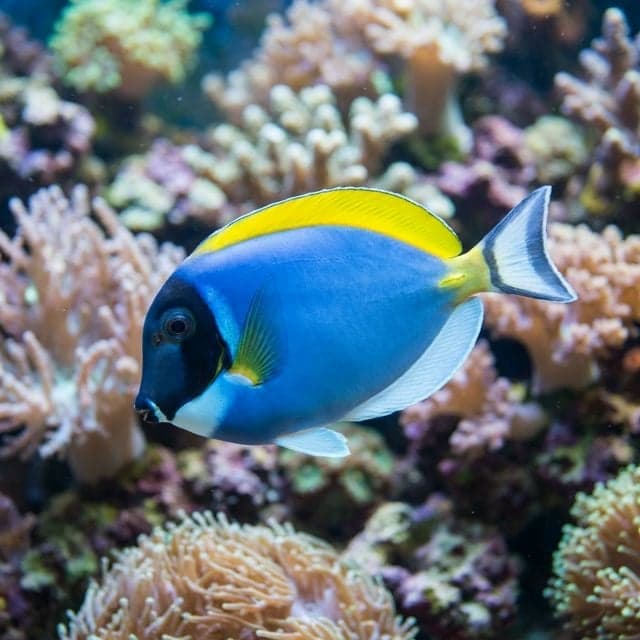
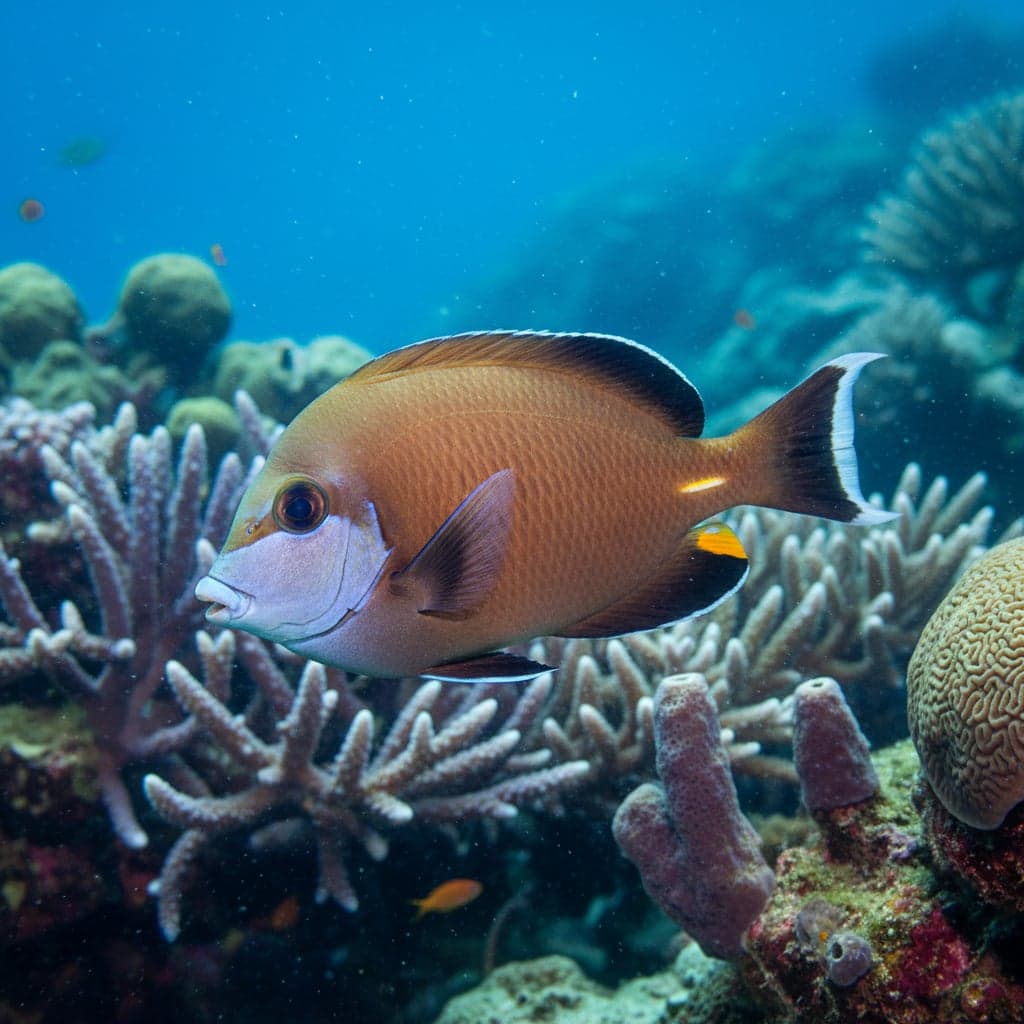
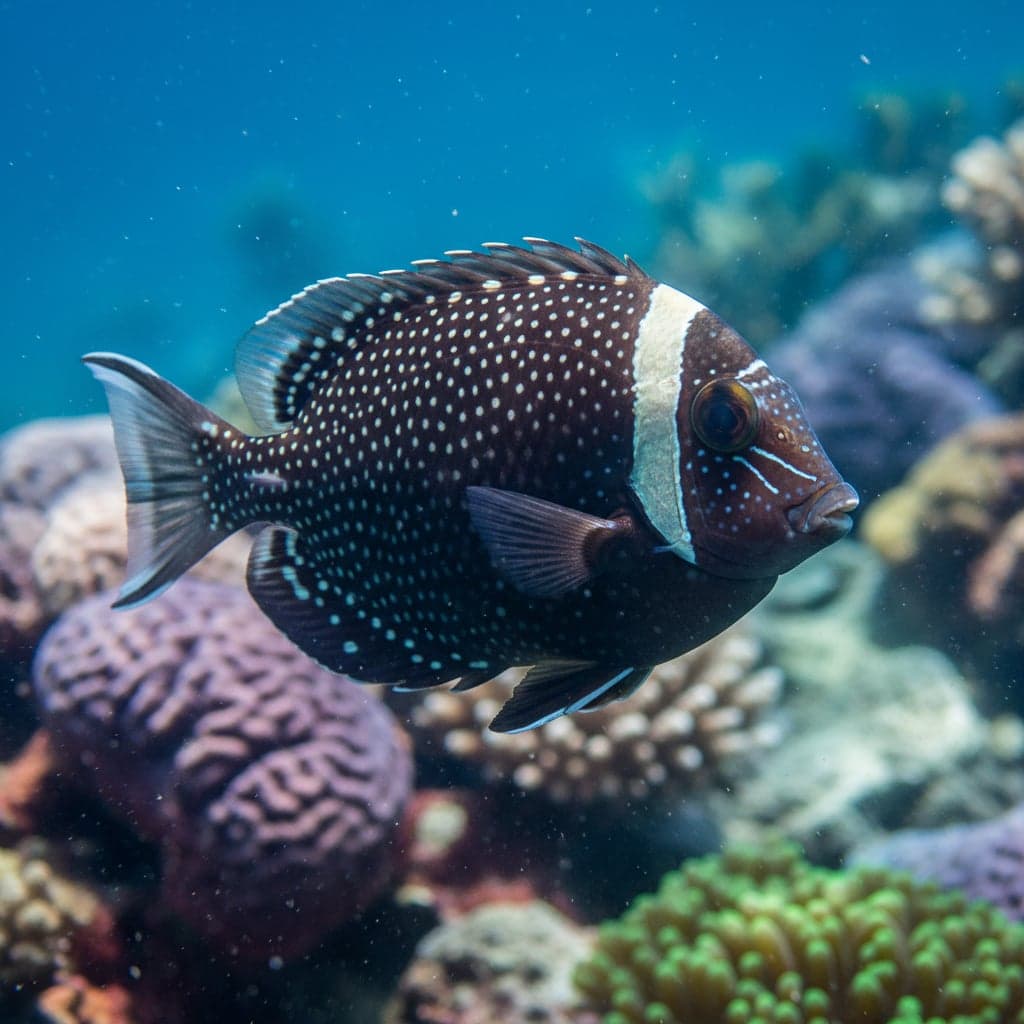
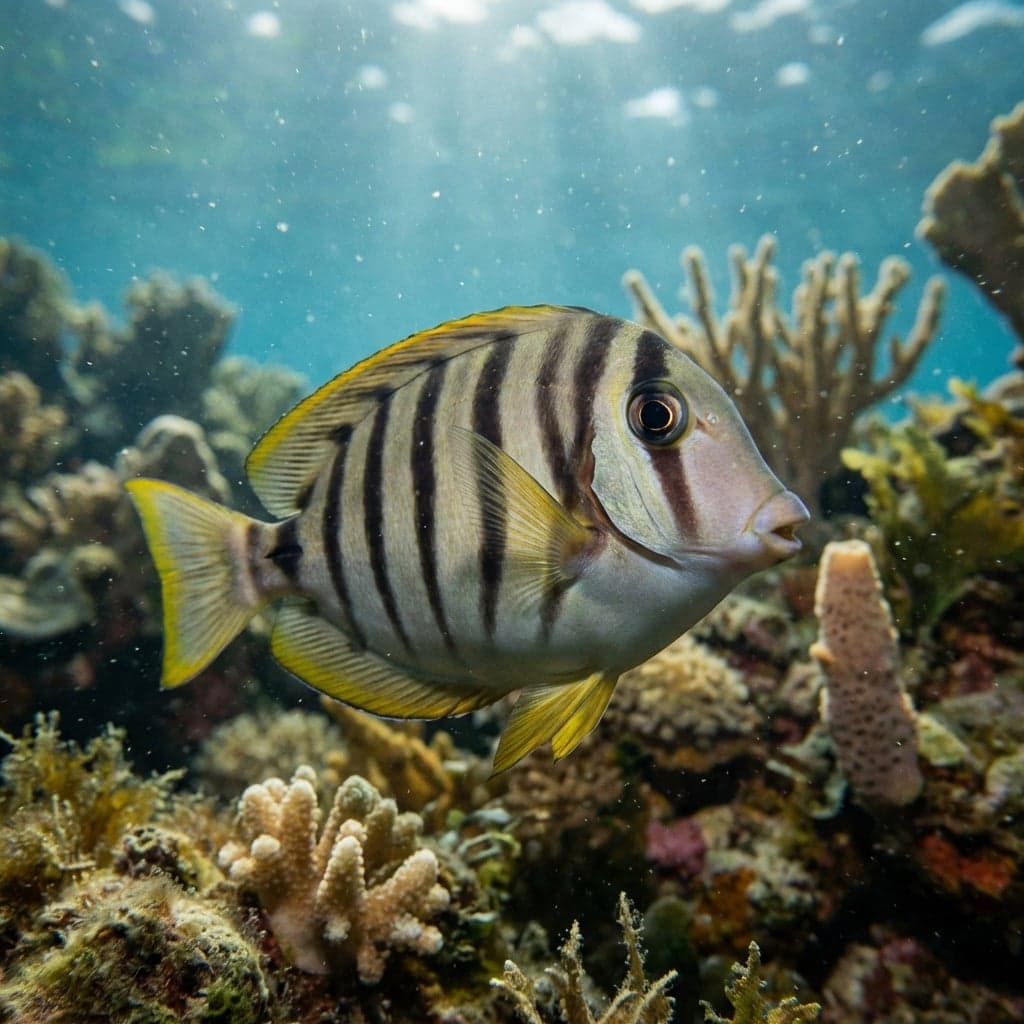
The Convict Tang, scientifically known as Acanthurus triostegus, is a captivating marine fish that has garnered considerable attention in the aquarium hobby for its striking physical traits and hardy nature. Characterized by its vibrant patterns of black and white vertical stripes, the Convict Tang resembles the bold design of a convict's uniform, offering a stunning contrast against the backdrop of an aquarium. This aesthetic appeal, combined with its active swimming behavior, makes the Convict Tang a popular choice for both novice and experienced fish keepers alike. Its interesting shape and fluid movements add to the dynamic ambiance of a marine tank, exemplifying the unique allure of underwater life.
In addition to its visual appeal, the Convict Tang holds significance in the aquarium hobby for its resilience and adaptability, making it a favorite among aquarists. It is a species that can thrive in varying conditions, which allows for greater flexibility in tank setup and maintenance. This fish is not only admired for its beauty but also appreciated for its role in maintaining the health of coral reefs in the wild. Its grazing habits help control algae populations, positioning it as a vital component of the marine ecosystem. The Convict Tang's easy-going nature further enhances its popularity, establishing it as a reliable choice for community tanks.
Natural Habitat & Origin
The Convict Tang is native to the warm, shallow waters of the Indo-Pacific region, primarily found among the coral reefs and rocky substrates of the Pacific Ocean, particularly near places such as Hawaii and the islands of Tahiti. In its natural habitat, this fish inhabits environments characterized by clear and warm ocean currents, allowing them to thrive among the colorful corals and a variety of marine life. The water in these regions is generally well-oxygenated and moderately salty, with salinity levels typically ranging from 34 to 36 ppt, which is conducive to the diverse ecosystems of coral reefs.
The Convict Tang tends to favor areas with abundant algae growth, which serves as their primary food source. This environment offers both shelter and ample grazing opportunities, allowing the fish to feed while also evading predators. The intricacies of their natural habitat play a vital role in their health and behavior, influencing their social dynamics, aggression levels, and overall adaptability when introduced into aquarium settings.
Care Requirements
To properly care for a Convict Tang, water parameters should be closely monitored. Ideally, the tank's pH should be maintained between 8.1 and 8.4, with a temperature range of 75°F to 81°F (24°C to 27°C). Hardness levels should ideally fall between 8 to 12 dGH to provide a stable environment for the fish. In terms of tank setup, a minimum tank size of 900 litres (240 gallons) is recommended, as Convict Tangs reach 27cm, shoal in numbers, and require a great deal of open swimming space. The substrate should consist of fine sand or small gravel, simulating their natural environment and allowing for optimal grazing and digging practices.
Lighting in the tank should be moderate to bright, as this helps to encourage coral growth and algae proliferation, which are essential for the Convict Tang’s diet. Adding live rock, caves, and hiding spots will enhance the tank's aesthetic appeal and provide necessary shelter for the fish. Additionally, incorporating hardy live plants can serve to improve water quality and replicate the natural environment while ensuring that the Convict Tang remains stimulated in its surroundings.
Diet & Feeding
The Convict Tang is an omnivorous species that predominantly feeds on algae in their natural habitat. In captivity, their diet should reflect this by offering a variety of foods. High-quality marine flakes or pellets, designed for herbivores, should be the staple of their diet, ensuring they receive the necessary nutrients. Supplementing their diet with dried seaweed, such as nori, encourages natural grazing behaviors that mimic what they would consume in the wild.
Additionally, offering frozen or live foods, such as brine shrimp or mysis shrimp, can help to enhance the nutritional value of their diet and encourage healthy growth. Care should be taken to avoid overfeeding, as excess food can lead to water quality issues. Feeding small amounts multiple times a day is preferable to maintain optimal health and energy levels.
Behavior & Temperament
When assessed for behavior, the Convict Tang is known for its active and social nature. They exhibit schooling habits, particularly when kept in groups within a spacious aquarium, which is beneficial for promoting stable social structures. However, it is essential to monitor their aggression levels, as males may exhibit territorial behaviors, especially during breeding seasons. Keeping a group of them may require additional space to temper any aggressive tendencies.
In terms of vertical placement within the tank, Convict Tangs predominantly occupy mid to upper levels of the aquarium. They enjoy swimming freely and can often be seen darting between rocks and plants. Creating a dynamic environment that encourages their natural swimming behavior and social interaction is crucial to their overall well-being.
Tank Mates
When selecting tank mates for the Convict Tang, it's important to choose species that are compatible to avoid territorial disputes. Suitable tank mates include other peaceful tangs, clownfish, gobies, and smaller wrasses. Additionally, larger fish species can be appropriate, provided they do not present a threat to the Convict Tang's territory.
Species to avoid include other more aggressive tangs, particularly those of the same genus, as this can lead to conflicts. Additionally, smaller fish such as seahorses or any overly timid species may become targets of stress or aggression. A balanced community tank that respects the Convict Tang's needs will foster a harmonious aquatic environment.
Breeding
Breeding Convict Tangs in captivity can be a rewarding yet complex endeavor. They are known to be egg-layers, and proper conditions must be established to promote spawning. When preparing for breeding, it is essential to have a breeding pair, as their social structure often influences successful reproduction. Suitable water parameters should be maintained, with a slight increase in temperature and salinity to simulate seasonal changes that may influence spawning.
During breeding, females will lay adhesive eggs on flat surfaces, often near hiding spots within the aquarium. The male will then fertilize these eggs, and parental care is typically shared. While breeding can be achieved in a community tank, isolating the breeding pair in a smaller setup can help increase the chances of egg survival and reduce stress on the fish. Careful attention must be paid to water quality and food supply during this period to ensure optimal conditions for both the parents and the resultant fry.
Common Health Issues
Convict Tangs, like many marine fish, can be susceptible to a range of health issues, particularly when stressed or kept in less-than-ideal conditions. Common diseases include marine ich (Ichthyophthirius multifiliis), a parasitic infection that leads to white spots on their skin and gills, and marine velvet (Oodinium), which can rapidly turn fatal if not recognized and treated. Regular observation, maintaining optimal water conditions, and reducing stress factors are essential preventive measures.
Quarantine protocol is highly recommended for new arrivals to prevent the introduction of disease into the main tank. Ensuring a nutritionally balanced diet and maintaining good water quality will help boost the immune system of the Convict Tang, making it less susceptible to infections. Additionally, providing a stress-reduced environment with appropriate tank mates will contribute significantly to their overall health and longevity in the reef aquarium.