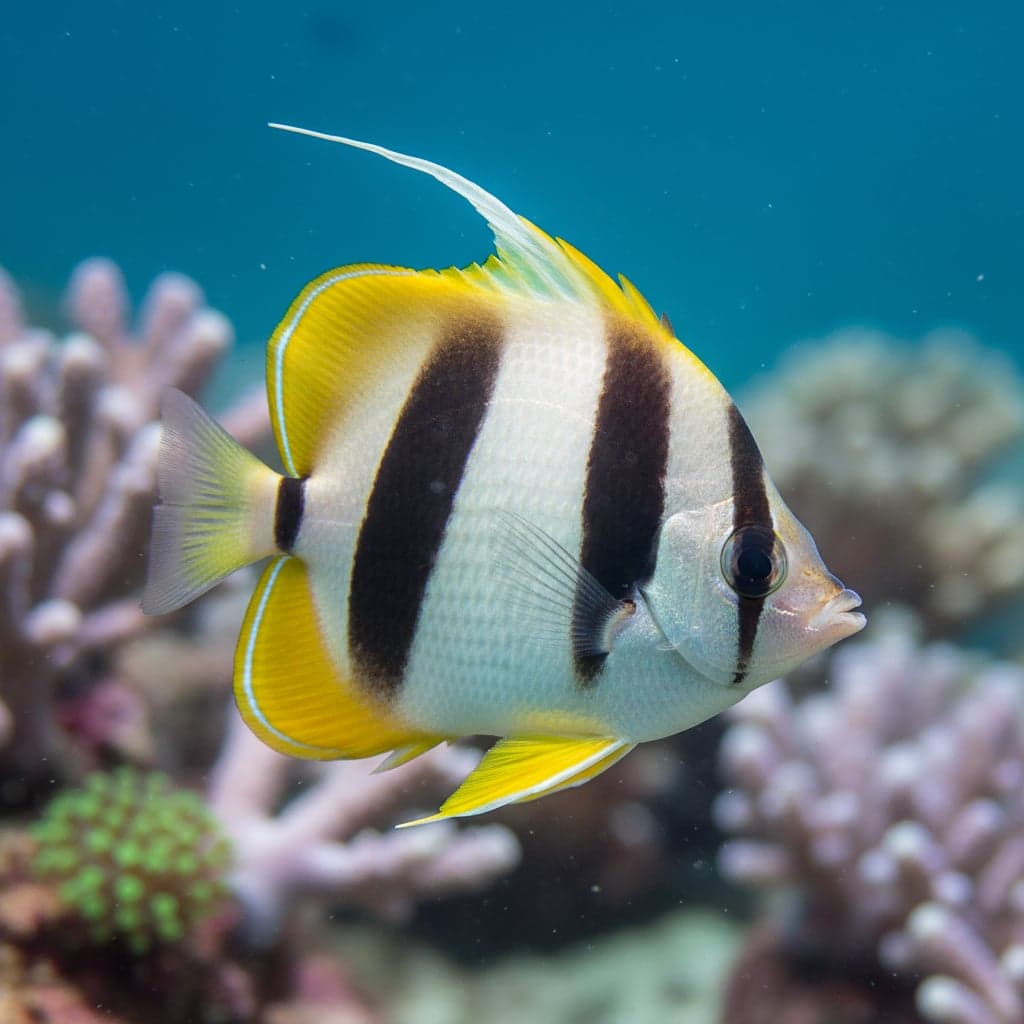
Copperband Butterflyfish
A 20cm butterflyfish famous for eating Aiptasia and equally famous for starving. Buy one already eating, or not at all.
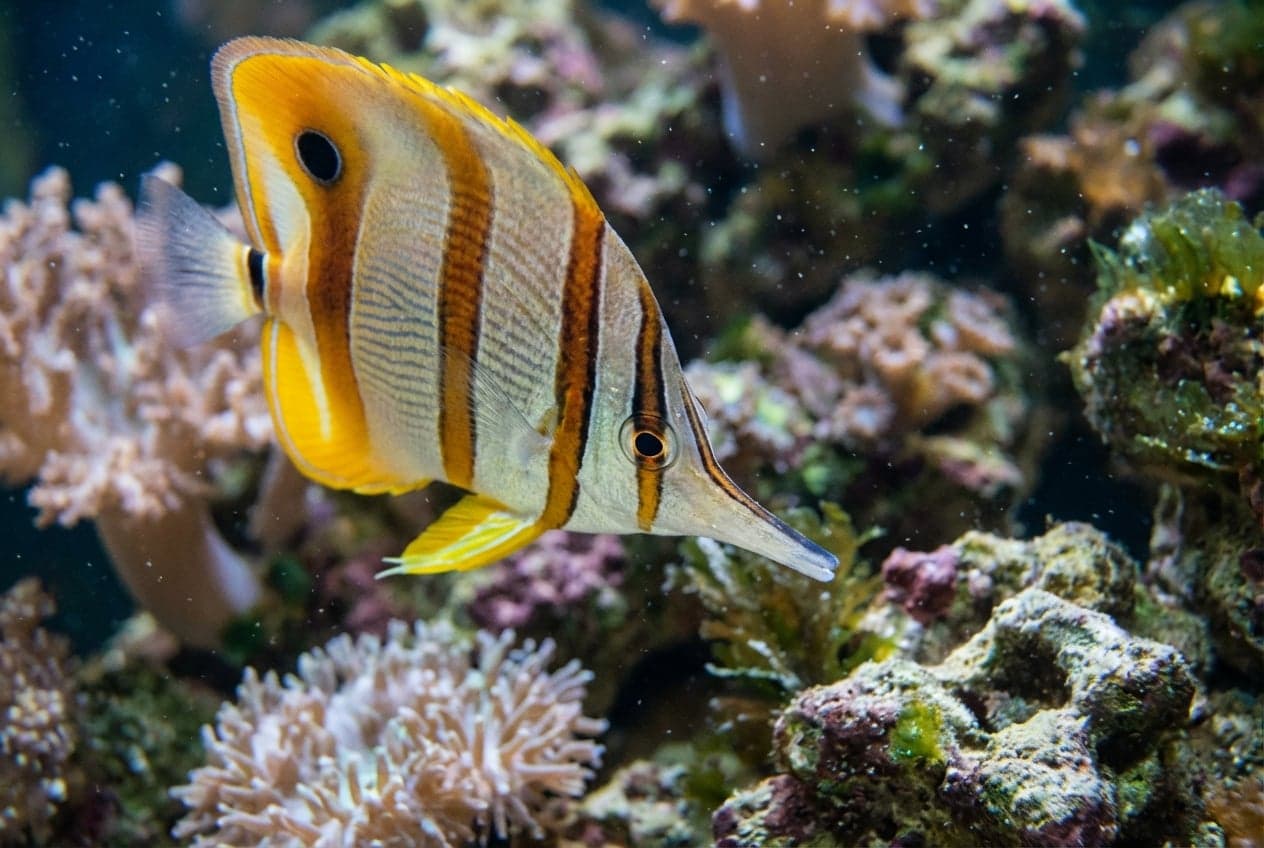
Copperband Butterflyfish
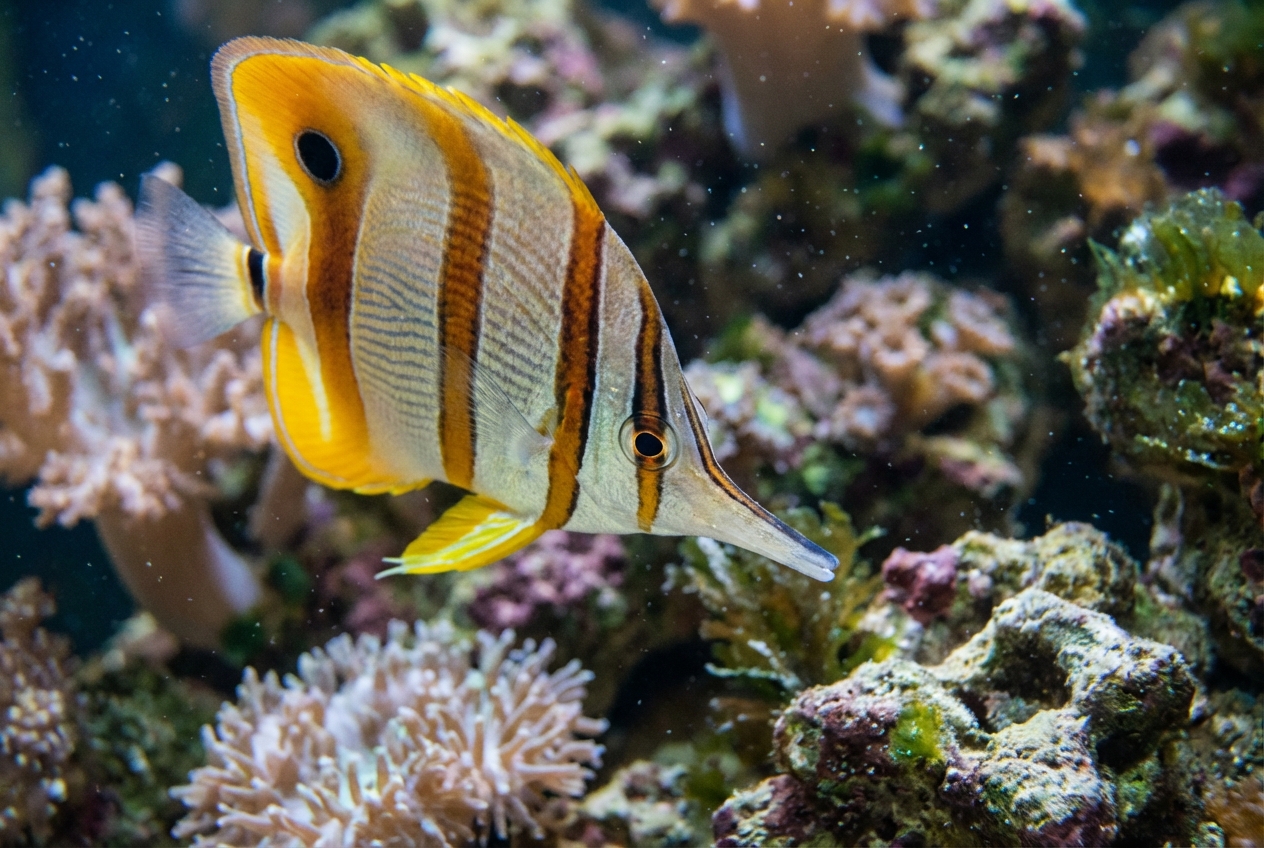
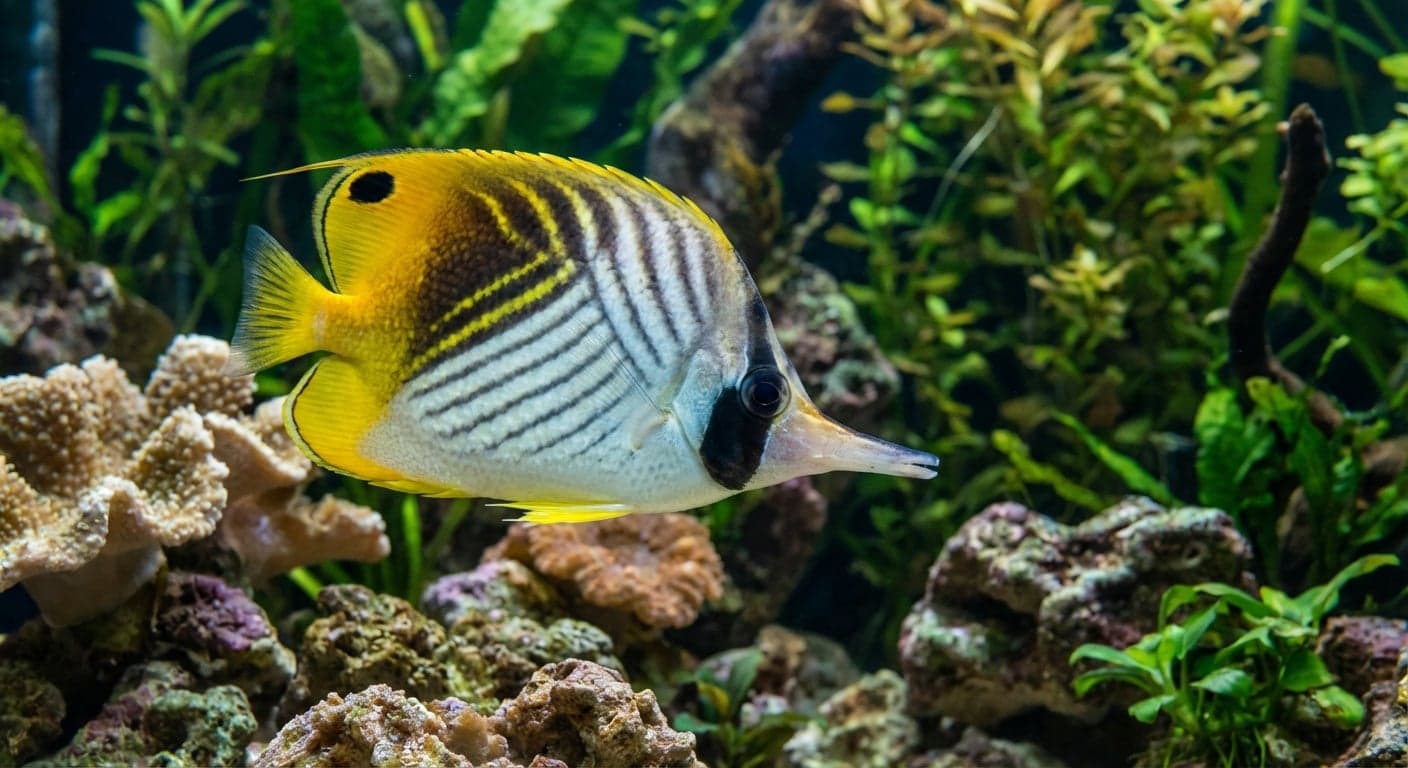
The Copperband Butterflyfish (Chelmon rostratus) is a stunning marine species that captivates aquarists with its striking appearance and unique characteristics. Known for its elongated body and vibrant coloration, this species showcases bright orange and yellow vertical stripes set against a light beige background, creating a visually appealing contrast that makes it a sought-after addition to saltwater aquariums. Often referred to as the "copperband" due to its distinctive markings, this fish can grow to about 8 inches in length and features a long snout adapted for nabbing its primary diet of small invertebrates, particularly flatworms and pest species such as aptasia anemones.
In the aquarium hobby, the Copperband Butterflyfish holds a significant place, not only because of its beauty but also due to its relatively beneficial role in controlling some unwanted pests in reef tanks. Its active and curious nature adds a dynamic element to any aquarium setup, making it a favorite for those who appreciate lively, interacting fish. However, potential owners should be aware of its specialized care requirements, as this species can be challenging to keep and may require an experienced hand to thrive in captivity.
Natural Habitat & Origin
The Copperband Butterflyfish is native to the warm, tropical waters of the Indo-Pacific region. Its range includes areas from East Africa to the Hawaiian Islands and along the Great Barrier Reef. This fish typically inhabits shallow coral reefs, lagoons, and rocky outcrops where it can find ample hiding spots and grazing opportunities. The waters in these environments are usually clear, often characterized by a moderate reef structure that provides both shelter and foraging grounds for the Copperband Butterflyfish. An understanding of these environmental contexts is crucial for replicating the necessary conditions in a home aquarium.
Copperband Butterflyfish are found in depths ranging from 30 to 180 feet, preferring habitats that allow for both shelter and a plentiful supply of food. These environments are often bustling with life, and it is essential for aquarium hobbyists to reflect this biodiversity by creating a similar atmosphere in their tanks.
Care Requirements
For successful care of the Copperband Butterflyfish, maintaining the proper water parameters is vital. The ideal conditions include a pH between 8.1 and 8.4, a temperature range of 75°F to 82°F, and a specific gravity of 1.020 to 1.025. Water hardness should fall between 8 to 12 dKH. Given its natural habitat, it is essential to use high-quality filtration and maintain excellent water quality, as this species is sensitive to fluctuations in parameters.
Regarding tank setup, a minimum tank size of 400 litres (105 gallons) is recommended for this 20cm Chelmon rostratus, which needs swimming space and a foraging territory. The substrate should consist of fine sand or crushed coral to mimic natural reef systems. Providing rock formations and hiding spaces is crucial for the Copperband Butterflyfish's comfort and security. Soft, diffused lighting can be effective, since bright lights may stress the fish. Additionally, a variety of live rock can facilitate beneficial microfauna and algae growth, sources of natural food and habitat.
Diet & Feeding
The Copperband Butterflyfish is primarily an omnivorous fish that requires a varied diet for optimal health. In the wild, it feeds on small invertebrates, zooplankton, and algae. In captivity, offering a diverse menu is essential. Quality flakes, marine pellets, and frozen foods such as brine shrimp, mysis shrimp, and live/gel food options should be incorporated into their diet. Additionally, providing vitamin-rich offerings like spirulina can help maintain the fish’s health and coloration.
It's important to feed the Copperband Butterflyfish small portions multiple times a day, as it is known to graze rather than consume large meals. Regular feeding not only ensures they receive adequate nutrition but also mimics their natural foraging behavior. Avoid feeding them exclusively on non-fortified flake foods, as insufficient nutrients can lead to poor health and growth issues over time.
Behavior & Temperament
Copperband Butterflyfish are generally peaceful creatures, though they exhibit some territorial instincts, especially when it comes to defending their feeding areas. In terms of social behavior, they can be somewhat shy and should ideally be kept in a tank with plenty of hiding spots to help them feel secure. They do not typically school, but they can coexist peacefully with other non-aggressive species, making them suitable in community settings with ample swimming space.
When considering the placement of the Copperband Butterflyfish in the tank, it's important to note that they are mid to bottom dwellers. They prefer to explore the lower regions of the aquarium while occasionally venturing mid-level during feeding times. Hobbyists should ensure that the tank is structured in a way that allows this behavior, incorporating varied heights of rockwork and decorations.
Tank Mates
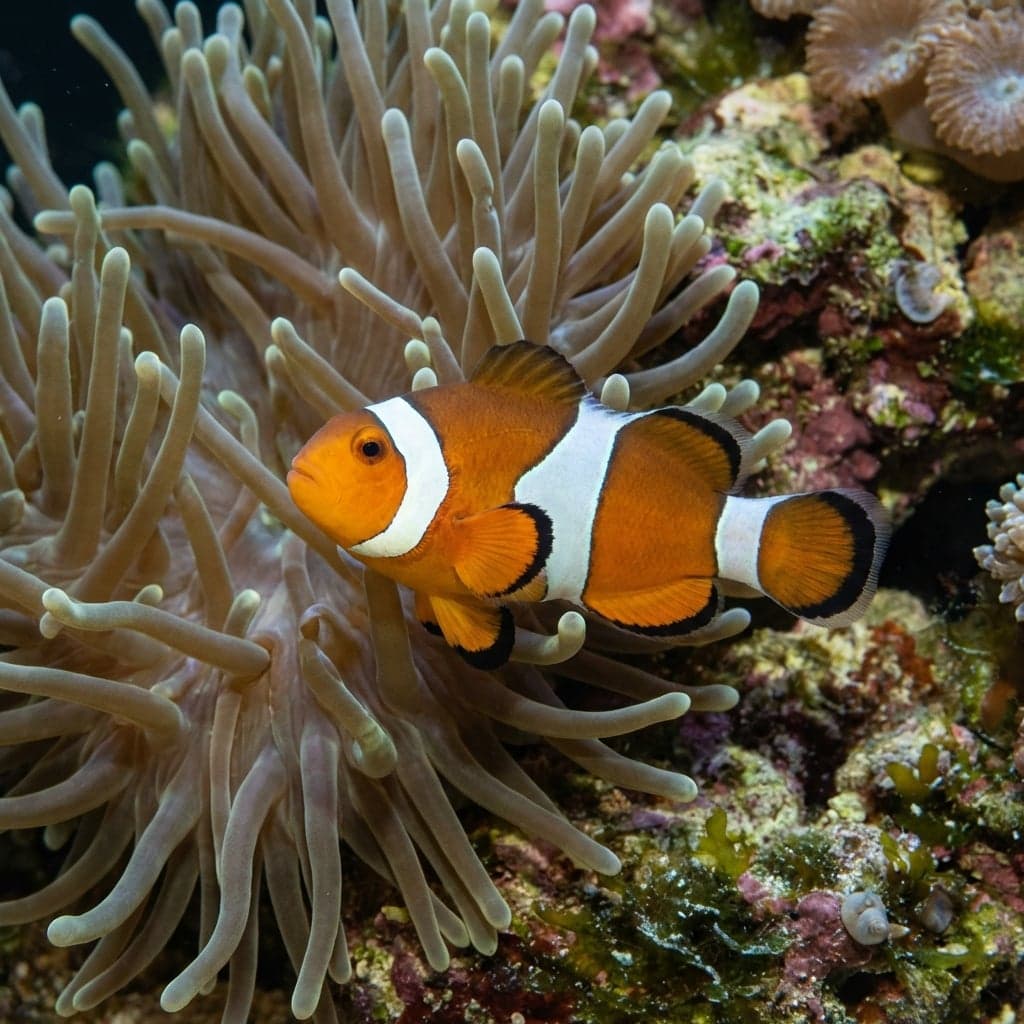
When selecting tank mates for the Copperband Butterflyfish, it's critical to choose species that are calm and non-aggressive. Suitable companions include Clownfish, Gobies, and various types of Blennies. These species share similar temperaments and can coexist harmoniously without undue stress.
Conversely, it is advisable to avoid pairing Copperband Butterflyfish with overly aggressive species such as Damselfish or large predatory fish like Groupers and Lionfish, which may intimidate or harm them. Additionally, other butterflyfish should be avoided unless they are paired with caution, as they can display territorial behavior.
Breeding
Breeding the Copperband Butterflyfish in captivity presents significant challenges due to their specific reproductive requirements. They are typically known to spawn in pairs during early morning hours and require a larger tank (at least 100 gallons) with plenty of free swimming space and appropriate spawning sites.
Successful breeding would also necessitate stable, pristine water conditions and a diet rich in nutrition to ensure the health of both the parents and potential fry. Copious quantities of high-quality food before the breeding process can enhance the fish's spawning success. However, raising the fry is where most hobbyists encounter issues, as the larvae are planktonic and require specialized care that cannot be easily replicated in a home tank.
Common Health Issues
Copperband Butterflyfish can be prone to several health issues, including ich (Ichthyophthirius multifiliis), marine velvet, and other parasitic infections. Prevention of these diseases requires maintaining optimum water quality and routinely checking all parameters. Regular observation for signs of stress or disease is crucial.
Furthermore, these fish can be prone to stress-related issues if kept in an inappropriate tank environment or with incompatible tank mates. It is important for aquarists to conduct regular water tests and maintain stable conditions to mitigate health risks effectively. Establishing a quarantine protocol for new fish is also highly recommended to prevent the introduction of diseases.