Coral Beauty
A 10cm dwarf angelfish, the hardiest and most widely kept Centropyge. Needs 150L+ and mature rock, and it may still nip coral.
Coral Beauty
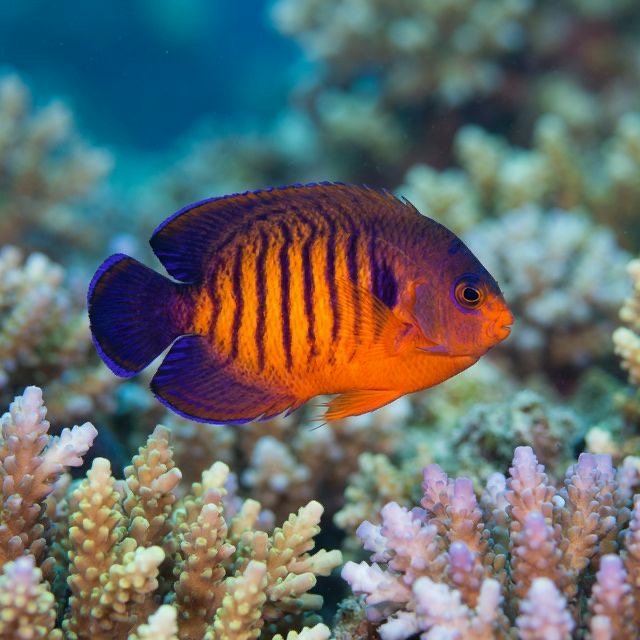
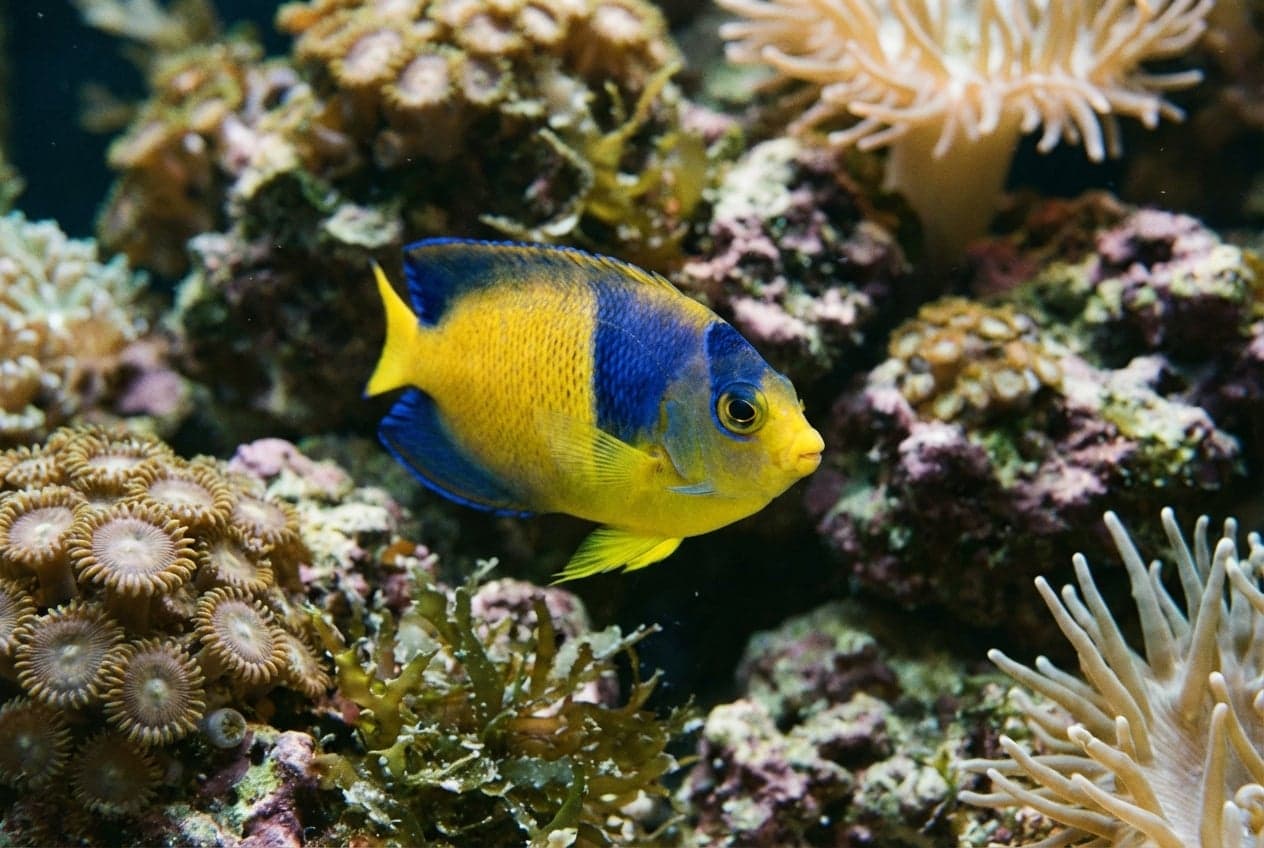
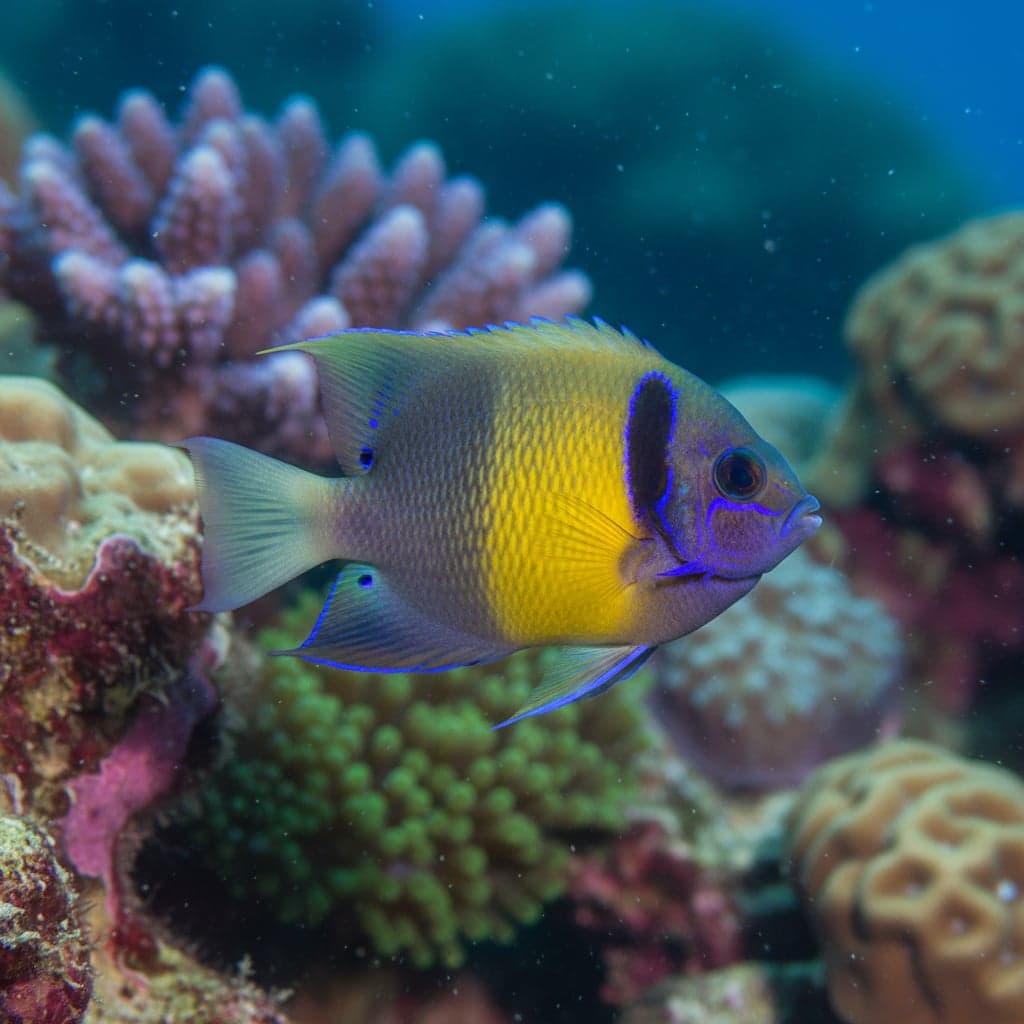
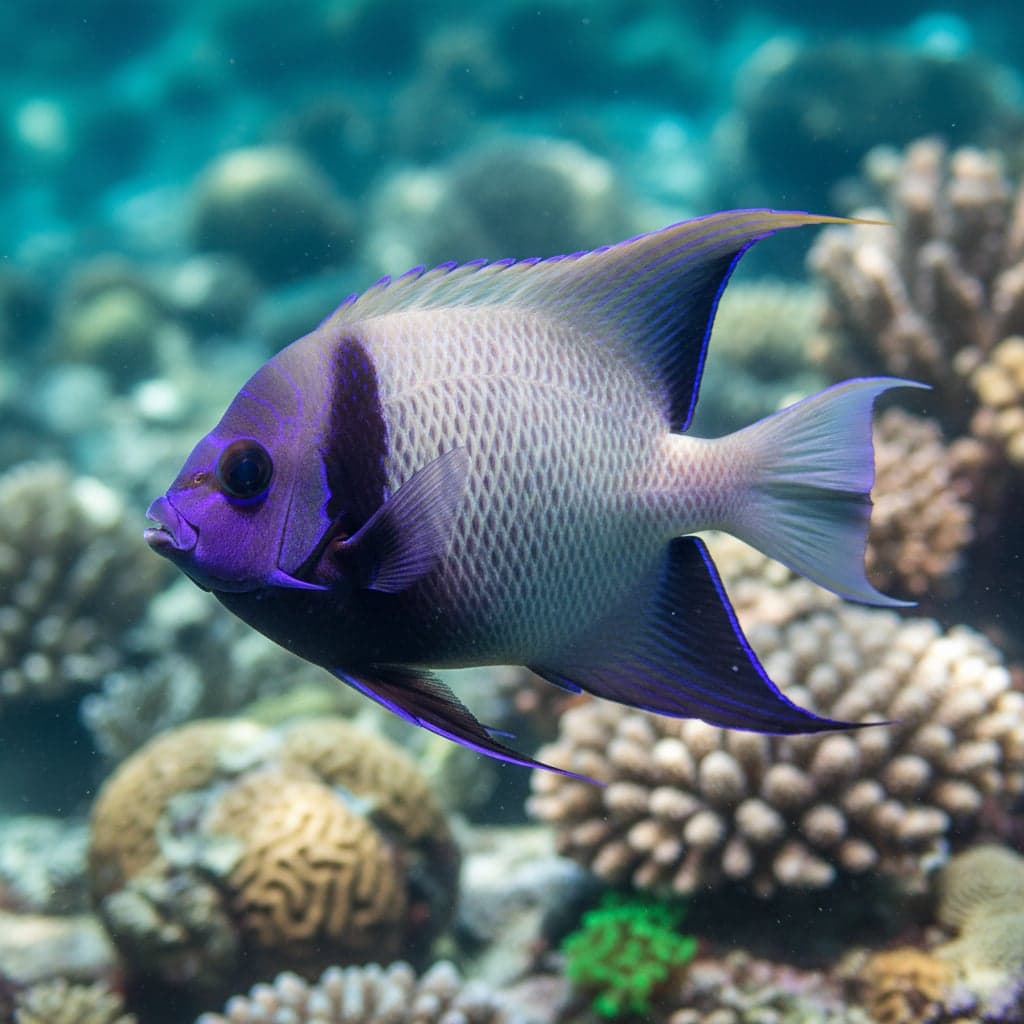
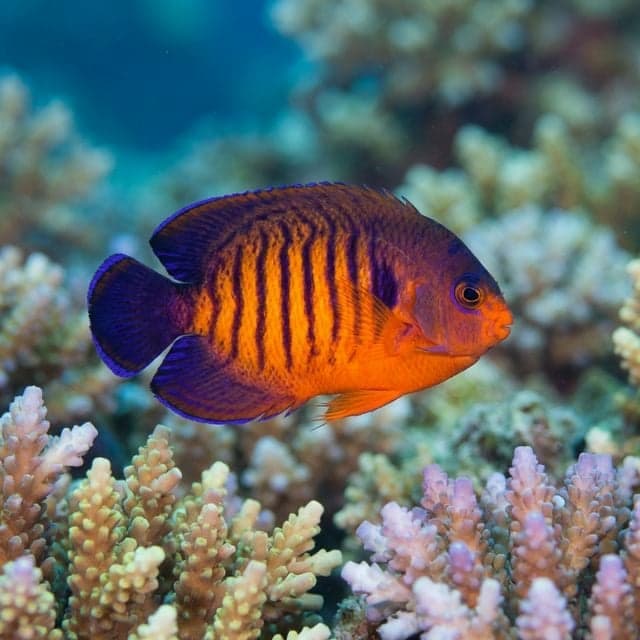
The Coral Beauty, scientifically known as Centropyge bispinosa, is a small and vibrant species of angelfish that has captured the hearts of aquarium enthusiasts around the globe. Known for its striking coloration, which typically features a rich blue body adorned with radiant orange and yellow patches, the Coral Beauty adds a splash of visual appeal to any marine tank. These fish are not only aesthetically pleasing; they also play a vital role in the aquarium hobby due to their relatively hardiness and adaptability, making them a favorite choice for both novice and experienced aquarists alike.
In addition to their stunning appearance, Coral Beauties are known for their engaging behaviors and unique personalities. Often seen grazing on algae and exploring their surroundings, these fish exhibit a fascinating mix of boldness and curiosity. Their social nature allows them to interact well with various tank mates, elevating the overall experience of maintaining a marine aquarium. By introducing a Coral Beauty into your tank, you are not just adding a beautiful fish; you are also contributing to a lively and dynamic underwater environment.
Natural Habitat & Origin
The Coral Beauty hails from the warm, shallow waters of the Pacific Ocean, primarily around the islands of the Indo-Pacific region, including Fiji, Tonga, and parts of the Great Barrier Reef. Found predominantly among coral reefs, they thrive in areas rich in live rock and algae. The natural habitat of the Coral Beauty consists of clear, well-oxygenated waters where they can graze on microalgae and detritus while seeking shelter among the nooks and crannies of the reef.
These fish are typically associated with reef ecosystems that exhibit stable water parameters, which is essential for their immune health and overall well-being. Such settings support not only a diverse array of marine life, but they also underscore the Coral Beauty's significance as a herbivore in controlling algal growth within its environment, providing ecological balance.
Care Requirements
To successfully keep a Coral Beauty in your aquarium, it is essential to replicate their natural habitat as closely as possible. The recommended water parameters for this species include a pH level ranging from 8.1 to 8.4, a temperature between 72°F to 78°F (22°C to 26°C), and a hardness level of 8 to 12 dGH. A well-filtered aquarium with proper aeration is crucial to maintain optimal water quality.
In terms of tank setup, a minimum tank size of 150 litres (40 gallons) is advised for this 10cm Centropyge bispinosa — the hardiest dwarf angel still needs that volume plus mature rock, and it may still nip coral. The substrate should consist of fine sand or crushed coral to mimic their natural environment. Lighting should be moderate to high, as this facilitates the growth of essential algae that the Coral Beauty may graze upon. Incorporating live rock is vital, as it offers hiding spots and territories that help reduce stress. Additionally, plants should be of a species that can tolerate saltwater conditions, such as seagrasses or macroalgae.
Diet & Feeding
The Coral Beauty is primarily an omnivore, with a diet that consists of algae, zooplankton, and small invertebrates in their natural habitat. To keep your Coral Beauty healthy and vibrant, a varied diet is crucial. It is recommended to provide high-quality flake or pellet food specifically formulated for marine fish, which should include spirulina and other algae-based ingredients. Supplementing their diet with frozen or live foods such as brine shrimp, mysis shrimp, and copepods will support their nutritional needs and help maintain vibrant coloration and health.
Feeding should be done multiple times a day in small portions, ensuring that the fish consumes all food within a few minutes. This approach mimics their natural foraging behavior and prevents overfeeding, which can lead to water quality issues.
Behavior & Temperament
Coral Beauties are generally known for their semi-aggressive temperament and a lively disposition. While they can be territorial, especially towards other fish of similar shape or coloration, they also exhibit friendly behaviors and can be kept in social groups, provided that the tank is spacious enough. They do not typically school but may establish a pecking order within their environment.
In terms of vertical placement, Coral Beauties often inhabit the mid to upper levels of the aquarium. They are most active swimming around the rocks and structures, so it’s important to provide ample elements for them to explore.
Tank Mates
Selecting the right tank mates is crucial for maintaining harmony within the aquarium. Compatible species frequently include other peaceful fish such as clowns, gobies, and certain wrasses. Avoid keeping the Coral Beauty with overly aggressive species or larger predatory fish that may intimidate or harm them. Triggerfish, larger angelfish, and lionfish are some examples of fish to avoid as tank mates.
In addition, it is advised to limit the number of dwarf angelfish species within a single tank, as territorial disputes can arise. Instead, consider a diverse community of reef-safe species to create a balanced and thriving marine ecosystem.
Breeding
Breeding Coral Beauties in captivity can be challenging but is not impossible under the right conditions. These fish are ovophilous spawners, meaning they lay eggs that develop outside of their bodies. To encourage breeding, it is essential to maintain excellent water quality and provide a stable environment. Higher temperatures, ranging from 78°F to 80°F, can stimulate spawning behavior.
Creating a breeding environment with ample hiding spots and flat surfaces where eggs can be laid is crucial. After spawning, the parents will care for the eggs for several days until they hatch. It is important to remove the adults or any potential predators from the breeding tank after spawning, as they may consume the eggs or fry. Hatchlings can be fed with infusoria or finely crushed food until they grow large enough to accept adult-sized food.
Common Health Issues
Coral Beauties can be susceptible to several common marine diseases, including ich (Ichthyophthirius multifiliis), marine velvet (Oodinium), and an array of bacterial infections. To minimize risks, it’s vital to maintain optimal water conditions, avoiding rapid changes in temperature or salinity that can compromise their immune systems.
Preventative measures should include regular water changes, proper filtration, and the use of high-quality foods to support immune health. Quarantining new fish before adding them to the main tank can also reduce the risk of disease outbreaks. Additionally, observing for any changes in behavior or appearance is essential, as early detection can aid in effective treatment.