Coral Hawkfish
A 9cm hawkfish that perches on coral and darts at anything small. Hardy and easy — and it will eat shrimp and small fish.
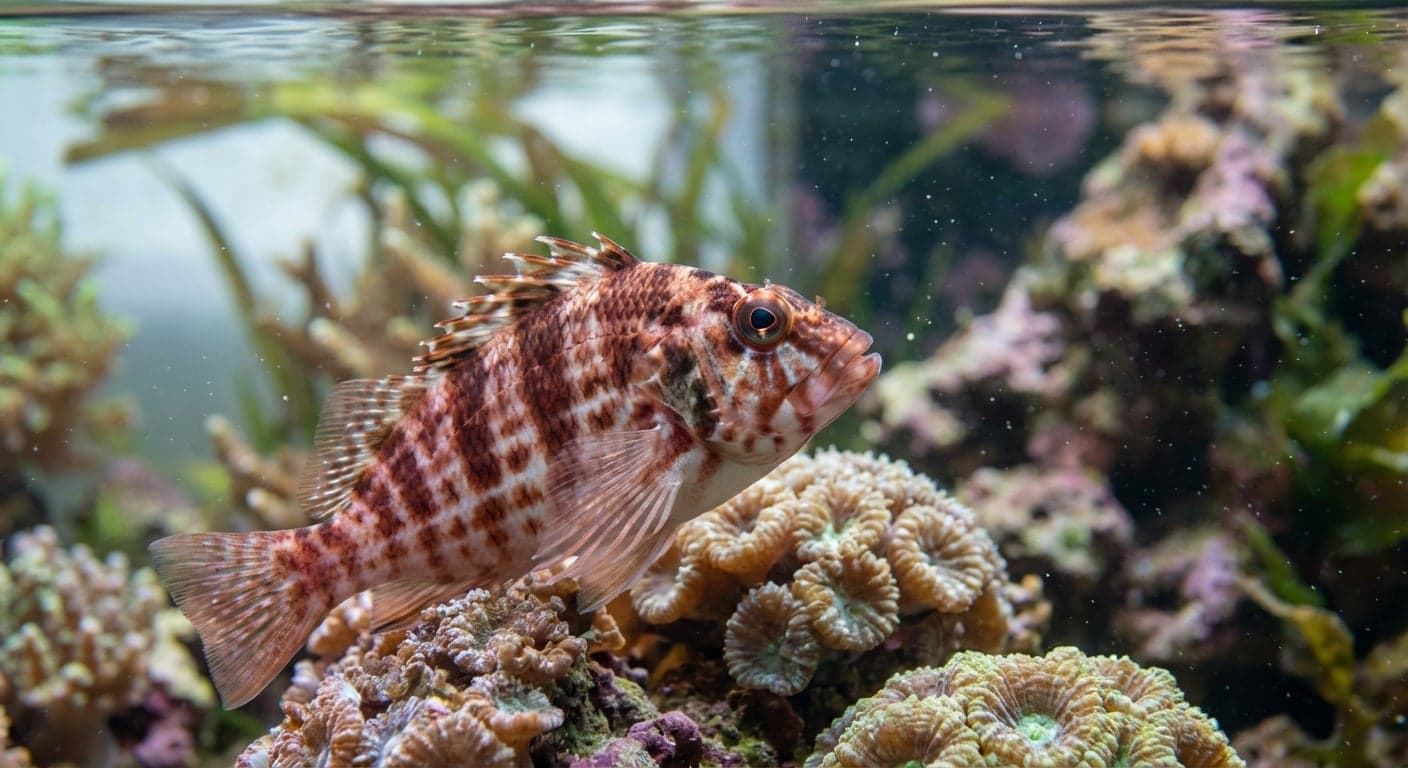
Coral Hawkfish
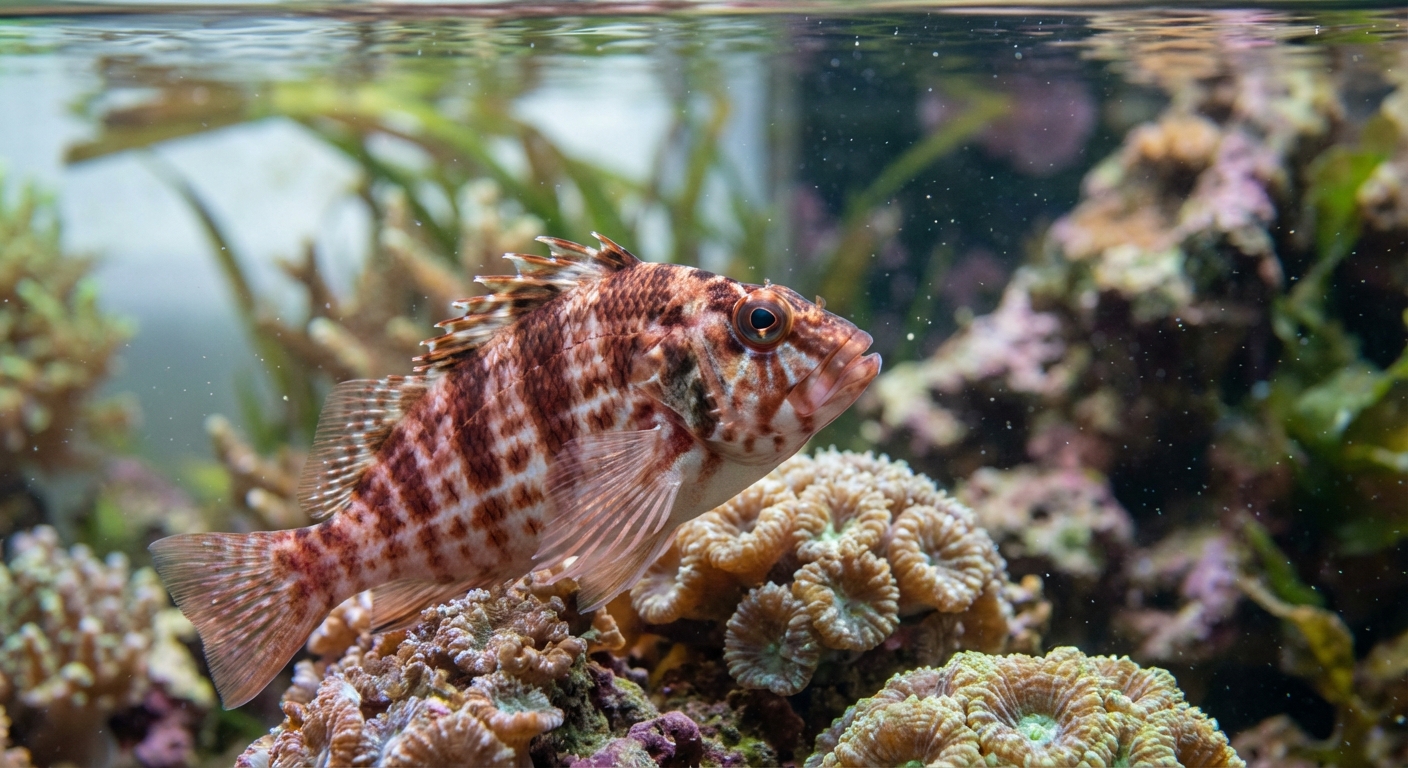
The Coral Hawkfish, scientifically known as Cirrhitichthys oxycephalus, is a captivating species found within the marine aquarium trade. With its vibrant coloration and distinctive body shape, this fish can enhance the aesthetic appeal of any reef tank. Typically exhibiting hues of red, orange, and white, the Coral Hawkfish is characterized by its unique appearance—its compressed body and large, expressive eyes add to its charm. As an ambush predator, it often perches on rocks or coral outcrops, showcasing its remarkable ability to blend seamlessly into its environment, making it a visually striking inhabitant in aquariums.
Beyond its visual allure, the significance of the Coral Hawkfish in the aquarium hobby is profound. Renowned for its hardiness, this fish adapts relatively well to varying tank conditions, making it a popular choice among both novice and experienced aquarists. Its unique behavior and role as a sentinel fish provide interest and interaction in the dynamic ecosystem of a reef tank. The Coral Hawkfish's combination of beauty and engaging personality ensures it remains a prized specimen in aquarist communities worldwide.
Natural Habitat & Origin
The Coral Hawkfish is predominantly found in the tropical waters of the Indo-Pacific region, including the Red Sea, the Hawaiian Islands, and various locations throughout the Coral Triangle. This species typically resides in shallow coral reefs at depths ranging from 5 to 30 meters. The environment consists of clear, warm waters that often provide excellent illumination, which is crucial for the growth of the corals and, by extension, the fish that inhabit them. The Coral Hawkfish prefers areas with abundant cover, often hiding among the crevices of the reef to ambush prey, making it a key player in the reef ecosystem.
An interesting aspect of the Coral Hawkfish's natural habitat is its association with coral species, particularly branching corals, which provide both shelter and hunting grounds. The complex structure of these reefs allows the Coral Hawkfish to exhibit its characteristic behaviors, showcasing its adaptability and survival strategies in an environment teeming with both predators and prey.
Care Requirements
For successful care of the Coral Hawkfish, specific water parameters and tank conditions are critical. Ideal parameters include a pH range of 8.1 to 8.4, a temperature of 24 to 28°C (75 to 82°F), and a water hardness of 8 to 12 dKH. Given its natural environment, maintaining stable water quality is essential to prevent stress and disease. Regular water changes and high-quality filtration can help achieve these conditions.
When setting up a tank for a Coral Hawkfish, a minimum tank size of 120 litres (30 gallons) is recommended for this territorial 9cm Cirrhitichthys, which needs a perch and a modest footprint rather than a large system. The substrate should be fine to moderate-sized sand or crushed coral, allowing for natural burrowing behavior. During lighting setup, moderate to high lighting is preferred to encourage the growth of any corals and invertebrates in the tank. For supplementary decoration, adding live rocks and corals can create hiding spots and territories that the Coral Hawkfish can claim as its own.
Diet & Feeding
The Coral Hawkfish is classified as a carnivorous species, primarily feeding on small fish and crustaceans in its natural habitat. In an aquarium setting, it is essential to replicate this diet to maintain its health and vitality. A varied diet should include high-quality marine flakes, pellets, as well as frozen or live foods such as mysis shrimp, brine shrimp, and other seafood. This variety ensures that the Coral Hawkfish receives adequate nutrition, promoting overall health and vibrant coloration.
Feeding should occur 2-3 times a day in small, manageable portions to prevent overfeeding and maintain water quality. Observing the feeding habits of the Coral Hawkfish can also be educational, as it actively hunts for its food, demonstrating its natural predatory instincts.
Behavior & Temperament
The Coral Hawkfish is known for its unique behavior and social dynamics. Typically, it is a solitary fish—though occasionally seen in pairs—it exhibits a primarily territorial nature, which can result in aggressive behaviors, especially towards similar-looking species or other bottom-dwelling fish. Although it can coexist with certain community fish, it is essential to monitor interactions, as it may harass smaller, more docile tank mates.
In terms of vertical placement within the tank, the Coral Hawkfish prefers the upper levels, where it can survey its surroundings and communicate with its environment. Its perch-and-pounce hunting style means it is often seen perched on rocks or corals, waiting to ambush unsuspecting prey, showcasing a fascinating behavior characteristic of this species.
Tank Mates
Selecting compatible tank mates for the Coral Hawkfish requires careful consideration to ensure harmony within the aquarium. Suitable tank mates include robust species such as clownfish, wrasses, larger gobies, and angel fish, which can withstand the Hawkfish's territorial nature. It is advisable to avoid keeping it with smaller fish or particularly aggressive species that could be threatened by its assertive demeanor.
Best practice includes introducing tank mates simultaneously to disperse territorial claims and minimize aggression. Smaller invertebrates, such as shrimp, should be approached with caution, as the Coral Hawkfish may see them as prey.
Breeding
Breeding Coral Hawkfish in captivity remains a challenging endeavor, as it requires specific conditions to encourage spawning behaviors. In the wild, these fish are known to engage in complex courtship displays and typically spawn in shallow waters near coral reefs. To stimulate breeding in an aquarium, a dedicated breeding tank with stable conditions that mimic their natural habitat is essential, including ample space and suitable hiding spots.
Temperature and water quality should be carefully monitored, and the addition of live foods can help entice potential breeding pairs. While successful captive breeding has been documented, it often includes detailed attention to the nuances of their behavior and environmental conditions, making it a rare achievement among aquarium enthusiasts.
Common Health Issues
The Coral Hawkfish, like other marine fish species, can be prone to several health issues, including ich (Ichthyophthirius multifiliis), velvet disease, and marine bacterial infections due to stress or poor water quality. Preventive measures include maintaining optimal water conditions, performing regular water changes, and ensuring a balanced diet to boost its immune system.
Monitoring the tank's temperature and salinity is essential to prevent parasitic outbreaks. Quarantining new arrivals can also help minimize the risk of introducing diseases into your established aquarium, essential for maintaining the overall health of the Coral Hawkfish and its tank mates. Regular observation of behavior and physical appearance can aid in identifying health issues early, allowing for prompt treatment and intervention.