Crescent Betta: Betta imbellis
The Peaceful Betta. Unlike the common Betta splendens, males can often be kept together in groups.
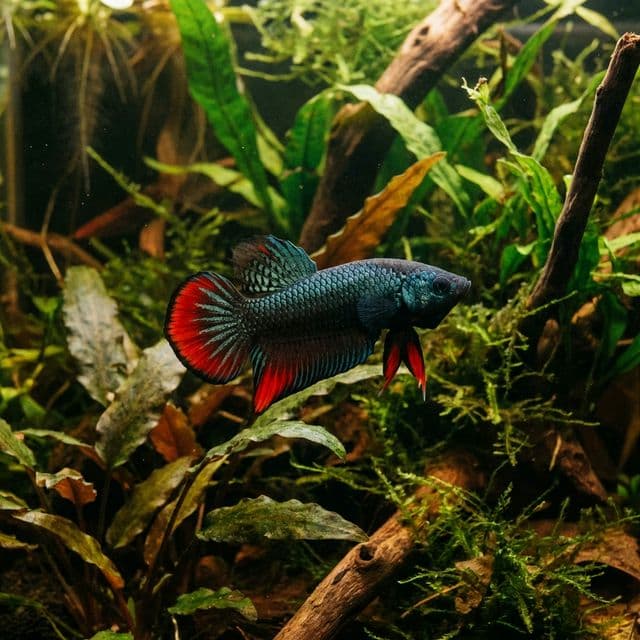
Crescent Betta
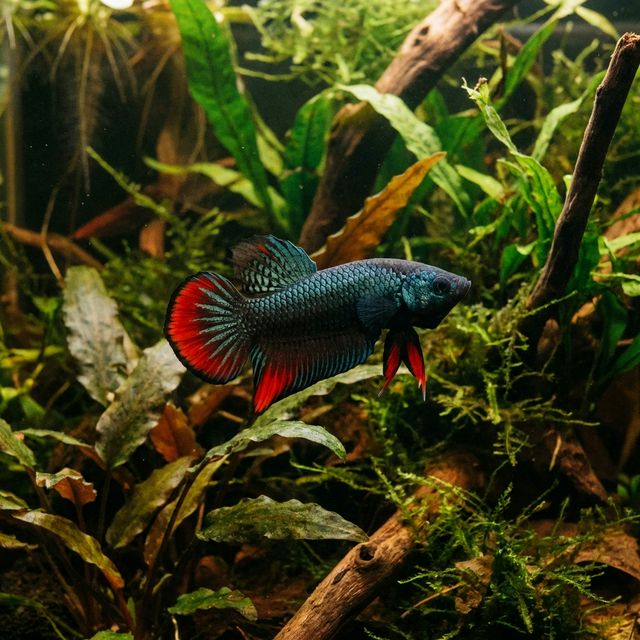
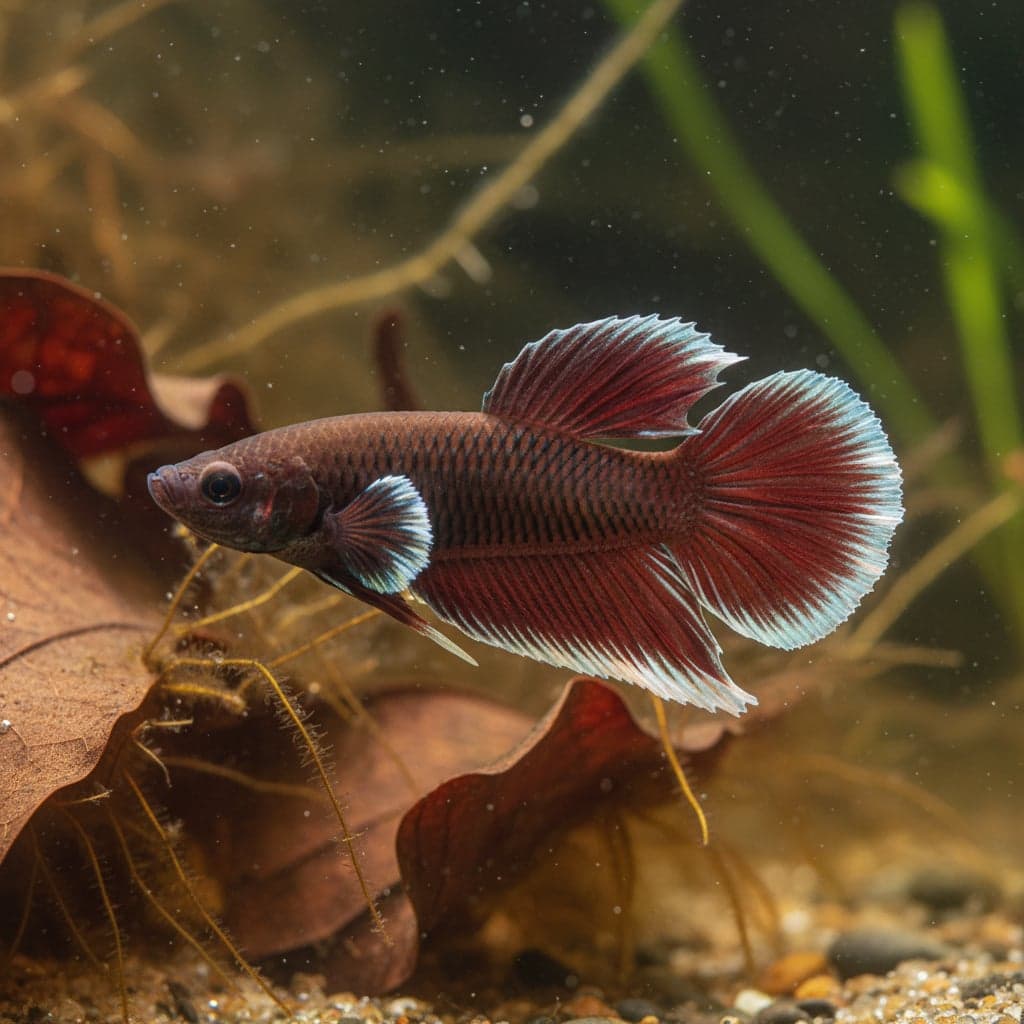
The Crescent Betta (Betta imbellis) is a stunning, less commonly known relative of the more popular Betta splendens. This species showcases a uniquely elongated body form adorned with vibrant, cascading fins that can exhibit a range of colors, including deep blues, greens, and iridescent purples. What sets the Crescent Betta apart is its striking tail, which is shaped like a crescent moon when fully extended, enhancing its visual appeal in an aquarium setting. Not only is this fish mesmerizing to observe, but it also holds a special place in the aquarium hobby due to its docile nature and beautiful appearance, making it a preferred choice for both novice and advanced aquarists.
In the aquarium community, the Crescent Betta is often praised for its calm temperament compared to its more aggressive cousins, making it an ideal candidate for community tanks. With its slower, graceful swimming style, it adds an element of tranquility to any aquatic environment. The Crescent Betta is not only a feast for the eyes but also serves as a symbol of the diversity and richness of freshwater aquaculture. Its presence in aquariums highlights the importance of preserving diverse species in their habitats.
Natural Habitat & Origin
Crescent Bettas originate from the lush, tropical freshwater ecosystems of Southeast Asia, particularly found in the regions of Malaysia, Thailand, and Indonesia. They inhabit slow-moving waters like streams, small rivers, and shallow swamps, often surrounded by dense vegetation. These environments are typically characterized as blackwater habitats, where the water is stained by tannins from decaying plant matter. This unique ecosystem not only provides shelter and breeding grounds for the Crescent Betta but also influences its coloration and behavior.
The water conditions in their natural habitat are distinctively soft and slightly acidic, which plays a critical role in the overall health and well-being of the species. As such, understanding these environmental factors is essential for aquarists seeking to mimic their natural habitat in captivity, allowing for a better quality of life for the Crescent Bettas.
Care Requirements
Caring for Crescent Bettas requires attention to specific water parameters that reflect their natural habitat. The ideal pH level should be maintained between 6.0 and 7.5, with a temperature range of 24°C to 28°C (75°F to 82°F) to promote optimal health. Additionally, the hardness of the water should be kept between 2 to 15 dGH, ensuring it remains suitable for these freshwater fish.
When it comes to tank setup, a minimum tank size of 20 gallons is recommended to provide ample swimming space and territories for this species. The substrate can be dark-colored, mimicking their natural soft, leaf-laden environments, and live plants should be highlighted in the aquascape. Floating plants like duckweed or water sprite are excellent choices, providing cover and shade. Moderate lighting is preferred, as it reflects their natural habitat's dappled sunlight conditions, while adding decorations such as driftwood and rock formations can enhance both aesthetics and comfort for the Crescent Betta.
Diet & Feeding
The Crescent Betta is an omnivorous species, thriving on a balanced diet that consists of both plant and animal matter. In captivity, it is important to provide high-quality flakes or pellets designed for bettas, along with a varied selection of live or frozen foods. Feed them items like brine shrimp, daphnia, and bloodworms to ensure they receive essential nutrients. Additionally, incorporating blanched vegetables such as peas or spinach can provide fiber, promoting digestive health.
Feeding should occur two to three times a day, with only as much food as can be consumed in a few minutes to avoid overfeeding and water quality deterioration. A well-fed Crescent Betta exhibits more vibrant coloration and a healthier overall appearance, making it vital to tailor their diet to their specific nutritional needs.
Behavior & Temperament
Crescent Bettas exhibit generally peaceful behavior, making them suitable for community tanks. Unlike their more aggressive counterparts, these fish can often tolerate the presence of other species, provided they are not too aggressive or territorial themselves. However, it is still crucial to monitor their interactions with tank mates, especially during feeding times and in smaller spaces where competition may arise.
They are best kept in a semi-aggressive community setting, with an understanding that Crescent Bettas tend to swim at various levels of the tank, including mid to lower regions. They are social to an extent and can benefit from the presence of similar-sized, non-aggressive fish, contributing to a harmonious aquatic environment.
Tank Mates
When selecting tank mates for the Crescent Betta, it is essential to consider compatibility to avoid stress or aggression. Suitable companions include small, peaceful species such as neon tetras, cardinal tetras, and endlers; these fish typically dwell in the same water levels and do not compete aggressively for territory. Other options can include small rasboras, corydoras catfish, and peaceful species of gourami, which can add diverse activity levels to the aquarium.
Species to avoid include those that are known to be nippy or overly territorial, such as fin-nipping barbs, angelfish, and aggressive cichlids. It's crucial to avoid other betta species, especially males, which may trigger territorial disputes and aggression. Ensuring a balanced community of compatible fish helps maintain a peaceful and visually appealing aquarium.
Breeding
Breeding Crescent Bettas can be a rewarding experience for aquarists prepared for the challenge. These fish exhibit a unique spawning behavior where males build bubble nests at the water's surface. Preparing the breeding environment involves setting up a separate tank equipped with subdued lighting, gentle filtration, and plenty of hiding spaces for the female. The water conditions should mimic those of their natural habitat—soft and slightly acidic.
When a female is introduced, the male displays courtship behaviors, which may include flaring and presenting the bubble nest. Once the female is receptive, they will engage in a ritual dance leading to spawning. After eggs are laid, the male takes responsibility for guarding them while the female should be removed to prevent aggression. Fry will begin to hatch in 24 to 48 hours and can be fed infusoria or finely crushed flakes until they are large enough to consume baby brine shrimp.
Common Health Issues
Crescent Bettas, like other freshwater fish, are susceptible to various health issues if not properly cared for. Common diseases include fin rot, ich, velvet, and dropsy. These conditions can often be attributed to poor water quality, stress, or improper tank mates.
To prevent these health problems, regular maintenance is crucial, including adequate water changes, quality food, and monitoring tank conditions. Additionally, introducing new fish gradually and quarantining them beforehand can help minimize disease outbreaks. Observing your fish regularly for symptoms of illness such as lethargy, loss of appetite, or abnormal swimming behavior may lead to early detection and treatment, increasing the likelihood of successful recovery.