Croaking Gourami: Trichopsis vittata
A labyrinth fish that makes an audible croaking noise. Small and suitable for community tanks.
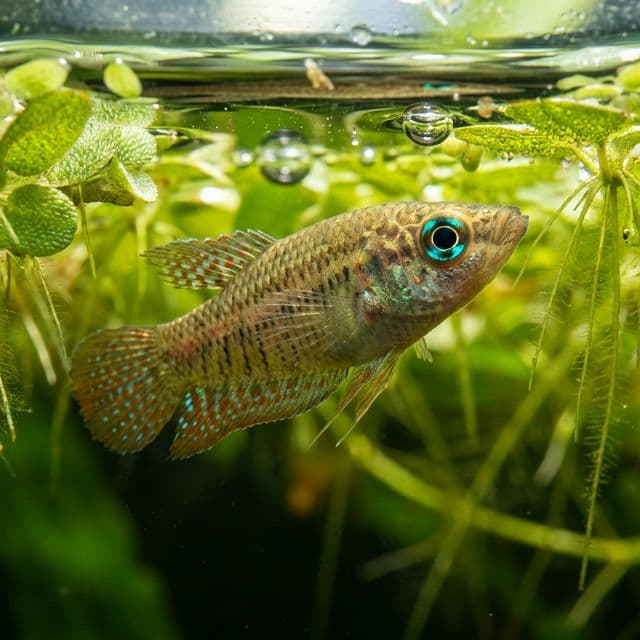
Croaking Gourami
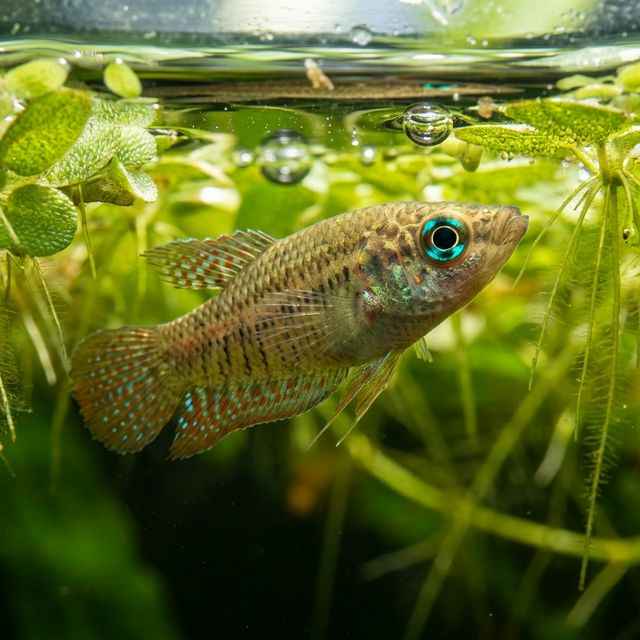
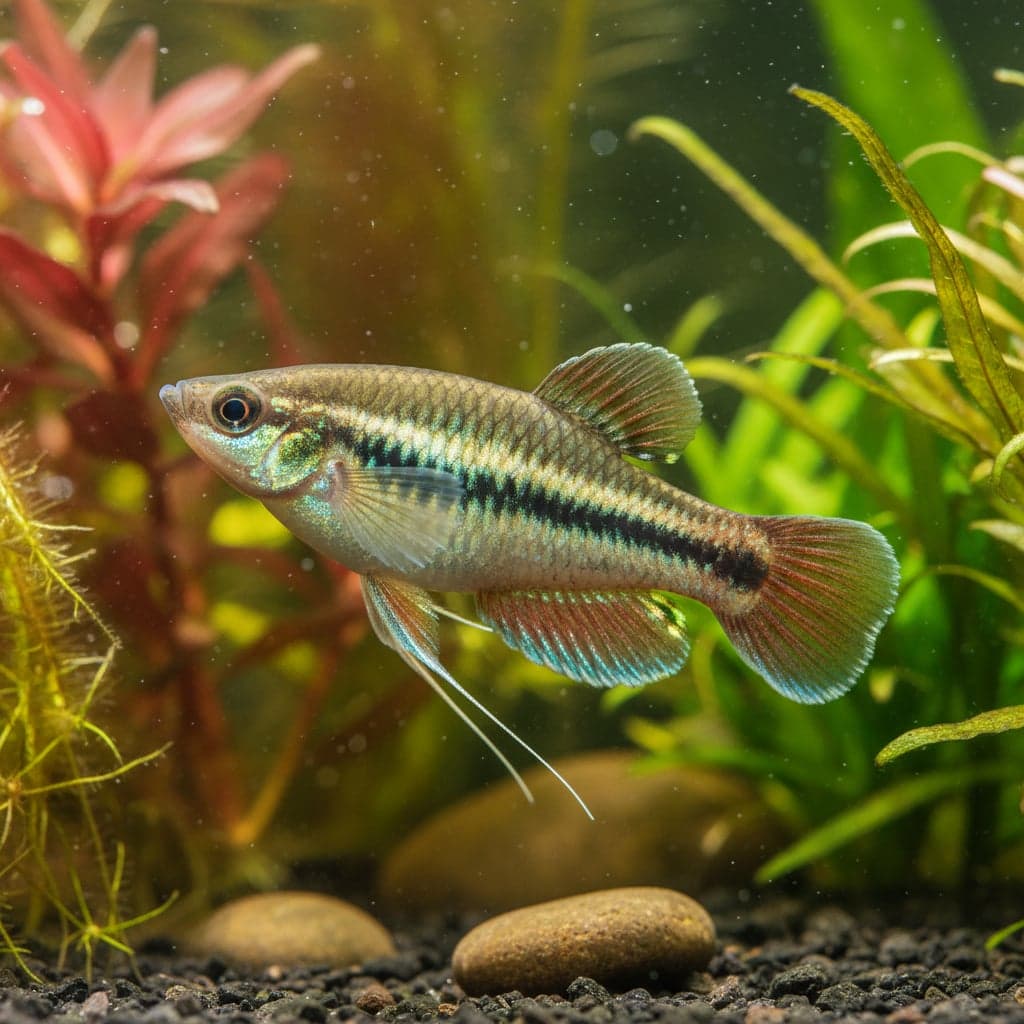
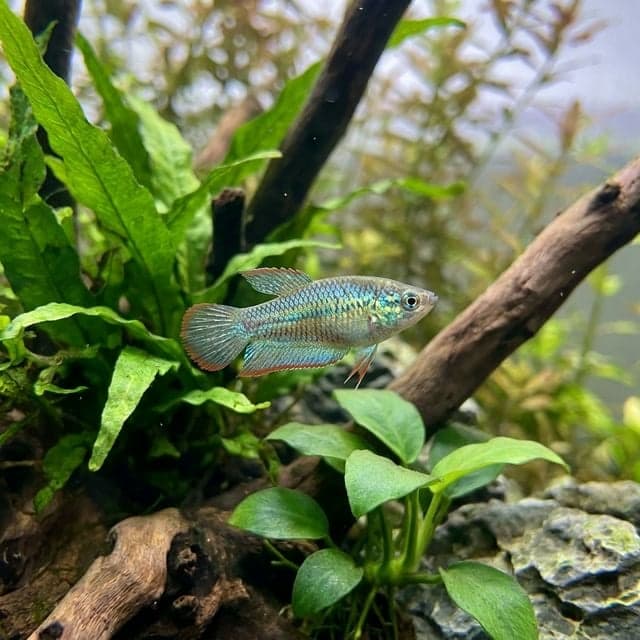
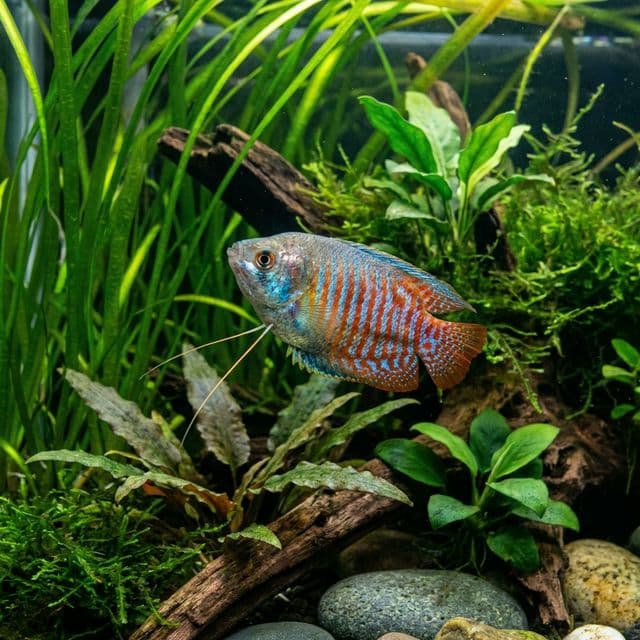
The Croaking Gourami, scientifically known as Trichopsis vittata, is a fascinating freshwater fish celebrated for its unique auditory prowess. This species, belonging to the Osphronemidae family, is particularly renowned for the captivating "croaking" sound it produces, especially during mating rituals. This acoustic ability stems from specialized swim bladder structures that enable the fish to emit sounds. Croaking Gouramis are visually appealing as well, featuring a blend of iridescent blue-green and yellowish-brown colors with delicate, elongated fins that provide an elegant presence. Their shimmering bodies and gentle movements make them a popular choice among aquarists seeking a tranquil, yet enchanting addition to their freshwater tanks.
In the aquarium hobby, Croaking Gouramis hold significant value not only for their beauty but also for their peaceful disposition and adaptability. They thrive in a variety of environments, making them suitable for community tanks. Enthusiasts often appreciate their interactive behavior, as these fish exhibit curiosity towards their surroundings. Their distinctive croaks add an extra layer of charm, allowing aquarists to engage with them on a deeper level. As a beginner-friendly fish that grows to a manageable size, Croaking Gouramis serve as an excellent introduction to the world of freshwater aquaristics.
Natural Habitat & Origin
The Croaking Gourami hails from the lush waters of Southeast Asia, predominantly found in regions like Thailand, Cambodia, and Vietnam. This species typically inhabits shallow waters such as swamps, marshes, and slow-moving streams that are characterized by lush vegetation and ample cover. The waters these fish thrive in are often low in minerals and slightly acidic, with a pH ranging from 6.0 to 7.5. They prefer warm temperatures ranging between 24°C to 28°C (75°F to 82°F). Such habitats often have a soft substrate, such as leaf litter or mud, which is beneficial for their natural behaviors.
Environmental context is crucial for understanding the Croaking Gourami's needs. In the wild, these fish find shelter among densely planted areas, which not only provide protection from predators but also serve as an area for breeding. The dimly lit waters characteristic of their habitat discourage overly bright lighting, making it vital for aquarists to recreate similar conditions in captivity. This understanding of their natural habitat can help aquarists achieve a thriving ecosystem for their Croaking Gouramis.
Care Requirements
When setting up an aquarium for Croaking Gouramis, the ideal tank size should be a minimum of 20 gallons. This size ensures they have sufficient space to swim and establish their territories. The substrate should be soft and dark, allowing the colors of the fish to stand out while mimicking their natural environment. It's also recommended to include floating plants and other foliage to create hiding spots, as this mimics their natural habitat and ensures they feel secure.
In terms of water parameters, Croaking Gouramis prefer slightly acidic to neutral pH levels at around 6.0 to 7.5, a temperature range of 24°C to 28°C (75°F to 82°F), and soft to moderately hard water (up to 10 dGH). Lighting should be subdued, utilizing either low-wattage bulbs or shaded areas within the tank to replicate the dim conditions of their native habitat. Regular water changes and maintaining a clean environment will help promote the health and well-being of these fascinating fish.
Diet & Feeding
The Croaking Gourami is classified as an omnivore, which allows it to thrive on a varied diet. In captivity, they should be offered a balanced mix of high-quality flakes or pellets designed for tropical fish as a staple food. Alongside this, frozen or live foods such as brine shrimp, daphnia, and bloodworms can be introduced to provide essential nutrients and promote their coloration.
Feeding should be done two to three times a week, ensuring that the portions are small enough for the Gourami to consume within a few minutes to prevent uneaten food from polluting the tank. This balanced diet not only meets their nutritional needs but also promotes healthy growth and vibrant coloration, essential for their aesthetic appeal in the aquarium.
Behavior & Temperament
Croaking Gouramis are generally peaceful and exhibit a tranquil demeanor, making them suitable for community tanks. They are social fish that prefer to live in pairs or small groups, ideally in a minimum of three specimens to foster a sense of security and social interaction. While they can exhibit some territorial behavior, particularly during breeding, they are typically non-aggressive towards other tankmates.
In terms of behavior, Croaking Gouramis tend to utilize the entire vertical space of the aquarium. They are often found swimming in the mid to upper regions of the tank, where they can comfortably engage with their environment. They enjoy hovering near floating plants and will frequently explore their surroundings, providing a delightful visual display for aquarists. Their serene nature allows them to coexist with a range of compatible species in community setups.
Tank Mates
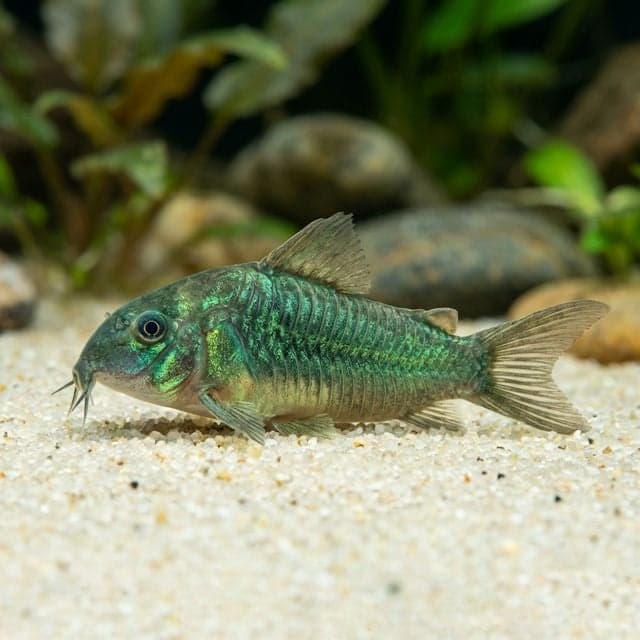
Selecting the right tank mates for Croaking Gouramis is crucial for a harmonious community aquarium. Compatible species include small to medium-sized peaceful fish such as neon tetras, guppies, rasboras, danios, and small catfish (like Corydoras). These fish share similar temperaments and water requirements, making them ideal companions.
However, certain species should be avoided to prevent stress or aggression. Avoid keeping aggressive or fin-nipping species, such as cichlids, barbs, and larger predatory fish, as they can harass or harm the Croaking Gourami. Moreover, it is important to maintain a balanced male-to-female ratio during breeding setups to minimize potential aggression and ensure the well-being of all inhabitants.
Breeding
Breeding Croaking Gouramis in captivity requires careful preparation to create suitable conditions. To encourage spawning, the water temperature should be raised slightly to around 28°C (82°F) with a soft, acidic pH of approximately 6.0 to 6.5. A well-planted breeding tank with floating plants will provide cover for the fish and a conducive environment for nesting.
During the breeding process, males will exhibit courtship behavior marked by distinctive displays, including swimming in circles and producing croaking sounds. The male will create a bubble nest at the surface, where the female releases her eggs. After fertilization, the male will guard the nest, ensuring the safety of the eggs until they hatch. Having a separate breeding tank allows for controlled environment maintenance and protects both the young fry and the female from potential stress.
Common Health Issues
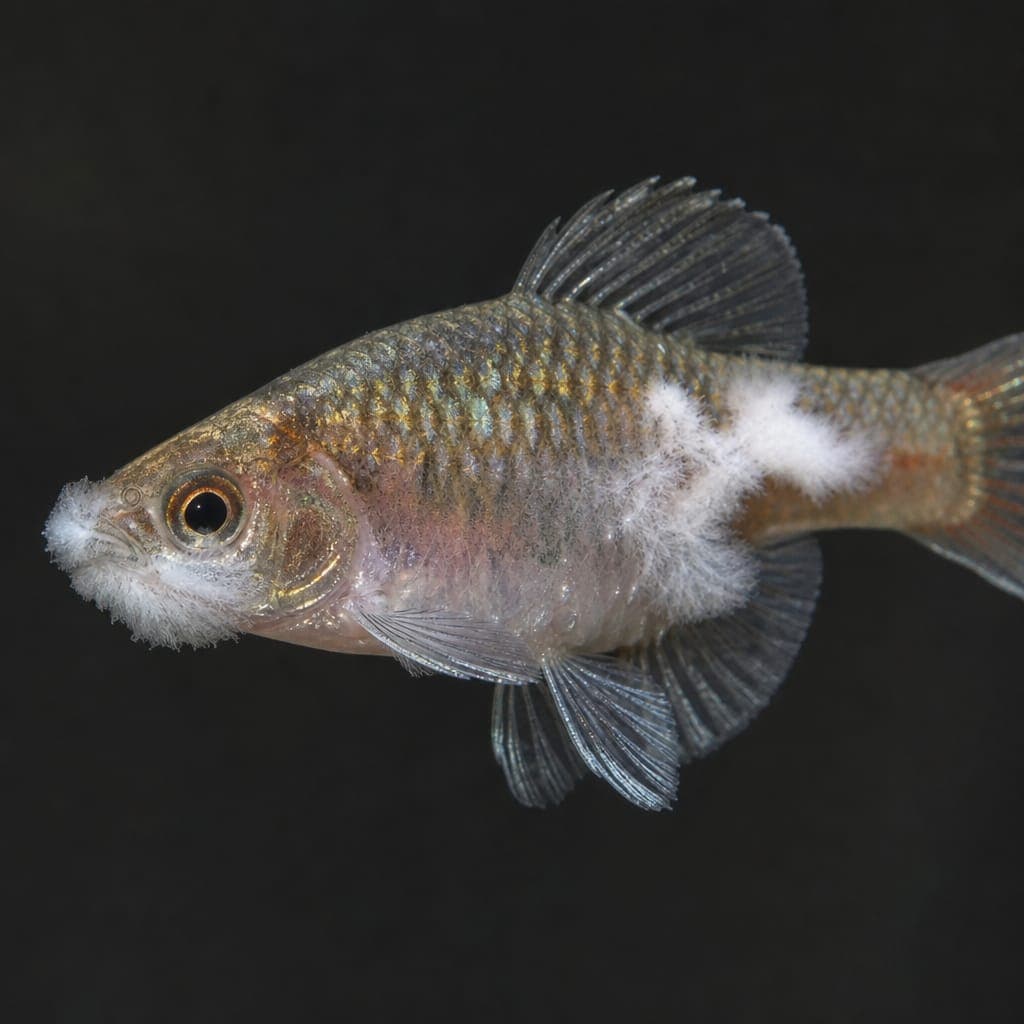
Croaking Gouramis are generally hardy, but they can be affected by some common health issues. Diseases such as ich (Ichthyophthirius multifiliis), fin rot, and fungal infections can occur, often as a result of poor water quality or stress. It is vital to monitor water parameters regularly and maintain a clean environment to minimize the risk of these diseases.
Preventative measures include routine water changes, maintaining stable water conditions, and ensuring the fish are not overcrowded. If any signs of illness are noted, such as unusual behavior, white spots on the body, or frayed fins, immediate action should be taken. Quarantine for affected fish can help prevent the spread of disease to healthy tankmates, ensuring a thriving aquatic community.