Cupid Cichlid: Biotodoma cupido
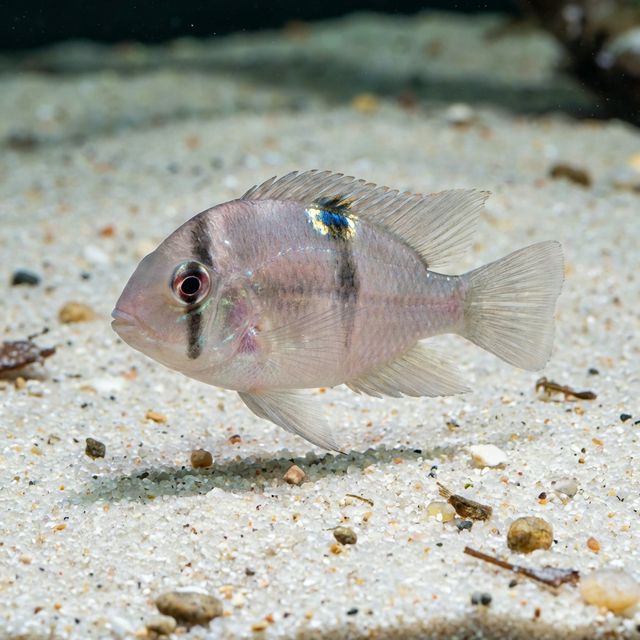
A peaceful eartheater-like cichlid with a large spot on its flank. Subtle and elegant.

Cupid Cichlid
The Cupid Cichlid, scientifically known as Biotodoma cupido, is a small to medium-sized cichlid native to the freshwater habitats of South America. Known for its stunning iridescent colors and engaging behavior, this fish has captured the hearts of aquarists worldwide. Adult Cupid Cichlids typically display a captivating palette ranging from muted earth tones to brilliant blues and greens, making them a standout addition to any community tank. Their elongated body shape and unique facial features add to their striking visual appeal, leaving many hobbyists intrigued by their presence.
In the aquarium hobby, the Cupid Cichlid is valued not only for its beauty but also for its personality. These fish exhibit a level of intelligence and curiosity rare in many aquarium species. Their approachable demeanor and interactive behavior make them a favorite among both novice and experienced aquarists. As a species that thrives in well-maintained environments with proper care, the Cupid Cichlid serves as an excellent example of how responsible fish keeping can lead to a more fulfilling aquarium experience.
Natural Habitat & Origin
The Cupid Cichlid is indigenous to the Rio Orinoco basin in Venezuela and parts of the upper Amazon river system. Here, they inhabit slow-moving waters characterized by soft, acidic conditions. These environments are often rich in organic matter and feature dense vegetation, which provides both cover and food sources. The water types in their native regions are primarily blackwater, which is dark in color due to the decomposing plant material that leaches tannins into the water. Understanding the natural habitat of the Cupid Cichlid is essential for replicating its environmental needs in captivity, thereby promoting a longer and healthier life.
Care Requirements
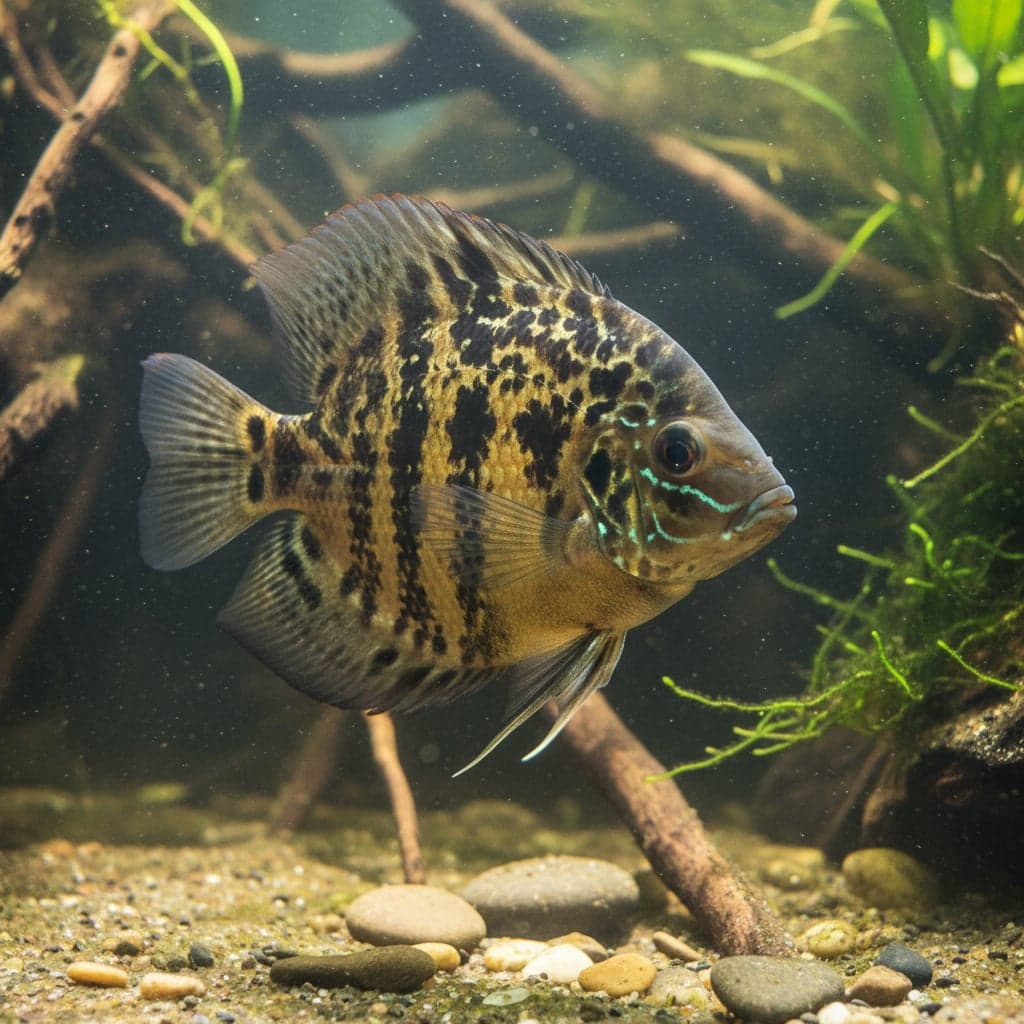
To thrive, the Cupid Cichlid requires specific water parameters that mimic its natural habitat. The ideal pH level should be between 5.5 and 7.5, with a water temperature ranging from 72°F to 82°F (22°C to 28°C). Hardness should be kept on the softer side, ideally around 4 to 10 dGH. An aquarium with a minimum capacity of 30 gallons is recommended to provide ample swimming space and territories for the fish. The tank should be decorated with fine, sandy substrate that mimics the riverbed, and ample hiding places created from driftwood, rocks, and live plants. Dim lighting will aid in creating a calm environment, making the use of floating plants or shade-giving structures beneficial in simulating their natural surroundings.
Diet & Feeding
The Cupid Cichlid is an omnivore, which allows it to adapt to a variety of food sources. In the wild, its diet primarily consists of small invertebrates and plant matter. In captivity, it thrives on a balanced diet that includes high-quality flakes, pellets, and frozen or live foods. A varied diet should incorporate options such as brine shrimp, daphnia, and even finely chopped vegetables to ensure that all nutritional needs are met. Feeding should be done 1-2 times a day in small portions, ensuring that all food is consumed within a few minutes to maintain water quality.
Behavior & Temperament
As a generally peaceful species, the Cupid Cichlid exhibits a calm temperament and is often seen exploring their environment. They are not particularly schooling fish; instead, they tend to establish and defend their own territories within the tank. While they can coexist with many species, it's important to monitor their behavior, as they may show signs of aggression during breeding or when establishing dominance. The Cupid Cichlid prefers the mid to lower levels of the tank, where they feel most secure among the plants and structures. Observing their behavior gives insight into their social dynamics, further enhancing the experience of keeping them.
Tank Mates
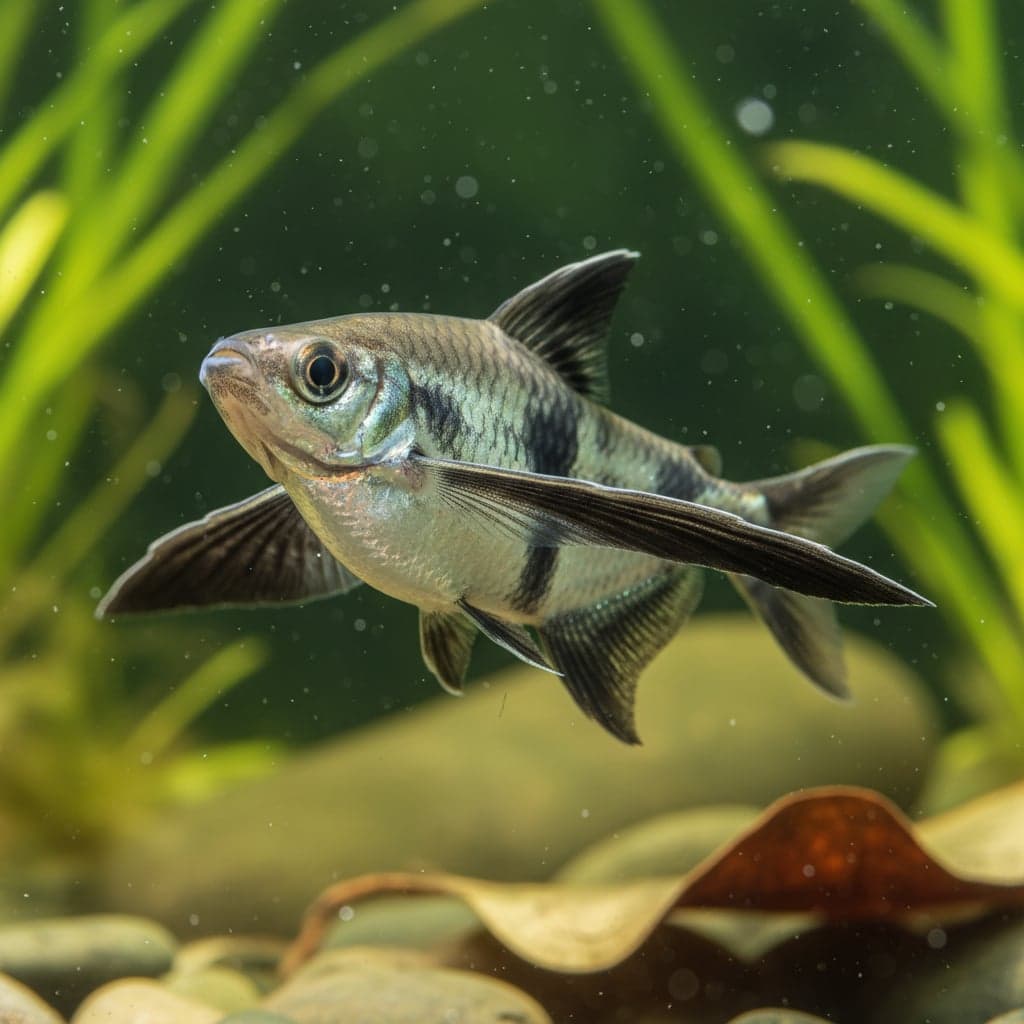
When selecting compatible tank mates for the Cupid Cichlid, it is essential to choose species that share similar water parameters and temperament. Ideal companions include other peaceful cichlids, such as Apistogramma species, rasboras, and tetras. Additionally, catfish such as Corydoras can coexist nicely due to their bottom-dwelling nature. However, it’s vital to avoid keeping Cupid Cichlids with more aggressive fish, large predatory species, or fin-nippers, which can stress them out and lead to aggression. Ensuring a balanced community tank will enhance overall harmony and reduce the likelihood of conflict.
Breeding
Breeding Cupid Cichlids can be an exciting endeavor for aquarists, although it requires special conditions to be successful. They are substrate spawners, which means they typically lay their eggs on flat surfaces or in crevices. To encourage spawning, provide a clean and secure environment with caves or spawning sites, maintaining stable water parameters. The breeding pair is known for their strong parental instincts, as they will guard their eggs and fry diligently. Once the eggs hatch—usually within 3 to 4 days—the parents can be protective, thus requiring careful monitoring to ensure the fry have adequate space and resources to thrive.
Common Health Issues
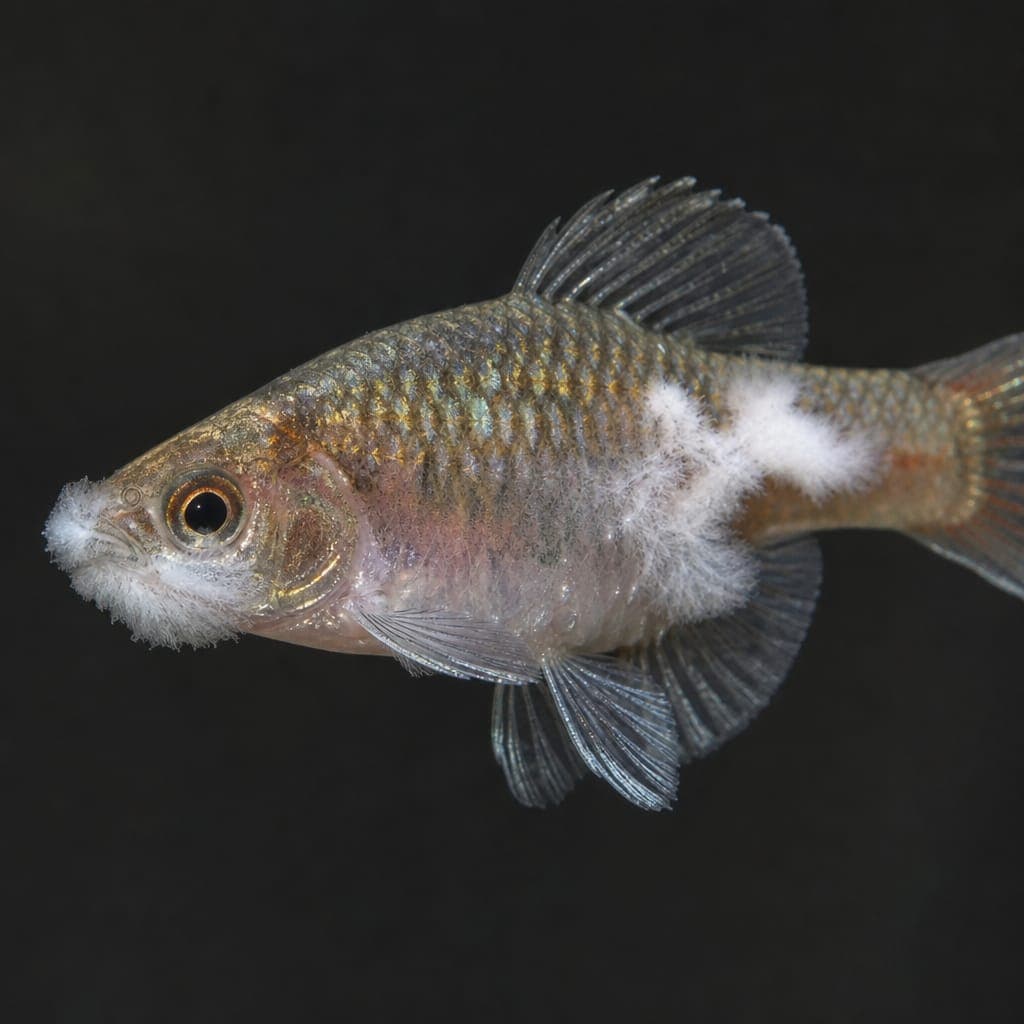
Like all fish, Cupid Cichlids can be susceptible to various health issues, including ich (Ichthyophthirius multifiliis), fin rot, and fungal infections. To prevent these ailments, it is essential to maintain optimal water quality through regular water changes and proper filtration. Additionally, a stable environment with minimal stress will enhance the fish's immune system. Observing the fish for any signs of distress or illness is crucial, as early detection can lead to more effective treatment and a healthier aquarium ecosystem.