Cururu Stingray: Potamotrygon wallacei
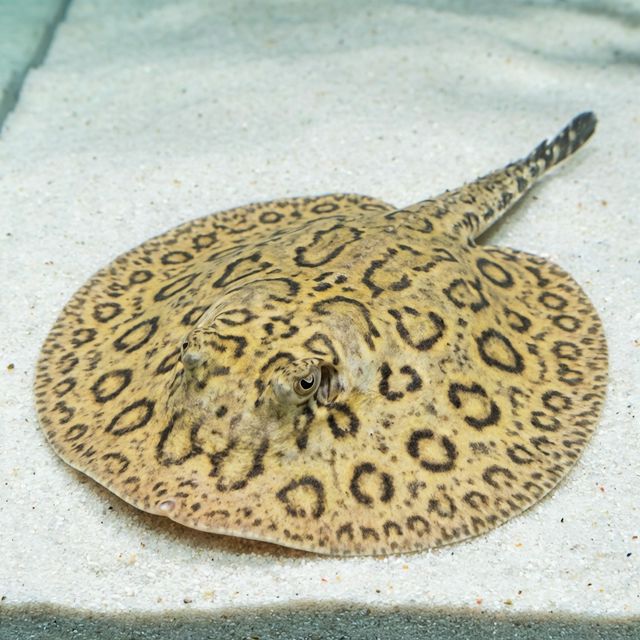
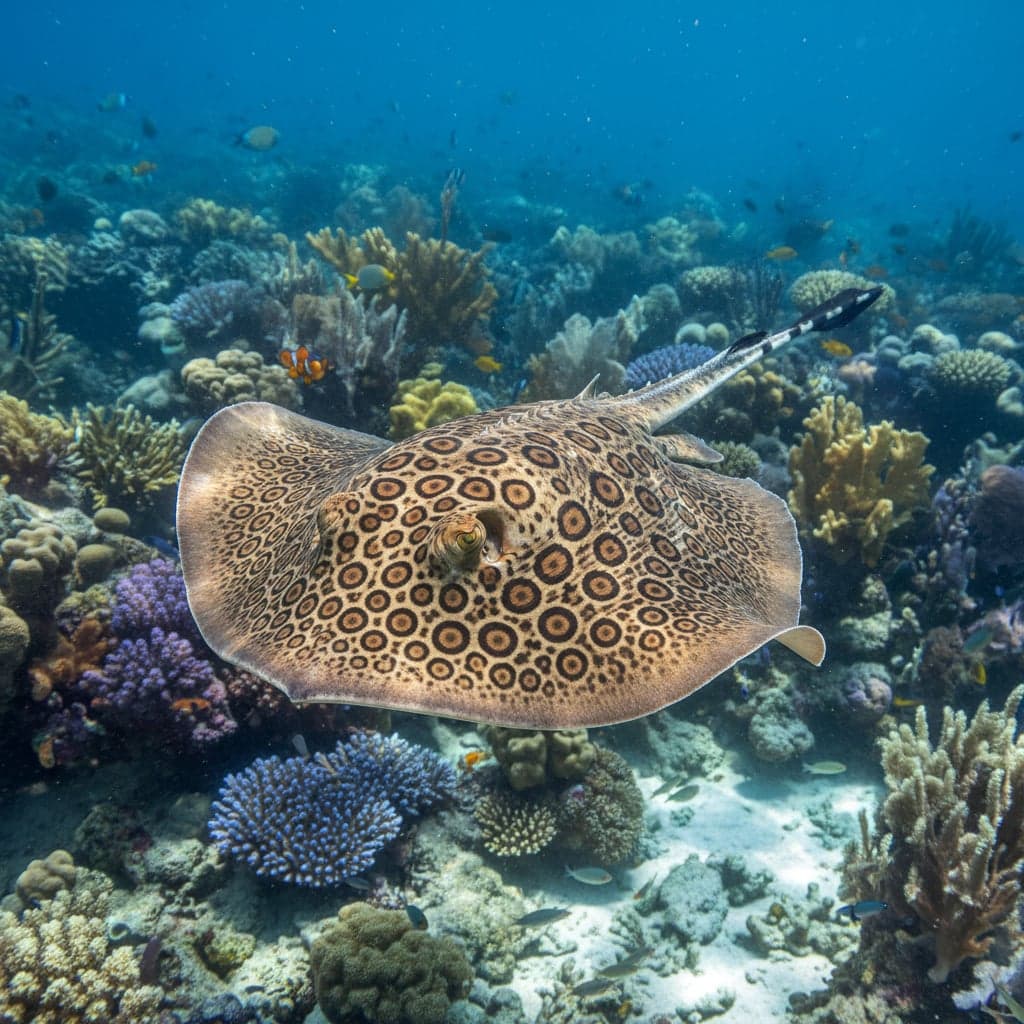
A smaller freshwater stingray with orange spots on a brown disc. One of the more manageable rays.
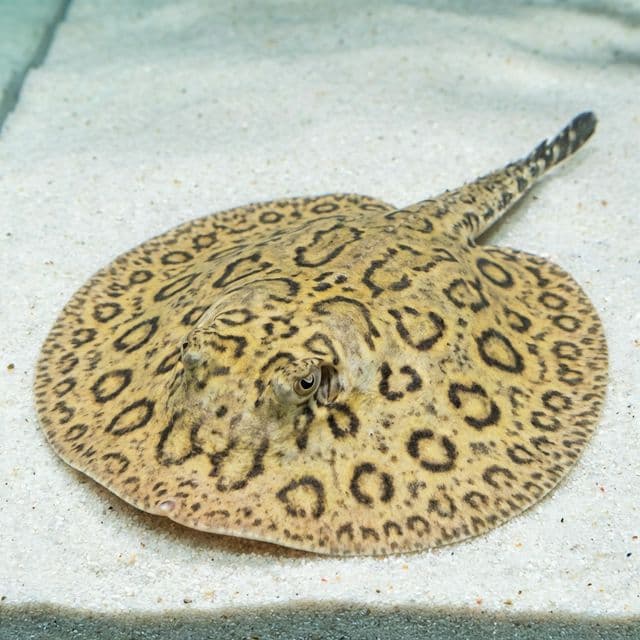
Cururu Stingray
The Cururu Stingray, scientifically known as Potamotrygon wallacei, is an exquisite member of the freshwater stingray family, widely celebrated by aquarium enthusiasts for its remarkable aesthetic appeal and unique morphology. Characterized by its distinctive flattened body shape, the Cururu Stingray features a beautiful array of patterns on its dorsal surface, typically ranging from brown to yellow hues with intricate spots or stripes that provide excellent camouflage against the riverbed. This visually stunning species is not only a stunning addition to aquatic displays but also brings a level of intrigue and exoticism to freshwater aquariums.
In addition to its striking appearance, the Cururu Stingray holds immense significance within the aquarium hobby. Its unique behaviour and graceful swimming patterns captivate aquarists and provide an incredible focal point in any tank. As a species that faces threats in the wild from habitat destruction and overfishing, keeping Cururu Stingrays in captivity helps promote awareness about their conservation needs and serves as a reminder of our duty to protect their natural environments. By successfully breeding these captivating rays in controlled environments, aquarists contribute to the preservation of genetic diversity and contribute to responsible sourcing in the aquarium trade.
Natural Habitat & Origin
The Cururu Stingray is indigenous to the freshwater systems of South America, specifically the Amazon Basin, where it thrives in the slow-moving rivers, streams, and floodplains. It primarily inhabits blackwater environments, which are characterized by water that is low in nutrients and has a dark, tea-colored appearance due to the presence of organic matter and tannins. These specific habitat conditions create a unique ecological setting that plays a significant role in the Cururu Stingray's behaviour, feeding habits, and overall well-being. The natural environment in which it resides is characterized by sandy substrates, submerged vegetation, and an abundance of hiding spots, providing a paradigm of comfort and security for these rays in the wild.
The ecological context surrounding the Cururu Stingray is also critical. These rays are integral to their ecosystem, often scavenging for organic matter, thereby contributing to nutrient cycling within their watery homes. Understanding their natural habitat can greatly enhance the aquarium keeper's ability to create a suitable and thriving environment that mirrors their native conditions, allowing for optimal health and well-being in captivity.
Care Requirements
To ensure the optimal health and well-being of the Cururu Stingray, aquarium owners must pay careful attention to water parameters. The ideal temperature for these rays ranges from 75°F to 82°F (24°C to 28°C), with a preferred pH level between 6.0 and 7.5. Soft to moderately hard water is recommended, ideally maintaining a hardness level between 5 to 15 dGH. It is essential to conduct regular water quality checks to ensure stable conditions, as fluctuations can cause stress and negatively impact their health.
When setting up the aquarium for a Cururu Stingray, a minimum tank size of 120 gallons is recommended due to their size and swimming needs. A sandy substrate is ideal, as it mimics their natural habitat and provides comfort, allowing them to burrow and hide. The lighting should be subdued, emulating the shaded waters of blackwater environments, and plants or driftwood can be strategically placed throughout the tank to create hiding spots and enhance the overall aesthetic. It is crucial to ensure that the tank has sufficient filtration to maintain water clarity and quality, as these rays are sensitive to their surroundings.
Diet & Feeding
The Cururu Stingray is primarily a carnivore, feeding on a diet that consists mainly of invertebrates and smaller fish in the wild. In captivity, they can adapt to a varied diet, making it important for aquarists to provide a balanced mix of food. High-quality pellets specifically formulated for stingrays or carnivorous fish can serve as a base diet. Additionally, incorporating frozen and live foods, such as bloodworms, blackworms, brine shrimp, and earthworms, will not only ensure optimal nutrition but also stimulate natural hunting behaviors. Regularly offering a range of food will keep the Cururu Stingray healthy and encourage feeding. Care should be taken to avoid overfeeding, as this can lead to health complications typical among stingrays.
Behavior & Temperament
The Cururu Stingray is known for its relatively docile temperament; however, it does exhibit some specific behavioral traits that aquarium enthusiasts should be aware of. These rays are solitary by nature but may tolerate the presence of other non-aggressive tank mates, provided they have enough space to establish their own territory. They are bottom-dwellers and prefer to occupy the lower regions of the aquarium, exhibiting an interesting behavior where they may partially burrow into the substrate. While they are generally peaceful, they can be sensitive to their environment and may exhibit stress if placed with overly aggressive fish species or in poorly maintained water quality conditions.
Tank Mates
When selecting tank mates for the Cururu Stingray, it's essential to choose species that are compatible in temperament and environmental needs. Suitable tank mates include larger, peaceful fish such as angelfish, discus, larger tetras, and certain species of catfish. Avoid keeping them with small, aggressive, or fin-nipping fish, as these can stress the Cururu Stingray or potentially cause injury. Additionally, tank mates should be able to coexist comfortably in a similar water environment, thus minimizing stress and ensuring a harmonious aquarium ecosystem.
Breeding
Breeding the Cururu Stingray in captivity can be quite challenging, as it typically requires specific conditions that mimic their natural breeding environment. They are ovoviviparous, meaning that females give birth to live young after gestating fertilized eggs internally. For successful breeding, a dedicated breeding setup is recommended, with optimal water conditions that mirror their natural habitat, including slightly warmer temperatures and stable water parameters. Adequate space is essential, as males will often engage in courtship displays to entice females. Providing a variety of hiding places and structures for the female to utilize during the spawning process greatly increases the chances of successful breeding.
Common Health Issues
The Cururu Stingray is generally hardy, but it can be prone to a few common health issues if kept in suboptimal conditions. Some of the health problems include skin infections, parasitic infestations, and issues relating to water quality such as ammonia or nitrite poisoning. To prevent these conditions, regular water changes, appropriate tank maintenance, and careful monitoring of parameters are essential. Additionally, ensuring that their diet is well-balanced and contains the necessary nutrition will bolster their immune system, helping to reduce the risk of disease. In cases of illness, prompt identification and treatment are crucial to prevent more serious health complications.