Daffodil Cichlid: Neolamprologus pulcher
A stunning Tanganyikan cichlid with lemon-yellow fins. Lives in cooperative colonies with a complex social hierarchy.
Daffodil Cichlid
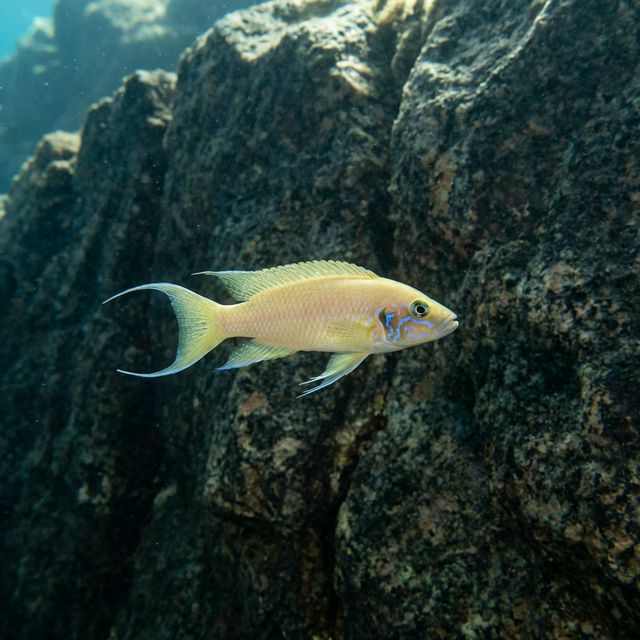
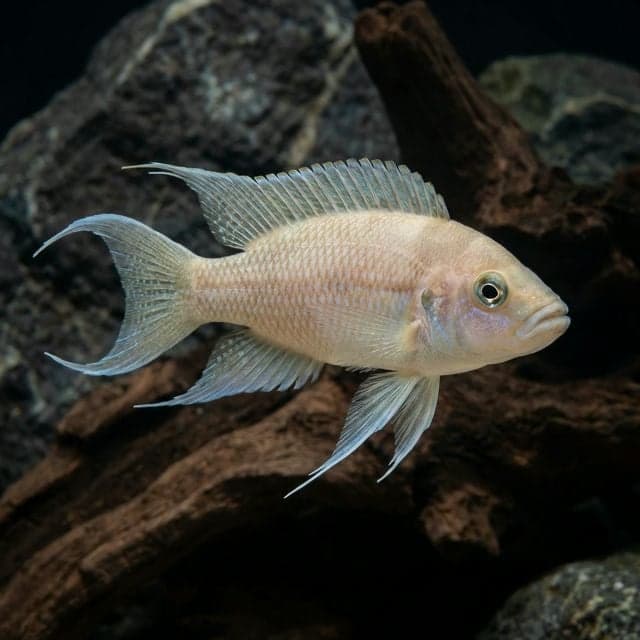
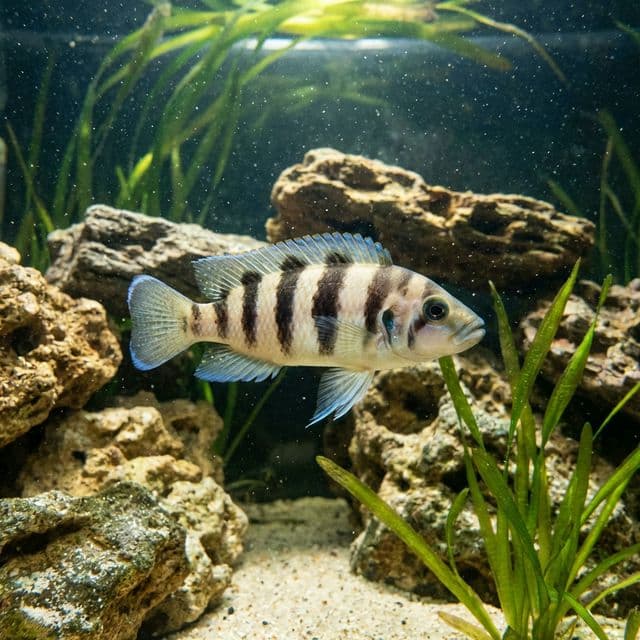
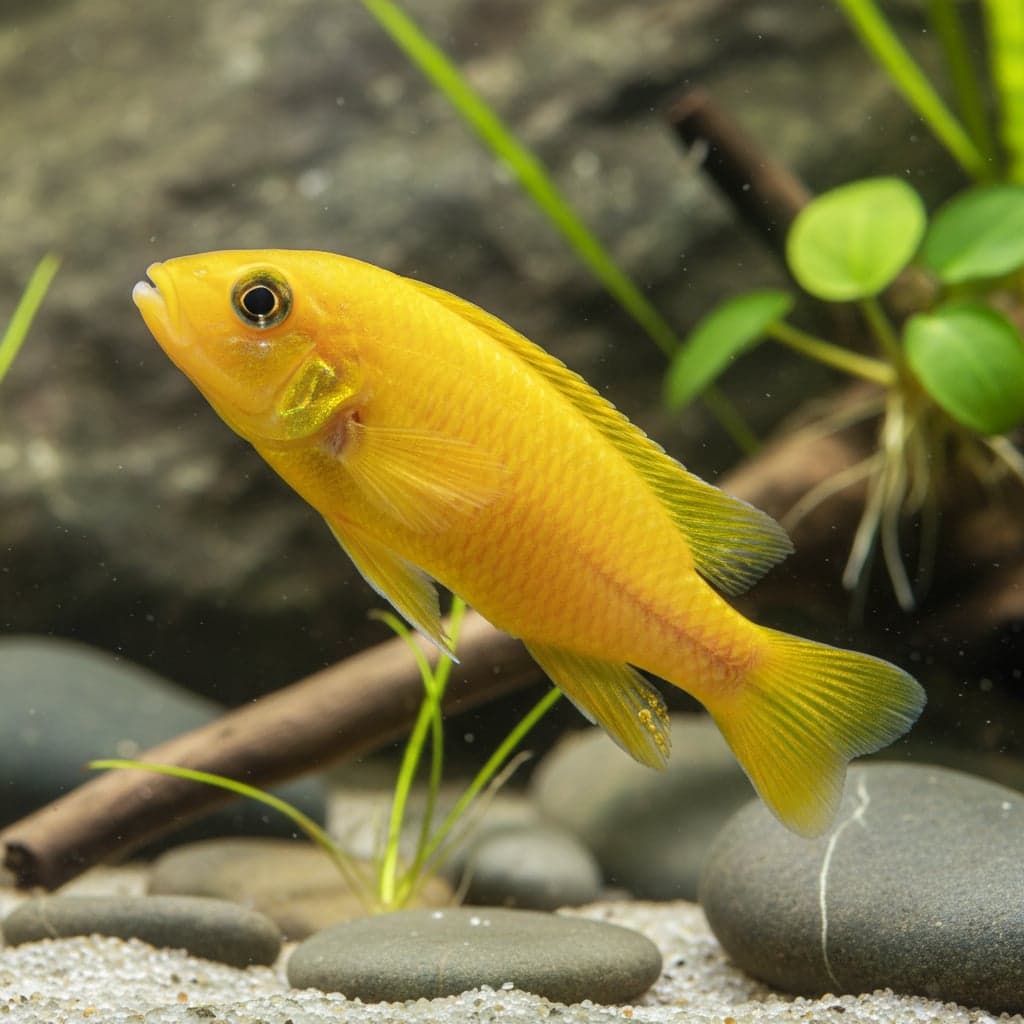
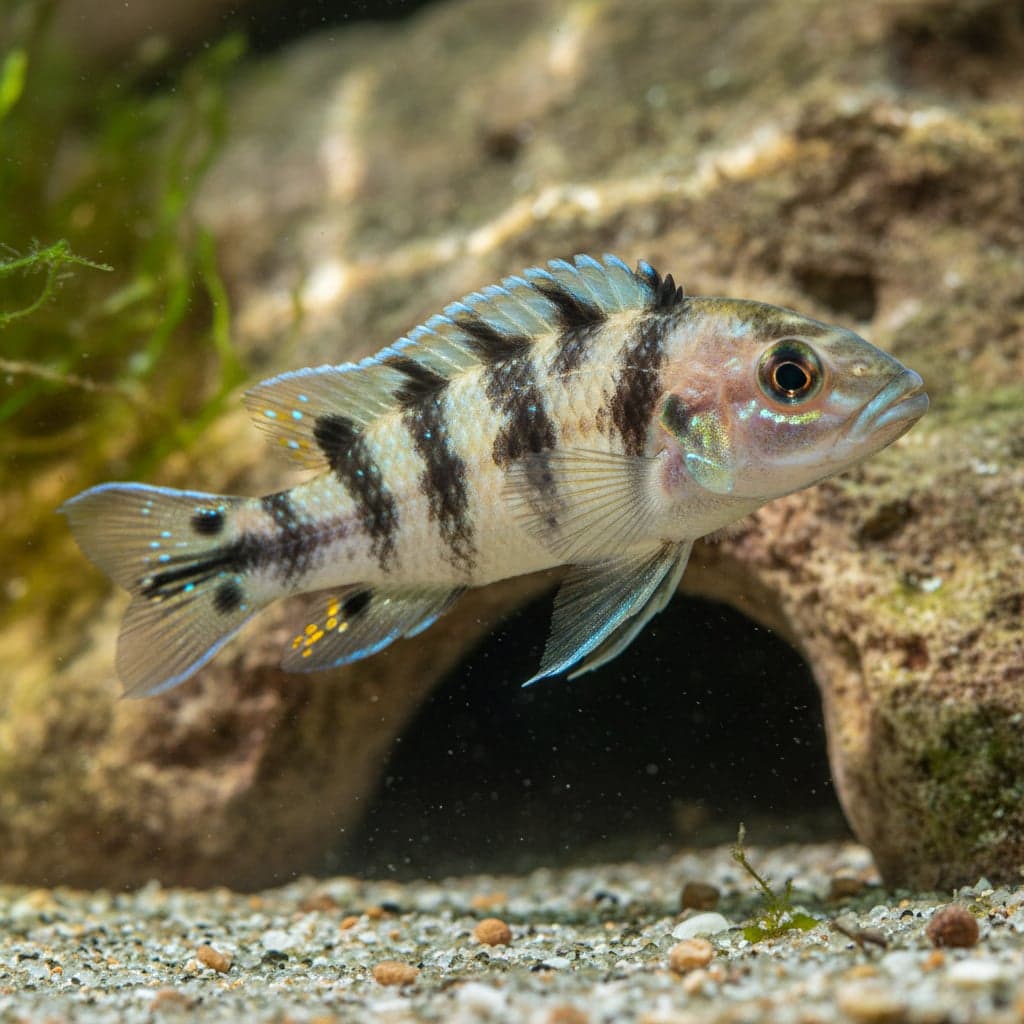
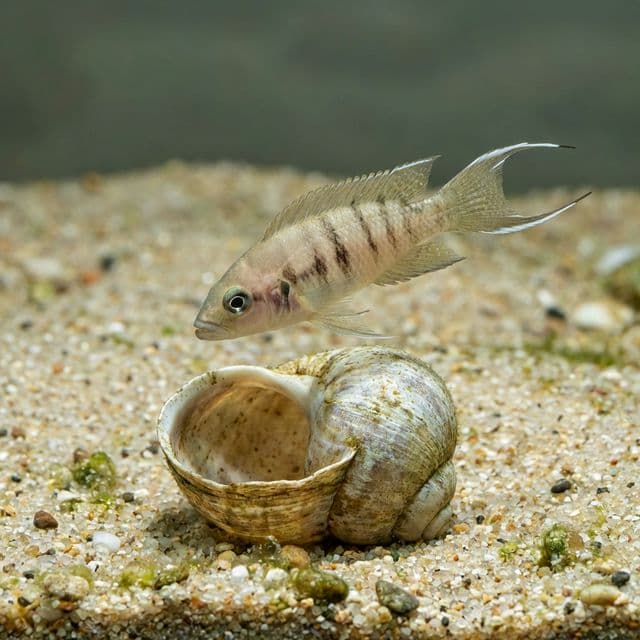
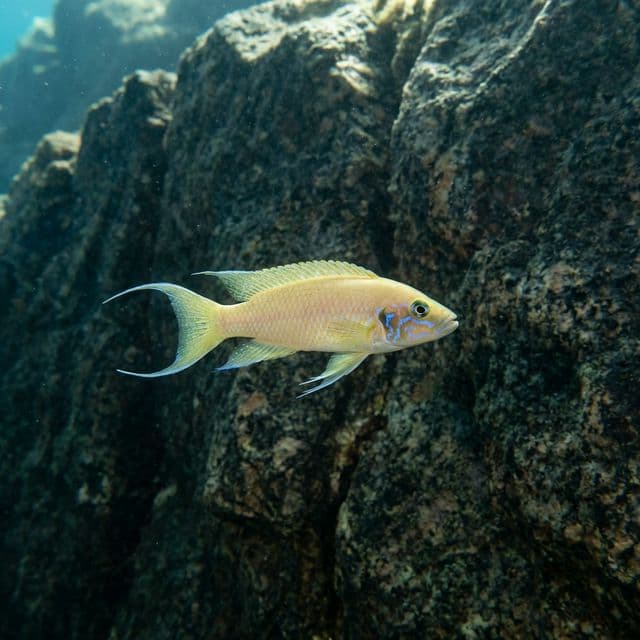
The Daffodil Cichlid, scientifically known as Neolamprologus pulcher, is a captivating freshwater fish that has become increasingly popular among aquarium enthusiasts. This small-sized cichlid is particularly admired for its vibrant coloration, showcasing shades of yellow and iridescent blues that resemble a blossoming daffodil, hence its name. The Daffodil Cichlid typically features a streamlined body adorned with a mix of vivid yellow and contrasting dark markings, creating a visually striking appearance in aquascapes. Its charm extends beyond aesthetics; the Daffodil Cichlid is also notable for its playful and intriguing behaviors, making it a favorite in both community tanks and species-specific setups.
In the aquarium hobby, the Daffodil Cichlid holds significance not only due to its beauty but also for the unique characteristics it brings to a tank environment. These fish display interesting social structures and territorial behaviors, which can enhance the dynamic of a well-planned aquascape. Their adaptability and intriguing interactions offer aquarists the opportunity to observe intricate social hierarchies and breeding rituals, providing educational and entertaining experiences. Overall, the Daffodil Cichlid is a delightful addition that can brighten up any aquarium while elevating its biodiversity.
Natural Habitat & Origin
The Daffodil Cichlid originates from the rocky shores and shallow waters of Lake Tanganyika, one of Africa's Great Lakes. This geographical area is characterized by its clear, mineral-rich waters, making it an ideal habitat for an array of aquatic life. The Daffodil Cichlid typically inhabits regions with rocky substrates where it can find shelter and breeding grounds. The environmental context of its natural habitat includes stable temperatures that range from 23°C to 29°C (73°F to 84°F) and a pH level that can vary from neutral to mildly alkaline, an essential factor for maintaining its health in captivity.
Within Lake Tanganyika, the Daffodil Cichlid thrives in a unique ecosystem that is rich in biodiversity and a variety of microhabitats, including crevices and caves formed by the limestone rock formations. These fish typically exhibit a preference for areas with moderate water movement, allowing them to blend into their environment. Understanding their natural habitat is crucial for aquarists seeking to replicate the right conditions in home aquariums, ensuring that these beautiful cichlids flourish.
Care Requirements
To create a thriving environment for Daffodil Cichlids, it is essential to maintain specific water parameters. The ideal pH level ranges from 7.8 to 9.0, with a temperature between 24°C and 28°C (75°F to 82°F). Water hardness is also important; a general hardness (GH) of 10-20 dGH is recommended to reflect their natural conditions. In terms of tank setup, a minimum size of 30 gallons is advisable to provide adequate swimming space and territories for these active fish.
The substrate should mimic their natural environment, with a mix of smooth gravel and sand, allowing for digging and burrowing behaviors. Adding plenty of rocky structures or caves is essential as they provide shelter and breeding sites. Moderate lighting is recommended, which can be achieved through the use of floating plants or shaded areas to give the fish a sense of security. Including some hardy aquatic plants can enhance the aesthetic appeal while also promoting a healthy environment.
Diet & Feeding
As omnivores, Daffodil Cichlids flourish on a varied diet that consists of both plant and animal matter. In captivity, it is crucial to offer high-quality flakes or pellets specifically designed for cichlids to ensure they receive a balanced diet. Supplementing this diet with frozen or live foods such as brine shrimp, daphnia, and bloodworms can promote optimal health and vibrant coloration. Incorporating vegetable matter like spirulina or blanched zucchini can also be beneficial as it mimics their natural grazing behavior.
Feeding should be carefully managed to prevent overfeeding, which could lead to health issues. A feeding schedule of small amounts 2-3 times a day is generally ideal, ensuring that all fish in the tank receive adequate nutrition without excess waste contributing to water quality deterioration.
Behavior & Temperament
Daffodil Cichlids are known for their complex social structures and interesting behaviors. Typically, they exhibit territorial tendencies, especially during breeding, when they defend their chosen nesting sites vigorously. While they can be kept in pairs or small groups, larger groups are often better to help mitigate aggression, as they can establish a hierarchy that reduces fighting.
These fish display a notable vertical swimming pattern, often found hovering near the rocks and caves of their habitat. Individual fish may claim and defend territory, demonstrating a level of hierarchy wherein dominant individuals will occupy preferred spaces. However, it is essential to monitor their interactions, as aggression can escalate, particularly in smaller tanks.
Tank Mates
When selecting tank mates for Daffodil Cichlids, it's essential to consider both compatible species and those to avoid. Suitable companions include other Tanganyikan cichlids that are of similar size and temperament, such as Lamprologus crooked spine, Julidochromis species, and some types of synodontis catfish which can tolerate similar water conditions. Smaller, peaceful fish like tetras may also coexist, but caution should be exercised as cichlids may display aggression during breeding.
Species to avoid include larger, more aggressive cichlids that may intimidate or bully the Daffodil Cichlid, as well as particularly small or shy fish that could be viewed as potential prey. Ensuring a well-balanced community will provide a harmonious living environment, allowing all inhabitants to thrive.
Breeding
Breeding Daffodil Cichlids in captivity can be quite rewarding but requires an understanding of their spawning behaviors. These fish are mouthbrooders, meaning that the female will lay eggs on flat surfaces or smooth rocks, where she can safely gather and protect them. To encourage breeding, it's recommended to replicate their natural conditions, maintaining stable water parameters and providing ample hiding spots.
Once the eggs are fertilized by the male, the female will collect them in her mouth for protection until they hatch, usually within 3 to 4 days. After about two weeks, the fry will become free-swimming, at which point the female can start to release them into a suitable environment. In breeding setups, it is advisable to have separate areas where the fry can hide from potential threats, ensuring their growth and development.
Common Health Issues
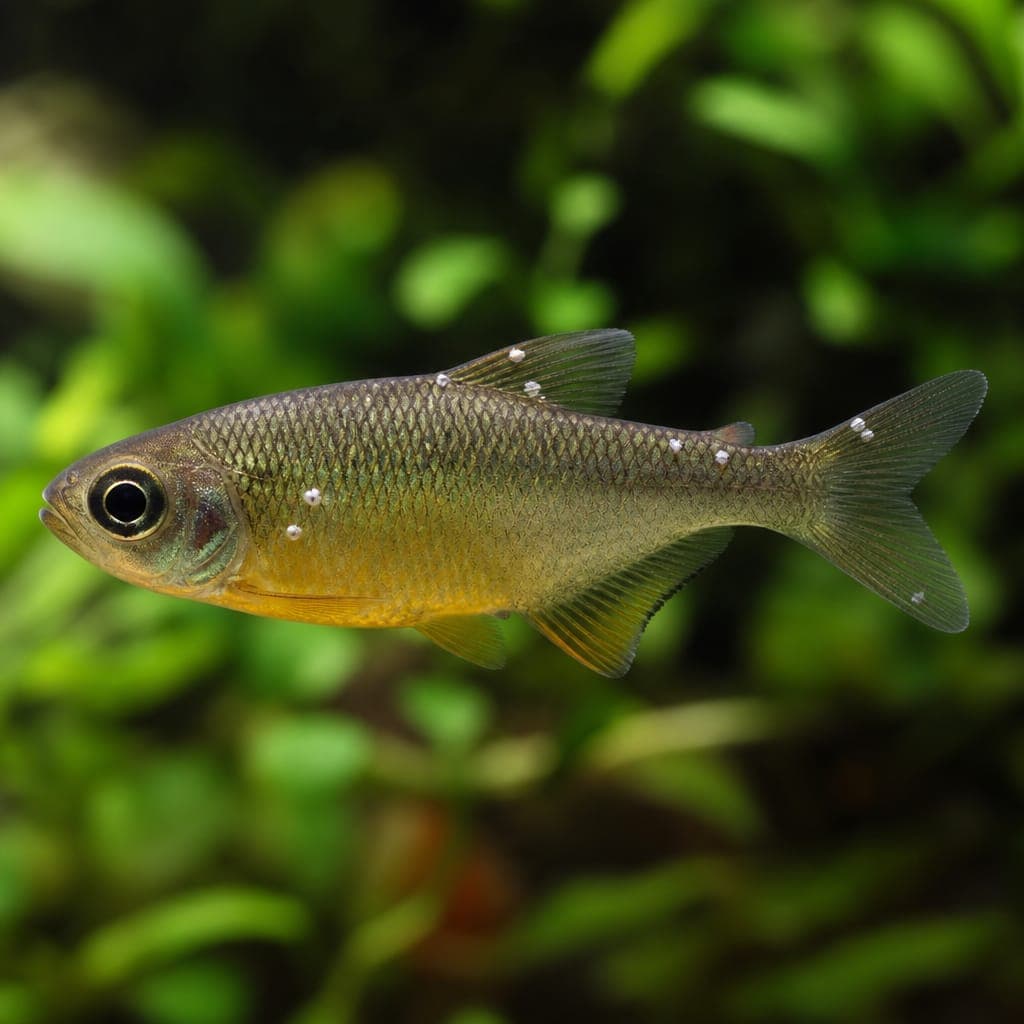
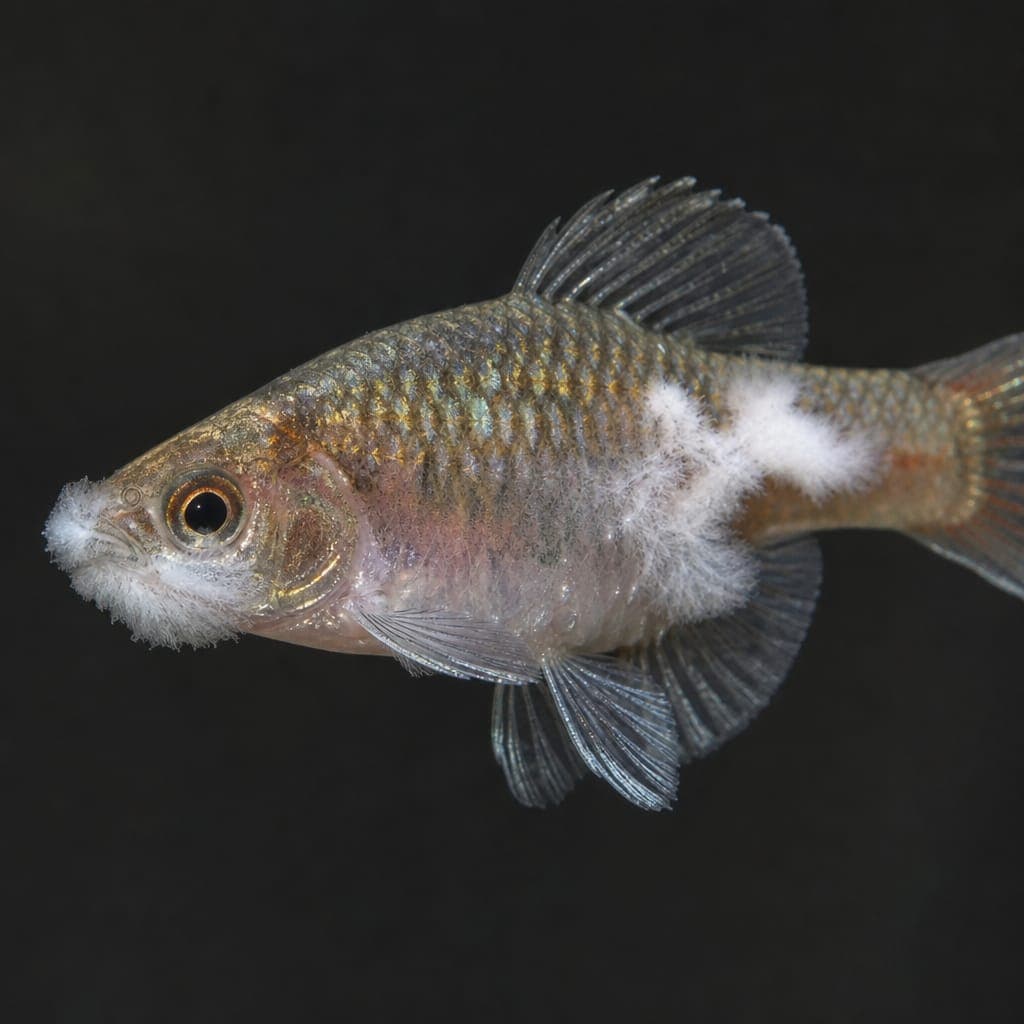
Despite their resilience, Daffodil Cichlids can be susceptible to a few common health issues, including ich (Ichthyophthirius multifiliis), fin rot, and various forms of stress-related ailments. Ich is often characterized by white spots on the skin and fins, and can be triggered by rapid changes in water conditions or stress; maintaining stable water parameters is essential for prevention. Fin rot typically occurs due to poor water quality or physical damage; ensuring a clean tank environment and monitoring for aggressive behaviors can help mitigate this.
Additionally, stress-induced disorders can arise in high-density or poorly maintained aquariums. It is crucial to provide ample space, cover, and stable environmental conditions to keep Daffodil Cichlids healthy. Regular health checks and prompt intervention at the first signs of illness will greatly improve recovery odds. Quarantine new fish, keep water parameters stable, and avoid overcrowding that fuels aggression and stress. Treat white spot, fin rot, or fungal issues in a hospital tank with appropriate medications, and only return recovered fish once symptoms are gone. With attentive care and early action, your Daffodil Cichlids stay vibrant, territorial in a healthy way, and free of chronic disease for many years.