Daisy's Blue Ricefish: Oryzias woworae
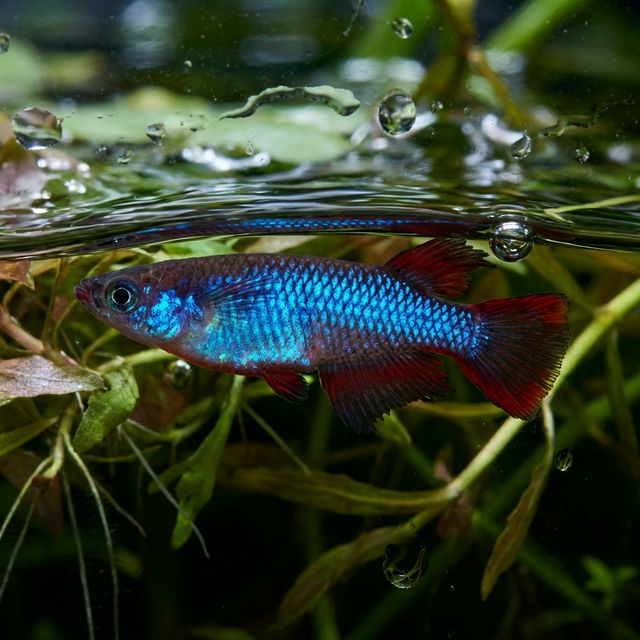
A tiny, brilliant blue ricefish from Sulawesi. Males are electric blue with red tails.
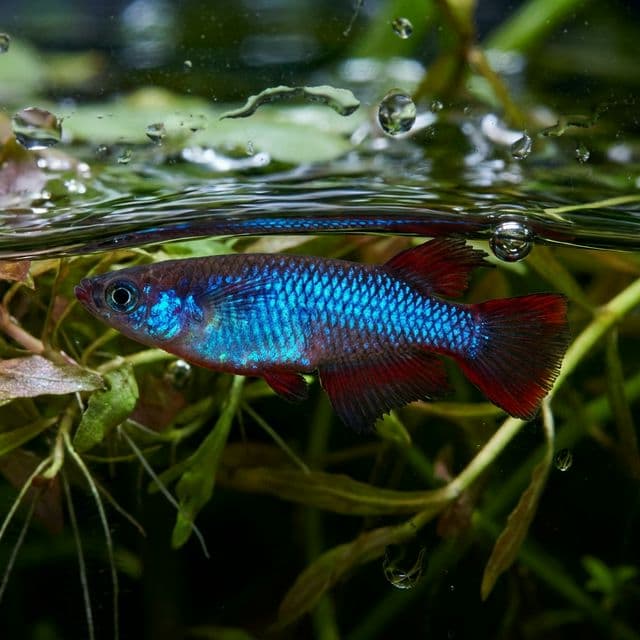
Daisy's Blue Ricefish
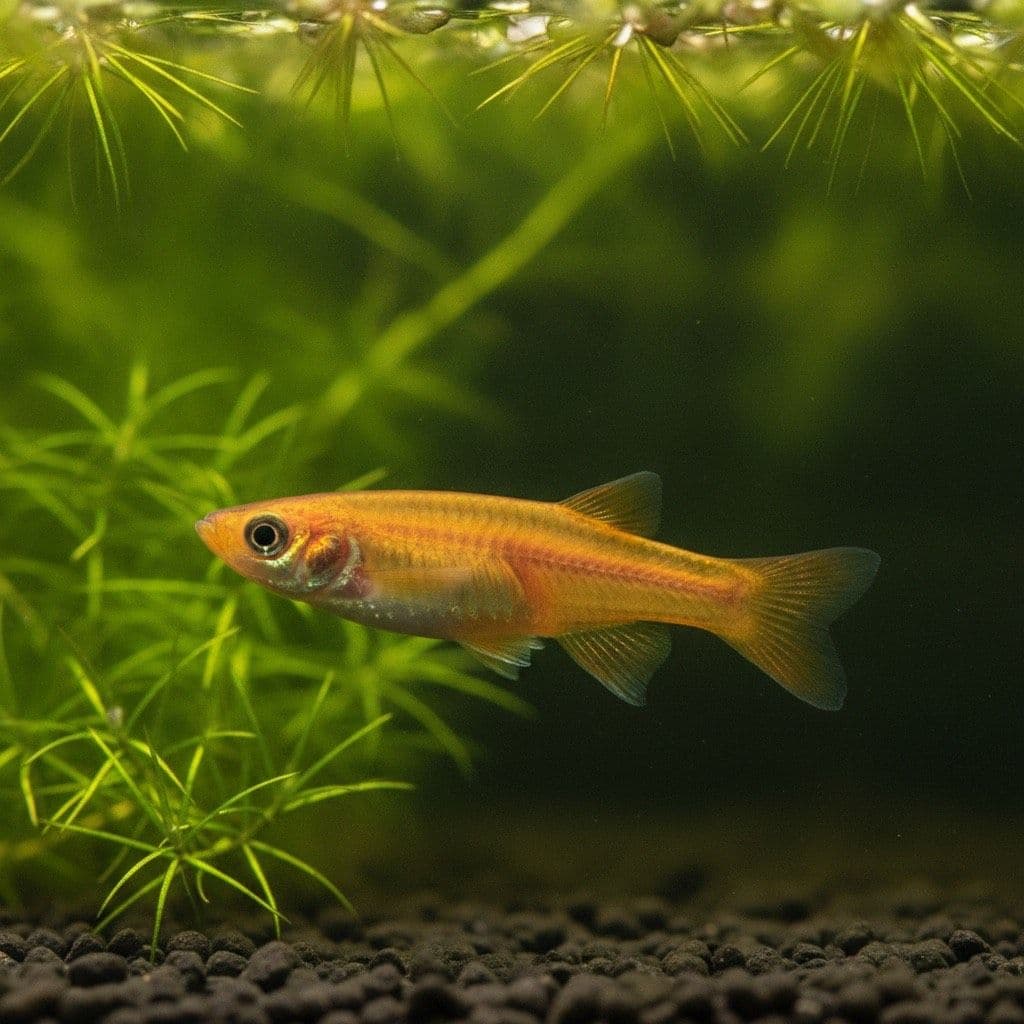
Daisy's Blue Ricefish, scientifically known as Oryzias woworae, is a vibrant and charming species that has garnered attention in the aquarium hobby for its striking coloration and peaceful demeanor. This small fish typically reaches an adult size of around 2.5 cm (1 inch), showcasing a mesmerizing palette of iridescent blue and green hues that shimmer under aquarium lighting. Its slender body and graceful movements contribute to its overall aesthetic appeal, making it a favorite among aquarists who value both beauty and tranquility in their tanks. The captivating hues of Daisy's Blue Ricefish can serve as a colorful focal point in a community aquarium, especially when kept in well-planted environments with dark substrates that highlight its vivid colors.
In terms of significance, Daisy's Blue Ricefish represents not just a striking addition to aquariums, but also a species with a rich ecological background. Originally discovered in the freshwater bodies of Southeast Asia, it reflects the biodiversity of its native habitat. As an easy-to-care-for species with a peaceful temperament, beginner and experienced aquarists alike find joy in keeping it. Due to its cultural importance and ecological role, efforts to conserve its natural habitats are crucial, emphasizing the responsibility of aquarists to maintain the health of various aquatic ecosystems.
Natural Habitat & Origin
Daisy's Blue Ricefish is indigenous to the shallow waters of the islands of Sulawesi in Indonesia. This fascinating fish resides primarily in freshwater lakes and slow-flowing rivers, characterized by low light conditions, where it often seeks refuge among dense vegetation and submerged structures. The waters in which these fish thrive are typically soft and slightly acidic, a result of the composition of the surrounding organic material. Given their affinity for specific environmental conditions, the natural habitat of Daisy's Blue Ricefish serves as a reminder of the importance of replicating such dynamics in home aquariums to provide optimal living conditions.
The geographical and environmental contexts of Daisy's Blue Ricefish are essential for understanding its care requirements. The natural waters are often dark and stained due to organic matter, which supports a plethora of life forms, including detritus and microfauna that these fish feed on. Consequently, an appreciation for their natural habitat can guide aquarists in selecting tank parameters that mimic these elements, ultimately ensuring the well-being of these delicate fish.
Care Requirements
When caring for Daisy's Blue Ricefish, maintaining appropriate water parameters is crucial for their health and happiness. The ideal temperature range for this species lies between 24°C and 28°C (75°F to 82°F), which mirrors their native tropical conditions. The pH level should be kept slightly acidic, ideally between 6.0 to 7.0, accommodating their natural habitat. A water hardness between 5 to 10 dGH further supports their optimal living conditions, mimicking the softness they experience in the wild.
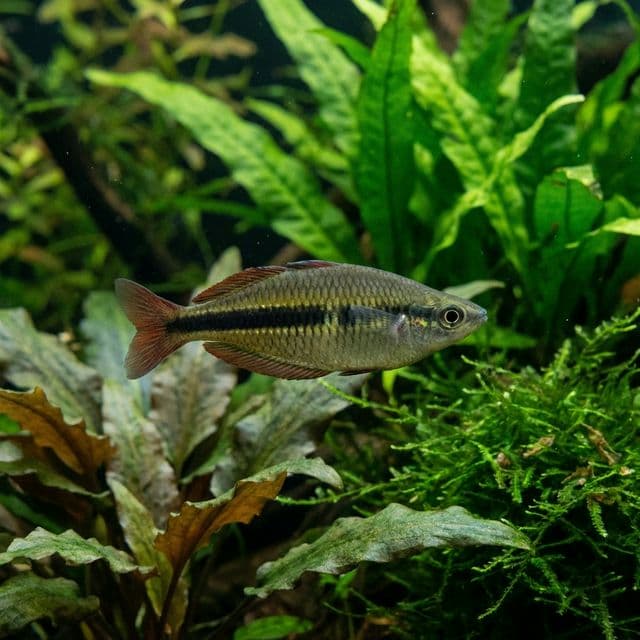
For tank setup, a minimum size of 60 liters (15 gallons) is recommended to provide ample swimming space. The substrate should consist of fine sand or soft gravel to facilitate natural feeding behaviors. Dense planting with a variety of live plants, such as Java moss and floating ferns, not only offers shelter but also contributes to a more stable environment through natural filtration. Moderate lighting is adequate, as bright, harsh lighting can stress these fish. Providing shaded areas mimics their natural habitat and enables them to feel secure.
Diet & Feeding
Daisy's Blue Ricefish are considered omnivores, thriving on a diverse diet that can include both plant and animal matter. In captivity, it is essential to provide a balanced diet that incorporates high-quality flake food or pellets formulated for small tropical fish. Supplementing their diet with live or frozen foods such as daphnia, cyclops, and brine shrimp can enhance their coloration and overall health. Offering blanched vegetables, like zucchini or spinach, can also satisfy their grazing instinct and ensure they receive a wide range of nutrients.
Regular feeding should occur two to three times a day, with small portions that can be consumed within a few minutes, preventing overfeeding and ensuring water quality remains optimal. Observing their feeding behaviors can help aquarists fine-tune the diet and ensure that each fish receives adequate nutrition, promoting vitality and longevity.
Behavior & Temperament
Daisy's Blue Ricefish are known for their serene and peaceful demeanor, making them an excellent choice for community tanks. Social by nature, these fish prefer to be kept in groups of at least five to six individuals, which helps to reduce stress and allows them to exhibit natural schooling behaviors. Within a properly sized aquarium, they are often seen swimming together in midwater layers, occasionally darting to the surface for food or exploring lower levels for shelter.
Their non-aggressive temperament reinforces their compatibility with a wide range of species. However, it is advisable to avoid overly boisterous or fin-nipping fish, as these can stress the more timid Daisy's Blue Ricefish. Maintaining a well-planted environment that includes vertical placements for hiding can enhance their confidence, allowing them to thrive both socially and environmentally.
Tank Mates
When considering tank mates for Daisy's Blue Ricefish, it’s essential to select species that share similar care requirements and temperament. Compatible tank mates include small, peaceful species such as Neon Tetras, Rasboras, and other types of small characins and dwarf shrimp, which can peacefully coexist without competing for resources. Their gentle nature allows them to integrate well into planted tanks, promoting a harmonious environment.
On the other hand, species to avoid include larger cichlids, aggressive barbs, or any predatory fish that may pose a threat to the smaller Ricefish. Additionally, it’s advisable to refrain from keeping them with fin-nippers or very active fish that could stress Daisy's Blue Ricefish, ensuring a peaceful and balanced aquatic community.
Breeding
Breeding Daisy's Blue Ricefish in captivity can be a rewarding experience for dedicated aquarists. To initiate spawning, it is crucial to provide breeding conditions that resemble their natural habitat, including slightly cooler water temperatures and lower light conditions. A dedicated breeding tank, equipped with spawning mops or fine-leaved plants, can be beneficial, as these serve as sites for the females to deposit their eggs.
Spawning typically occurs during early morning or late afternoon, with females laying eggs amidst the vegetation while males chase and court them. The fertilized eggs will usually hatch within 7 to 10 days, given optimal water parameters. After hatching, fry can be fed infusoria or commercially available fry food until they grow large enough to accept finely crushed flakes. Raising fry can be a delicate process, needing frequent water changes and careful monitoring to ensure their health and success.
Common Health Issues
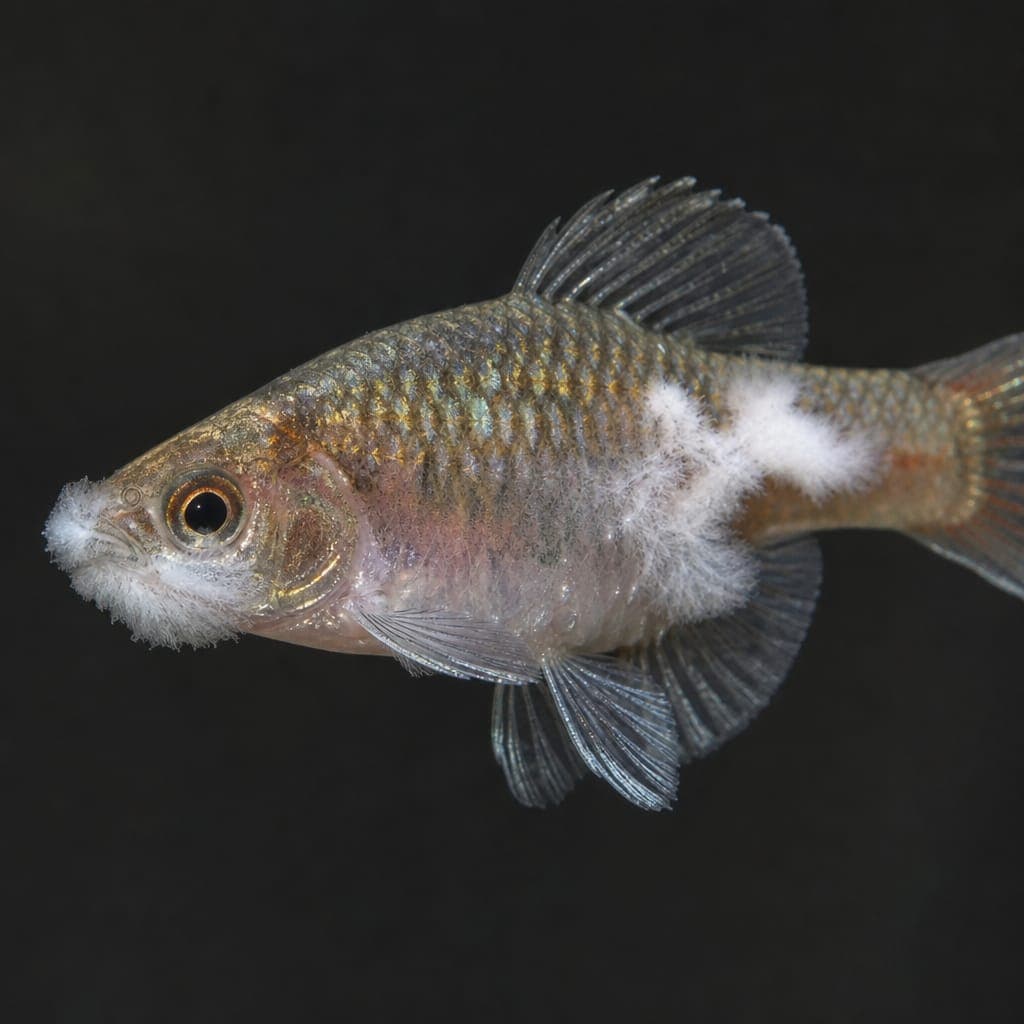
Daisy's Blue Ricefish, while known for their hardiness, can be susceptible to certain health issues typically encountered in aquarium settings. Common diseases include ich (white spot disease), fin rot, and various forms of fungal infections. To prevent these health issues, regular maintenance routines such as consistent water changes and monitoring water parameters are essential. Quarantine new fish before introducing them to established tanks can also mitigate the risk of disease transmission.
Maintaining excellent water quality, controlling food quantities, and providing a stress-free environment are essential for preventing health complications. In addition, feeding a varied and nutritious diet can enhance their immune systems, further protecting them against common ailments.