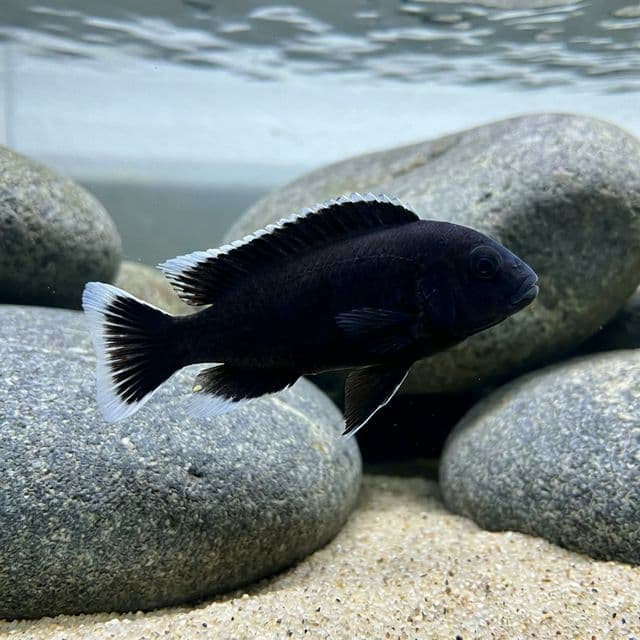
Deepwater Hap: Placidochromis electra
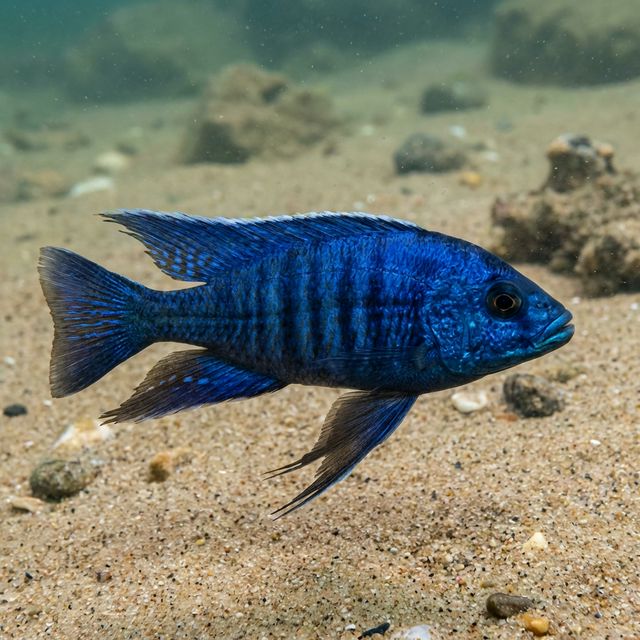
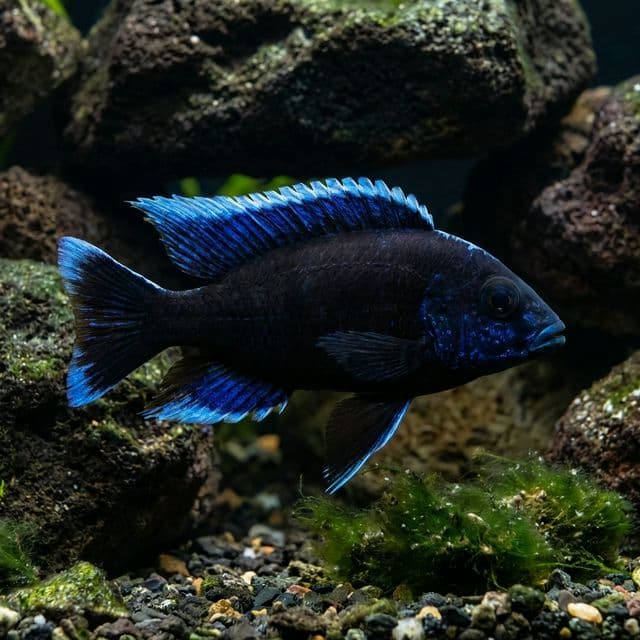
A beautiful Haplochromine from Lake Malawi. Males become metallic blue with a dark bar behind the gill.
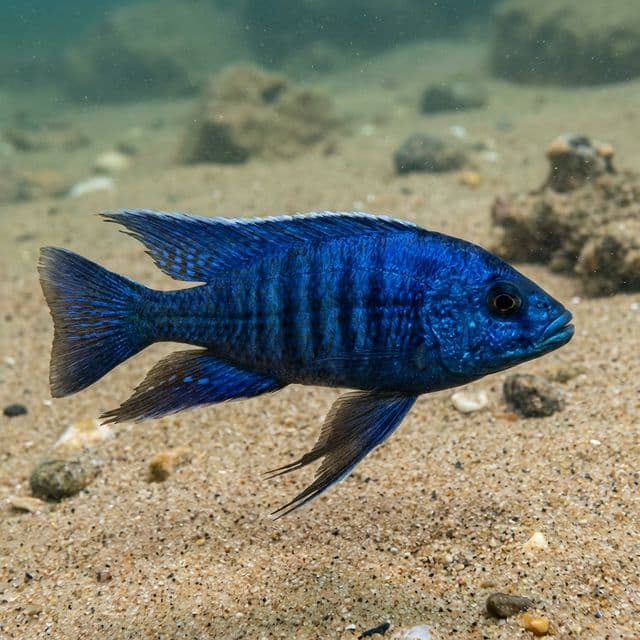
Deepwater Hap
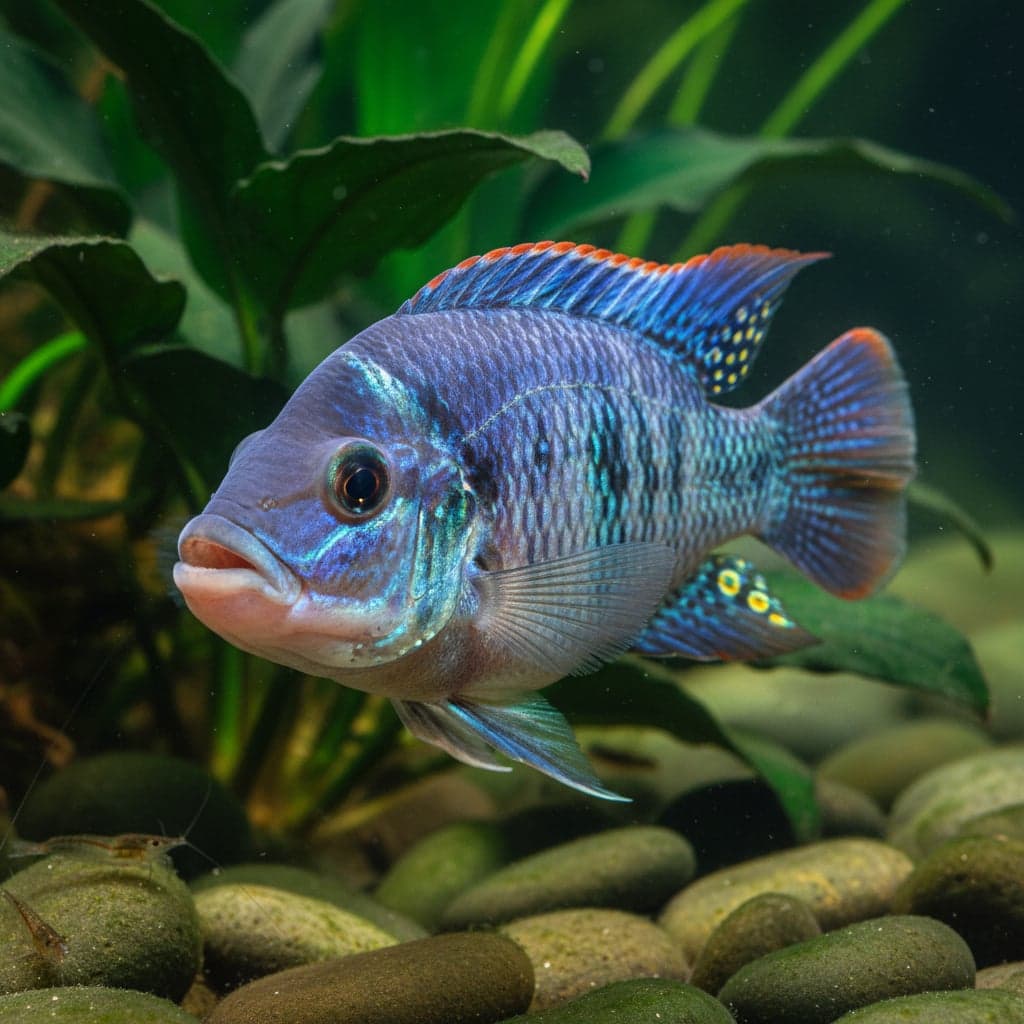
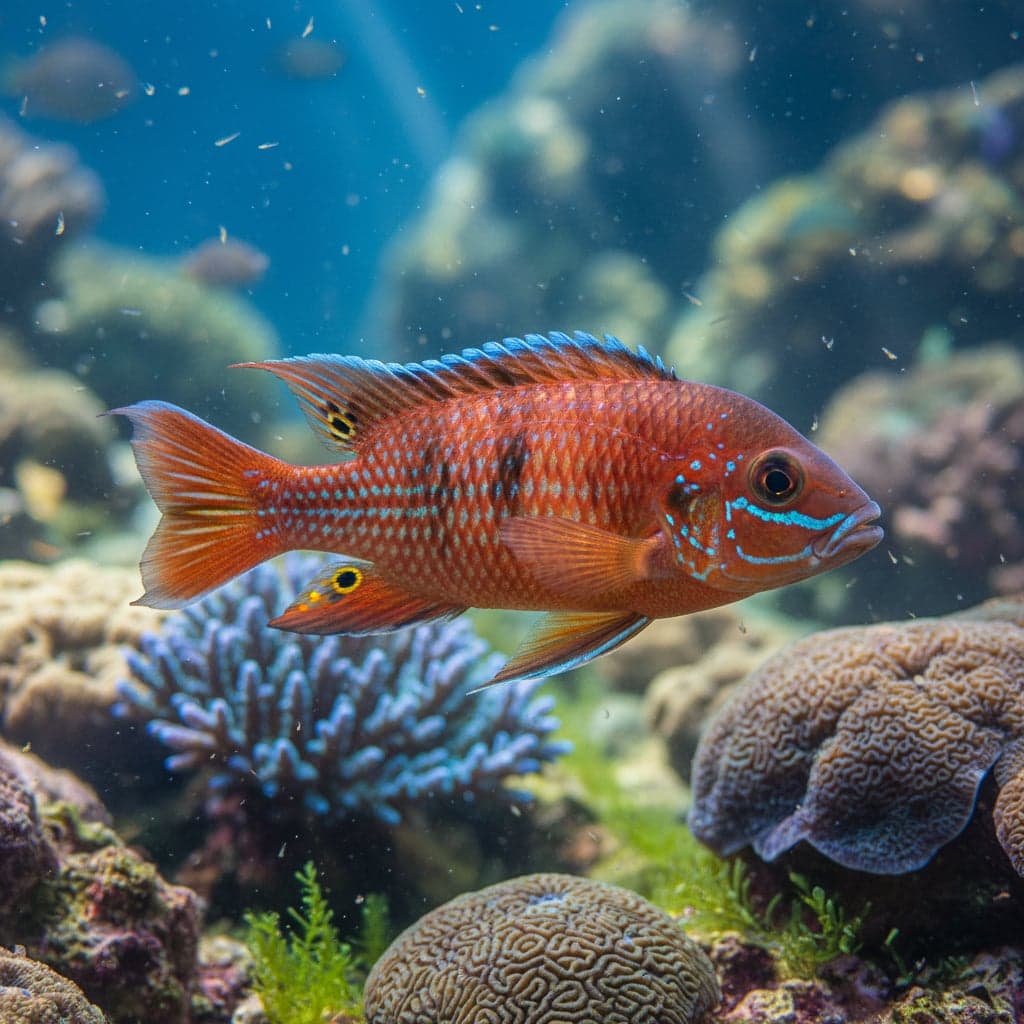
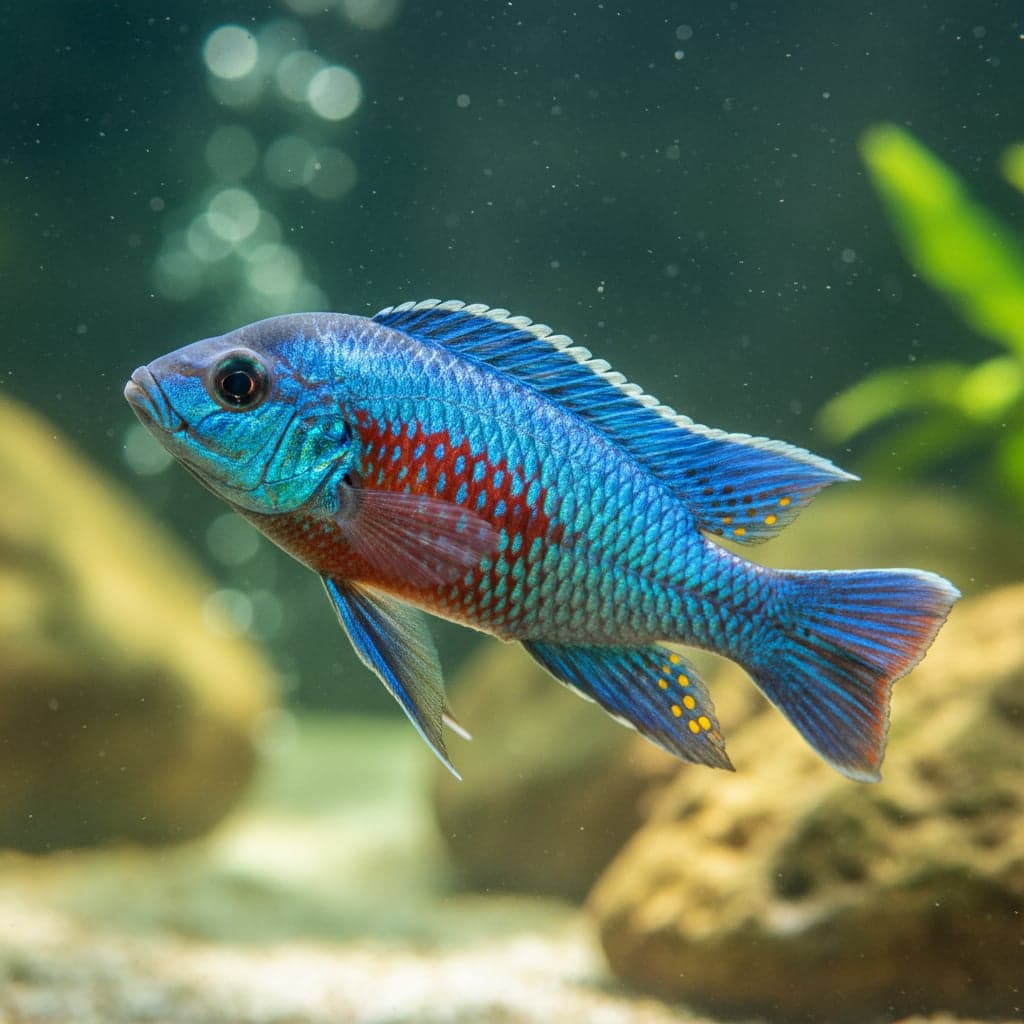
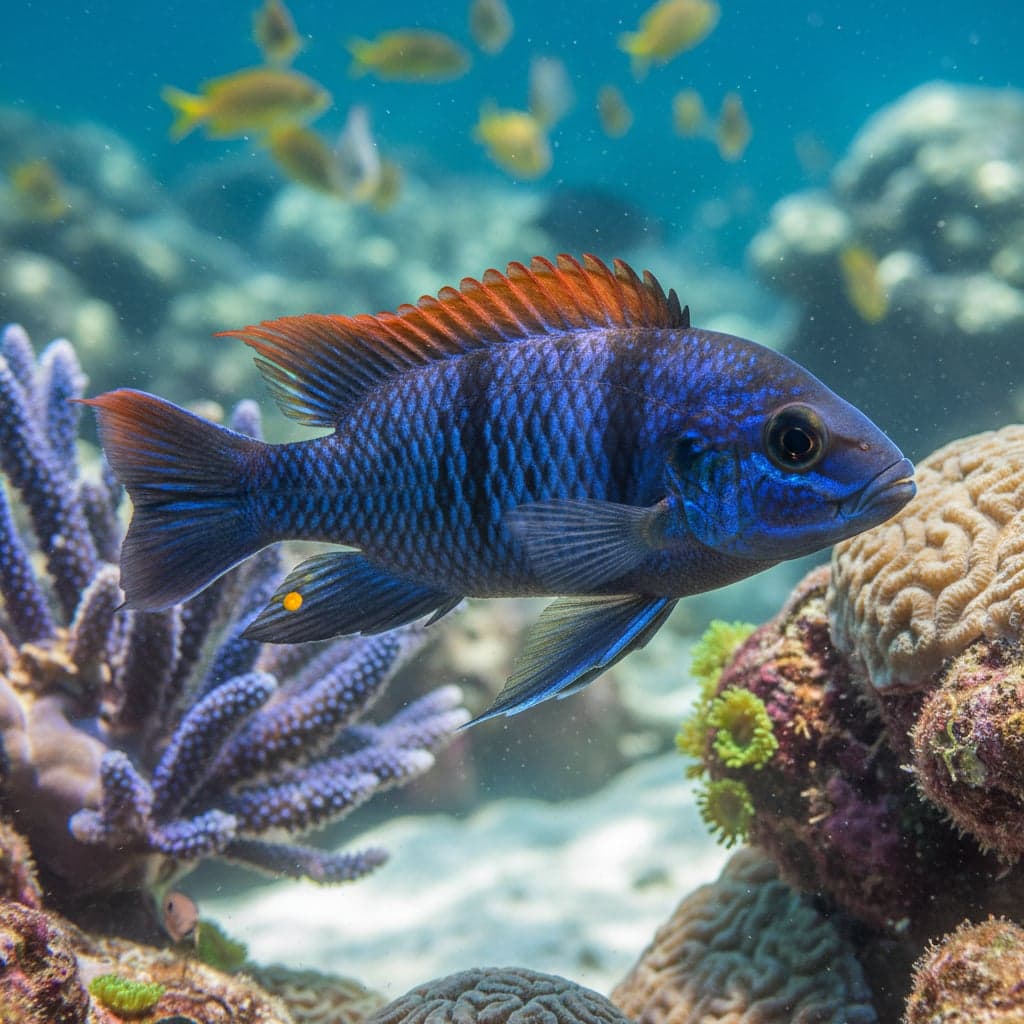
The Deepwater Hap (Placidochromis electra) is a stunning and sought-after species among aquarium enthusiasts, particularly those focusing on African cichlids. Renowned for its vibrant coloration, this fish can exhibit striking blue, yellow, and orange hues, which can vary significantly based on the individual's diet and the conditions of its environment. Beyond its allure, the Deepwater Hap is significant due to its relatively peaceful demeanor, making it more suitable for community tanks compared to other cichlid species. Its unique appearance and less aggressive nature appeal to both novice aquarists and seasoned hobbyists alike, cementing its status within the aquarium trading community.
In terms of visual appeal, the Deepwater Hap presents a refined elegance with its streamlined body and long fins, which can sway gracefully in the water. The iridescent scales reflect light in mesmerizing ways, often creating a display that captivates viewers in a home aquarium setting. This species serves not only as a centerpiece fish but also plays an important role in the overall health and dynamics of a well-maintained freshwater environment, making it a valued addition to any aquarist's collection.
Natural Habitat & Origin
The Deepwater Hap is endemic to the rocky shorelines of Lake Tanganyika, one of the largest and oldest freshwater lakes in the world, located between four African countries: Burundi, the Democratic Republic of the Congo, Tanzania, and Zambia. This species thrives in the clear, alkaline waters of the lake, where it primarily inhabits depths ranging from 10 to 30 meters. The rocky substrates provide a natural environment conducive to the Deepwater Hap's behavior, facilitating its predatory tendencies and offering shelter from potential threats.
The water conditions in Lake Tanganyika are characterized by stable parameters, with pH levels around 8.5 to 9.5 and moderately hard to hard water, providing a unique aluminum-based environment that is crucial for the health of its aquatic inhabitants. The varying depths also create different temperature zones, but the ideal habitat for the Deepwater Hap typically ranges from 23°C to 28°C (73°F – 82°F), allowing them to thrive while exhibiting their spectacular colors.
Care Requirements
To ensure the optimal health of the Deepwater Hap, specific water parameters must be adhered to. An ideal pH level ranges from 8.0 to 9.0, with hardness ideally between 10 to 20 dGH and a temperature between 24°C to 28°C (75°F to 82°F). It is crucial to perform regular water changes to maintain these parameters, as they can greatly affect the fish's overall well-being.
When setting up a tank, a minimum size of 100 gallons is recommended, as this allows ample swimming space and territory marking, both critical for the species' comfort. The substrate should consist of fine sand or rounded gravel to prevent injury to the fish's delicate fins and barbels. Rock formations, caves, and even artificial decorations should make up the aquascaping, providing hiding spots essential for their natural behavior. Lighting should be moderate, mimicking the natural light conditions of their native habitat, which supports the growth of beneficial algae while discouraging excessive brightness that can stress the fish.
Diet & Feeding
The Deepwater Hap is classified as a carnivore with a taste for protein-rich foods. In the wild, its diet primarily consists of smaller fish and aquatic invertebrates. For captive care, it is essential to replicate this diet for optimal health and color vibrancy. High-quality flakes and pellets formulated for carnivorous cichlids should comprise the bulk of their diet, while supplementing with occasional frozen or live foods such as brine shrimp, bloodworms, or daphnia can enhance their nutritional intake and stimulate natural hunting behavior.
Feeding should be done 2-3 times a day, administering only as much food as can be consumed in a few minutes to prevent water quality issues. Diversifying their diet will ensure balanced nutrition and maintain robust health, as well as maximize their coloration—an aspect highly valued by aquarists.
Behavior & Temperament
The Deepwater Hap exhibits a generally mild-mannered temperament, especially when kept in a suitable environment with ample space and hiding spots. Though primarily a solitary species, they can display semi-aggressive tendencies, particularly during breeding or when establishing territory. In a community tank, they may become territorial toward similarly shaped or colored fish, so it is crucial to provide sufficient room and visual barriers to reduce potential conflicts.
Socially, the Deepwater Hap does not exhibit strong schooling habits; rather, it tends to prefer a more diurnal lifestyle, staying near the substrate and rock formations during daylight hours while being more active during evening hours. Locating them in the mid to lower regions of the tank will usually provide them with a sense of security and a comfortable swimming space.
Tank Mates
When considering tank mates for the Deepwater Hap, it is essential to choose species that can coexist peacefully without provocation. Compatible species include other African cichlids such as Julidochromis spp., Pseudotropheus spp., and Lamprologus spp., which can offer visual diversity without competing directly for territory or breeding space. Additionally, peaceful bottom-dwellers such as Synodontis catfish can complement the community without inciting aggression.
It is advisable to avoid aggressive species, particularly other larger cichlids like some varieties of Mbunas, that may provoke the Deepwater Hap. Furthermore, small fish species are best avoided as well, as they may be viewed as food rather than companions. Always monitor interactions closely when introducing new tank mates to prevent stress or aggressive behavior.
Breeding
Breeding the Deepwater Hap in captivity can be a rewarding experience, although it requires specific conditions. They are mouthbrooders, meaning the female will carry the fertilized eggs in her mouth until they hatch. Breeding should ideally occur in a dedicated breeding tank to minimize stress, with plenty of rocky structures for the female to use as spawning sites.
To stimulate breeding behavior, maintain stable water parameters, and increase the temperature slightly to around 28°C (82°F). Provide a high-quality diet, as nutrition plays a critical role in encouraging breeding. Once the female has carried her eggs for about two to three weeks, she will release small fry, which can be fed微小的food designed for baby fish. Providing sufficient hiding spots and dense vegetation in the breeding tank will help increase fry survival rates.
Common Health Issues
The Deepwater Hap, like all aquarium fish, can be susceptible to specific health issues common in cichlids, including ich, fin rot, and bloat. Ich, a parasitic infection, is often caused by poor water quality. Maintaining good tank hygiene and utilizing a quarantine process for new fish can significantly reduce the risk of introducing illness.
Fin rot can occur due to poor water quality, so regular monitoring and water changes are essential. Ensuring the fish has a balanced diet will also help prevent bloat, which can occur from overfeeding, particularly with dry foods. Early intervention with appropriate treatments is crucial to preventing health crises. Preventative measures like maintaining a clean environment, monitoring water parameters, and observing feeding habits will contribute to the overall health of the Deepwater Hap.