The Demasoni Cichlid: Chindongo demasoni
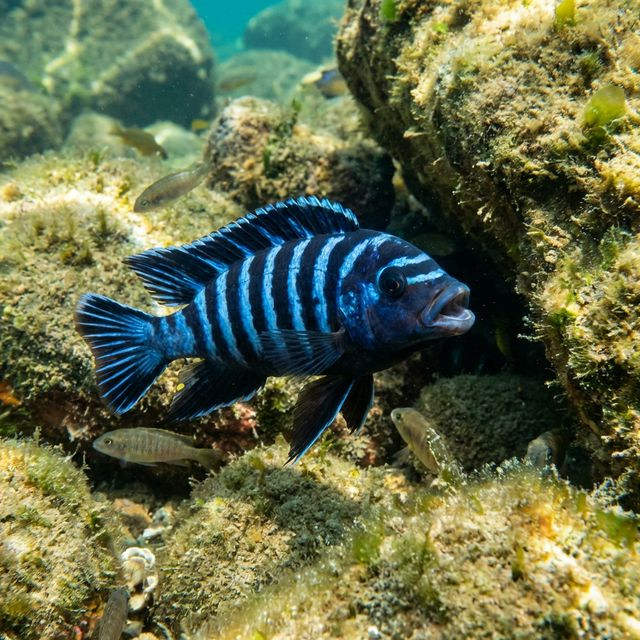
Small but fierce. This distinctively striped blue-and-black dwarf cichlid is a stunning addition to a species-only tank.
Demasoni Cichlid
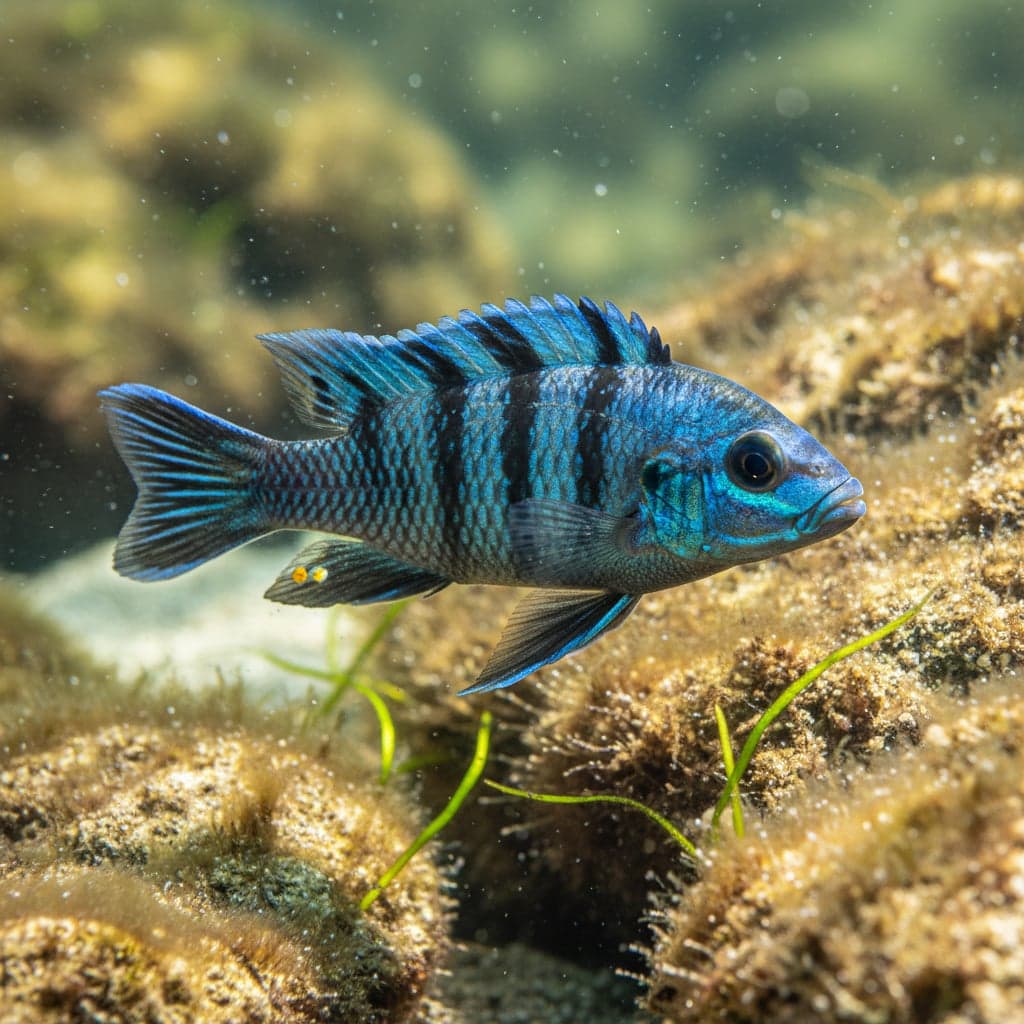
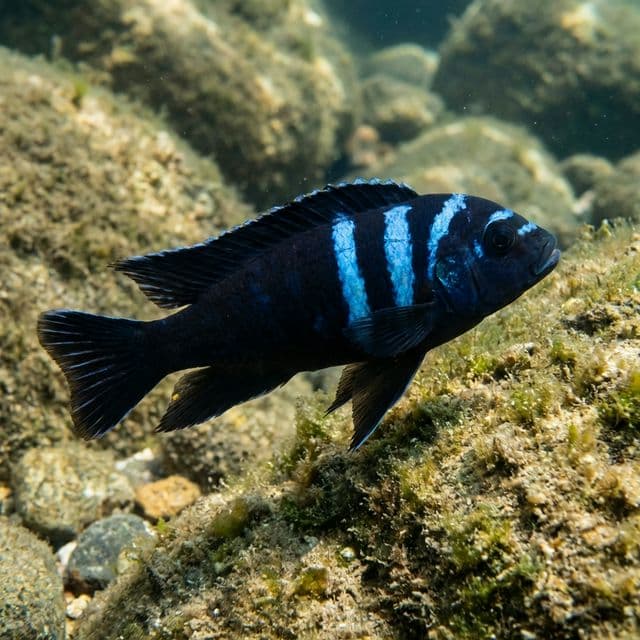
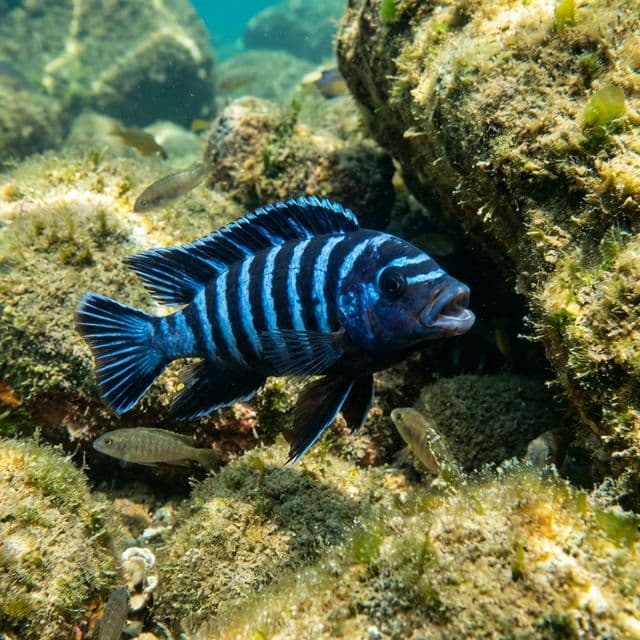
The Demasoni Cichlid, scientifically known as Chindongo demasoni, is a striking freshwater fish that captures the hearts of aquarists worldwide. Native to the rocky shores of Lake Tanganyika in East Africa, this cichlid stands out due to its vivid coloration and unique body shape. Primarily characterized by deep blue or purple bodies adorned with bold black vertical stripes, the Demasoni Cichlid exemplifies visual appeal in aquascaping. Its intense colors develop more vibrantly when the fish are kept in optimal water conditions, making it a centerpiece in many African cichlid tanks. Apart from its aesthetic value, this fish plays a crucial role in the aquarium hobby by representing the diverse biotopes of Lake Tanganyika and serving as an ambassador for conservation efforts related to African rift lake ecosystems.
In the aquarium setting, the Demasoni Cichlid is not just prized for its appearance but also for its fascinating behavior. As a rock-dwelling species, it exhibits typical cichlid behaviors that can be both entertaining and educational for fishkeepers. Known for their territorial nature, observing these cichlids interact with their environment and establish dominance makes for a captivating experience. The Demasoni Cichlid's hardiness and adaptability to varying conditions further contribute to its popularity among both beginner and experienced aquarists, solidifying its status as a staple in African cichlid communities.
Natural Habitat & Origin
The Demasoni Cichlid originates from the crystal-clear waters of Lake Tanganyika, one of the oldest and most biodiverse lakes in the world. This lake is characterized by its vast rocky substrate and significant depth, providing an intricate habitat that supports numerous endemic species. The water in Lake Tanganyika is typically hard and alkaline, reflecting the limestone-rich geology of the region. The natural environment of the Demasoni Cichlid consists of high oxygen levels and stable temperatures, typically ranging between 75°F to 82°F (24°C to 28°C). These factors contribute to the fish's health and color vibrancy, underscoring the importance of replicating these conditions in an aquarium setup.
In their natural habitat, Demasoni Cichlids thrive in rocky crevices where they find shelter from predators and establish territorial claims. The substrate’s composition is primarily rocky, which fosters algae growth that these cichlids graze upon while also encouraging breeding behaviors. The water chemistry in Lake Tanganyika generally features a pH level between 7.8 and 9.0, with a general hardness ranging from 10 to 25 dGH, making it vital for aquarists to closely monitor and maintain similar parameters in captivity.
Care Requirements
Caring for the Demasoni Cichlid requires a dedicated approach to tank conditions. Ideally, the aquarium should be at least 30 gallons to provide ample space for these territorial fish. In terms of water parameters, maintain a pH level between 7.8 and 9.0, with a temperature range of 75°F to 82°F (24°C to 28°C), and hardness between 10 and 25 dGH. It’s essential to conduct regular water changes and maintain excellent filtration to keep the water clean and healthy.
The tank setup should mimic the rocky substrates of Lake Tanganyika, incorporating pieces of driftwood and large rocks to create hiding spots and territories. A sandy substrate is also preferred to help recreate a naturalistic habitat. Lighting should be moderate to promote the growth of algae, which serves as a food source. While live plants can be added, keep in mind that the Demasoni may uproot them while digging or rearranging their environment. Thus, using hardy, low-maintenance plants that can withstand disturbances is recommended.
Diet & Feeding
The Demasoni Cichlid is an omnivorous species that thrives on a varied diet. In the wild, they primarily forage on algae, small invertebrates, and detritus, which means that a balanced feeding regimen will ensure optimal health and coloration. In captivity, it is advisable to provide high-quality cichlid pellets for daily feeding, supplemented with spirulina flakes to promote growth and enhance coloration. Additionally, offering frozen or live foods such as brine shrimp, daphnia, and bloodworms occasionally will provide necessary protein and help mimic their natural foraging behaviors.
To maintain water quality, small, frequent feedings are recommended rather than one large feeding. Monitor the amount of food consumed to prevent overfeeding, as this can lead to water quality issues and health problems. A varied diet not only improves the fish's physical appearance but also encourages healthy digestion and overall vitality.
Behavior & Temperament
The Demasoni Cichlid is known for its dynamic and assertive behavior that reflects its territorial nature. They display distinct social hierarchies where males often assert dominance over other males within the same tank. This territoriality can lead to aggressive interactions, particularly if adequate hiding spots and personal space aren’t provided. While Demasoni Cichlids do best in small groups, it is essential to keep a balanced male-to-female ratio to minimize aggression. Typically, one male can be kept with several females to diffuse potential conflicts.
In the tank, Demasoni Cichlids tend to inhabit the middle to lower levels of the water column. They are not strong swimmers, preferring to occupy rocky structures where they feel safe. Their behavioral traits can be observed more vividly when they are housed in species-specific tanks containing other African cichlids, as they often exhibit schooling and social interactions, albeit sometimes with competitive displays.
Tank Mates
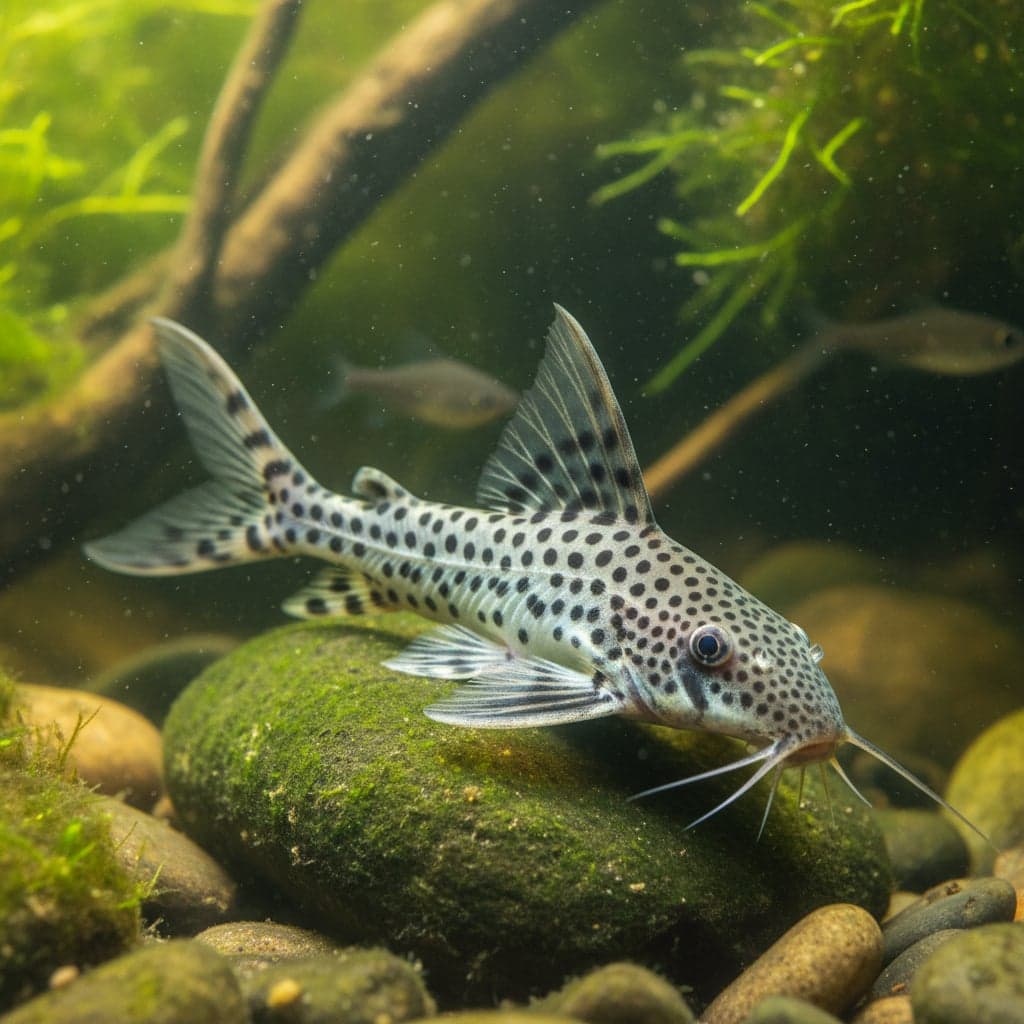
When choosing tank mates for the Demasoni Cichlid, it's crucial to select species that can withstand their territorial behavior. Compatible species include other African cichlids, particularly those from Lake Tanganyika, such as the Mbuna cichlids like Pseudotropheus and Labidochromis species. Other suitable companions could include other similarly sized cichlids that are not overly aggressive, as well as certain species of catfish, like Synodontis.
However, certain species should be avoided, particularly those that are smaller or less aggressive, as they may become targets for bullying. Fish like guppies, tetras, or any peaceful community fish are incompatible due to the potential for stress and aggression. Always ensure that tank mates have a similar range of water parameters to ensure a harmonious environment.
Breeding
Breeding the Demasoni Cichlid in captivity can be a rewarding endeavor, though it requires specific conditions to be successful. In a breeding setup, establish a group consisting of one male and several females to promote natural spawning behaviors. Providing plenty of rocky structures will encourage nesting, as females prefer to lay their eggs in crevices and among rocks.
Once the female lays her eggs, which can number from 10 to 30 eggs, she will typically gather and guard the eggs before allowing the male to fertilize them. The incubation period lasts approximately 3–4 days, after which the fry will emerge and can be fed with infusoria or fine powdered food until they are large enough to consume crushed flakes or micro-pellets. To increase success rates, it’s beneficial to conduct regular water changes and maintain the ideal parameters to ensure the health and growth of the young fry as they mature. Providing micro-caves and dense rock crevices allows vulnerable juveniles to escape adult aggression until they are large enough to join the colony.
Common Health Issues
Demasoni Cichlids are prone to specific health issues typical of herbivorous mbuna, with Malawi bloat being the most critical threat. Bloat is an acute gastrointestinal disorder triggered by improper high-protein or meat-based diets, poor water conditions, or severe territorial stress. Feeding high-fiber, spirulina-based herbivore foods and strictly avoiding rich mammalian fats or tubifex worms is crucial for digestive health.
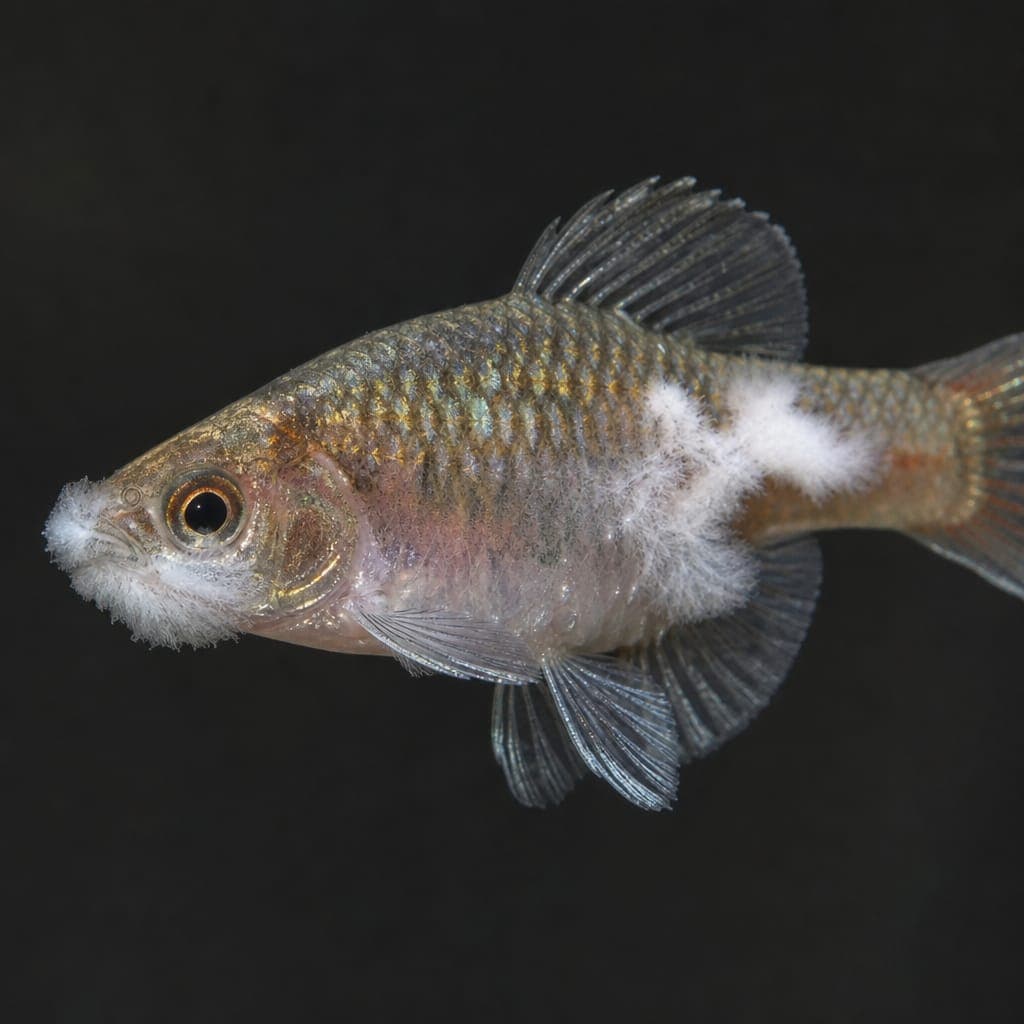
In addition, sub-optimal water chemistry—such as soft water, low pH, or elevated nitrates—can make them susceptible to ich (Ichthyophthirius multifiliis) and columnaris bacterial infections. Ensuring hard, alkaline conditions (pH 7.5–8.5, 24–28°C), strong filtration, regular weekly water changes, and a large group size (12+ fish) to diffuse intra-species aggression will keep the colony thriving and disease-free.