Diamond Goby (Orange-Spotted Goby): Valenciennea puellaris
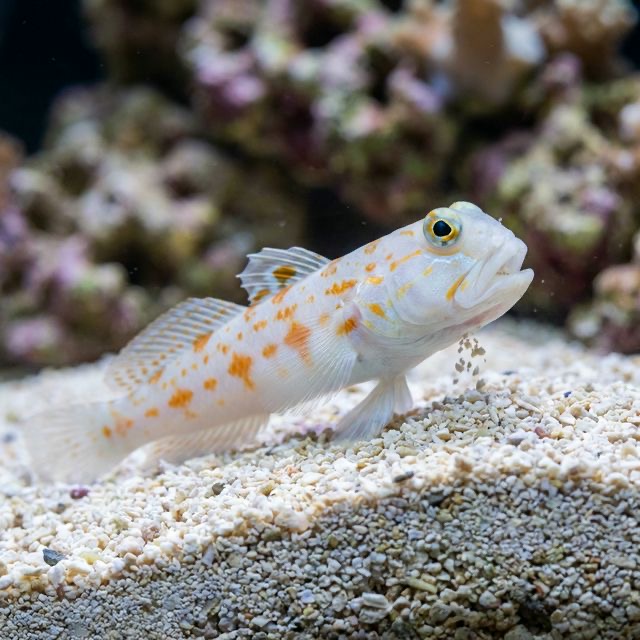
The ultimate sand-sifter. This fish keeps your sand bed sparkling white by constantly filtering sand through its mouth and gills.
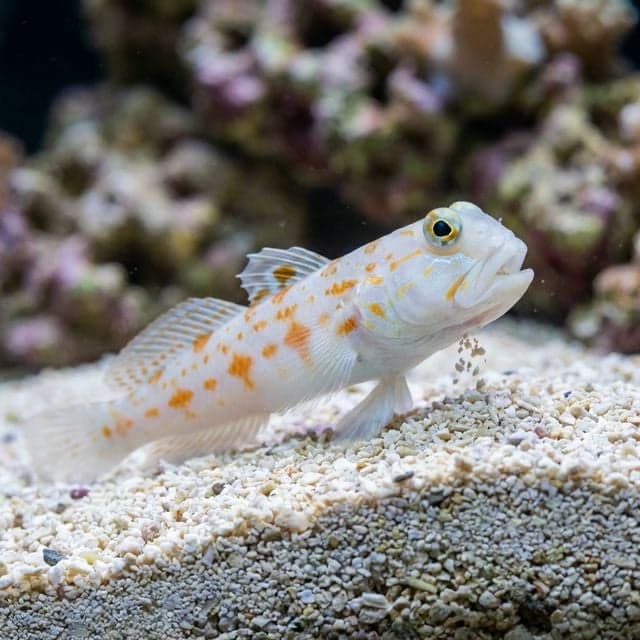
Diamond Goby
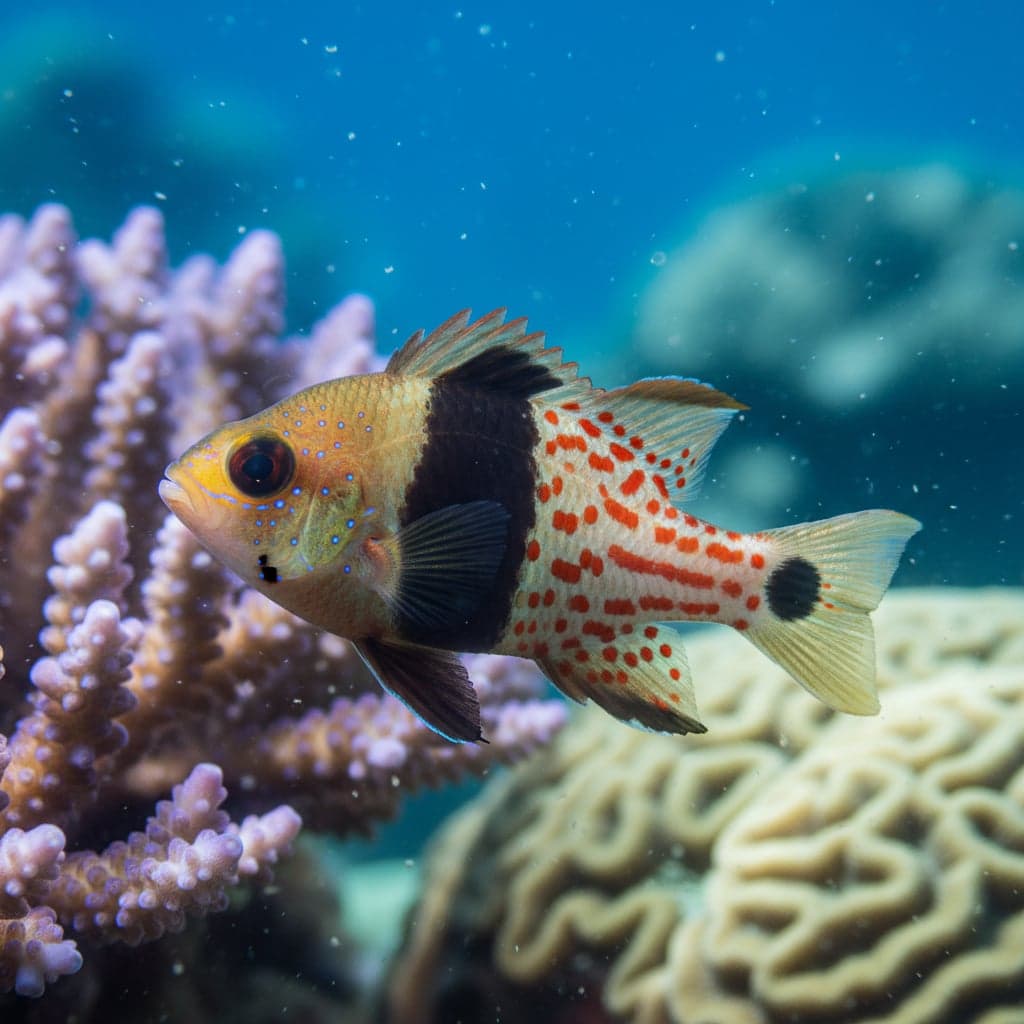
The Diamond Goby, also known as the Orange-Spotted Goby, is a captivating species renowned for its vibrant colors and unique behaviors. Hailing from the family Gobiidae, this fish is a small to medium-sized goby that displays a stunning palette of yellow to golden hues adorned with bright orange spots, giving it a diamond-like appearance. Its allure lies not only in its visual appeal but also in its fascinating behavior of burrowing and sifting through substrate, which impresses both novice and advanced aquarists alike. The Diamond Goby has gained significant popularity in the aquarium hobby due to its captivating presence and symbiotic relationships with other tank inhabitants.
The significance of the Diamond Goby extends beyond aesthetics; it plays a vital role in the ecosystem of a marine aquarium. As a natural sand sifter, this fish helps keep the substrate clean and free from detritus, thereby contributing to the overall health of the aquarium environment. Its engaging personality and active nature make it a delight to observe, as they exhibit interesting behaviors, including pairing with their mates and exhibiting territorial displays. Overall, the Diamond Goby is an excellent addition to any well-planned marine setup.
Natural Habitat & Origin
The Diamond Goby is native to the shallow waters of the Indo-Pacific region, particularly surrounding coral reefs and sandy seabeds. Its geographical distribution includes areas such as the Red Sea, the Great Barrier Reef, and various islands in the Pacific Ocean. This fish prefers clear, clean waters that allow for ample sunlight penetration, essential for the thriving marine life it coexists with in its natural habitat. The typical environment for the Diamond Goby consists of sandy substrates interspersed with rocky formations, providing both shelter and opportunities for sifting through material.
In terms of water conditions, these gobies are accustomed to living in warm, tropical waters where the temperature typically ranges from 24°C to 29°C (75°F to 84°F). The natural habitats of the Diamond Goby are characterized by stable salinity levels of around 1.020 to 1.025, with a pH range of approximately 8.1 to 8.4. These environmental preferences should guide aquarists in replicating the Diamond Goby's native conditions for optimal health and well-being.
Care Requirements
For successful care of the Diamond Goby, it's essential to provide appropriate water parameters. The ideal pH range for these fish is between 8.1 and 8.4, and they thrive in temperatures from 24°C to 29°C (75°F to 84°F). The water hardness should range from 8 to 12 dGH, allowing for a stable and comfortable habitat. When it comes to tank size, a minimum of 100 liters (26 gallons) is recommended, as this size allows ample space for swimming and burrowing activities.
Tank setup should include a soft sandy substrate that allows the Diamond Goby to exhibit its natural behavior of burrowing. This not only keeps the fish happy but also helps maintain tank cleanliness. In terms of lighting, moderate light levels are ideal, mimicking their natural habitat. Incorporating live rock or coral structures can provide hiding places and create a more dynamic environment. While the Diamond Goby does not require extensive plant life, the inclusion of hardy marine plants or macroalgae can enhance water quality and create additional habitat diversity.
Diet & Feeding
The Diamond Goby is classified as a carnivorous omnivore, primarily feeding on small invertebrates, zooplankton, and detritus in their natural habitat. In captivity, they continue to thrive on a varied diet. High-quality flake or pellet foods formulated for marine fish are suitable base options, ensuring they receive essential nutrients. Additionally, supplementing with frozen or live foods, such as brine shrimp, mysis shrimp, and finely chopped seafood, will help promote vibrant colors and robust health.
Feeding should be done multiple times a day in small amounts, as Diamond Gobies tend to forage by sifting through the substrate, mimicking their natural behavior. Regularly offered variety will also ensure that the fish are getting a balanced diet, preventing any nutritional deficiencies.
Behavior & Temperament
The Diamond Goby is generally known for its peaceful and sociable temperament, though care should be taken when introducing them to new tank mates. They are not prone to aggression and often exhibit schooling habits, preferring to swim alongside their own kind. It is vital to provide enough space and hiding spots to allow for territorial behavior, especially when multiple gobies are kept together.
In terms of vertical placement in the tank, Diamond Gobies primarily inhabit the bottom levels of the aquarium. They spend much of their time close to the substrate, so a well-structured environment with ample sand and hiding spots ensures their comfort. Observers will delight in their unique behaviors, such as foraging, burrowing, and interacting with other tank inhabitants.
Tank Mates
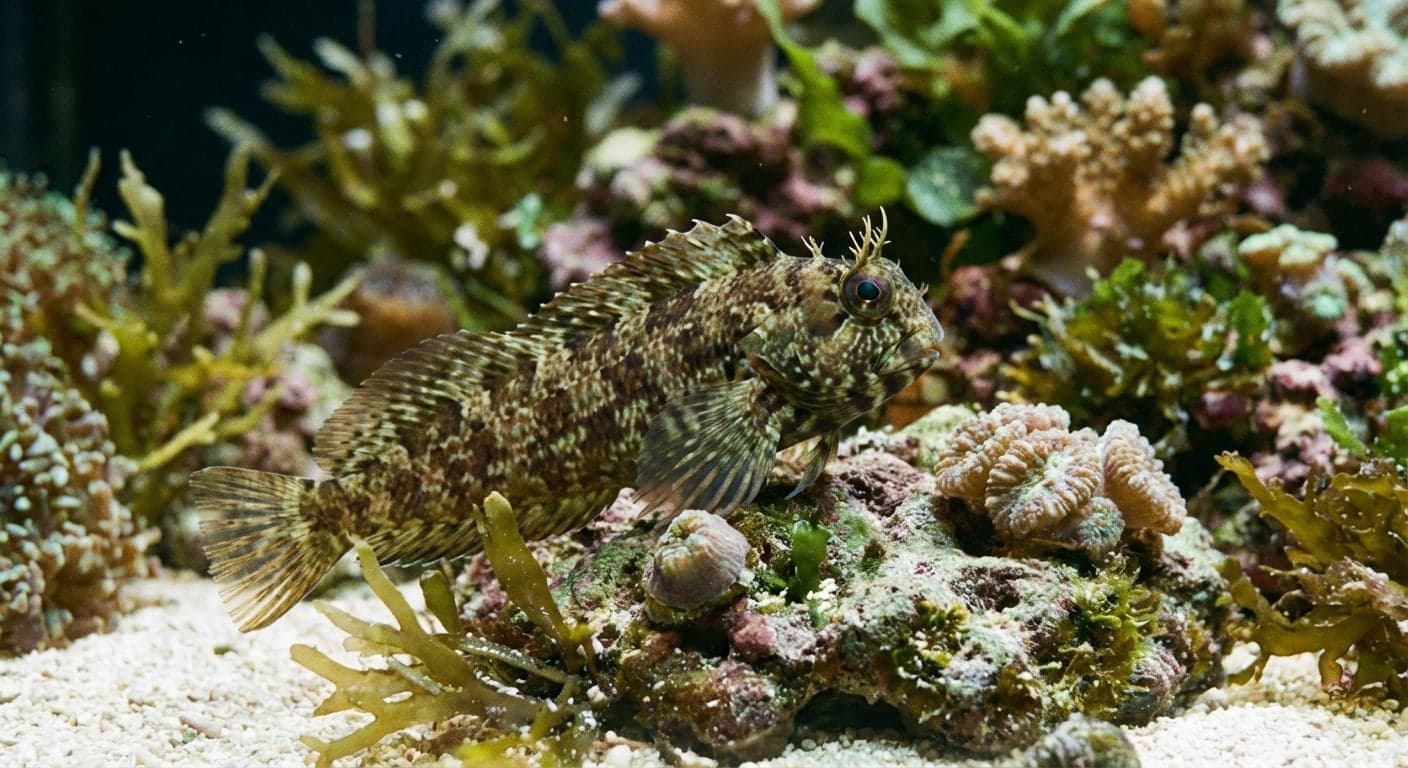
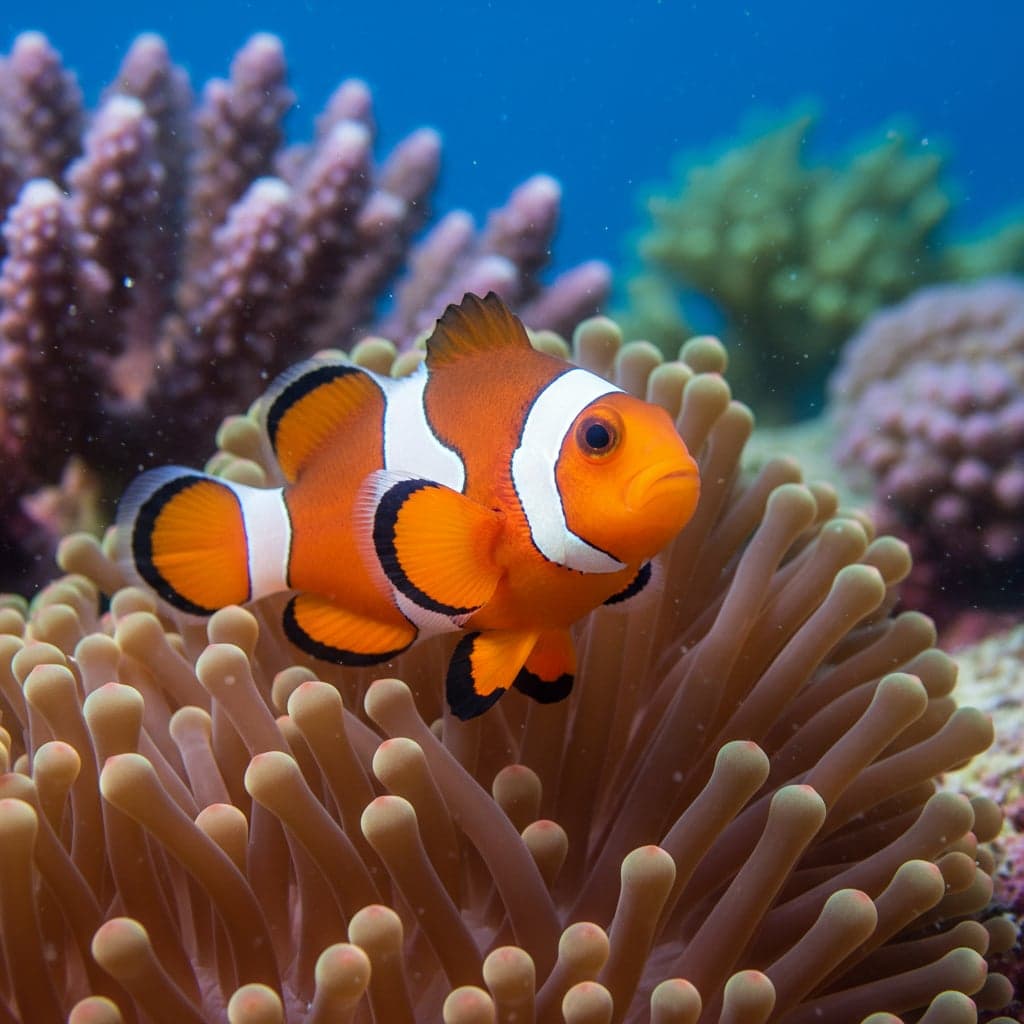
Selecting compatible tank mates for the Diamond Goby is crucial for creating a harmonious aquarium environment. Ideal companions include peaceful species such as clowns, fairy wrasses, and certain types of blennies. Other small gobies can also coexist, provided that adequate space and hiding places are available to reduce territorial disputes.
However, there are species that should be avoided due to potential aggression or competition for resources. Avoid pairing Diamond Gobies with larger or more aggressive fish, such as triggerfish or certain groupers, as these may threaten the safety of the goby. Additionally, avoid keeping them with overly territorial species that may outcompete them for space and food.
Breeding
Breeding Diamond Gobies in captivity can be quite challenging due to specific conditions needed for successful spawning. In their natural habitat, these fish exhibit a breeding behavior that involves creating a spawning site in the substrate, often using burrows or cavities. For successful breeding in the home aquarium, providing a stable environment with parameters that mirror their natural conditions is essential.
Maintaining optimal water quality, consistent temperature, and appropriate diet will all play crucial roles in encouraging breeding behaviors. Once a pair forms, they may engage in courtship rituals and will often prepare a nesting site. While documented cases of breeding in captivity are rare, aquarists willing to follow natural spawning cues may foster successful reproduction.
Common Health Issues
Despite being hardy, Diamond Gobies can be susceptible to a range of health issues. Common ailments include ich (marine white spot disease), fin rot, and various parasitic infections. Preventative measures include maintaining stable water conditions, regular tank cleaning, and providing a high-quality diet.
Observation is key; any changes in behavior, such as lethargy or scratching against objects, can indicate underlying health issues. Regular check-ups with an aquatic veterinarian can help address any concerns early on, ensuring a long and healthy life for the Diamond Goby in your aquarium. Proper preventive care, including quarantine for new arrivals, will minimize the risk of introducing diseases.