Dickfeld's Julie: Julidochromis dickfeldi
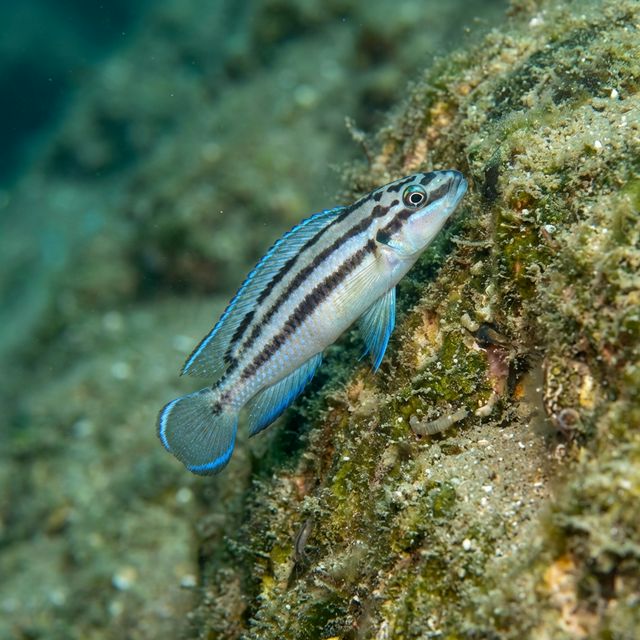
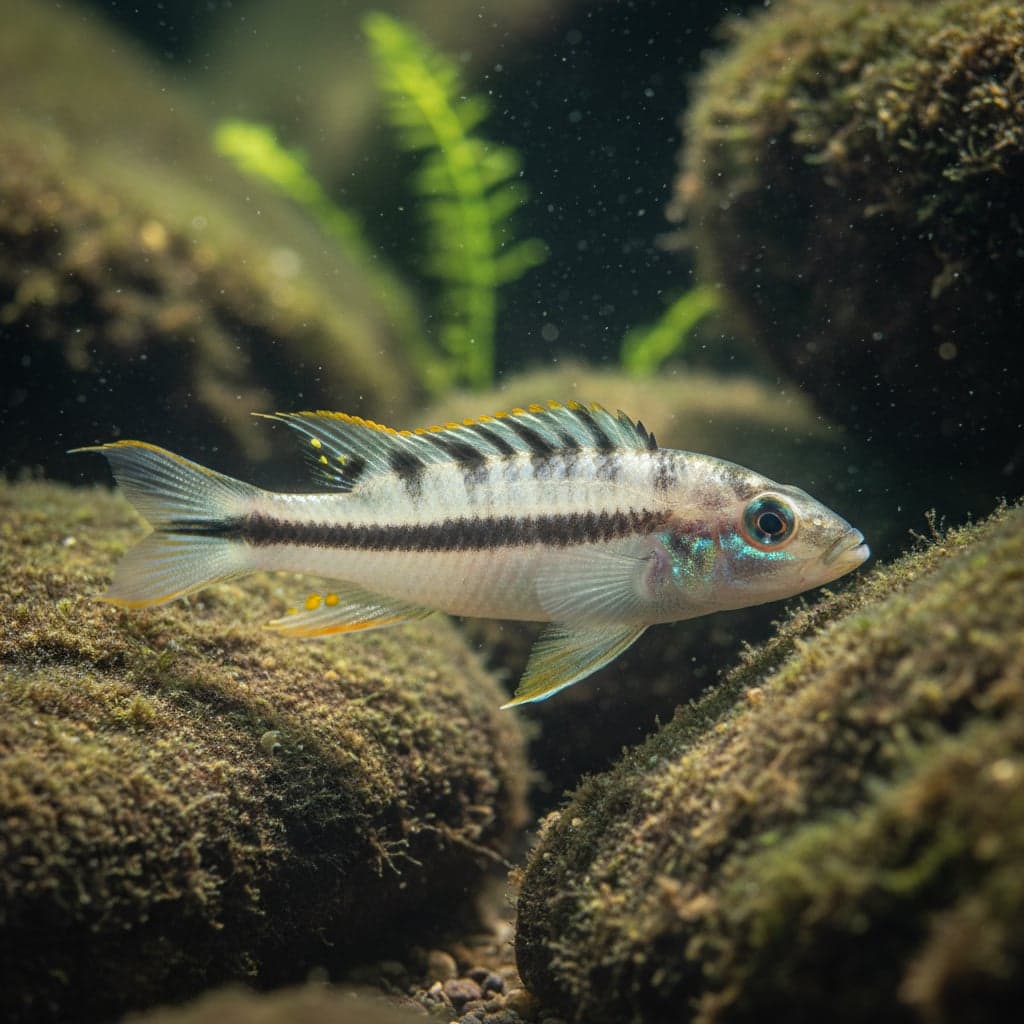
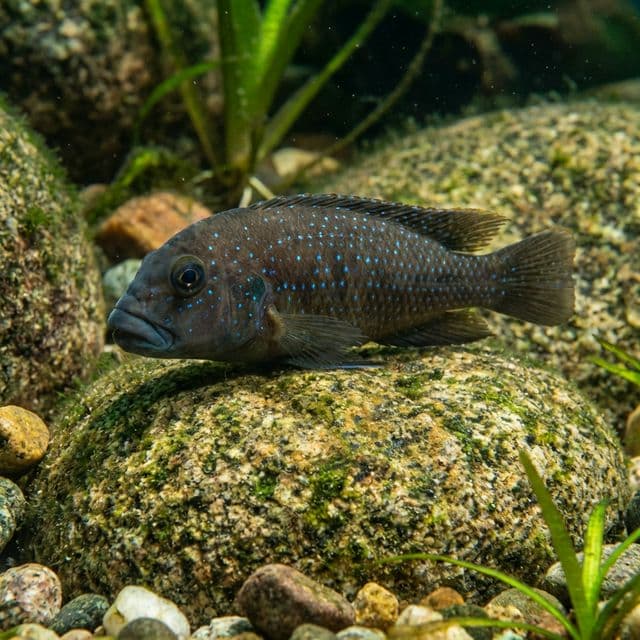
A beautiful, slender Tanganyikan cichlid with brown/blue bars. One of the most popular Julies.
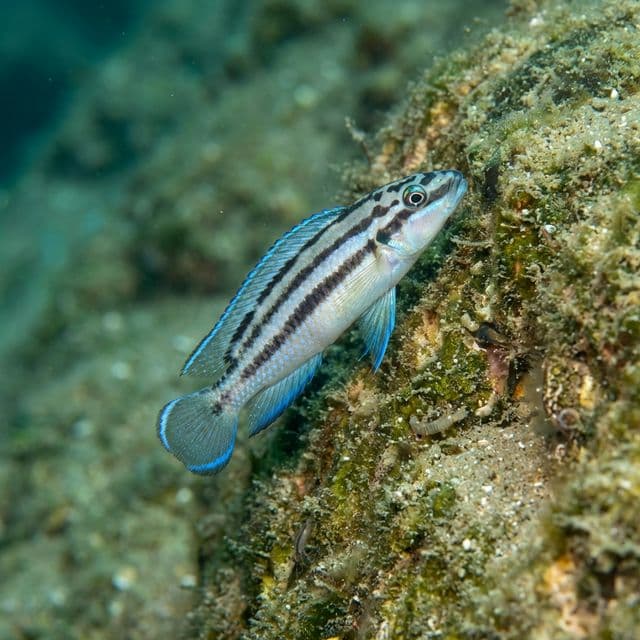
Dickfeld's Julie
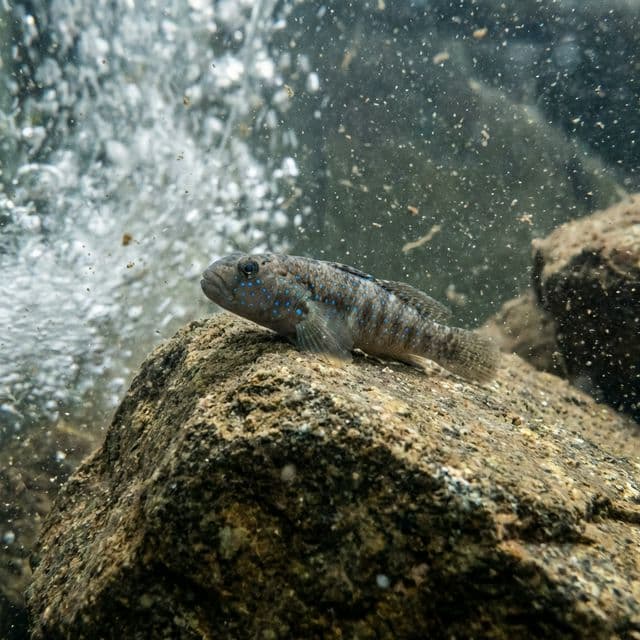
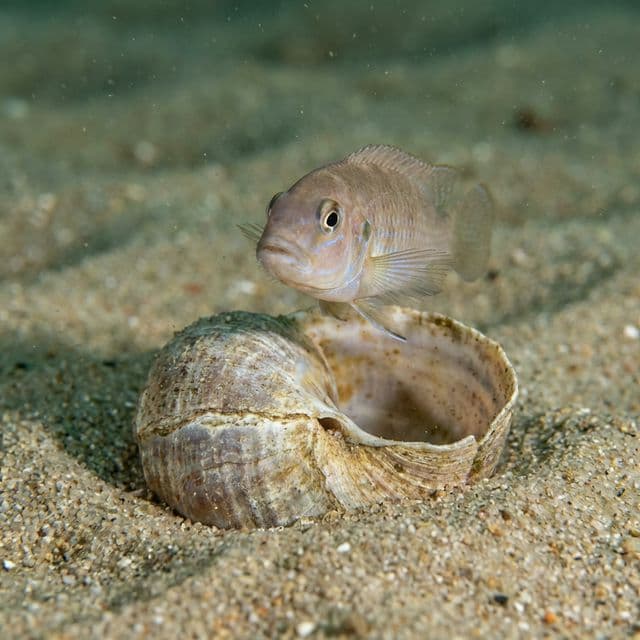
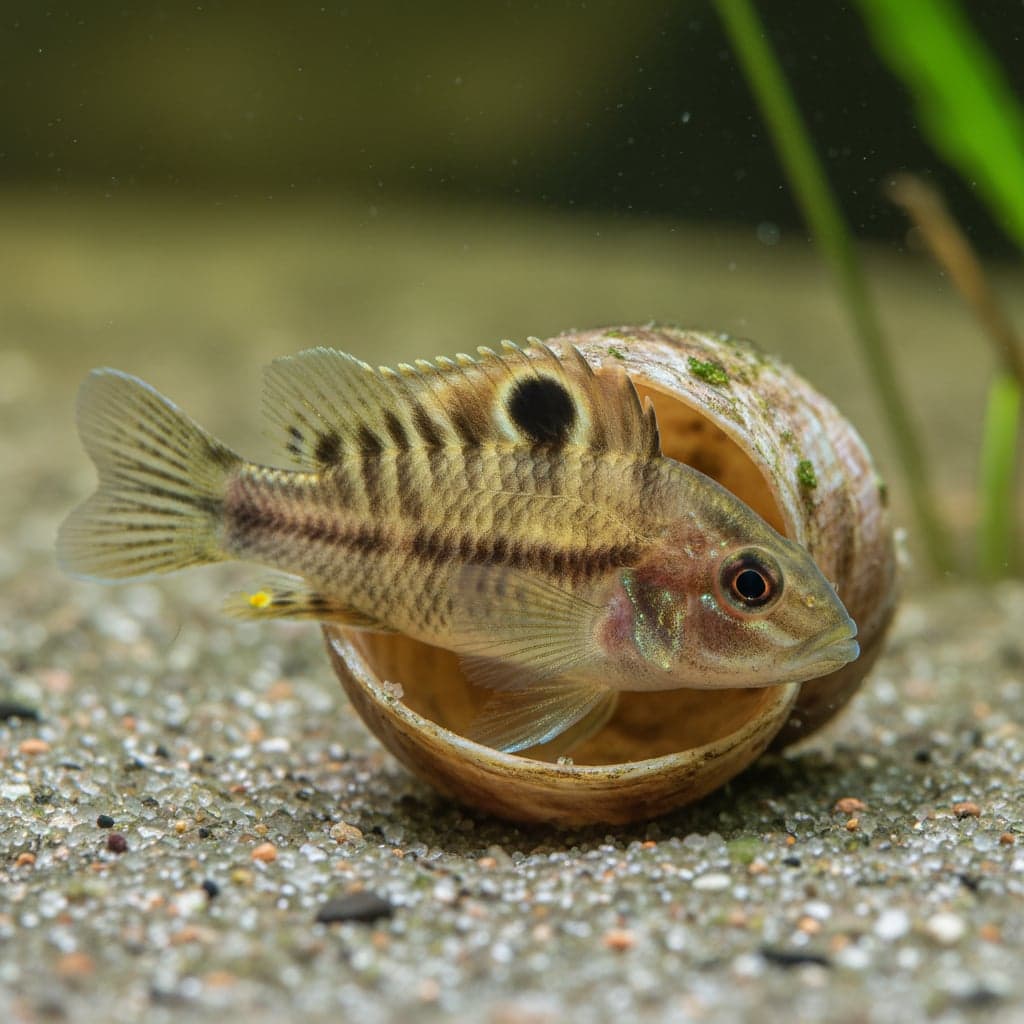
Dickfeld's Julie, scientifically known as Julidochromis dickfeldi, is a captivating cichlid native to Africa's Lake Tanganyika. Recognized for its unique coloration, this fish displays a striking mix of yellow, blue, and black hues, which not only makes it visually appealing but also allows it to blend seamlessly into the rocky habitats of its natural environment. As a small-sized cichlid, reaching a maximum length of about 4 inches, Dickfeld's Julie is a popular choice among aquarists who appreciate its striking beauty and engaging behavior. Over the years, it has won the hearts of many fish enthusiasts and is frequently sought after in the aquarium trade due to its relatively manageable care requirements compared to other cichlid species.
Beyond its aesthetic value, Dickfeld's Julie holds significance in the aquarium hobby as a demonstration of the diverse adaptability and characteristics of cichlids from Africa. Its distinct behavior, particularly its territorial nature, makes it an interesting subject of observation. The species is known for its captivating social dynamics, which can enrich any community aquarium and provide fish keepers with the joy of watching these lively creatures interact.
Natural Habitat & Origin
Dickfeld's Julie is indigenous to the rocky shores of Lake Tanganyika, one of the oldest and deepest freshwater lakes in the world. This geographical location provides unique environmental conditions, characterized by clear, mineral-rich water with a stable pH and temperature. The natural habitat includes an array of rocky substrates where these cichlids can find shelter and breeding grounds. Being accustomed to such environments, Dickfeld's Julie thrives in conditions that mimic this natural setting, highlighting their need for specific water chemistry and structure in captivity.
In Lake Tanganyika, the fish tend to inhabit depths ranging from 10 to 50 meters, often hiding among crevices and rock formations. The clear water allows for excellent visibility, enabling them to hunt small invertebrates and crustaceans, which make up a significant part of their diet. This natural habitat reinforces the importance of providing similar environmental elements in a home aquarium to promote health and well-being for Dickfeld's Julie.
Care Requirements
To successfully keep Dickfeld's Julie, it is essential to mimic their natural habitat by maintaining proper water parameters and tank setup. The ideal water temperature for these fish ranges from 74°F to 82°F (23°C to 28°C), with a pH level of 7.8 to 9.0 and a water hardness ranging from 10 to 20 dGH. Such conditions ensure a favorable environment, encouraging healthy behavior and growth.
When it comes to tank setup, a minimum tank size of 30 gallons is recommended to provide adequate space for swimming and territorial displays. The substrate should consist of fine gravel or sand, allowing the fish to dig and create hiding spots. Incorporating rocky formations and caves is vital, as these areas provide essential shelter and breeding sites. Moderate lighting is preferred, simulating their natural environment, alongside plants that do not overshadow the rock structures, ensuring that Dickfeld's Julie can display its beautiful colors without undue stress.
Diet & Feeding
Dickfeld's Julie is an omnivorous species, thriving on a varied diet that contributes to their overall health and vibrancy. In captivity, they will flourish when offered a combination of high-quality flakes, pellets, and frozen or live foods. Quality cichlid pellets that are high in protein will stimulate their natural feeding behaviors while providing the necessary nutrients. Additionally, incorporating live foods such as brine shrimp and daphnia can enhance their coloration and boost their activity levels.
To promote optimal health, feeding Dickfeld's Julie two to three times a day in small portions is advisable, ensuring that no leftover food remains to pollute the tank. A well-rounded diet not only aids in their growth and vibrancy but also supports their immune system, helping prevent common health issues.
Behavior & Temperament
Dickfeld's Julie exhibits intriguing social behavior that makes them a delightful addition to the aquarium. These cichlids tend to be semi-aggressive, especially towards members of their own species, as they establish territories. It is common to observe them claiming specific areas within the tank, particularly around rock formations. While they can school in small groups, providing ample hiding spots allows each fish to establish its own territory, reducing territorial disputes and stress.
In terms of vertical placement, Dickfeld's Julie often occupies the middle to upper areas of the tank. They will frequently dart between rocky crevices but also enjoy exploring the open water. This behavior not only adds to their dynamic presence but also encourages aquarists to create an engaging environment that fosters natural activities.
Tank Mates
When considering tank mates for Dickfeld's Julie, choosing species that share similar water parameters and social behavior is paramount. Compatible tank mates include various species of smaller cichlids from Lake Tanganyika, such as Neolamprologus spp. and some larger Tetra species, provided there is adequate swimming space and hiding spots. Community fish such as catfish, like Corydoras, and certain peaceful species of rainbowfish can also coexist harmoniously with Dickfeld's Julie.
However, it is vital to avoid keeping them with overly aggressive or larger species that might intimidate or bully them. Fish such as large African cichlids or fast-moving schooling species can create stress or provoke aggressive behaviors in Dickfeld's Julie. To ensure a peaceful aquarium environment, always assess compatibility and monitor interactions closely.
Breeding
Breeding Dickfeld's Julie in captivity can be a rewarding experience for dedicated aquarists. For successful breeding, it's essential to provide a separate breeding tank, with similar water parameters to their main aquarium. Breeding typically occurs in caves, which offer protection for the eggs and fry. Potential breeding pairs usually exhibit courtship behaviors, including vigorous swimming and displays of color.
Once a pair has formed, the female will lay her eggs in a sheltered area, typically under a rock or in a cave, while the male guards the territory. After the eggs hatch, the male may continue to protect both the nest and the fry, while the female may take on the role of caring for the young. It is advisable to remove the adults after spawning to prevent them from eating the fry, allowing the young fish to grow in a safer environment.
Common Health Issues
Like many aquarium fish, Dickfeld's Julie is prone to specific health issues, particularly if water conditions are not carefully managed. Common diseases include ich (white spot disease), fin rot, and various bacterial infections. To prevent these health problems, maintaining stable water parameters and conducting regular water changes is critical for overall fish health.
Implementing a proper quarantine procedure for new arrivals can also help minimize the risk of introducing diseases to your aquarium. Additionally, keeping a close watch on the fish for any signs of distress or illness is essential in early detection and treatment. Providing a balanced diet, along with clean, well-maintained water, will further bolster their immune systems, helping to avert health complications.