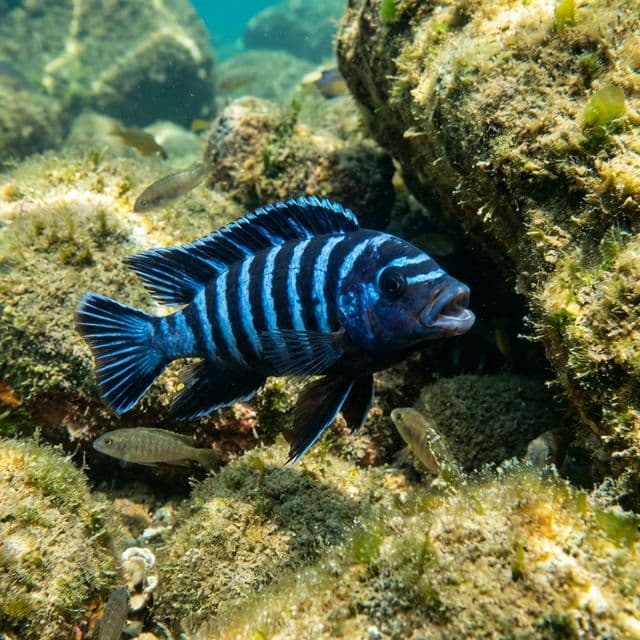
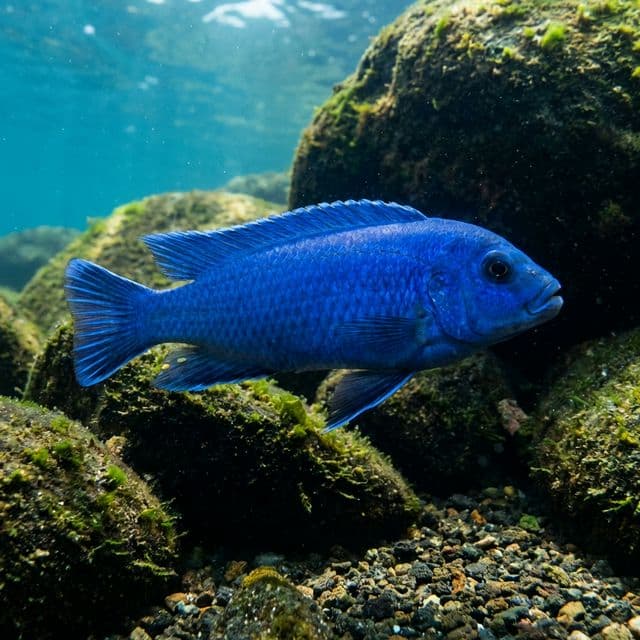
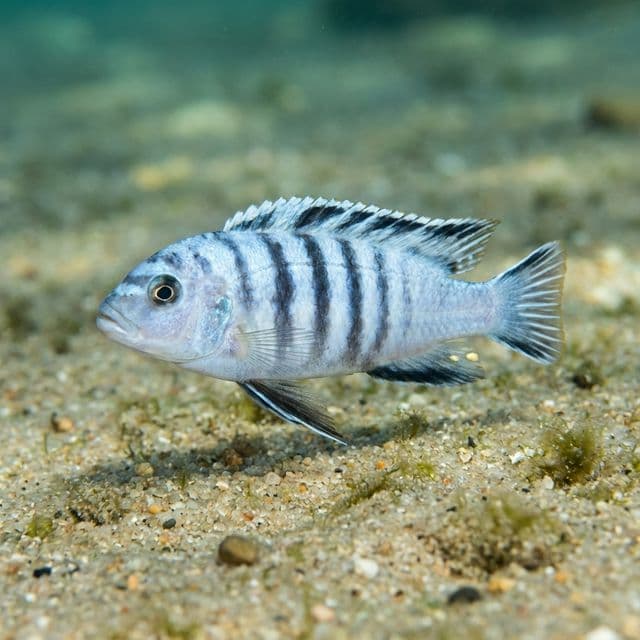
Dinghani Elongatus: Chindongo flavus
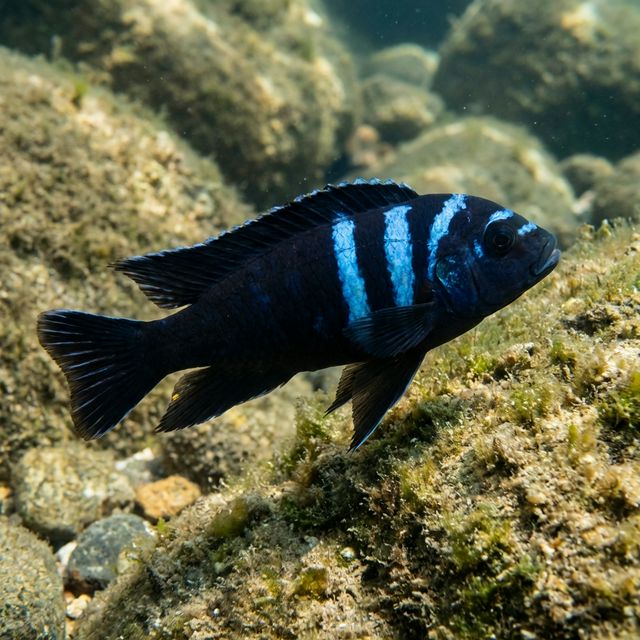
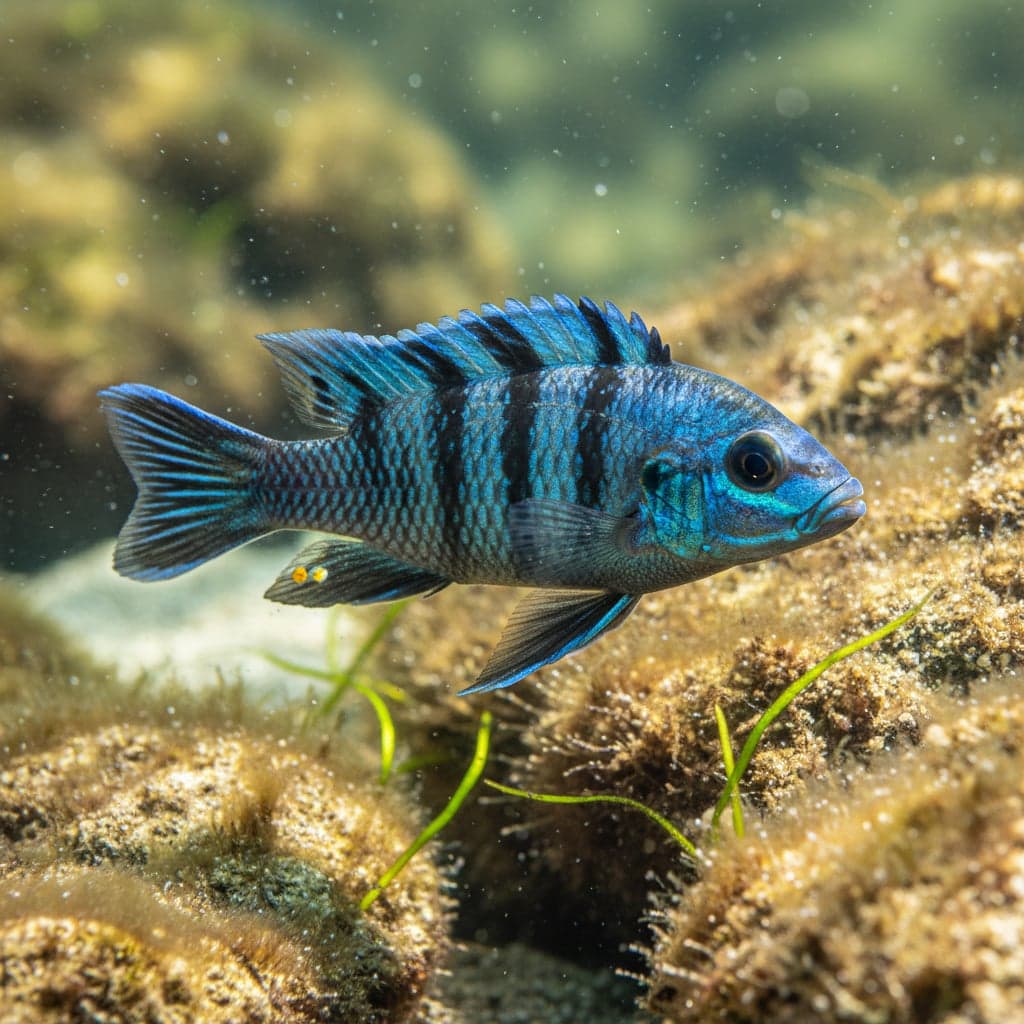
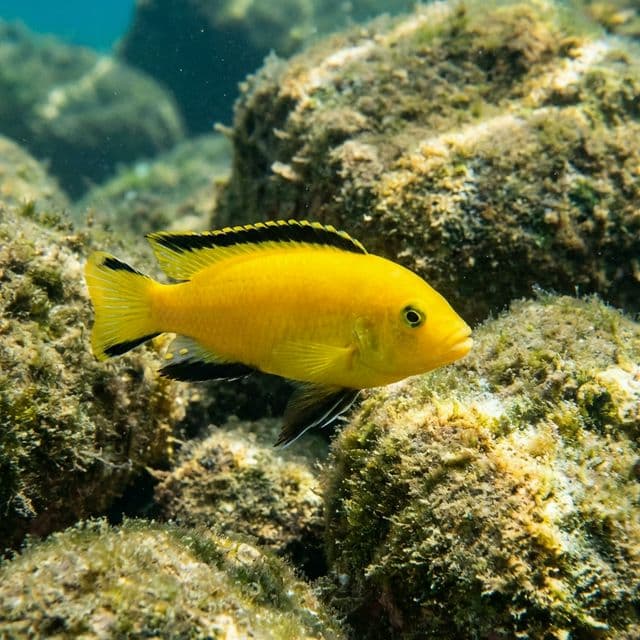
A bright yellow Mbuna, sometimes called the Red Dorsal Elongatus.
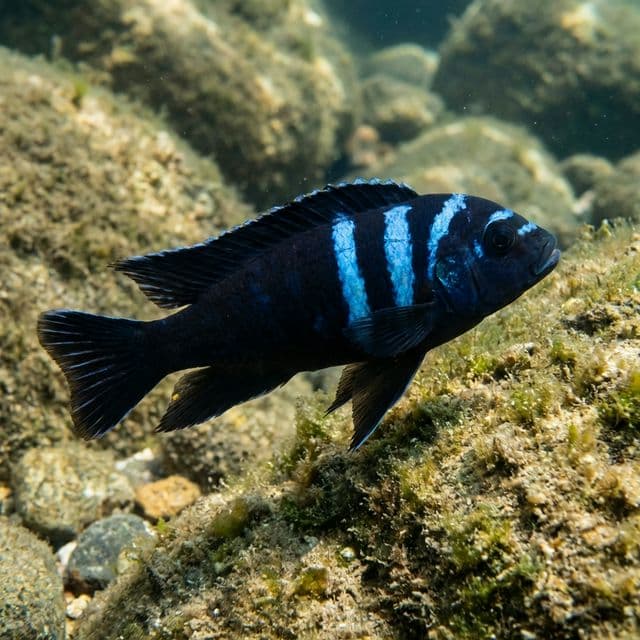
Dinghani Elongatus
The Dinghani Elongatus, scientifically known as Chindongo flavus, is a captivating freshwater fish that hails from the African Great Lakes, specifically Lake Tanganyika. This unique cichlid is a popular choice among aquarists due to its striking coloration and elongated body shape, which can reach lengths of up to four inches. The Dinghani Elongatus exhibits a beautiful blend of bright yellow and black, often characterized by intricate patterns that enhance its visual appeal. Its vibrant colors not only make it a standout species in community tanks but also represent the biodiversity of Lake Tanganyika, making it a significant fish within the aquarium hobby.
In addition to its aesthetic qualities, the Dinghani Elongatus holds ecological importance in its native habitat, where it plays a vital role in maintaining the balance of the ecosystem. This fish is known for its adaptability to various water qualities, making it a resilient choice for fish keepers. As aquarists increasingly seek to create authentic biotope aquariums, the appreciation for species like the Dinghani Elongatus continues to grow, signifying its value as both a captivating pet and a significant contributor to biodiversity preservation in aquarium settings.
Natural Habitat & Origin
The Dinghani Elongatus is native to the rocky shorelines and deeper regions of Lake Tanganyika, located in East Africa. This magnificent lake is one of the oldest and deepest in the world, characterized by its clear waters that support a diverse array of cichlid species. The environment in which the Dinghani Elongatus thrives includes rocky substrates and areas rich in vegetation, providing ample hiding spots crucial for its survival and breeding habits. The water temperature in Lake Tanganyika typically ranges from 23 to 28°C (73 to 82°F), and the pH level is usually between 7.8 and 9.0, making it an alkaline habitat.
The ecological conditions of Lake Tanganyika also feature relatively low levels of dissolved organic matter and varying degrees of hardness depending on the area's proximity to mineral-rich substrates. Such environmental factors make the Dinghani Elongatus a specialist species that thrives in specific conditions, translating into essential considerations for aquarists aiming to replicate its natural habitat in home aquariums.
Care Requirements
When keeping the Dinghani Elongatus, specific water parameters must be maintained to ensure its health and well-being. An ideal pH range is between 7.8 to 9.0, with a water temperature maintained between 24°C and 28°C (75°F - 82°F). Hardness levels should be kept moderately high, ideally between 10 to 20 dGH. This cichlid is best housed in a minimum tank size of 40 gallons, allowing enough swimming space and territory establishment.
For substrate, fine gravel or sand mimics the natural rocky habitats of their native Lake Tanganyika, promoting comfort and reducing stress. The aquarium setup should also incorporate plenty of hiding spots using rocks and caves to provide a sense of security, as well as scattered live plants that can tolerate higher pH levels. The lighting should be moderate; while natural lighting can enhance plant growth, it should be monitored to prevent excessive algae growth.
Diet & Feeding
The Dinghani Elongatus is primarily an omnivore, thriving on a varied diet that includes pellets, flakes, frozen foods, and high-quality live foods. This species enjoys a well-rounded diet consisting of spirulina-based flakes, high-protein pellets, and occasional live or frozen foods like brine shrimp and daphnia. Feeding should occur two to three times daily in small portions to prevent overfeeding and maintain water quality. A balanced diet helps promote the bright coloration and overall health of these cichlids.
In addition to prepared foods, incorporating vegetable-based options such as blanched zucchini or spinach can benefit their digestive health and provide essential nutrients. Ensuring a diversified diet will help replicate the varied diet they would encounter in the wild and keep them active and vibrant in captivity.
Behavior & Temperament
The Dinghani Elongatus is known for its relatively calm demeanor, except during breeding and territorial displays. They are social fish that benefit from being kept in groups, but it is essential to provide them with enough space to establish their territories. While they can exhibit schooling behavior, these cichlids often prefer occupying the lower and middle levels of the aquarium, utilizing caves and rocky structures as both hiding spots and breeding sites.
In terms of aggression, the Dinghani Elongatus is less aggressive than many other cichlid species, but they can become territorial, especially during spawning. It is advisable to create a carefully structured environment with multiple hiding spots to help mitigate any potential conflicts among tank mates.
Tank Mates
Finding compatible tank mates for the Dinghani Elongatus can enhance the aquarium community while avoiding undue aggression. Suitable tank mates include other calm cichlids from Lake Tanganyika, such as Neolamprologus species and Julidochromis species, as well as peaceful schooling fish like tetras and barbs. These species share similar water parameters and are less likely to provoke the Dinghani Elongatus.
However, it is crucial to avoid tank mates that are overly aggressive or too small, as they may become targets for the Dinghani Elongatus during territorial disputes. Fish such as large Central American cichlids or fast-moving species could stress the Dinghani Elongatus, leading to aggressive behavior or predation.
Breeding
Breeding the Dinghani Elongatus in captivity can be a rewarding experience. These cichlids are substrate spawners, typically selecting flat surfaces for laying eggs, often in caves or rocky crevices. To encourage breeding, maintain optimal water conditions with stable pH and temperature, along with providing adequate hiding spaces and territories.
Once a pair forms, they may engage in elaborate courtship behaviors, which include displaying and cleaning the spawning site. The female will lay between 30 to 100 eggs, which the male subsequently fertilizes. After hatching, the fry remain close to the parents for protection until they can swim freely. It's advisable to separate the fry into a smaller tank to reduce the risk of them being eaten by adults. Regular water changes and careful monitoring of water parameters during this period are crucial for the success of the fry.
Common Health Issues
Like many freshwater fish, the Dinghani Elongatus may be prone to certain health issues, including ich (Ichthyophthirius multifiliis), fin rot, and various bacterial infections. Preventative measures include maintaining optimal water quality, ensuring a clean aquarium environment, and providing a balanced diet to strengthen their immune system.
Regular observations for any signs of stress or disease—such as abnormal swimming behavior, changes in coloration, or visible lesions—are important for prompt identification and treatment. Quarantining new arrivals and practicing good hygiene during tank maintenance can significantly reduce the risk of outbreaks, contributing to a healthier aquarium ecosystem.