Doctor Fish: Garra rufa
The famous spa fish that nibbles dead skin. A surprisingly interesting aquarium resident.
Doctor Fish
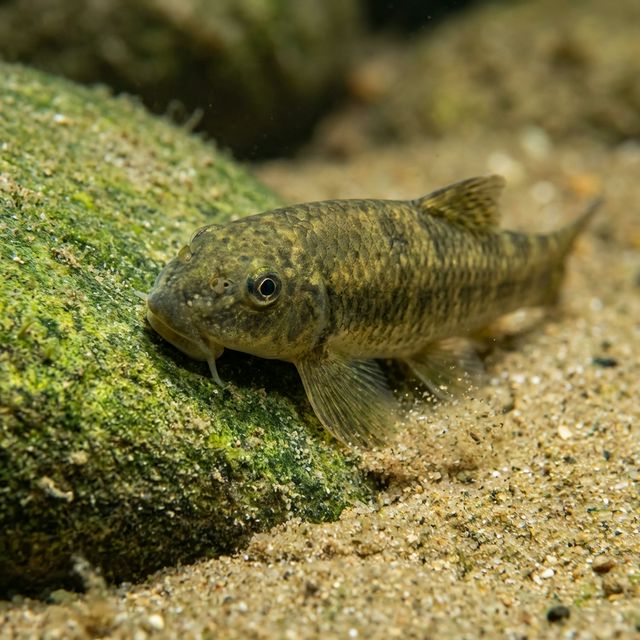
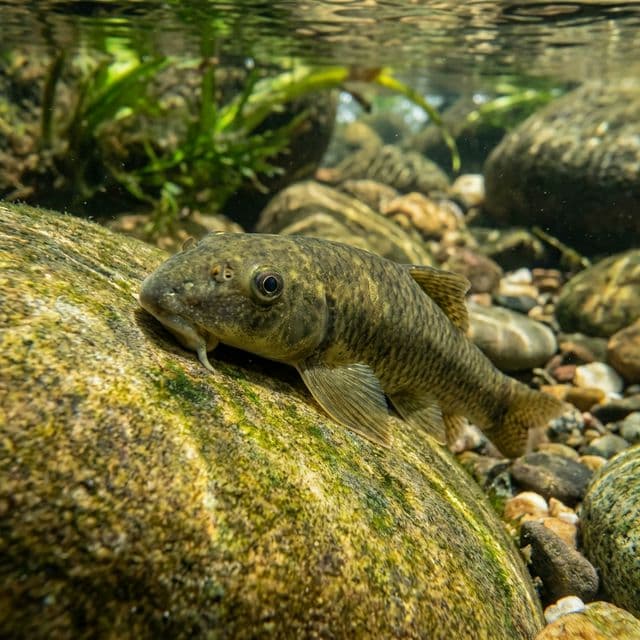
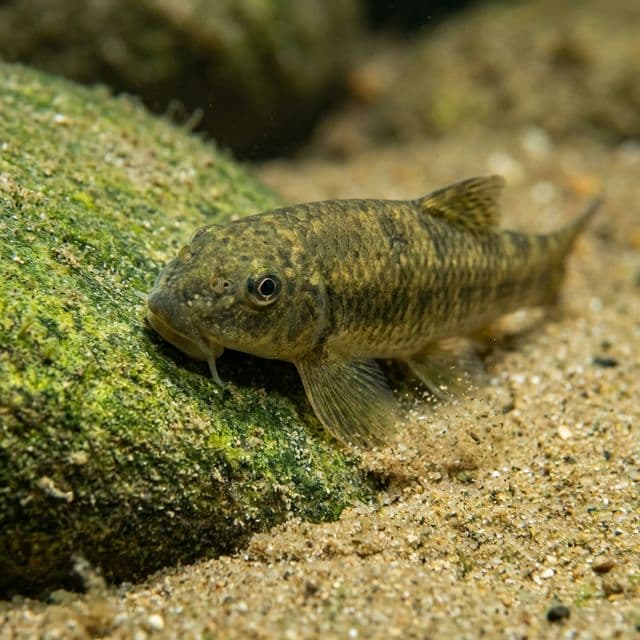
The Doctor Fish, scientifically known as Garra rufa, is a captivating freshwater species renowned not only for its unique appearance but also for its intriguing role in the wellness and aquarium industries. Often recognized by its slender, elongated body and a distinctively rounded snout, this species exhibits different hues, ranging from brownish to pale yellow with darker spots that can create an attractive pattern. As mouth-breeding fish, they have a unique set of oral adaptations that allow them to “clean” the skin of other fish and even humans by feeding on dead skin cells. This behavior has made them the star of fish spas, where they are used for therapeutic skincare treatments. In the aquarium hobby, their playful nature and vibrant energy earn them a special place among aquarists looking for engaging and visually appealing residents.
In the context of aquarium hobbies, the Doctor Fish captures a blend of aesthetic and functional appeal. With their lively swimming patterns and sociable demeanor, they thrive best in well-planted tanks that replicate their natural habitat. Their calming presence makes them a popular choice for both beginner and seasoned aquarists interested in the dynamics of community tanks. Their role as biological cleaners not only contributes to a healthy aquatic environment but also emphasizes their ecological importance as they maintain balanced ecosystems in their native surroundings. This multifaceted charm solidifies the Doctor Fish's reputation as an essential addition to many aquarists' collections.
Natural Habitat & Origin
The Doctor Fish hails from the warm waters of the Middle East, specifically in countries such as Turkey, Syria, and Iraq. This region is characterized by a habitat of freshwater streams, rivers, and ponds that often have a slow-moving current. The water in these natural habitats tends to be clear with a neutral to slightly alkaline pH, often enriched by the surrounding flora. The environmental context is critical for the Doctor Fish's well-being, as they are used to living in areas with dense aquatic vegetation, which provides both shelter and foraging opportunities. This ecological niche contributes significantly to their behavior and dietary habits.
These fish are particularly favored for their adaptability and resilience to varying environmental conditions; however, they thrive best in waters that mimic their natural surroundings. They are typically found in densely vegetated areas, indicating a preference for ample cover and diverse natural features. Understanding their native habitat is essential not only for keeping them healthy in captivity but also for appreciating their behaviors and social interactions within an aquarium setup.
Care Requirements
To successfully house Doctor Fish, it is crucial to maintain specific water parameters that mirror their natural environment. The ideal pH for their tank should be between 6.5 and 7.5, with a temperature range of 24°C to 28°C (75°F to 82°F). Water hardness should be kept between 5 to 15 dGH, striking a balance that ensures optimal health. A minimum tank size of 100 liters (approximately 26 gallons) is recommended to provide sufficient swimming space and support their social nature, as these are schooling fish that thrive in groups.
In terms of tank setup, it is essential to incorporate a soft substrate that allows for foraging behavior, along with ample hiding spots created using rocks, driftwood, and live plants. Suitable lighting options are moderate to bright, promoting plant growth while ensuring the fish feel secure. Featuring well-planted areas will not only provide shelter but also encourage natural behavior patterns, making the environment stimulating and engaging for the Doctor Fish.
Diet & Feeding
The Doctor Fish is an omnivore, showcasing an adaptable diet that includes both plant matter and small invertebrates. In captivity, it is crucial to offer a varied diet consisting of high-quality flake foods tailor-made for herbivorous and omnivorous species. Supplementing their diet with sinking pellets and quality frozen or live foods—such as brine shrimp, daphnia, and vegetable matter—will ensure balanced nutrition. Regular feeding of high-protein content food supports growth and enhances their vibrant colors, while greenery like spirulina-based foods can maintain their health effectively.
Aquarists should aim to feed Doctor Fish multiple times a day, but only in amounts they can consume within a few minutes to prevent overfeeding and maintain water quality. Observing their feeding habits can be an enjoyable experience, as these fish often exhibit a playful nature while foraging around the tank, reinforcing their active role in community dynamics.
Behavior & Temperament
The Doctor Fish is known for its friendly and social behavior, making it an excellent addition to community tanks. They thrive in groups and should ideally be kept in schools of at least 5 to 8 individuals to exhibit their natural behaviors. The fish tend to swim in the middle and lower portions of the aquarium, using the substrate to forage. They are generally non-aggressive and can coexist harmoniously with a variety of tank mates, provided the other species are similarly peaceful and avoid fin-nipping.
Their curiosity and playful disposition make them fascinating to observe, as they often engage in social interactions among the school. Although they may establish a pecking order within their groups, this usually does not lead to serious aggression. As long as they are in a sufficiently large tank with ample hiding spots and swimming space, the Doctor Fish will thrive, contributing to a dynamic and lively aquarium environment.
Tank Mates
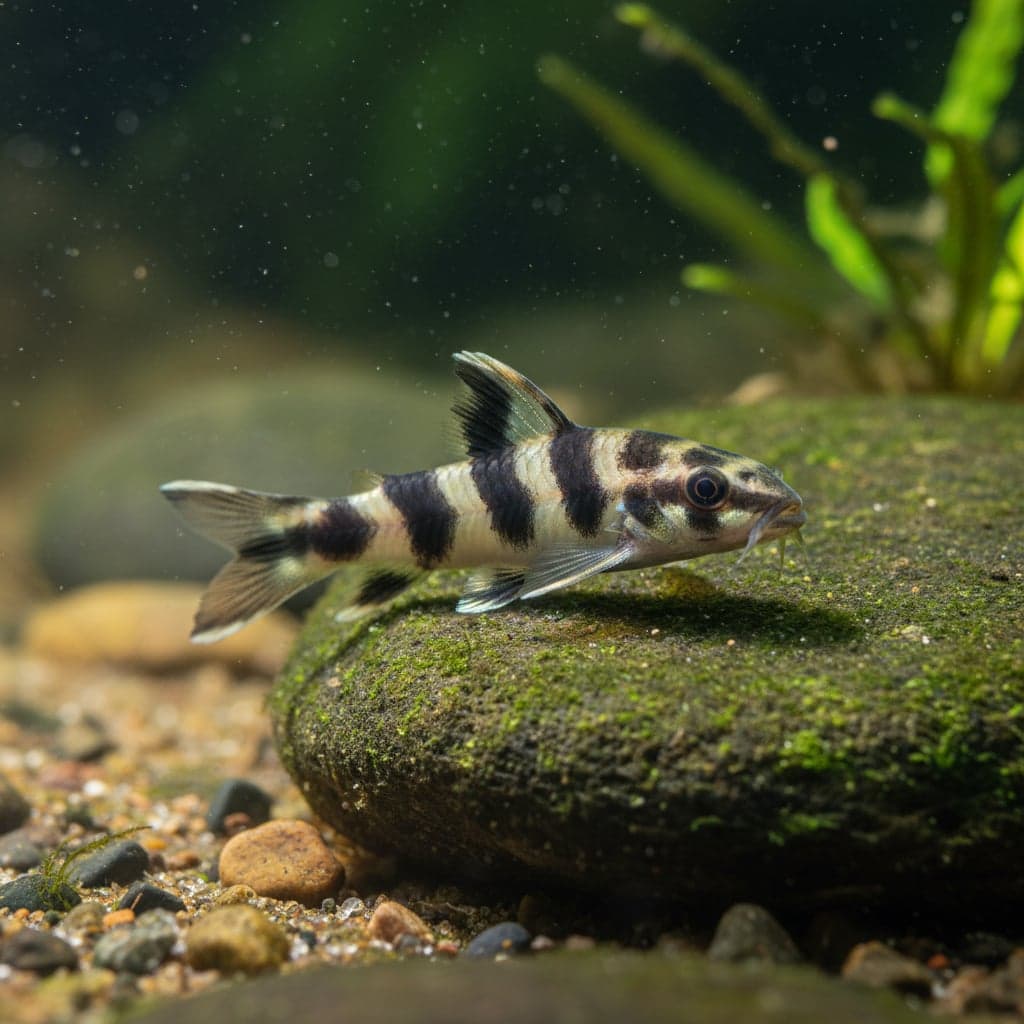
When selecting tank mates for the Doctor Fish, a few compatibility guidelines should be kept in mind. Suitable tank companions include other peaceful species such as Tetras, Gouramis, Platies, and Corydoras catfish, which share similar water requirements and social characteristics. Smaller cichlids and other non-aggressive fish also make for good tank mates. It’s essential to avoid housing them with overly aggressive species or larger predatory fish that might see them as prey, such as Oscars or larger Cichlids, as well as fin-nippers like Serpae Tetras.
Creating a diverse community tank is beneficial, as it allows the Doctor Fish to thrive while providing an enriching environment that caters to their natural behaviors. Ensuring there is enough space to prevent territorial disputes will lead to a harmonious aquarium.
Breeding
Breeding Doctor Fish in captivity can be challenging, but with the right conditions, they can spawn successfully. They typically exhibit a distinct courtship behavior, wherein males display increased activity and colors to attract females. To encourage spawning, maintain optimal water conditions, which include a slightly elevated temperature of around 28°C (82°F) along with stable pH levels. Providing ample spaces with dense vegetation or spawning mop setups can stimulate breeding, as these fish often prefer to lay their eggs in protective areas.
After successful spawning, the eggs, which are small and sticky, should be protected from adult fish that may consume them. Once the eggs hatch—typically within 24 to 48 hours—the fry will need to be fed infusoria or finely crushed flakes until they grow larger and can consume more substantial food types. Successful breeding can contribute to a thriving community and provide aquarists with a rewarding experience when raising their next generation of Doctor Fish.
Common Health Issues
The Doctor Fish may be susceptible to a variety of health issues, particularly if kept in an unstable environment or if water quality is not adequately maintained. Common diseases include ich (white spot disease), fin rot, and bacterial infections. Maintaining proper filtration, regular water changes, and closely monitoring water parameters can help prevent these issues.
Stress from overcrowded tanks or aggressive tank mates can further weaken their immune system and invite disease. Provide ample swimming space, compatible companions, and a varied diet to keep Garra rufa active and resilient.