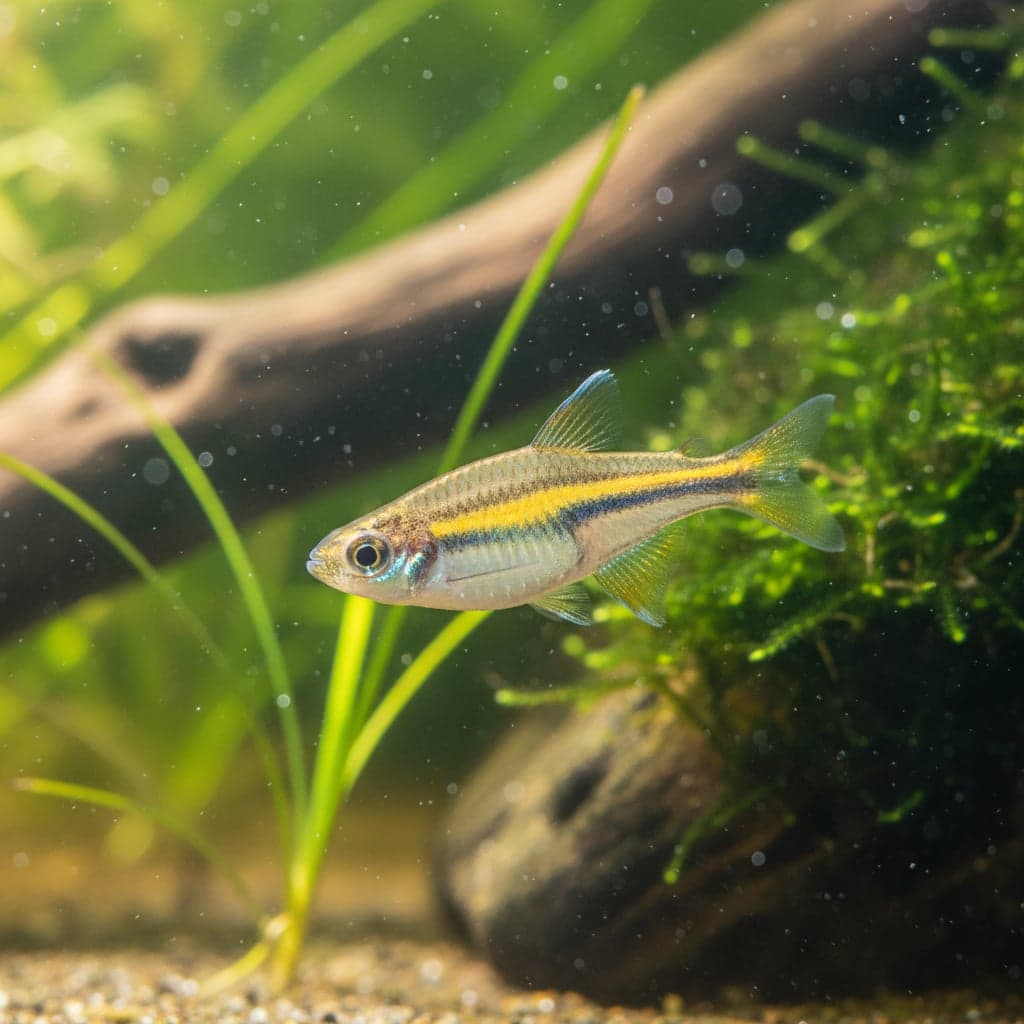
The Dojo Loach: Misgurnus anguillicaudatus
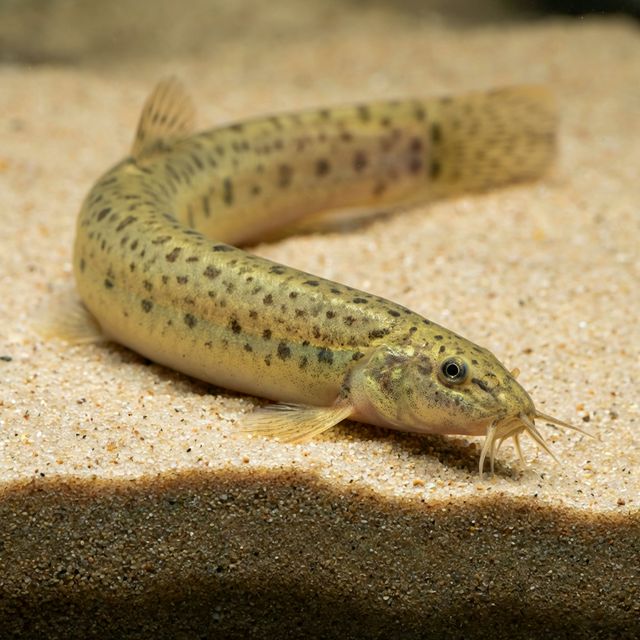
The Golden Weather Loach. A famously goofy, eel-like fish that responds to changes in barometric pressure by swimming frantically.

Dojo Loach
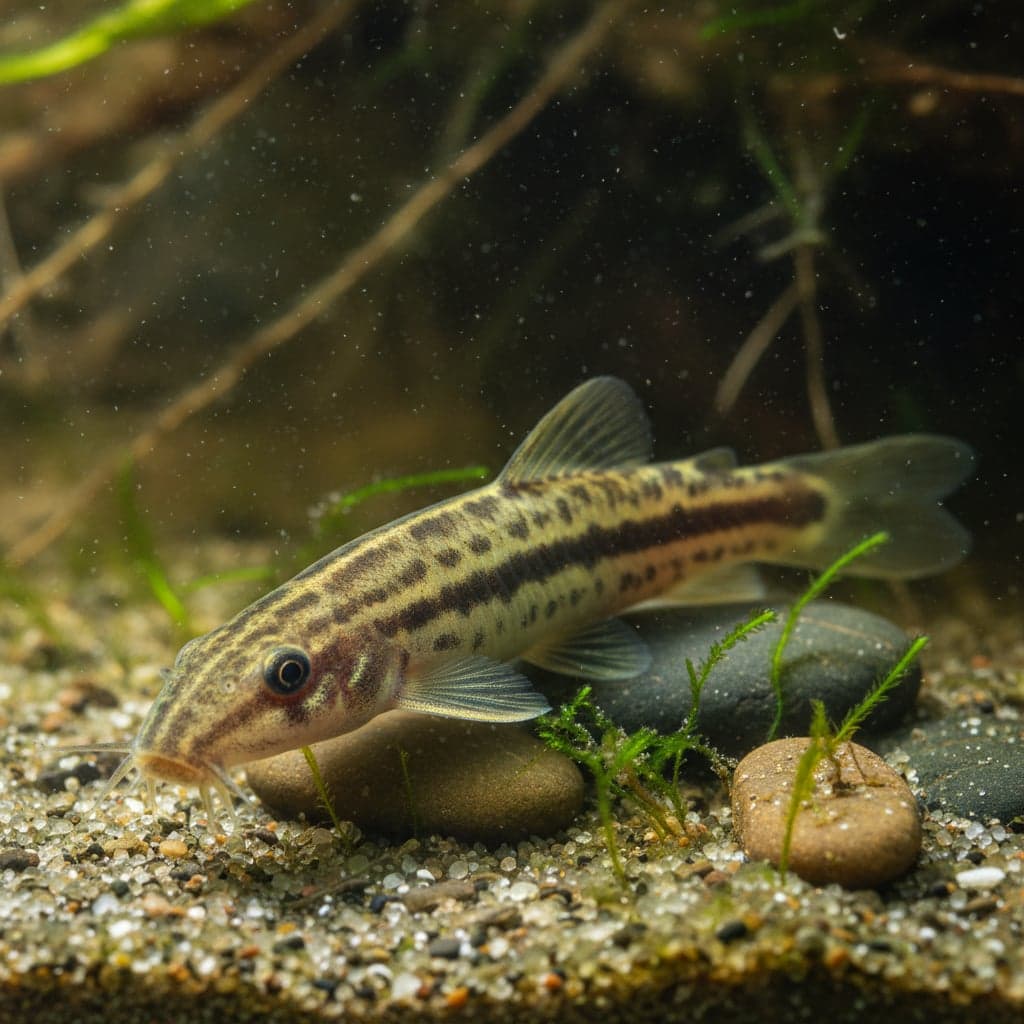
The Dojo Loach, scientifically known as Misgurnus anguillicaudatus, is an intriguing fish species that captivates aquarists with its unique appearance and engaging behavior. Notable for its elongated, eel-like body, the Dojo Loach can grow up to a foot in length, exhibiting a mix of earthy tones, predominantly brown, gold, and olive, adorned with darker speckles. These lovely patterns not only enhance their visual appeal but also provide excellent camouflage in their natural habitat. Their fascinating behavior, characterized by burrowing, bottom-dwelling antics, makes them a favored choice among hobbyists who appreciate an active and lively tank environment.
In the aquarium hobby, the Dojo Loach holds special significance for its hardiness and adaptability, making it an excellent choice for both novice and experienced aquarists. Their peaceful disposition allows them to coexist harmoniously with various community fish species, adding dynamic activity to any setup. Furthermore, the Dojo Loach's ability to thrive in a range of water conditions, along with its interesting behaviors—such as searching for food in the substrate—adds to its popularity, making it an essential species for those looking to enhance their aquatic displays.
Natural Habitat & Origin
The Dojo Loach is native to East Asia, particularly found in the rivers and wetlands of northern China, Korea, and Japan. They thrive in shallow, slow-moving waters where they can easily sift through the substrate in search of food. This species predominantly inhabits freshwater ecosystems characterized by muddy or sandy substrates, ample vegetation, and occasional detritus, which provide them both shelter and food sources. These habitats are typically influenced by seasonal fluctuations, leading to variations in temperature and water quality throughout the year.
In their native environments, the Dojo Loach is often found in blackwater and clearwater conditions, indicating a need for clean and well-oxygenated water. They prefer environments rich in organic material, including fallen leaves and decaying plant matter. Understanding their natural habitat is essential for replicating the appropriate conditions in captivity, ultimately supporting their well-being and longevity.
Care Requirements
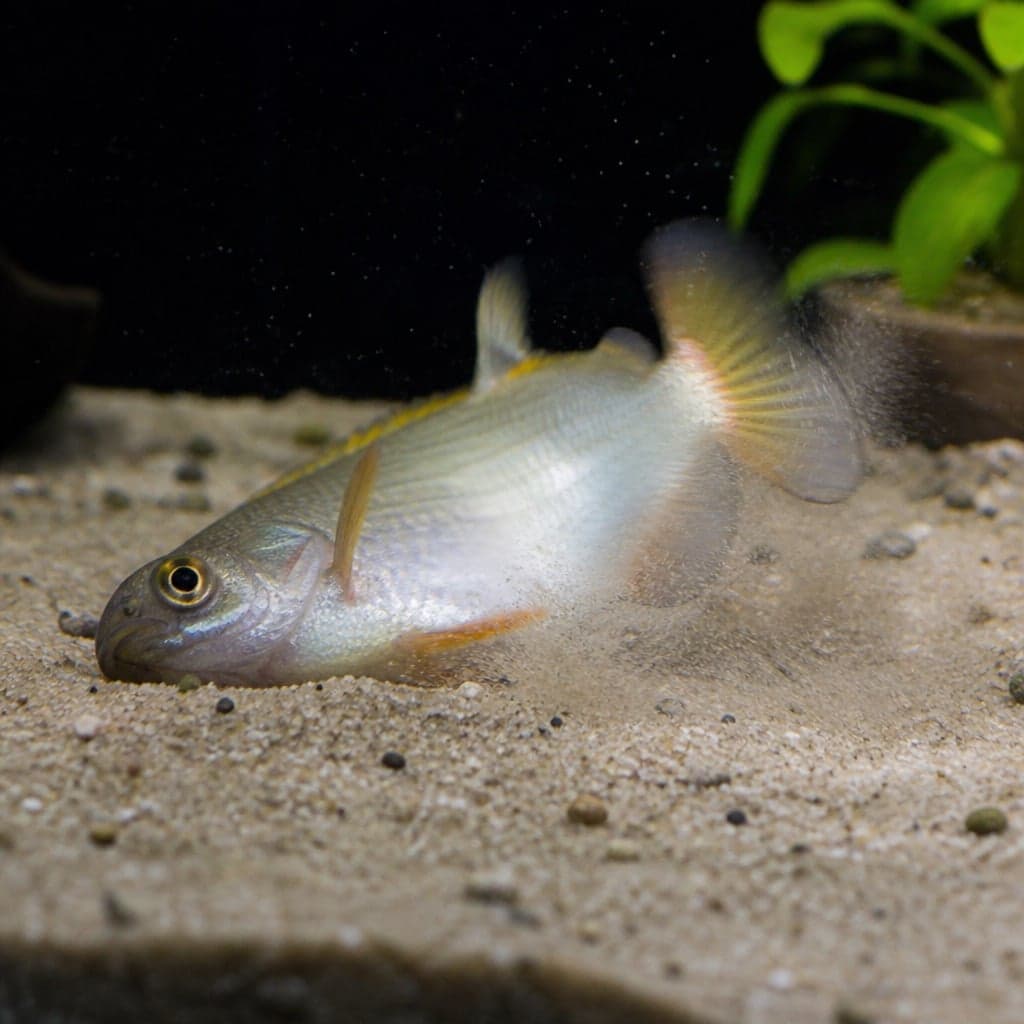
To successfully care for the Dojo Loach, maintaining specific water parameters is crucial. The recommended pH range is between 6.5 to 7.5, with a temperature range of 65°F to 75°F (18°C to 24°C) and a hardness level of 5 to 15 dGH. A minimum tank size of 30 gallons is advisable to provide ample swimming space and shelter. Given their burrowing tendencies, a sandy or fine-grained substrate is ideal, allowing them to dig and explore without injury.
Lighting should remain moderate, reflecting their natural habitat's dappled conditions. Incorporating plenty of live plants, driftwood, and hiding spots will encourage natural behaviors, while also contributing to a quality, aesthetically pleasing aquarium. Utilizing these elements will greatly enhance the comfort and health of the Dojo Loach as well as create a thriving aquatic environment.
Diet & Feeding
The Dojo Loach is an omnivorous species that thrives on a varied diet. In the aquarium, they can be fed high-quality flakes or sinking pellets designed for bottom feeders, which ensures they receive complete nutrition. Moreover, incorporating LIVE or frozen foods such as bloodworms, brine shrimp, and daphnia can stimulate their foraging instincts and promote overall health. Additionally, providing blanched vegetables like zucchini, cucumber, and peas can further diversify their diet and introduce essential nutrients.
Feeding frequency should ideally be once or twice per day, ensuring that each feeding is in amounts appropriate for their dietary needs without leading to uneaten food that may pollute the tank. Care should be taken to monitor their feeding behavior, as each fish has varied appetites, and adjustments may be required to suit their individual preferences.
Behavior & Temperament
The Dojo Loach is known for its peaceful and sociable demeanor, often cohabitating harmoniously with a variety of community fish. They exhibit a degree of gregariousness and are most comfortable when kept in groups of three or more, which allows them to display their natural behaviors and reduces stress levels. Their unique swimming habits often involve a playful, active search for food in the substrate, making them a joy to observe.
Though generally non-aggressive, they may establish a hierarchy within their group. The Dojo Loach prefers the lower strata of the aquarium, spending most of its time near the bottom where they can scavenge for food. Providing plenty of hiding spots and territories can promote healthier social dynamics and bolster their comfort in the aquarium.
Tank Mates
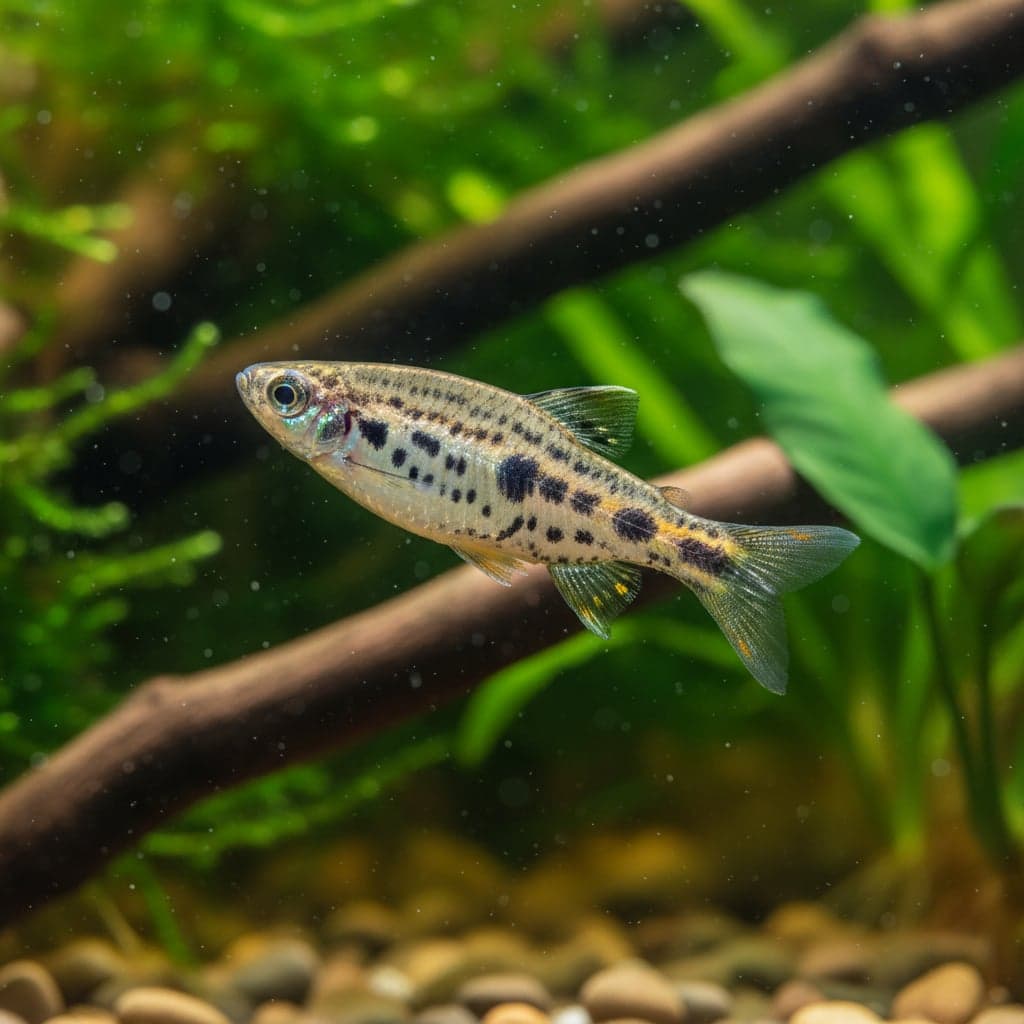
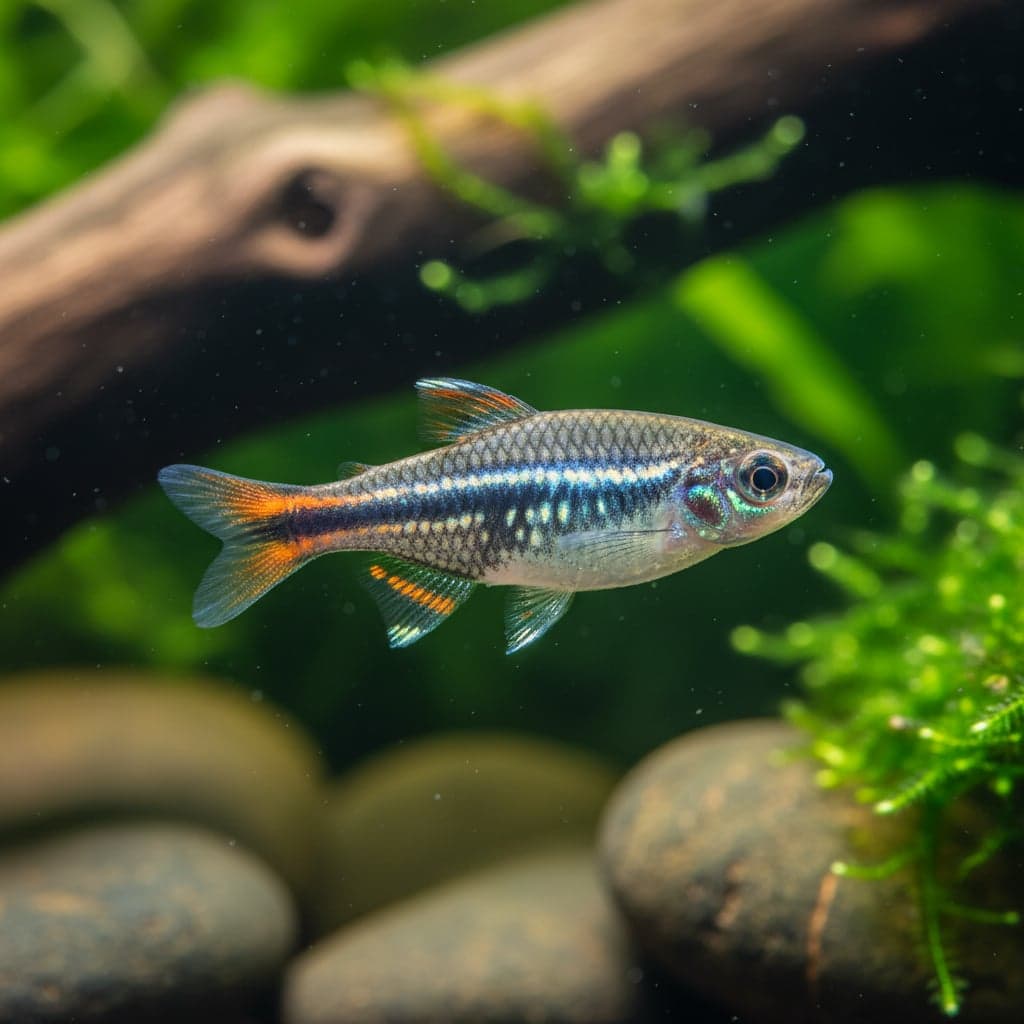
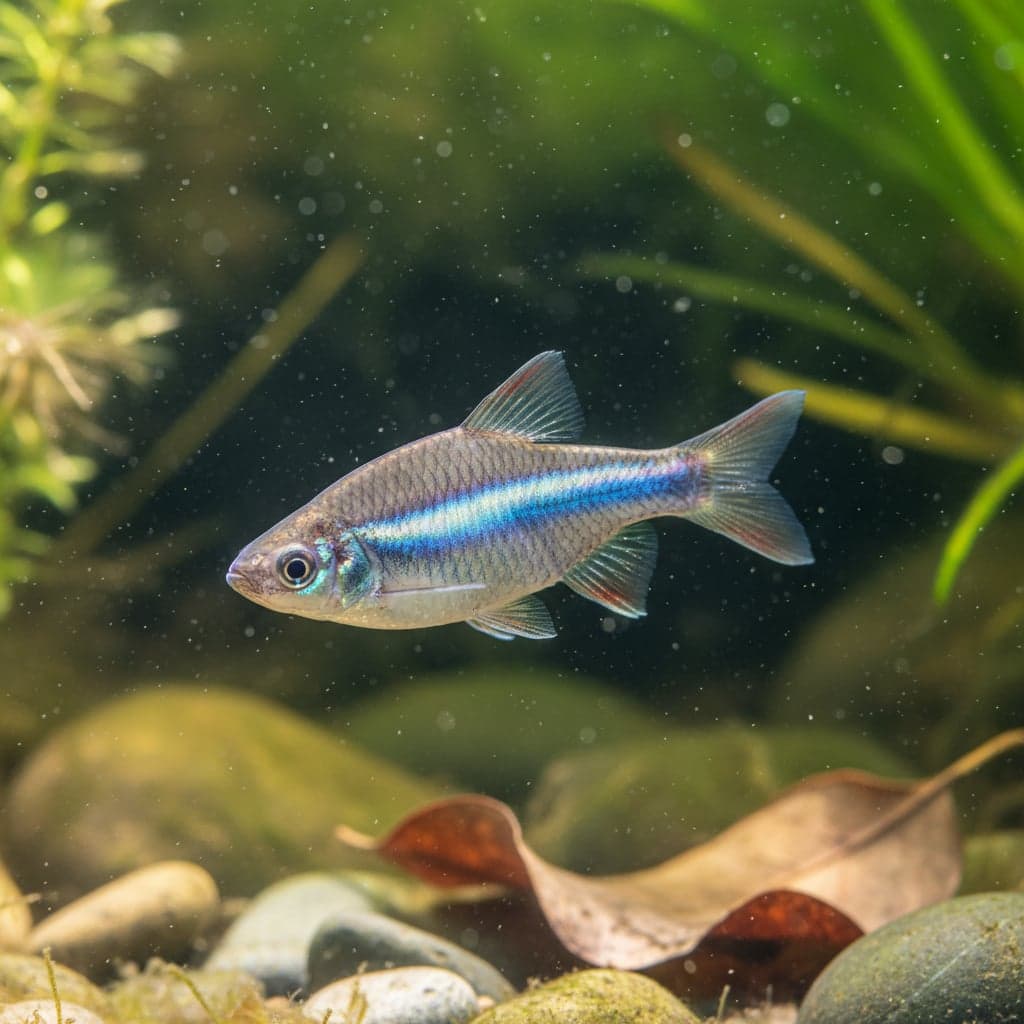
Compatibility is vital for the well-being of the Dojo Loach; fortunately, they are versatile tank mates. Suitable companions include other peaceful species such as Tetras, Rasboras, and other loach varieties. Moreover, they can be kept with larger community fish that are not aggressive, like Barbs, Gouramis, and peaceful Cichlids.
However, certain species should be avoided, including aggressive fish or overly territorial species like Cichlids. Shrimp and small fish are also not ideal companions, as Dojo Loaches may inadvertently view them as potential food. By carefully considering tank mates, you can create a balanced and harmonious aquarium environment.
Breeding
Breeding the Dojo Loach in captivity can be challenging, but understanding their spawning behavior is key to success. They are seasonal spawners, often breeding in spring during warmer water temperatures. Conditions that encourage breeding include a well-maintained tank with optimal water quality and an abundance of hiding spots, along with slight increases in water temperature.
During the breeding process, males will display courtship behavior, showcasing their vigor through playful swimming and nudging females. The female will lay adhesive eggs on plants, where they will remain until hatching occurs after a few days. Post-spawning, it is crucial to separate the adults from the eggs to prevent predation. Fry can be fed finely crushed foods or infusoria until they mature enough to accept small pellets or flakes.
Common Health Issues
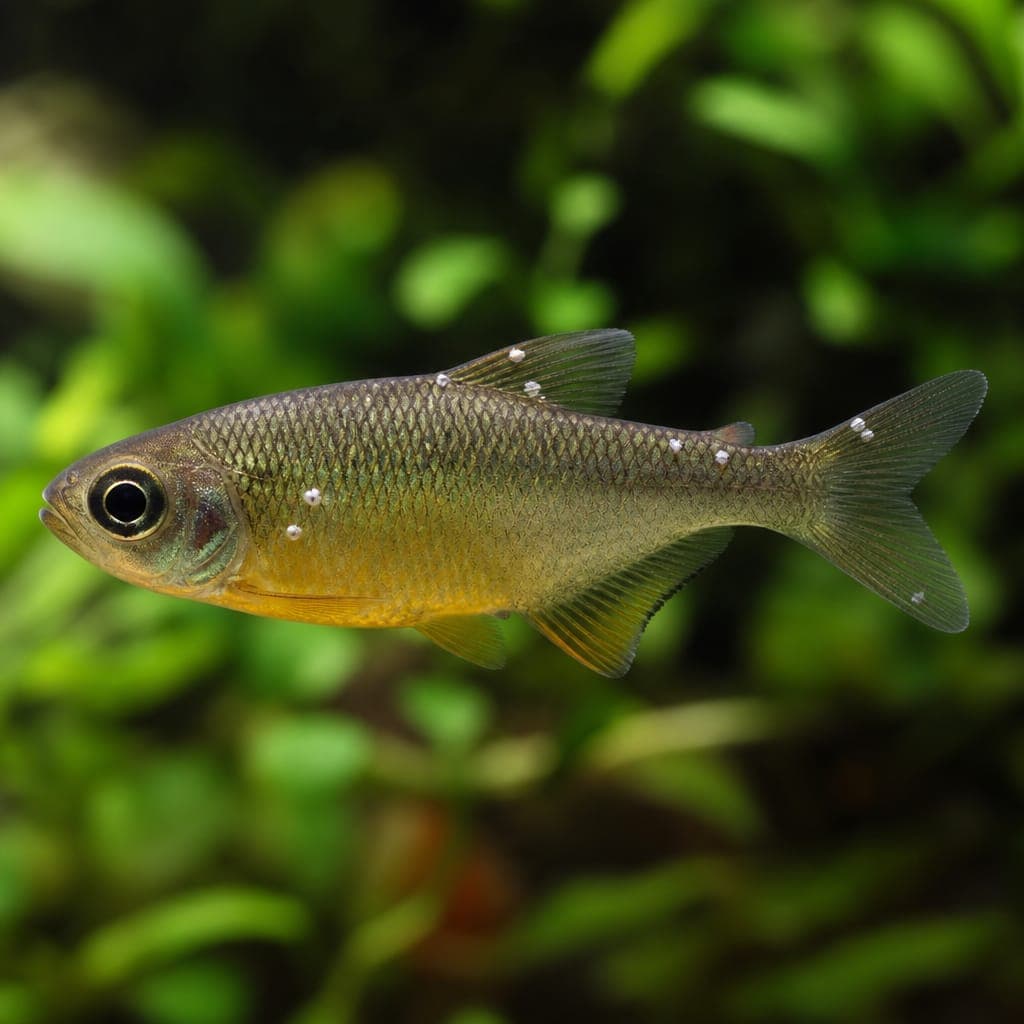
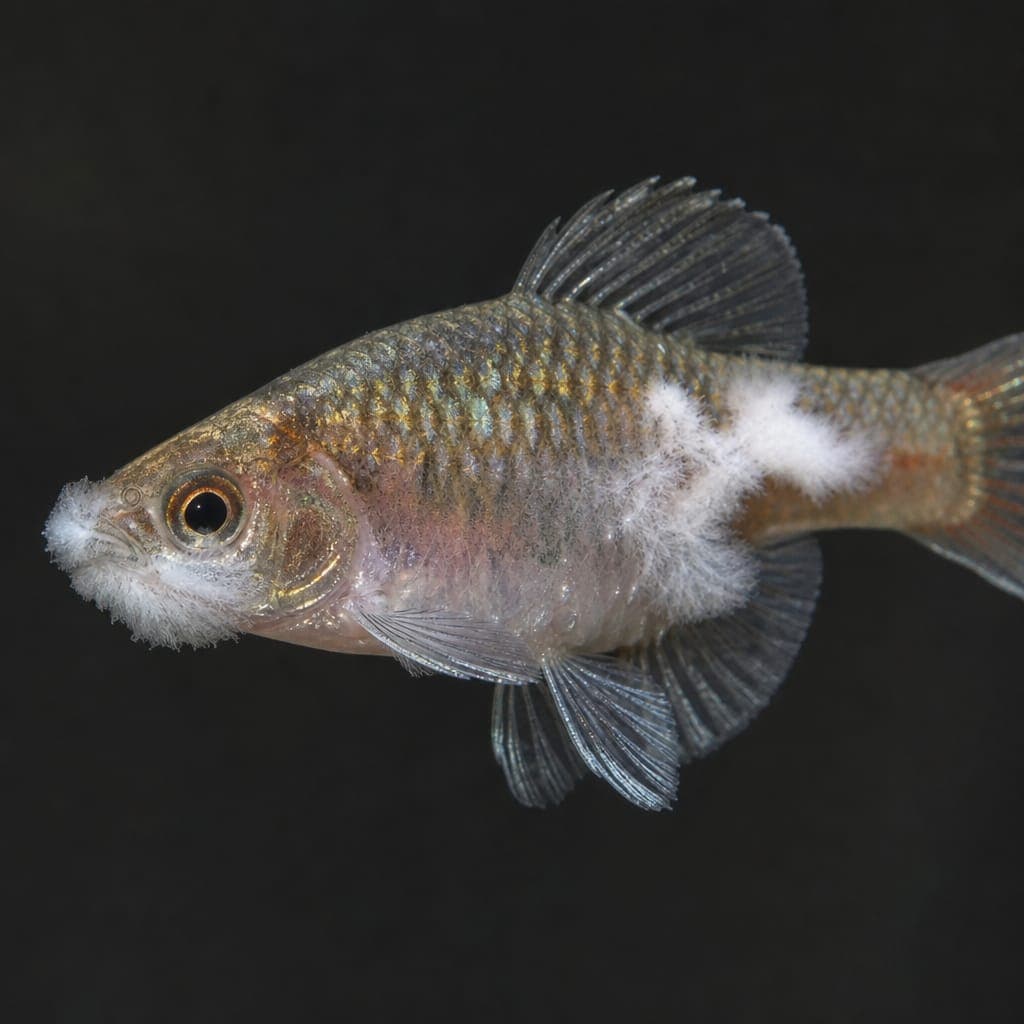
The Dojo Loach is generally resilient, yet they can be prone to specific health issues if not cared for properly. Common ailments include freshwater ich, skin flukes, and various fungal infections. To mitigate these issues, maintain optimal water quality through regular water changes and tank monitoring.
Another key preventative measure is to avoid overstocking their environment, as overcrowded conditions can lead to stress and disease susceptibility. Regular tank maintenance, including substrate vacuuming and filter cleaning, along with a balanced diet, plays a significant role in the overall health of your Dojo Loach, ensuring a long and healthy life.