Double Saddle Butterflyfish
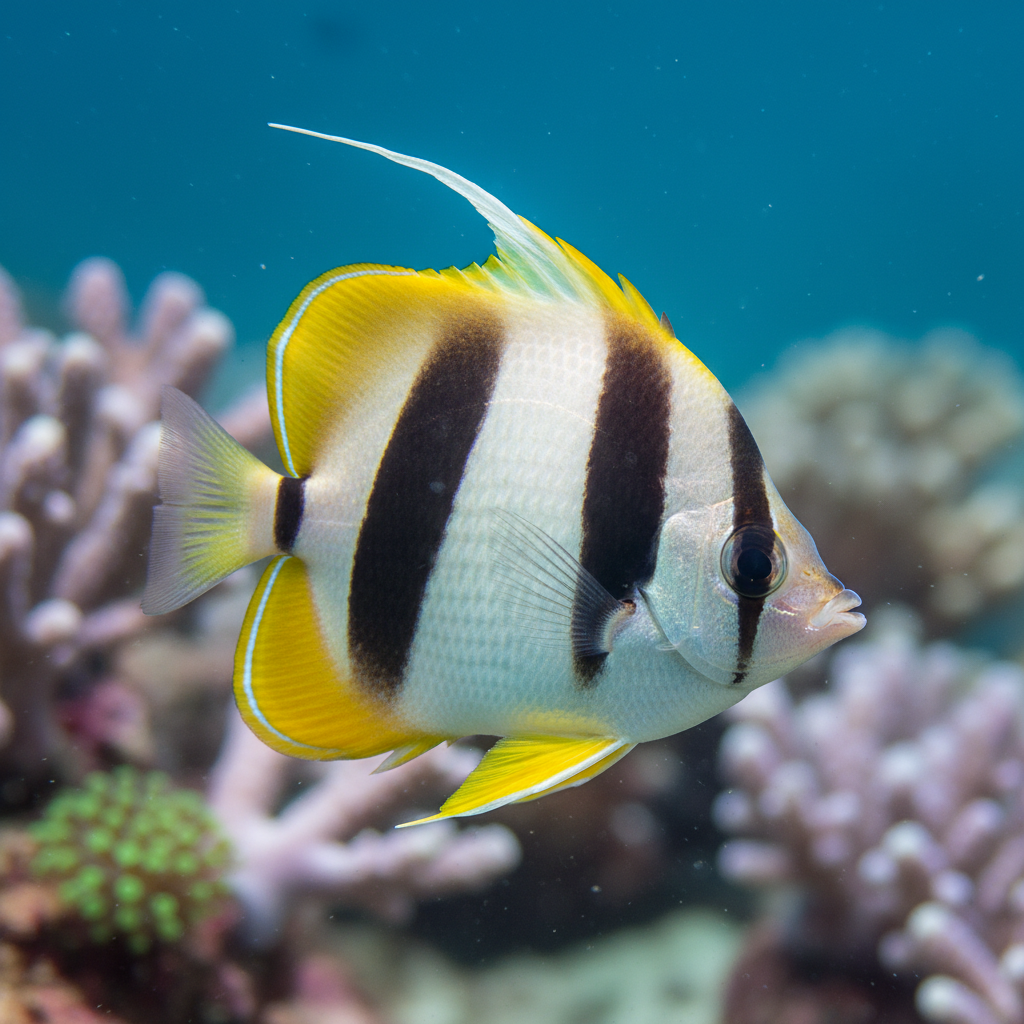
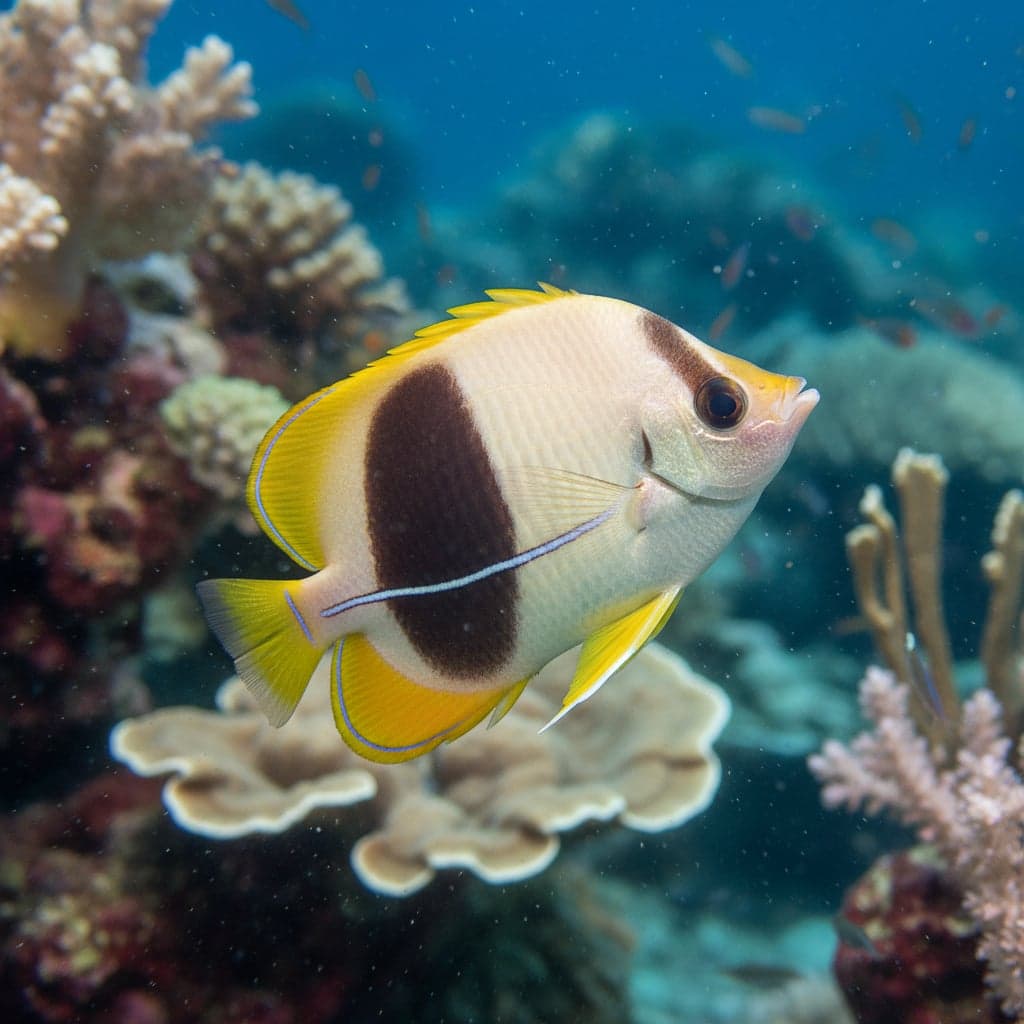
A 15cm butterflyfish with two dark saddles. Needs 400L+ and varied frozen food, and it is not a safe bet with corals.
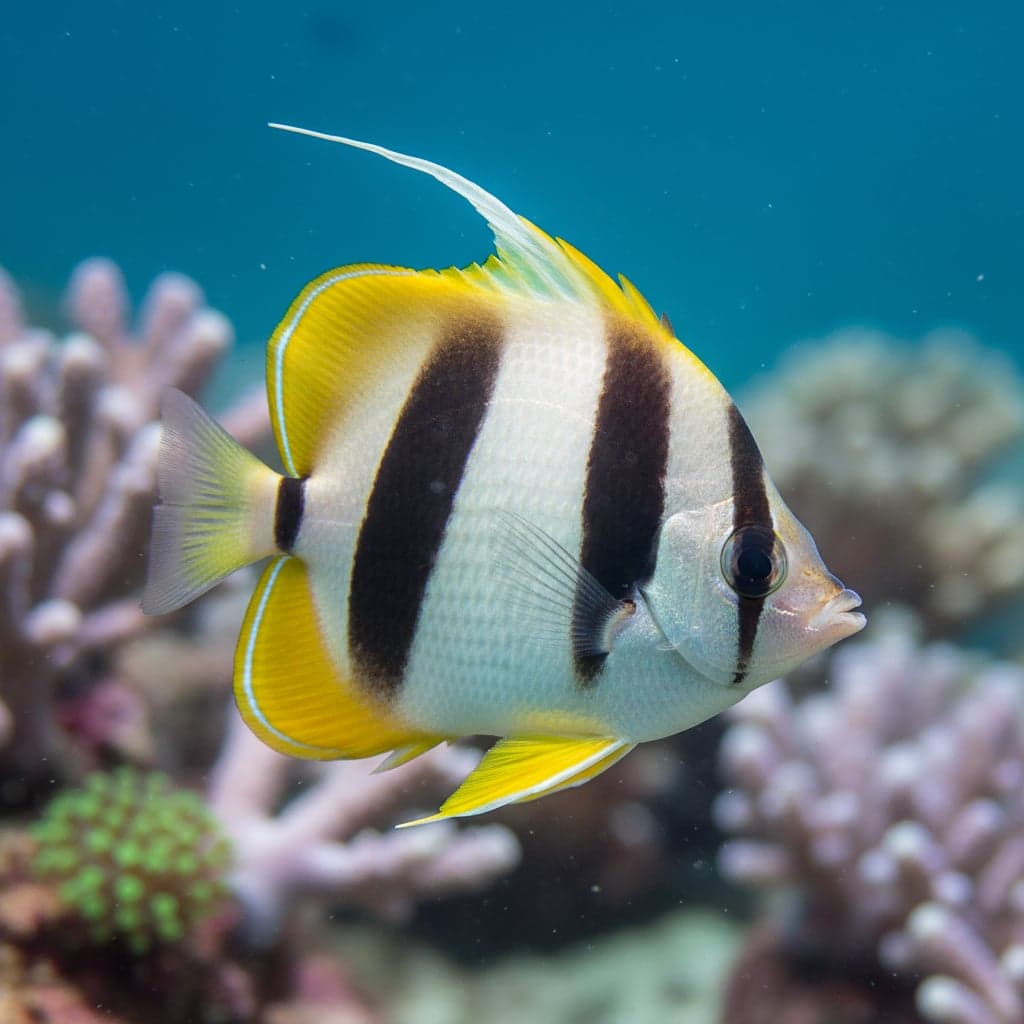
Double Saddle Butterflyfish
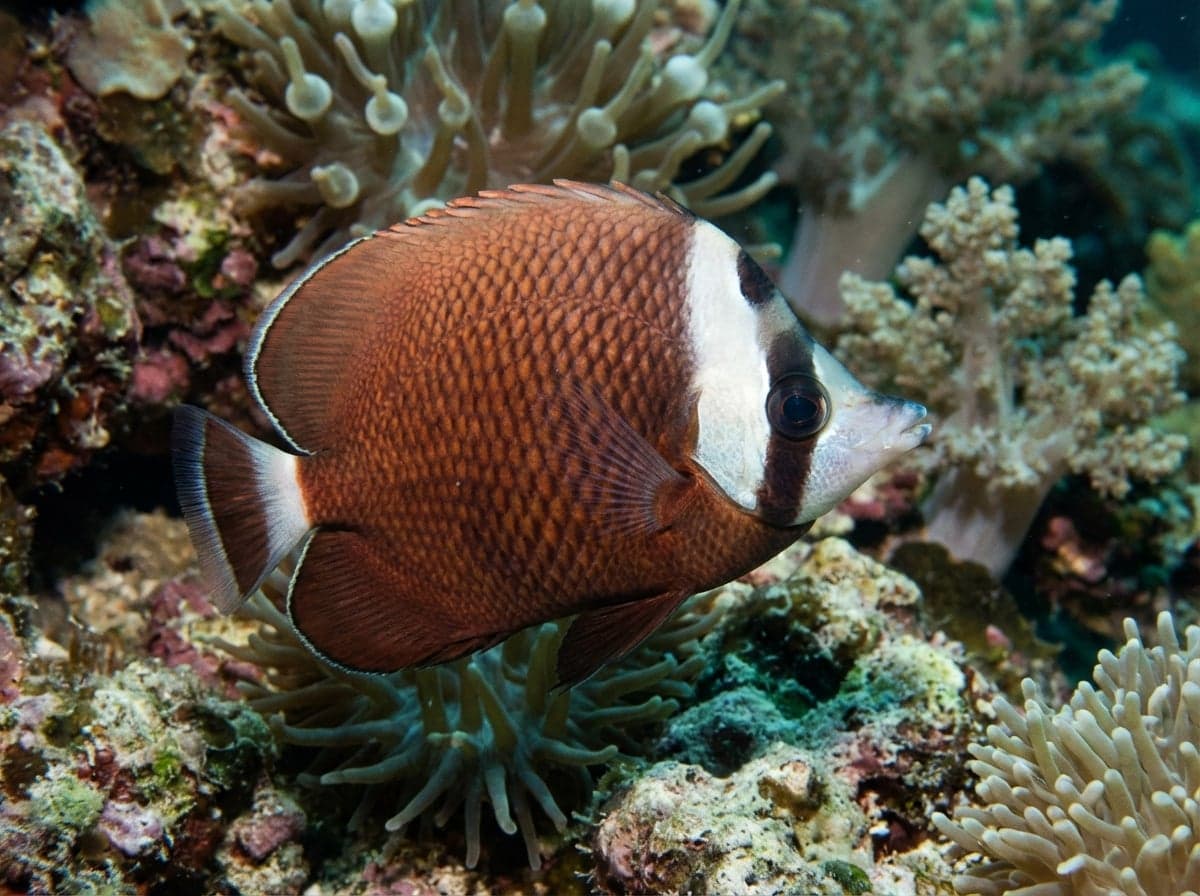
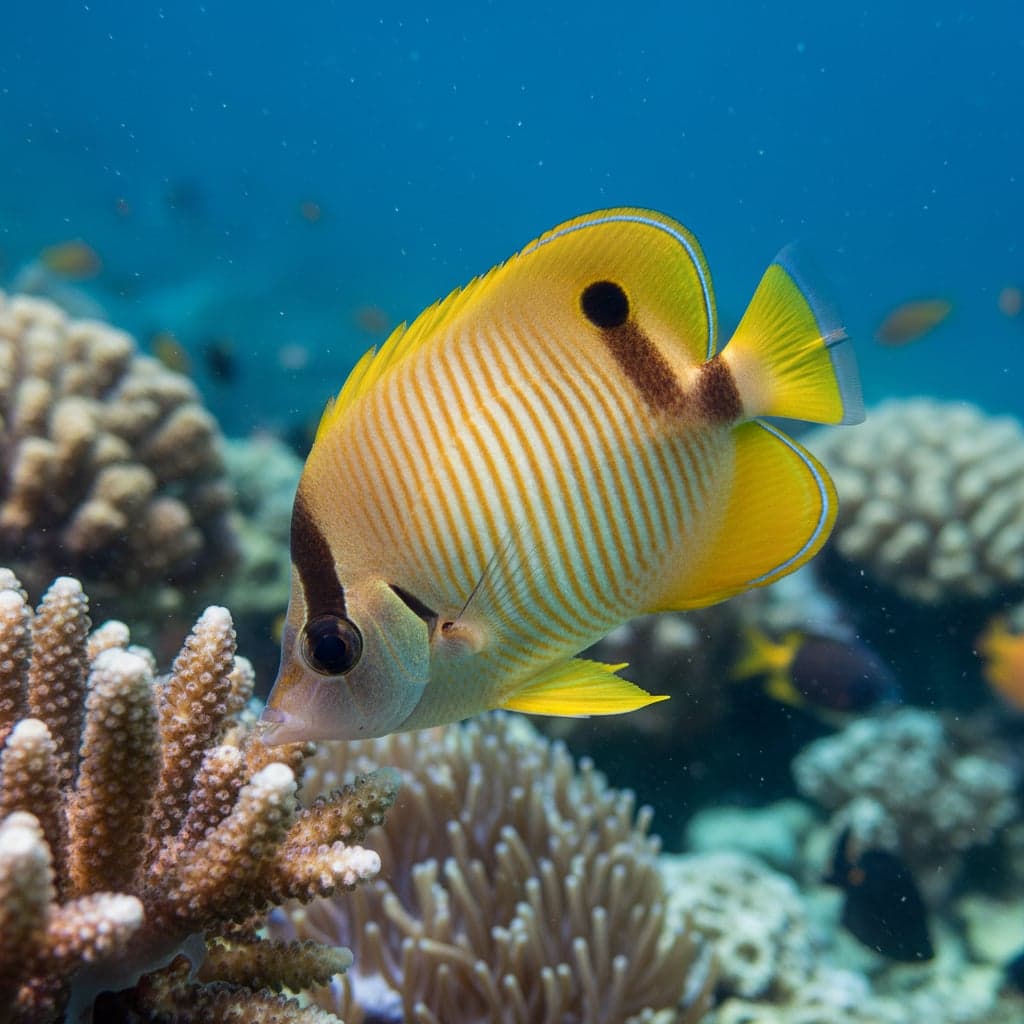
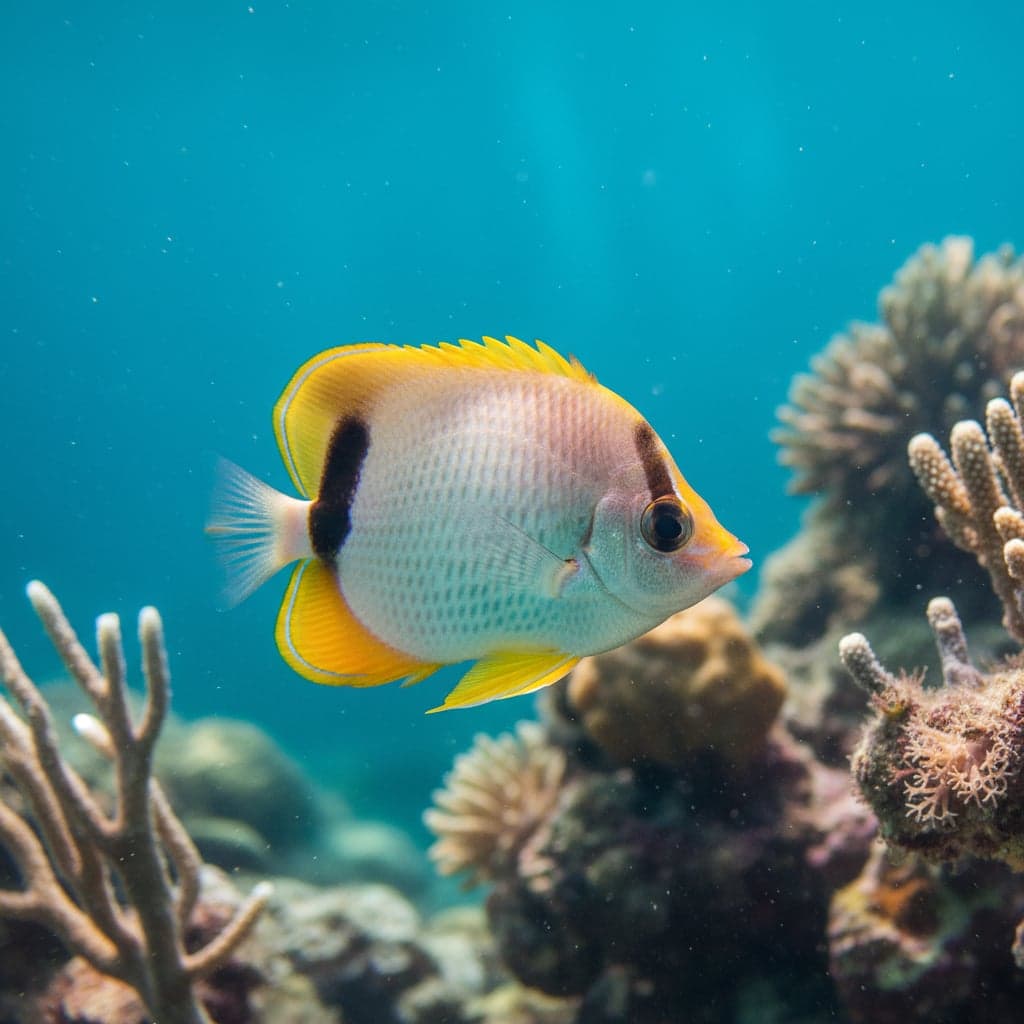
The Double Saddle Butterflyfish (Chaetodon ulietensis) is an enchanting marine species that captivates aquarium enthusiasts with its stunning appearance and vibrant colors. This fish showcases a unique pattern of deep black and bright yellow hues, featuring two prominent dark saddles across its body. Often referred to as the "saddleback butterflyfish," this species is not only visually appealing but also holds significant importance in the aquarium hobby due to its graceful swimming patterns and dynamic character. Its striking appearance makes it a popular choice for both novice and experienced aquarists, serving as a colorful centerpiece in well-maintained reef tanks.
In addition to its aesthetic appeal, the Double Saddle Butterflyfish plays a vital role in maintaining the ecological balance of coral reefs. As a coral feeder, it contributes to the health of the reef ecosystem by grazing on coral polyps, which supports the overall biodiversity of its natural habitat. This fish is a quintessential member of the family Chaetodontidae, known for its fascinating behaviors and variety of species. With proper care, the Double Saddle Butterflyfish can thrive in a well-planned aquarium, adding both beauty and ecological significance to marine displays.
Natural Habitat & Origin
The Double Saddle Butterflyfish is native to the warm, shallow waters of the Indo-Pacific region, primarily found around coral reefs in the waters of the South Pacific, including locations such as the Great Barrier Reef, Fiji, and Tahiti. This species typically inhabits reef slopes and lagoons, preferring depths of about 5 to 60 feet. The Double Saddle Butterflyfish thrives in clean, clear water environments, which offer ample hiding spots and grazing opportunities among thriving coral formations. The warm, stable temperatures of these regions create an ideal environment for the species, allowing it to flourish in the vibrant ecosystems of coral reefs.
The ecological context of this species cannot be overlooked, as it significantly influences the health of coral reefs where it resides. The environments in which Double Saddle Butterflyfish are found are characterized by high biodiversity, housing numerous plant and animal species that interact through symbiotic relationships. The fish's diet, primarily consisting of coral polyps and small invertebrates, underscores its integral role in controlling coral growth within its natural habitat while showcasing its adaptations for life among reefs.
Care Requirements
To successfully keep a Double Saddle Butterflyfish in an aquarium, specific water parameters must be maintained to mimic its natural environment. The ideal pH level for these fish typically ranges from 8.1 to 8.4, and the water temperature should be stable, kept between 75°F to 82°F (24°C to 28°C). It's also important to maintain a moderate water hardness level, ideally between 8-12 dGH. The minimum tank size for a Double Saddle Butterflyfish is 400 litres (105 gallons) — this 15cm Chaetodon needs ample room to swim and explore as an adult.
In terms of tank setup, a well-structured aquarium is essential for the well-being of this fish. A sandy substrate is preferable, allowing for natural feeding behaviors. Live rock and coral formations provide critical hiding spots and grazing areas, promoting natural behaviors. Lighting should replicate natural conditions; therefore, a combination of LED and T5 lighting can create a bright and welcoming environment. Incorporating live plants alongside coral structures can further simulate a natural habitat and enhance aesthetic appeal.
Diet & Feeding
The Double Saddle Butterflyfish is primarily an omnivore with a diet that consists of marine algae, coral polyps, and small invertebrates. In captivity, it is crucial to replicate its natural feeding habits to maintain optimal health. A balanced diet should include high-quality marine flakes, pellets, and frozen foods that are rich in vitamins and nutrients. Varieties of marine algae, such as spirulina, can also be introduced, as these fish readily graze on plant matter. Live food options such as brine shrimp and mysis shrimp can stimulate their natural predatory instincts and promote vibrant coloration.
Regular feeding should occur two to three times a day to provide adequate nutrition, keeping portions in check to avoid excess waste in the aquarium. It is important to monitor the fish's eating habits closely, as a lack of appetite may signify stress or underlying health issues. By providing a well-rounded diet, aquarists can greatly enhance the health and longevity of the Double Saddle Butterflyfish in their care.
Behavior & Temperament
The Double Saddle Butterflyfish is known for its generally peaceful demeanor but can exhibit territorial behavior, especially in smaller tanks. In a spacious environment, they can thrive and display their natural, inquisitive nature. These fish are typically found among the upper and middle water levels of the tank, often hovering around coral structures in search of food. While Double Saddle Butterflyfish may tolerate some level of cohabitation, they are best kept with similar-sized species that share their peaceful temperament.
Schooling behavior is also notable among Double Saddle Butterflyfish, as they may prefer to swim in pairs or small groups when in the wild. However, in a home aquarium, it is often recommended to keep them singly or in pairs, as they can become aggressive towards their own kind, particularly when confined to inadequate space. Proper tank layout with hiding spots will help reduce stress and aggressive encounters, thereby promoting a more harmonious community.
Tank Mates
When selecting tank mates for the Double Saddle Butterflyfish, it is crucial to consider compatibility regarding temperament and space requirements. Ideal companions include peaceful reef fish, such as clownfish, gobies, and certain species of tangs. Other species that can cohabit well include the Sunshine Chromis and the six-line wrasse. However, it is important to avoid aggressive species, such as lionfish and larger triggers, which may intimidate or harm the Double Saddle Butterflyfish. Be cautious with other butterflyfish as well, as they may compete for territory.
In a community aquarium, maintaining an appropriate balance of species is essential to create a stress-free environment. Adequate swimming space and hiding spots can help prevent territorial disputes between various fish while allowing the Double Saddle Butterflyfish to exhibit its natural behaviors alongside compatible tank mates.
Breeding
Breeding the Double Saddle Butterflyfish in captivity can be quite challenging, as it requires specific conditions to stimulate spawning behavior. Successful breeding typically occurs in larger, well-established aquariums with stable water conditions, including optimal pH, temperature, and salinity levels. It is advisable to provide plenty of open swimming space along with ample hiding spots created by live rock and coral. Consequently, a separate breeding or spawning tank can help increase the chances of successful reproduction.
During the breeding process, males will engage in courtship behavior, swimming in unison with females and displaying their vibrant colors. Spawning generally occurs during twilight hours, with the female releasing their eggs into the water column, where they drift away into the currents. Parents should be removed after spawning, as they may consume their offspring. The fertilized eggs will hatch within approximately 24-36 hours, and care must be taken to nurture the fry with suitable food sources, such as infusoria and finely ground marine food, to ensure their growth and survival.
Common Health Issues
The Double Saddle Butterflyfish, like many marine species, is prone to certain health issues in the aquarium environment, primarily due to stress, inadequate water conditions, or poor nutrition. Common health concerns include marine ich (Cryptocaryon irritans), flukes, and bacterial infections. Preventative measures such as quarantining new livestock, maintaining pristine water quality, and providing a nutrient-rich, varied diet greatly reduce disease risk. Stable salinity, strong filtration, and low stress from compatible tank mates further support immunity. Watch for white spots, rapid breathing, or refusal to eat, and treat promptly in isolation with reef-safe protocols. With careful husbandry, Double Saddle Butterflyfish remain striking, healthy reef display fish for the long term.