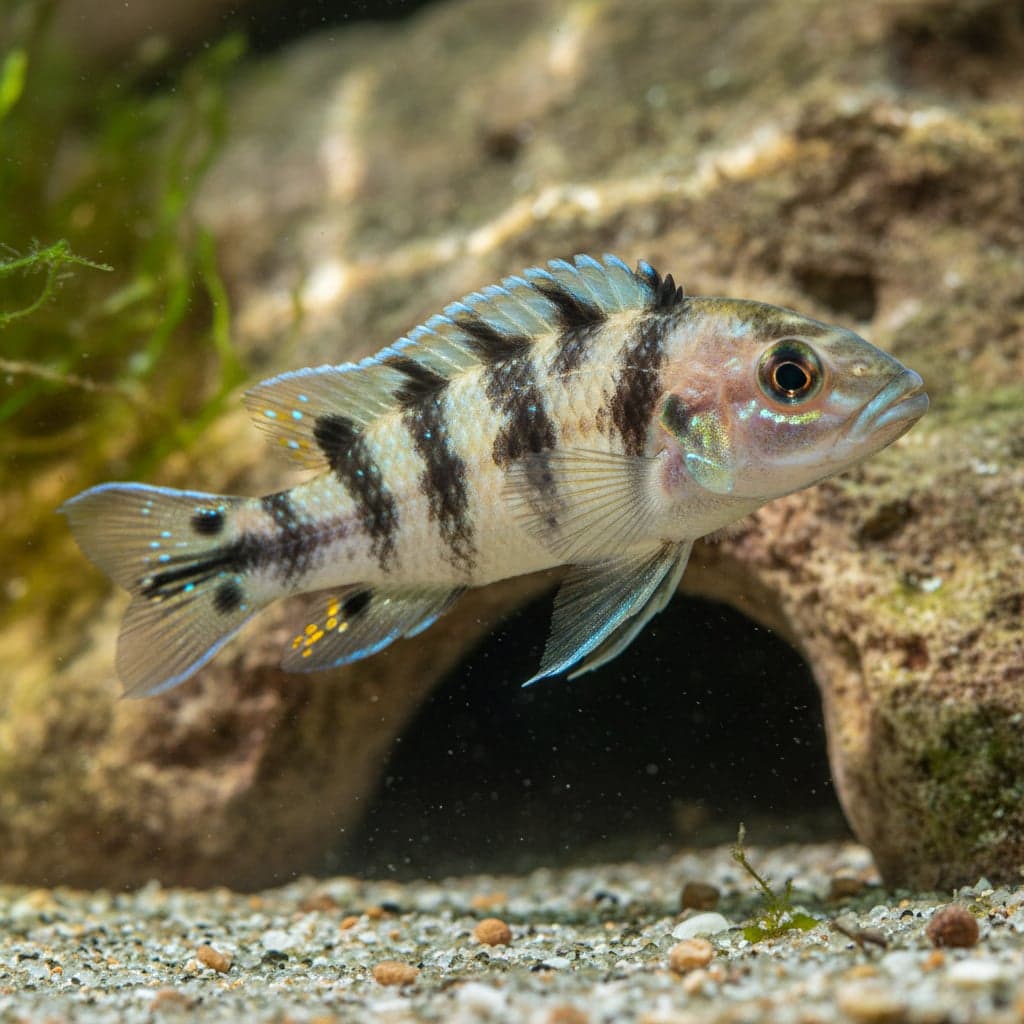
Dubois's Tropheus: Tropheus duboisi
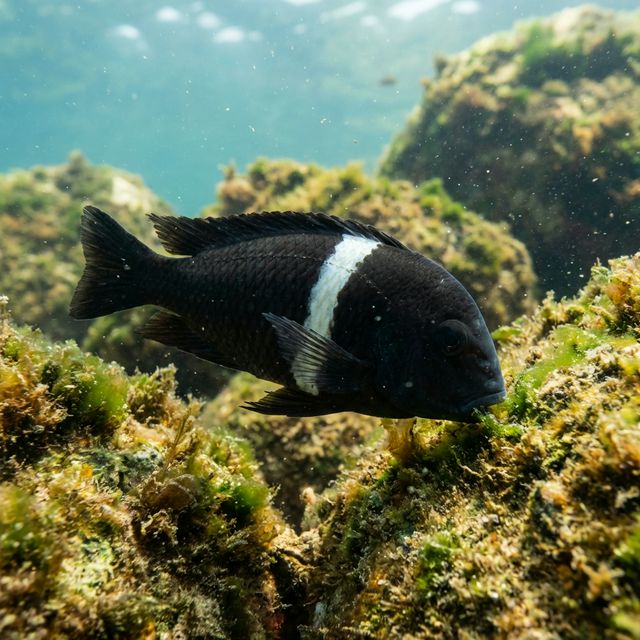
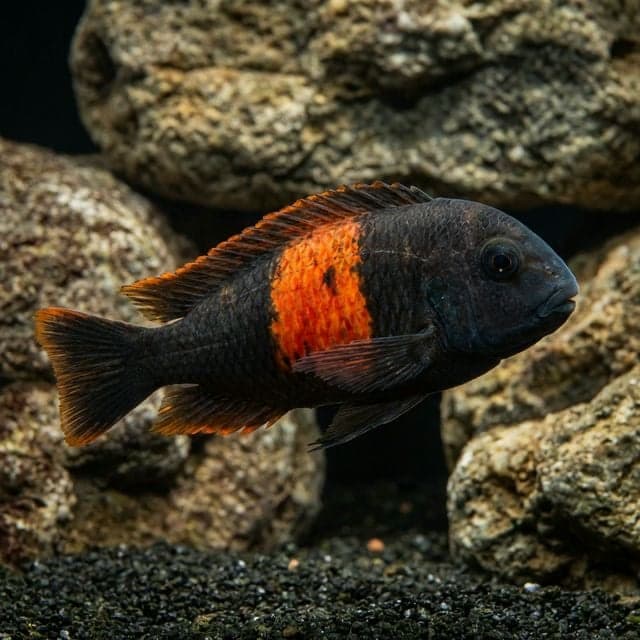
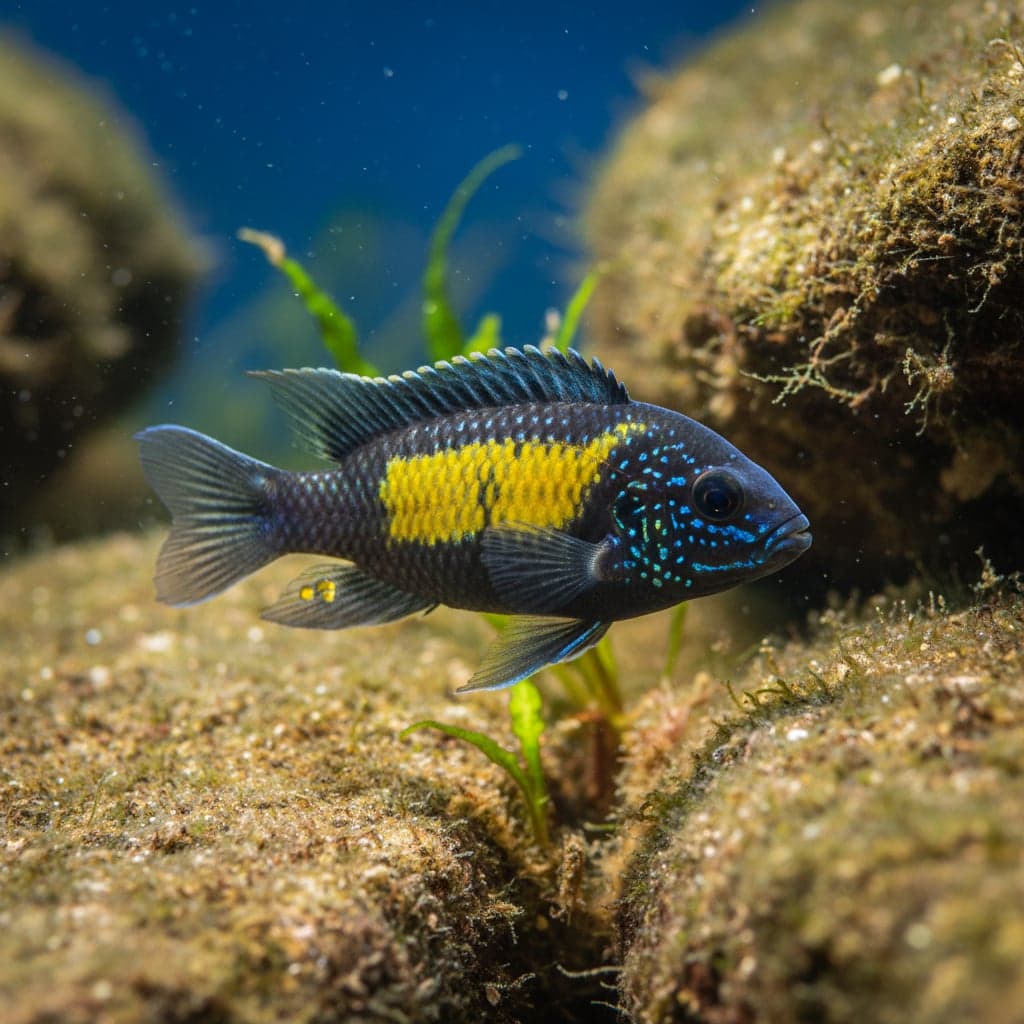
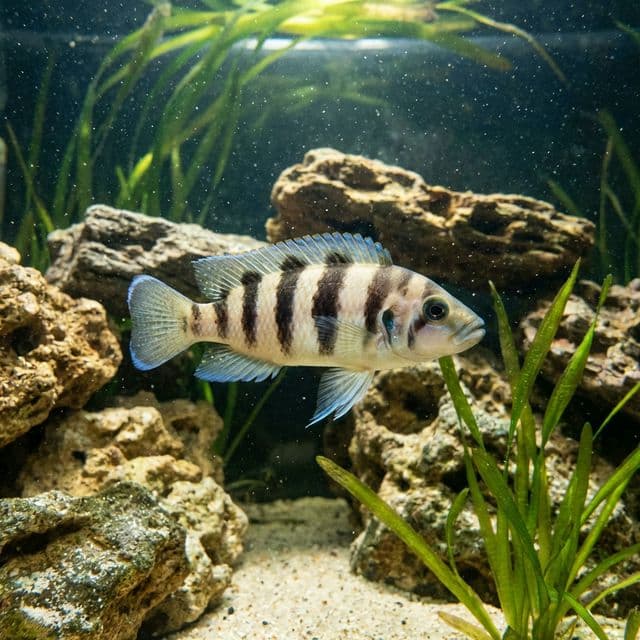
Juveniles are jet black with white polka dots. Adults turn dark with a bright vertical band. Iconic Tanganyikan.
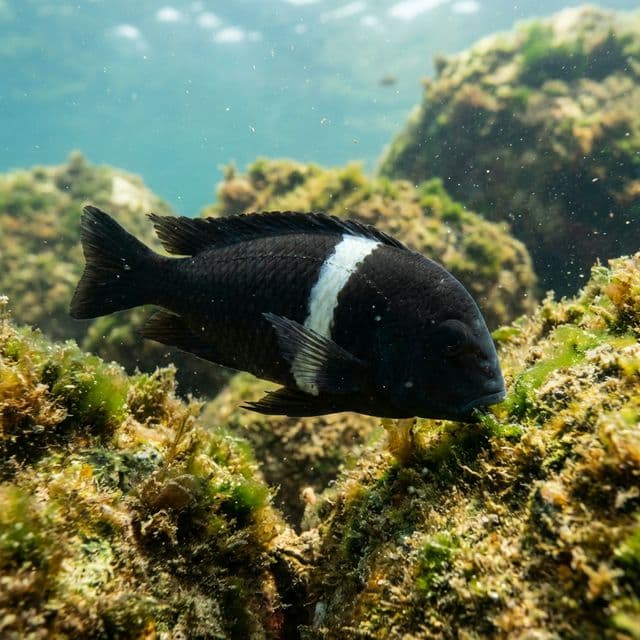
Dubois's Tropheus
Dubois's Tropheus (Tropheus duboisi) is a strikingly beautiful cichlid belonging to the family Cichlidae, indigenous to the rocky shorelines and deep water habitats of Lake Tanganyika in East Africa. Known for its vibrant coloration, the Dubois's Tropheus displays a palette of bright yellows and deep blues that contribute to its popularity among aquarists. This captivating fish not only serves as a visual centerpiece in any aquarium but also adds diversity and interest due to its unique behavioral traits. The species has become a staple in the aquarium hobby, prized for its lush colors and its engaging presence, making it a sought-after species for both novice and veteran fish keepers.
The significance of Dubois's Tropheus in the aquarium hobby extends beyond its aesthetic appeal. This species is often a focal point for discussions surrounding sustainable fishkeeping practices, particularly due to the challenges posed by habitat degradation and overfishing in its native waters. Aquarists are encouraged to understand its natural behaviors and specific requirements to provide optimal care, ensuring these fish thrive in captivity. The popularity of Dubois's Tropheus has also spurred interest in conservation efforts to preserve its natural habitat and educate consumers about the importance of responsible fish sourcing.
Natural Habitat & Origin
Dubois's Tropheus is endemic to Lake Tanganyika, one of the oldest and most biodiverse lakes in the world. This cichlid inhabits various zones within the lake, particularly rocky substrates among the shallows, where it can find shelter and feeding opportunities. The water in Lake Tanganyika is clear and mineral-rich, providing an ideal environment for this species. The unique combination of stable temperatures, clear water, and consistent pH levels makes it crucial for aquarists to replicate these conditions as closely as possible to ensure the well-being of Dubois's Tropheus in captivity.
The lake's ecosystem is characterized by a variety of microhabitats that support diverse flora and fauna. The presence of numerous associated species contributes to the complex food web, which Dubois's Tropheus is a part of. Understanding the ecological backdrop of this cichlid enhances appreciation for its behavior and feeding patterns, as well as highlights the importance of maintaining a sustainable aquarium that mimics its natural environment.
Care Requirements
To thrive, Dubois's Tropheus require specific water parameters that reflect their native habitat. The optimal pH range is between 8.0 and 9.0, with a temperature range of 76°F to 82°F (24°C to 28°C). Hardness should be on the higher end, ideally between 10 to 15 dGH, to meet their physiological needs. Given their active nature, a minimum tank size of 50 gallons is recommended to provide ample swimming space and to establish territories, reducing conflicts among individuals.
The tank setup should mimic their natural rocky environment, featuring a substrate of fine gravel or sand and ample hiding spots created through the use of rocks and caves. Lighting should be moderate, as Dubois's Tropheus prefer slightly shaded areas to retreat when necessary. Live plants can be incorporated, but care should be taken to select hardy species that can withstand their occasional nibbling. Creating a structured environment will not only promote natural behaviors but will enhance the visual appeal of your aquarium.
Diet & Feeding
Dubois's Tropheus are primarily herbivorous, feeding on algae, plant matter, and detritus in their natural habitat. In the aquarium, it is essential to provide a balanced diet that replicates this nutrient intake. High-quality spirulina-based flakes or pellets should be the mainstay of their diet, supplemented with additional vegetable matter such as blanched zucchini, spinach, or spirulina tablets. Occasionally, introducing high-protein foods, such as frozen or live brine shrimp and daphnia, can help promote growth and coloration, especially in younger individuals.
Feeding should occur multiple times a day in small amounts, allowing fish to graze and consume their food effectively. This approach mimics their natural feeding habits, encouraging their foraging behaviors and reducing wastage within the aquarium environment. Maintaining a consistent feeding schedule will also promote health and digestion among your Dubois's Tropheus.
Behavior & Temperament
Dubois's Tropheus are known for their semi-aggressive temperament, particularly as they establish hierarchy within a social group. These cichlids exhibit complex behaviors, including territorial disputes, particularly among males. They thrive in groups but should be kept in numbers that can prevent bullying or excessive aggression—ideally, a minimum of six individuals is recommended. Horizontal swimming space is favored, but these fish will often utilize all levels of the tank, often occupying the mid to upper regions as they explore their environment.
With adequate space and proper social structures, the Dubois's Tropheus can exhibit peaceful interactions. However, potential aggressiveness can be moderated by creating territories with rocks and plants that serve as shelters. Observe group dynamics regularly to ensure that no individual is being excessively harassed, and adjust the tank environment as necessary to maintain a harmonious aquarium.
Tank Mates
When selecting tank mates for Dubois's Tropheus, it's crucial to consider species that share similar water parameter requirements and are capable of handling the cichlid's assertive nature. Compatible species include other Tanganyika cichlids such as Neolamprologus or Cyprichromis, as well as certain species of catfish like Synodontis that can coexist without competing for the same niche. Keep in mind that schooling species can work alongside Dubois's Tropheus, provided there is ample space and hiding spots for all.
Species to avoid include smaller, more passive fish, as these are at risk of being bullied or outcompeted for food. Additionally, avoid keeping other aggressive or territorial cichlids commonly found in different regions to prevent conflict and territorial disputes. Ensuring a well-thought-out community tank will lead to a peaceful coexistence where all species can thrive.
Breeding
Breeding Dubois's Tropheus in captivity can be rewarding but requires careful attention to detail. This species is mouthbrooding, with the female carrying fertilized eggs in her mouth until they hatch. To encourage spawning, it’s important to keep a mixed group of males and females, typically at a ratio of 1:2 or 1:3. The breeding environment should resemble their natural habitat, with ample shelter in the form of rocks and plant cover, allowing the female to feel secure while brooding.
Once spawning occurs, females will guard the eggs diligently for around three weeks until they hatch. After this period, the fry can be fed infusoria or finely crushed flake food, transitioning to larger food items as they grow. Maintaining stable water parameters and providing a balanced diet during this critical time will contribute to the successful raising of the young Dubois's Tropheus.
Common Health Issues
Dubois's Tropheus can be susceptible to various health issues, particularly if stressed or inadequately cared for. Common diseases include ich, a parasitic infection characterized by white spots on the body, and fin rot, often caused by poor water quality. To prevent these diseases, maintaining a clean tank through regular water changes and proper filtration is essential. Monitoring water parameters regularly ensures that they remain within the optimal range for this species.
Additionally, implementing quarantine procedures for new tank mates reduces the risk of introducing pathogens to an established colony. Offer a high-fiber, primarily herbivorous diet to prevent bloat, and avoid sudden dietary changes. Watch for white spots, frayed fins, bloating, or lethargy, and treat promptly while improving water quality and reducing stocking pressure. Keep rockwork territories well oxygenated with strong filtration and regular water changes. With stable Lake Tanganyika parameters and low stress, Dubois's Tropheus remain colorful, hardy algal grazers that thrive for years in a properly managed African cichlid aquarium.