The Dwarf Gourami: Trichogaster lalius
A colorful centerpiece fish for smaller tanks. Famous for flame-blue colors, bubble nest building, and unfortunately, a devastating viral disease.
Also known as: Trichogaster lalius

Dwarf Gourami
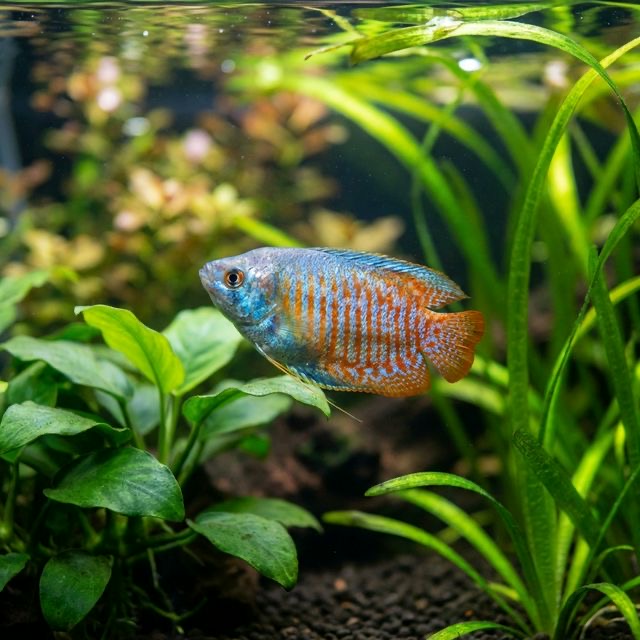
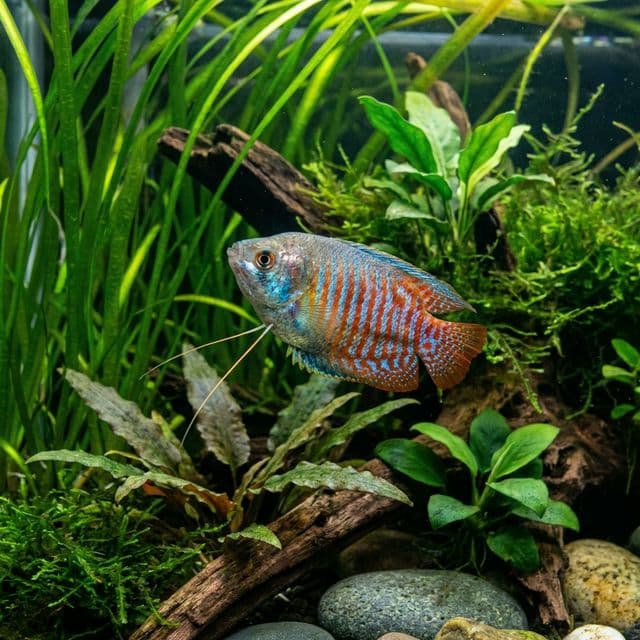
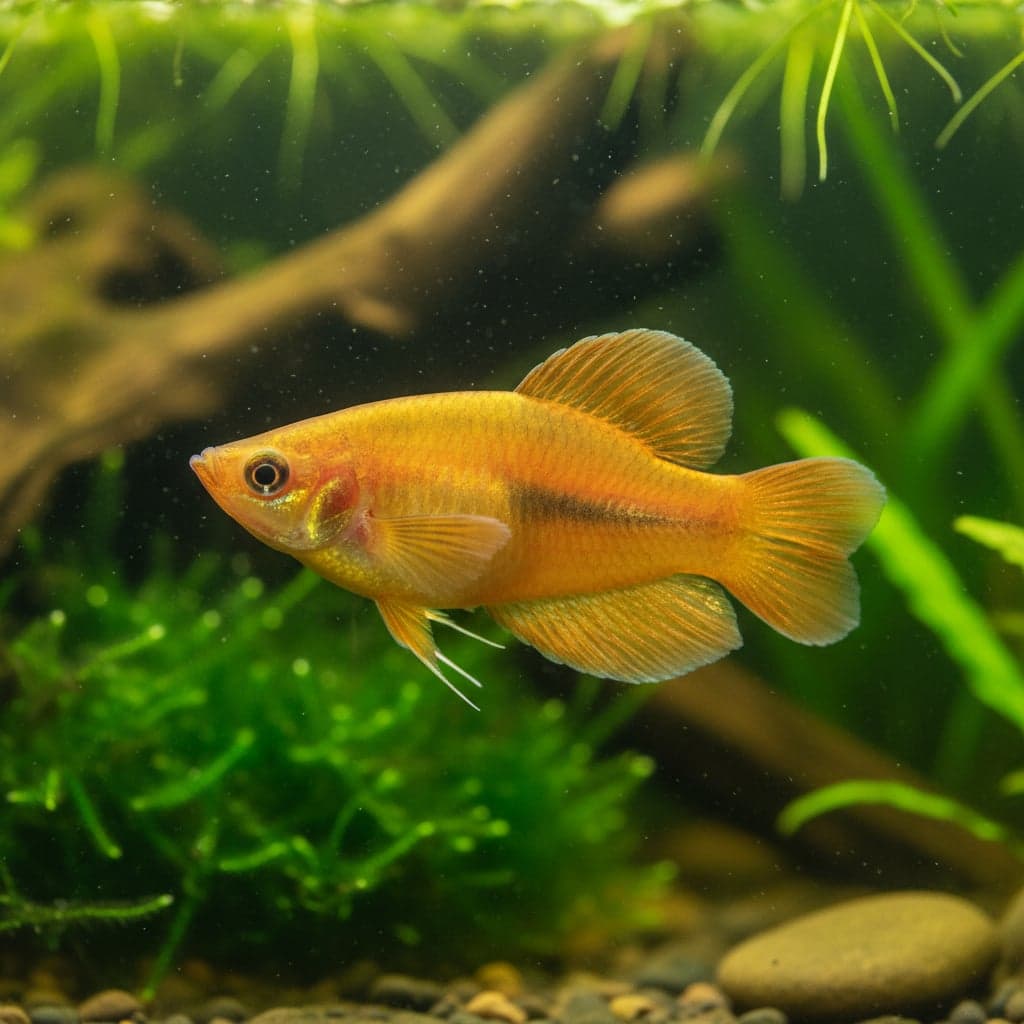
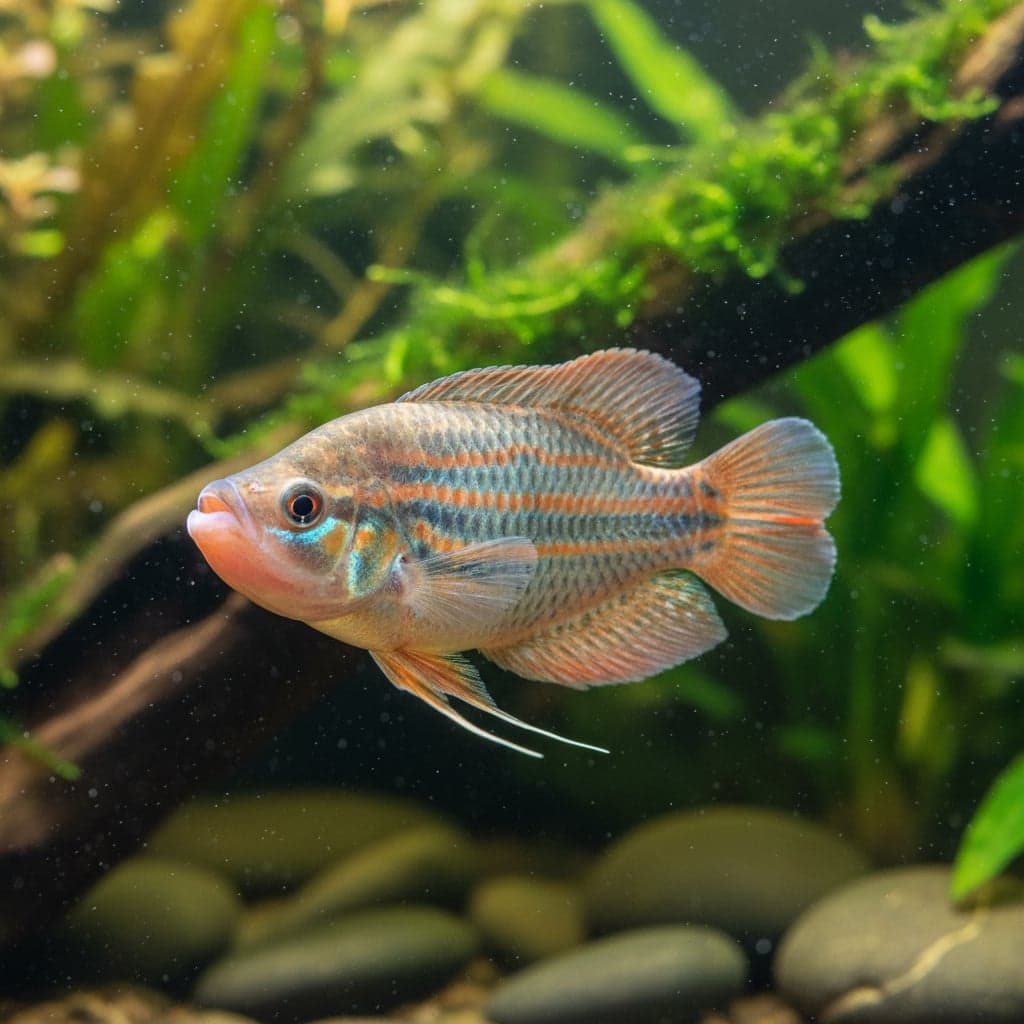
The Dwarf Gourami (Trichogaster lalius) is a captivating freshwater fish that has become increasingly popular among aquarists due to its vibrant colors and peaceful demeanor. Native to the rivers and swamps of South and Southeast Asia, this small species typically grows to about 3 to 4 inches in length. Its enchanting hues, which range from stunning shades of blue, red, or orange to iridescent patterns, not only make it visually appealing but also serve to enhance the aesthetic quality of community tanks. The unique shimmering patterns of the Dwarf Gourami coupled with its graceful swimming styles make it a true standout in the aquarium hobby.
Beyond its visual beauty, the Dwarf Gourami holds significance in the aquarium scene for its relatively easy care requirements and sociable nature, making it an excellent choice for both beginner and advanced aquarists. As a labyrinth fish, it has specialized adaptations that allow it to breathe air, lending it a certain resilience that is appreciated by many hobbyists. This adaptability has contributed to its popularity within the aquarist community, inspiring countless individuals to embark on their own fishkeeping journeys with these charismatic little fish.
Natural Habitat & Origin
Dwarf Gouramis originate from the freshwater systems of India, Bangladesh, and surrounding areas in Southeast Asia. These fish thrive in environments characterized by slow-moving waters, such as ponds, marshes, and rice paddies. The typical habitat includes blackwater sources where the water is stained by decomposing plant materials and has lower light penetration. These conditions lead to a natural ecosystem rich in vegetation, offering Dwarf Gouramis ample hiding spots and foraging opportunities. Understanding their natural habitat is essential for replicating their environmental needs in captive settings.
In the wild, Dwarf Gouramis are accustomed to warm, shallow waters with a temperature range of 24°C to 28°C (75°F to 82°F) and prefer slightly acidic to neutral pH levels between 6.0 and 7.5. The soft, slightly enriched water in these habitats indicated a need for aquarists to strive for similar conditions, replicating the warm, densely vegetated environments that these fish naturally inhabit.
Care Requirements
When keeping Dwarf Gouramis, it's crucial to maintain suitable water parameters to promote their health and longevity. The ideal water temperature should be maintained between 24°C and 28°C (75°F to 82°F), while the pH levels should fall within the range of 6.0 to 7.5, with soft to moderately hard water (dH 5-20) to simulate their natural environment. Regular water changes, along with the use of a high-quality water conditioner, are advisable to keep their habitat pristine.
For tank setup, a minimum size of 10 gallons is recommended for a single Dwarf Gourami, providing ample space for swimming and hiding. A soft substrate, such as fine gravel or sand, is ideal, and the addition of plenty of live plants, such as Java Fern, Anubias, and floating plants, creates a suitable environment. Proper lighting is important as well; low to moderate lighting enhances plant growth while creating shaded areas where Dwarf Gouramis can feel secure. Including caves or other structures can further enrich their habitat, giving them spots to explore and retreat to if needed.
Diet & Feeding
Dwarf Gouramis are classified as omnivores, benefiting from a well-rounded diet that includes high-quality flakes, pellets, and live or frozen foods. A varied diet is essential to ensure their health and vibrant coloration. Commercial fish flakes designed for tropical fish will typically be the staple portion of their diet, but introducing high-protein options such as brine shrimp, daphnia, and bloodworms can enhance their nutritional intake.
Regular feeding should occur two to three times a day in small quantities that can be consumed within a few minutes. It's important to tailor the diet to the specific needs of the fish, observing their feeding habits closely to prevent overfeeding, which can lead to health issues.
Behavior & Temperament
The Dwarf Gourami is known for its peaceful and sociable nature, making it an excellent candidate for community tanks. They can be kept in groups but are best maintained in small numbers to reduce stress and territorial disputes. Typically, males can exhibit some aggression toward one another, especially in smaller tanks. Observing their behavior and providing sufficient space and cover can mitigate any aggressive tendencies.
Due to their natural inclination to dwell near the water’s surface, Dwarf Gouramis often utilize the upper levels of the aquarium. They take delight in exploring the plant cover and flowing water currents. Overall, these fish are best-suited for tranquil setups where they can thrive socially and exhibit their natural behaviors.
Tank Mates
When selecting tank mates for Dwarf Gouramis, it is essential to consider species that are similarly peaceful and inhabit the same water parameters. Suitable tank mates include other small, non-aggressive fish such as Neon Tetras, Guppies, Corydoras Catfish, and Cherry Barbs. Species like Rasboras and small peaceful livebearers also make excellent companions.
It is wise to avoid aggressive or fin-nipping species, such as certain Cichlids or barbs, which can stress out or harm Dwarf Gouramis. Additionally, overly large fish that could perceive the Dwarf Gourami as a food source should also be avoided, ensuring a harmonious tank environment for all inhabitants.
Breeding
Breeding Dwarf Gouramis can be an enriching experience, although it requires precise conditions for success. The breeding process typically begins with the establishment of a separate breeding tank, preferably with soft, slightly acidic water and ample vegetation. The male Dwarf Gourami is known to build a bubble nest, which is crucial for spawning.
During breeding, the male will entice the female to the nest, where fertilization occurs. Post-spawning, the male takes responsibility for guarding the bubble nest until the fry are free-swimming, at which point the female can be removed to reduce aggression. Providing fine infusoria or finely crushed flake food is ideal for feeding newly hatched fry until they mature sufficiently to eat larger foods.
Common Health Issues
Dwarf Gouramis are generally hardy but can be prone to certain diseases if not properly cared for. Common health issues include Ich (white spot disease), fin rot, and Velvet disease. Preventive measures involve maintaining water quality through regular testing and changes, as well as ensuring that tank mates are healthy and compatible.
Quarantining new arrivals before introducing them to the main tank can also help prevent disease outbreaks. Monitoring for signs of stress or illness, such as abnormal swimming behavior, faded coloration, and loss of appetite, is crucial for early detection and treatment. By keeping a close eye on their health, aquarists can enjoy the full beauty and personality of the Dwarf Gourami in their aquarium.