Dwarf Pangasius: Pseudeutropius brachypopterus
A small, glass-like catfish that schools in midwater. Often confused with Pseudeutropius.
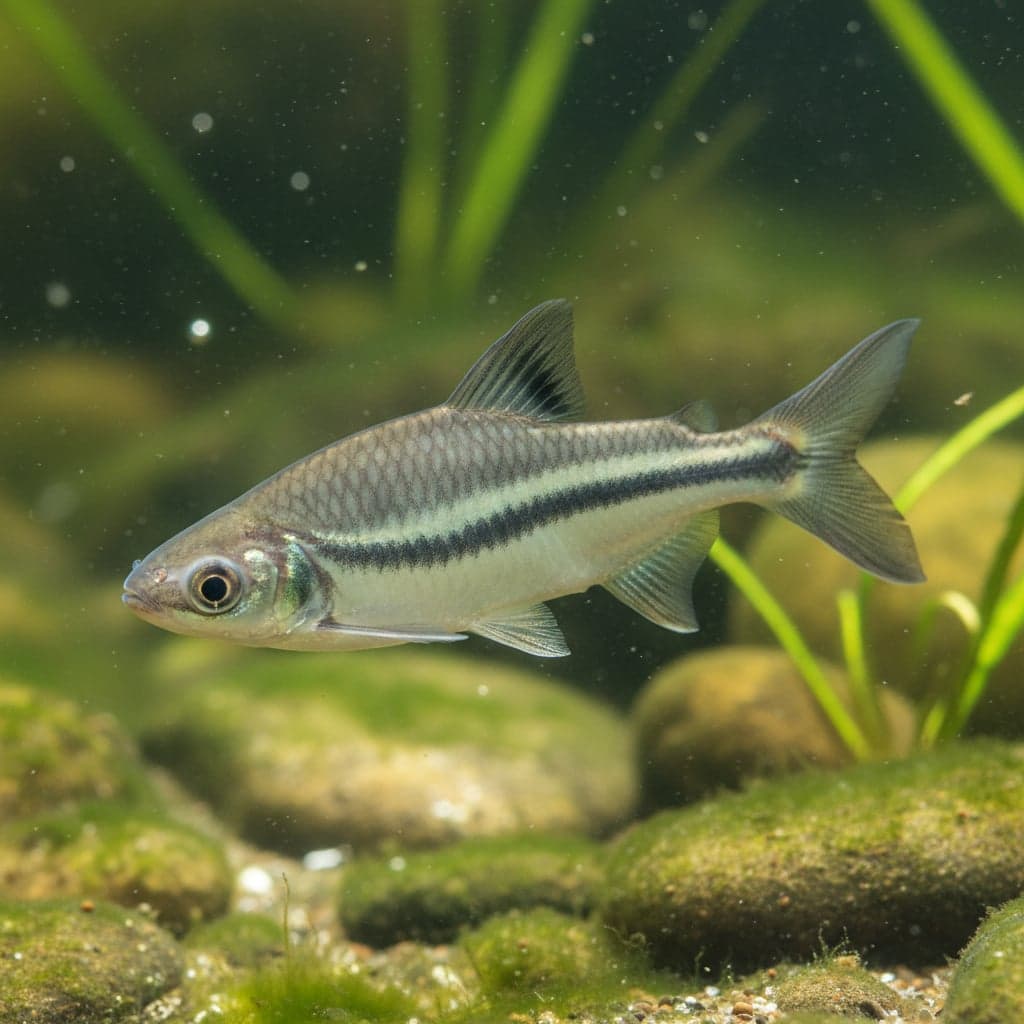
Dwarf Pangasius
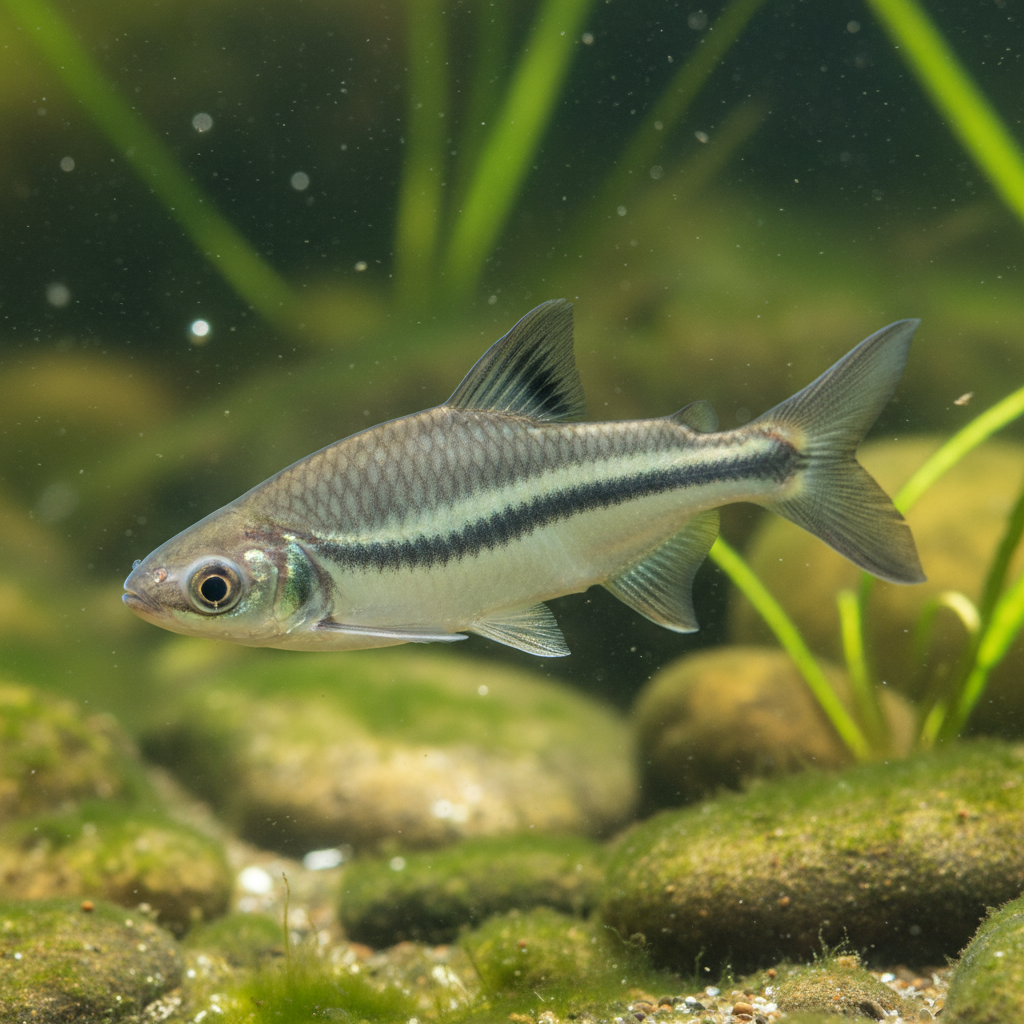
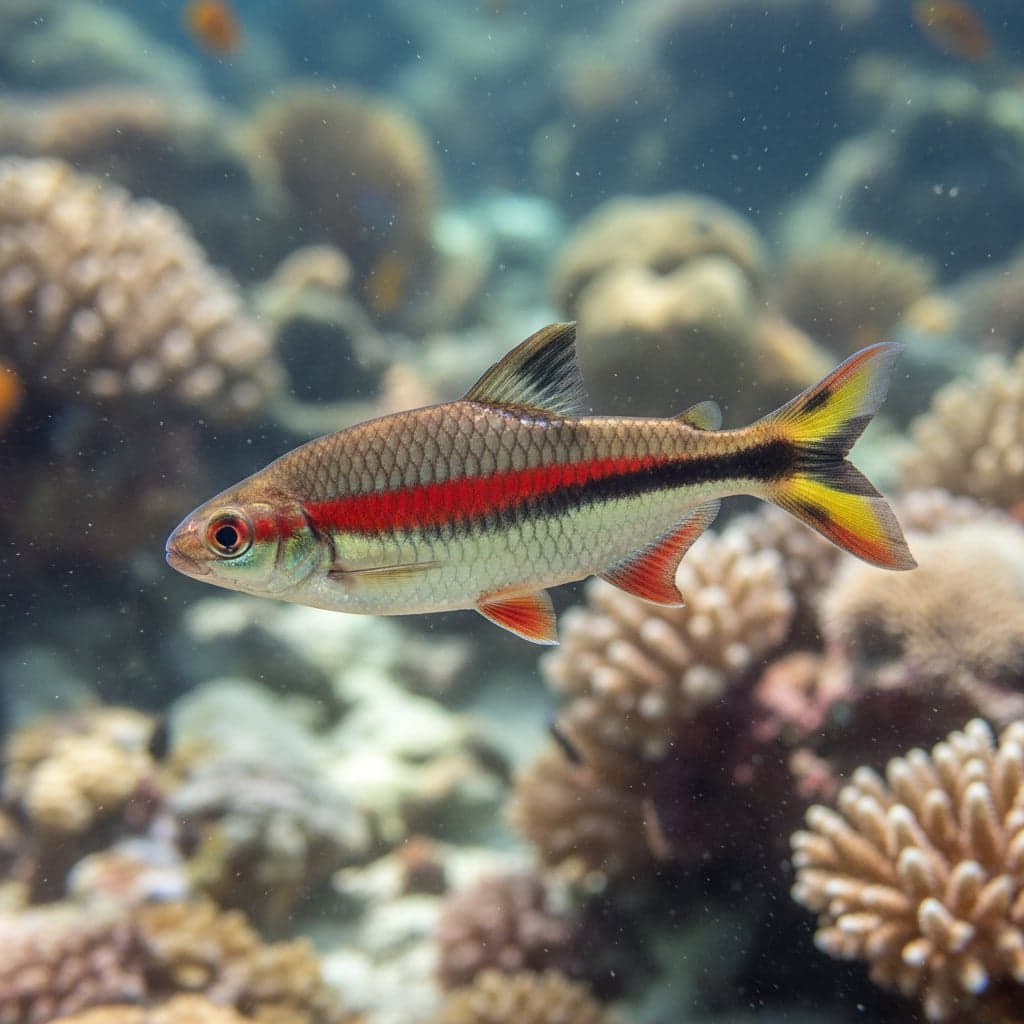
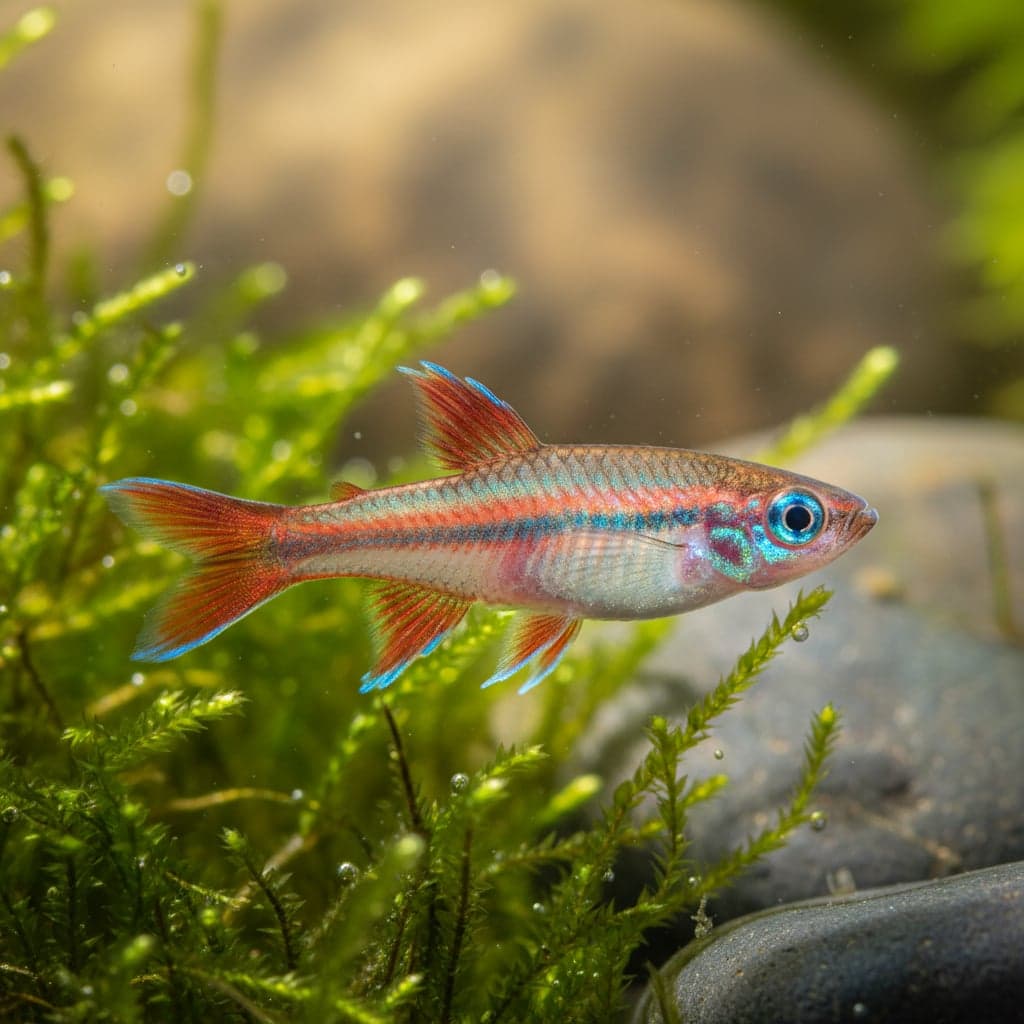
The Dwarf Pangasius, scientifically known as Pseudeutropius brachypopterus, is a captivating freshwater fish that belongs to the catfish family Pangasiidae. Recognized for its distinctive appearance, the Dwarf Pangasius showcases an elongated, laterally compressed body adorned with a series of striking vertical stripes that transition from a silvery-white to an iridescent blue hue as it matures. This visual appeal not only makes them a popular choice among hobbyists for display aquariums, but their remarkable adaptability to various water conditions adds to their charm in the aquarium trade. Their peaceful nature paired with an active swimming style captures the attention of both seasoned aquarists and newcomers alike.
As an ornamental fish, the Dwarf Pangasius holds significant value in the aquarium hobby. It embodies the exotic allure of Southeast Asia, where it primarily hails from the Mekong River and surrounding freshwater ecosystems. These unique features, coupled with their manageable size, typically reaching around 3-4 inches (8-10 cm) in length, make them a suitable choice for larger community tanks. Their presence contributes to the diversity of biotopes that aquarists strive to recreate, thus adding to the ecological and recreational importance of the hobby.
Natural Habitat & Origin
The Dwarf Pangasius originates from the freshwaters of Southeast Asia, particularly the slow-moving rivers and streams of the Mekong River basin which spans across several countries including Cambodia, Laos, Thailand, and Vietnam. This region is known for its rich biodiversity and complex habitats, ranging from clear waters to dark, tannin-stained blackwaters. Often found in areas with ample vegetation and submerged structures, these fish thrive in environments that provide ample concealment and foraging opportunities. The temperature of their natural habitat typically ranges from 24°C to 30°C (75°F to 86°F), with the water quality characterized by low to moderate hardness and a slightly acidic to neutral pH.
In their natural environment, the Dwarf Pangasius often associates with schools, promoting safety in numbers as they navigate through their habitats. The combination of submerged structures and aquatic flora serves not only as a source of food but also as a refuge against potential predators, highlighting the importance of replicating such conditions in aquarium settings.
Care Requirements
To successfully keep Dwarf Pangasius in an aquarium, it's crucial to replicate the parameters of their natural habitat. Ideal water conditions include a pH level between 6.0 and 7.5, with a temperature range of 24°C to 30°C (75°F to 86°F) and a water hardness of 5-15 dGH. The minimum tank size recommended is 75 gallons to accommodate their active swimming nature and to provide sufficient space for schooling.
Setting up the tank involves choosing a substrate that mimics their natural environment—fine gravel or sandy substrates are preferred. Likewise, lighting should be moderate, keeping in mind that Dwarf Pangasius tend to thrive in slightly subdued lighting conditions typical of their native habitats. It's beneficial to include plenty of live plants, driftwood, and rocks to create hiding spots and swimming areas. A well-structured tank with open swimming space allows for the natural behaviors of the fish while enhancing the overall aesthetic of the aquarium.
Diet & Feeding
Dwarf Pangasius are omnivorous, and their diet is diverse, allowing for a range of food choices. In captivity, they thrive on high-quality flake or pellet food, which serves as a staple in their diet. Additionally, they enjoy frozen or live foods such as bloodworms, brine shrimp, and daphnia, which can be offered occasionally to stimulate natural foraging behaviors. Providing a varied diet is essential for maintaining their health, growth rate, and vibrancy.
It’s important to ensure that the size of the food pieces is appropriate for the size of the fish; smaller, sinking foods are often ideal. Regular feeding sessions of 2-3 times a day in small portions will help maintain their health and energy levels while preventing overfeeding and water quality issues.
Behavior & Temperament
Dwarf Pangasius exhibit active and social behavior, thriving in groups of at least five individuals. They are peaceful in nature, making them an excellent addition to community tanks. These fish are known to occupy various vertical levels within the aquarium, frequently swimming mid to upper levels, but they often seek lower hiding spaces, especially during the day.
Despite their peaceful demeanor, care should be taken to monitor their interactions with smaller or more timid species, which may become targets for nipping behaviors. The Dwarf Pangasius enjoys exploring their surroundings and requires ample swimming space to exhibit their natural behavior.
Tank Mates
When considering tank mates for Dwarf Pangasius, it is vital to select species that are similarly sized and exhibit non-aggressive behavior. Suitable companions include larger tetras, such as Congo tetras, rasboras, and peaceful cichlids like the Kribensis and Bolivian ram. Other compatible species may include larger catfish, gouramis, and rainbowfish.
Aquarists should avoid housing the Dwarf Pangasius with overly aggressive species or small, slow-moving fish that may be bullied or outcompeted for food. Additionally, it is best to keep them away from fin-nippers, as the Dwarf Pangasius' elongated fins are susceptible to damage.
Breeding
Breeding Dwarf Pangasius in captivity can be challenging, as they require specific conditions to encourage spawning. Typically, spawning occurs in groups, with males chasing females until they release eggs, which can number in the hundreds. To promote breeding, aquarists should maintain optimal conditions with slightly warmer water temperatures (around 28°C or 82°F) and softer water with a pH between 6.0 and 6.5.
Creating an environment with ample vegetation and spawning sites, such as clumps of moss or fine-leaved plants, can also enhance breeding success. After spawning, it's important to remove the adults, as they may consume their eggs or fry. The eggs typically hatch within 24-36 hours, and fry can be fed infusoria or finely crushed flakes until they grow large enough for standard fish foods.
Common Health Issues
Dwarf Pangasius are generally hardy fish; however, they can be susceptible to specific health issues, particularly if water quality is not maintained. Common diseases include ich (white spot disease) and fin rot, often stemming from poor water conditions or stress.
Preventative measures include regular water changes, maintaining proper filtration, and observing for any signs of illness or distress among the fish. Quarantining new arrivals before introducing them to the main tank also helps prevent the spread of diseases. Additionally, meditative treatments can be employed for symptom management if fish health declines, but maintaining optimal environmental conditions is paramount for a thriving Dwarf Pangasius population.