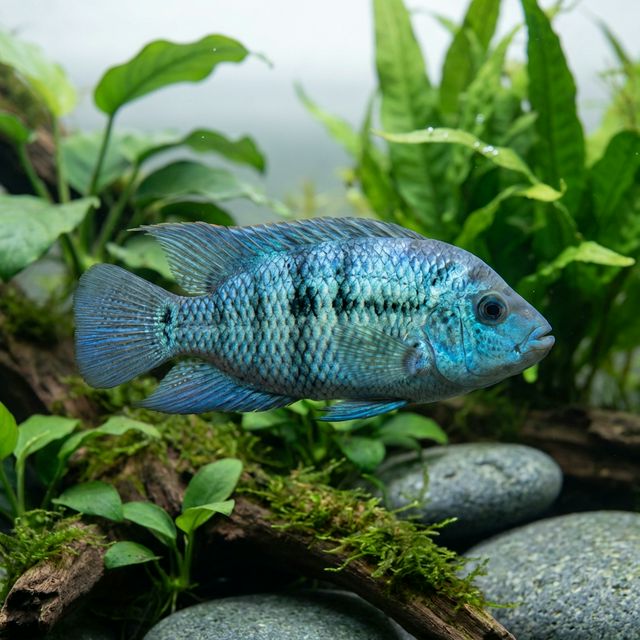
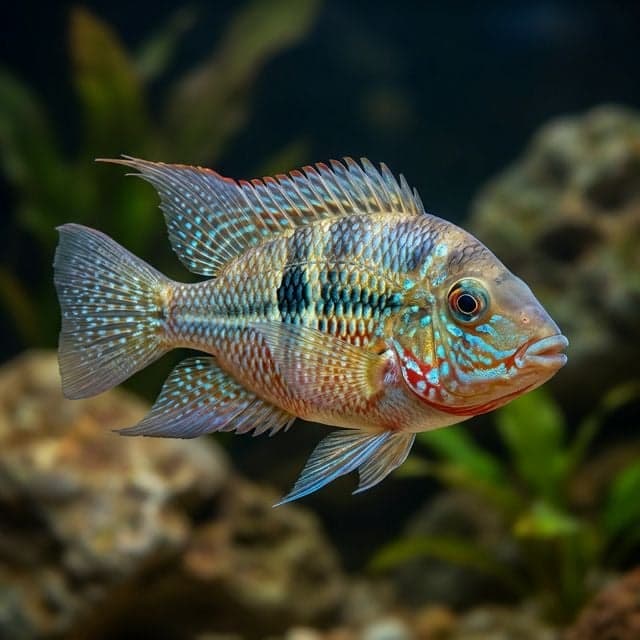
Electric Blue Dempsey: Rocio octofasciata var.
A stunning metallic blue variety of the Jack Dempsey cichlid. Less aggressive than the wild type.
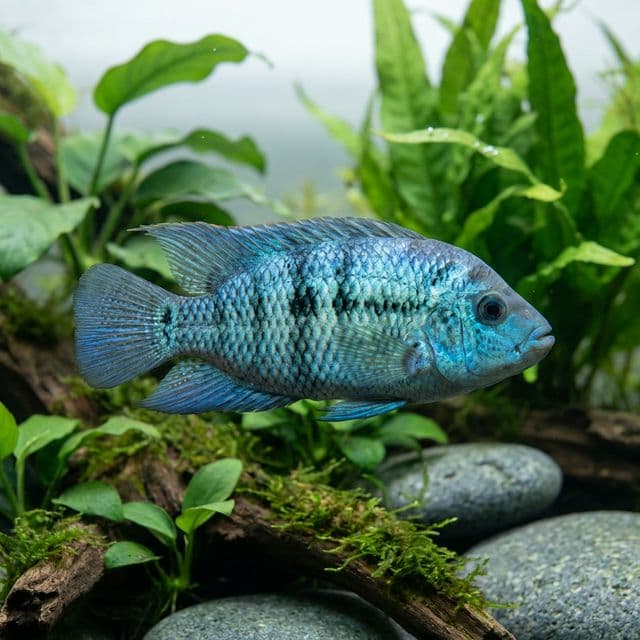
Electric Blue Dempsey
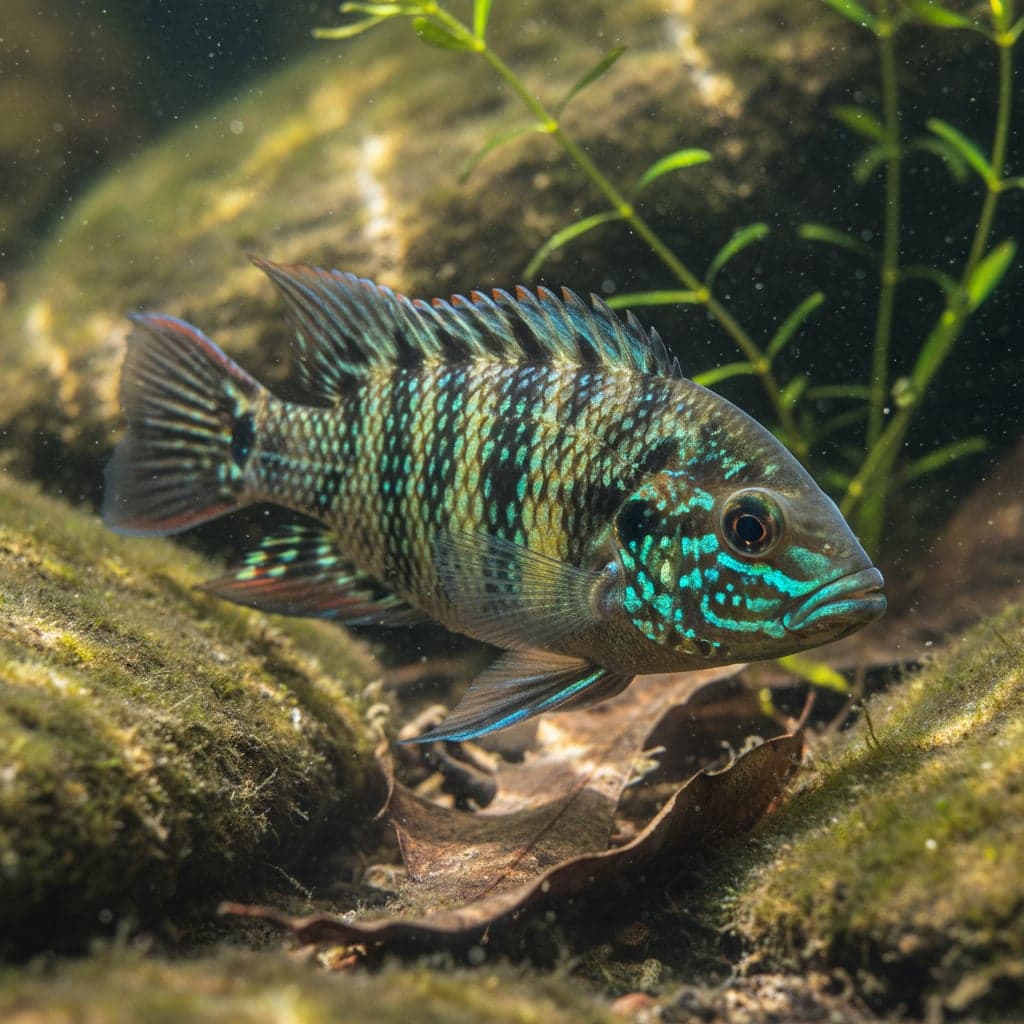
The Electric Blue Dempsey, scientifically known as Rocio octofasciata var., is a stunning cichlid that has captivated the aquarium hobbyist community. This visually striking fish exhibits vibrant, iridescent blue hues that shimmer under the right lighting conditions, making it a sought-after addition for aquarists looking to enhance the aesthetic appeal of their tanks. Apart from their appealing coloration, Electric Blue Dempseys are known for their adaptability to captivity, which contributes to their popularity among both novice and experienced aquarists.
Significantly, the Electric Blue Dempsey is not just valued for its beauty but also for its fascinating behavior and interaction with the environment. These fish are known for their curious and often playful demeanor, providing an engaging experience for observers. As a selectively bred variant of the more common Jack Dempsey, the Electric Blue Dempsey represents a fine melding of beauty and personality, thus enriching the aquatic landscapes of numerous home aquariums.
Natural Habitat & Origin
The Electric Blue Dempsey originates from the freshwater river systems of Central America, particularly found in countries such as Nicaragua and Honduras. It thrives in a variety of habitats, including slow-moving rivers, lakes, and swamps rich in vegetation. Typically, these fish inhabit regions with a sandy substrate and ample hiding spots, such as rocks and driftwood, where they can feel secure. The water in these habitats tends to be slightly acidic to neutral, mildly colored from tannins released by decaying organic matter, placing them in a blackwater or slightly stained water environment.
In their natural habitat, Electric Blue Dempseys are exposed to a fluctuating environment, which influences their adaptation capabilities. They often encounter varying water temperatures ranging from 75°F to 86°F (24°C to 30°C), which is essential to consider when replicating their conditions in captivity. Understanding their natural habitat is vital not only for preserving their beauty but also for ensuring their overall health and well-being in the home aquarium.
Care Requirements
To provide proper care for Electric Blue Dempseys, it is essential to maintain specific water parameters. Ideally, the pH should be kept between 6.5 and 7.5, with a temperature range of 75°F to 82°F (24°C to 28°C). The hardness of the water should be moderately soft to hard, around 5 to 20 dGH. Creating the appropriate tank environment involves selecting a minimum tank size of 30 gallons for a single specimen, as they can grow to about 6 to 8 inches in length.
In terms of tank setup, a sandy or finely gravel substrate is recommended to support their natural digging behaviors. Providing plenty of hiding spots using rocks, caves, and driftwood will help reduce stress and encourage natural behaviors. Lighting should be moderate; consider using plants that can thrive in these conditions, such as Anubias or Java fern, which can also serve as natural hiding places. A well-maintained filtration system is crucial to keep water quality high, as Electric Blue Dempseys are sensitive to poor water conditions.
Diet & Feeding
Electric Blue Dempseys are omnivorous in nature, thus requiring a well-balanced diet to thrive. In captivity, they can be fed a combination of high-quality flakes, pellets, and various frozen or live foods. Preferably, their diet should consist of a varied selection to ensure they receive adequate nutrition. High-protein options such as brine shrimp, bloodworms, and daphnia can be offered as treats, while made-for-cichlid pellets can serve as staple food sources.
It is also beneficial to include vegetable matter in their diet; blanched spinach, zucchini, and algae wafers can be beneficial additions. Feeding should happen once or twice a day in small amounts, ensuring that the food is consumed within a few minutes to prevent water quality deterioration. Observing their feeding habits will also provide insights into their health and help adjust their diet accordingly.
Behavior & Temperament
Electric Blue Dempseys are known for their dynamic personalities and varying behavior. Generally, they are territorial and can display aggression, especially during breeding periods or if they feel their space is being encroached upon. In a home aquarium, it is advisable to provide ample hiding spaces to minimize stress and aggression towards other fish. While they can be kept with compatible species, they may exhibit a more dominant posture, often claiming ownership over certain areas of the tank.
These cichlids are not schooling fish; instead, they can be rather solitary or form pair bonds when there are suitable tank mates. They typically occupy various vertical levels in the tank; you'll often find them swimming in the middle to lower sections, as well as utilizing caves and crevices. Their curiosity drives them to explore their surroundings, making them engaging fish to observe.
Tank Mates
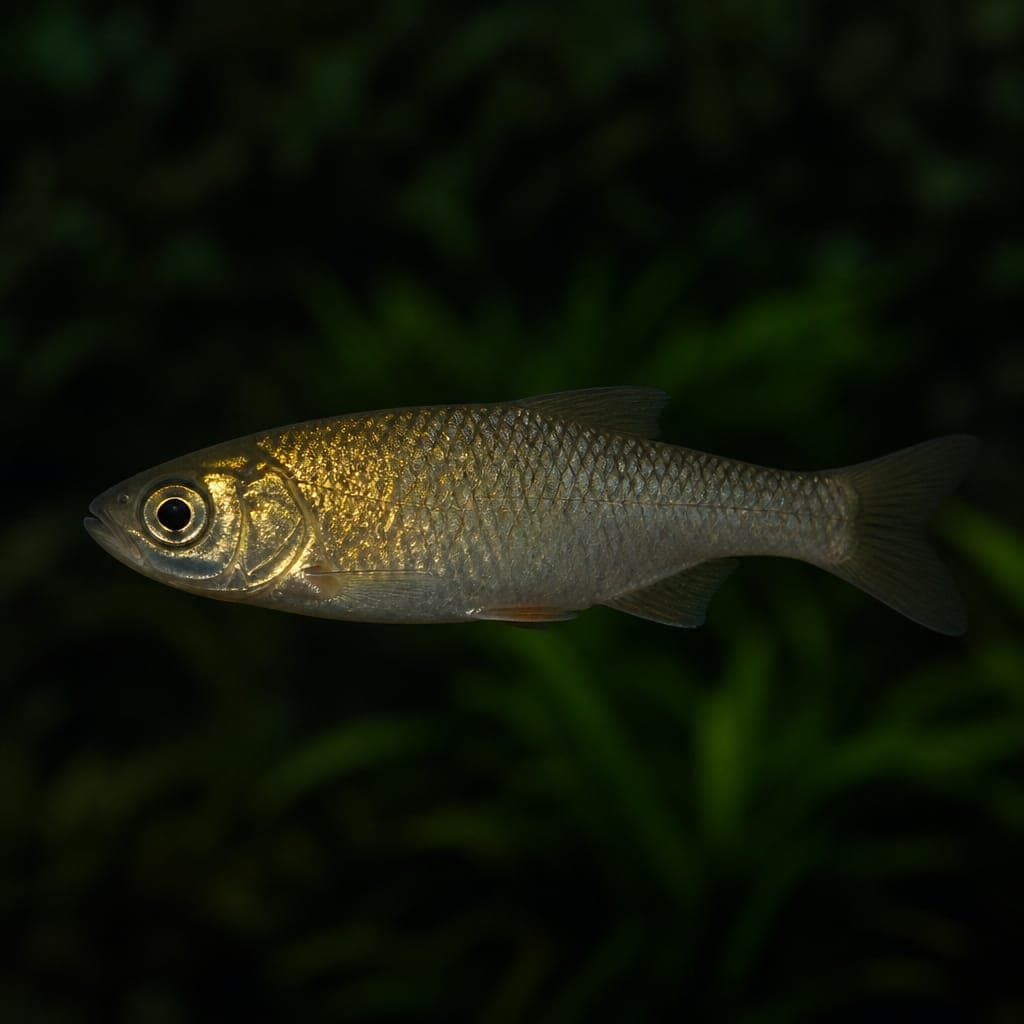
When selecting tank mates for Electric Blue Dempseys, it is essential to consider species that can tolerate similar water conditions and exhibit compatible temperaments. Suitable tank mates include larger cichlids, such as Oscars and Severums, as well as non-aggressive fish like Rainbowfish and some species of catfish, such as Plecos. It is vital to avoid smaller fish, as Electric Blue Dempseys may see them as potential food.
Aquarists are also advised to stay away from overly aggressive species or those that exhibit territorial behaviors similar to Electric Blue Dempseys. Fish such as aggressive barbs or certain species of tetras should be avoided, as they may stress and provoke aggression in the Dempsey. By ensuring the right mix of tank mates, the overall harmony of the aquarium can be enhanced.
Breeding
Breeding Electric Blue Dempseys can be a rewarding experience for aquarists, provided the fish are mature and healthy, usually around 6 months of age. To induce spawning, it is helpful to create a breeding environment with optimal conditions, including stable water temperatures around 80°F (27°C) and slightly acidic pH between 6.5 and 7.0. Providing flat surfaces, such as rocks or spawning slates, is crucial, as Electric Blue Dempseys often lay their eggs on these flat areas.
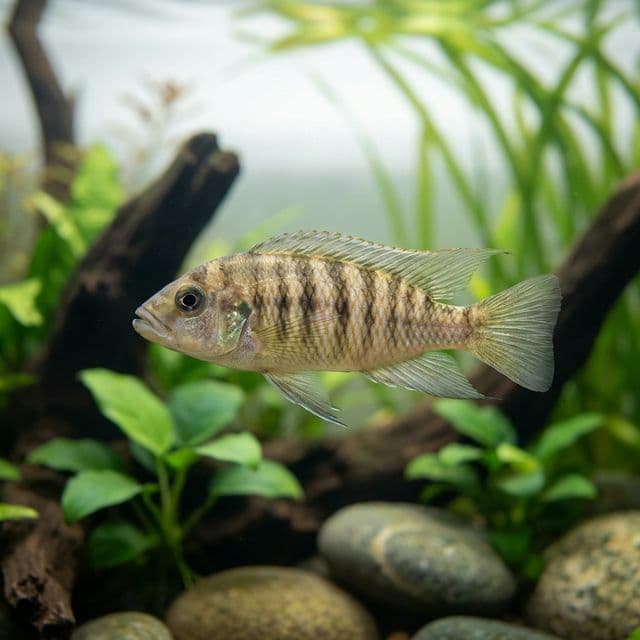
During breeding, they will exhibit courtship behaviors, with the male displaying vibrant colors to attract the female. After successful fertilization, the female will guard and tend to the eggs, typically laying between 100 to 500 eggs. It’s important to monitor their behavior; during this time, the parents can be quite protective and aggressive toward any perceived threats. Once the fry hatch and become free-swimming, it’s best to provide them with fine powdered food or specialized fry food until they grow larger.
Common Health Issues
Electric Blue Dempseys are susceptible to several health issues if not properly cared for. Common problems include ich (Ichthyophthirius multifiliis), a parasitic infection characterized by white spots on the skin, and fin rot, often resulting from poor water conditions. Additionally, they can suffer from velvet disease, which is caused by a parasite that gives the fish a velvety appearance.
To prevent these issues, maintaining high water quality through regular water changes and proper filtration is essential. Keep an eye on their environment and behavior, as any sudden changes in appetite or appearance can signal the onset of disease. Quarantine new fish and act quickly on early symptoms to keep Electric Blue Dempseys healthy.