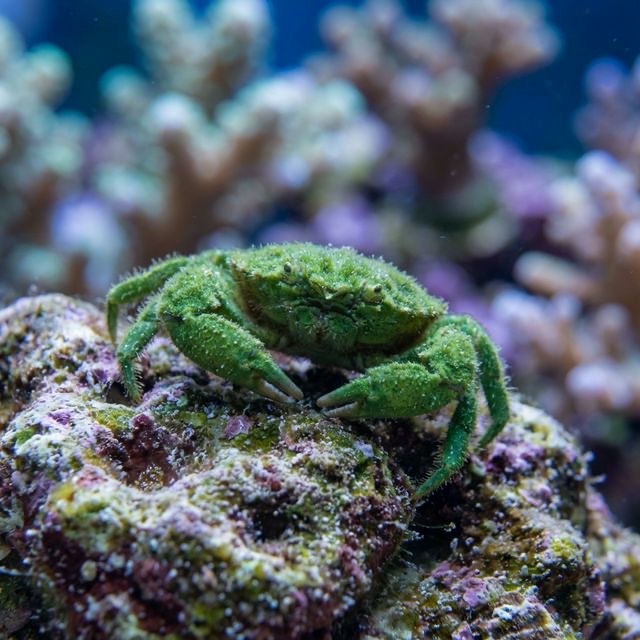
Emerald Crab: Mithraculus sculptus
A vibrant green crab famous for eating Bubble Algae (Valonia). A useful clean-up crew member that requires caution in reef tanks.
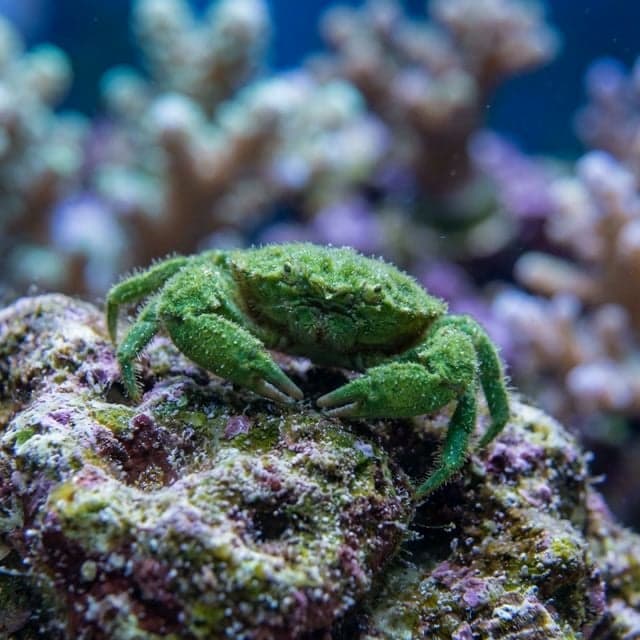
Emerald Crab
The Emerald Crab, scientifically known as Mithraculus sculptus, is a captivating species in the aquarium hobby, renowned for its vibrant green coloration and intriguing behaviors. These small, reef-safe crustaceans are both visually appealing and beneficial for aquarists, as they help maintain a healthy tank environment by controlling algae growth. Typically reaching a size of 2 to 3 inches, their unique coloration and delicate form make them an eye-catching addition to both freshwater and saltwater setups.
In addition to their aesthetic appeal, Emerald Crabs possess significant ecological importance in marine environments. They are natural scavengers that primarily consume algae, detritus, and decaying organic matter, thus playing a critical role in the health of coral reefs. Their efficient algae-eating habits and generally peaceful nature have rendered them a favored choice among hobbyists seeking to create balanced, sustainable aquatic ecosystems.
Natural Habitat & Origin
Emerald Crabs are native to the coastal waters of the Caribbean and the western Atlantic Ocean, where they inhabit coral reefs and rocky shorelines. These crabs thrive in clear, warm, shallow waters typically ranging from 23 to 30 degrees Celsius (73 to 86 degrees Fahrenheit) with a salinity level of about 1.020 to 1.025 in their natural habitats. They often seek refuge among coral formations and under rocks, making them essential participants in the diverse marine ecosystem, where they contribute to the biological balance.
The type of water these crabs inhabit is generally clear, with ample sunlight allowing for a vibrant growth of algae and other microorganisms. This clearwater ecosystem supports a multitude of marine life and provides a rich source of food for the Emerald Crab, featuring a variety of algae, detritus, and small invertebrates.
Care Requirements
When setting up an aquarium for Emerald Crabs, specific water parameters are essential to ensure their health and well-being. The ideal pH level for these crabs ranges from 8.1 to 8.4, with a temperature maintained comfortably between 24 to 28 degrees Celsius (75 to 82 degrees Fahrenheit). Additionally, the water hardness should be kept around 8 to 12 dKH, reflecting the conditions found in their natural habitat.
For optimal tank setup, a minimum tank size of 20 gallons is recommended, providing ample space for movement and hiding spots. Substrates of crushed coral or fine sand are ideal as they mimic their natural environment. Emerald Crabs enjoy plenty of hiding places formed by rocks and live plants, which not only serve as shelter but also help maintain water quality by providing surfaces for beneficial bacteria. A moderate lighting setup is advisable to encourage the growth of algae, which is a fundamental part of their diet.
Diet & Feeding
Emerald Crabs are omnivorous, primarily feeding on algae, detritus, and decaying organic material. In a home aquarium, their diet can be supplemented with high-quality algae-based flakes and pellets designed for herbivorous marine fish. They will also enjoy occasional treats of frozen or live foods, including brine shrimp, mysis shrimp, and finely chopped seafood. Offering a varied diet will ensure that the Emerald Crab receives essential nutrients and help maintain their vibrant coloration.
To promote healthy feeding habits, it’s recommended to provide small amounts of food multiple times a week rather than overloading the tank with excess food. This not only stimulates their natural foraging behavior but also keeps the tank clean by preventing the buildup of uneaten food.
Behavior & Temperament
Emerald Crabs are known for their generally peaceful and inquisitive temperament, making them suitable for community tanks. They exhibit interesting behaviors, such as climbing over surfaces and scavenging for food. While they are social creatures, they don’t form strict schools; rather, they thrive in small groups where they can establish their own territory. Due to their small size, they peacefully coexist with a variety of tank mates, wherein they primarily occupy the lower levels of the aquarium.
However, it's important to monitor them closely, especially in a community tank, as they can display territorial behavior towards other crabs and shrimp. Their placement in the tank should primarily be towards the bottom, where they can easily navigate their environment and fulfill their foraging needs.
Tank Mates
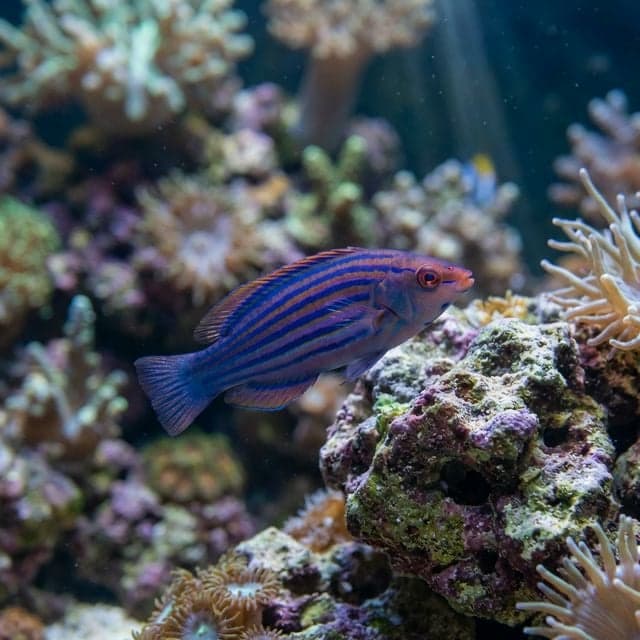
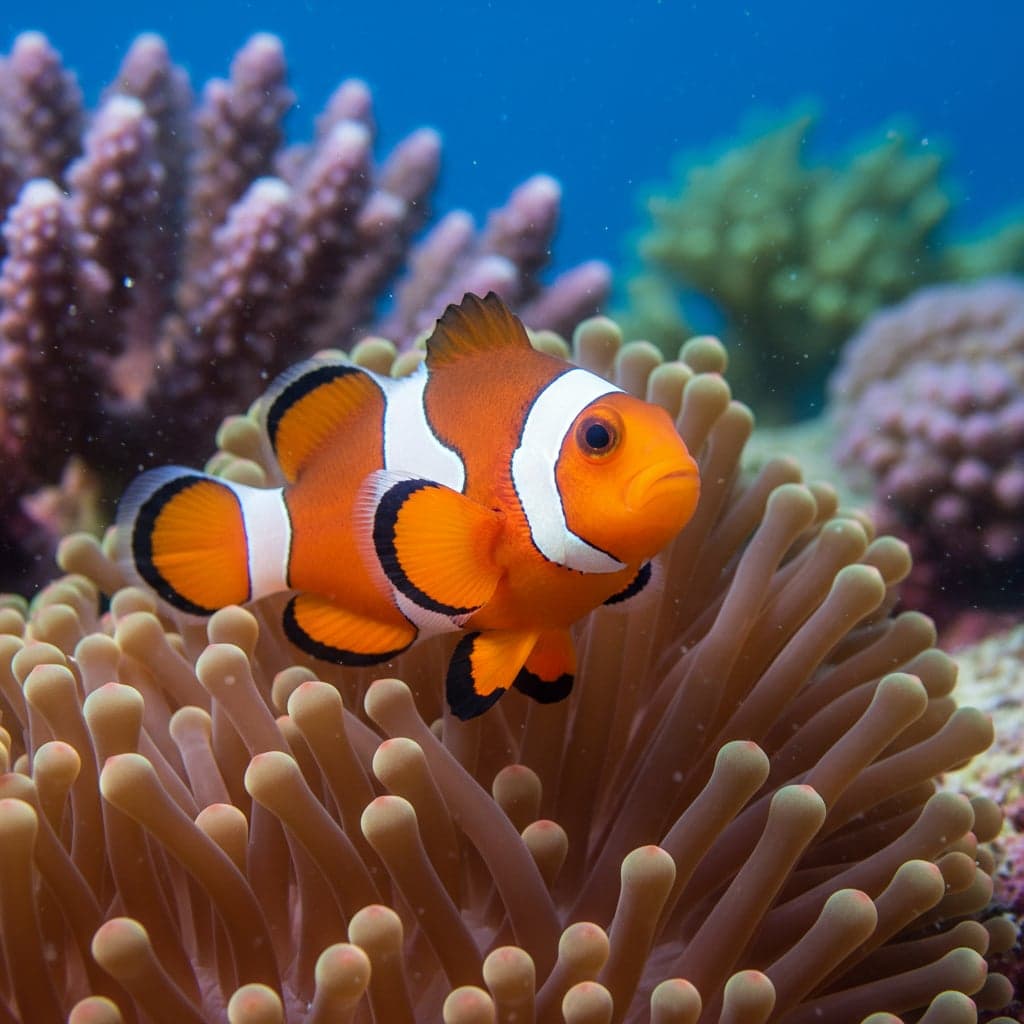
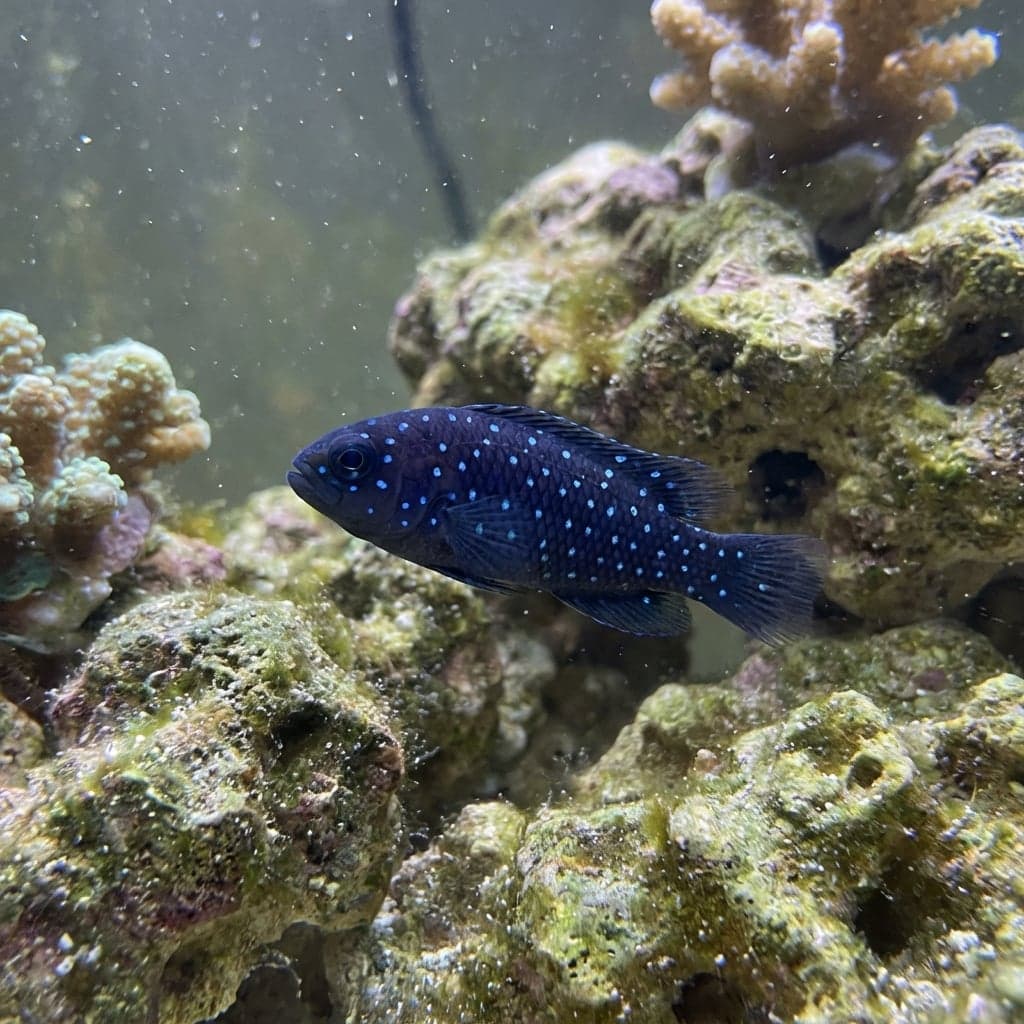
Emerald Crabs can be kept with a variety of compatible species, making them versatile for community tanks. Suitable tank mates include small to medium-sized fish such as clowns, gobies, and dottybacks, as well as peaceful invertebrates like snails and other crabs of similar sizes. It’s important to avoid aggressive fish species or large predators, which may pose a threat to the safety of the Emerald Crab.
Species to avoid include larger angelfish, triggers, and lionfish, as their predatory instincts may lead to hostility. Choosing tank mates wisely will create a harmonious aquatic environment, allowing all creatures to thrive alongside the Emerald Crab.
Breeding
Breeding Emerald Crabs in captivity can be quite challenging, as their spawning behaviors are not often witnessed in home aquariums. Like many marine crustaceans, they require specific conditions for successful reproduction. A breeding tank equipped with stable water parameters and ample hiding spots is essential, while mimicking their natural habitat will aid in creating the right environment.
To promote breeding, it's crucial to ensure the presence of both male and female crabs, as well as optimal water conditions—a pH of 8.2 to 8.4, temperature maintained at 26 degrees Celsius (79 degrees Fahrenheit), and good water quality through filtration and regular maintenance. If spawning occurs, the larvae will need to be reared in a separate tank, as they require different water conditions and food sources than the adults.
Common Health Issues
Emerald Crabs are generally robust species; however, they can be prone to certain health issues typical of crustaceans. Some common diseases include molting problems, which can arise from unsuitable water conditions or stress. Frequent checks of water parameters and maintaining a stable environment can help prevent these issues.
Additionally, they can be affected by pests and parasites such as isopods or flatworms. Quarantine new tank mates and maintain a healthy diet to bolster their immune systems and prevent infestations. Regular monitoring and prompt treatment at the first sign of distress will assist in keeping your Emerald Crab healthy and thriving in the aquarium environment.