Emperor Angelfish
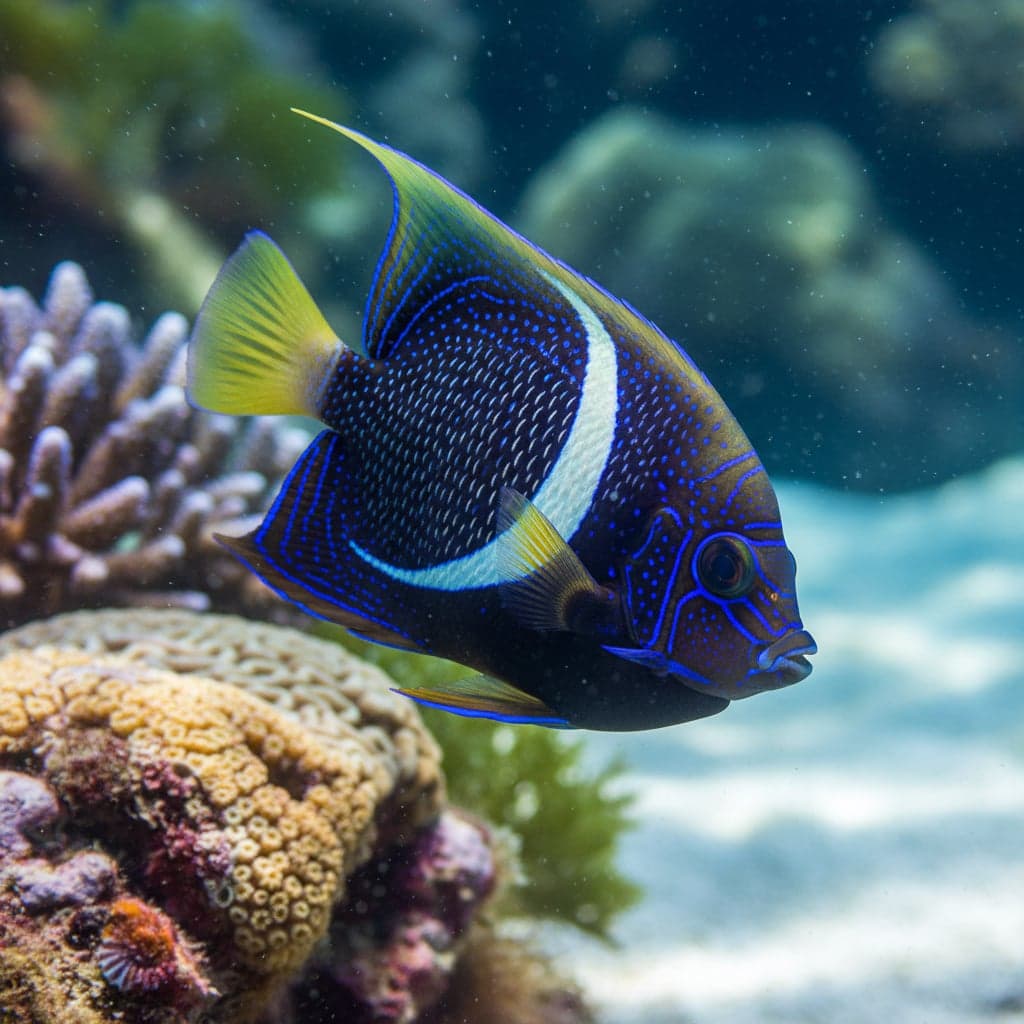
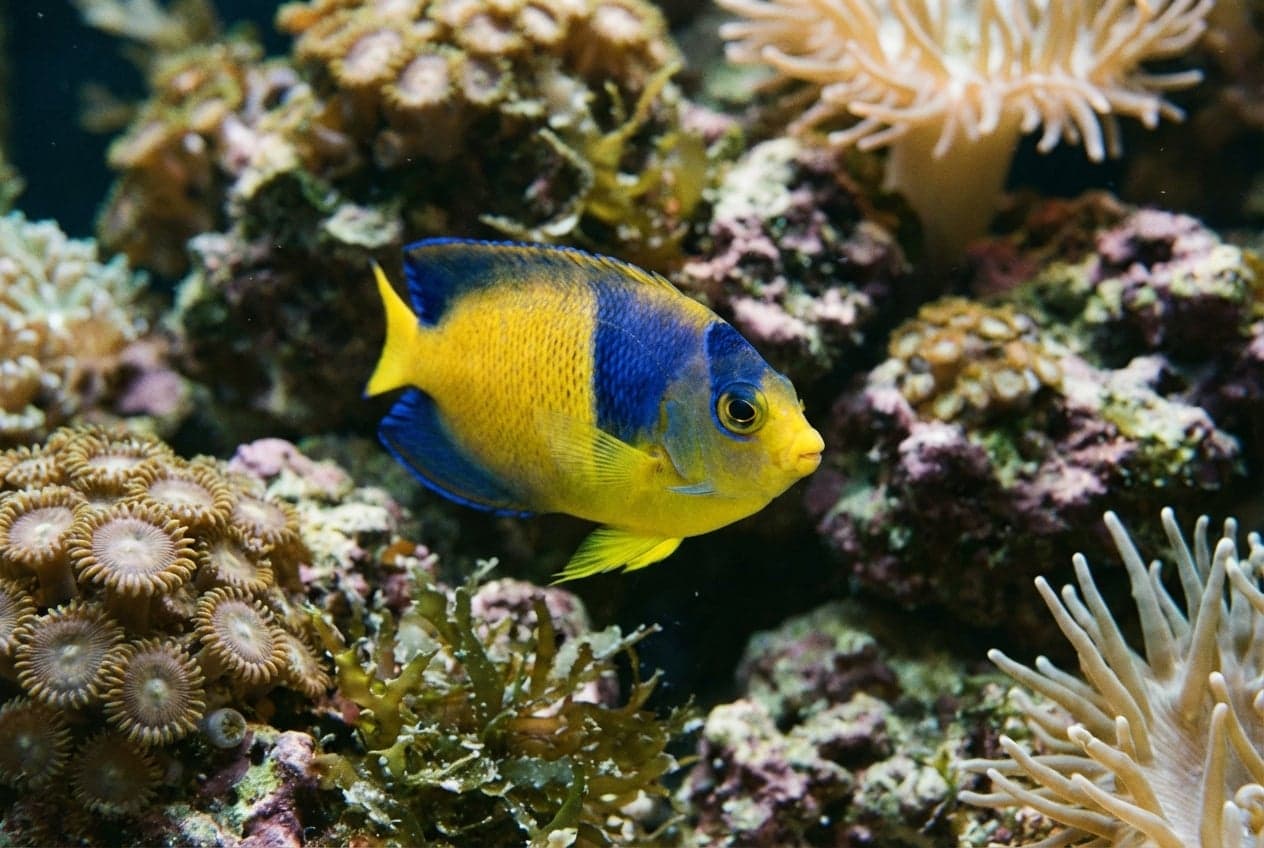
A 40cm angelfish whose juvenile and adult look like different species. Needs 1,100L+ and will sample corals — a lifetime commitment, not a display fish.
Emperor Angelfish
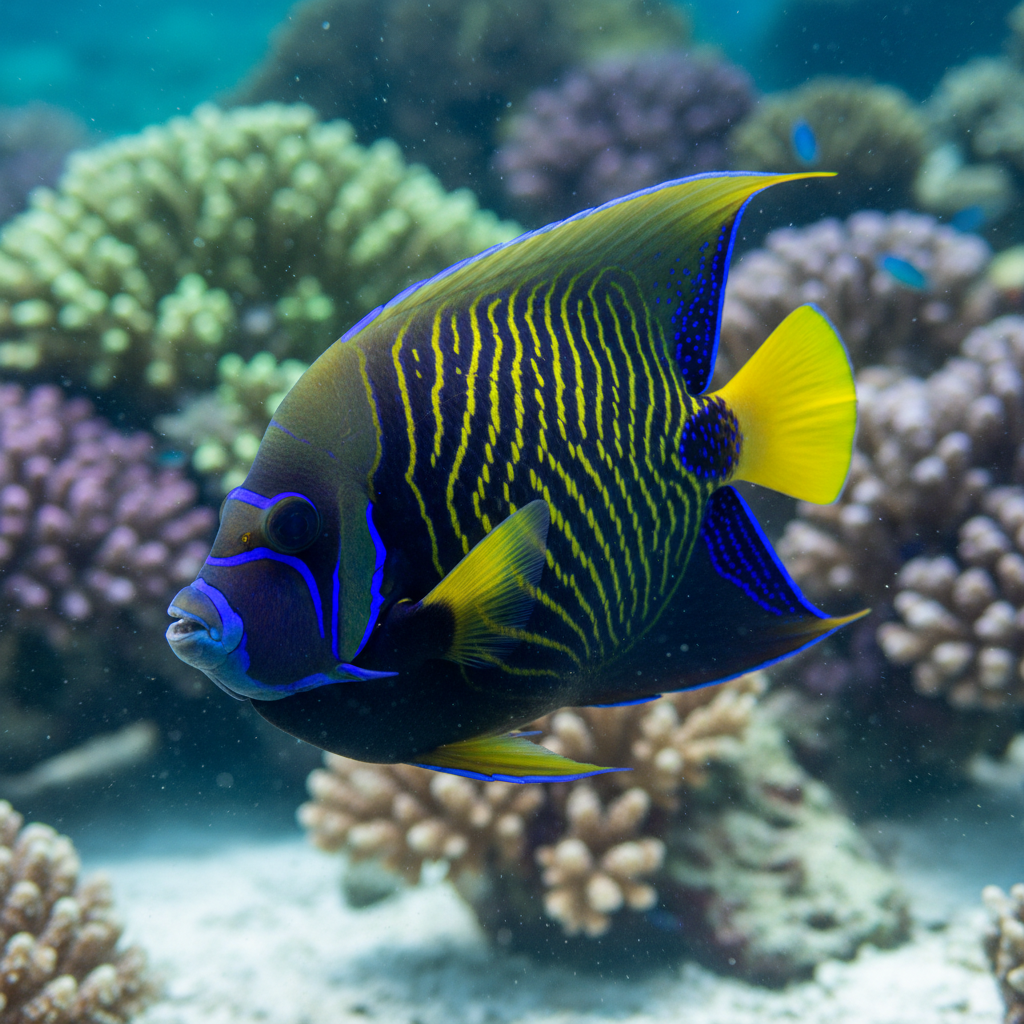
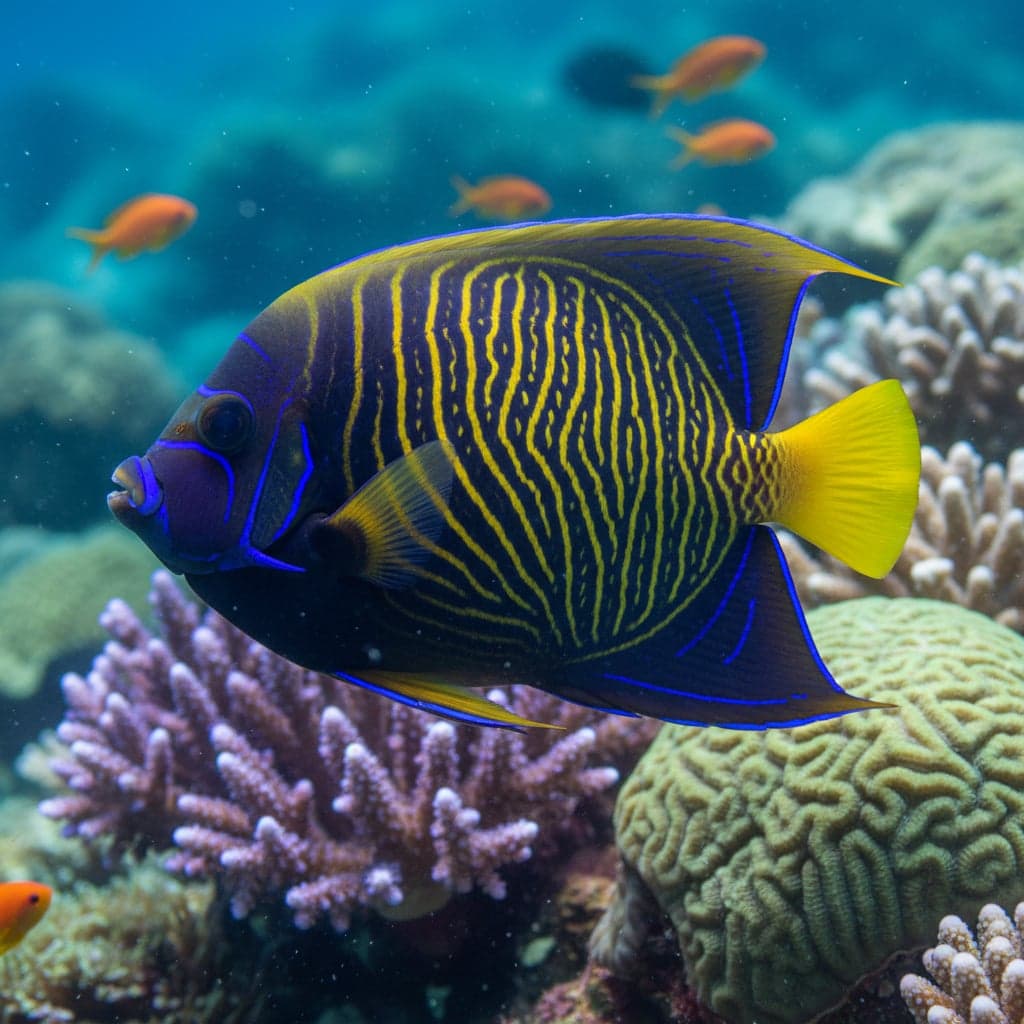
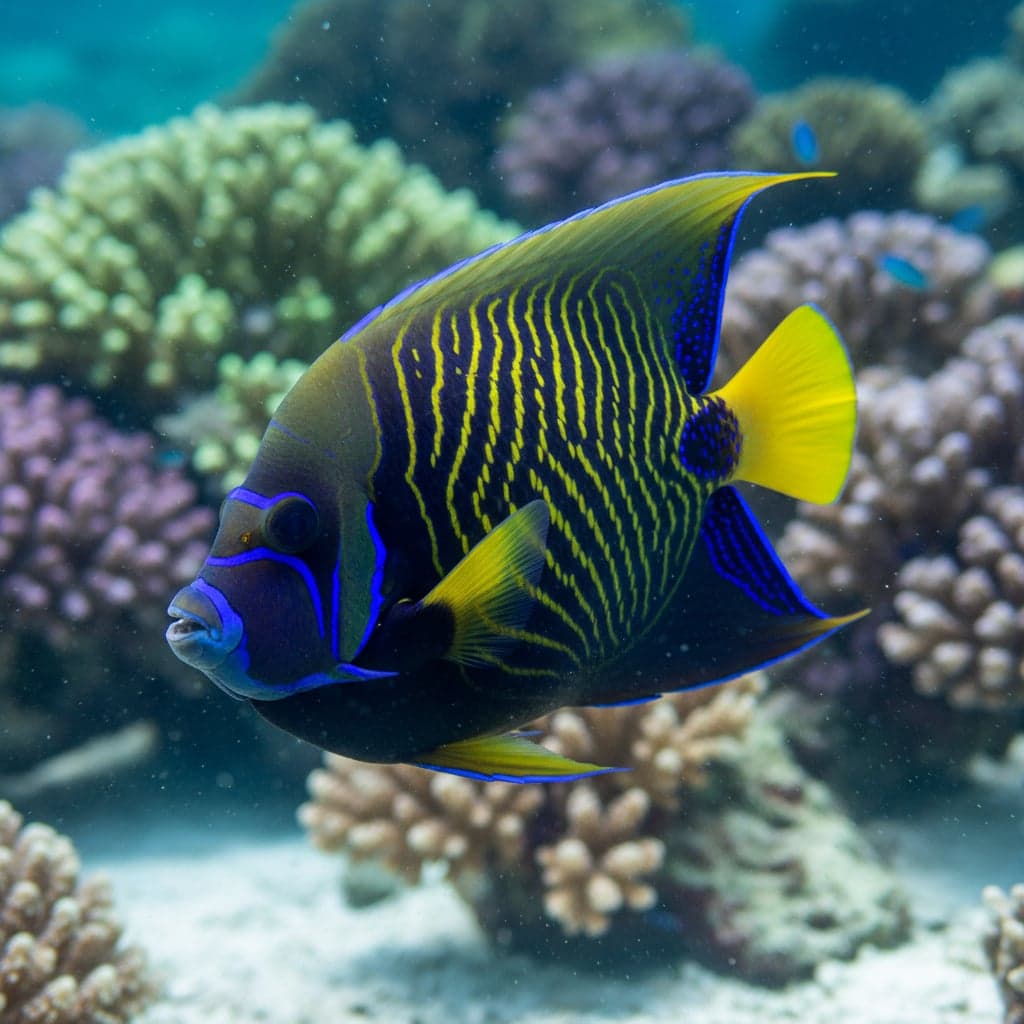
The Emperor Angelfish (Pomacanthus imperator) is a stunning marine species known for its vibrant coloration and striking patterns. Featuring a deep blue body adorned with intricate yellow and black markings, this fish is not only a feast for the eyes but also a prized addition to many saltwater aquariums. Renowned for its lively personality and elegance in movement, the Emperor Angelfish embodies the essence of the ocean's beauty. Its unique appearance and captivating nature make it a noteworthy choice for both novice and experienced aquarists alike, often symbolizing the charm and diversity found in marine environments.
Beyond aesthetics, the Emperor Angelfish holds significant cultural value in the aquarium hobby, often seen as a gateway species for those looking to explore the deeper realms of marine aquatics. Its reputation extends to the vast coral reefs of the Indo-Pacific region where it is naturally found, making it an ambassador for ocean conservation awareness. Marine enthusiasts often covet this fish, not only for its beauty but also for the challenges and rewards it presents, setting the stage for dedicated aquarium maintenance and species understanding.
Natural Habitat & Origin
The Emperor Angelfish is primarily native to the warm waters of the Indo-Pacific, including regions such as the Red Sea, the Solomon Islands, and Hawaii. This fish typically inhabits rocky and coral-laden areas of reefs at depths ranging from 1 to 50 meters, favoring locations where it can find shelter and a variety of food sources. Overall, the Emperor Angelfish thrives in clear warm waters characterized by high salinity and stable temperatures, essential factors for its growth and well-being.
Ecologically, the Emperor Angelfish plays a crucial role within its habitat, contributing to the health of coral reef ecosystems by feeding on algae and small invertebrates, thus maintaining a balance within the aquatic community. The complex environments in which they reside not only provide physical safety but also abundant nutrition, making them a fascinating subject of study for marine biologists and aquarium hobbyists alike.
Care Requirements
To successfully maintain Emperor Angelfish in captivity, it is essential to replicate their natural habitat as closely as possible. The ideal water parameters for this species include a pH level between 8.1 and 8.4, a temperature range of 75°F to 82°F (24°C to 28°C), and a hardness of 8 to 12 dGH. Stable water conditions are crucial, so regular testing and maintenance should be prioritized to ensure a healthy environment.
As for tank setup, a minimum aquarium size of 1,100 litres (290 gallons) is recommended — a 40cm Pomacanthus needs that volume for swimming room and the waste load of a large angelfish. The tank should feature plenty of hiding spots through the use of live rocks, coral formations, and suitable substrates such as aragonite sand. Proper lighting is vital as well, with moderate levels to simulate their natural environment, which encourages both the natural behavior and the growth of beneficial algae that they can feed on. Additionally, maintaining good water movement within the tank will help simulate natural currents and contribute to overall water quality.
Diet & Feeding
In the wild, the Emperor Angelfish is an omnivore with a varied diet primarily consisting of algae, reef invertebrates, and small crustaceans. In captivity, a balanced diet is necessary to maintain their health and vibrant coloration. High-quality marine flakes and pellets designed for angelfish, along with frozen formulations featuring spirulina, marine algae, and meaty offerings like shrimp, are highly recommended. Providing occasional live foods, such as brine shrimp or mysis shrimp, can enhance their diet and stimulate natural foraging behavior.
Feeding should be done multiple times a day in small portions to simulate their natural foraging patterns. An important note is to monitor their feeding closely, as Emperor Angelfish can be prone to overeating, which could lead to health complications. This omnivorous diet ensures comprehensive nutrition, essential for vibrant coloration and vivacious behavior.
Behavior & Temperament
Emperor Angelfish exhibit a range of behaviors that reflect their natural social structures. They are relatively territorial, especially when it comes to defending their space within the aquarium. While generally peaceful towards their tank mates, they may display aggression towards other angelfish species or fish with similar body shapes or colors. Ideally, it is best to keep them in a species-specific environment or alongside compatible community fish to minimize conflicts.
In terms of tank positioning, the Emperor Angelfish is a mid-to-bottom dwelling species, often found exploring various sections of the tank. They enjoy swimming through rock formations, which serve as both a shelter and a hunting ground for food, demonstrating active swimming patterns and inquisitive nature.
Tank Mates
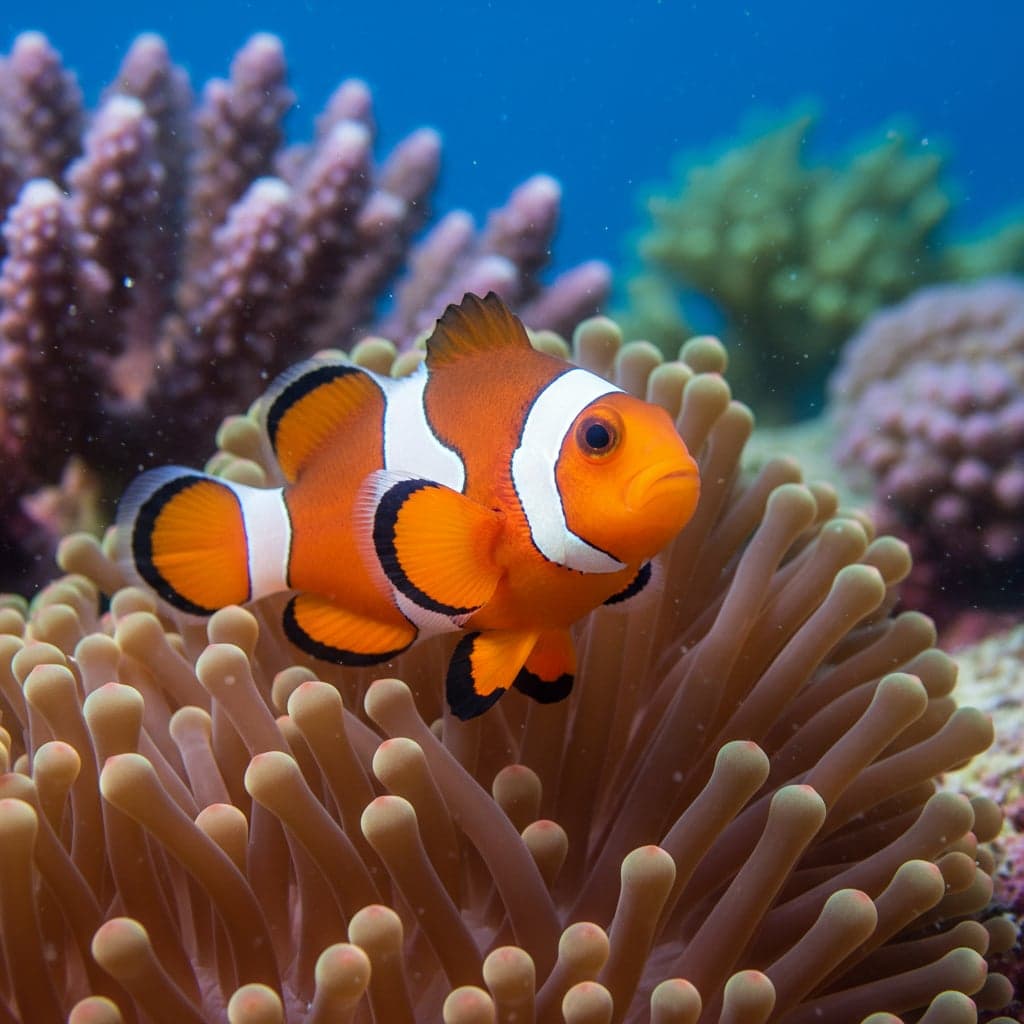
When selecting tank mates for the Emperor Angelfish, consider species that share similar environmental and dietary needs. Compatible tank mates may include robust fish such as clowns (e.g., Ocellaris Clownfish), rabbitfish, and anthias. While Emperor Angelfish can coexist with various community fish, it is critical to avoid housing them with other angelfish or similarly shaped species to prevent aggression and territorial disputes.
Species to avoid include smaller fish that may be seen as prey, such as neon tetras or small gobies. Additionally, it is wise to keep them away from overly aggressive species like triggers and large wrasses, which may provoke stress or confrontations, disrupting the overall harmony of the tank.
Breeding
Breeding Emperor Angelfish in captivity is a challenging yet rewarding endeavor that requires specific conditions to mirror their natural spawning habits. Generally, this species is a protandrous hermaphrodite, meaning they can change sex under certain conditions, typically beginning life as males and potentially becoming females. Spawning typically occurs when pairs are formed, often during the nighttime of the lunar cycle, as they engage in courtship behaviors.
For successful breeding, it is advised to have a separate breeding tank of significant size, ideally exceeding 75 gallons, equipped with plenty of hiding spaces and flat surfaces for egg deposition. Maintaining stable water parameters, along with elevated temperatures and good filtration, will create an optimal environment for breeding. It is essential to mimic natural light cycles and provide a varied diet to support both the breeding pair and the conditioning of fry.
Common Health Issues
Emperor Angelfish may be prone to several common aquatic diseases, including marine ich (Cryptocaryon irritans), flukes, and viral infections. To prevent these issues, it is crucial to maintain optimal water quality, with regular water changes, appropriate filtration, and proper tank maintenance. Additionally, quarantining new fish before introducing them into the main tank can help prevent the transmission of pathogens.
Routine health checks and observing their feeding behavior will also aid in early detection of health problems. Providing a varied and nutritious diet is essential for bolstering their immune system, helping prevent disease. Should any signs of illness or distress appear, swift action should be taken to treat the afflicted fish promptly, minimizing the risk of spreading to other inhabitants within the aquarium.