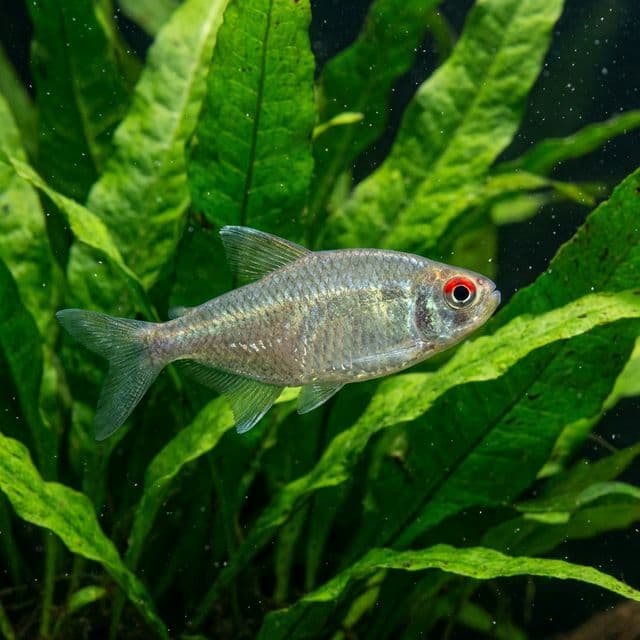
Emperor Tetra: Nematobrycon palmeri
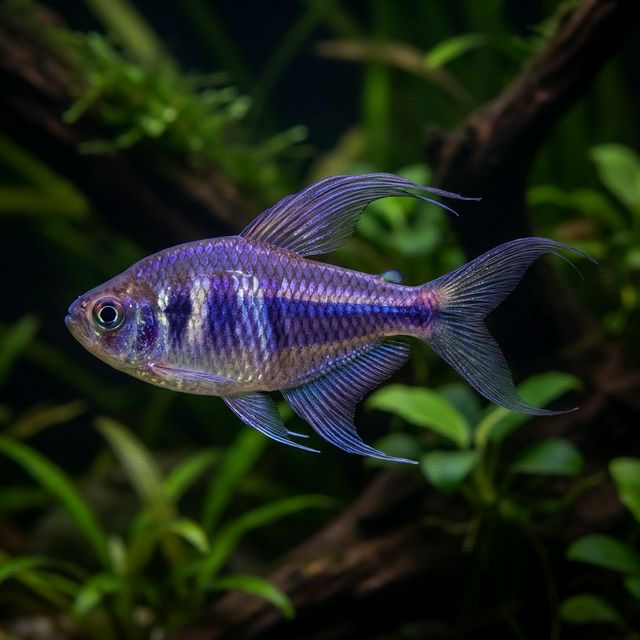
A regal tetra with a trident-shaped tail and purple/blue body. Males have stunning extended fin rays.
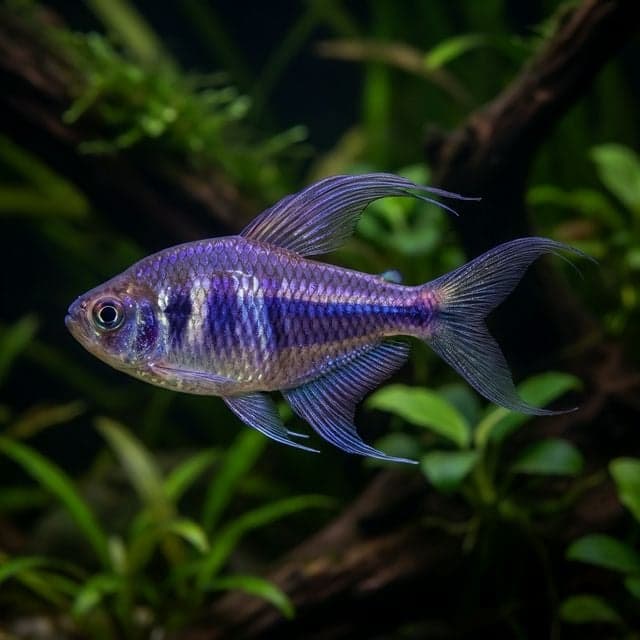
Emperor Tetra
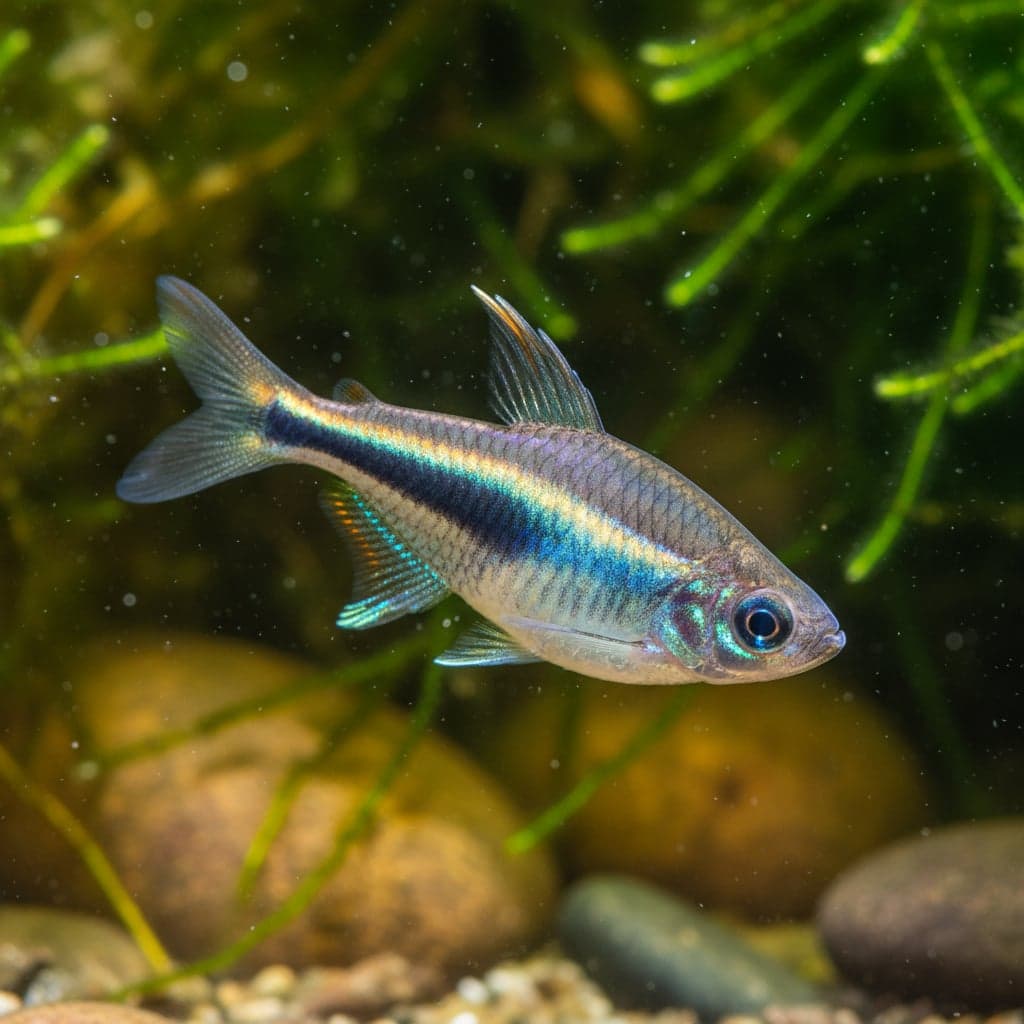
The Emperor Tetra, scientifically known as Nematobrycon palmeri, is a captivating freshwater fish that has garnered attention for its stunning coloration and peaceful nature. Native to the waters of South America, primarily found in rivers and streams of Colombia, this small fish reaches an average size of around 2.5 inches (6.35 cm) when fully grown. Its iridescent blue and yellow hues, along with a distinctive black spot located on its dorsal fin, make it a visual delight in both community and specialist aquariums. The unique aesthetic of the Emperor Tetra, combined with its tranquil demeanor, has made it a favorite among aquarists, who appreciate its ability to bring a vibrant splash of color to aquariums of all sizes.
The significance of the Emperor Tetra in the aquarium hobby extends beyond its beauty; it also plays a vital role in promoting a well-balanced community tank. As a schooling fish, it thrives in the company of its own kind and contributes to the overall dynamic of an aquarium. The addition of these tetras not only enhances the visual appeal but also influences the behavioral patterns of other species within the tank. As the fish navigate through the foliage, displaying their vibrant swim and engaging with one another, they create a lively environment that is both enjoyable for the aquarist and beneficial for the aquarium ecosystem.
Natural Habitat & Origin
The Emperor Tetra is native to the fresh waters of the Orinoco River basin in Colombia. This region showcases a complex tapestry of waterways where blackwater streams are prevalent. Blackwater, characterized by its low pH and high acidity, results from the decomposition of organic matter, which contributes to the tea-stained appearance of the water. These fish have adapted to live in slow-moving waters that are rich in leaf litter and submerged vegetation, providing both food sources and hiding spots. The environment is often shaded by dense canopy cover, contributing to a dimly lit atmosphere that these fish thrive in.
In their native habitats, Emperor Tetras inhabit waters that typically range from soft to moderately hard with a neutral to slightly acidic pH (usually between 6.0 and 7.5). The temperature in these streams is generally stable, maintaining around 75°F to 82°F (24°C to 28°C). Understanding these natural conditions is crucial for replicating a suitable aquarium environment that promotes the health and well-being of these beautiful fish.
Care Requirements
To ensure the wellbeing of the Emperor Tetra, it is essential to replicate their natural habitat as closely as possible. The recommended minimum tank size for a small school of Emperor Tetras is 20 gallons. The substrate should be soft and sandy with plenty of leaf litter or peat to simulate their natural environment. Moreover, incorporating a variety of live plants, such as Java moss and floating plants, will help provide shelter and reduce light intensity, creating a comfortable environment for these fish.
Water parameters are critical for the Emperor Tetra’s health. A pH level between 6.0 and 7.5 should be maintained, along with a temperature range of 75°F to 82°F (24°C to 28°C). The hardness of the water should ideally be between 2 and 12 dGH. It is also advisable to incorporate a filtration system that creates mild water movement; however, care should be taken to avoid strong currents that may stress the fish. Lighting should be subdued, emulating the shaded conditions of their native habitat to promote a sense of security.
Diet & Feeding
The Emperor Tetra is an omnivorous species with a varied diet that enables them to thrive in captivity. In the wild, they primarily consume small invertebrates, zooplankton, and plant matter, leading to a versatile feeding regimen. For home aquariums, a balanced diet should consist of high-quality flakes or micro pellets, which serve as a staple food source. Additionally, frozen or live foods, such as brine shrimp, daphnia, and bloodworms, are highly suitable and should be offered as enrichment to enhance their coloration and overall health.
It's essential to feed Emperor Tetras multiple times a day in small portions, ensuring all food is consumed within a few minutes to maintain water quality and prevent overfeeding. A well-rounded diet plays a critical role in their vitality and helps maintain their vibrant colors, which can fade if they are not properly nourished.
Behavior & Temperament
Emperor Tetras are known for their peaceful disposition, making them excellent candidates for community aquariums. They exhibit strong schooling behavior and thrive best when kept in groups of at least six—or preferably, more. This schooling tendency not only boosts their confidence but also encourages natural behaviors, such as swimming in unison and socializing with tank mates. Their interactions are usually characterized by gentle displays of swimming and occasional dashes through the water column, making them a lively addition to any aquarium.
While generally non-aggressive, it is important to keep Emperor Tetras with similarly sized, non-aggressive species to prevent stress. They typically occupy the middle to upper regions of the tank but are not shy about exploring lower sections, especially when they feel secure with ample hiding spots. Encouraging a nurturing environment rich in plants and decorations allows them to feel safe, promoting more natural behaviors.
Tank Mates
When choosing tank mates for the Emperor Tetra, it is vital to select species that share similar care requirements and temperaments. Ideal companions include small to medium-sized peaceful fish such as Corydoras catfish, rasboras, and various species of dwarf gouramis. Other compatible species include kuhli loaches and neocaridina shrimp, which are non-competitive and can coexist harmoniously.
Conversely, it is advisable to avoid aggressive fish or larger species that may see the Emperor Tetra as prey. Fish like cichlids, especially those with territorial tendencies, and faster, nippy species, such as certain types of barbs, could pose stress and potential harm. A well-planned community tank allows for a balanced ecosystem where all species can thrive without competition or aggression.
Breeding
Breeding the Emperor Tetra in captivity can be a rewarding challenge, though it requires specific conditions to encourage spawning. To facilitate successful breeding, a separate breeding tank of around 10 gallons is recommended. The breeding tank should contain soft, acidic water, a gentle filtration system, and plentiful fine-leaved plants or spawning mops where the female can lay her eggs. A temperature of around 78°F (26°C) is ideal during this period.
Courtship behavior is typically initiated by the males, who will perform displays of colors and swimming patterns to attract females. Once ready, the female will scatter eggs over the plants; a single spawn can produce up to 200 eggs. After spawning, it is essential to remove the parents from the breeding tank to prevent them from eating the eggs. The eggs will typically hatch within 24 to 36 hours, and the fry should be fed infusoria or finely crushed flakes until they are large enough to consume more substantial food.
Common Health Issues
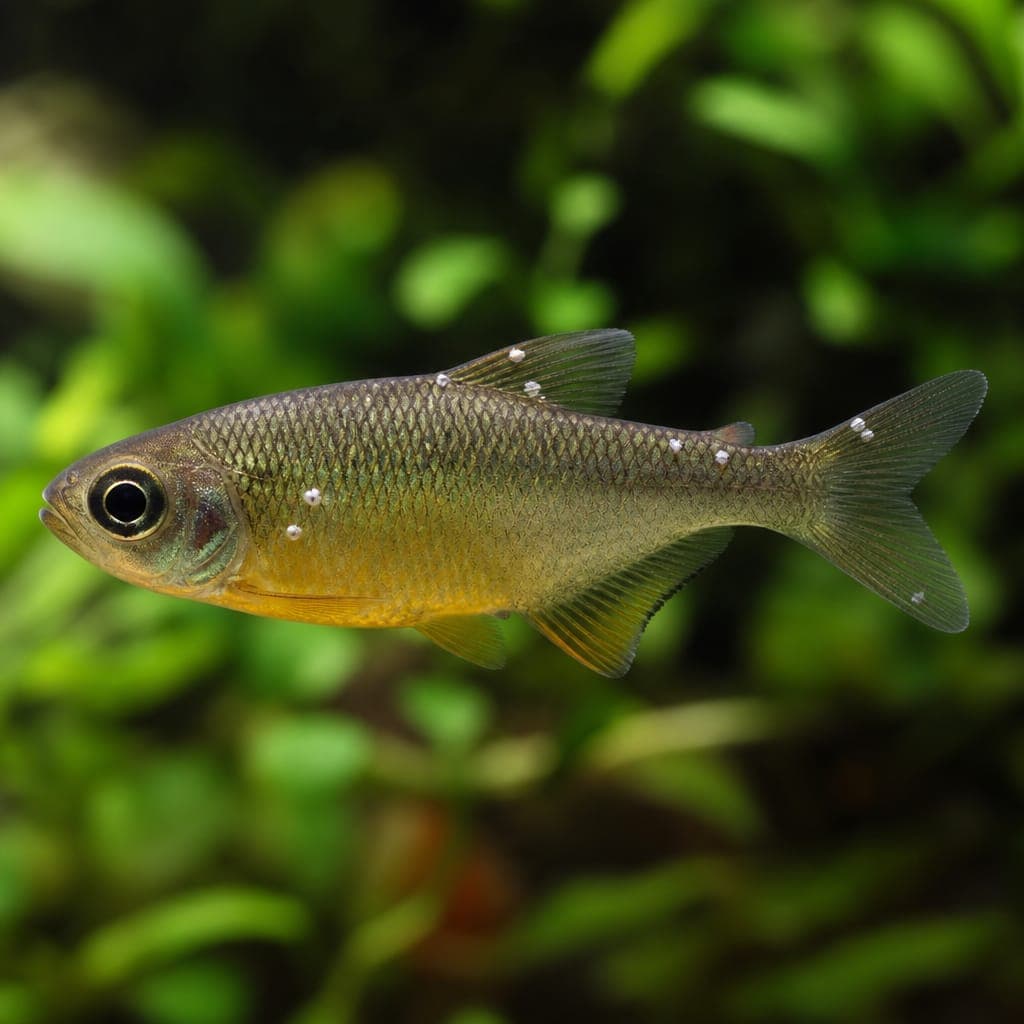
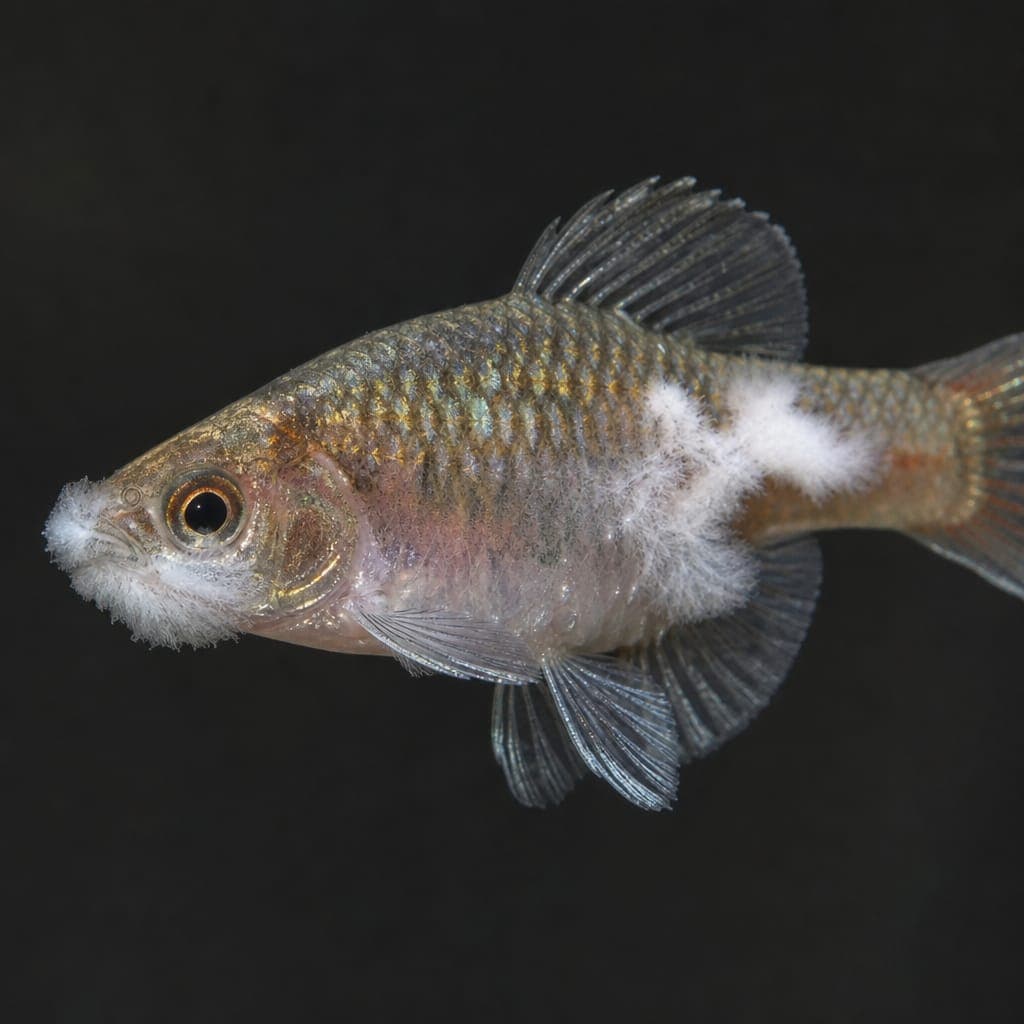
Like all aquarium fish, Emperor Tetras can be susceptible to certain health issues, particularly if their environmental conditions are not adequately maintained. Common ailments include ich (Ichthyophthirius multifiliis), fin rot, and fungal infections. Ich can present as white spots on the body, while fin rot appears as frayed or discolored fin edges. Maintaining stable water parameters, performing regular water changes, and quarantining new fish greatly reduce risk. Prompt treatment at the first sign of illness helps Emperor Tetras recover fully and keep their vivid colors.