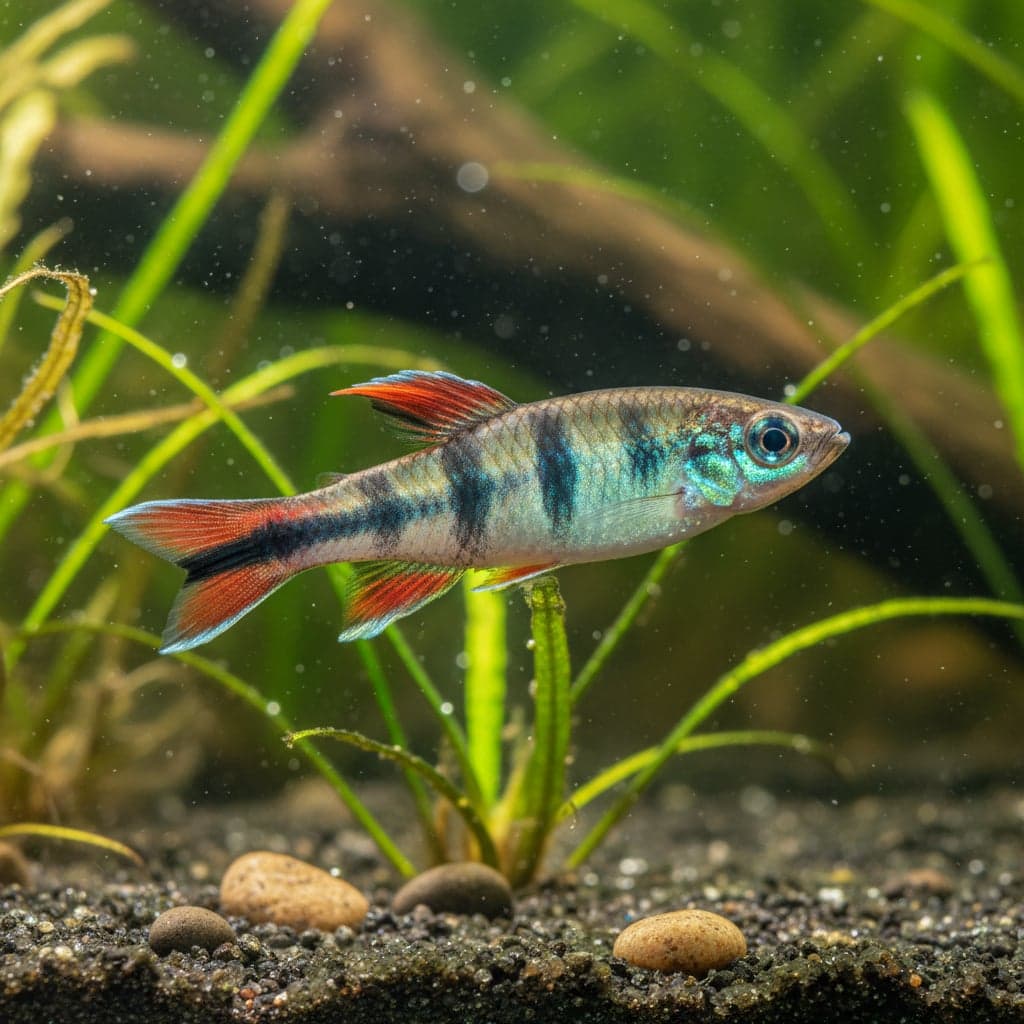
Fairy Cichlid: Neolamprologus brichardi
The Princess of Burundi. Features elegant lyre-shaped fins and a cooperative colony breeding structure.
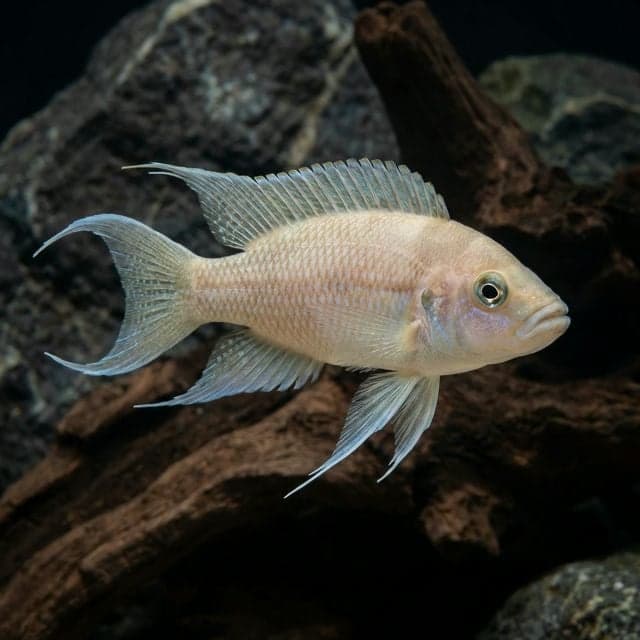
Fairy Cichlid
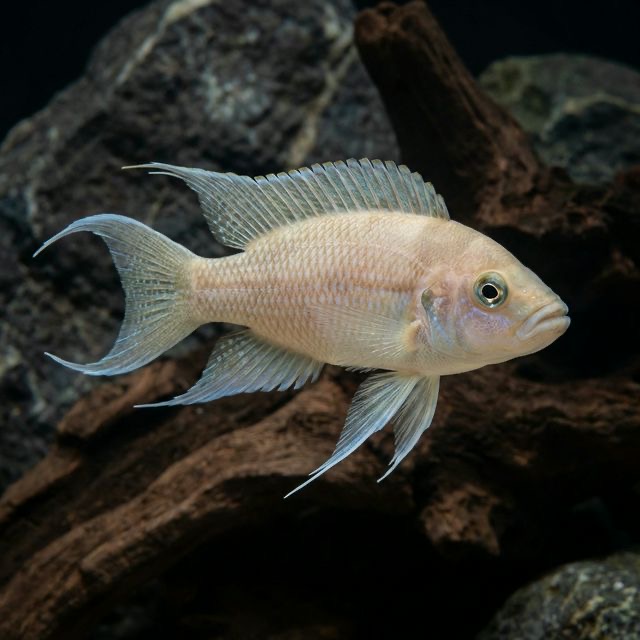
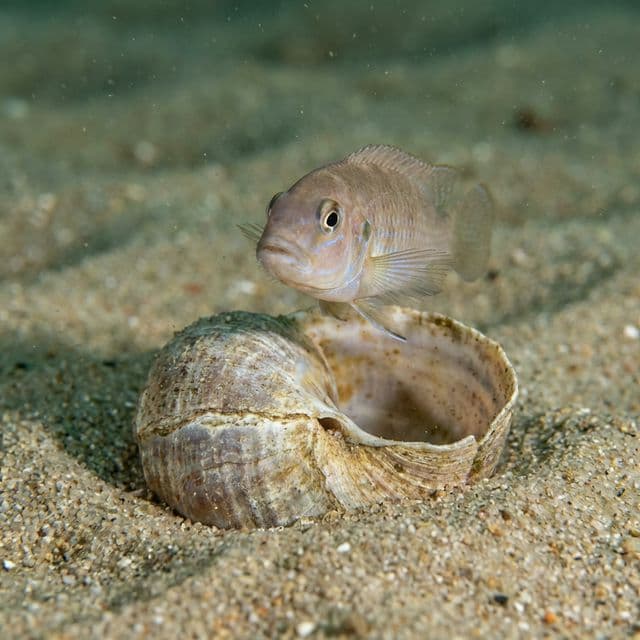
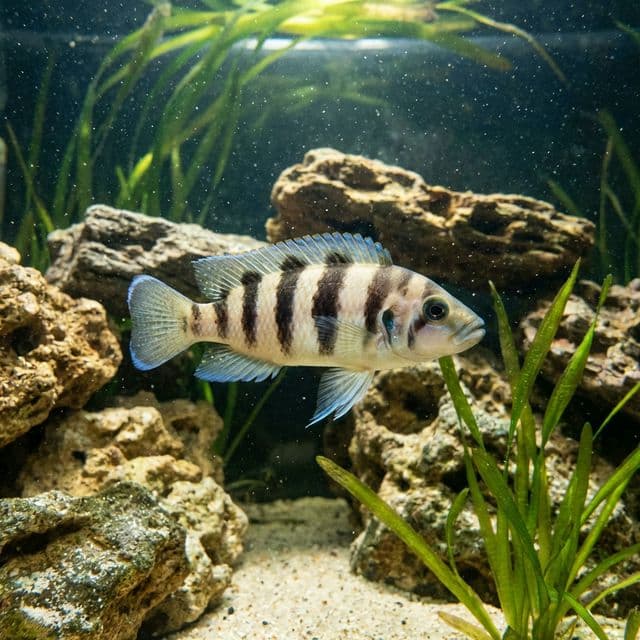
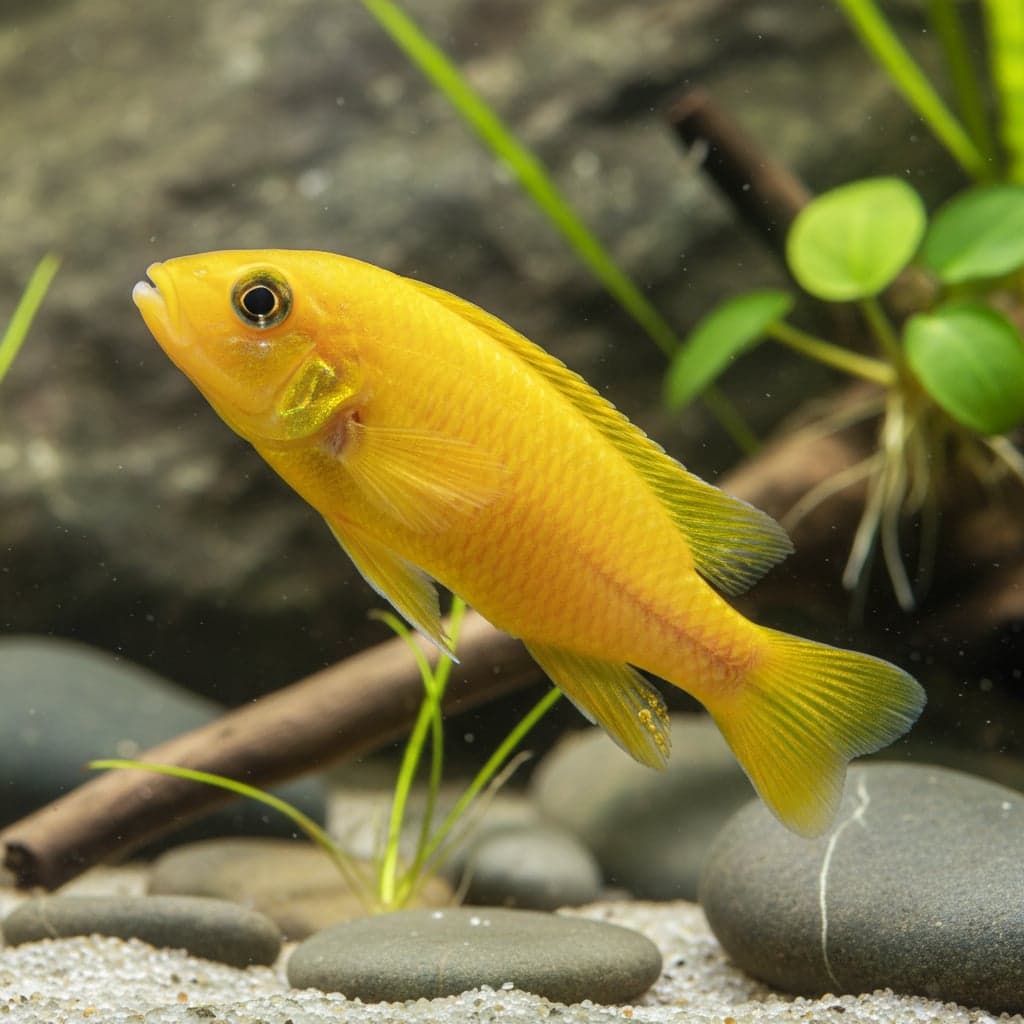
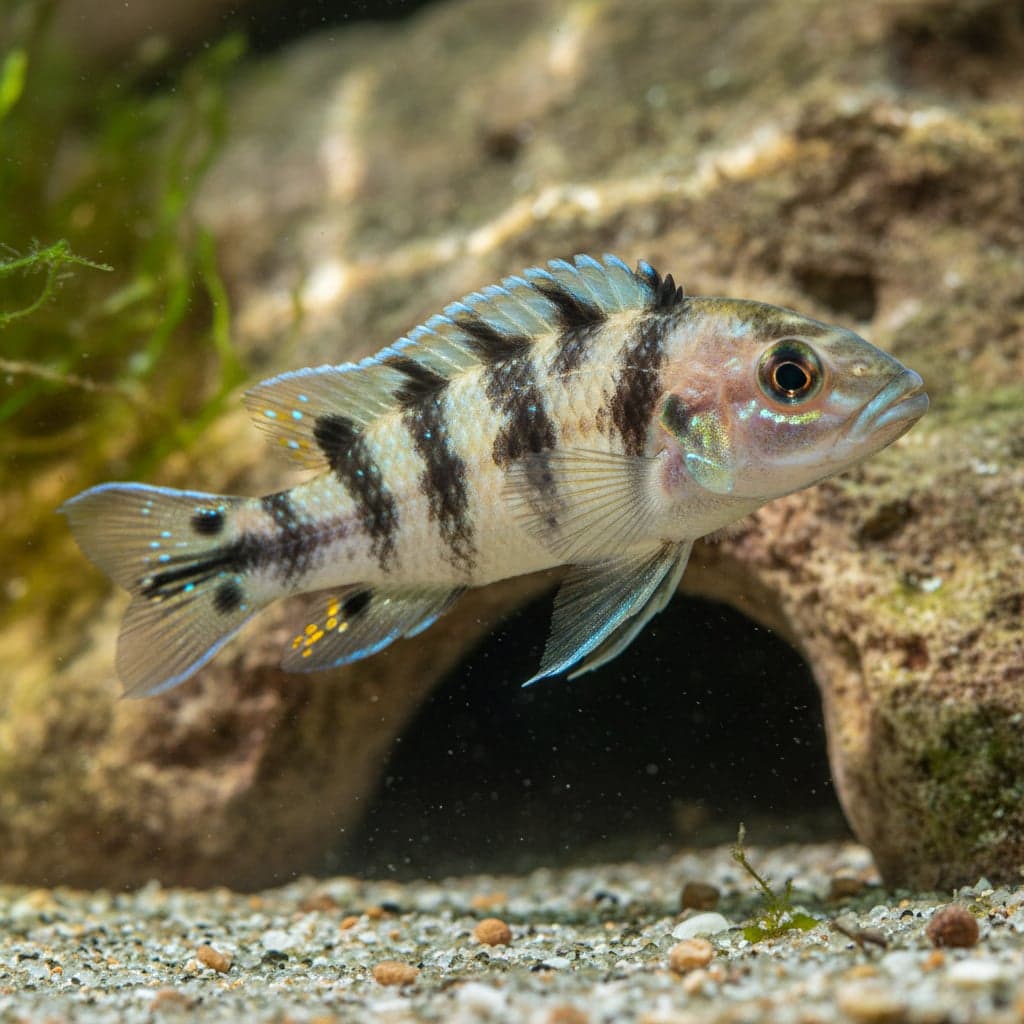
The Fairy Cichlid, scientifically known as Neolamprologus brichardi, is a vibrant and captivating freshwater fish that has gained popularity among aquarium enthusiasts worldwide. Famous for its elegant appearance, this cichlid exhibits a striking combination of iridescent blues and yellows, with long, flowing fins that create an almost ethereal spectacle in the water. Often referred to as the "Brichardi Cichlid," it stands out in aquariums, not only for its coloration but also for its unique behavior and social structure. As a centerpiece in many tanks, the Fairy Cichlid's visual appeal and fascinating presence draw both novice and experienced aquarists alike.
Originally hailing from the rocky shores of Lake Tanganyika in East Africa, the Fairy Cichlid holds significant importance in the aquarium hobby both for its beauty and its interesting breeding behavior. Known for forming strong pair bonds and exhibiting complex social interactions, these cichlids also contribute to the study of species behavior and ecological dynamics in their native habitats. With an appropriate and well-maintained environment, aquarists can enjoy the thriving and dynamic nature of these delightful fish, enriching their aquarium experience.
Natural Habitat & Origin
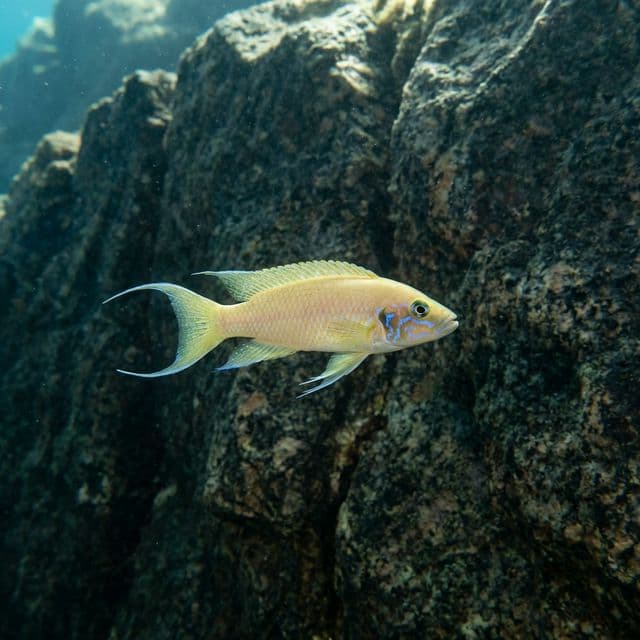
Fairy Cichlids are endemic to the rocky regions of Lake Tanganyika, one of the oldest and deepest lakes in Africa. This lake, characterized by its clear, mineral-rich water, hosts a unique ecosystem of fish adapted to its specific conditions. The natural habitat of Fairy Cichlids consists of rocky substrates, where they seek shelter and breeding spaces among crevices and caves. Given the lake's depth and isolation, the water in this region is typically alkaline, with a pH ranging from 8.5 to 9.5, making it crucial for aquarists to replicate these parameters to keep the fish healthy and thriving.
The environmental context of Lake Tanganyika includes stable temperatures ranging from 23°C to 28°C (73°F to 82°F) and moderate hardness, around 10-20 dGH. The Fairy Cichlid is most commonly found in areas with abundant rocks and minimal vegetation. Consequently, understanding these natural conditions is essential for anyone interested in keeping these fish, as they greatly affect their health, breeding success, and overall well-being.
Care Requirements
To successfully maintain a thriving population of Fairy Cichlids, it is vital to create an aquarium environment that closely mirrors their natural habitat. A minimum tank size of 75 gallons is recommended for a small group, allowing ample space for both swimming and establishing territories. The substrate should consist of fine gravel or sand, as this closely resembles the rocky bottom of Lake Tanganyika. Incorporating rocks and caves not only provides hiding spots but also enhances the aesthetic appeal of the aquarium while offering a breeding ground.
In terms of water parameters, aim for a pH ranging between 8.5 and 9.5, with temperatures ideally kept between 23°C and 28°C (73°F to 82°F). The hardness should be moderate to high, around 10 to 20 dGH. Maintaining excellent water quality is crucial, as these cichlids are sensitive to fluctuations. Utilizing a reliable filtration system and conducting regular water changes can help keep the inhabitants healthy and vibrant. Additionally, moderate lighting mimicking their natural environment will enhance their colors while preventing excessive algae growth.
Diet & Feeding
Fairy Cichlids are omnivorous and benefit from a varied diet that mimics their natural feeding habits. In the wild, they mainly consume a combination of plant matter, crustaceans, and small invertebrates. In captivity, providing a high-quality diet incorporating both flakes and pellets is essential, but it is beneficial to supplement their food with frozen or live offerings like brine shrimp, daphnia, and bloodworms. Incorporating blanched vegetables or spirulina can also promote overall health and enhance their coloration. It is advisable to feed them in small amounts 2-3 times a day to prevent overfeeding and water quality issues.
Behavior & Temperament
Fairy Cichlids are noted for their unique social structures and breeding behaviors. They typically exhibit a peaceful temperament; however, they can become territorial, particularly during breeding. It is crucial to provide adequate space and hiding spots to help mitigate aggression and allow for the establishment of territories among males. While they are not schooling fish, having a small group in a larger setup can promote natural behaviors and reduce stress.
These cichlids generally occupy mid to upper levels of the tank but are also known to venture towards the bottom to explore caves and rocky structures. Ensuring that the tank has multiple areas of vertical space allows all fish to thrive and reduces the likelihood of aggressive encounters.
Tank Mates
When selecting tank mates for Fairy Cichlids, it’s essential to choose species that can coexist peacefully in a similar habitat. Compatible companions include:
- Smaller Lake Tanganyika cichlids: Such as the Julidochromis and Lamprologus species, which have similar temperament profiles.
- Tanganikan catfish: Such as Synodontis species, known for being docile and adaptable in cichlid environments.
- Community fish: Species like the African Tetras (e.g., Alestopetersius) can be suitable if they are not too small, avoiding predation.
On the other hand, species to avoid include larger or more aggressive cichlids, as well as fish that may be seen as food, such as tiny or slow-moving species. Care should be taken with fish that are territorial or overly boisterous as well, as they can stress or harass the Fairy Cichlid.
Breeding
Breeding Fairy Cichlids in captivity can be rewarding, given their unique spawning behaviors. These fish are typically monogamous and form strong pair bonds, making breeding attempts easier with a bonded pair. To stimulate spawning, ensure that the water conditions are optimal and that the pair has access to suitable hiding spots that mimic their natural breeding sites. Flat rocks or caves are ideal for egg laying.
Once a female lays her eggs (often several hundred), she will diligently guard the eggs while the male defends the territory. It's vital to monitor the pair during this period; separating them if aggression occurs is necessary. After about 3 to 5 days, the eggs will hatch, and the fry will remain with their parents for a short time before becoming independent. Providing adequate space and food for the fry is crucial to ensure their survival and growth.
Common Health Issues
Despite being relatively hardy, Fairy Cichlids can fall prey to several diseases, particularly in suboptimal water conditions. Common ailments include:
- Ich (Ichthyophthirius multifiliis): A parasitic infection that appears as white spots on the fish's body.
- Fin rot: Often a result of poor water quality, characterized by the deterioration of fins.
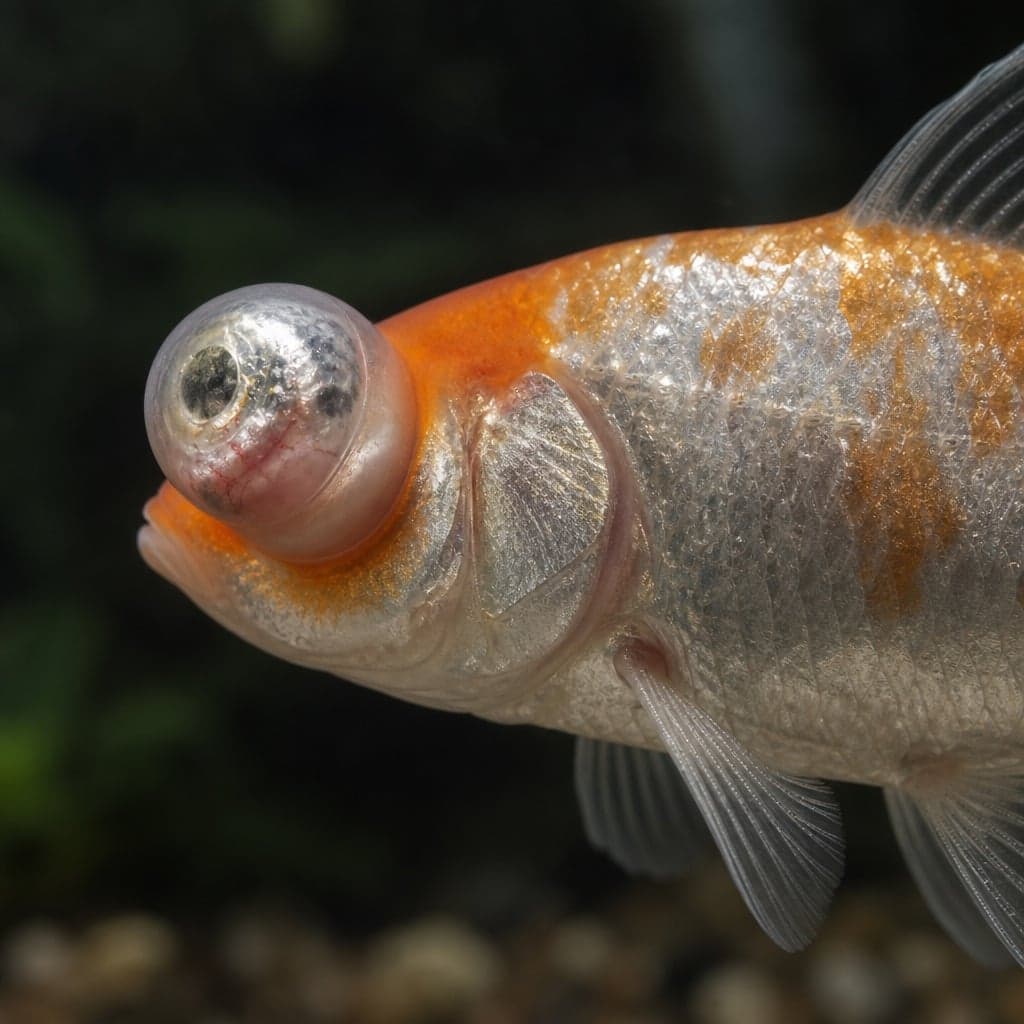
- Popeye: Swelling of the eyes due to various factors, including water quality issues or infections.
Preventive measures include maintaining excellent water quality, avoiding overstocking, and providing a varied diet to boost their immune systems. Quarantining new arrivals before introducing them to the main tank can also help mitigate the risk of disease outbreaks. Regular observation of behavior and appearance will enable early intervention before minor issues become serious. Treat ich, fin rot, or popeye promptly with aquarium-safe medications suited to African cichlids. Hard, alkaline water, a herbivore-leaning diet, and uncrowded rockwork keep Fairy Cichlids vibrant and healthy for years. Avoid abrupt parameter swings when doing water changes, and remove overtly aggressive tank mates that leave subordinates stressed and disease-prone. Spot-treat white spots or frayed fins early so small issues never become tank-wide outbreaks.