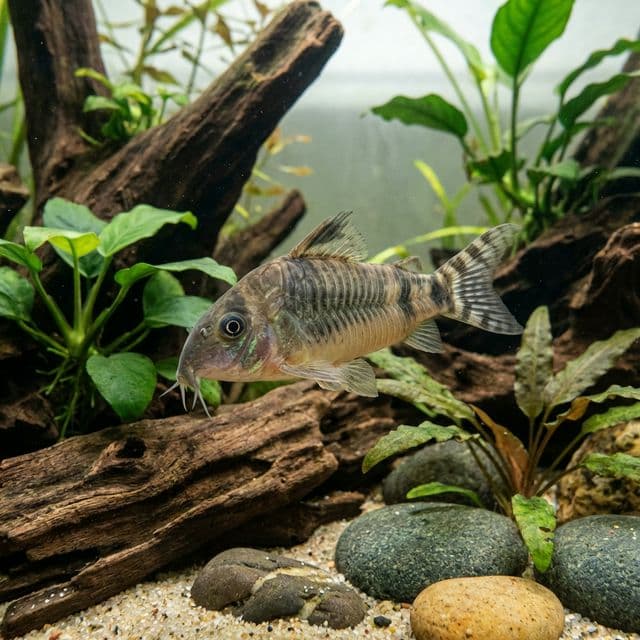
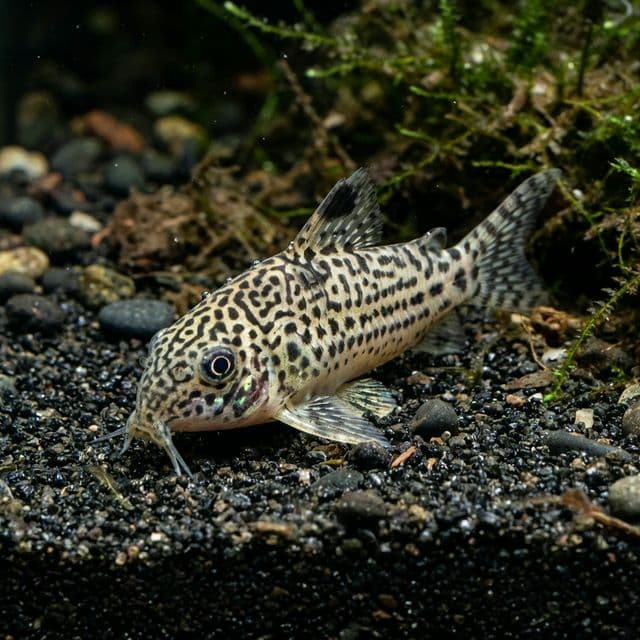
False Network Cory: Brochis sodalis
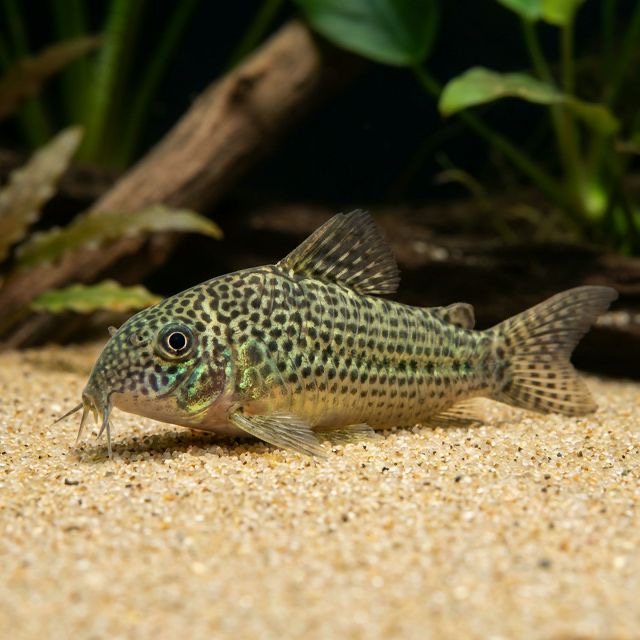
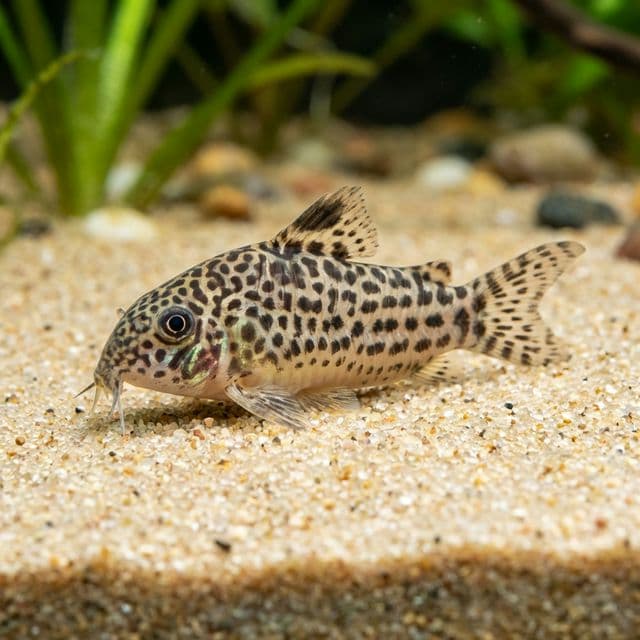
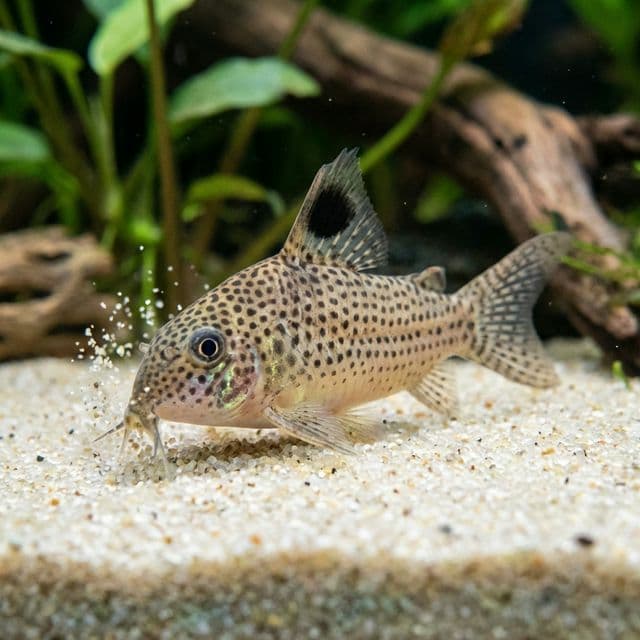
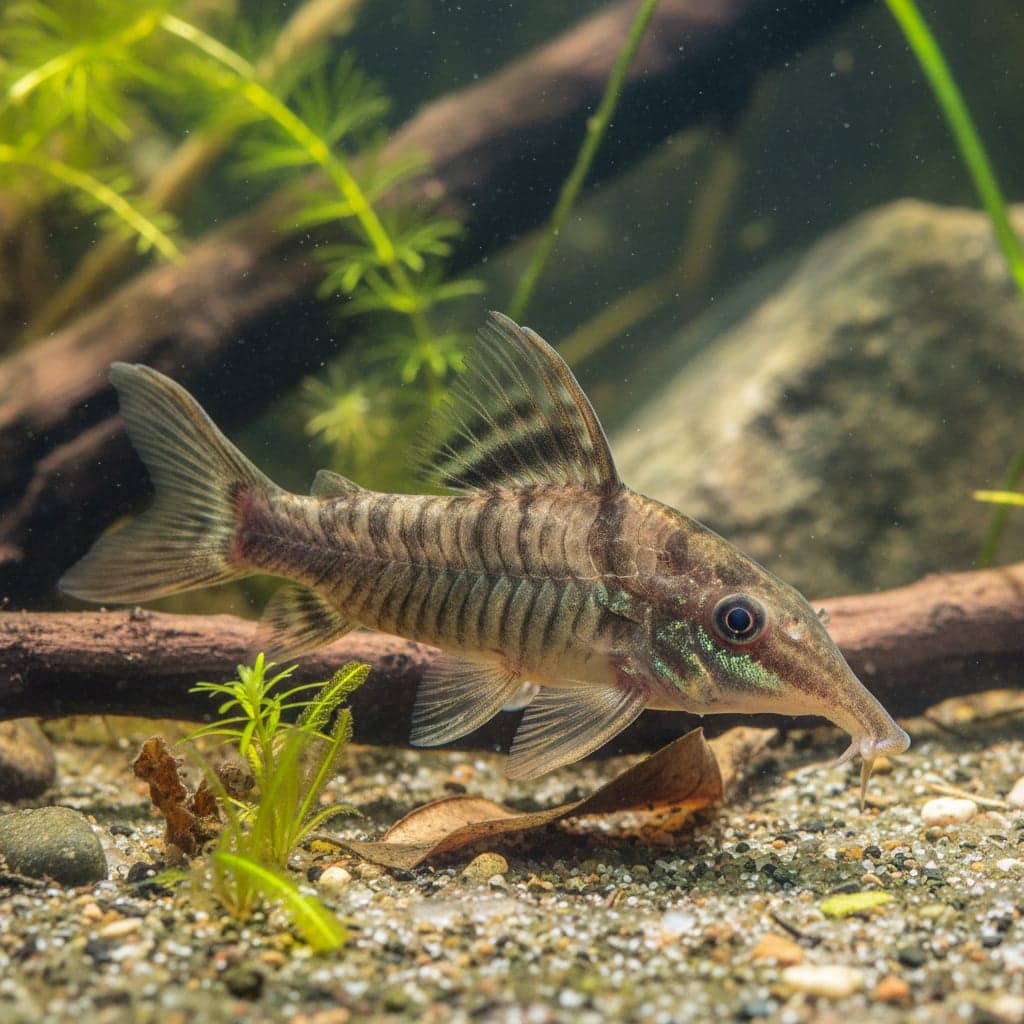
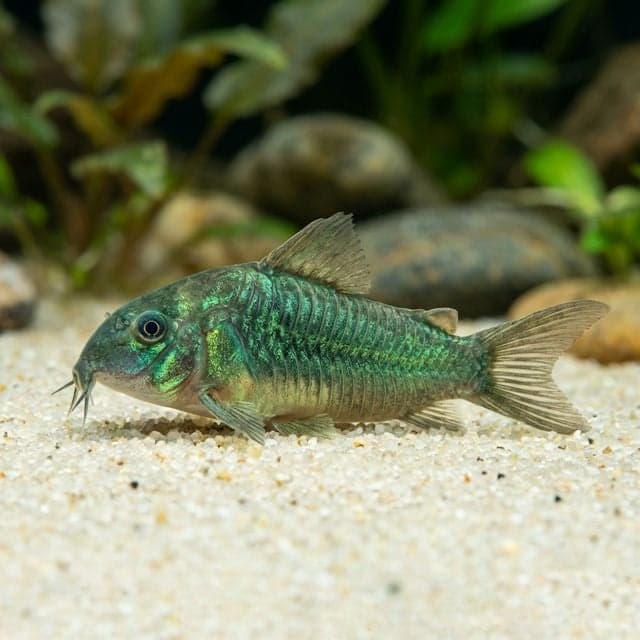
A large corydoras relative with a reticulated (network) pattern. Confusingly similar to the true Network Cory.
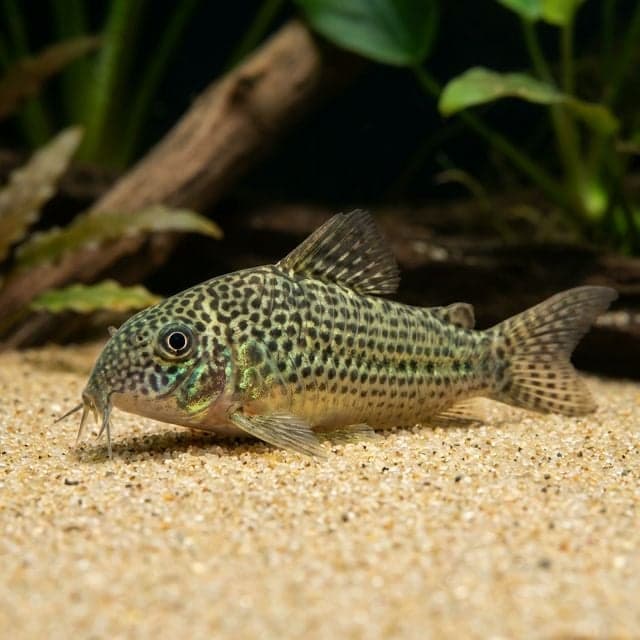
False Network Cory
The False Network Cory, scientifically known as Brochis sodalis, is a captivating species of freshwater catfish that has gained popularity among aquarists due to its striking appearance and peaceful nature. With a sleek, elongated body often adorned with intricate patterns that resemble a network, this fish exhibits vibrant coloration, typically exhibiting shades of green and bronze along its wavy body, accentuated by dark spots. Their alluring aesthetic not only enhances the visual appeal of aquariums but also contributes to the biodiversity and health of the aquatic ecosystem.
Significantly, the False Network Cory plays an important role in the aquarium hobby as an indicator species, helping aquarists assess tank conditions. Known for their bottom-dwelling habits, these fish are excellent scavengers that contribute to the cleanliness of the aquarium by consuming leftover food particles. Their social temperament makes them a perfect centerpiece in community tanks, offering a sense of tranquility while also encouraging interaction among tank inhabitants.
Natural Habitat & Origin
The natural habitat of the False Network Cory is primarily located in the slow-moving waters of the Rio Orinoco basin in Venezuela and the surrounding regions of the Amazon River system. This fish thrives in clearwater environments, often found in shallow streams and floodplains where abundant vegetation offers cover. The water conditions in their native habitat are typically soft and acidic, with a pH ranging from 5.5 to 7.0, and a temperature between 22°C to 28°C (72°F to 82°F). Such environmental context is crucial for maintaining their health and well-being in captivity.
The False Network Cory primarily resides in lush, densely planted areas at the riverbed where it uses its barbels to forage for food amongst the substrate. This biotope not only provides them with essential shelter but also ensures they are exposed to a variety of food sources, such as detritus, small invertebrates, and plant material. Understanding their natural environment is key to recreating a suitable habitat in aquariums.
Care Requirements
To successfully care for the False Network Cory, maintaining specific water parameters is essential. Ideal conditions include a pH level between 6.0 to 7.5, a temperature range of 24°C to 28°C (75°F to 82°F), and softness in the water with a hardness range of 2-10 dGH. A minimum tank size of 20 gallons is recommended to provide ample swimming space and territory for these social fish.
In terms of tank setup, a soft substrate—such as sand or fine gravel—is most suitable, as it allows the False Network Cory to forage naturally without risk of injury. Lighting should be moderate to mimic their natural habitat conditions, and well-planted areas with plenty of hiding spots using live plants (like Java Fern or Anubias) and decorations will not only create a sense of security but also promote healthier water parameters through biological filtration.
Diet & Feeding
As omnivores, the False Network Cory has a diverse diet that can consist of high-quality flakes, sinking pellets, and a variety of live or frozen foods. Ideal food choices include bloodworms, brine shrimp, and daphnia, which provide necessary protein while ensuring their nutritional needs are comprehensively met. Offering natural food varieties, like blanched vegetables such as zucchini or spinach, can also enhance their diet and promote overall health.
Feeding these fish a balanced diet will help maintain their vibrant colors and active behavior. It's important to perform regular feedings of small portions throughout the day rather than one large feeding to prevent overfeeding and maintain water quality.
Behavior & Temperament
False Network Corys are quintessential community fish renowned for their peaceful and sociable nature. They thrive in groups and should ideally be kept in schools of at least six individuals, as this mimics their natural schooling behavior. In larger communities, they display more confident and playful tendencies, showcasing their playful social interactions with one another.
In terms of aggression, they exhibit very low levels, making them suitable companions for a wide variety of tank mates. False Network Corys prefer to inhabit the bottom and mid-water levels of the aquarium, frequently foraging along the substrate while schooling together, contributing to an engaging and dynamic aquarium environment.
Tank Mates
False Network Corys are non-aggressive and generally peaceful, which predisposes them to be good tank mates for many other species. Compatible companions include community fish such as guppies, neon tetras, rasboras, and various types of dwarf cichlids. They can also coexist harmoniously with other bottom dwellers like Otocinclus and smaller species of plecos.
However, tank mates to avoid include overly aggressive or fin-nipping species, such as certain barbs and large cichlids. Additionally, it is advisable to avoid very energetic fish that may outcompete the False Network Cory for food, ensuring a balanced community where each fish can thrive.
Breeding
Breeding the False Network Cory in captivity can be achieved with the right conditions, although it requires patience and attention to detail. They are substrate spawners and generally prefer to lay eggs on flat, smooth surfaces amid dense vegetation to provide cover for the eggs. To encourage spawning, it is essential to mimic their natural conditions by providing a well-maintained environment with slightly cooler water temperatures (around 22°C to 24°C) and an increase in live foods leading up to breeding.
After spawning, it’s important to remove the adult fish from the breeding tank, as they may consume their eggs or fry. The eggs typically hatch within 3 to 5 days, and the fry can be fed infusoria or finely crushed flakes to ensure they are adequately nourished during their early development stages.
Common Health Issues
Although the False Network Cory is generally hardy, it can be prone to a few common health issues. These include ich, fin rot, and bacterial infections, particularly if water parameters are not adequately maintained. Regular monitoring of water quality and routine tank maintenance are vital to prevent these issues.
Preventative measures include acclimating new fish properly, ensuring a stable and clean environment, and maintaining proper diet and tank conditions. Regular water changes and appropriate filtration help greatly in reducing stress and enhancing the overall health and longevity of the False Network Cory in your aquarium.