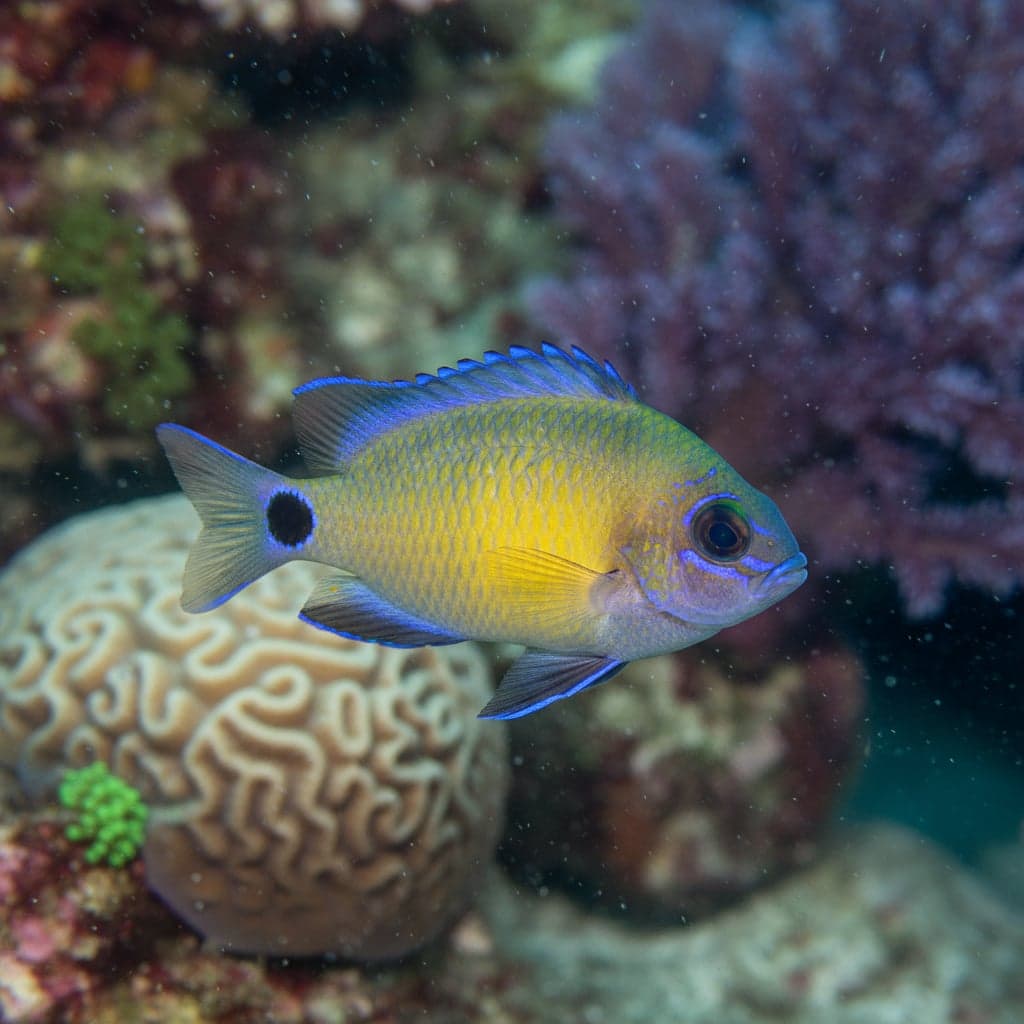
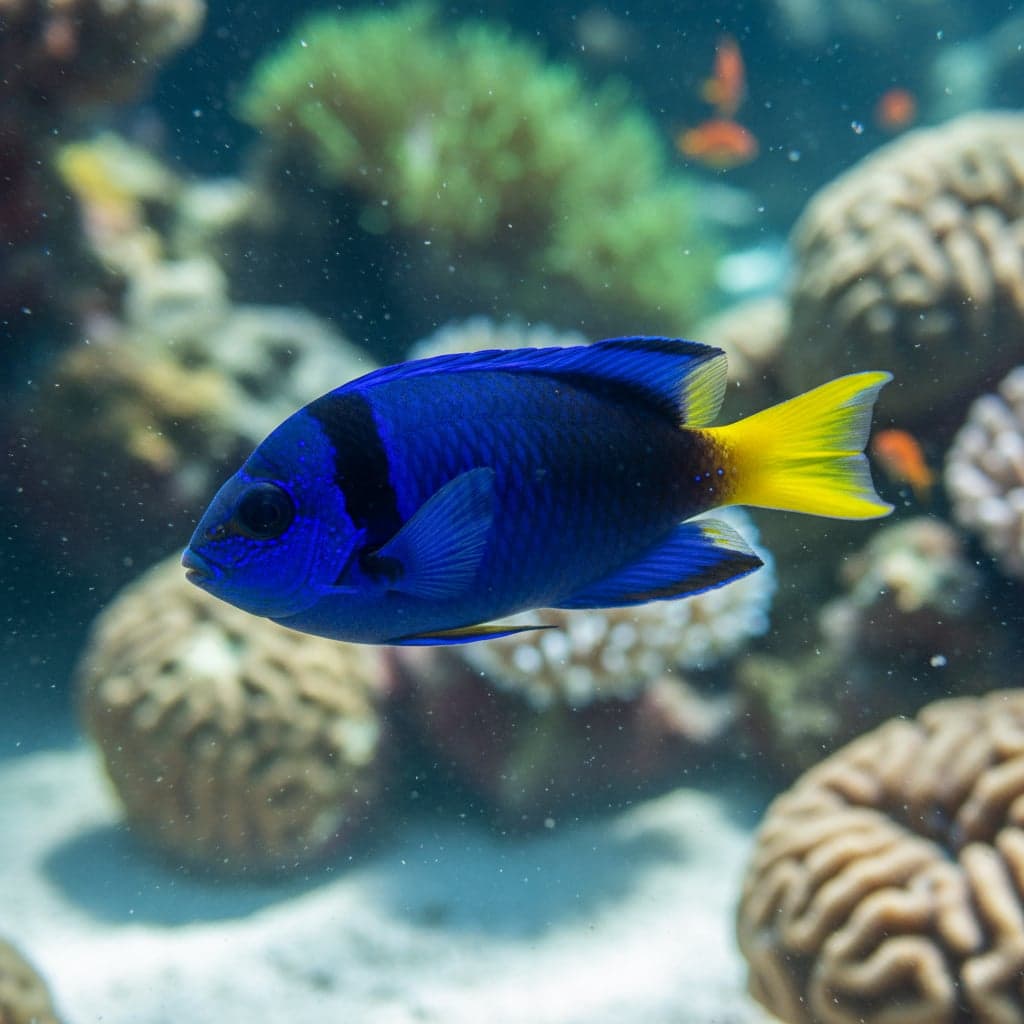
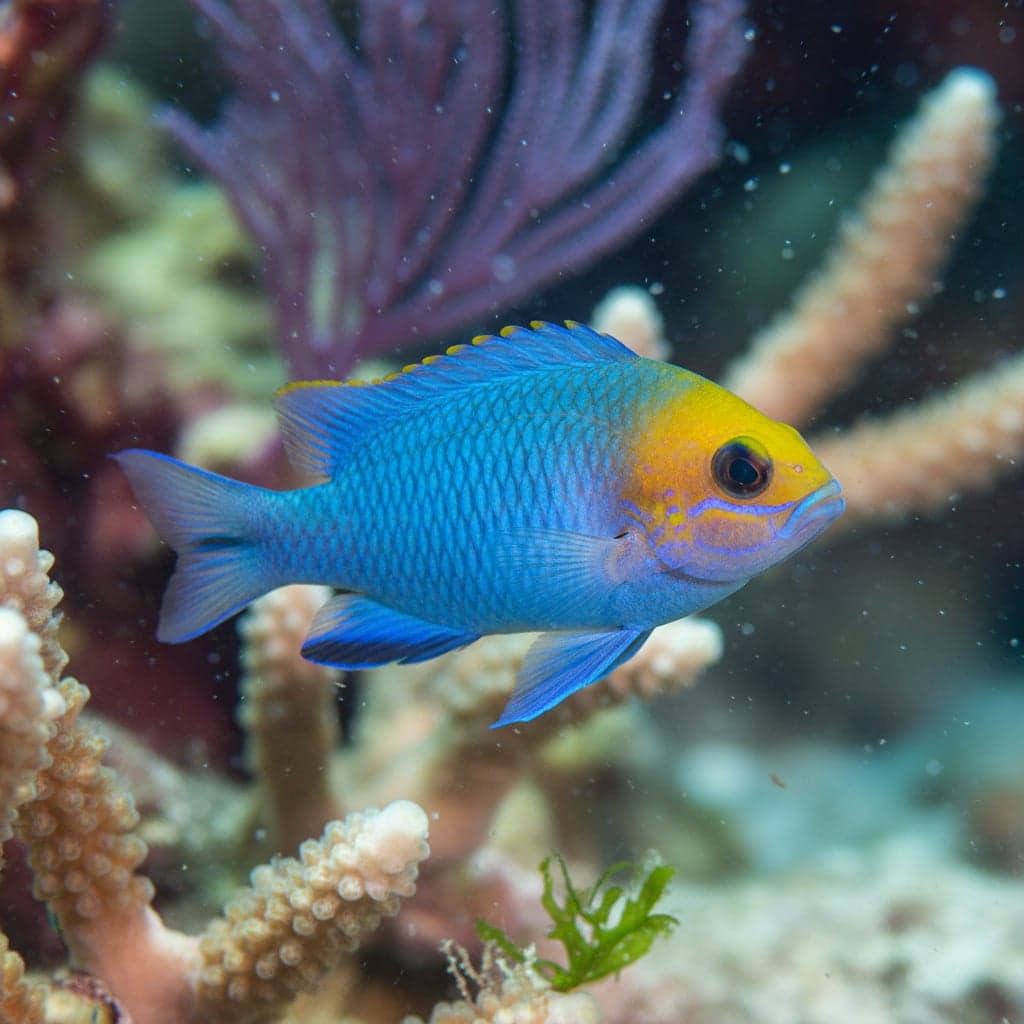
Fijian Blue Damselfish
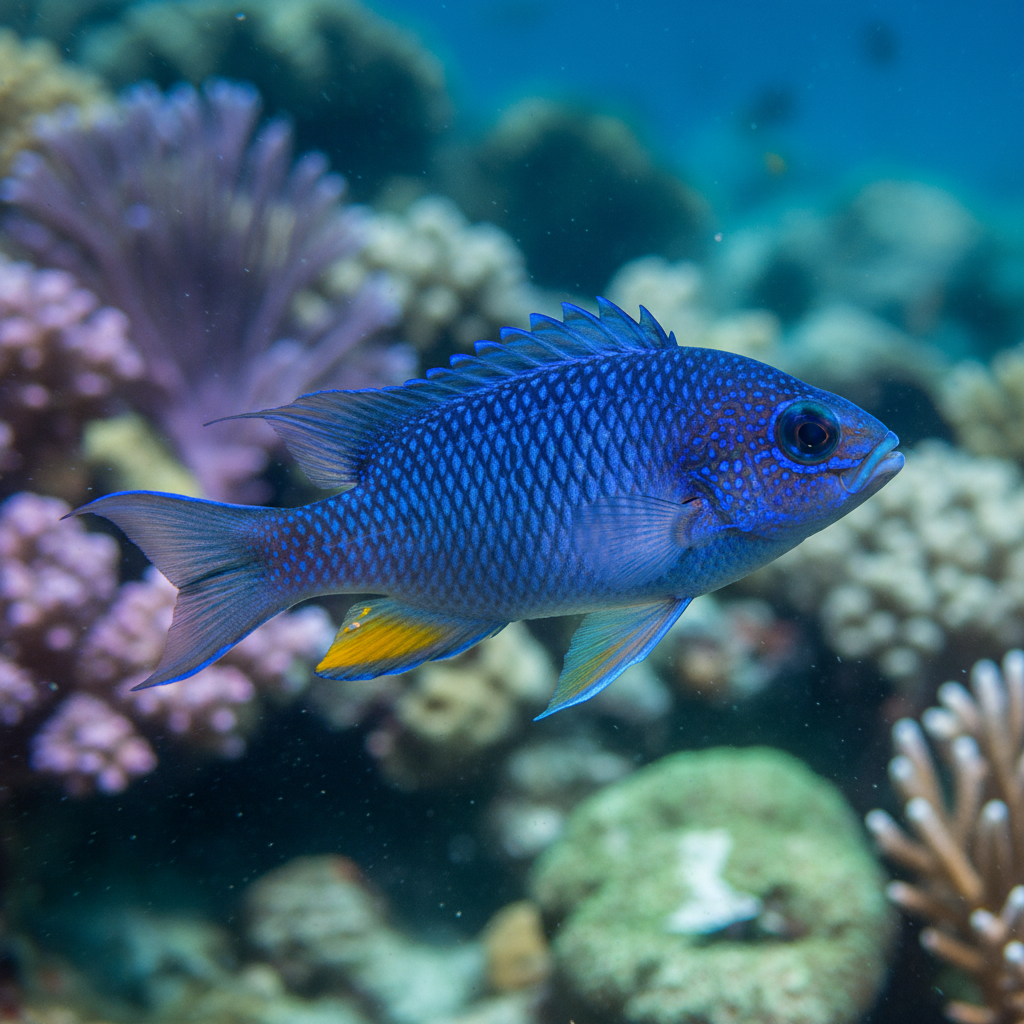
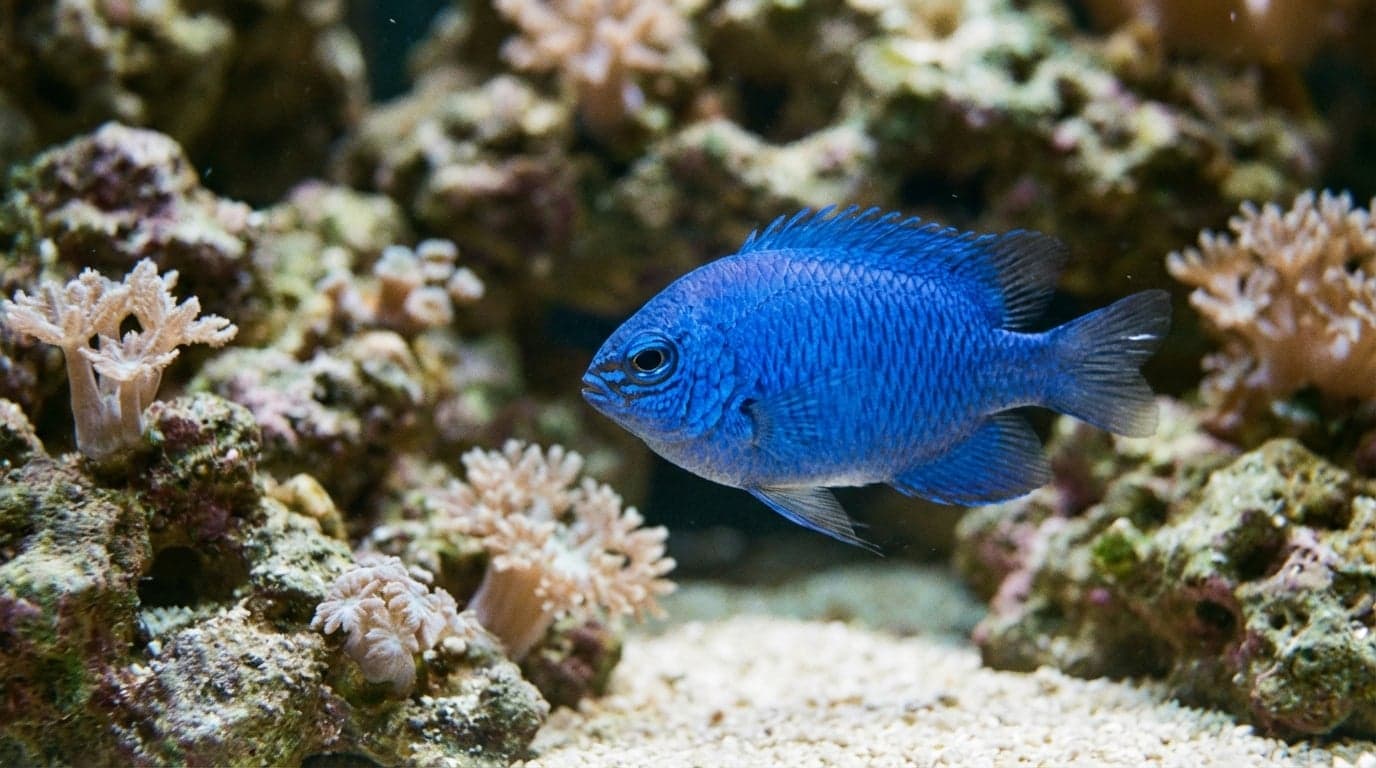
An 8cm damsel with electric blue and yellow. Hardy and cheap, and like most damsels it turns territorial and hard to catch as it matures.
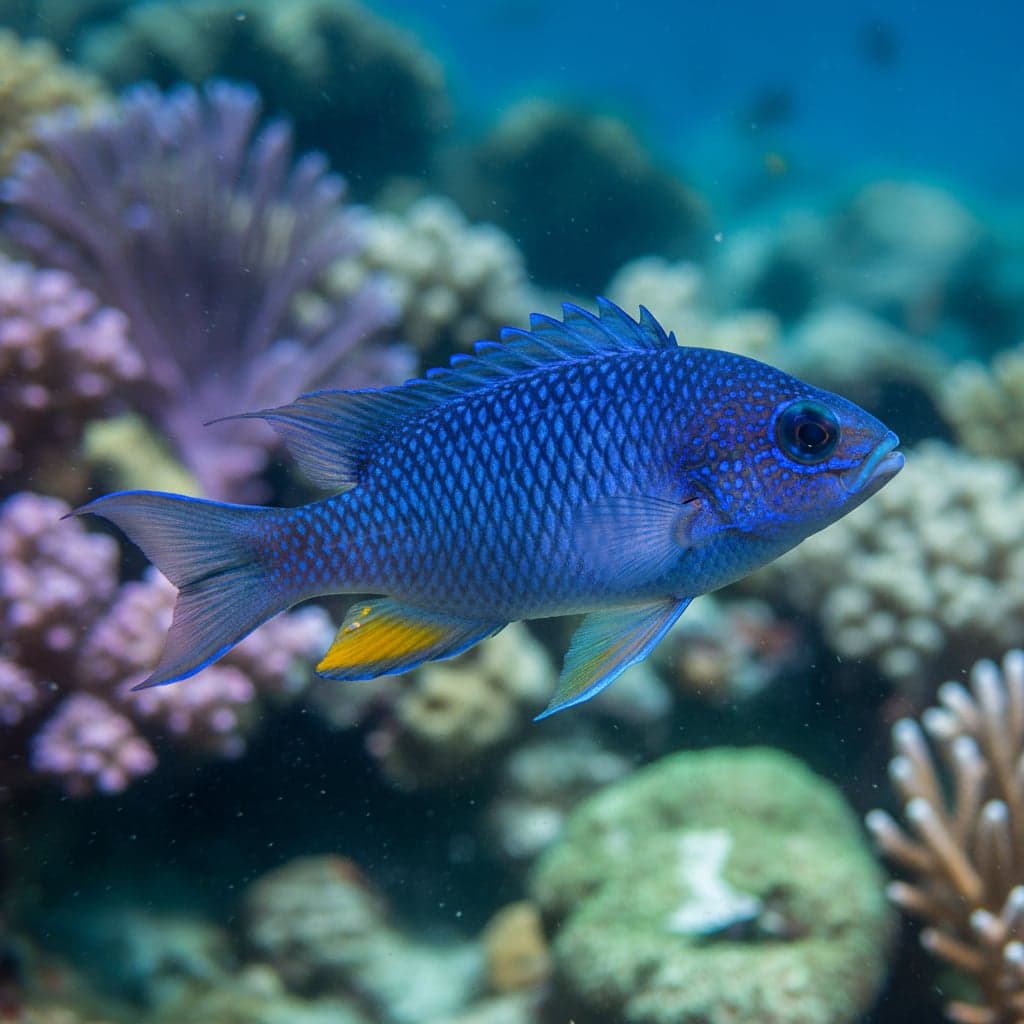
Fijian Blue Damselfish
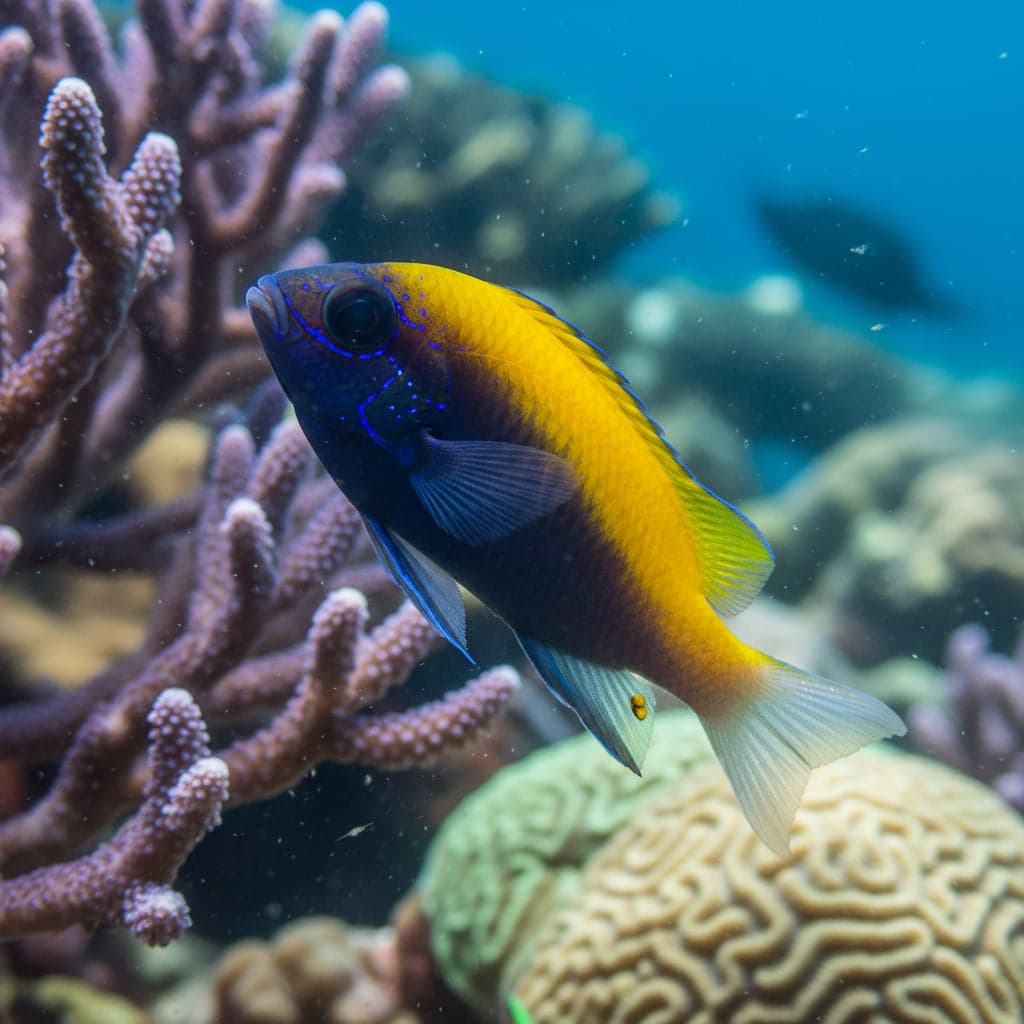
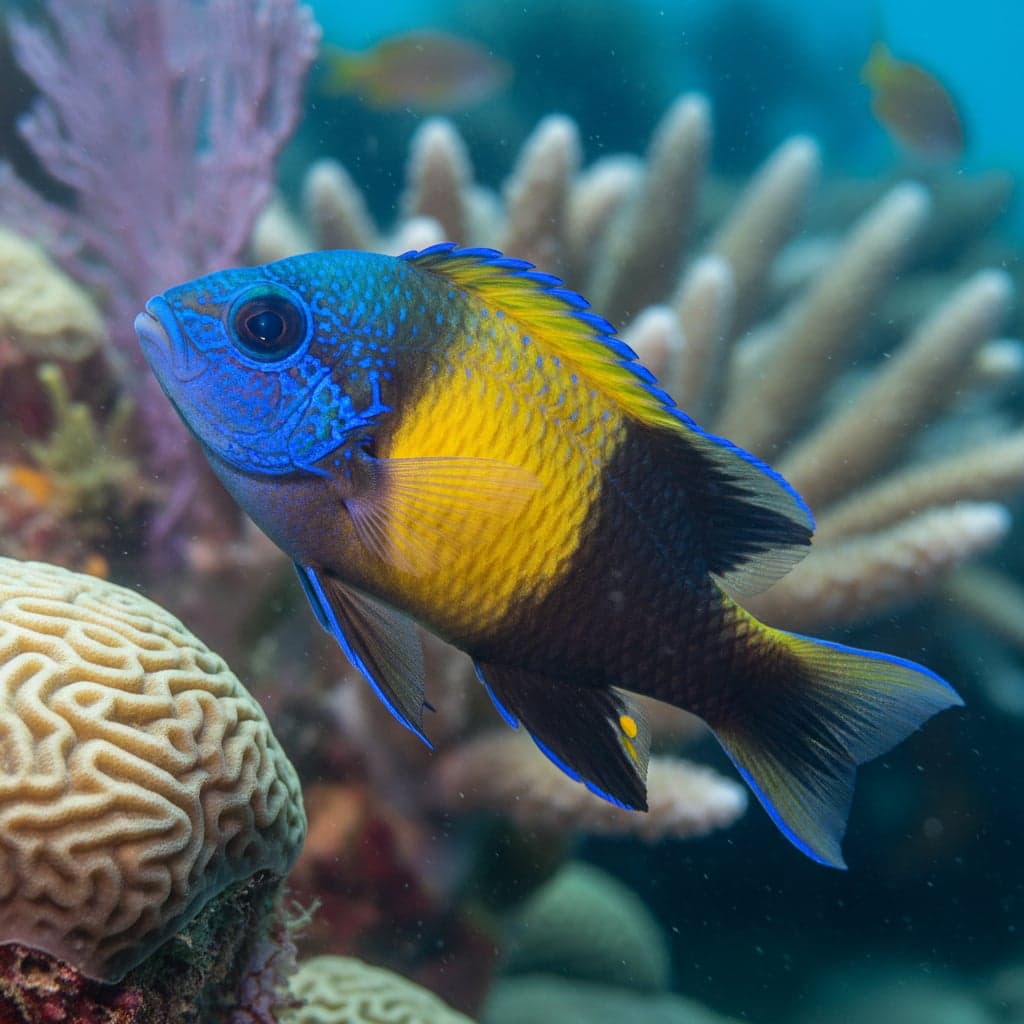
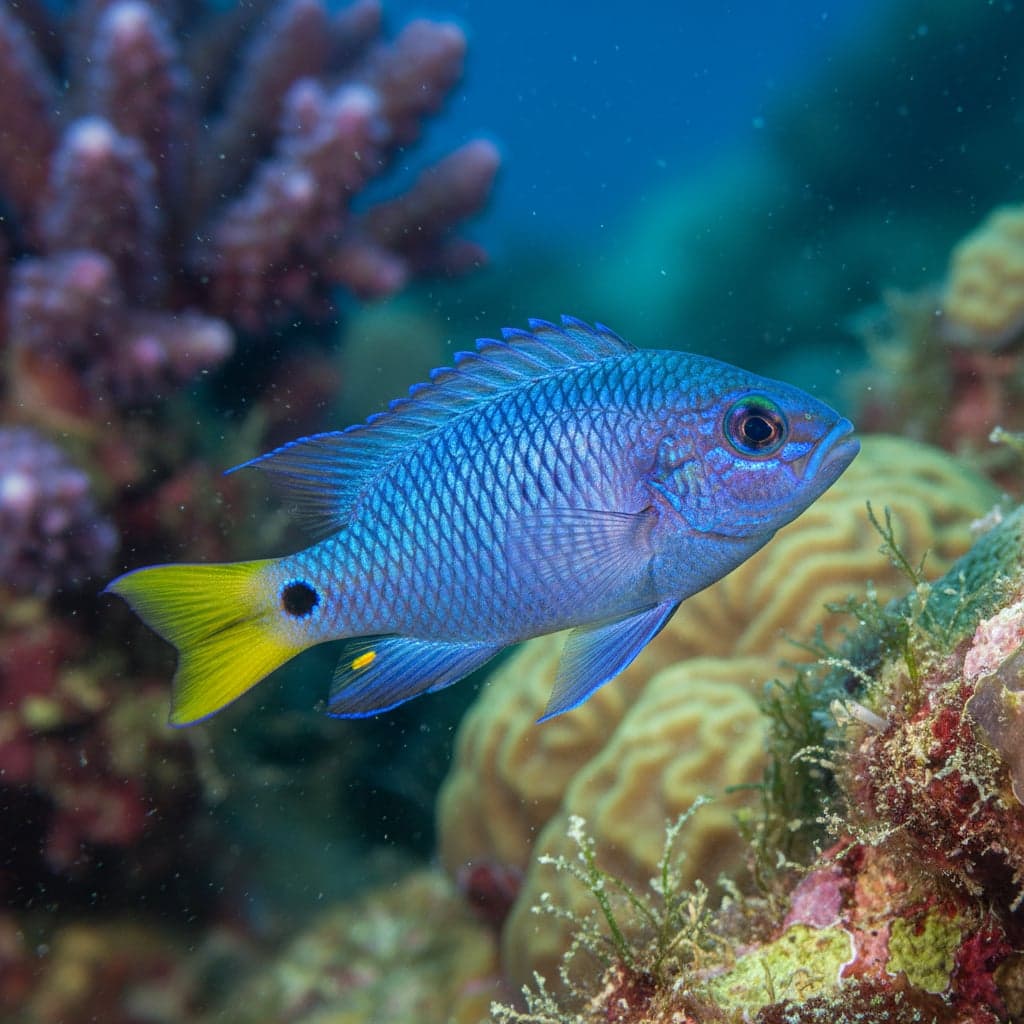
The Fijian Blue Damselfish, scientifically known as Chrysiptera taupou, is a stunning marine fish endemic to the reefs of Fiji, notably in the tropical waters of the South Pacific. Characterized by its vibrant blue body with striking yellow accents on its fins, this damselfish adds a splash of color to any marine aquarium. Its visual appeal is further enhanced by its bright, iridescent hues that shimmer under aquarium lighting, making it a prized choice among reef enthusiasts. With a hardy disposition and relatively easy care requirements, the Fijian Blue Damselfish has garnered popularity among both beginners and advanced aquarists, serving as an attractive centerpiece or an engaging addition to community tanks.
In addition to its aesthetic value, the Fijian Blue Damselfish plays a significant ecological role within its natural habitat. As a reef-dweller, it contributes to the health of coral ecosystems by participating in algae control, which helps maintain the balance of marine environments. This fish's territorial nature adds a dynamic aspect to aquarium environments, allowing aquarists to observe natural behaviors reminiscent of wild conditions. Furthermore, its resilience and adaptability make the Fijian Blue Damselfish an excellent candidate for showcasing conservation efforts within the aquarium hobby.
Natural Habitat & Origin
The Fijian Blue Damselfish is native to the coral reefs surrounding Fiji, thriving in the rich biodiversity of these tropical waters. These fish are typically found in shallow lagoons and reef slopes, preferring environments that provide ample hiding spaces among rocks and corals. The water in which they live is generally clear, warm, and nutrient-rich, contributing to the dynamic ecosystems that support a variety of marine life. The Fijian Blue Damselfish is sensitive to environmental changes; therefore, maintaining stable water conditions is critical for their well-being.
In their natural habitat, the Fijian Blue Damselfish often associatively shares territory with other species, forming symbiotic relationships that can enhance their chances of survival. These fish inhabit warm waters with temperatures ranging from 24 to 28 degrees Celsius (75 to 82 degrees Fahrenheit), and they thrive in slightly saline conditions typical of coral reef ecosystems. This adaptability allows them to be kept successfully in home aquariums, provided that water parameters closely mimic their natural environment.
Care Requirements
To ensure the health and longevity of the Fijian Blue Damselfish, specific water parameters must be maintained. The ideal pH ranges from 8.1 to 8.4, with a temperature between 24 to 28 degrees Celsius (75 to 82 degrees Fahrenheit) and a salinity of 1.020 to 1.025 SG. Regarding water hardness, a range of 8 to 12 dKH is typically suitable.
For the tank setup, a minimum size of 120 litres (30 gallons) is recommended for this 8cm territorial damsel — enough room to swim and stake out territory without constant conflict. A sandy substrate can mimic their natural environment, while live rock or reef structures should be arranged to create hiding spots and perches. Ideal lighting conditions involve moderate to bright levels, which not only enhance the fish’s colors but also support the growth of beneficial algae. Including live plants may also improve water quality, but considering the fish's behavior, it's best to opt for hardier species that can withstand occasional nibbling.
Diet & Feeding
The Fijian Blue Damselfish is an omnivorous species that thrives on a varied diet. In captivity, they can be fed a combination of high-quality flake foods, pellets, and frozen or live foods such as brine shrimp, mysis shrimp, and finely chopped seafood. Offering a diverse diet not only provides essential nutrients but also promotes vivid coloration and overall health. Regular feeding should occur two to three times a day, ensuring that all fish in the tank get their share, which can help mitigate aggression related to food competition.
For optimal health, it is crucial to supplement their diet with high-quality marine algae or spirulina-based foods, as this mimics their natural foraging behavior and helps maintain their immune system. While the Fijian Blue Damselfish exhibits a hearty appetite, care should be taken to avoid overfeeding, as excess food can lead to water quality issues and health complications.
Behavior & Temperament
The Fijian Blue Damselfish is known for its bold and spirited demeanor. They are territorial, particularly during breeding periods, and may exhibit aggression towards other species or tank mates that encroach upon their established territory. In addition to being solitary or found in pairs, they can also adapt to live in small groups under appropriate conditions—provided that the tank is spacious enough to minimize aggression.
Their behavior typically involves vertical placement within the tank, occupying the mid to upper regions as they patrol their territory. Observing their interactions with the environment and other fish provides an engaging experience for aquarists, as their lively antics can enliven any aquarium setting. To reduce potential conflicts, it's best to introduce them to the tank first or ensure that suitably compatible tank mates are selected.
Tank Mates
Finding compatible tank mates for the Fijian Blue Damselfish is essential for maintaining harmony in the aquarium. Ideal companions include other peaceful species of similar size, such as clownfish, gobies, and blennies. Additionally, invertebrates like snails and hermit crabs can coexist well due to their different ecological niches.
Conversely, tank mates to avoid include larger or more aggressive fish such as wrasses, triggers, or larger damselfish. Compatibility should always be assessed on an individual basis, as some species may display varying temperaments depending on their prior experiences and the tank's social structure. Careful selection can help ensure a peaceful community that thrives together in the aquarium.
Breeding
Breeding the Fijian Blue Damselfish in captivity can be an exciting yet challenging endeavor. These fish are known to form monogamous pairs, and successful breeding typically occurs in environments that replicate their natural conditions. To facilitate breeding, it's essential to provide suitable hiding spots and flat surfaces where the female can lay eggs, such as on rocks or within coral structures.
Spawning behavior usually occurs in the early morning, with the female laying several hundred eggs that the male fertilizes shortly after. Post-spawning, the male will take on the role of guarding the eggs, ensuring their safety until hatching, which usually occurs in about 5 to 7 days. For successful breeding, maintaining stable water conditions, including optimal temperature and water quality, is crucial. Additionally, breeding pairs can often be conditioned with high-quality nutrition before spawning, which may improve their chances of reproductive success.
Common Health Issues
Like many marine fish, the Fijian Blue Damselfish can be prone to specific health issues, particularly if stressed or if water quality declines. Common diseases include marine ich (Cryptocaryon irritans), which manifests as white spots on the body and fins, and velvet disease (Oodinium), which presents as a dusty appearance or changes in behavior.
Prevention strategies include ensuring stable water parameters, regular tank maintenance, and quarantining new additions to the aquarium before introducing them to minimize the risk of disease transmission. Additionally, keeping the tank environment free of excessive stressors by avoiding overcrowding and aggressive tankmates can help maintain the overall health of the Fijian Blue Damselfish. Early detection and prompt treatment of white spots, clamped fins, or lethargy keep Fijian Blue Damselfish healthy and active in the reef aquarium.