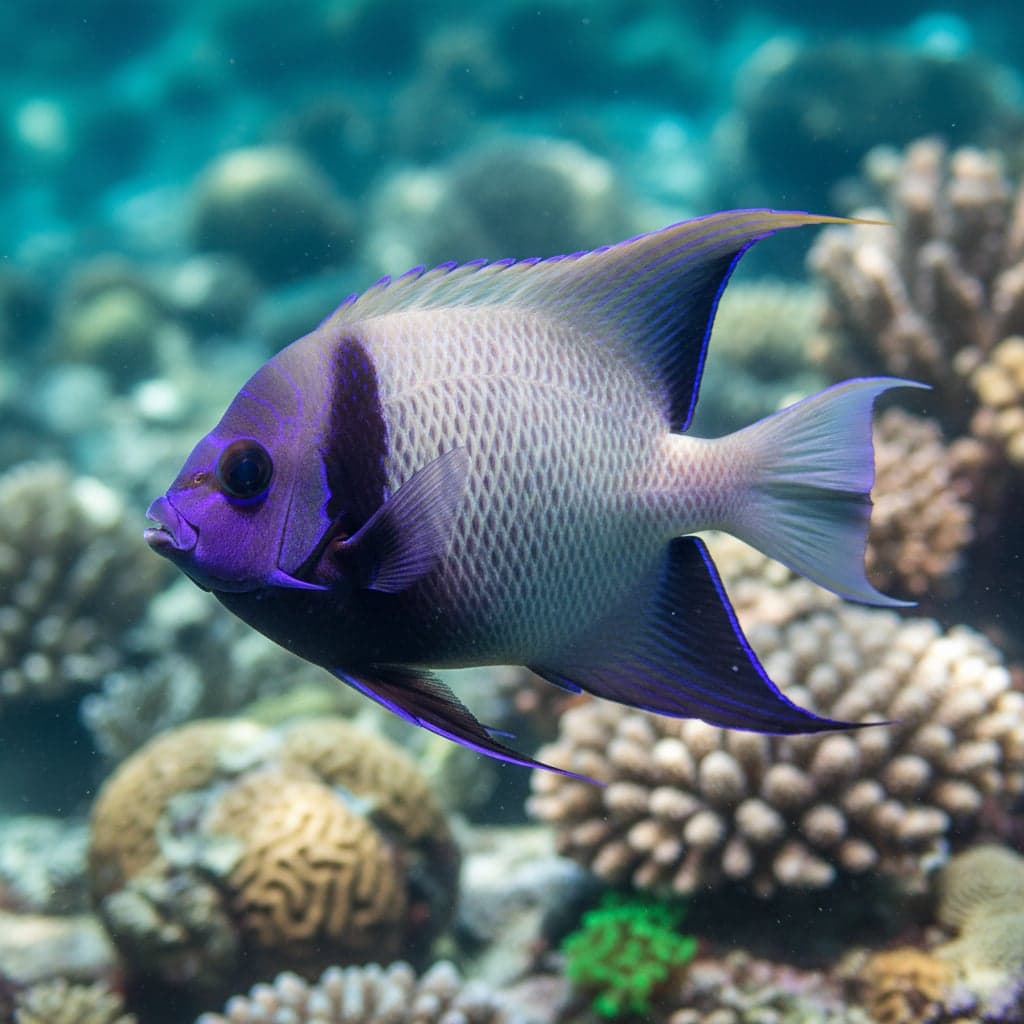
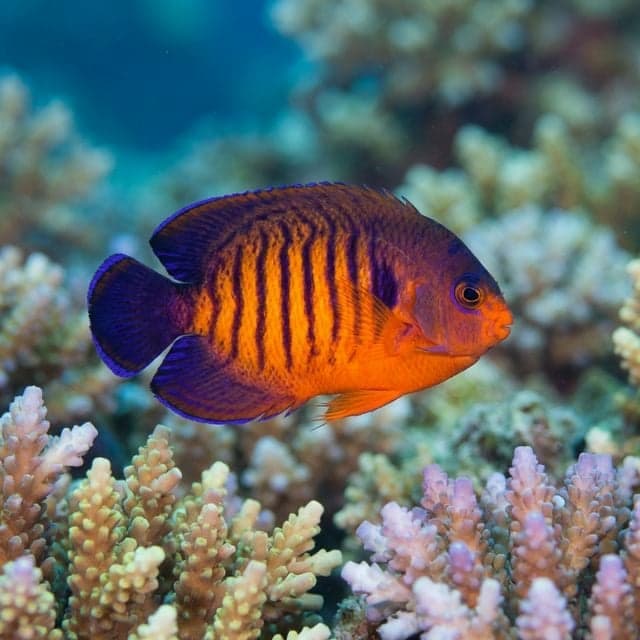
Fireball Angelfish
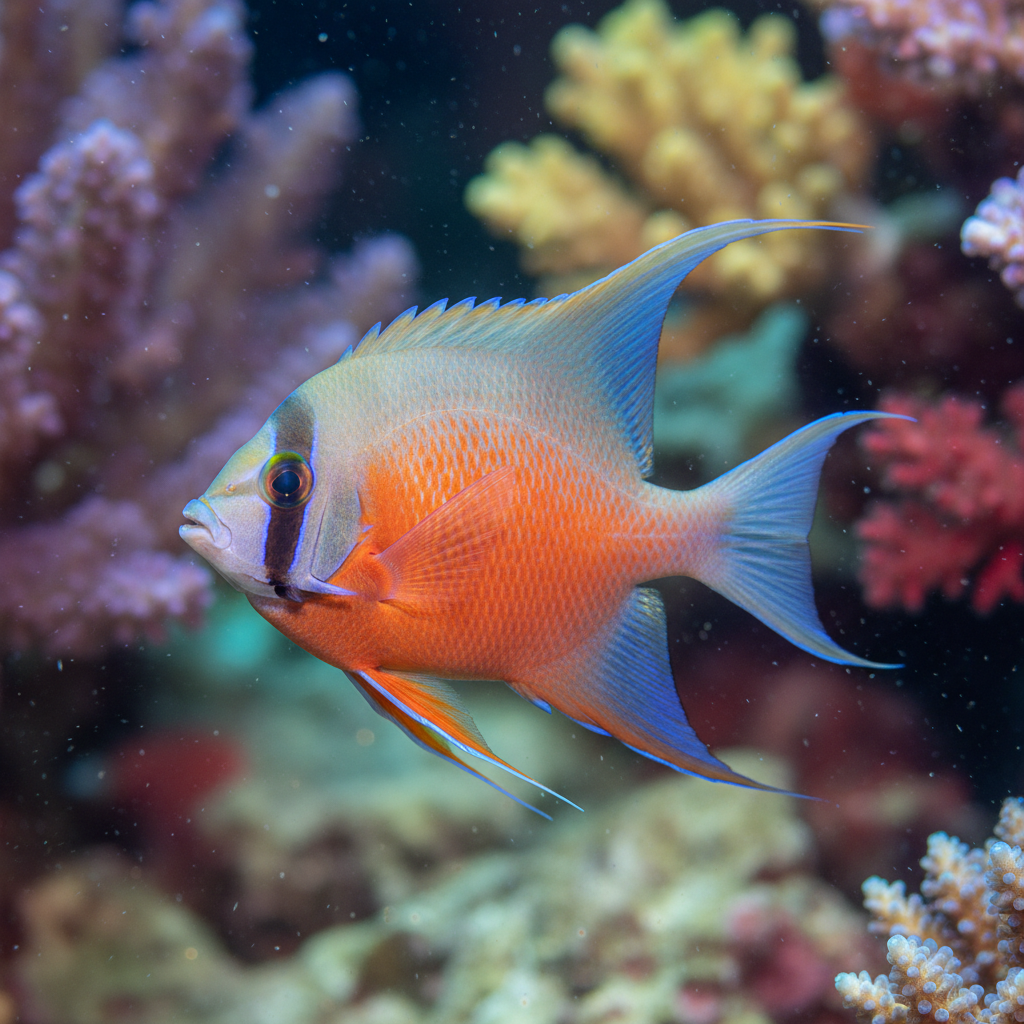
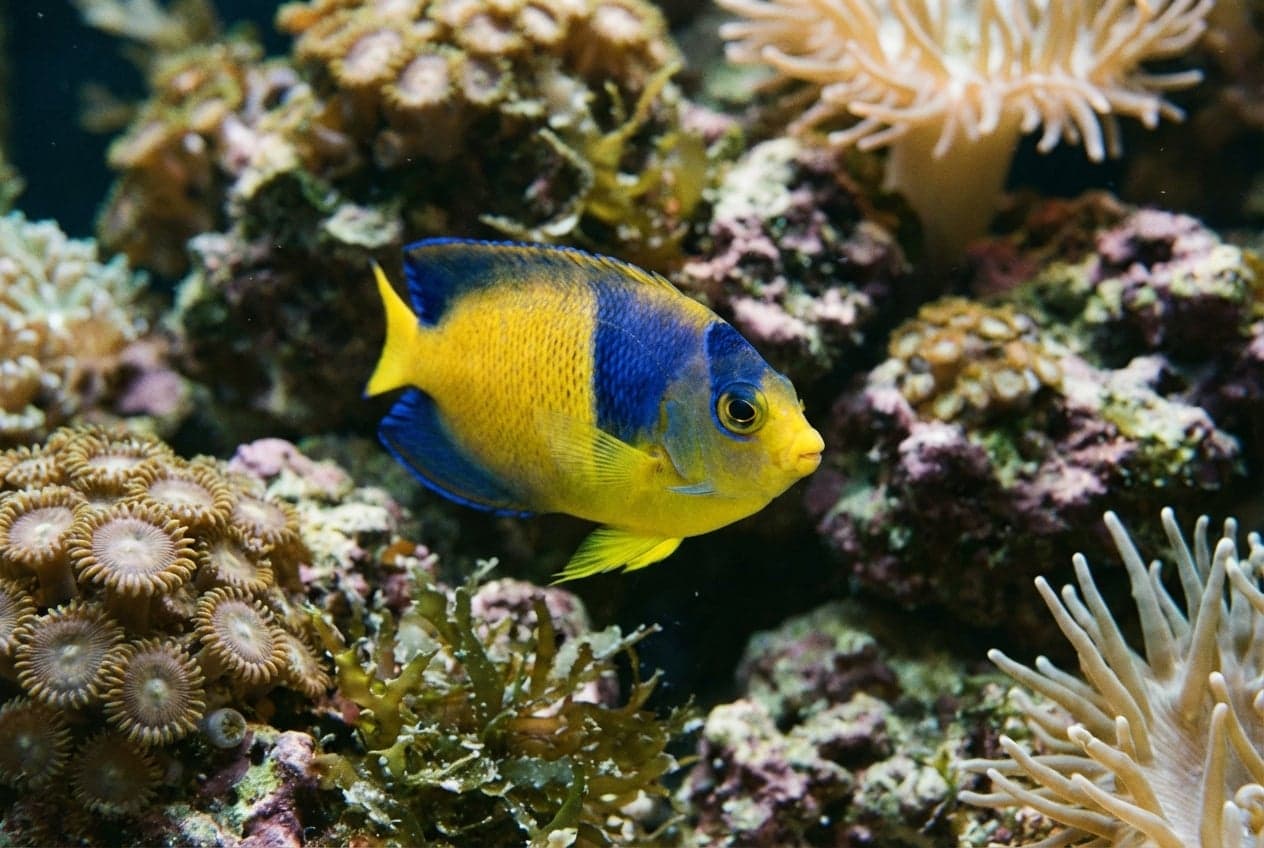
A 7cm African dwarf angelfish, deep orange over blue. One of the smallest Centropyge, needing 150L+, and it may still nip coral.
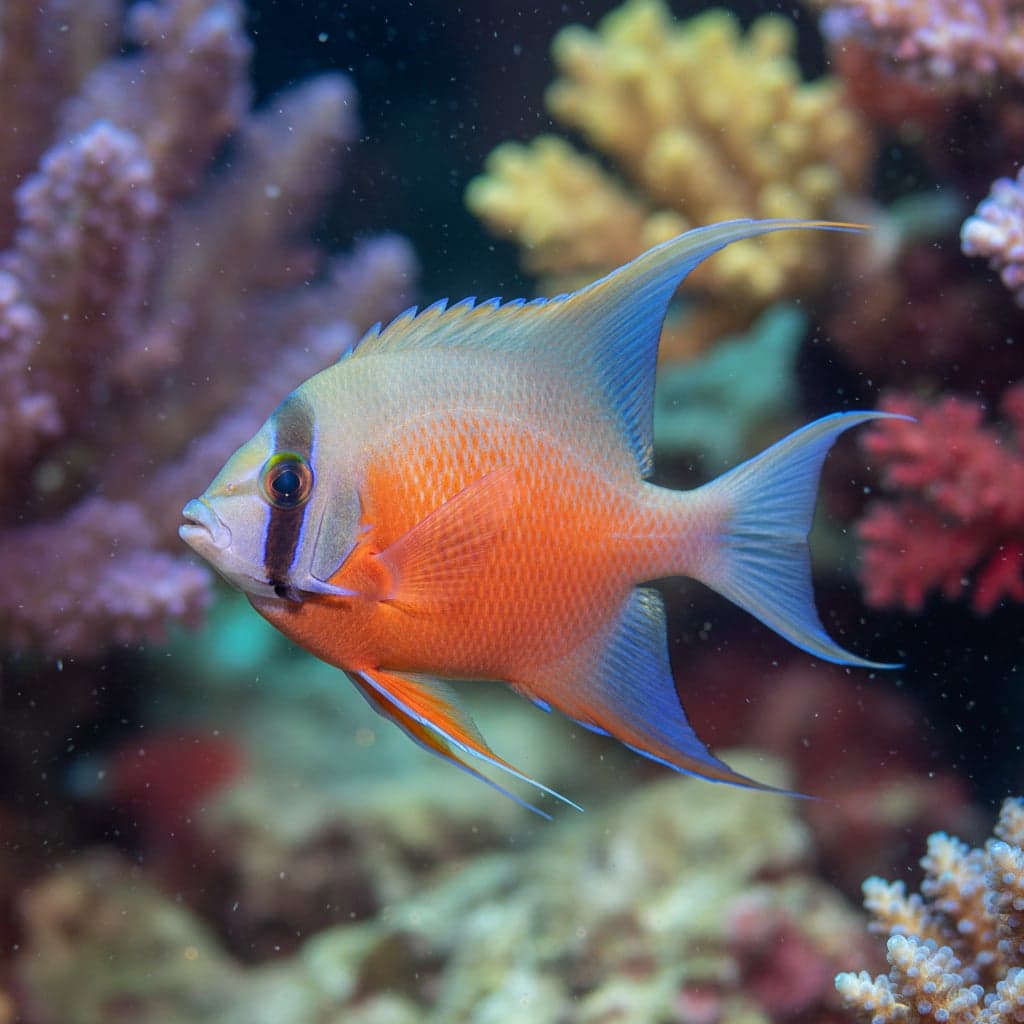
Fireball Angelfish
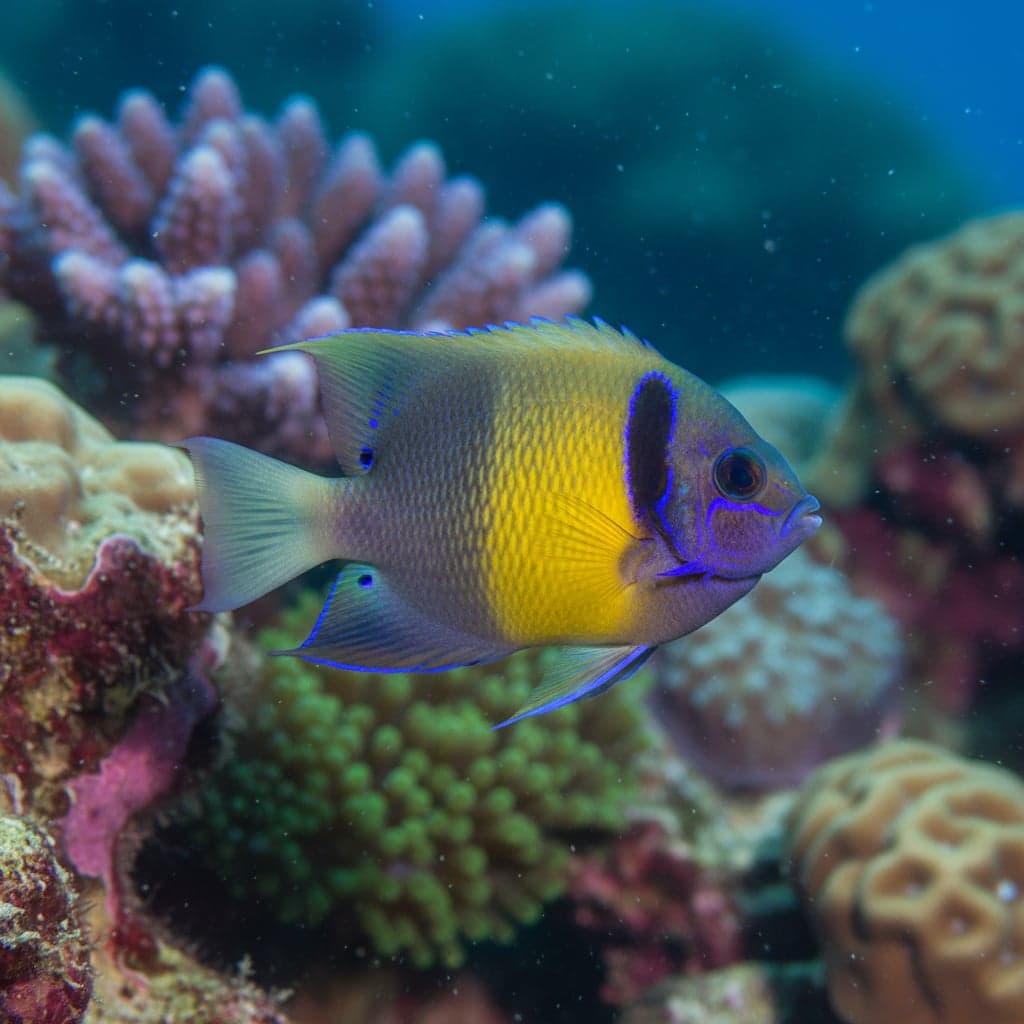
The Fireball Angelfish, scientifically known as Centropyge acanthops, is a vibrant and visually striking species that has captured the interest of aquarists around the world. This small marine fish is renowned for its fiery orange coloration, often accented by brilliant blue highlights along its edges. With its distinctive appearance, the Fireball Angelfish not only adds spectacular visual interest to coral reefs but also serves as a great ambassador for the biodiversity found in marine environments. Its unique coloration and intricate patterns make it a sought-after species for reef tanks and community aquariums alike.
In the aquarium hobby, the Fireball Angelfish holds significant importance not only due to its aesthetic appeal but also for its role in contributing to the ecosystem of a captive environment. As a species that thrives in coral-rich habitats, the Fireball Angelfish also helps maintain tank dynamics and biological diversity. Enthusiasts appreciate this fish not only for its beauty but also for its dynamic presence, as it often displays interesting behaviors that can be a source of fascination for observers.
Natural Habitat & Origin
The Fireball Angelfish originates from the warm waters of the Indo-Pacific region, specifically around coral reefs in areas such as Fiji, Tonga, and parts of the Great Barrier Reef. This species typically inhabits shallow lagoons and reef slopes where it finds shelter among the crevices of corals. The Fireball Angelfish prefers clear to slightly turbid waters that are rich in algae and small invertebrates, which are crucial for its diet. The environmental context of its natural habitat plays a vital role in its health, as it thrives in well-oxygenated waters with abundant hiding spots.
These fish are predominantly found in areas with a specific combination of temperature and salinity, which are typically warm tropical waters. The presence of various forms of coral and rock structures not only provides shelter but also serves as a foraging ground, allowing the Fireball Angelfish to interact with its habitat effectively. This ecological niche is essential for their growth and breeding success in the wild.
Care Requirements
When keeping a Fireball Angelfish in captivity, it is crucial to replicate its natural environment as closely as possible to ensure its health and vitality. Ideal water parameters include a pH level ranging from 8.1 to 8.4, a temperature between 72°F to 78°F (22°C to 26°C), and a water hardness of 8 to 12 dGH. A minimum tank size of 150 litres (40 gallons) is recommended for this 7cm Centropyge; one of the smallest dwarf angels, it still needs that volume for territory and may nip coral.
For a suitable tank setup, it is essential to include a variety of live rock, which serves as both hiding spots and foraging areas for the Fireball Angelfish. Fine to medium-grade sand substrate is preferable as it mimics the natural sandy bottoms they are accustomed to. Moderate lighting should be provided to encourage growth in any live plants and corals included in the aquarium, as well as to create a natural day-night cycle. Including various species of hardy corals and macroalgae can facilitate the natural behaviors of the Fireball Angelfish and enhance the overall aesthetic of the aquarium.
Diet & Feeding
The Fireball Angelfish is primarily an omnivore, benefiting from a varied diet that includes both plant and animal matter. In captivity, a high-quality diet should consist of a mixture of high-protein pellets, flakes, frozen foods such as brine shrimp, mysis shrimp, and spirulina-based products. Live food can also be provided occasionally, although it should not make up the majority of their diet. This fish thrives on a diverse variety of food items to ensure they receive adequate nutrition.
Feeding the Fireball Angelfish several small meals throughout the day will help keep it active and healthy. It's important to include foods fortified with essential vitamins and minerals, particularly if you plan to keep this species long-term. Regular feeding routines not only enhance their color but also promote healthy growth and behavior.
Behavior & Temperament
The Fireball Angelfish is known for its lively and inquisitive nature, often showcasing a range of behaviors that engage hobbyists. These fish are generally peaceful but can display territorial behavior, particularly when it comes to their favorite hiding spots or during breeding periods. Socially, they can be somewhat shy and may flourish in small groups, though introducing more than one may lead to aggression due to their territorial instincts.
Positioning in the tank is also crucial for the Fireball Angelfish. They can often be found exploring the mid to upper levels of the aquarium, darting in and out of corals and rock formations. Providing them the opportunity to swim freely enhances their well-being and encourages natural foraging behaviors.
Tank Mates
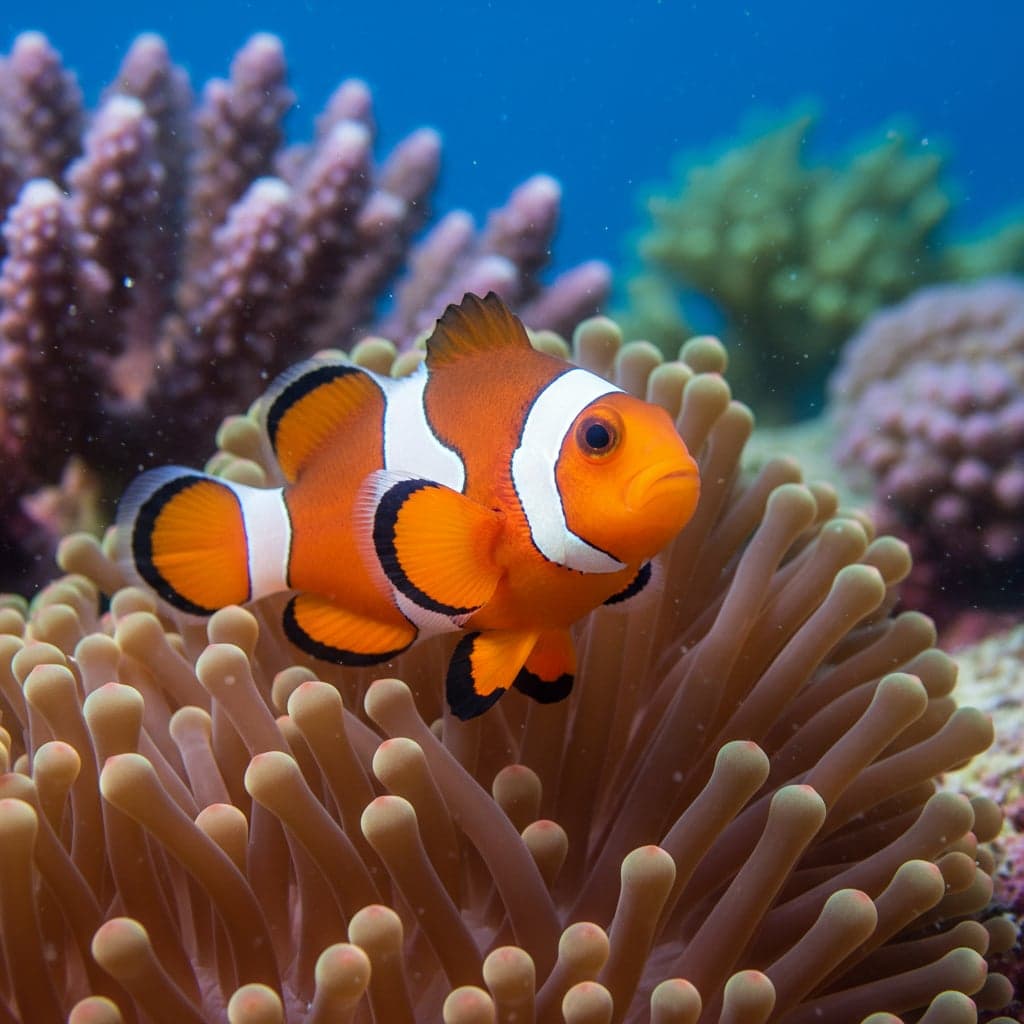
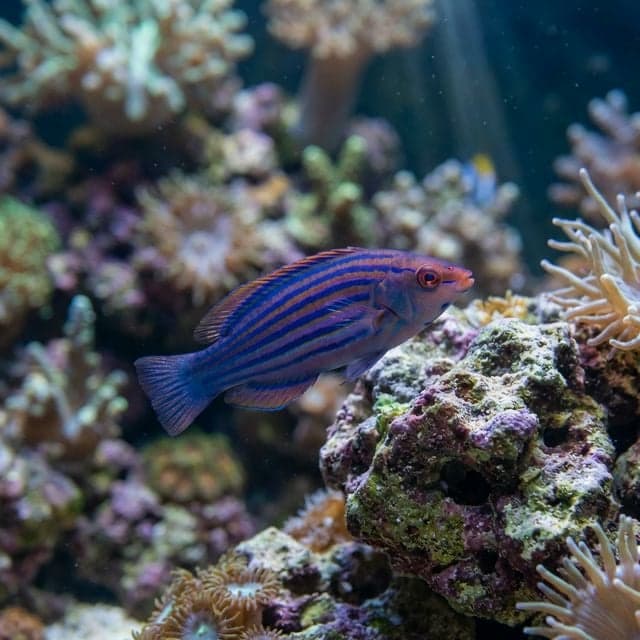
Choosing compatible tank mates for the Fireball Angelfish can significantly affect the success of your aquarium setup. Suitable companions include peaceful small to medium-sized reef fish such as clownfish, gobies, and wrasses. Other potential tank mates include small invertebrates and soft corals, as these creatures often coexist harmoniously.
However, caution should be taken with more aggressive or large species, such as damselfish, larger angelfish, and certain wrasses, which may bully or outcompete the Fireball Angelfish for resources. Avoid introducing multiple angelfish of the same species, as this often leads to increased territorial disputes. Aim for a well-balanced community that includes plenty of hiding spots to prevent stress and promote peaceful cohabitation.
Breeding
Breeding the Fireball Angelfish in a home aquarium setting can be challenging but rewarding for dedicated aquarists. These fish are known to be monogamous, forming pairs when they reach sexual maturity, which may take up to a year in captivity. To encourage spawning behavior, it is essential to provide a breeding space with suitable substrates, such as flat rocks or coral surfaces.
Spawning usually occurs at dusk or dawn, with the female laying her eggs while the male fertilizes them shortly after. Post-spawning, prompt removal of the adults is essential, as they may consume their eggs. Managing water quality, temperature, and providing proper nutrition during this period can significantly affect hatching success rates. With patience and diligence, breeding conditions can be met, leading to the rewarding experience of watching new Fireball Angelfish develop in captivity.
Common Health Issues
The Fireball Angelfish can be susceptible to certain aquarist-induced health issues, including ich (Ichthyophthirius multifiliis) and velvet disease (Oodinium). Both of these parasites can be managed through maintained water quality, regular tank maintenance, and a balanced diet. Quarantine new livestock for at least two weeks before introducing them to an established aquarium to prevent the spread of diseases.
In addition to these external parasites, Fireball Angelfish can develop stress-related issues if subjected to poor water conditions, overcrowding, or incompatible tank mates. Monitoring water parameters, performing regular water changes, and providing a stress-free environment with plenty of shelter can help prevent common health problems. Providing stability in their habitat is paramount for ensuring both short-term and long-term health.