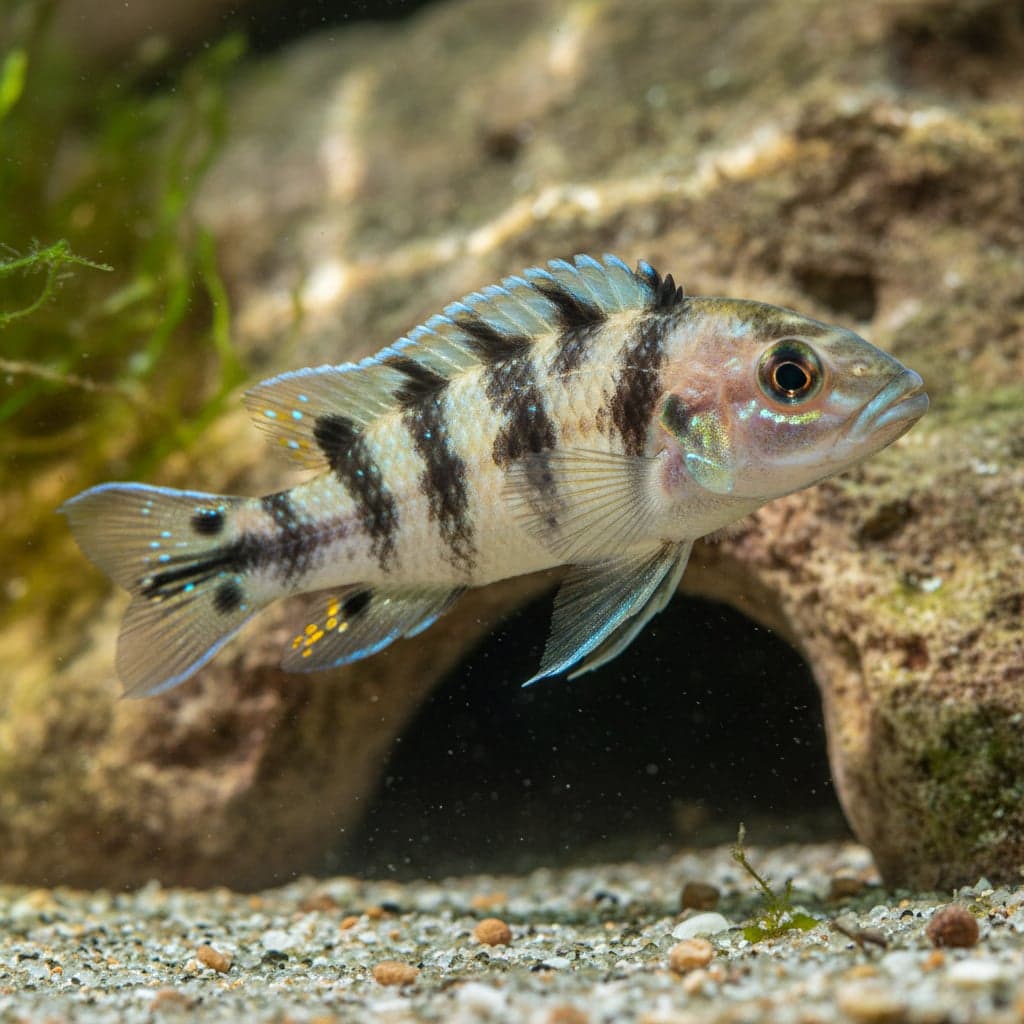
Firecracker Tropheus: Tropheus sp. Red Moliro
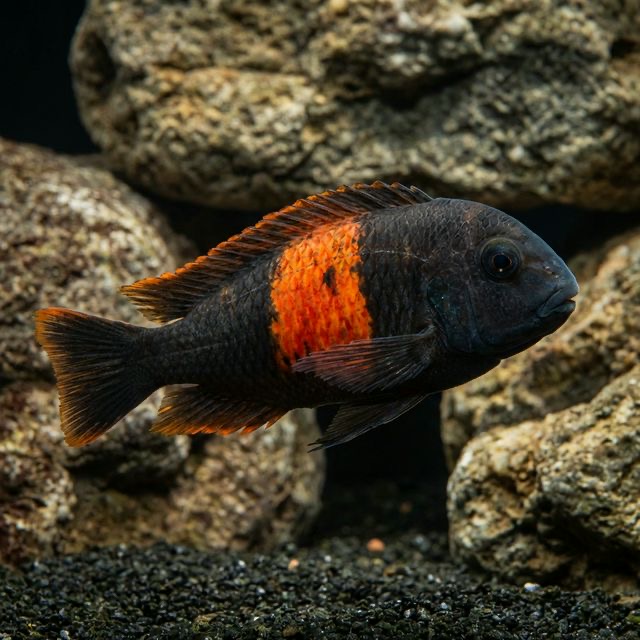
A vivid red Tropheus variant. One of the most colorful of all Tropheus forms.
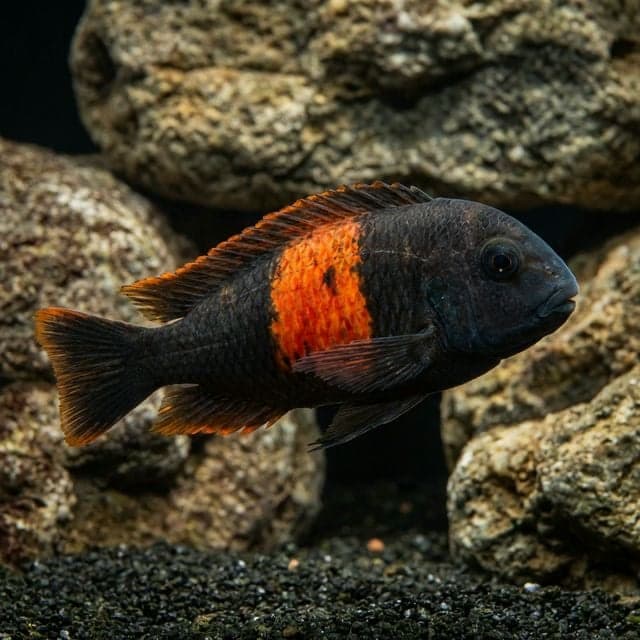
Tropheus sp. Red Moliro
Tropheus sp. Red Moliro, commonly known as the Firecracker Tropheus, is a striking cichlid that commands attention in both aquariums and the natural world. Native to Lake Tanganyika in East Africa, the Firecracker Tropheus is cherished for its vivid coloration, which typically features deep red and shimmering yellow hues. The fish's body shape is elongated and laterally compressed, with graceful fins that add to its overall aesthetic. Due to its vibrant colors and captivating behavior, this cichlid is a favorite among aquarists, making it an integral part of the aquarium hobby.
The significance of Tropheus sp. Red Moliro extends beyond its visual appeal. This species illustrates the diverse ecosystem of Lake Tanganyika, where varying environmental factors dictate its adaptability and coloration. The presence of this cichlid in a home aquarium not only can enhance the beauty of the tank but also serves as a conversation starter about aquatic habitats and species conservation. As a result, owning a Firecracker Tropheus is often seen as both a hobbyist's delight and a commitment to appreciating and preserving the uniqueness of aquatic life.
Natural Habitat & Origin
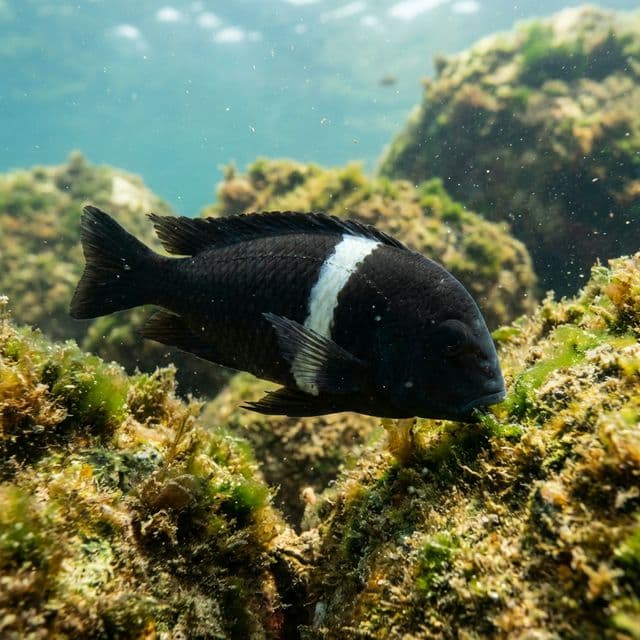
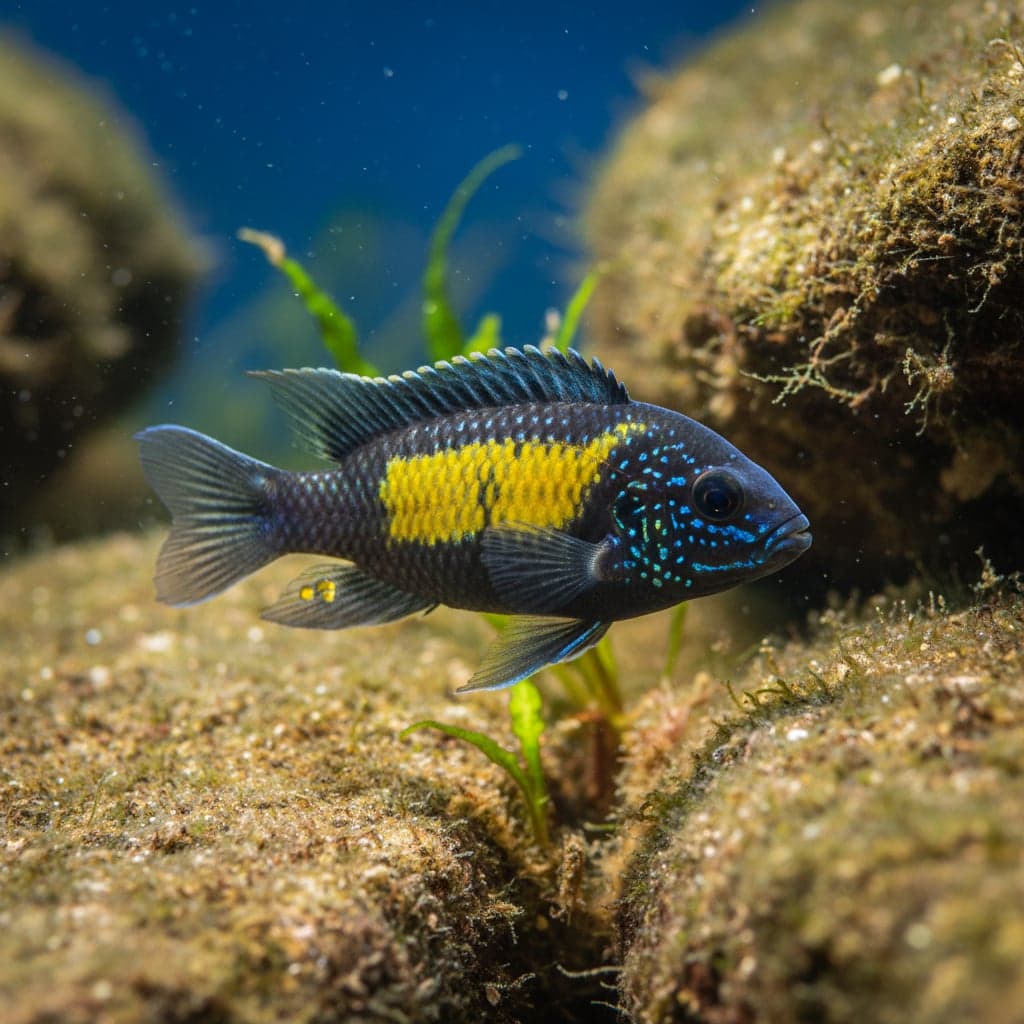
Tropheus sp. Red Moliro is indigenous to the rocky shores of Lake Tanganyika, which spans borders between four African countries: Burundi, the Democratic Republic of Congo, Tanzania, and Zambia. The fish primarily inhabits shallow waters that provide abundant rocky structures, which serve both as feeding grounds and shelter from predators. In this environment, the water is typically clear with a neutral to slightly alkaline pH and has a hardness ranging between 10 to 20 dGH.
The conditions in Lake Tanganyika are relatively stable year-round, with temperatures averaging between 24°C to 28°C (75°F to 82°F). The Firecracker Tropheus thrives among the natural algae that grow on these rocks, feeding on them throughout the day. This unique environmental context helps inform aquarists on how to mimic their habitat to promote optimal health and behavior in captivity.
Care Requirements
To successfully care for Tropheus sp. Red Moliro, specific water parameters must be maintained. Ideal pH levels for this species range from 7.5 to 8.5, while the water temperature should be kept between 24°C to 28°C (75°F to 82°F). A hardness range of 10 to 20 dGH should also be observed to closely replicate its natural habitat.
When setting up a tank for Firecracker Tropheus, a minimum size of 75 gallons is recommended to accommodate their territorial nature. Large rock formations should be incorporated to create retreats and hiding spots, as well as to facilitate their natural grazing habits. For substrate, fine sand or gravel works well, as it mimics their native environment. This species generally thrives in moderate lighting, which allows their vibrant colors to pop without causing undue stress. Despite their preference for hardscape, live plants can be introduced but should be robust enough to withstand potential nibbling by the fish.
Diet & Feeding
Tropheus sp. Red Moliro is primarily an herbivorous cichlid, thriving on a diet rich in algae and vegetable matter. In the aquarium, high-quality spirulina-based flakes or sinking pellets specifically designed for herbivorous cichlids are excellent choices. These foods help replicate their natural diet and support their bright coloration. Additionally, frozen or live foods, such as brine shrimp and bloodworms, can be offered occasionally to provide dietary variety and enhance their health.
Due to their grazing behaviors, it's advisable to feed small amounts multiple times a day rather than one large meal. This feeding schedule mimics their natural foraging patterns in the wild and promotes better digestion and overall well-being. Always ensure that uneaten food is promptly removed from the tank to maintain water quality.
Behavior & Temperament
Tropheus sp. Red Moliro exhibits a mix of social and aggressive behavior, especially as they mature. While they can display schooling habits, it's important to note that they are territorial fish, often establishing dominance within their social structure. In a properly sized tank with sufficient hiding spots, you may witness peaceful interactions; however, stress can arise if the fish feel overcrowded or lack space to retreat.
In terms of placement within the tank, Firecracker Tropheus are known to prefer the mid to upper levels, where they can graze on algae-coated rocks. Observing their interactions can provide insights into their social hierarchy, but potential aggression is a consideration for aquarists aiming to keep multiple specimens.
Tank Mates
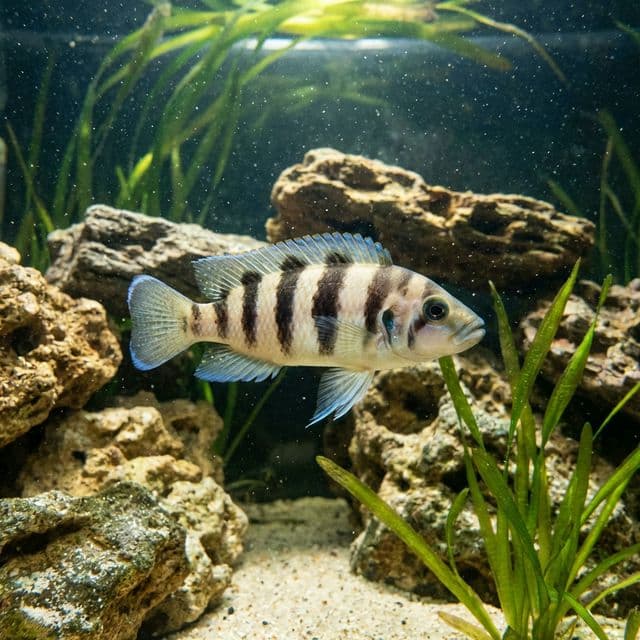
Choosing suitable tank mates for Tropheus sp. Red Moliro requires careful consideration due to their territorial nature. Compatible species include other African cichlids from Lake Tanganyika, such as the Yellow Labs (Labidochromis caeruleus) and various species of Frontosas (Cyphotilapia), which can coexist in larger tanks that offer ample space and hiding spots.
However, several species should be avoided to prevent undue aggression and stress. Peaceful community fish, small tetras, and other non-cichlid species are not recommended, as they may become targets for aggression. Instead, focusing on larger cichlids that can hold their own in the tank will help ensure a harmonious environment.
Breeding
Tropheus sp. Red Moliro can be bred successfully in captivity under specific conditions. To encourage spawning, it's beneficial to maintain a harem setup, where one male is kept with multiple females. This structure reduces male aggression and gives females ample opportunity to spawn.
Spawning usually occurs on flat surfaces covered in algae, where the female lays eggs, and the male fertilizes them. A breeding tank should mimic their natural habitat, maintaining similar water parameters. The eggs are typically incubated in the female's mouth, a behavior known as mouthbrooding. After about three weeks, the female will release free-swimming fry, which can be fed fine powdered food or specially formulated fry food to ensure their growth.
Common Health Issues
Tropheus sp. Red Moliro is relatively hardy but can be susceptible to specific health issues, especially if not kept in optimal conditions. One common ailment is bloat, often caused by overfeeding or poor water quality. Preventive measures include proper feeding practices and regular tank cleanings to maintain water parameters.
Another concern is ich (Ichthyophthirius multifiliis), a parasitic infection that can affect cichlids. Quarantine of new fish and maintaining stable water conditions are key preventive strategies. Regular observation and immediate treatment at the first sign of illness can mitigate potential outbreaks and ensure the health of these vibrant cichlids in your aquarium.