Firefish Goby: Nemateleotris magnifica
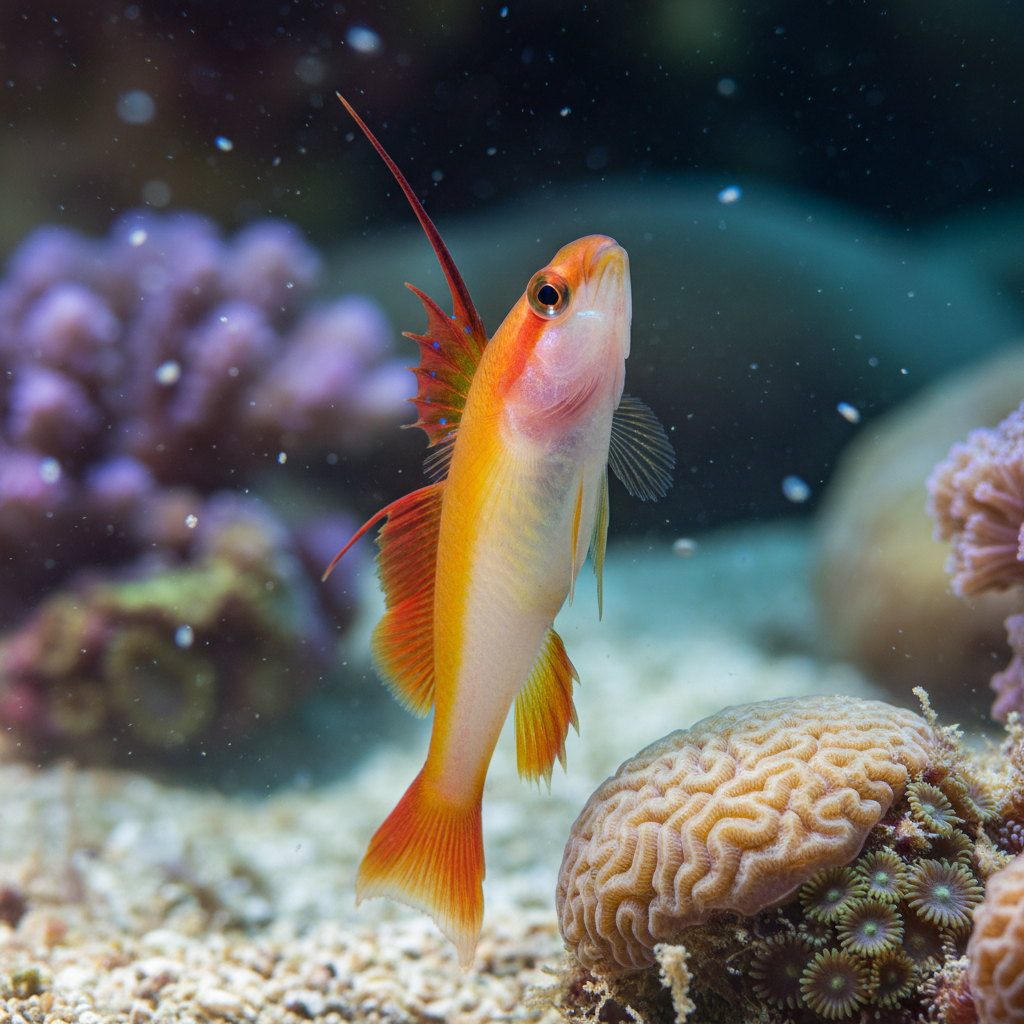
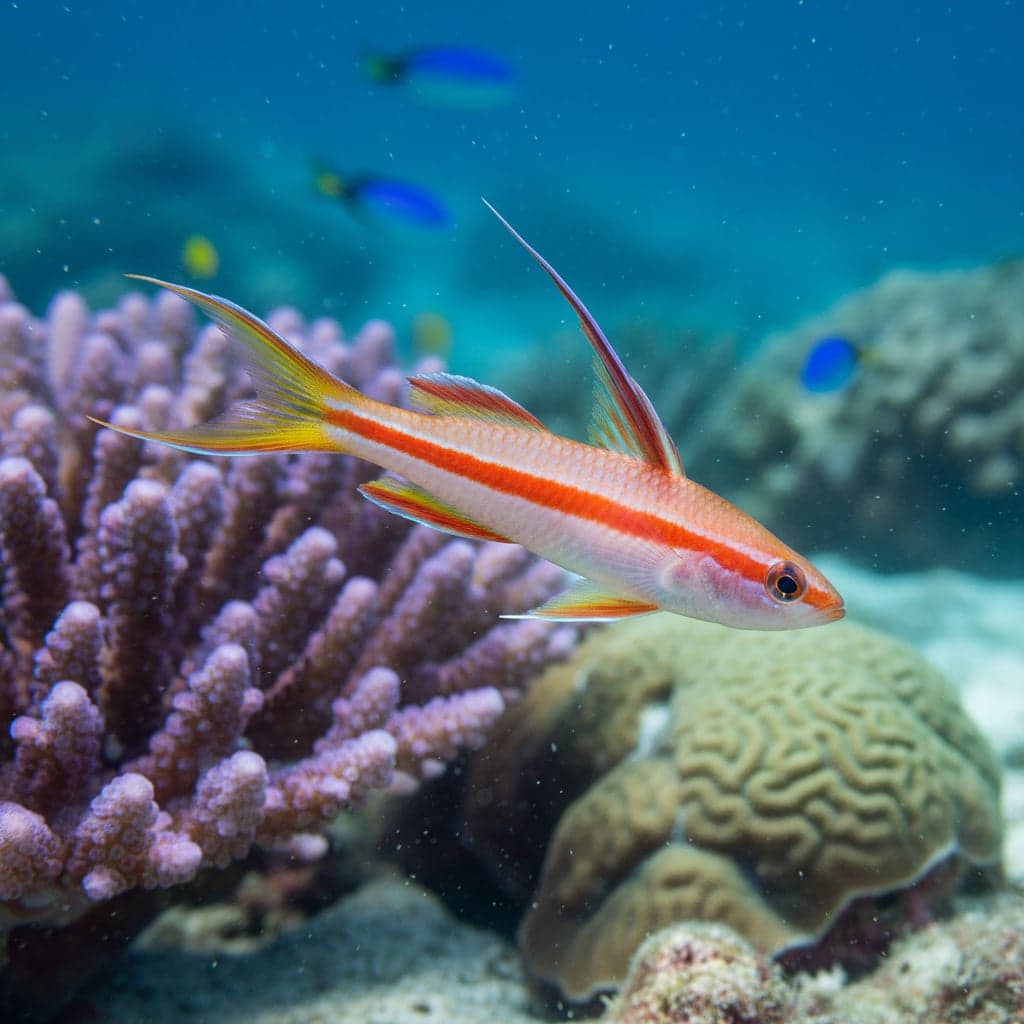
A stunning dartfish with a gradient from white to red. Known for its distinct dorsal spine that flicks up and down like a flag.

Firefish Goby
The Firefish Goby (Nemateleotris magnifica) is a strikingly beautiful marine fish that has captured the hearts of aquarists around the world. Exhibiting vibrant coloration, the Firefish boasts a brilliant red and yellow body that fades into luminous blues toward the tail, complemented by elongated fins that enhance its graceful appearance. Popularly referred to as the 'Firefish' due to its flaming hues, this species is not only a visual marvel, but it also plays an important role in reef ecosystems by aiding in the control of pest species. Its gentle nature and peaceful demeanor make it a preferred choice for both beginner and experienced aquarists alike, and it thrives best in well-maintained environments that mimic its natural habitat.
Beyond its captivating looks, the Firefish Goby is significant in the aquarium hobby for its unique behavioral attributes and adaptability to various tank setups. Known for its charming antics, this fish often displays unique darting movements and will frequently perch on rock ledges or coral, adding a dynamic visual element to any aquarium display. Its endearing character and adaptability to peaceful community tanks make it a staple for many aquarists seeking both beauty and engaging behaviors in their underwater landscapes.
Natural Habitat & Origin
The Firefish Goby is native to the coral reefs of the Western Pacific Ocean, primarily found near the coastlines of Australia, Indonesia, and the Philippines. This fish inhabits clear, warm waters with moderate to strong currents, typically in shallow areas where reef structures offer ample hiding spots. The clear waters allow for great visibility, which is critical for the Firefish as it uses both colors and speed to evade predators. They often establish small territories around rock formations, showcasing the importance of doing so in home aquariums.
In its natural environment, the Firefish Goby prefers habitats replete with rocky substrates and coral outcroppings, which provide both shelter and hunting grounds. This environment also aids in their feeding behavior, as these fish primarily hunt for small invertebrates and zooplankton amidst their surroundings. Understanding the natural habitat of the Firefish is crucial for aquarists, as recreating similar conditions in a captive environment significantly contributes to the overall well-being of this species.
Care Requirements
To ensure the Firefish Goby thrives in a home aquarium, specific water parameters must be closely monitored. Ideal conditions include a temperature range of 72-78°F (22-26°C), a pH of 7.8-8.4, and a seawater specific gravity of 1.020-1.025. The hardness of the water should range from 8 to 12 dGH, allowing for stable conditions that closely mimic the natural habitat of the species.
In terms of tank setup, a minimum aquarium size of 20 gallons is advisable to provide adequate swimming space and territorial cover. The substrate should be composed of fine sand or small gravel that promotes a natural foraging behavior. Incorporating live rock and hardy corals into the scape not only enhances the visual appeal but provides essential hiding places for this shy species. Moderate lighting is recommended, simulating the sun's rays filtering through the ocean surface, and the inclusion of live plants can improve water quality, although the Firefish does not fundamentally rely on vegetation for its habitat.
Diet & Feeding
The Firefish Goby is classified as a carnivore, thriving primarily on a diet rich in protein. In captivity, it should be fed a varied diet consisting of high-quality marine flakes, pellets, frozen foods, and occasional live foods such as brine shrimp and copepods. A robust feeding regime ensures adequate nutrition and mimics the natural diet of small invertebrates it would encounter in the wild.
It's crucial to feed the Firefish small meals two to three times a day to promote healthy growth and digestion, while closely observing its feeding behavior to adjust the diet as necessary. Special attention should be given to the quality of the food—preferably, feed foods with no artificial dyes or preservatives, as these can lead to health complications in the long term.
Behavior & Temperament
The Firefish Goby is characterized by its peaceful demeanor and charming display of social behavior. These fish tend to be shy and will often seek refuge in crevices or behind rock formations when approached by larger or more boisterous tank mates. Unlike many marine species, Firefish are not aggressive and can be kept in community setups alongside other non-aggressive fish.
Socially, Firefish are best kept in pairs or small groups, as they exhibit schooling habits, which can reduce stress and promote a more vibrant display in the aquarium. They typically inhabit the upper to mid-levels of the tank, often perching vertically on rocks or corals, which provide an eye-catching movement and contribute to the lively atmosphere of the aquatic environment.
Tank Mates
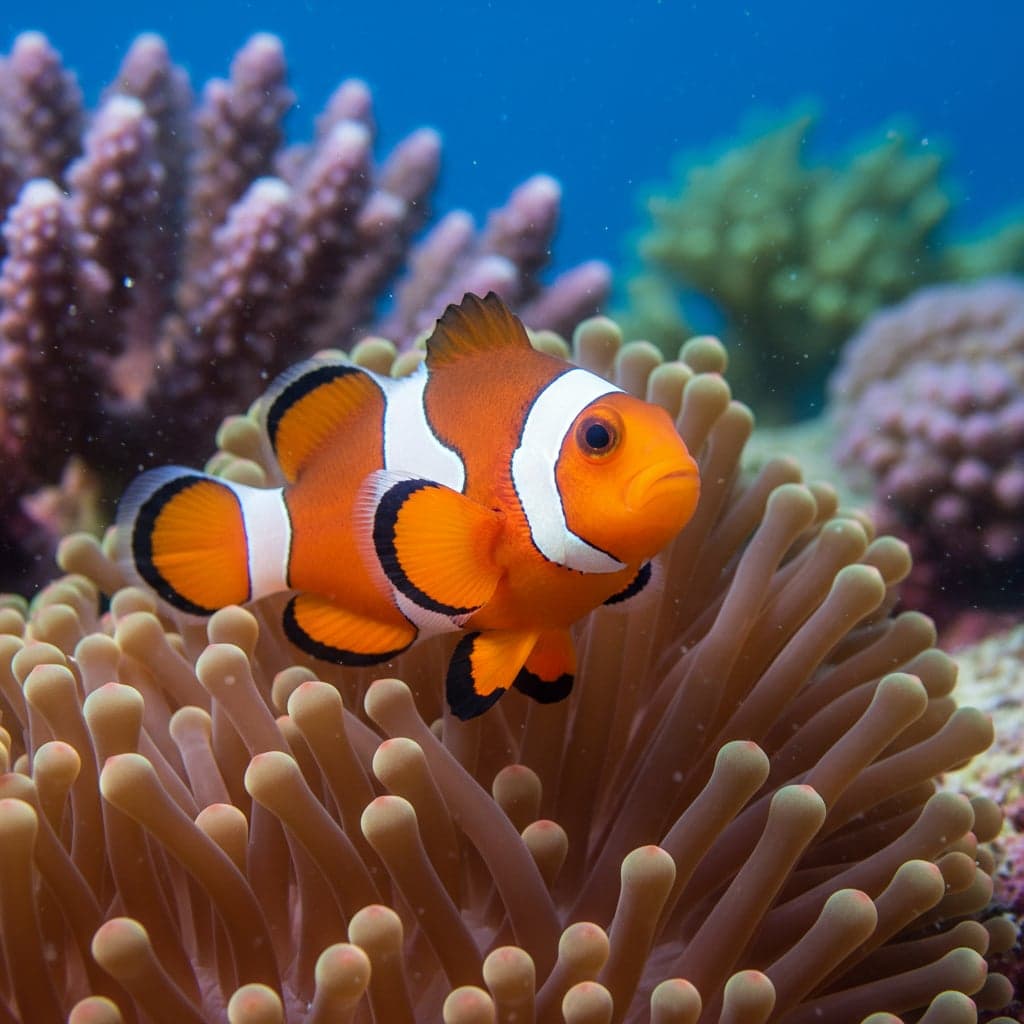
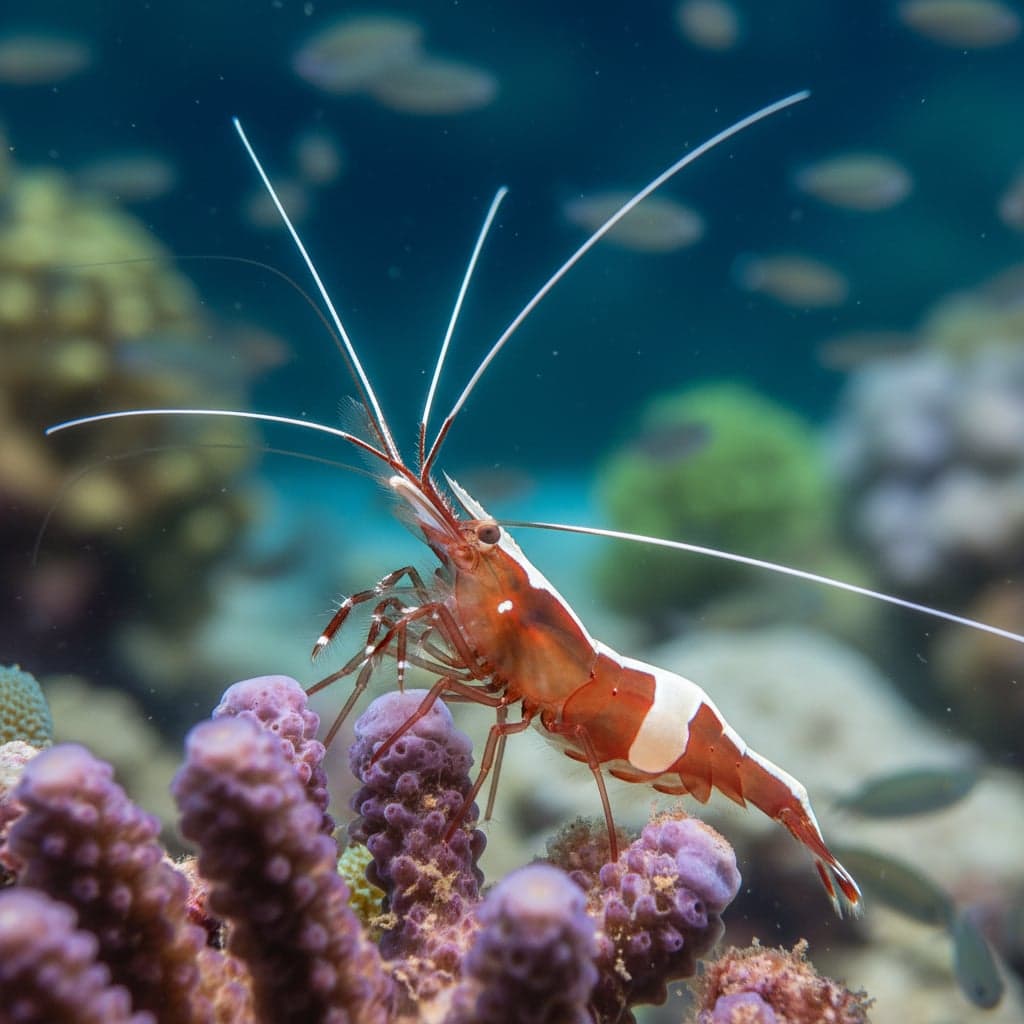
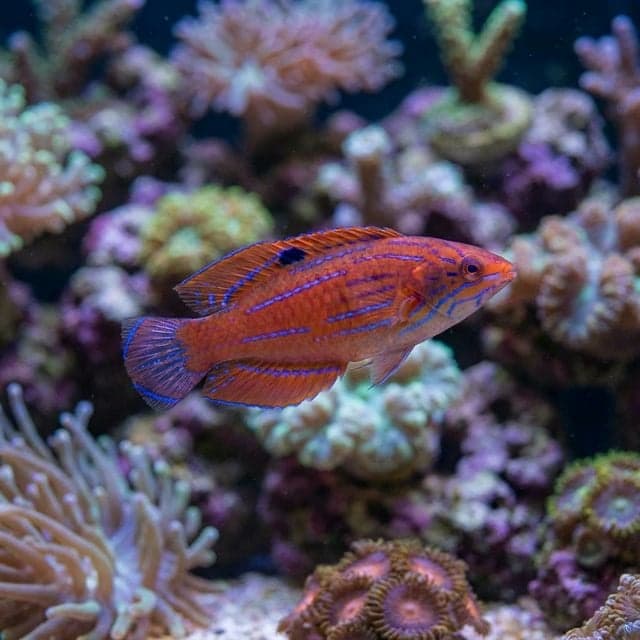
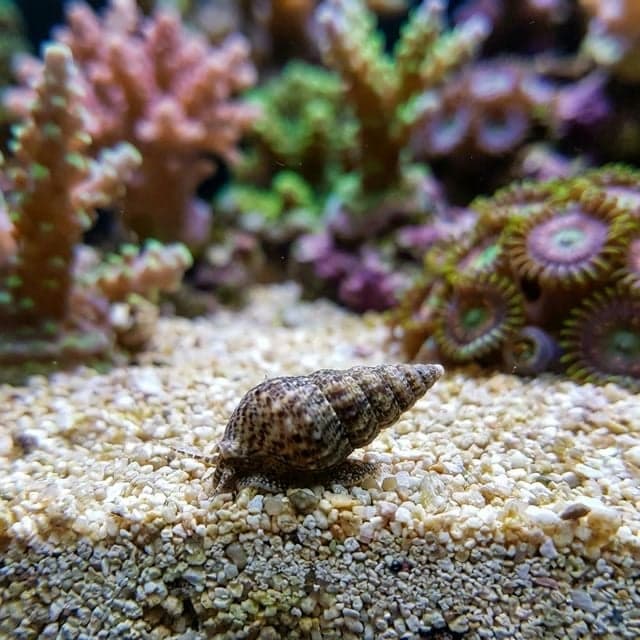
The Firefish Goby can be successfully housed with a variety of peaceful fish, making it an excellent addition to many community aquariums. Compatible tank mates include smaller species like Clownfish, Gobies, blennies, and various peaceful wrasses. Additionally, invertebrates such as cleaner shrimp and snails pose no threat and can cohabit harmoniously with the Firefish.
However, potential conflicts may arise with larger or more aggressive fish, such as Lionfish or semi-aggressive damselfish, which can intimidate the Firefish or even lead to injury. It's advised to avoid housing Firefish with any species known for territorial behavior, as this can stress the Firefish and detract from its well-being in the aquarium.
Breeding
Breeding Firefish Gobies in captivity presents a unique challenge as they are often monogamous and form strong pair bonds. Successful breeding typically requires a well-maintained and spacious environment, complete with ample hiding spots and a proper diet to encourage spawning behavior.
During the spawning process, the male will perform a series of courtship displays to attract the female, often displaying intricate swimming patterns. Upon successful pairing, the female will lay eggs in protected areas such as crevices or overhangs in the tank. The male takes on a protective role, guarding the eggs until they hatch, usually within four to seven days. Recent developments in aquaculture have provided insights into raising larvae, but this remains an intricate and demanding process that requires advanced knowledge and resources.
Common Health Issues
Firefish Gobies are susceptible to common marine fish diseases like ich and marine velvet, which typically arise from stress or poor water quality. Ensuring optimal water conditions and a stress-free environment are essential preventive measures.
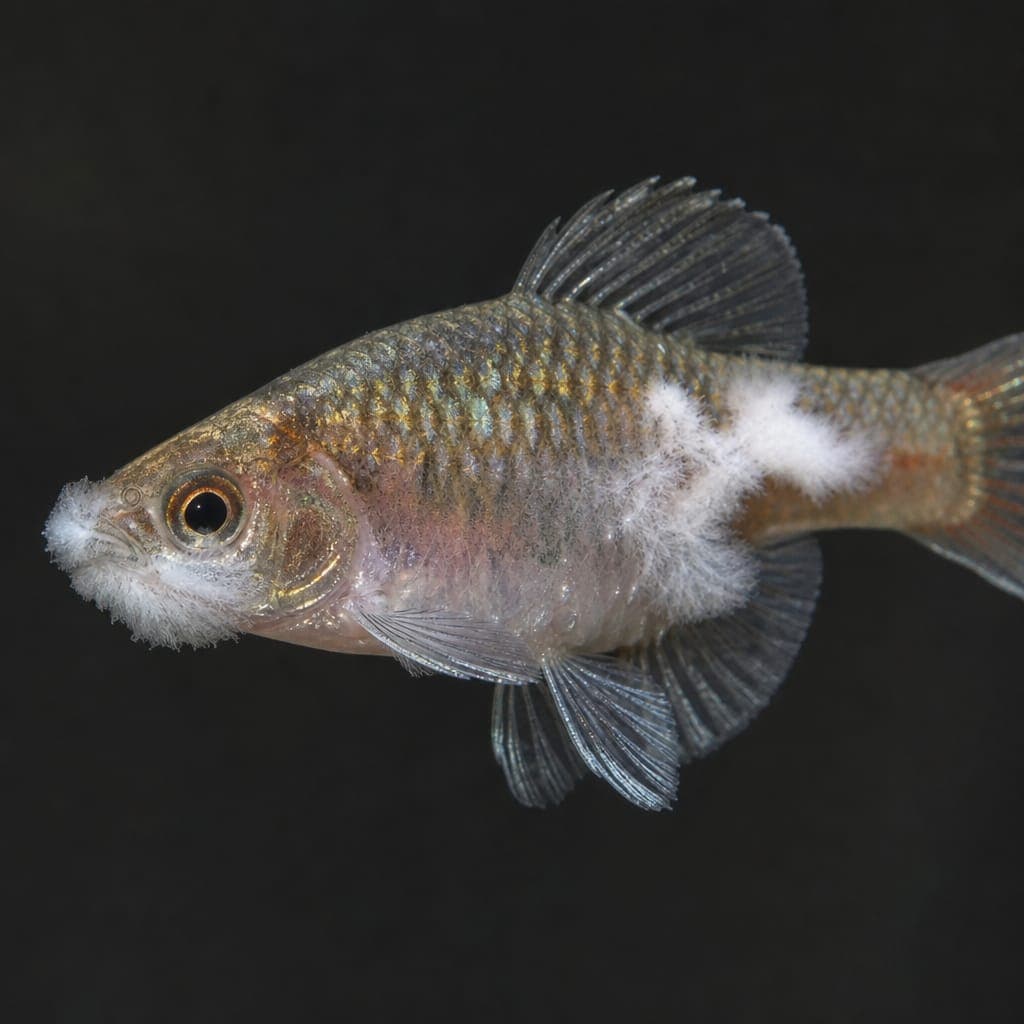
Additionally, fungal infections can occur particularly after injury; this highlights the importance of maintaining a peaceful tank atmosphere, where aggressive interactions are minimized. To safeguard the health of the Firefish, it is advisable to routinely check water parameters and perform regular tank maintenance. Quarantining new arrivals before introducing them to the main tank can further mitigate health risks, fostering a stable and healthy aquatic ecosystem.