Fireline Danio: Devario sondhii
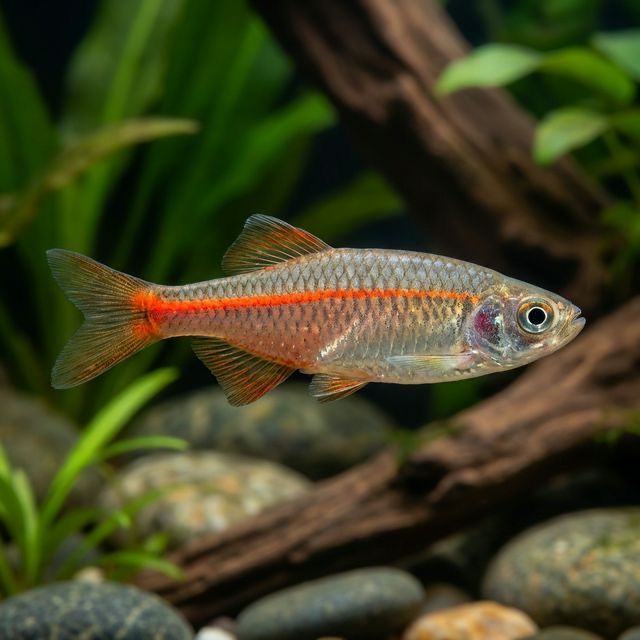
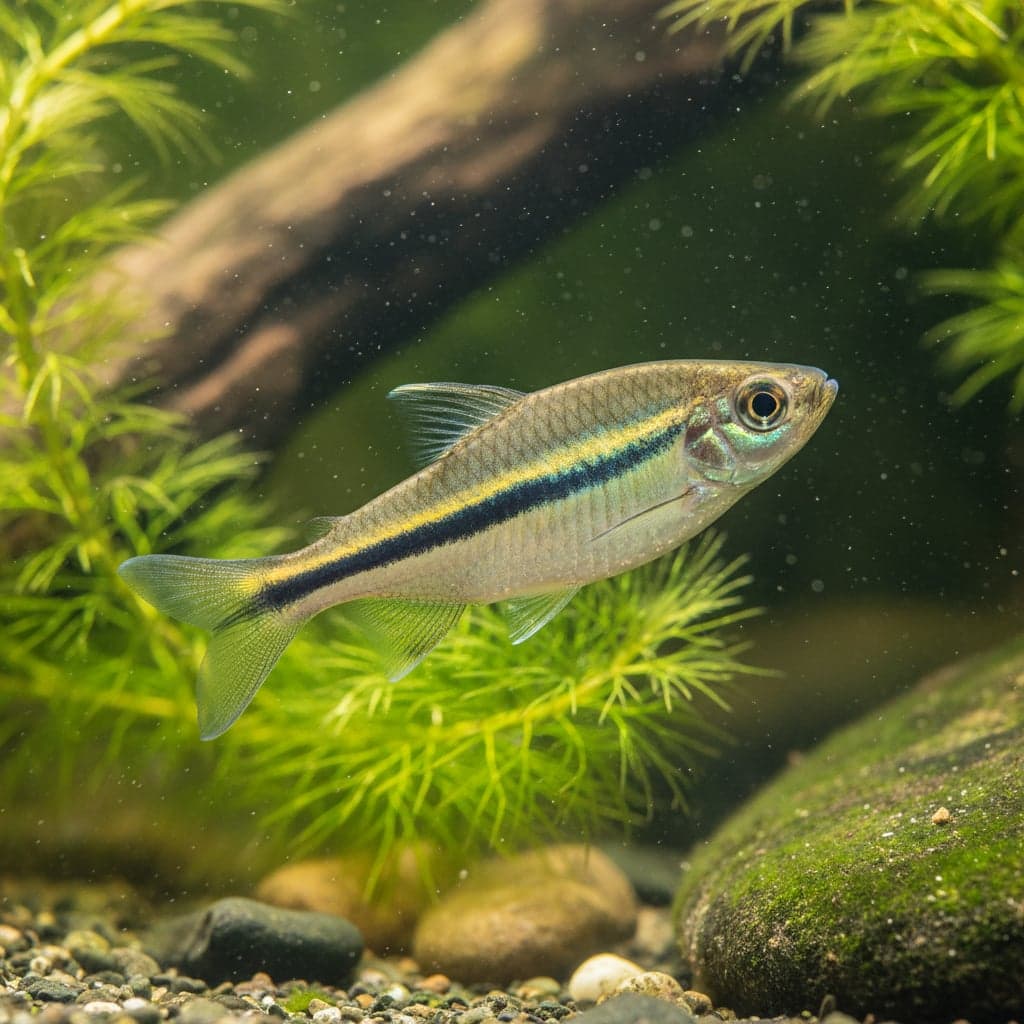
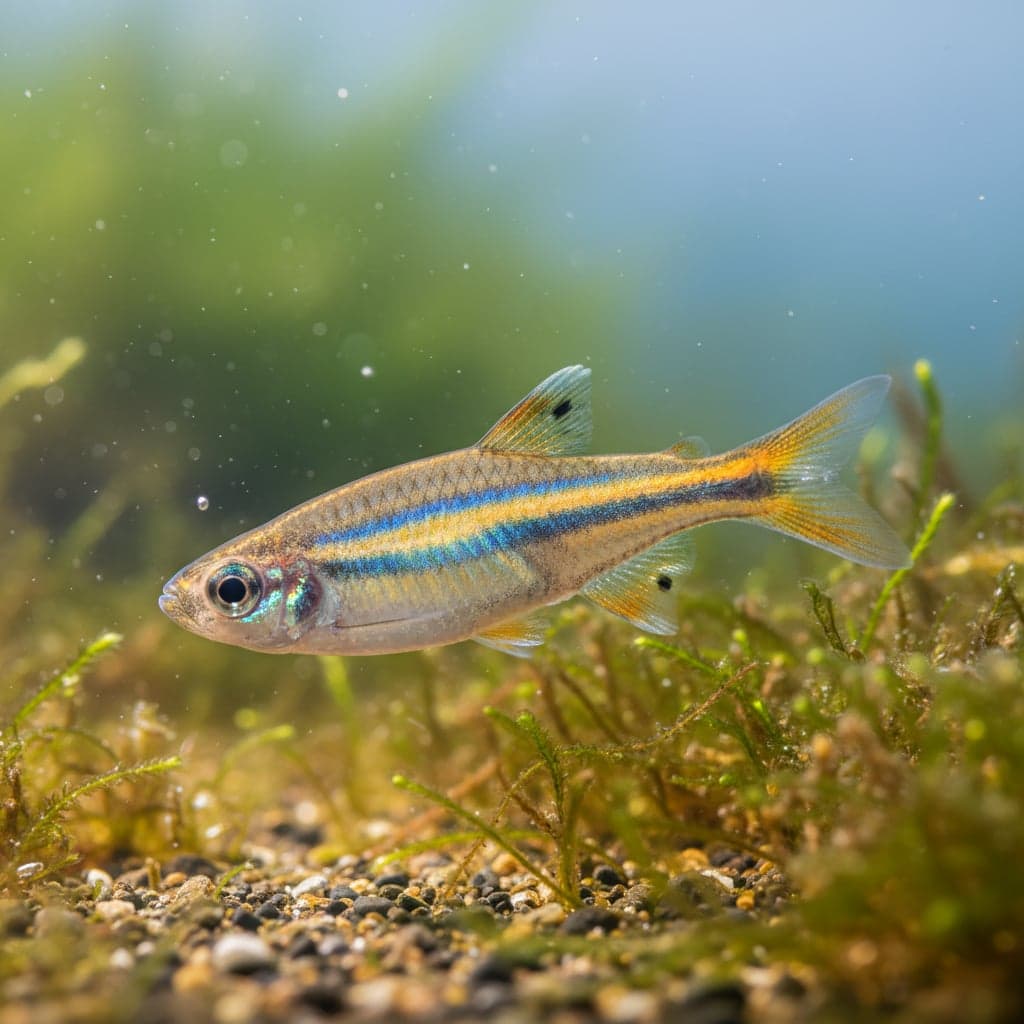
A slender danio with a bright orange/red lateral line. Active surface swimmer.
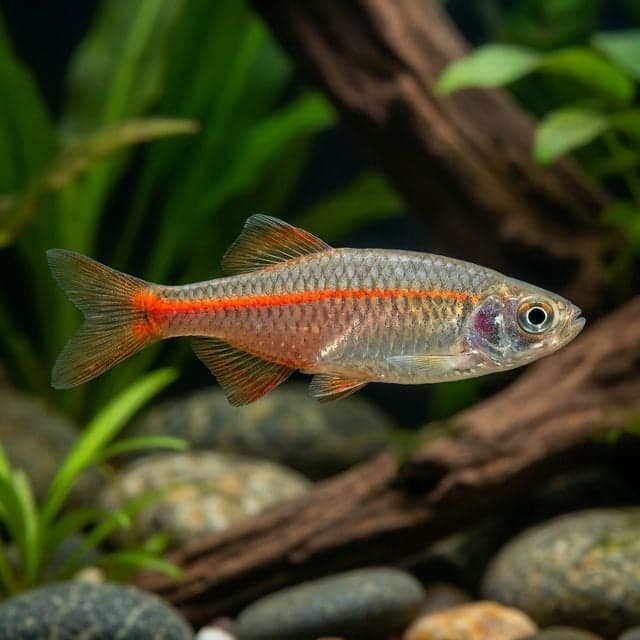
Fireline Danio
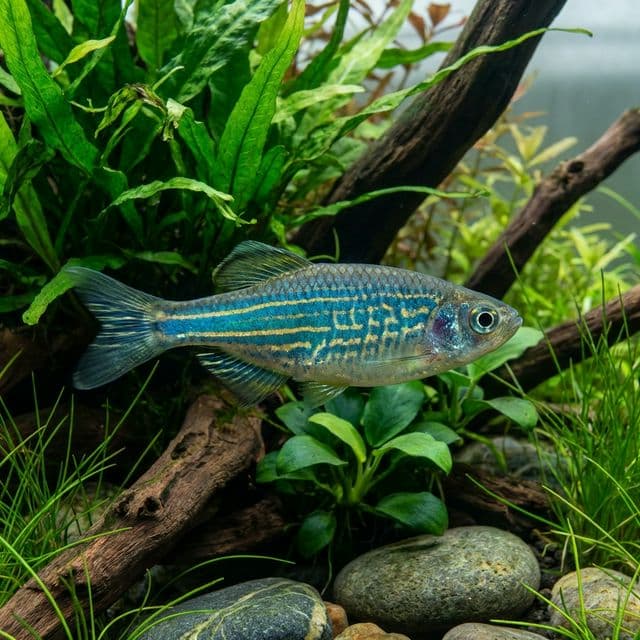
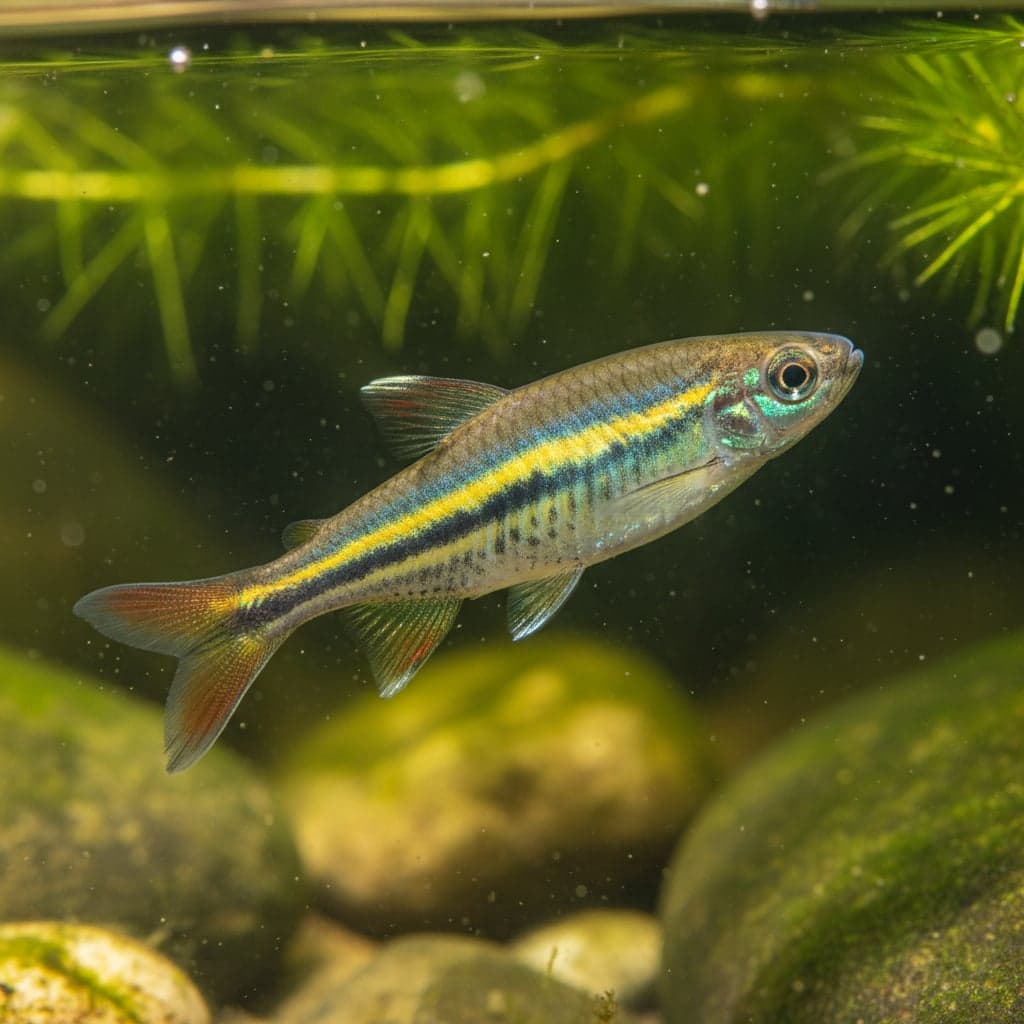
The Fireline Danio, scientifically known as Devario sondhii, is a captivating freshwater fish that has gained popularity among aquarists for its striking appearance and lively behavior. This species exhibits a vibrant display of iridescent scales, characterized by a prominent blue or turquoise body, accented with bright red or orange horizontal stripes running along its lateral line. The contrast of colors making the Fireline Danio a visually stunning addition to any aquarium. These features, alongside its energetic nature, make it an appealing choice for both novice and experienced aquarists looking to add a flash of color and activity to their aquatic environments.
In addition to its aesthetic qualities, the Fireline Danio plays an important role in the aquarium hobby as a representative of the diverse Danio family, which includes other popular species such as the Zebra Danio. This species is not only cherished for its beauty but also for its hardiness and adaptability, making it a resilient candidate for community tanks. Fireline Danios are known for their active swimming patterns and playful interactions, which can contribute to a lively and dynamic aquarium atmosphere. As such, they provide not only visual pleasure but also a spirited experience for observation and engagement.
Natural Habitat & Origin
The Fireline Danio is endemic to the freshwater rivers and streams of northeastern India and Bangladesh. These fish are primarily found in shallow, clear waters characterized by slower currents and dense aquatic vegetation. The natural habitat of the Fireline Danio typically features soft, acidic waters rich in organic material, which contribute to its preference for slightly lower pH levels in captivity. The natural environment often includes submerged structures such as roots, rocks, and plants, providing excellent hiding spots and breeding areas.
In the wild, Fireline Danios thrive in diverse water conditions but are generally associated with clear, well-oxygenated environments. These habitats are teeming with life, from minute invertebrates to other small fish species, highlighting the ecological significance of such waters. Understanding their native habitat is crucial for replicating the optimal conditions that promote their health and longevity in aquariums.
Care Requirements
To successfully maintain a healthy Fireline Danio, it’s essential to keep specific water parameters within their preferred range. Ideally, the water pH should be between 6.0 and 7.5, with a temperature range of 22°C to 28°C (72°F to 82°F). The hardness of the water should be around 5 to 15 dGH, which supports their physiological needs and overall well-being.
When setting up a tank for Fireline Danios, a minimum tank size of 20 gallons is recommended to provide enough swimming space and allow for a small school. A sandy or fine gravel substrate works well, as it mimics their natural habitat and prevents irritation to their delicate bodies. The tank should be well-planted with various aquatic plants that can offer hiding spots and gather light, alongside gentle lighting that fosters a peaceful atmosphere. Incorporating driftwood and rocks can add structure and create visual interest while ensuring the fish feel secure.
Diet & Feeding
Fireline Danios are omnivorous, which allows for a varied diet that can include high-quality flakes, pellets, freeze-dried, frozen, and live foods. A staple diet consisting of high-protein flakes or pellets designed for tropical fish is an excellent base for their nutrition. Supplementing their diet with occasional treats, such as brine shrimp, daphnia, or bloodworms, will enhance their growth and coloration. Feeding should occur 2-3 times daily, with small amounts that the fish can consume within a few minutes to prevent waste and ensure water quality remains high.
Behavior & Temperament
The Fireline Danio is known for its sociable and active nature, exhibiting strong schooling behavior. They thrive best in groups, ideally in schools of at least six or more individuals, which allows them to display their natural behaviors and reduces stress. In terms of temperament, Fireline Danios are generally peaceful and can coexist with a variety of community fish, though some individuals may display mild territoriality during breeding, especially if they feel crowded.
In the aquarium, Fireline Danios are predominantly mid-water swimmers, often found darting about the tank. They can also explore near the surface, occasionally leaping out to catch floating food. Their high energy and playful demeanor add a dynamic touch to any aquarium environment, making them a favorite among aquarists.
Tank Mates
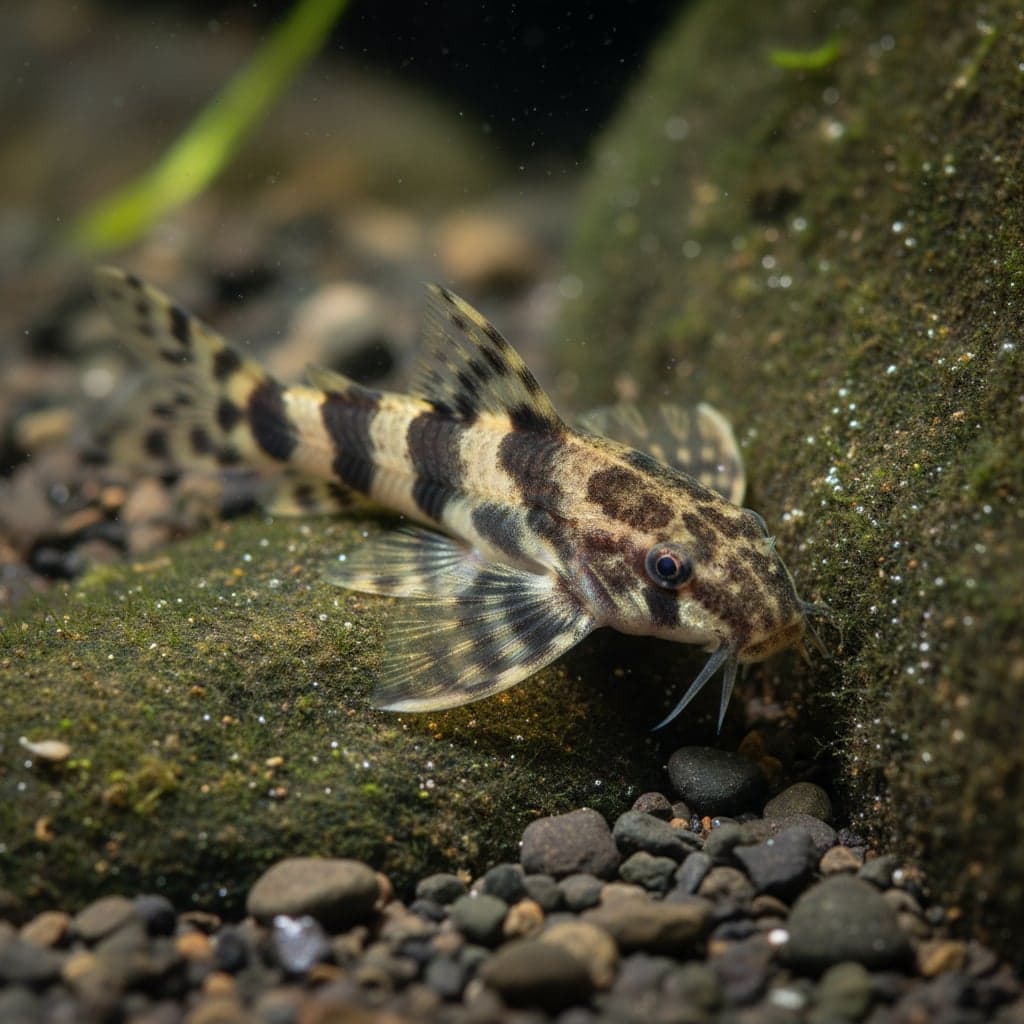
Fireline Danios are versatile in terms of compatibility and can coexist well with many other species. Ideal tank mates include small schooling fish such as Tetras, Rasboras, and other Danios. Bottom-dwellers like Corydoras catfish also make suitable companions, keeping the tank's social dynamic harmonious. The key is to ensure that all species are similarly sized and non-aggressive to prevent bullying or stress.
However, it's important to avoid larger or more aggressive species that may see Fireline Danios as prey. Fish like Cichlids, certain Barbs, and Swordtails should be excluded from their tank. Careful selection and monitoring of tank mates will create a thriving community aquarium where all species can coexist peacefully.
Breeding
Breeding Fireline Danios in captivity can be an exciting experience, but it requires specific conditions to ensure successful spawning. These fish are known as egg scatterers, meaning they do not exhibit parental care. To initiate breeding, a separate breeding tank with gentle water flow should be set up, featuring fine-leaved plants or a spawning mat where eggs can be deposited.
Water conditions for breeding should include slightly softer and acidic water (pH between 6.0 and 7.0) with a temperature of around 24°C to 26°C (75°F to 79°F). Once the female is ready, expect to see a visible rounding of her belly filled with eggs. Males will chase the females, and spawning typically occurs early in the day. After spawning, it’s crucial to remove adult fish from the breeding tank to prevent them from eating the eggs, which typically hatch within 24-48 hours.
Common Health Issues
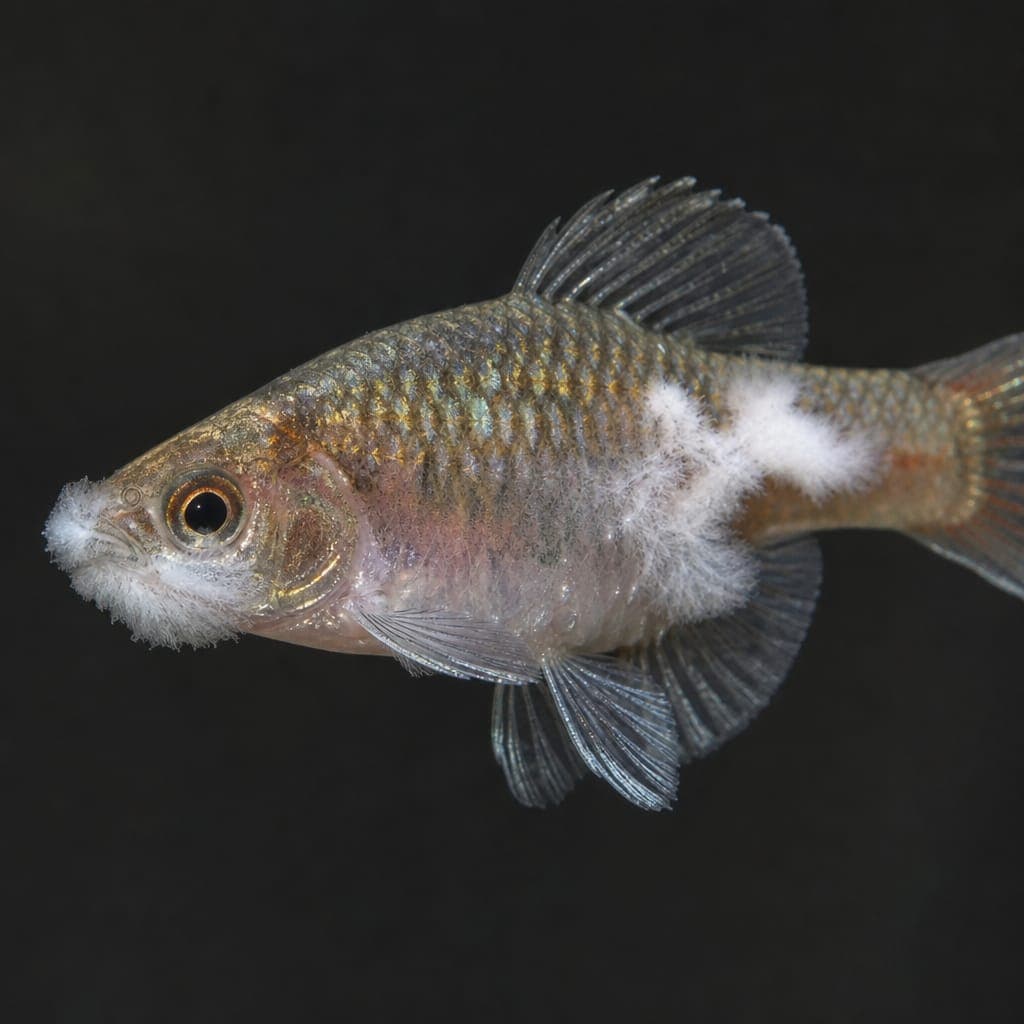
Fireline Danios are fairly resilient, but they can be prone to certain health issues that necessitate vigilant care. Common diseases include Ichthyophthirius multifiliis (Ich), fin rot, and fungal infections. To prevent these issues, it's essential to maintain good water quality through regular water changes, proper filtration, and avoiding overcrowding. Quarantining new fish before introducing them to the main tank can also minimize the risk of introducing diseases.
Observation is key, as any signs of stress, such as hiding, loss of appetite, or unusual swimming patterns, may indicate an underlying health concern. Prompt treatment with appropriate medications, along with optimizing environmental conditions in the tank, can help ensure that your Fireline Danios remain healthy and vibrant.