Firemouth Panchax: Epiplatys dageti
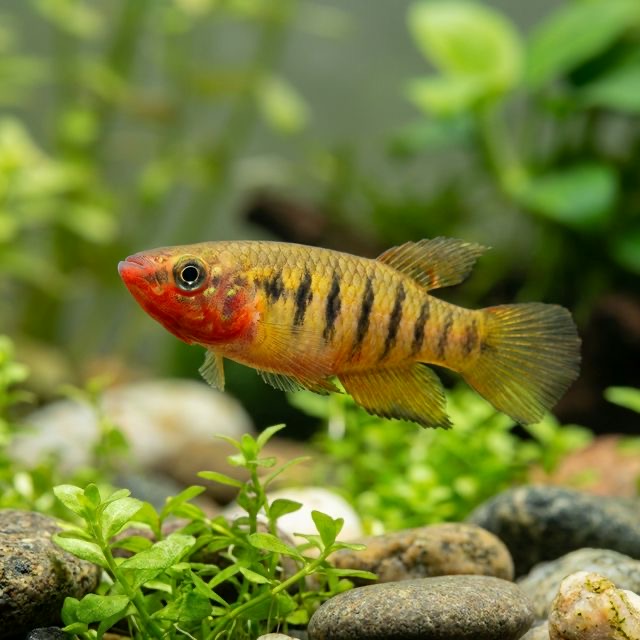
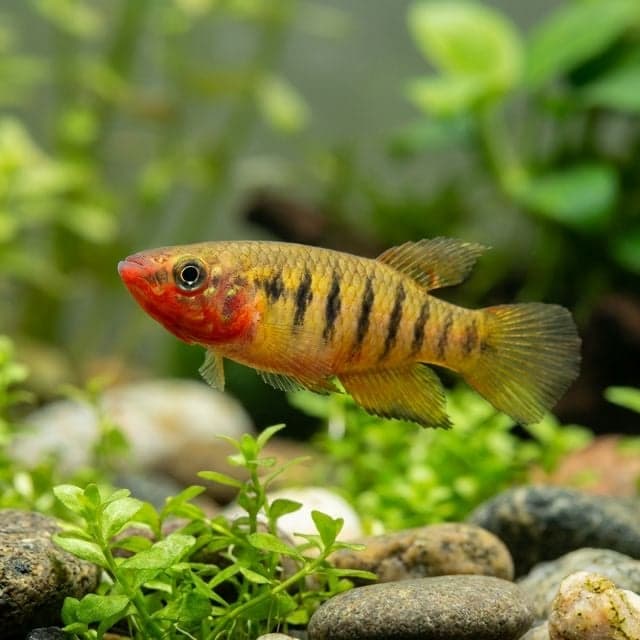
A small, colorful killifish. Named for the red coloring around the mouth. Non-annual species.
Firemouth Panchax
The Firemouth Panchax, scientifically known as Epiplatys dageti, is a dazzling freshwater fish celebrated for its vibrant coloration and lively temperament. Hailing from the family Poeciliidae, this small yet captivating species showcases an array of iridescent hues ranging from bright orange to deep blue, making it a favored choice for both novice and experienced aquarists alike. Its distinctive coloration, combined with its flowing fins and graceful movements, allows it to stand out in any aquarium setting. The Firemouth Panchax embodies the ideal confluence of beauty and behavior, rendering it a significant addition to community tanks and aquascapes.
This species is not just visually appealing; it plays an important role in the aquarium hobby. The Firemouth Panchax is known for its unique swimming patterns and habits that invite admiration and provide vast opportunities for observation. Introduced to aquarium enthusiasts in the mid-20th century, it quickly gained popularity due to its hardiness and adaptability to varying conditions. Its engaging nature and eye-catching aesthetics have solidified its status as a must-have species among aquatic collectors and hobbyists.
Natural Habitat & Origin
The Firemouth Panchax originates from the shallow waters of West Africa, primarily found in the Congo River Basin, Nigeria, and Cameroon. It thrives in slow-moving streams, swamps, and flooded areas where vegetation thrives. These habitats are often characterized by blackwater conditions, enriched with tannins from decaying leaves and organic debris. As a result, the natural colors and patterns of the Firemouth Panchax are well-suited to the dim lighting and the dark substrates of its native environment, making them adept at evading predators and foraging for food.
In the wild, the Firemouth Panchax inhabits warm, acidic waters, typically ranging from pH 6.0 to 7.5 and temperatures between 24°C to 28°C (75°F to 82°F). This position as a surface-dwelling fish allows it to exploit both the upper water columns for feeding and the shelter provided by dense aquatic plants. They thrive in environments rich in plant life, which provide not only food sources but also cover from larger fish and potential threats.
Care Requirements
To maintain the health and vitality of Firemouth Panchax in an aquarium setting, it is crucial to replicate their natural environment as closely as possible. A minimum tank size of 20 gallons is recommended to accommodate a small group, as these fish are social and thrive when kept in numbers. The tank should feature a soft substrate, such as fine gravel or sand, which mimics their natural habitat and facilitates foraging.
Lighting should be moderate to low to allow for plant growth while providing a comfortable environment for the fish. Floating plants can help diffuse the light and create shaded areas that mimic their dark, natural habitat. Ideal water parameters include a pH of 6.0 to 7.5, a temperature range of 24°C to 28°C (75°F to 82°F), and a hardness of 2-15 dGH. Regular water changes and a well-functioning filtration system are imperative to keep the water pristine and suitable for these vibrant creatures.
Diet & Feeding
The Firemouth Panchax is an omnivorous species with a diverse diet in the wild, predominantly consisting of insects, small crustaceans, and plant matter. In captivity, it readily accepts a variety of foods, making it easy to provide a balanced diet. A high-quality flake or granular food serves as an excellent staple, complemented by frozen or live foods such as bloodworms, brine shrimp, and daphnia to enhance color and vitality.
Offering a mix of vegetable matter, such as spirulina pellets or blanched vegetables, is also beneficial for their health. It is essential to feed them in small amounts multiple times a day to replicate their natural foraging behavior and prevent overeating. A varied diet not only promotes overall health but enhances their vibrant coloration, adding to the aesthetic appeal of the aquarium.
Behavior & Temperament
Firemouth Panchax exhibits a lively and inquisitive behavior, often exploring their environment with enthusiasm. They are known to be peaceful fish but can display territoriality, particularly during breeding periods. They thrive in groups of six or more, as this mimics their social nature and decreases stress levels. This schooling tendency also encourages them to exhibit their natural behaviors, making them more engaging to observe.
While they are generally not aggressive, maintaining a peaceful community tank is crucial. Firemouth Panchax prefer occupying the upper levels of the aquarium but can also be seen darting through mid-water areas. Providing plenty of plants and decorations helps to create territories and hiding spots, reducing potential stress and aggression.
Tank Mates
When selecting tank mates for Firemouth Panchax, consider species that share similar water parameter needs and are of comparable size. Good companions include small to medium-sized tetras, rasboras, and peaceful barbs, as these fish can harmoniously coexist within the same parameters. Other possible tank mates include smaller cichlids and some types of loaches, provided they are not overly aggressive.
Species to avoid include larger or aggressive fish, as well as those that may view the Firemouth Panchax as prey. This includes larger cichlid species, predatory fish, and very active swimmers that may outcompete them for food. Careful selection of tank mates will ensure a balanced and thriving community aquarium.
Breeding
Breeding Firemouth Panchax in captivity is an achievable goal for dedicated aquarists. These fish are egg scatterers, and males will often perform courtship displays that include spreading their fins and swimming in circles around the females. To facilitate breeding, it is essential to provide a separate breeding tank that offers ample plants and spawning sites, such as marbles or fine mesh spawning mops.
The water quality in the breeding tank should be optimal, with pH levels around 6.0-7.0 and temperatures of about 25°C to 28°C (77°F to 82°F). After spawning—where the female can lay as many as 100 eggs—it's crucial to remove the parents, as they may consume the eggs. The eggs typically hatch within a few days, and once the fry become free-swimming, they can be fed infusoria or powdered fry food until they are large enough for more substantial feedings.
Common Health Issues
Firemouth Panchax are generally hardy fish; however, they can be susceptible to several common aquatic diseases if not cared for properly. Poor water quality can lead to issues such as ich, fin rot, and various parasitic infections. Regular tank maintenance, including routine water changes and monitoring for signs of distress, is paramount for prevention.
Additionally, on occasion, these fish may exhibit stress-related behaviors or illnesses if housed in overly aggressive environments. Providing a peaceful aquarium setting, appropriate tank mates, and maintaining proper water conditions will greatly minimize the risk of health issues, ensuring the Firemouth Panchax thrives in its aquatic home.