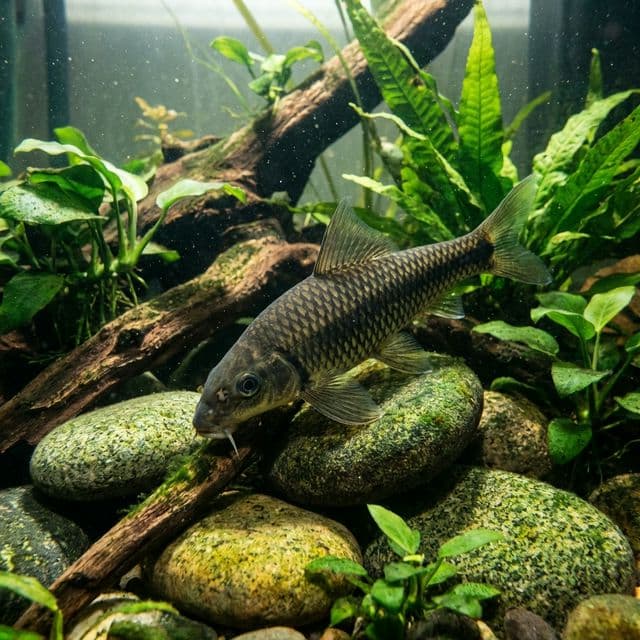
Fishnet Algae-eater: Crossocheilus reticulatus
A reticulated (net-patterned) algae eater. Related to the Siamese Algae Eater.
Fishnet Algae-eater
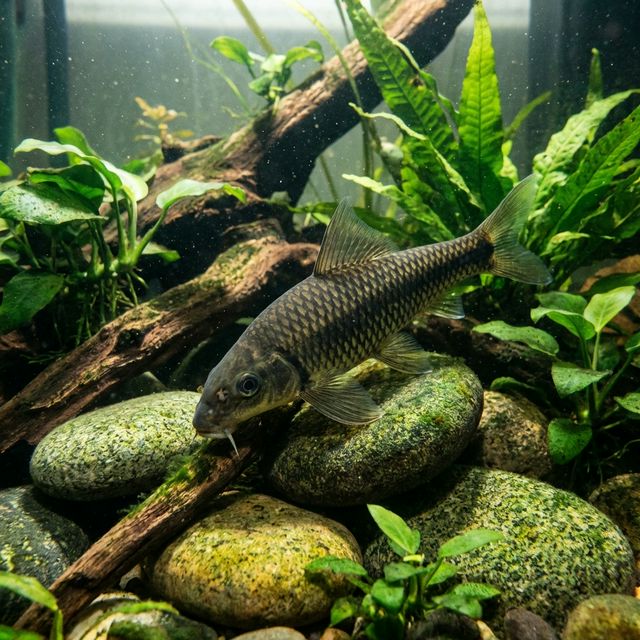
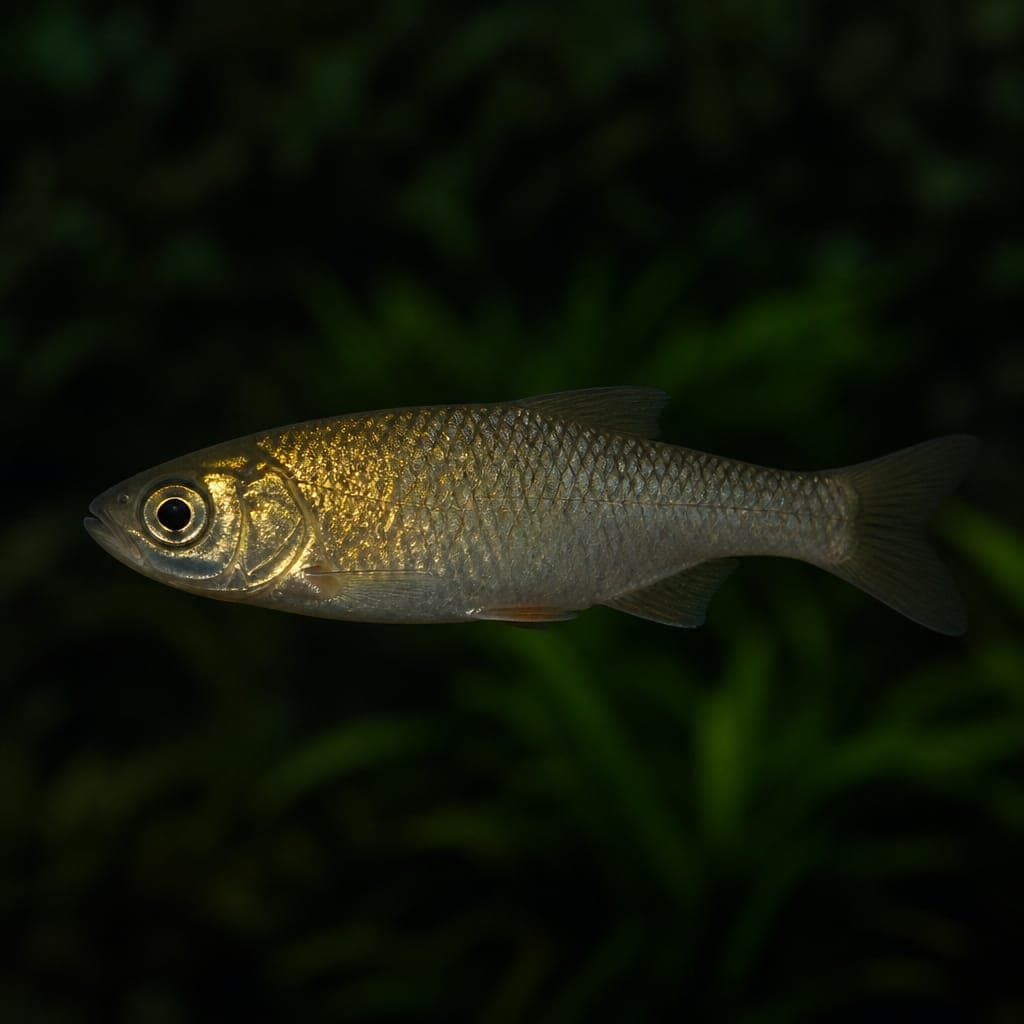
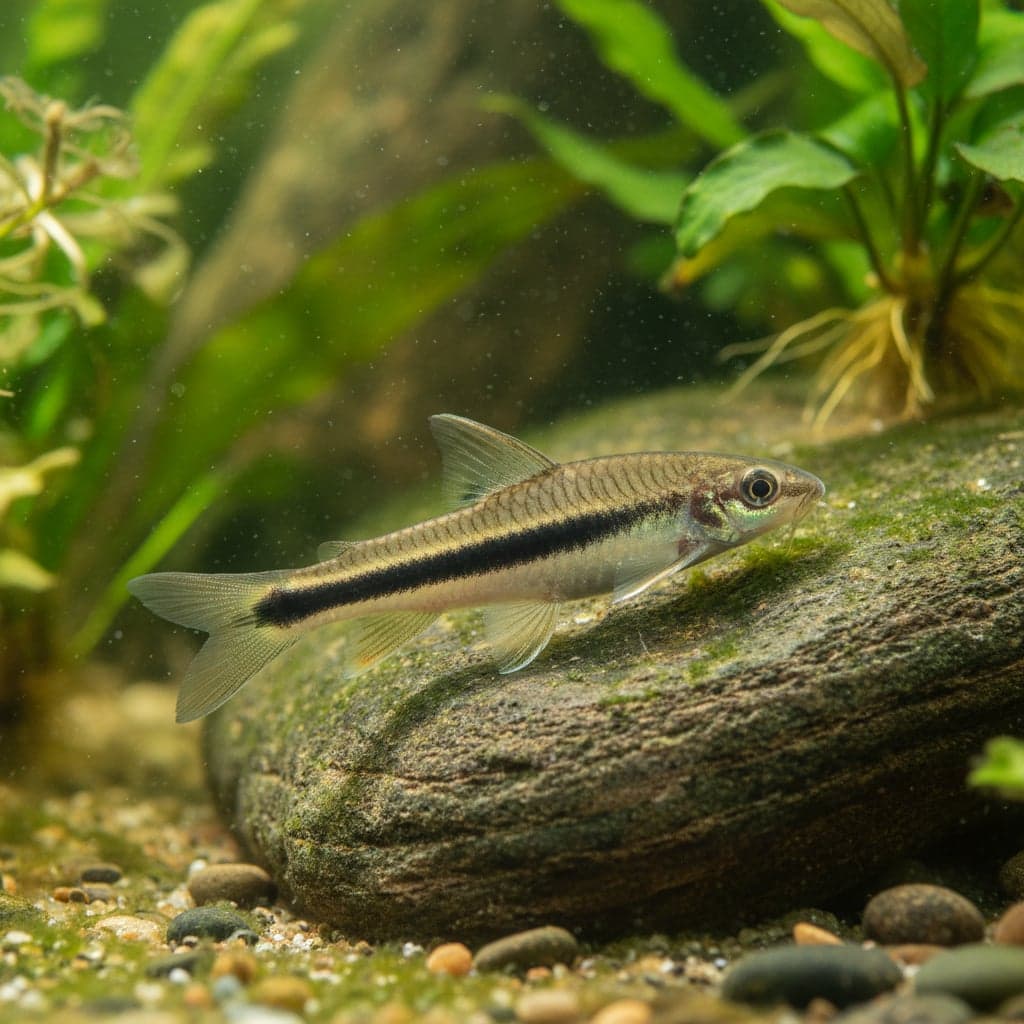
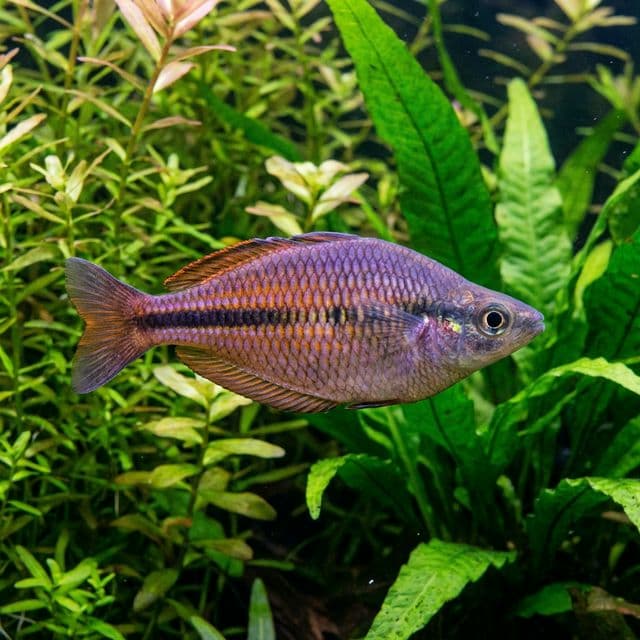
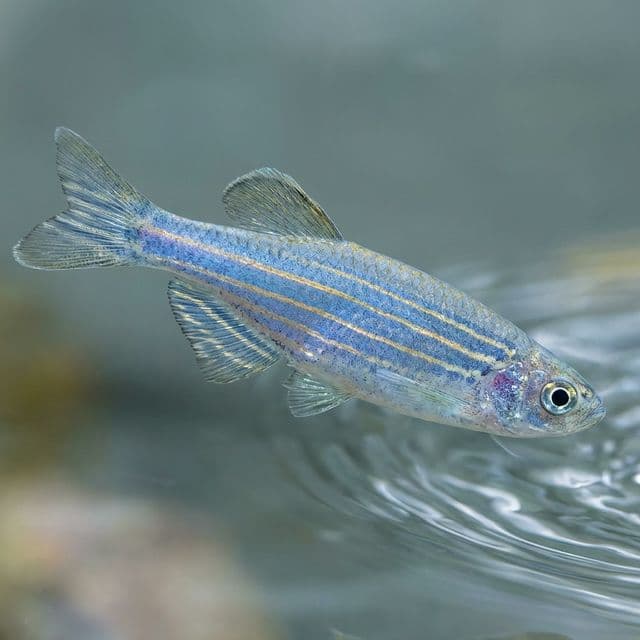
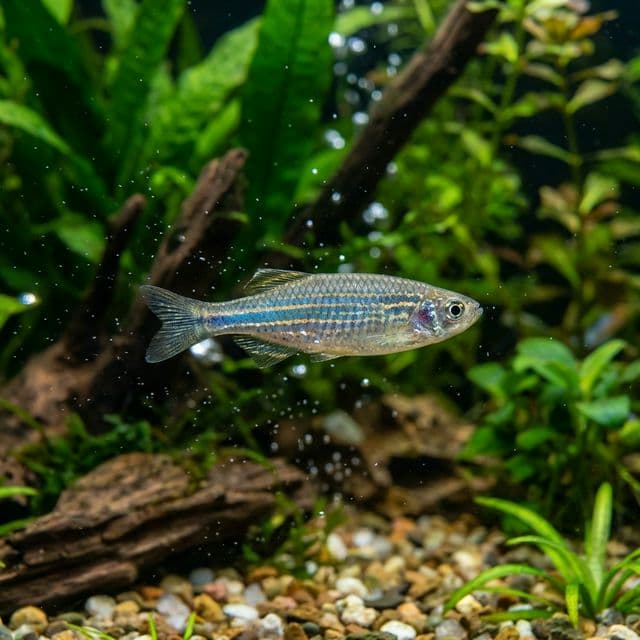
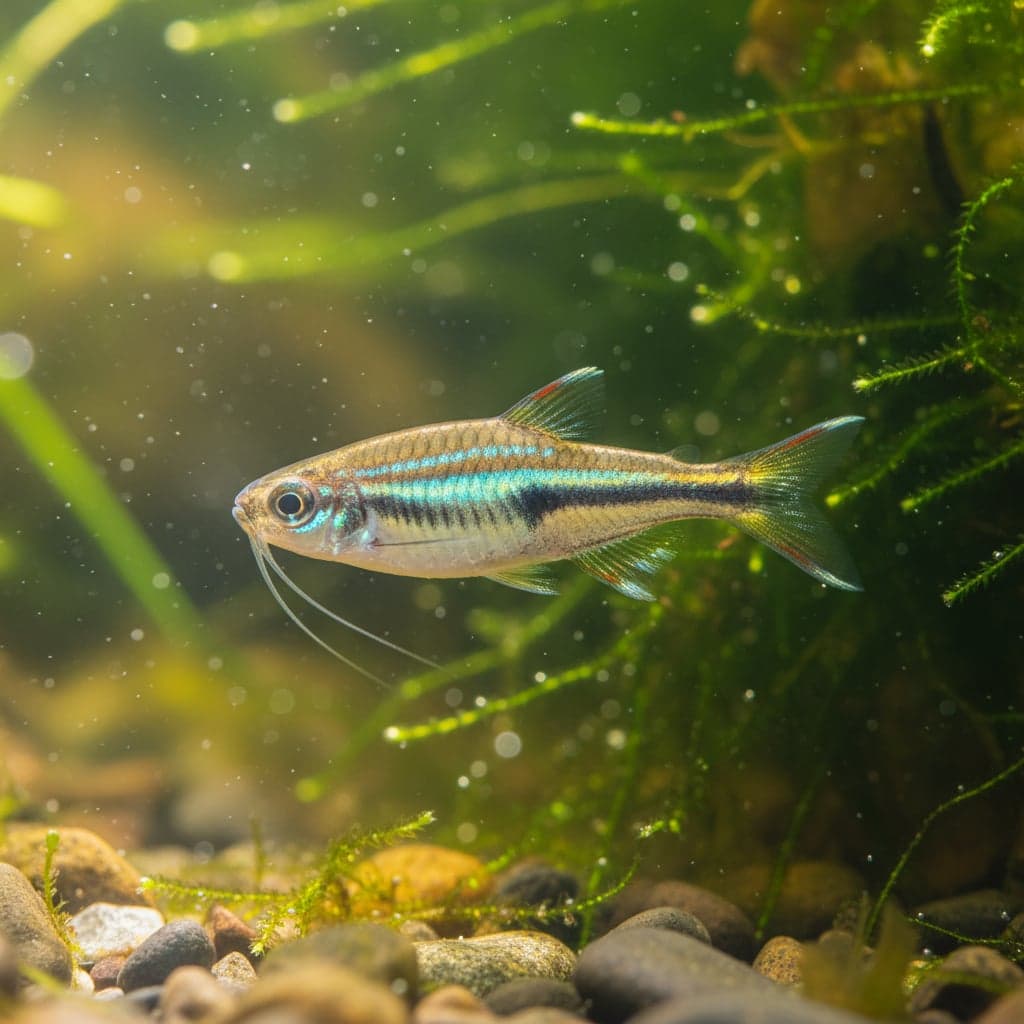
The Fishnet Algae-eater, scientifically known as Crossocheilus reticulatus, is a visually striking freshwater fish that has become increasingly popular among aquarists. With its unique pattern resembling a fishnet, this species exhibits a light golden-brown body adorned with intricate black markings that create a stunning contrast. Additionally, its slender, elongated shape is complemented by its graceful fins, making it not only a functional addition for algae management but also an aesthetic one. The Fishnet Algae-eater thrives in well-established aquariums, where its social and active nature can be appreciated by hobbyists and casual observers alike.
In the aquarium hobby, the significance of the Fishnet Algae-eater extends beyond its beauty. This fish is highly valued for its efficiency in consuming algae, reducing excess growth and keeping tanks looking pristine. As a peaceful inhabitant of community tanks, it adds vibrancy and motion, enhancing the overall viewing experience. The Fishnet Algae-eater is well-regarded by experienced and novice aquarists alike, not only for its algae-eating abilities but also for its adaptability and resilience in various water conditions.
Natural Habitat & Origin
The Fishnet Algae-eater is native to the freshwater rivers and streams of Southeast Asia, particularly found in Cambodia and Vietnam. Its natural habitat consists of slow-moving waters where dense vegetation provides both shelter and foraging opportunities. These water bodies often exhibit clear waters with a slightly acidic to neutral pH, which is crucial for the species' well-being. The Fishnet Algae-eater flourishes in environments rich in organic material, where detritus and algae form significant components of its diet.
The ecological context of its habitat highlights its role in maintaining the balance within these aquatic ecosystems. With its algae-consuming habits, the Fishnet Algae-eater contributes to controlling algal blooms, thereby fostering a more sustainable environment. Understanding the Fishnet Algae-eater’s native conditions allows aquarists to recreate similar settings in their home tanks, ultimately improving the fish’s quality of life.
Care Requirements
To ensure the optimal health of the Fishnet Algae-eater, maintaining proper water parameters is essential. Ideal conditions include a pH range of 6.5 to 7.5, with a temperature between 22°C to 28°C (72°F to 82°F) and a water hardness of 5 to 15 dGH. Regular water testing and routine changes will help maintain these levels. When setting up a tank, a minimum size of 75 liters (20 gallons) is recommended, as the Fishnet Algae-eater is a social fish that appreciates space to swim and interact with tank mates.
For substrate and decor, a sandy or fine gravel substrate mimics its natural environment and is gentle on its body. Incorporating live plants, driftwood, and rocks will not only create hiding spots and territorial boundaries, but also encourage algae growth - a crucial component of its diet. Moderate lighting should be provided, which promotes plant growth while simultaneously ensuring that the Fishnet Algae-eater has adequate visibility for foraging.
Diet & Feeding
The Fishnet Algae-eater is an omnivore, primarily feeding on various types of algae. In an aquarium setting, it thrives on a well-balanced diet comprising high-quality algae wafers, spirulina flakes, and high-fiber pellets. Additionally, supplementation with frozen or live foods such as bloodworms, brine shrimp, and daphnia can be beneficial for maintaining its health and vibrant colors. It's important to avoid overfeeding, as this can lead to water quality issues; rather, small amounts should be provided multiple times each week.
Integrating a range of food options into its diet ensures that the Fishnet Algae-eater remains active and healthy. Observing its feeding behavior will also help aquarium owners identify its preferred food choices, allowing them to tailor nutrition appropriately and foster a thriving tank environment.
Behavior & Temperament
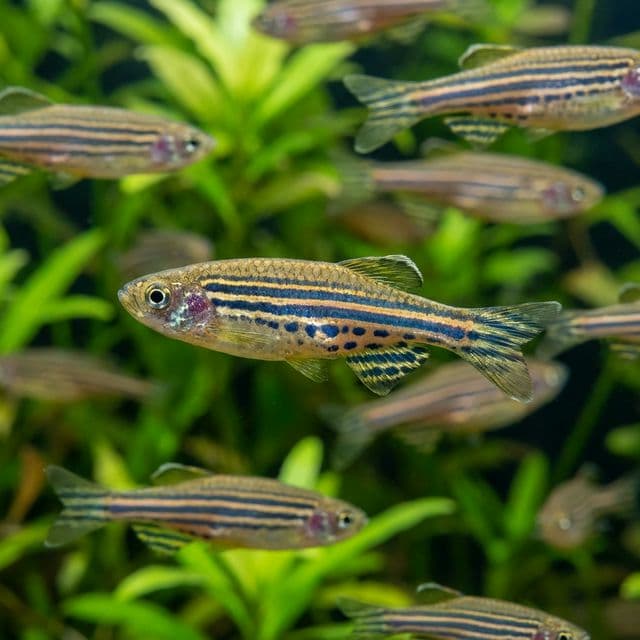
The Fishnet Algae-eater exhibits a generally peaceful temperament, making it an excellent candidate for community aquariums. This species is known for its schooling behavior; therefore, it is advisable to keep them in groups of at least five or more. They often establish a hierarchy within the group, so providing ample swimming space will reduce territorial disputes. The Fishnet Algae-eater is primarily a midwater swimmer, spending much of its time in the middle and upper levels of the tank, although it will occasionally venture down to the substrate for foraging.
While the Fishnet Algae-eater is not aggressive, it may exhibit minor nipped fins in open spaces if crowded with overly assertive species. Moreover, it's essential to observe their behavior, as they thrive in environments where they can interact socially with both their own species and other community fish.
Tank Mates
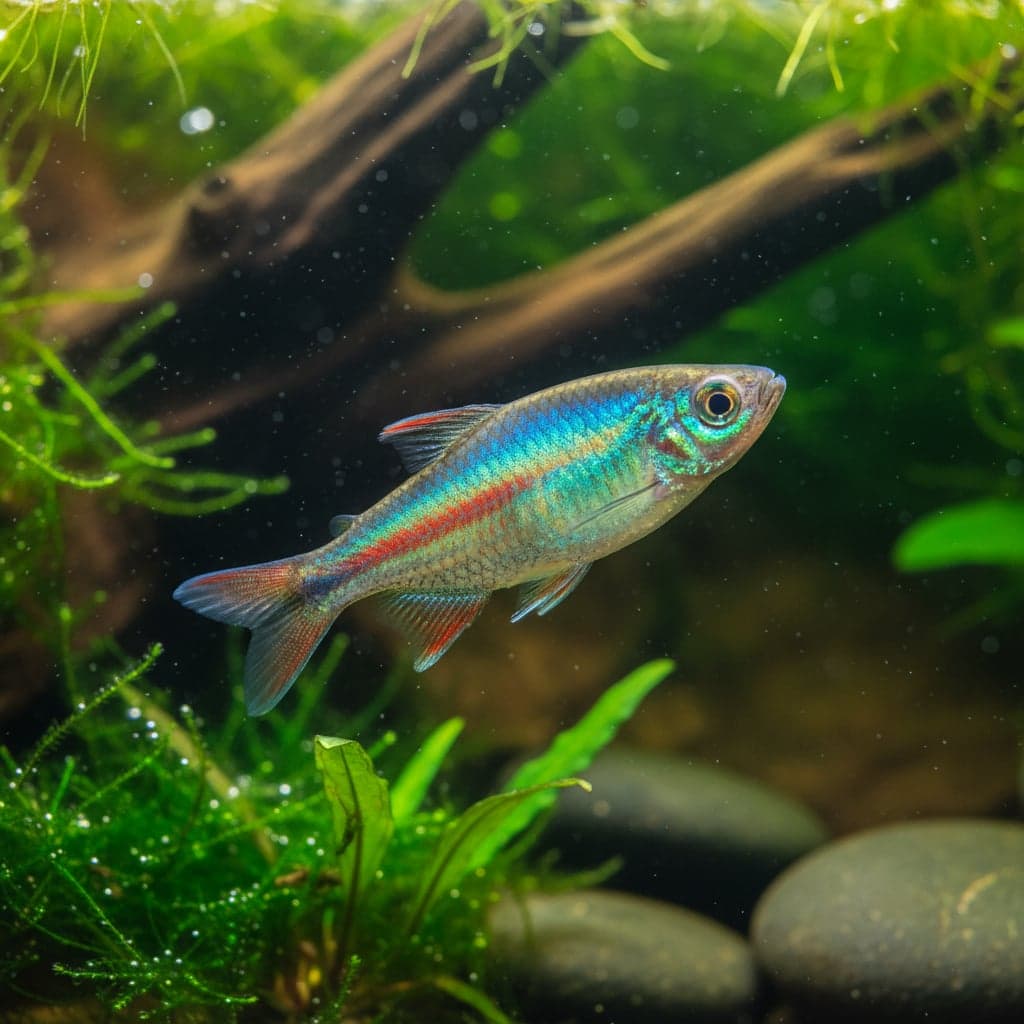
The Fishnet Algae-eater is compatible with a diverse range of tank mates, making it an adaptable choice for many community setups. Ideal companions include small to medium-sized fish like tetras, rasboras, danios, and various types of gouramis. These species share a similar environmental and dietary needs, promoting harmonious coexistence. Shrimp and other peaceful bottom-dwellers can also thrive in their presence.
However, it's crucial to avoid pairing the Fishnet Algae-eater with overly aggressive or territorial species, such as cichlids or certain types of barbs, as this can lead to stress and potential harm. Additionally, larger predatory fish may see the Fishnet Algae-eater as prey and should be avoided in the same aquarium. Careful selection of tank mates will enhance the aquarium's biodiversity and create a balanced ecosystem.
Breeding
Breeding the Fishnet Algae-eater in captivity can be challenging, as they require specific conditions to successfully spawn. Typically, these fish exhibit spawning behavior in groups during the rainy season, which involves a courtship display of rapid swimming and circling. To successfully induce spawning, aquarists should simulate these conditions by slightly increasing the water temperature to around 28°C (82°F) and performing regular water changes to mimic fresh water influx.
To encourage breeding, separate male and female Fishnet Algae-eaters for maturation before introducing them into a spawning tank. A setup with dense plants and spawning mops is ideal, as it provides a safe space for the eggs and shelter for the fry once hatched. After spawning, it's recommended to remove adult fish to prevent them from eating their eggs. With the right care, breeding can lead to a new generation of these charismatic algae-eaters thriving in aquarists' tanks.
Common Health Issues
While the Fishnet Algae-eater is generally robust, it may be susceptible to common freshwater fish ailments such as ich, fin rot, and velvet disease. Preventive measures include maintaining high water quality, regular tank maintenance, and providing a diverse diet. Establishing a healthy environment with stable water parameters reduces stress, making the Fishnet Algae-eater less prone to disease.
Monitoring the fish for signs of distress or illness, such as changes in behavior, lesions on the body, or abnormal swimming patterns, allows for quick intervention if necessary. In case of illness, isolation of the affected fish in a quarantine tank and treatment with appropriate medications will improve recovery chances. Active engagement and knowledge about potential health issues will ensure the Fishnet Algae-eater remains a hardy, long-lived cleaner in the community tank.